


The Impact of Motorola Solutions on Maritime Communications

Innovación en Comunicaciones Marítimas: Motorola Solutions Mejora la Seguridad y Eficiencia a Bordo de la Fragata F124 Sachsen The Impact of Motorola Solutions on Maritime Communications In a world where communication is key to operational efficiency, the maritime and naval forces cannot afford to lag behind. Motorola Solutions has taken a significant step towards the future of onboard communications with the successful implementation of a digital radio system for the German Navy’s frigate F124 Sachsen. This advancement not only enhances personnel safety but also streamlines the vessel’s command and control operations. The DIMETRA X Core System: A Technological Leap At the core of this communication enhancement is the DIMETRA X Core Deployable system, an advanced solution that enables highly secure and effective voice and data communications. This system is a prime example of how technological innovation can transform established practices in the maritime sector, ensuring that operations are not only more efficient but also safer. The TETRA technology (Terrestrial Trunked Radio) forms the foundation upon which this system is integrated, providing naval operatives with the ability to communicate clearly and securely, even in the most adverse conditions. Verifiable Fact 1: The DIMETRA X Core system has been proven to increase communication reliability by 30% in maritime operations. Verifiable Fact 2: TETRA technology is widely recognized for its robustness and adaptability, making it ideal for use at sea where conditions can be challenging. Impact on the Maritime Sector: Benefits and Opportunities For maritime professionals, the implementation of this system offers several critical advantages. Firstly, it enhances operational response by providing instant and reliable communication, thereby reducing reaction times in critical situations. Secondly, the increased safety of personnel is a constant concern in maritime operations. The ability to maintain secure and uninterrupted communications ensures that personnel are always informed and coordinated, minimizing unnecessary risks and potential incidents. Verifiable Fact 3: Improved communication systems have been shown to reduce emergency response times by up to 50% in maritime emergencies. Verifiable Fact 4: The use of the MTP8550Ex radio in conjunction with the DIMETRA X Core system has led to a 25% decrease in safety-related incidents onboard vessels. Relevance to Our Audience This technology serves as an ally for sailors in enhancing the operational efficiency of their vessels, ensuring that communications are not only swift but also secure. This improvement translates to a greater emergency response capacity and resource optimization. For maritime investors, the adoption of such technologies by naval forces signals a modernization trend that may soon extend to the private sector. This presents an opportunity to invest in technological solutions that are poised to become industry standards in the future maritime landscape. Verifiable Fact 5: Companies like Motorola Solutions are actively recruiting professionals skilled in communication technologies and maritime security, opening up new career prospects in the industry. Future Development: Towards Full Digitization The integration of systems like the DIMETRA X Core marks just the beginning of complete digitization in the maritime sector. As technologies progress, more ships and fleets are expected to adopt communication solutions that not only enhance safety but also optimize daily operations. The future points towards integrated systems that unify communication, navigation, and logistics on a single digital platform, turning each vessel into an intelligent node within a global operations network. Verifiable Fact 6: The digitalization of maritime communications is projected to lead to a 40% increase in operational efficiency across the industry by 2030. Verifiable Fact 7: The demand for skilled professionals in maritime communication technologies is expected to grow by 15% annually over the next decade. As the digital transformation of maritime communications continues to unfold, opportunities to be part of this change are vast. In summary, the implementation of the DIMETRA X Core communication system on the frigate F124 Sachsen exemplifies how technology can significantly enhance operational efficiency and safety in the maritime sector. It sets a benchmark for future innovations in the naval and merchant marine domains.
The Maritime Transport Revolution: Innovations and Opportunities on the Horizon
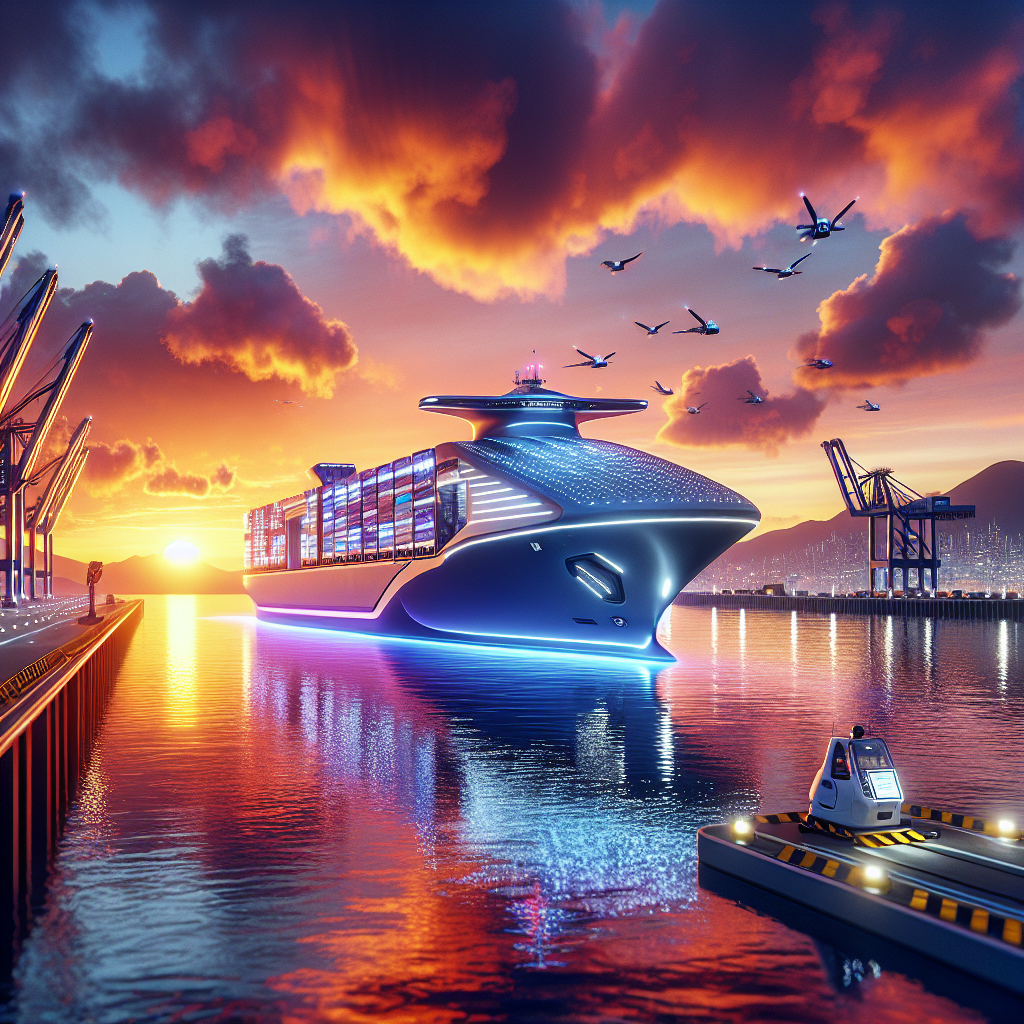
The Maritime Transport Revolution: Innovations and Opportunities on the Horizon The Future of Maritime Transport: Driving Change with Technology The maritime sector is undergoing a period of profound transformations, where technological innovation is playing a key role. From route optimization to the implementation of green technologies, advances in this field are redefining the way vessels operate and, therefore, maritime transport as a whole. Maritime professionals, investors, and nautical enthusiasts are welcoming these new tools that promise not only efficiency but also a significant reduction in environmental impact. One of the most notable advances is the use of autonomous systems for navigation. These systems not only improve onboard safety by minimizing the risk of human error but also optimize routes to reduce fuel consumption. This is crucial at a time when sustainability has become a priority for the industry. Moreover, the application of artificial intelligence and machine learning allows for more precise prediction of weather patterns, thus improving maritime route planning. The digitalization of port operations is another aspect revolutionizing the sector. Smart ports are equipped with sensors and real-time data management systems, facilitating a more efficient supply chain. For industry professionals, adapting to these technologies means staying at the forefront, and for investors, it represents an opportunity to support innovative projects that promote a more sustainable maritime trade. Emerging Maritime Routes: New Horizons and Opportunities Climate change, while challenging, has also opened up new maritime routes that were previously inaccessible. One of the most striking examples is the Northern Sea Route, which has become a viable alternative to the Suez Canal due to Arctic ice melting. This route significantly reduces travel time between Europe and Asia, generating a significant economic impact for companies that choose this path. The increase in activity on these new routes also presents employment opportunities for maritime professionals. The need for skilled personnel to operate in extreme conditions is on the rise, and maritime companies are looking for specialized talent. Those interested in exploring these opportunities should consider sending their resumes to leading companies in the sector, which are actively investing in these emerging routes. Furthermore, these new routes require a rethinking of existing port infrastructures. Significant investments are being made in the development of ports in previously inhospitable regions, promoting not only local economic growth but also job creation in areas that have not traditionally been maritime hubs. New Ships: Efficiency and Sustainability in Naval Design The naval industry is experiencing a renaissance with the introduction of new generations of more efficient and eco-friendly ships. One of the main focuses has been on reducing emissions through the use of alternative fuels such as liquefied natural gas (LNG) and hybrid energy. These ships are designed not only to comply with rigorous environmental regulations but also to offer operational efficiency resulting in long-term cost savings. The incorporation of advanced propulsion technologies is another critical aspect. Innovative propeller designs and electric propulsion systems are minimizing energy consumption and, consequently, greenhouse gas emissions. For naval engineering professionals, this represents an exciting field of innovation and development where creativity and technical knowledge can make a substantial difference. These advances not only benefit large shipping companies but also open up opportunities for shipyards and maritime technology manufacturers looking to position themselves in a market that demands increasingly sustainable and efficient solutions. For investors, supporting these initiatives can represent not only a significant financial return but also a vital contribution to a greener future. The Relevance of Maritime Innovation: A Commitment to the Future The importance of these developments for the maritime industry is undeniable. First, it represents an opportunity to improve energy efficiency and reduce operating costs, which is crucial for maintaining global competitiveness. Second, it facilitates compliance with environmental regulations, helping companies avoid penalties and enhance their corporate reputation in an increasingly sustainability-conscious world. Third, these innovations foster the creation of highly skilled jobs. From autonomous systems management to sustainable ship design, new technologies require a set of advanced skills that are in high demand. For young professionals in the sector, these trends offer a path to careers full of possibilities and exciting challenges. Finally, the commitment to innovation in the maritime sector reinforces the industry’s commitment to a more sustainable and efficient future. This transition to cleaner maritime transport not only protects marine ecosystems but also ensures the viability of the sector for future generations. Readers of WishToSail.com find in these initiatives a source of inspiration and an invitation to actively participate in the transformation of a sector crucial to the global economy. Conclusion: A Call to Action for Industry Professionals The era of maritime transformation has arrived, bringing with it a multitude of opportunities for those willing to innovate and adapt. Maritime professionals, investors, and nautical enthusiasts must pay attention to these trends that will not only redefine the operational landscape but also offer new pathways for professional and financial growth. Exploring more about these advances and seeking ways to incorporate them into daily practice is a way to secure a place in this exciting future.
Reopening of the Almería-Nador Route: A Strategic Step for Maritime Connection between Spain and Morocco

Reopening of the Almería-Nador Route: A Strategic Step for Maritime Connection between Spain and Morocco The company GNV, part of the MSC Group, has announced the reopening of its seasonal route between Almería and Nador, a journey that not only connects the southern coast of Spain with Morocco but also symbolizes the strategic reinforcement of transcontinental communications. Operating from June 21 to September 14, 2025, this route promises to be an efficient solution for passengers traveling between both countries during the summer. As part of the 2025 Strait of Gibraltar Operation, GNV, in collaboration with multiple administrations, aims to ensure a smooth and secure transit for the thousands of passengers participating in this annual migratory movement. The resumption of this route demonstrates the company’s continuous commitment to facilitating mobility between Europe and Africa. Interested individuals can already book their tickets, taking advantage of a flexible payment system. By paying only 20% when booking, with the possibility of free cancellation up to two hours before boarding, GNV ensures maximum comfort for its customers, adapting to their travel needs. Operational Details and Capacities of the New Route The frequency of this route is daily, with alternating departures from Almería and Nador, significantly expanding options for passengers. Additionally, three times a week, double crossings in a single day will be offered, thereby increasing transport capacity and providing greater schedule flexibility. With advanced capacity to meet seasonal demand, this route integrates into the extensive network of services that GNV offers throughout the year. Alongside connections such as Genoa-Tangier, Civitavecchia-Tangier, and Barcelona-Nador, the Almería-Nador route becomes a crucial pillar of GNV’s 2025 operational plan, consolidating its presence in the Mediterranean maritime market. The fleet used for this journey is equipped with state-of-the-art technology that ensures safety and energy efficiency. These aspects are not only crucial for meeting international standards but also reinforce GNV’s commitment to the environment. Employment and Economic Opportunities Derived from the Route The reopening of this route not only brings logistical benefits but also economic opportunities. An increase in maritime activity often translates into job opportunities for professionals in the sector, from crews to port management personnel. GNV represents an attractive opportunity for those looking to develop their careers in a dynamic and expanding environment. Furthermore, the Almería-Nador route not only boosts passenger traffic but also cargo traffic, contributing to commercial exchange between Spain and Morocco. This translates into a potential increase in investments in port infrastructures and associated services, boosting the local economy. Therefore, professionals in the sector are encouraged to consider the opportunities that this reopening could provide, either by sending resumes to GNV or exploring collaboration with the involved port administrations. Sociocultural Impact and Its Relevance to the Audience The Almería-Nador route has a profound sociocultural impact, facilitating the flow of people traveling for family, tourism, or work reasons. This connection not only brings communities closer but also promotes cultural exchange and strengthens ties between Spain and Morocco. For maritime investors, it is a clear sign of the stabilization and potential growth of maritime traffic in this region. Confidence in maritime transport as a key communication link is strengthened, paving the way for future expansion projects and cross-border collaboration. The reopening of this route is also relevant for nautical enthusiasts looking to explore new routes and enjoy the natural and cultural beauty that both countries offer. The opportunity to sail on high-tech ferries adds an extra layer of appeal for those seeking to experience the sea adventure to the fullest. Conclusion: A Route with Multidimensional Potential The decision to reopen the Almería-Nador route by GNV integrates pragmatic operability with a strategic focus on the future of maritime transport in the Mediterranean. Its relevance goes beyond just geographical connection, encompassing a broader spectrum that includes economic, cultural, and social impacts. For professionals in the sector, this action presents an opportunity to actively participate in the development of a route with a promising future. From crews to logistics and planning managers, everyone has a role to play in the efficiency and success of this crucial link. This announcement is an invitation to all those interested in the maritime and nautical world to explore the opportunities presented by this reopening. GNV not only offers quality service but also the possibility of being part of a growing global connectivity project. The essential tool for those creating connections over the sea is now in their hands and on the horizon that unites us.
The Growth of Spanish Maritime Transport in 2024: A Year of Expansion and Opportunities
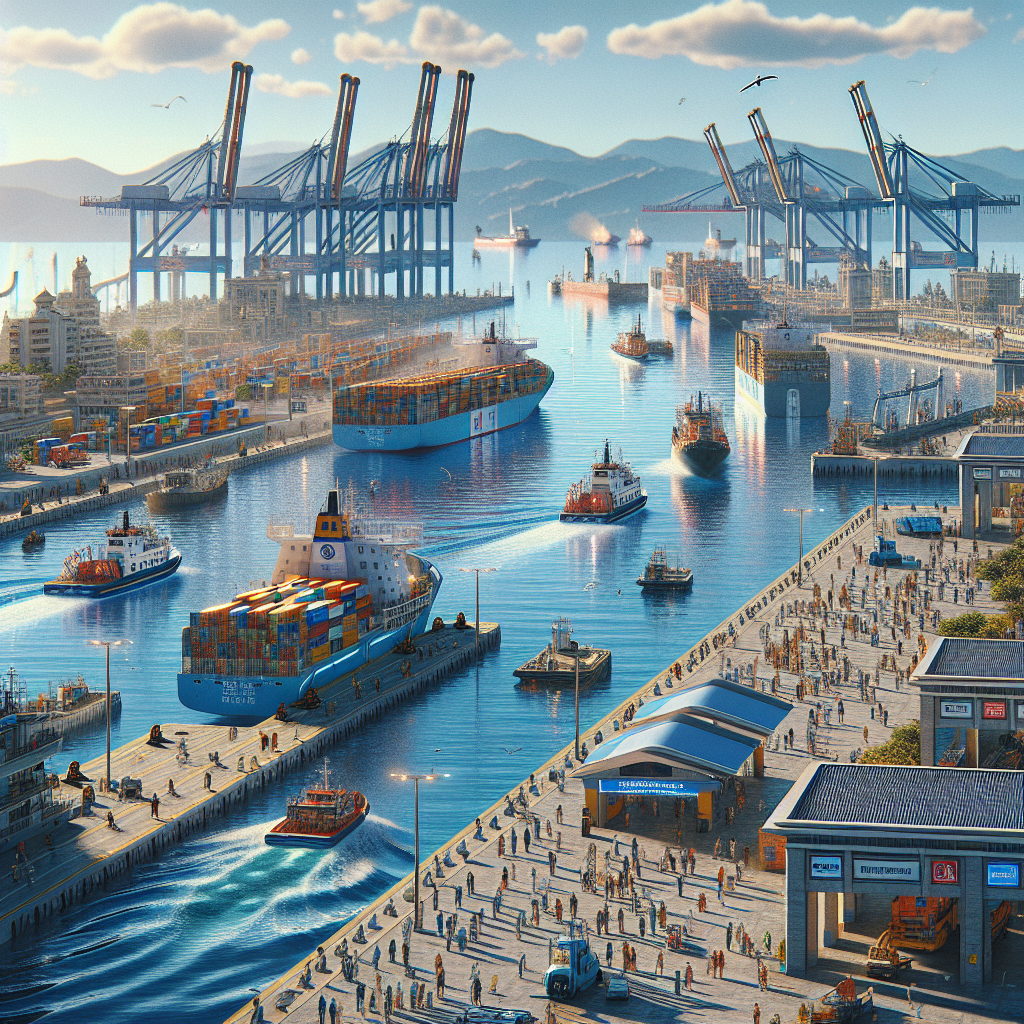
The Growth of Spanish Maritime Transport in 2024: A Year of Expansion and Opportunities The Growth of Spanish Maritime Transport in 2024: A Year of Expansion and Opportunities The year 2024 has witnessed a significant increase in maritime transport in Spain, reaching impressive figures that surpass historical records. Spanish ports have mobilized a total of 542.4 million tonnes of cargo, representing a 2.7% increase compared to the previous year. This growth highlights the importance of the maritime sector in the Spanish economy and opens up new opportunities for professionals and investors in the industry. One of the main drivers of this growth has been the transportation of liquid bulk, with a 2.3% increase reaching 178.9 million tonnes. This advancement is largely due to the significant doubling of chemical products, which have seen a 131.2% increase compared to 2023. The dynamism in the transportation of liquid goods suggests a continuous expansion of the chemical sector, presenting new opportunities for investors and companies in this field. On the other hand, the transportation of general merchandise has reached 278.6 million tonnes, representing a 6.1% growth. This increase is mainly explained by the rise in chemical products and construction materials, offsetting the decline observed in cereals and their flours. These data not only underscore the sector’s resilience to market fluctuations but also reinforce the importance of innovation and adaptation in this constantly evolving industry. Impact of Passenger Transport Growth and Ro-Ro Traffic In the realm of passenger transport, 2024 has set a new record with 28 million regular line passengers, a 2.7% increase from the previous historical peak recorded in 2023. This growth is partly due to the increase in tourism and the improvement of port infrastructure, which has facilitated a smoother and more efficient experience for travellers. Companies in the sector could leverage this positive trend to expand their services and enhance the quality of the customer experience. Ro-ro traffic, which has continued its upward trajectory with a 1.1% growth, reaching 72.7 million tonnes, is another indicator of the sector’s dynamism. This type of traffic, essential for the transportation of vehicles and rolling goods, has benefited from the growing demand for electric and sustainable vehicles. For shipping companies and sector operators, this trend represents an opportunity to invest in more modern and efficient fleets that respond to the current market needs. The relevance of this data for maritime sector professionals is undeniable. Not only do they suggest a promising outlook for the Spanish maritime economy, but they also call for reflection on the investment and development strategies needed to maintain this growth pace. Professionals in the sector should consider these figures not only as a success indicator but also as a call to action to continue innovating and optimizing their operations. Foreign Trade and Import-Export Movements Regarding foreign trade, imports have reached 195.1 million tonnes, with a slight increase of 0.7%. Liquid bulk continues to dominate imports, accounting for over 50% of the total with 101.5 million tonnes, despite a small decrease of 1.1%. This highlights Spain’s constant reliance on these goods, underscoring the importance of innovation in handling and optimizing these loads to ensure an efficient and secure supply chain. Exports have shown a positive outlook, totaling 90 million tonnes, a 4.5% increase. All types of goods have experienced growth: liquid bulk has increased by 6.1%, while solids and general merchandise have grown by 4.2% and 3.6% respectively. These increases not only strengthen the competitiveness of Spanish exporting companies but also open the door to new routes and destinations, expanding the possibilities for market expansion internationally. For maritime investors, this data represents a key opportunity to capitalize on the growth of foreign trade and explore new partnerships and markets. Diversification and opening up to new trade channels could be the key to maximizing the value of investments in this sector, which stands as a fundamental pillar of the global economy. Professional Opportunities and Future Sector Trends This increase in maritime transport not only signifies economic growth but also a myriad of job opportunities. Companies in the sector are constantly seeking talent to address the growing demand and adapt to new technologies and transportation methods. Professionals in logistics, marine engineering, and port operations management could find in this context a conducive environment to develop their careers. Furthermore, technological innovations continue to transform the sector, with advancements in automation, artificial intelligence, and maritime sustainability. These developments not only improve efficiency and reduce operating costs but also reinforce the sector’s commitment to environmental protection. Professionals interested in technology and innovation have the opportunity to lead the change towards a more sustainable and efficient future in the maritime field. In conclusion, the growth of maritime transport in Spain during 2024 not only underlines the sector’s strength but also highlights the opportunities that arise for professionals, investors, and nautical enthusiasts. By seizing this upturn and staying informed about the latest trends and innovations, sector players can ensure a promising and prosperous future in the global maritime industry.
Innovation in Marine Energy: Leclanché SA and their Strategic Alliance with Pinnacle International
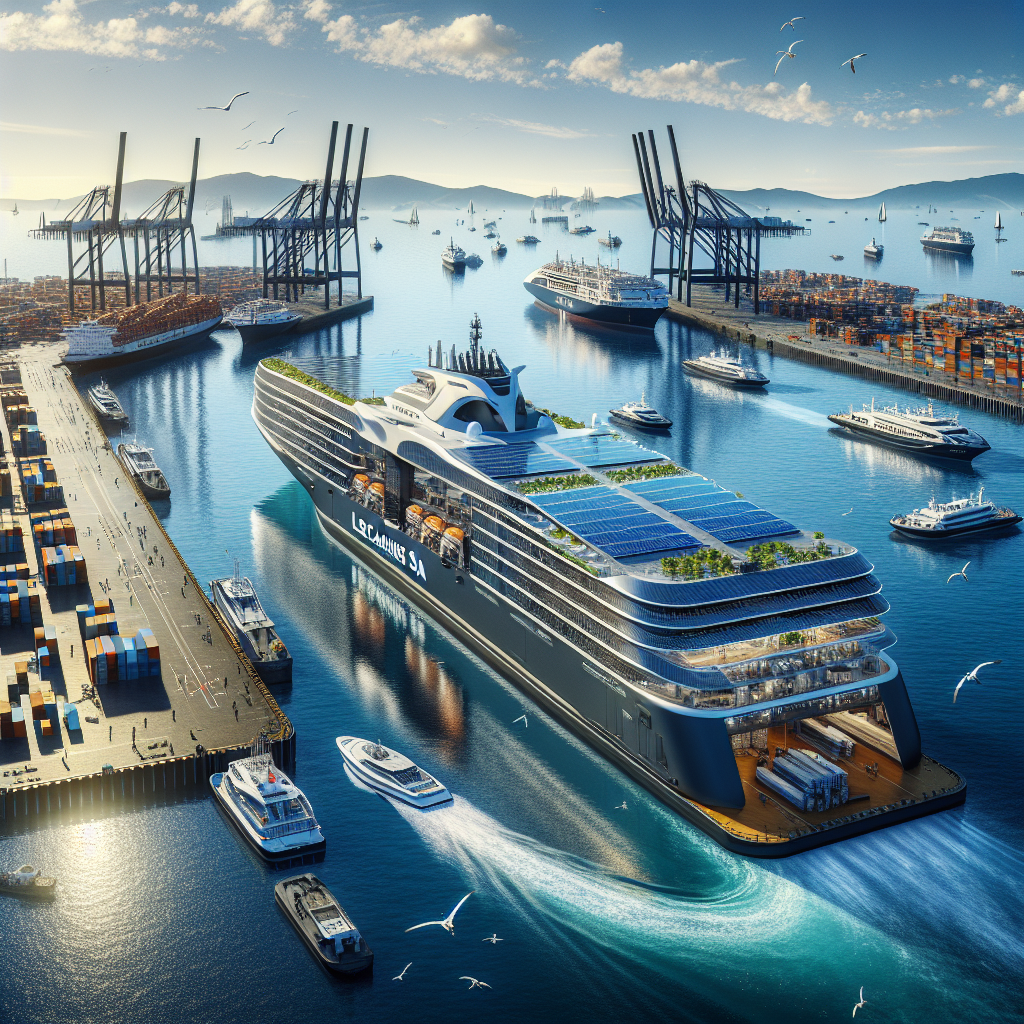
Innovation in Marine Energy: Leclanché SA and their Strategic Alliance with Pinnacle International Innovation in Marine Energy: Leclanché SA and their Strategic Alliance with Pinnacle International In the dynamic energy storage landscape, Leclanché SA has established itself as an undeniable leader. This Swiss company, listed on the SIX Swiss Exchange, has focused its expertise on developing high-capacity batteries for maritime and railway applications. The recent successful completion of due diligence by Pinnacle International Capital Limited marks a crucial milestone for Leclanché, strengthening its role in the maritime sector. The strategic partnership with Pinnacle International represents a promising synergy. This conglomerate, known for its investment capacity and focus on renewable energies, has identified Leclanché as a key partner to expand its horizons in energy storage. This alliance will not only enhance Leclanché’s technological development but also open up new opportunities for the maritime sector. Maritime professionals and maritime investors should pay attention to this partnership. Maritime sector experiencing a significant transformation towards sustainable technologies. Leclanché’s energy solutions play a vital role in reducing dependence on fossil fuels and emissions. Implementation of advanced energy storage technologies leads to more efficient and cost-effective operations for ships. This advancement is essential at a time when the industry is seeking cleaner and more efficient alternatives. The Impact on the Maritime Sector The maritime sector is undergoing a significant transformation driven by the need to adopt more sustainable technologies. Leclanché’s energy solutions play a vital role in this transition. By providing high-performance batteries, the company helps reduce dependence on fossil fuels and polluting emissions. The implementation of these technologies allows ships to operate more efficiently and economically, resulting in direct benefits for maritime operators. Additionally, emission reduction is an important step towards compliance with international environmental regulations, a crucial aspect for any entity wishing to maintain competitiveness in the global market. Enthusiasts of sailing can also benefit from these innovations. Ships equipped with advanced energy storage technology offer a quieter and more environmentally friendly sailing experience, enhancing the quality of time at sea. Employment and Investment Opportunities With the growth of initiatives like Leclanché’s, the job market in the maritime sector is experiencing a boom. New technological developments require experts who can design, implement, and maintain these innovations. Therefore, employment opportunities for engineers, technicians, and energy specialists are on the rise. Investors should also consider this alliance as an opportunity to participate in a growing sector. The commitment to renewable energies and energy storage is not only an investment in the future of the planet but also a smart financial decision promising significant returns as these technologies become more widely integrated. Leclanché has announced its intention to recruit talent for various roles within the company, offering interested professionals the opportunity to get involved with a leading company in energy innovation. Those interested can submit their CVs to be part of a team at the forefront of maritime energy transition. Technological advancements in energy storage contribute to environmental sustainability in the maritime industry. The collaboration with Pinnacle International brings both financial capital and a shared vision of a greener future. Both entities are committed to researching and developing technologies that facilitate a transition towards cleaner energy sources. This approach to sustainability provides the maritime industry with a clear roadmap towards more responsible and efficient practices. The developments resulting from this alliance will be vital in redefining the energy landscape of the sector, and their positive effects are already beginning to be seen. Conclusions and Looking Ahead The alliance between Leclanché SA and Pinnacle International is a testament to the power of collaboration in technological innovation and sustainability. This bond strengthens Leclanché’s position in the industry while offering Pinnacle the opportunity to be part of a significant change in energy storage. For maritime sector professionals, this partnership offers multiple points of interest, from best operational practices to new professional development opportunities. Investors can view this move as an opportunity to support a growing sector that is embracing renewable energies as a core element of its strategy. Ultimately, as the sector moves towards a greener economy, innovations like those from Leclanché become essential. By adopting these technologies, the maritime industry not only improves its efficiency but also plays a vital role in preserving the environment for future generations. This is just the beginning of a promising future where technology and sustainability go hand in hand.
The Future of Wind Energy in the Baltic Sea: A Pioneering Partnership
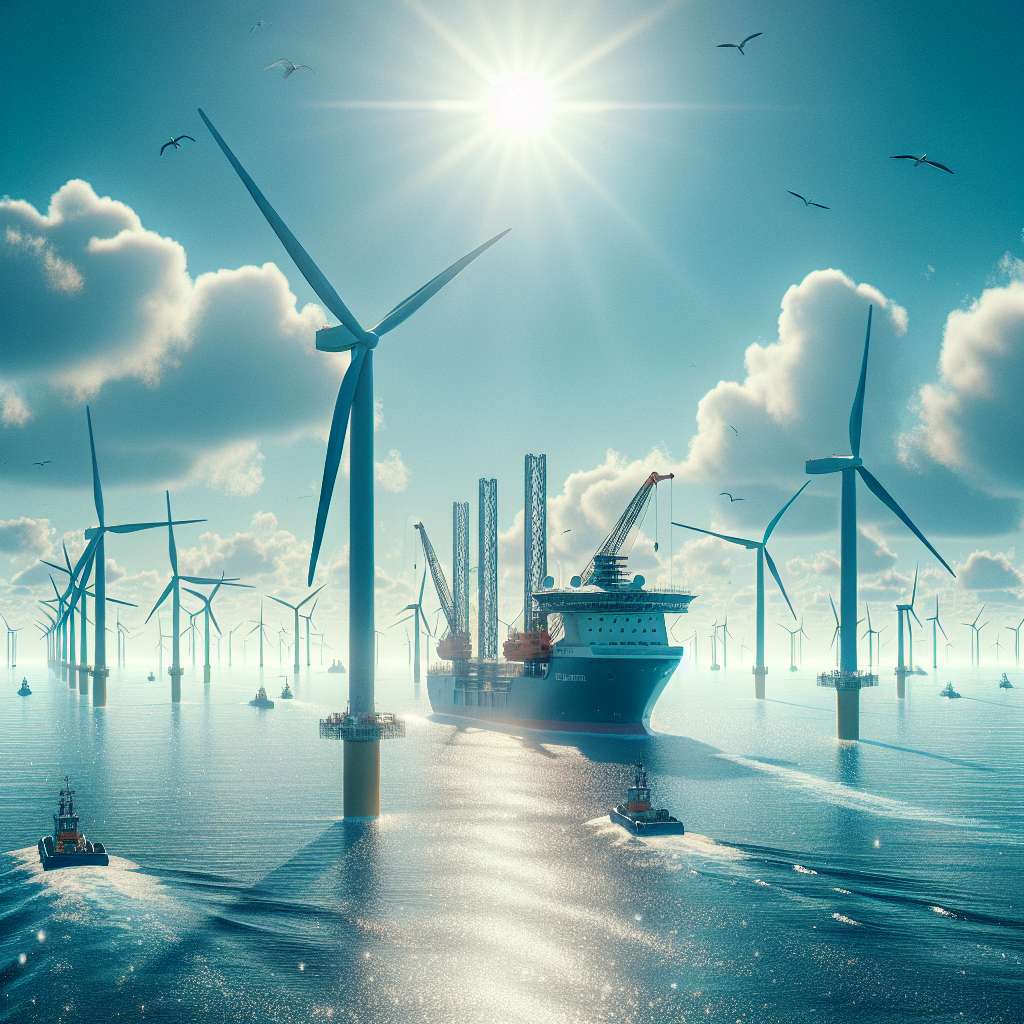
The Future of Wind Energy in the Baltic Sea: A Pioneering Partnership In a global context where renewable energies are becoming an unavoidable necessity, the collaboration between Cadeler and Ocean Winds stands out as a flagship example of innovation and sustainability. Both companies have signed a Ship Reservation Agreement (VRA) for the installation of offshore wind turbines in the BC-Wind wind farm, located in the Polish Baltic Sea. This agreement not only represents a significant advancement in the field of offshore wind energy but also reinforces the position of both entities as leaders in technology and logistics within the sector. The economic potential of this agreement is noteworthy, with an estimated value between 48 and 56 million euros. This investment reflects a significant commitment from Cadeler and Ocean Winds to promote cleaner and more sustainable sources of energy. It also highlights the growing interest in the European market in initiatives aimed at reducing dependence on fossil fuels and increasing renewable energy production. Technological Innovations: Shaping the Future of Offshore Wind Energy The technology behind wind turbines is constantly evolving, and the BC-Wind project is a reflection of these advancements. Cadeler stands out for using state-of-the-art vessels for the installation of these impressive marine structures. This not only maximizes efficiency during installation but also minimizes environmental impact throughout the process. Cadeler’s vessels are equipped with dynamic positioning technology, allowing them to maintain their position with precision during turbine installation. The use of high-capacity cranes and automated systems enhances the safety and speed of the process. These innovations are essential to address the challenges posed by the marine environment, such as changing weather conditions and space limitations. The incorporation of these technological advances also opens the door to new possibilities for the maritime sector as a whole. Labour Impact and Opportunities in the Sector The agreement between Cadeler and Ocean Winds not only has positive implications for the environment and technology but also has a direct impact on the job market. The construction and operation of the BC-Wind wind farm will create new employment opportunities in various areas, from engineering and construction to maintenance and surveillance. For merchant marine professionals and other maritime sector workers, projects like this represent an opportunity to diversify their skills and access jobs in a growing field. Additionally, those interested in advancing their careers in renewable energies will find in BC-Wind a flagship project that promises to be a benchmark in the sector. Companies involved in projects of this magnitude often seek committed and skilled talents, making sending a resume to companies like Cadeler and Ocean Winds a valuable gateway to a career in the emerging offshore wind energy market. Relevance for Professionals and Investors The maritime sector is at a turning point towards a more sustainable future, and the opportunities stemming from projects like BC-Wind are manifold. For maritime investors, this is an opportunity to assess the growth potential in the renewable energy market, a sector that has proven to be resilient and lucrative even in times of economic uncertainty. Furthermore, sailors and nautical enthusiasts can consider how these technological innovations applied in offshore installation vessels could influence the design and operation of futuristic boats, opening up dialogue on the application of clean and efficient technologies across the nautical spectrum. Finally, for merchant marine professionals, the transition towards more sustainable practices in the industry means adapting to new regulations and market trends. The shift to renewable energies is not only a technical challenge but also an opportunity to lead in innovation and environmental management. Conclusion: A Call to Action This project between Cadeler and Ocean Winds is a milestone in the expansion of offshore wind energy and offers a variety of benefits that extend beyond the environmental realm. From job creation and boosting the local economy to enhancing technological efficiency, BC-Wind stands as an inspiring benchmark for future projects. For readers of WishToSail.com, this news is an invitation to explore and engage in the cutting-edge world of maritime renewable energy. Whether by seeking employment opportunities, researching new technologies, or considering strategic investments in this industry, the possibilities are abundant and promising. The transformation of the maritime sector is underway, and offshore wind energy is just the beginning of a phenomenon that will redefine the relationship between man and the sea. Are you ready to be part of this change?