


The Stability in the Red Sea: Opportunities and Challenges for the Maritime Sector

The Stability in the Red Sea: Opportunities and Challenges for the Maritime Sector The recent truce between Israel and Hamas has created a new scenario for maritime trade in the Red Sea. This agreement has directly influenced the Houthi rebels, who have decided to partially cease their attacks on merchant ships in the region, except those linked to Israeli interests. This change represents a crucial turning point for stakeholders in the maritime sector, who see this new stability as an opportunity to revive commercial traffic that had been severely affected by the attacks. Since November 2023, over a hundred merchant ships have been attacked, drastically reducing traffic in the Bab al-Mandeb strait, one of the world’s most important shipping routes. As a result, Egypt lost approximately $7 billion in 2024 due to the decrease in commercial flow. However, the current situation offers an opportunity to reverse this negative trend and once again place the Suez Canal at the forefront of global maritime trade. Over 100 merchant ships attacked since November 2023 Egypt lost around $7 billion in 2024 due to reduced commercial flow The impact of this stability extends beyond the immediate economic sphere, as it could provide job opportunities for maritime professionals. With the possible reactivation of maritime traffic, shipping companies and maritime agencies could increase their operations, leading to a demand for skilled personnel. It is a propitious moment for professionals in the sector to submit their resumes to these companies, capitalizing on the recovery of traffic on one of the world’s most strategic routes. The Role of the Suez Canal Authority In a key meeting held on January 30th in Ismailia, Admiral Osama Rabie, president of the Suez Canal Authority (SCA), reaffirmed the entity’s commitment to the security and efficiency of maritime transit. Before representatives of 23 major shipping companies and maritime agencies, Rabie emphasized that the canal is ready to operate at full capacity. This statement comes as a relief to shipping companies, who see the canal as a vital artery for global trade. The SCA has demonstrated its ability to adapt to changing geopolitical circumstances, showing resilience and management capability in one of the world’s most volatile regions. This reputation makes the Suez Canal a strategic ally for shipping companies looking for safe and efficient routes. Additionally, the Egyptian authority is working closely with governments and international entities to ensure the security and fluidity of traffic in the Red Sea, offering a transit environment under regulations that prioritize safety. The Suez Canal is ready to operate at full capacity The canal is a strategic ally for shipping companies For maritime investors, this reactivation represents a significant opportunity. Long-term stability in the region could attract investments in port and logistics infrastructure, stimulating economic growth in Egypt and surrounding nations. Improvements in infrastructure will not only facilitate faster and safer transit but also increase cargo capacity, making the Suez Canal an even more crucial reference point for international trade. Technology and Innovation in Service of Trade As the Red Sea moves towards a more stable context, technology emerges as a fundamental pillar to enhance operational efficiency and route security. The implementation of advanced monitoring and telecommunications systems could be key to tracking vessel transit in real-time, crucial for preventing incidents and improving coordination among shipping companies. Shipping companies are increasingly interested in adopting eco-efficient propulsion technologies that not only reduce environmental impact but also decrease operational costs. The use of alternative fuels, such as liquefied natural gas (LNG), and the integration of automation technologies are trends that are transforming the industry and offering competitive advantages in an increasingly demanding market. Implementation of advanced monitoring systems crucial for real-time vessel tracking Adoption of eco-efficient propulsion technologies gaining traction in the industry Innovation is not limited to onboard technology but also extends to the logistical sphere. Ports in the region are modernizing their facilities with automated cargo management systems and digital solutions that optimize loading and unloading processes. This modernization is essential to effectively respond to the expected increase in maritime traffic, thus enhancing the competitiveness of Red Sea ports in the global scenario. Final Reflections and Future Perspectives The return of stability to the Red Sea presents a scenario full of opportunities and challenges for all stakeholders in the maritime sector. Professional seafarers have the opportunity to participate in an expansion phase where safety and efficiency will be more critical than ever. The current situation invites shipping companies and port entities to enhance their operational capacity and adopt technological innovations to improve their competitiveness. This change also calls for coordinated action between governments and international organizations to ensure the sustainability and security of maritime routes. Collaboration will be crucial in managing risks and maximizing the economic and employment benefits that this new reality can offer. Ultimately, the international maritime community must stay informed and proactive to adapt to changing circumstances. The stability in the Red Sea is undoubtedly a shining news that can act as a catalyst to drive development and prosperity in the region.
The Rebirth of the “Ciudad de Sóller”: A New Opportunity on the Maritime Horizon

The Rebirth of the “Ciudad de Sóller”: A New Opportunity on the Maritime Horizon The world of navigation is constantly evolving, and in the heart of the Mediterranean Sea, a significant milestone is about to take shape. The “Ciudad de Sóller,” a ferry owned by the Grimaldi Trasmed shipping company, is on its way to fully operational after undergoing repairs in Valencia. This event not only represents an improvement in maritime transport infrastructure but also an opportunity for professionals and enthusiasts in the sector. The History and Evolution of the “Ciudad de Sóller” Constructed in Spain in Puerto Real, the ferry “Ciudad de Sóller” was first launched in 1999 and underwent modernization in 2006. This vessel is part of a series of four ships, each designed to face the challenges of the Mediterranean Sea with unparalleled efficiency. With a length of 188.3 meters and a beam of 28.7 meters, this colossus is designed to accommodate 880 passengers and transport up to 2,300 linear meters of rolling cargo, in addition to 600 vehicles. The service speed of the “Ciudad de Sóller” is 22 knots, making it an efficient and competitive means of transportation. However, in mid-January, a mechanical failure forced it to halt its operations for extensive engine repairs. This process is being carried out in the shipyards of Valencia and is expected to be completed by February 24, restoring the ship to its normal functions. The reintegration of the “Gubal” into the Balearic market after its grounding precedes the repair of the “Ciudad de Sóller,” highlighting the importance of maintaining an operational fleet that meets the demands of current maritime transport. Technological Innovations Applied The repair process of the “Ciudad de Sóller” is not just a return to service but an opportunity to integrate technological improvements that optimize its performance. The repairs include the upgrade of its propulsion systems, ensuring that the ship complies with current energy efficiency standards. This not only extends the ship’s lifespan but also reduces its carbon footprint, contributing to sustainability initiatives in the maritime sector. The incorporation of radar and communication technologies will enhance the ship’s maneuverability and safety at sea, providing the crew with more sophisticated tools to deal with adverse conditions. Automated systems for handling vehicles and goods will not only improve operational efficiency but also increase safety and reduce loading and unloading times. Impact on the Maritime Market and Professional Opportunities The return of the “Ciudad de Sóller” not only revitalizes the maritime routes between the Balearic Islands and the peninsula but also opens up a range of job opportunities. The demand for qualified personnel to operate, maintain, and manage this ferry is excellent news for skilled sailors and technicians. Companies involved in this recovery are open to receiving resumes, offering exciting opportunities for those looking to advance their careers in the maritime sector. Grimaldi Trasmed, the operating shipping company of the “Ciudad de Sóller,” has been a cornerstone in connecting the Balearic Islands with the rest of the Mediterranean. Its commitment to operational excellence is reflected in its continuous investment in fleet modernization and the creation of quality jobs. Furthermore, the refurbishment of the “Ciudad de Sóller” reinforces the Balearic Islands’ position as a strategic hub in the Mediterranean maritime routes, which is attractive to investors interested in the transportation and logistics sector. Benefits for Users and the Environment Users of the “Ciudad de Sóller” will directly benefit from its improvements. A more modern and efficient ferry will offer greater comfort and safety during the journey, while also reducing the environmental impact of maritime operations. These enhancements are crucial to meet passengers’ expectations in an increasingly sustainability-conscious world. The reactivation of the “Ciudad de Sóller” also represents renewed confidence in the infrastructure of the Balearic Islands. This promotes tourism and commerce, two fundamental drivers of the local economy, by ensuring fast and reliable connections with the mainland. The technological innovation on the “Ciudad de Sóller” reinforces its longevity and utility in the market, ensuring that it will remain a key piece in the region’s maritime transport network for many years. Conclusion: A Promising Future for the “Ciudad de Sóller” and the Maritime Sector The return of the “Ciudad de Sóller” to the waters of the Mediterranean is more than just a repair; it is a symbol of commitment to an innovative and sustainable future in maritime transport. It represents opportunities not only for sector professionals but also for the community of the Balearic Islands, which will see its economic and ecological environment revitalized. This event is relevant to professional sailors due to the new technologies applied, to investors due to the interesting business opportunities that arise, and to nautical enthusiasts who can see in the “Ciudad de Sóller” an inspiration for maritime evolution. From WishToSail.com, we encourage all interested parties to delve deeper into this fascinating project and consider it as a catalyst to continue exploring the vast possibilities of the nautical world.
The Arrival of the “Margarita Salas” and Its Impact on Maritime Transport
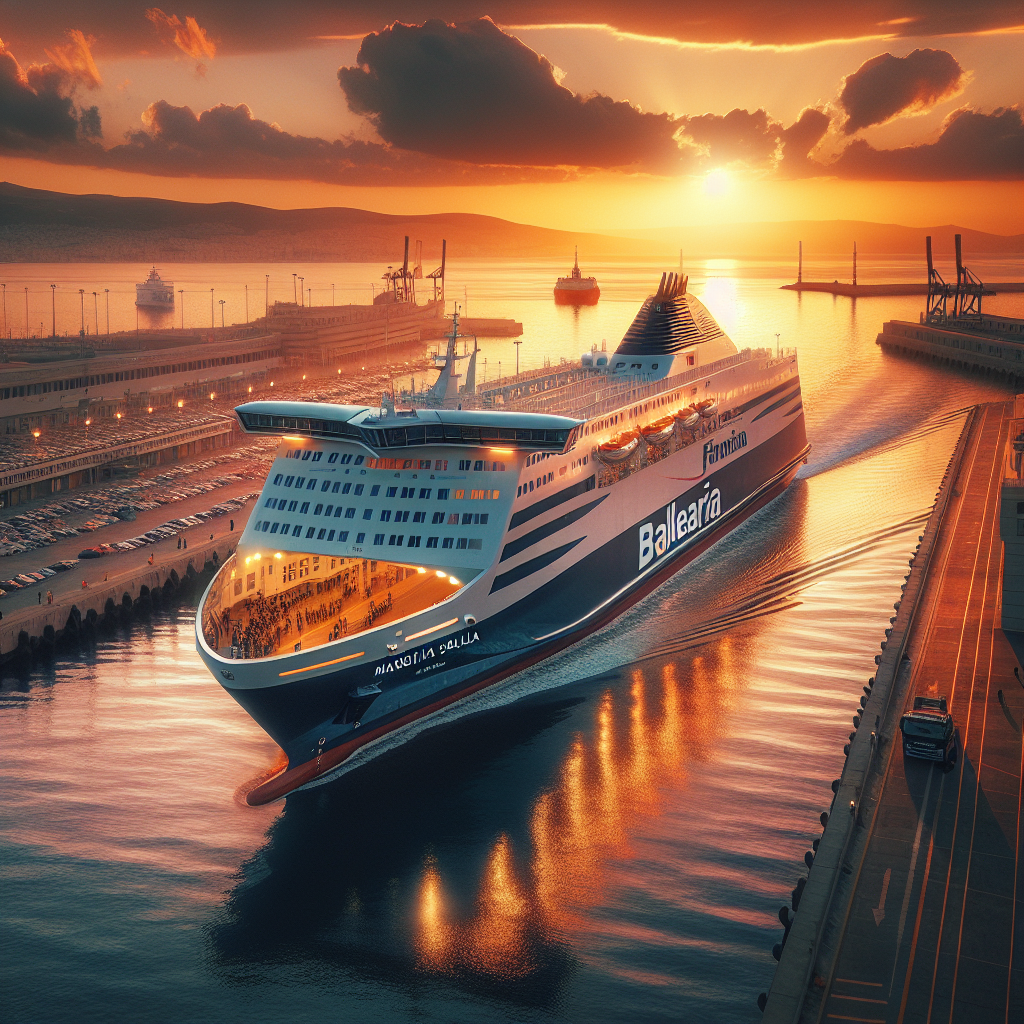
The Arrival of the “Margarita Salas” and Its Impact on Maritime Transport The maritime transportation sector is constantly evolving, and the recent completion of the reviews of the “Margarita Salas” by Baleària presents a new opportunity to rethink how goods and passengers move between strategic points in the Mediterranean. This modern ferry, with its IMO identification 9969730 and a gross tonnage (GT) of 17,769, has been designed to exceed efficiency and comfort expectations. Equipped with four dual Wärtsilä engines of 9,600 kW, it increases power and efficiency by 10% compared to its predecessor, the “Eleanor.” These features not only make it a power reference in its category but also promise lower fuel consumption, benefiting both the operator and the environment. The addition of an additional passenger deck, along with the expansion of the stern outdoor terrace, demonstrates Baleària’s commitment to offering more comfortable and pleasant spaces on board. Furthermore, the capacity to transport up to 1,200 people remains, focusing on improving the existing habilitation square meters. This evolution is a clear example of how innovations in design and technology can positively transform the maritime industry. Challenges and Opportunities on the Algeciras-Ceuta Route The debut of the “Margarita Salas” on the Algeciras-Ceuta route marks a milestone in Baleària’s expansion strategy in the Strait of Gibraltar. This region, known for its geopolitical and commercial significance, is a key market where competition is fierce. However, with the entry of the “Margarita Salas,” Baleària aims to consolidate its presence and offer an attractive alternative to existing ones. For five days, the ferry will operate on this strategic route, giving users the opportunity to experience firsthand the novelties it offers. This initiative also serves as a testing platform to gather valuable feedback from passengers and adjust operational details before definitively assigning the ship to its regular service route. For merchant marine professionals and sailors, this route represents an excellent opportunity to explore new job possibilities, as the constant flow of passengers and cargo between Algeciras and Ceuta requires efficient logistical management. The “Margarita Salas” is a tangible example of how innovation in engineering and design can enhance the operational efficiency of vessels. Baleària’s initiative to expand and modernize its fleet signals growth and financial potential for maritime investors. Future Perspectives: The Third Armon in Development While the “Margarita Salas” embarks on its journey in the Strait, Armon, the prestigious shipyard, continues with the construction of a third ferry for Baleària. Although a specific route has not yet been assigned for this new vessel, progress in its development suggests that it will not be long before it joins the active fleet, contributing to the expansion of the carrier’s operations. The increasingly crucial role of shipyards in the continuous improvement of fleet capacity reflects the importance of the supply chain in the maritime industry. The constant evolution and adaptation of the fleet represent an expanding market that promises long-term profitability and sustainability. Baleària’s growth offers maritime investors an attractive opportunity to engage in high-impact projects. Relevance of the “Margarita Salas” for Audience Segments For merchant marine professionals, the “Margarita Salas” is a case study on how to plan and manage new maritime routes effectively. For sailors and nautical enthusiasts, this ferry represents an opportunity to experience technological advances firsthand. Improved passenger spaces and onboard amenities make the “Margarita Salas” a benchmark in maritime comfort and safety, raising travel standards by sea. For maritime investors, Baleària’s initiative to expand and modernize its fleet signals growth and financial potential. Conclusions: A Promising Future for Maritime Innovation The “Margarita Salas” stands as a symbol of evolution in shipbuilding, demonstrating that the future of maritime transport is full of possibilities for those willing to adopt new technologies and operational approaches. Every aspect of the ferry has been designed with a clear purpose: to redefine sea travel. This moment of change and adaptation benefits not only the companies involved but also offers professionals in the sector opportunities to contribute to the growth of an industry vital for international trade.
The Growth of the Liquefied Natural Gas Market in China: Opportunities for the Maritime Sector

The Growth of the Liquefied Natural Gas Market in China: Opportunities for the Maritime Sector The Liquefied Natural Gas (LNG) market in China is experiencing significant growth, solidifying itself as a crucial player in the country’s energy source diversification. In 2023, this market reached a value of $9.53 billion, and it is expected to grow to $13.44 billion by 2029, with a Compound Annual Growth Rate (CAGR) of 5.74%. This increase reflects not only an effort to reduce coal dependency but also a push towards cleaner and more sustainable alternatives. China, being the world’s largest LNG importer, is expanding its receiving and distribution infrastructure, which represents a significant opportunity for professionals and companies in the maritime sector. This context offers multiple windows of opportunity, both for those involved in maritime logistics and for investors looking to participate in the expansion of port and technological infrastructures. This market growth suggests a shift in traditional maritime routes, with increasing demand for LNG carriers. This trend could lead to job and business opportunities in the construction and operation of these specialized vessels. Technological Advancements in Maritime Transport The growth of the LNG market in China is driving significant technological innovations in the maritime transport sector. The logistics and handling of LNG require safety and efficiency measures that are revolutionizing current standards. Companies like Hudong-Zhonghua Shipbuilding and China National Offshore Oil Corporation (CNOOC) are leading the development of new technologies that optimize the transport and storage of LNG at sea. These innovations aim to improve vessel energy efficiency and minimize environmental impact, aligning with international regulations on greenhouse gas emissions. This presents an opportunity for specialized engineers and technicians to engage in research and development projects, contributing to the creation of more sustainable solutions. Advancements in LNG technology have the potential to transform port operations by increasing automation and digitalization. Professionals in the maritime sector can gain a competitive advantage by learning these new technologies in a digitalized market. Implications on Labour and Economy The development of the LNG market in China has significant implications for the global economy and, particularly, the maritime sector. The increased LNG imports impact not only Chinese ports but also international routes and ports involved in this logistics chain. This translates into the need for more skilled professionals to manage increasingly complex and sophisticated operations. From an economic perspective, maritime investors have a unique opportunity to participate in a growing market that offers potentially high returns. Investing in LNG infrastructure projects is not only an investment in China’s energy development but also in the sustainable growth of the global maritime sector. The growth of the LNG market in China will require the adaptation of existing infrastructures to handle larger volumes and ensure operational safety. This could lead to substantial job opportunities in civil engineering, logistics management, and port security. Conclusions: A Call to Action In conclusion, the rise of the LNG market in China is more than just an economic trend; it is a comprehensive transformation that offers ample opportunities for professionals, companies, and investors in the maritime sector. Those prepared to adapt and participate in this change have the potential to reap substantial long-term benefits. For professionals seeking to expand their horizons, companies involved in this sector are open to receiving resumes from motivated and well-prepared candidates. Additionally, those looking to invest in port and technological infrastructure will find a fertile ground for growth and innovation. This is a crucial moment for the global maritime sector, and those who stay informed and proactive will be well-positioned to lead the next phase of development in international energy trade. The expansion of LNG in China is not just an economic opportunity but also a call to action to move towards a more sustainable and efficient future. For those interested in delving deeper into this topic, we recommend exploring the emerging technologies in LNG carriers and the job opportunities in companies dedicated to LNG infrastructure. This is an exciting time to be part of a revolution in the maritime industry.
The Revolution of Fast Ferry Connections Between Ceuta and Algeciras
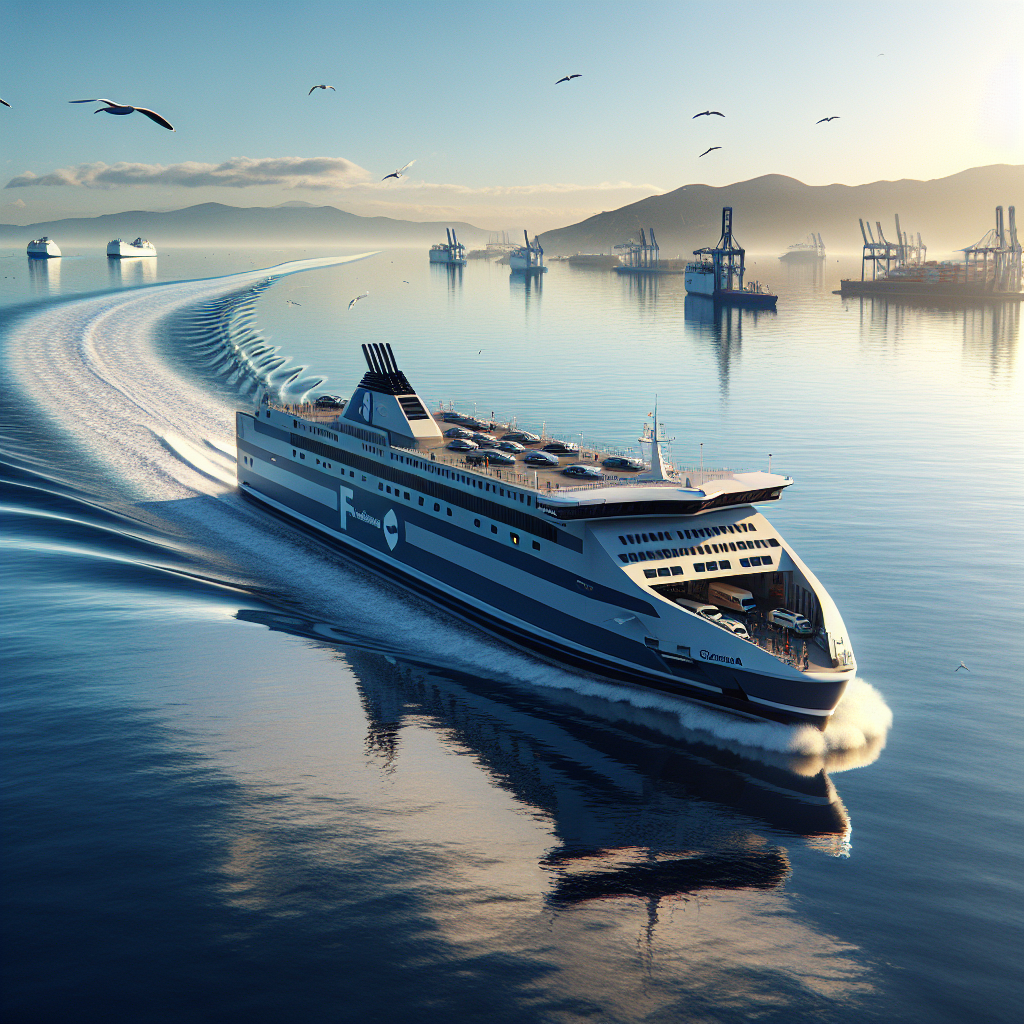
The Revolution of Fast Ferry Connections Between Ceuta and Algeciras Maritime innovation continues to advance steadily, as exemplified by the recent project of Ceuta Lines. This company is on the brink of revolutionizing the route between Ceuta and Algeciras, boosting both trade and tourism in the region. Let’s delve into the details of their new Fast Ferry, the ‘Chenega’, and what it signifies for the maritime industry in Spain. A Fast Ferry Promising Speed and Efficiency The ‘Chenega’, the new Fast Ferry that Ceuta Lines plans to add to its fleet, was constructed by Derecktor Shipyards in Bridgeport, United States, in 2005. Measuring 71.75 meters in length and 18.6 meters in beam, this vessel stands out not only for its technological capabilities but also for its impressive cargo capacity. Registered in Las Palmas de Gran Canaria, it can accommodate up to 400 passengers, 65 vehicles, and features spacious central lanes for ro-ro cargo. One of the most outstanding features of the ‘Chenega’ is its speed. Capable of reaching speeds of 37 knots in service, this ferry emerges as a swift and efficient option for the Ceuta-Algeciras route. This aspect holds particular significance for maritime professionals and maritime investors, who understand the importance of speed in modern times. The docking trials scheduled for mid-February are a crucial step to ensure the ferry’s operability. These trials not only confirm the ‘Chenega’s’ ability to operate in the ports of Ceuta and Algeciras but also signify a message of reliability and commitment to the quality service Ceuta Lines aims to provide. Impact on Regional Trade and Tourism The establishment of a fast and reliable connection between Ceuta and Algeciras can significantly transform the local economy. On one hand, transport and logistics companies will benefit from shorter transit times, which can expedite trade and reduce operational costs. On the other hand, tourism will also receive a boost, as visitors will have an efficient option to explore the charms of both cities. Data demonstrates that increased connectivity often leads to a rise in tourist flow, and Ceuta Lines is well-positioned to capitalize on this. By enhancing accessibility, both domestic and international tourists will be more inclined to visit the region, thereby contributing to local economic growth. This route also presents opportunities for maritime sector professionals. Ceuta Lines may be seeking personnel to manage the new operations, creating job opportunities in a region poised to benefit from the commercial and tourist boom the ‘Chenega’ will bring. Opportunities for Innovation and Sustainable Development In the current context, where sustainability has become a crucial topic, Ceuta Lines has the opportunity to make a significant difference. Investing in green technologies and sustainable practices could not only enhance the operational efficiency of the ‘Chenega’ but also position the company as a leader in environmental responsibility within the maritime sector. Technological advancements in fuel consumption reduction and greenhouse gas emissions are areas where Ceuta Lines could innovate. Implementing these technologies would not only benefit the environment but also prove appealing to maritime investors interested in sustainable and future-focused projects. By taking a proactive stance towards sustainability, Ceuta Lines could inspire other companies in the sector to follow suit. This approach would not only enhance the company’s reputation but also potentially attract greater investment in marine research and development. Conclusion: A Project with Significant Impact The project of Ceuta Lines to introduce the ‘Chenega’ on the Ceuta-Algeciras route is a clear example of how innovation and commitment can transform the maritime sector. With its positive implications for trade, tourism, and sustainability, this project is relevant to all segments of our audience: from maritime professionals to maritime investors and nautical enthusiasts. For sailors and professionals seeking job or investment opportunities, Ceuta Lines presents a promising option. The opportunity to join a company at the forefront of maritime connectivity in Spain is an invitation to grow alongside a project with great potential. In conclusion, Ceuta Lines is not just investing in a new ferry but in the future of maritime transport in Spain. This is an exciting time for the sector, and those interested are encouraged to closely follow this initiative, which promises to mark a before and after in maritime connections in the region.
The Impact of Wabtec Corporation on the Modern Maritime Sector

The Impact of Wabtec Corporation on the Modern Maritime Sector In an era where maritime transport is constantly evolving, Wabtec Corporation emerges as a key player in the revolution of global mobility. Recently, the company announced a significant financial measure that resonates deeply within the maritime sector. Wabtec, renowned for its leadership in providing solutions and services for the cargo and transit railway industry, has declared a quarterly dividend of 25 cents per share, to be paid on March 7, 2025. But what does this mean for the maritime sector, and why is it relevant to maritime professionals and nautical enthusiasts? Technological Innovations with Maritime Impact Wabtec is not only a prominent name in the railway world; its influence also extends to the maritime domain. The company has been at the forefront of digital transformation in transportation, developing systems that enhance efficiency, safety, and sustainability. In the nautical sector, these technological innovations are crucial as they facilitate the management of large cargo volumes and route optimization, essential elements for efficient maritime operations. Efficient traffic management systems Energy optimization solutions Wabtec’s digital solutions could be adapted for ships and maritime fleets, promoting environmental sustainability. Reducing fuel consumption and improving resource management resonate strongly not only with current environmental concerns but also with the commercial needs of the maritime sector. For sailors and fleet operators, integrating these technologies represents a unique opportunity to enhance operational efficiency and reduce costs. Embracing cutting-edge technologies is an invitation to maintain competitiveness in an increasingly demanding global market. Employment and Investment Opportunities on the Horizon The announcement of the dividend by Wabtec indicates the financial strength of the company, a key factor for maritime investors seeking profitable opportunities. A company that values its shareholders is one to trust, and Wabtec demonstrates a robust future vision that benefits not only its direct shareholders but also those involved in its areas of action, including the maritime sector. The stability and growth of Wabtec suggest a fertile environment for new investments in maritime technology, encouraging investors to explore diversification in sectors related to mobility and sustainable transportation. This synergy between railways and maritime transport opens up a range of possibilities for those interested in strengthening their portfolios within innovative industries. Investment in maritime technology Opportunities for diversification Furthermore, maritime companies that adopt Wabtec’s technologies may be seeking qualified professionals to implement and manage these systems. This translates into job opportunities for sailors and specialized technicians, highlighting the importance of staying informed about these trends and gaining expertise in new technologies. The Relevance of Wabtec for Maritime Professionals For maritime professionals, understanding the dynamics and technological advances in companies like Wabtec is essential not only to maintain relevance in the market but also to drive professional growth. Digitalization and the adoption of advanced systems are reshaping expectations about the qualifications of maritime workers. Moreover, Wabtec’s sustainability and energy efficiency strategies can serve as a model for initiatives within the maritime industry, offering valuable lessons on how to embrace innovation without compromising sustainability. Wabtec’s experience in the railway industry can be transferred to the maritime sector, suggesting successful practices that can be adapted to navigation. In summary, for those involved in the maritime industry, from sailors to investors, studying and monitoring Wabtec’s activities can offer a fresh perspective on the opportunities and challenges presented by the future of global mobility. Final Thoughts and Call to Action The influence of Wabtec Corporation in the transportation sector is undeniable. For readers of WishToSail.com, the impact of its technologies and financial strategies is particularly relevant, offering both a role model and an area of opportunity for growth and adaptation. Maritime professionals are encouraged to explore the possibilities presented by Wabtec’s innovations, from learning and implementing advanced technologies to evaluating investment options in a company with a strong market position. Furthermore, those interested in being part of this transformation are encouraged to seek job opportunities that emerge as Wabtec’s technologies are more deeply integrated into the maritime sector. In conclusion, staying informed and adapting to new technologies not only enhances competitiveness in the sector but also ensures a more sustainable and efficient future for the maritime industry.