


Revolutionary Advances in Cross-Border Trade: The Loop & Global-e Alliance Redefines Maritime Logistics
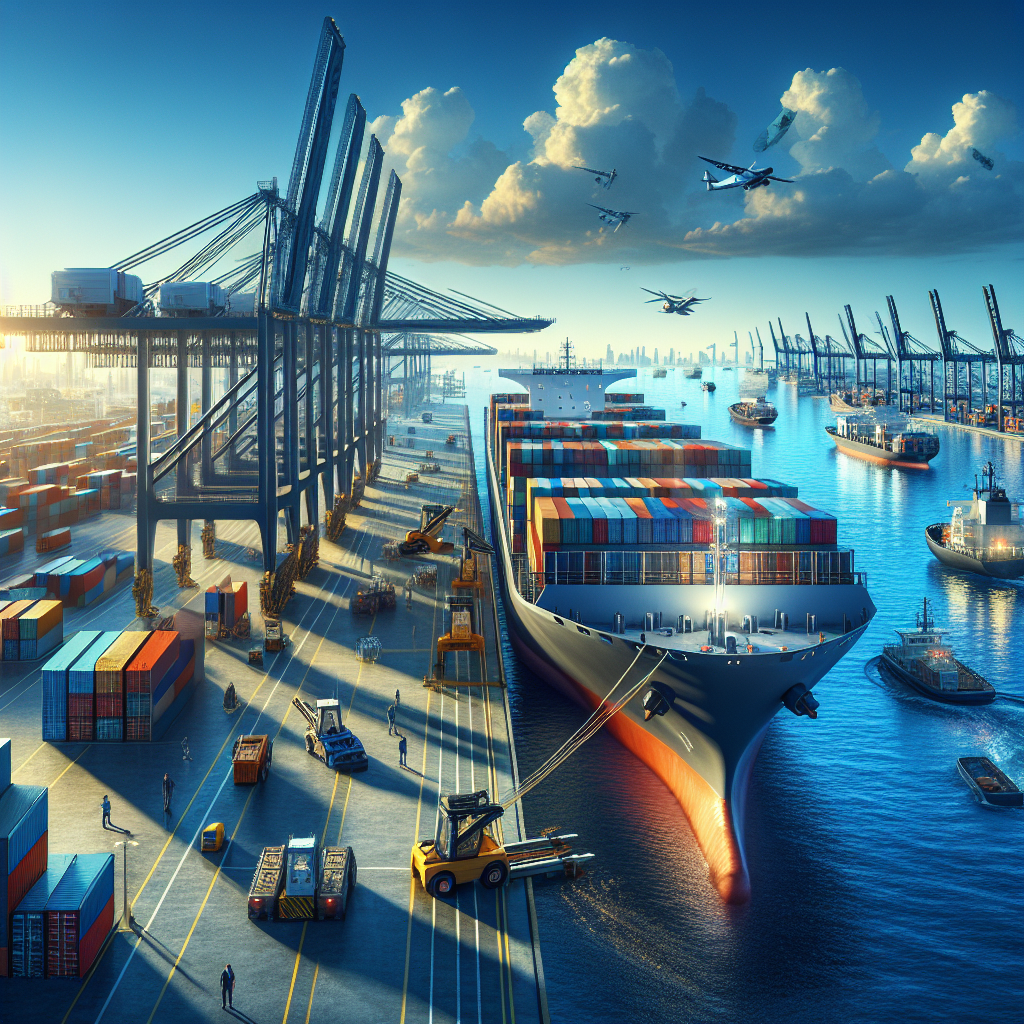
Revolutionary Advances in Cross-Border Trade: The Loop & Global-e Alliance Redefines Maritime Logistics Innovation in Returns Management: A Necessary Change In an increasingly globalized world, cross-border trade faces complex challenges that require innovative solutions. Recently, Loop and Global-e have announced a strategic collaboration aimed at optimizing international trade. This alliance not only drastically changes how businesses manage their returns but also represents a crucial opportunity for the maritime sector. Traditionally, returns management in international trade has been a fragmented and costly process. Loop and Global-e have developed a unified system that allows merchants to consolidate these procedures on a single platform. This advancement not only simplifies operations but also provides unprecedented logistical control, essential for companies that rely on maritime routes for goods transportation. The new platform promises to solve logistical problems related to returns for shipping companies that transport large volumes of products. Loop and Global-e offer a comprehensive management system that enhances operational efficiency, reducing time and operational costs for marine professionals. The Impact of Technology on International Trade Technology plays a crucial role in transforming cross-border trade practices. The system introduced by Loop and Global-e is based on advanced technologies designed to provide a simple yet effective user experience. Navigators and logistics operators will find that implementing this technology can significantly streamline their daily operations, allowing them to focus on other key aspects of their business. Artificial intelligence and machine learning are central components of this new system. These technologies enable the prediction of return patterns and optimize shipping routes, which is particularly valuable in the maritime sector, where route optimization can save significant costs and reduce environmental impact. Furthermore, the platform offers complete visibility of each stage of the return process, from the customer to the final destination. For maritime investors, this transparency is vital as it provides tangible data on system efficiency and potential returns on investment, making technology not only an operational tool but also a strategic investment component. Employment and Economic Opportunities in the Nautical Sector The collaboration between Loop and Global-e not only enhances operations but also opens up new job opportunities in the maritime and logistics sector. Implementing this technology will require trained personnel to handle and manage the new platform, potentially generating highly specialized jobs in the sector. For nautical enthusiasts and marine professionals, this is an opportunity to expand their skill set and adapt to the technological demands of the 21st century. Companies involved in this alliance are inviting qualified professionals to join this exciting transition, encouraging interested individuals to submit their resumes and be part of the change. In economic terms, optimizing maritime logistics represents significant savings for companies, which can translate into more competitive prices for consumers and higher profitability for shareholders. This makes the proposal by Loop and Global-e attractive not only to large corporations but also to small and medium-sized enterprises seeking to improve their position in the global market. Conclusions: A Promising Future for Maritime Trade The alliance between Loop and Global-e marks a significant milestone in cross-border trade, with significant implications for the maritime sector. The introduction of a unified returns management system seeks to transform logistics and shipping operations, optimizing routes and reducing costs. For marine professionals, this collaboration represents a step towards modernizing their practices, offering more efficient tools to manage the challenges of international trade. At the same time, for investors, it presents an opportunity to capitalize on the technological transformation of the sector. With technology and innovation driving change, this alliance offers a promising future for maritime trade and an open invitation to all those involved in the sector to embark on this exciting journey towards efficiency and sustainability.
Emergency Drill at Sea: Preparation and Coordination in the Merchant Navy

Emergency Drill at Sea: Preparation and Coordination in the Merchant Navy The safety in the maritime sector is a constant priority for the various entities that regulate and operate in the oceans. In an environment where risks can be high due to adverse weather conditions and the nature of goods transportation, being prepared to face emergencies is essential. In this context, an emergency drill at sea was carried out, coordinated by the Maritime Captaincy of Barcelona in collaboration with Trasmed and the Generalitat Firefighters, to assess the response to a possible chemical spill and fire. The Scenario of the Drill The exercise, conducted about 15 miles off the coast during the route of the vessel ‘Gubal Trader’, aimed to simulate a spill of 22,000 litres of ethanol, a highly flammable substance. These types of incidents pose a serious risk to the crew, the vessel, and the marine environment. The drill began when a truck on board the vessel shifted due to a lashing failure, hitting a tank containing the ethanol, causing a fire. Despite the initial efforts of the ship’s firefighting teams to extinguish the fire, the situation escalated, requiring a coordinated response from specialized teams to prevent a major disaster. The goal was not only to control the fire but also to protect the rest of the cargo, which included other hazardous goods. The speed at which these emergencies are addressed is crucial to minimize damage. Intervention of Specialized Teams In the course of the exercise, the MIRG (Maritime Incidents Response Group) team of the Generalitat Firefighters played a vital role. This group, comprised of firefighters highly trained to operate in maritime scenarios, was transported to the vessel by the Maritime Rescue helicopter HELIMER 207. Their mission was to quickly assess the situation and begin firefighting tasks alongside the crew and other specialized teams. The arrival of the rapid rescue boat Salvamar Mintaka, which carried two additional firefighting brigades, ensured that there was enough personnel and equipment to face the fire. Under the supervision of the tugboat Punta Mayor, the flames were contained and the situation stabilized, allowing the vessel to continue its journey to the port of Barcelona without major incidents. This deployment not only tested the firefighters’ ability for rapid intervention but also their ability to work in synergy with the ship’s crew, demonstrating the importance of continuous and specialized training to face emergencies at sea. Importance of Interinstitutional Coordination An essential aspect of this drill was the effective collaboration between various administrations and entities involved. The Maritime Captaincy, together with the Directorate General of the Merchant Navy and Maritime Rescue, led the response actions, demonstrating that coordination and prior planning are essential for success in emergency management. The MIRG Group, with its specialized approach, represents a valuable resource that complements the existing capabilities on board the vessels. Their participation in exercises like this is crucial to identify possible failures in procedures and continuously improve preparedness for future incidents. Relevance for Maritime Professionals These drills represent a valuable educational opportunity for those working in the maritime industry. Participation and observation of real-time drills provide practical experiences that are invaluable for industry professionals. For maritime investors, conducting drills like this indicates ongoing efforts to improve safety and minimize risks associated with maritime transportation. A safe environment not only protects human lives but also ensures the integrity of operations and, consequently, the stability of investments. For nautical enthusiasts and recreational sailors, these drills underline the seriousness with which maritime authorities address safety challenges that could affect any type of navigation. Understanding these protocols reinforces confidence in maritime safety while emphasizing the importance of compliance with regulations and continuous learning. Conclusions and Opportunities The emergency drill conducted by the Maritime Captaincy of Barcelona, in collaboration with Trasmed and the Generalitat Firefighters, is a reminder of the commitment and preparation necessary to handle complex emergencies at sea. These actions not only protect lives but also help preserve the integrity of the marine ecosystem and the valuable goods transported daily. From a professional perspective, these drills open opportunities for those interested in developing themselves in a constantly evolving sector, where experience and the ability to handle the unexpected are highly valued. Companies involved in these activities often seek trained personnel, so interested individuals are invited to consider submitting their resumes to contribute to these important projects. In conclusion, the preparation and coordination demonstrated in this drill are a testament to the joint effort of multiple entities to safeguard human life and the marine environment. Technological advancements and continuous training are crucial allies in the pursuit of safer and more efficient navigation, reaffirming the value of collaboration and innovation in the maritime industry.
The Impact of Loop and Global-e Innovations on International Returns Management in the Maritime Sector

The Impact of Loop and Global-e Innovations on International Returns Management in the Maritime Sector In a progressively globalized world, cross-border trade has become a cornerstone of the global economy. The maritime sector, being one of the most efficient ways to transport goods internationally, plays an essential role in this scenario. However, one of the most significant challenges companies face is return management, a process that can be costly and complicated if not handled properly. The collaboration between Loop and Global-e promises to revolutionize this critical aspect of cross-border trade. Both companies, specialized in optimizing logistics processes, have joined forces to offer an integrated solution that simplifies return management. This innovation not only has the potential to improve operational efficiency but also to reduce costs associated with handling these processes. For maritime investors and logistics operators, this alliance represents a significant business opportunity. The ability to optimize return operations could translate into a crucial competitive advantage, allowing companies in the sector to stand out in a saturated and constantly evolving market. Loop and Global-e: A Strategic Alliance Loop is known for its specialization in return management, offering solutions that allow merchants to simplify and streamline this process. On the other hand, Global-e leads cross-border trade, facilitating international transactions by addressing complex challenges such as shipments and customs regulations. The alliance between these two companies involves the integration of their platforms, allowing merchants to manage international returns from a single system. This unification not only accelerates the process but also enhances the customer experience, an increasingly important factor in consumer loyalty in the global market. For sailors and maritime professionals, the technological innovation that arises from this collaboration can result in a more efficient flow of goods. By facilitating return handling, new logistical routes are unlocked, enhancing maritime transit and opening up new employment and professional development opportunities. Impact on the Shipping Sector and Job Opportunities The implementation of more efficient return management systems has a direct impact on shipping operations. By reducing the time and resources required to manage returns, companies can allocate more effort to other critical areas of the business, such as expanding their fleet or improving their maritime routes. For professionals in the sector, this optimization means a higher demand for skills related to logistics and supply chain management. This translates into new job opportunities in companies looking to maximize operational efficiency through these technological innovations. Furthermore, port operators and maritime logistics centers can benefit from an increase in cargo traffic and an improvement in inventory turnover, thereby increasing their participation in global trade. This also invites professionals to consider sending their resumes to companies that adapt to these new dynamics. A Promising Future for Maritime Trade Technological innovations in return management not only benefit merchants and logistics operators but also add value to the maritime sector as a whole. The simplification of these processes promotes smoother and more efficient international trade, where traditional barriers fade away thanks to digitalization and system integration. For nautical enthusiasts, the constant evolution of the sector represents a unique opportunity to explore new technologies applied to maritime transport. This is an exciting time for those who wish to become more deeply involved in the sector, whether professionally or recreationally. In conclusion, the collaboration between Loop and Global-e is a clear example of how technological integration can transform traditional sectors such as maritime. Professionals and enthusiasts in the sector will find in these innovations not only a challenge but also an opportunity to grow and adapt to the new demands of global trade. Implications for Our Readers First and foremost, the optimization of international return management should interest maritime investors as it represents a significant improvement in operational efficiency and, therefore, an opportunity to increase profitability. This aspect can boost confidence in investment within the sector. Secondly, for sailors and maritime professionals, these innovations open up new routes and improve logistics, increasing job opportunities in an expansive and constantly evolving market. Finally, nautical enthusiasts may find in these technologies a growing area of interest that allows them to stay up to date with the latest trends, witnessing firsthand the digital transformation of the maritime sector. With booming opportunities, this article not only informs but also invites readers to delve deeper into a topic that promises to redefine the future of maritime trade.
VI National Maritime Congress: A Beacon of Innovation in the Nautical Sector

VI National Maritime Congress: A Beacon of Innovation in the Nautical Sector The VI National Maritime Congress, organized by the Royal Spanish Naval League and the Spanish Maritime Cluster, will take place at the Camilo José Cela University in Madrid on the 12th and 13th of February 2025. This event has become a must-attend for professionals in the maritime sector, attracting top experts to discuss innovation and the challenges facing this vital sector for the Spanish economy. During these two days, the Spanish capital will turn into a forum for exchange and collaboration, addressing crucial topics such as digitalization, sustainability, and new technologies applied to maritime transport. These discussions are not only essential for the future of the sector but also represent an opportunity for professionals to expand their network and explore new job opportunities in an ever-evolving field. For those interested in attending, registration will be open until the 3rd of February 2025. Early registration is recommended due to the high expected turnout. More details can be found in the event program, available on the official congress website. This will be a space where theory and practice converge, offering attendees the opportunity to participate in conferences, round tables, and discussions that will shape the course of the maritime sector in the coming years. Technological Innovation: Towards a New Maritime Era Technology has made a strong impact on the maritime sector, transforming not only how ships are operated but also how global logistics are managed. In this context, the VI National Maritime Congress will place special emphasis on the digitalization of port operations and process automation, two fundamental pillars for improving efficiency and cost reduction. A highlighted theme will be the implementation of advanced communication systems and real-time data, allowing for better coordination among the different sector players. These advancements not only have the potential to optimize operations but also to increase safety and reduce the environmental impact of maritime activities. This focus on sustainability is essential to meet the growing demands of an industry seeking to reduce its carbon footprint. Through case studies and success stories, congress attendees can learn how these technologies are being applied in practice and the tangible benefits they offer. Optimizing operations through technological advancements Increasing safety and reducing environmental impact Identifying emerging opportunities in digitalization New Routes and Employment Opportunities In addition to technology, the congress will also address the exploration of new maritime routes that promise to expand commercial and employment opportunities. With climate change altering the conditions in which traditional routes operate, explorations in the Arctic and new interoceanic connections are presented as attractive and viable alternatives. For sailors and merchant marine professionals, these explorations not only pose technical and logistical challenges but also offer the opportunity to be part of pioneering projects that reshape the map of global trade. Companies involved in these initiatives are seeking qualified talent, making the congress an excellent opportunity to connect with potential employers. As the maritime sector adapts to these new realities, the congress will act as a catalyst to promote learning and professional connection. Reasons Not to Miss the Congress Professional Update: In a dynamic sector like maritime, staying up to date with the latest trends and technological advances is crucial. This congress offers the opportunity to learn first-hand about the innovations reshaping the industry. Strategic Networking: Bringing sector leaders together in one place allows for valuable networking, finding collaborators, and discovering new business opportunities. It is the ideal environment for professionals and companies looking to expand their sphere of influence. Career Opportunities: With the sector expanding, especially in areas related to technology and new commercial routes, this event is an ideal platform to explore job opportunities. Attendees can connect with leading organizations looking for talent for their future projects. Conclusion: An Unmissable Appointment for the Future of the Sector The VI National Maritime Congress is more than an event; it is a meeting point that will bring together key players in the sector to discuss and shape the future of maritime transport. The opportunities it offers in terms of learning, connection, and professional development are unmatched. Early registration is essential not to miss the opportunity to witness this high-level meeting. As the industry continues to evolve, events like this are crucial to stay relevant and competitive in a constantly changing world. We encourage all interested parties to register and actively participate in this congress, which promises to be a beacon of innovation and collaboration for the maritime sector. For more information, do not hesitate to visit the official event website.
The Importance of Cybersecurity in the Maritime Sector

The Importance of Cybersecurity in the Maritime Sector In a world that is increasingly digitalised, cybersecurity has become a pressing priority for all industries, including the maritime sector. Traditionally focused on physical security and technical efficiency, maritime operations must now adjust their focus to include cybersecurity as a crucial component of their daily operations. Armexa, a company specialising in industrial cybersecurity, plays a key role in this field. Recently, they announced that John Cusimano, their Vice President of Operational Technology Cybersecurity, will be a panelist at the ARC Industry Leadership Forum 2025. This event, scheduled to take place from 10th to 13th February in Orlando, Florida, promises to be an invaluable learning platform for maritime professionals. Participation in such forums underscores the relevance of cybersecurity in maintaining safe, reliable, and compliant operations. For the maritime sector, where the smooth operation of complex systems is essential for global trade and security, advances in cybersecurity can be decisive. Practical Cases and Lessons Learned in Cybersecurity The ARC Industry Leadership Forum will bring together leaders from various sectors to share their experiences in cybersecurity, providing a valuable source of information for the maritime industry. During the panel titled “Case Studies in Industrial Cybersecurity,” attendees will gain an in-depth understanding of how to implement improvements in their own security systems. Case studies often offer lessons based on real situations, allowing participants to understand the challenges and solutions found in similar contexts. This information is crucial for merchant navy professionals and sailors to anticipate and mitigate cyber risks in their own operations. Implementing advanced cybersecurity solutions not only ensures the protection of assets for maritime investors but also adds value to their investments. Companies that integrate cutting-edge cybersecurity technology are perceived as more reliable and sustainable in the long term, which can positively influence the market. Opportunities in Maritime Cybersecurity With the increasing digitalisation, the maritime sector is facing a growing demand for qualified professionals in cybersecurity. Companies like Armexa are at the forefront, offering employment opportunities for those who wish to contribute to digital security in an industrial environment. Participants of the ARC Industry Leadership Forum will have the chance to network and explore potential careers in cybersecurity. This event is not only a learning centre but also a place to attract talent and build professional relationships that can lead to new job alliances. Expanding skills towards cybersecurity can represent a significant advancement in the professional trajectories of those already in the maritime sector. In an industry where technology evolves rapidly, staying updated is key to continuous success. Technology and Cybersecurity: Transforming the Maritime Sector The integration of advanced technologies is a decisive factor in the transformation of maritime operations. From using digital navigation systems to remote fleet management, technology is redefining how ships are operated and managed. However, with this digital transformation, new risks emerge. Cyber-attacks can compromise everything from the integrity of navigation systems to the security of the crew’s confidential data. Therefore, adopting robust cybersecurity practices is not just an option but an absolute necessity. Armexa and their participation in industrial leadership forums highlight the importance of being at the forefront of technological solutions. The shared knowledge in such events provides maritime actors with the necessary tools to successfully navigate the challenges of cybersecurity. Towards a Secure and Digital Future in the Maritime Sector In conclusion, cybersecurity is a critical aspect that the maritime sector cannot afford to ignore. The insights from events like the ARC Industry Leadership Forum 2025, particularly those from experts like John Cusimano of Armexa, offer valuable guidance for developing and implementing effective cybersecurity strategies. For professionals, enthusiasts, and companies in the nautical sector, engaging in events and initiatives focused on industrial cybersecurity is an investment in the future. These actions not only protect organisations from cyber threats but also strengthen the fabric of the maritime industry as a whole. By considering these opportunities, readers of WishToSail.com are encouraged to explore more about advancing their careers, strengthening their operations, and ensuring a secure future. Cybersecurity is not just a trend but an essential pillar for the growth and sustainability of the modern maritime sector.
The Legacy of J.B. Hunt: Revolutionizing Intermodal Transportation

The Legacy of J.B. Hunt: Revolutionizing Intermodal Transportation When it comes to the world of transportation, one name that stands out is J.B. Hunt Transport Services Inc., based in Lowell, Arkansas. With over 35 years of experience in intermodal operations, J.B. Hunt has established itself as a key player in the logistics solutions industry in North America. The visionary approach of its founder, Johnnie Bryan Hunt, along with pioneering collaborations with railroad companies, has allowed this company to revolutionize cargo transportation by seamlessly integrating trucking and rail in unprecedented ways. Starting in February 1990 with their first shipment from Chicago, J.B. Hunt’s intermodal focus laid the groundwork for a transformation in transportation logistics. This method not only optimized the efficiency of goods transportation but also significantly reduced the carbon footprint of operations, a factor increasingly valued by the maritime industry. Integration of trucking and rail for faster, more efficient delivery Reduction of carbon footprint through innovative transportation methods Setting new standards for logistics on a large scale The milestone achieved by J.B. Hunt represents not just a business success but also an evolution in how logistics are perceived and carried out on a grand scale. This model has served as an example for many other companies in the sector looking to adapt to a constantly changing market and current environmental needs. Technological Impact and Employment Opportunities One of the key drivers of innovation in intermodal services has been the integration of advanced technology. J.B. Hunt has implemented digital tracking and management systems that not only enhance efficiency but also provide greater transparency and control over the cargo. This digitization of cargo transportation has improved safety and accuracy in deliveries, a trend that the maritime industry could follow to increase its competitiveness. With the growing demand for efficient and sustainable logistics solutions, intermodal transport companies are attracting interest from maritime investors looking for opportunities in strategic partnerships and service expansion. Implementation of digital tracking systems for enhanced efficiency Utilization of artificial intelligence platforms for route optimization Creation of new job opportunities in technology, logistics, and management J.B. Hunt has paved the way for new technological innovations, such as the use of artificial intelligence platforms to optimize routes and minimize wait times, which is of great interest to sailors and industry professionals. This technological evolution also opens up new job opportunities. Companies like J.B. Hunt are constantly seeking talent in technology, logistics, and administration to continue driving their growth. Maritime professionals can find in this company a place to apply their expertise and grow professionally. Benefits for the Maritime Industry The evolution of intermodal transportation not only impacts land logistics companies but also has a significant effect on the maritime industry. The ability to integrate different modes of transport improves the supply chain, making it easier for goods to arrive at ports and be distributed globally. This reduces operational costs and transit times, critical aspects for sailors and maritime transport companies. Additionally, by reducing reliance solely on road transport, new routes and geographical opportunities are opened up for maritime transport. Ports become critical nodes within these intermodal networks, enhancing their role in international trade. This offers maritime investors an optimistic view of the future of global commerce and expansion opportunities. Integration of different transport modes for improved supply chain Opening of new routes and geographical opportunities for maritime transport Reduction in carbon emissions through optimized transportation With a growing focus on sustainability, J.B. Hunt’s intermodal model also serves as an example of how maritime operators can integrate more environmentally friendly practices. By reducing carbon emissions through optimized transportation and the use of clean energy, progress is being made towards a sector more committed to environmental stewardship. Challenges and the Future of Intermodal Transportation Despite advancements, intermodal transportation faces significant challenges that must be addressed to ensure its long-term sustainability and effectiveness. Railway and road infrastructure require continuous investment to maintain operations and adapt to new market demands. Economic fluctuations and government regulations are factors that influence the growth of this industry. Collaboration among different sector players, including governments, railway companies, and maritime operators, is essential to overcome these challenges. Joint initiatives to improve infrastructure and regulations can create a more favorable environment for the growth of intermodal transportation, benefiting all involved. Looking towards the future with optimism, the growth potential is significant. Continuous investment in railway and road infrastructure Collaboration among sector players for sustainable growth Optimistic outlook on the future of intermodal transportation Trends indicate that the demand for versatile and efficient logistics solutions will continue to rise, prompting more companies to adopt intermodal practices. For maritime professionals, staying informed about these developments is crucial to capitalize on new opportunities and ensure their relevance in a competitive market. Conclusion: A Path to the Future The legacy of J.B. Hunt in the realm of intermodal transportation offers a valuable lesson on the importance of innovation and adaptability in the logistics sector. The 35 years of success in this mode demonstrate that integrating different transportation methods is not only possible but highly beneficial for facilitating global trade and promoting more sustainable practices. For nautical enthusiasts and maritime transport professionals, J.B. Hunt’s story is a reminder of the opportunities presented by technological innovation and strategic collaboration. These advancements not only improve operational efficiency but also open new doors for professional development and investment. For these reasons, it is essential for maritime sector players to continue exploring and adopting intermodal models and other logistical innovations. We are only scratching the surface of the potential this integration has to transform global trade and logistics.