


The Future of Naval Maintenance: Fonon Technologies Making Waves in Yokosuka, Japan

The Future of Naval Maintenance: Fonon Technologies Making Waves in Yokosuka, Japan In a world where technological innovation is crucial to maintaining competitiveness and efficiency in the maritime sector, Fonon Technologies stands at the forefront with its advanced laser solutions. The company, renowned for its ability to integrate cutting-edge systems in material processing and defense infrastructure, has announced its participation in the Sustainment Accelerator organized by the Japan Regional Maintenance Center (SRF-JRMC) in Yokosuka. This event, scheduled to take place from February 25 to 27, 2025, promises to be a turning point in how naval repairs are approached. The Sustainment Accelerator is a joint initiative between SRF-JRMC and the National Manufacturing Center, aimed at showcasing and evaluating new technologies that can optimize ship repair and maintenance processes. Fonon Technologies’ involvement in this event not only highlights its commitment to innovation but also its crucial role in modernizing naval practices. For merchant navy professionals and nautical enthusiasts, these innovations offer an unparalleled opportunity to enhance efficiency and reduce vessel downtime. Fonon Technologies is poised to revolutionize naval repair with its state-of-the-art laser technology. Their laser systems offer unparalleled precision in material processing, resulting in significant reductions in repair time and costs. From cutting and welding to engraving and surface cleaning, these systems can handle a wide range of tasks with millimeter accuracy. The application of this technology in ship maintenance could signify a paradigm shift, improving vessel operability, reducing the risk of human errors, and minimizing labor and downtime costs. Moreover, laser technology is more environmentally friendly compared to traditional methods, aligning with the increasing demands for sustainability in the maritime sector. This presents an opportunity for companies and professionals in the naval repair industry to position themselves at the forefront of technological innovation. Strategic Benefits for the Maritime Sector The impact of Fonon’s technology in Yokosuka can be viewed from multiple perspectives. Firstly, for merchant navy professionals, enhanced repair efficiency means less time in dry dock and more time at sea, translating directly to increased revenues by minimizing operational disruptions. Secondly, for maritime investors, adopting new technologies that optimize ship maintenance opens up new investment opportunities. Companies leading in the implementation of these innovations are better positioned to capture market share and ensure sustainable returns. Lastly, for nautical enthusiasts, Fonon’s technology represents an advancement in the safety and maintenance of private vessels. A ship equipped with cutting-edge systems ensures superior performance and increased durability in adverse conditions. Career Opportunities and the Future of Naval Maintenance With Fonon’s participation in the Sustainment Accelerator, a window of job opportunities opens up in the naval repair sector. Companies worldwide are monitoring the progress made in Yokosuka and are willing to integrate these technologies into their operations. For industry professionals, upgrading their skills to work with these advanced systems could be a strategic decision providing a competitive edge in the job market. Fonon Technologies, along with other participating companies, will seek skilled individuals to lead this new era of naval repair. The future of naval maintenance looks promising with the integration of advanced laser technologies. As more facilities adopt these innovative practices, the industry as a whole will benefit from faster, more efficient, and sustainable processes. Conclusion Fonon Technologies’ participation in the Yokosuka event underscores the importance of continuous innovation in the maritime sector. With its advanced laser technology, Fonon not only redefines the naval maintenance landscape but also sets a new standard for efficiency and sustainability in the industry. For merchant navy professionals, investors, and nautical enthusiasts, these technologies present unprecedented opportunities to grow and evolve within an increasingly competitive market. Fonon Technologies invites all interested parties to explore these innovations and consider their potential in a future where technology and efficiency will be key to success. The technological revolution in the naval field is underway, and Fonon Technologies emerges as a leading figure in this exciting journey towards the future of maritime maintenance.
The Resurgence of Jasper: A Global Impact Maritime Recovery Initiative
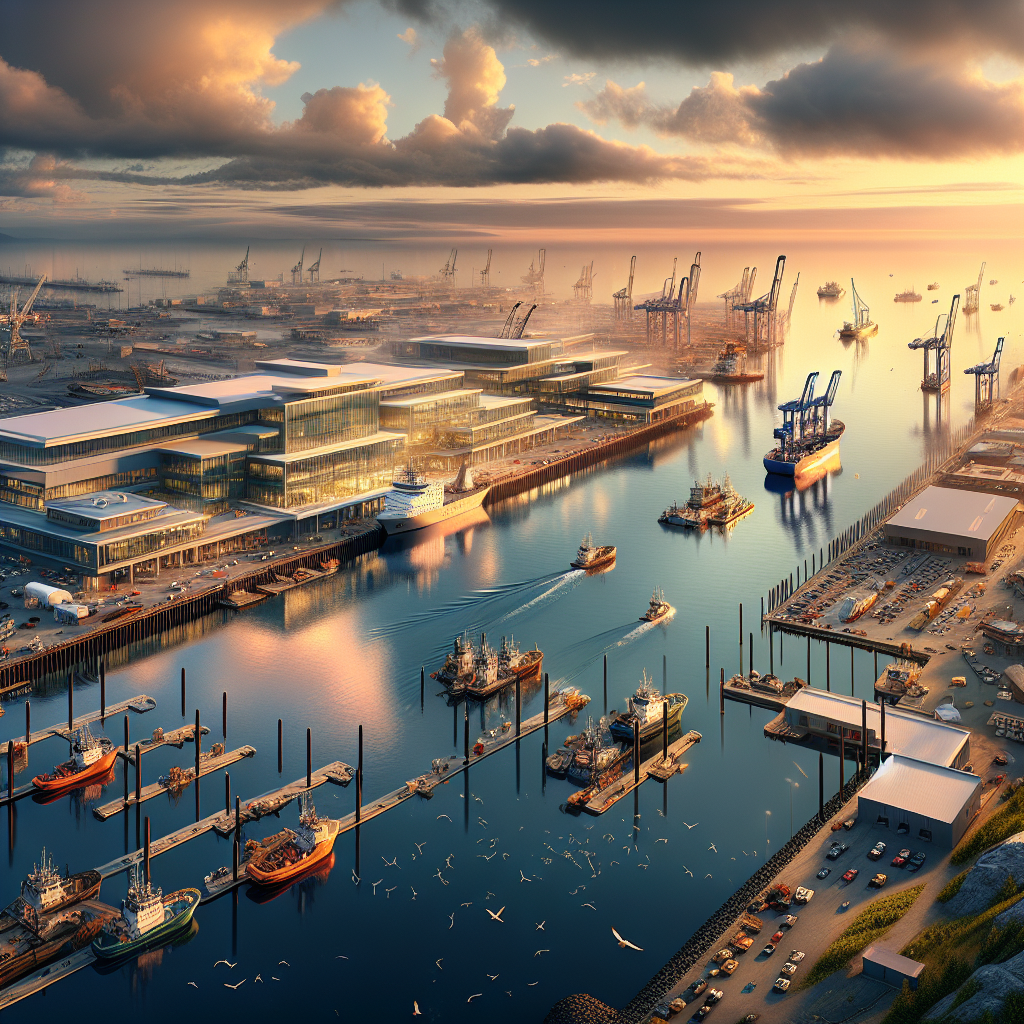
The Resurgence of Jasper: A Global Impact Maritime Recovery Initiative The port of Jasper, renowned for its significance in the maritime industry, is on the cusp of a significant transformation thanks to a promised donation of $5.5 million to support its long-term recovery. This initiative not only provides a boost to the local community but also serves as an inspiring example for ports worldwide seeking modernization and revitalization. Amidst the challenges faced by the maritime sector due to global economic changes and environmental crises, the regeneration of infrastructure and services in Jasper emerges as a fundamental pillar to ensure its competitiveness and sustainability in the future. Professionals in the industry recognize the opportunities this project offers in terms of employment, technology, and port strategy. With this financial boost, Jasper aims not only to regain lost ground but also to position itself as a beacon of innovation in port management. The investment is earmarked for developing advanced technologies that will contribute to enhancing operational efficiency, reducing environmental impact, and ensuring optimal performance that benefits both the local economy and international trade. Emerging Technologies: Cornerstone of Jasper’s Recovery One of the most promising aspects of this capital injection is its focus on implementing emerging technologies. Jasper plans to integrate advanced automation systems and artificial intelligence tools to optimize port operations, from cargo management to transportation logistics. These advancements will not only improve efficiency but also reduce wait times and operational costs. Moreover, Jasper is committed to sustainability by incorporating ecological solutions such as renewable energy sources and energy-efficient practices to reduce the port’s carbon footprint. This provides a replicable model for other ports worldwide. Technological modernization will not only benefit current operations but also create new opportunities for industry professionals. Jasper as a Driver of Economic and Labour Growth The port of Jasper is not only a key point for maritime trade but also a vital economic engine for the region. The revitalization of the port promises to have a positive impact on the local economy by stimulating the growth of related businesses and attracting foreign investment. This transformation brings forth a wide range of employment opportunities for various roles in the maritime sector. From maintenance technicians and specialized operators to logistics professionals and port management experts, the revival of Jasper aims to consolidate a strong and skilled professional team to tackle future challenges. Global Relevance and Future Perspectives The revitalization of Jasper not only has a local and regional impact but also a global one. By positioning itself as a technologically advanced and sustainable port, Jasper could serve as a role model for other facilities looking to modernize without compromising the environment. This strategic direction could also foster international collaboration and knowledge exchange in port management. For nautical enthusiasts and industry professionals, Jasper serves as a captivating case study on how innovation and investment can transform a port and ensure its relevance in a globally competitive market. By closely monitoring these improvements, professionals can learn valuable lessons applicable to their own work contexts. In conclusion, Jasper’s story is one of resilience and strategic vision. By overcoming challenges and betting on an innovative and sustainable future, Jasper not only revitalizes its port but also paves the way for a promising tomorrow for the global maritime industry. We invite all sailors, investors, and industry professionals to closely follow this exciting transformation process and consider the numerous opportunities offered by this inspiring port renewal project.
The Financial Evolution of American Express Global Business Travel: Implications for the Maritime and Nautical Sector

The Financial Evolution of American Express Global Business Travel: Implications for the Maritime and Nautical Sector In the dynamic and competitive world of global trade, financial information is an invaluable resource for professionals and investors. American Express Global Business Travel (GBT), a powerhouse in the corporate travel arena, has announced that it will reveal its financial results for the fourth quarter and full year of 2024 on February 27, 2025. This event is not only relevant to financial investors but also to those involved in the maritime and nautical sector, where business travel often plays a crucial role. The financial performance of a company like American Express GBT can provide clues about overall market trends, including the demand for travel services that impact both the mobility of key personnel in maritime transport and nautical logistics. Analyzing these results offers a window into potential opportunities and challenges that the industry may face in the near future. Therefore, it is essential for both seasoned sailors and investors to closely follow this news. The Connection Between Corporate Travel and the Maritime Sector The maritime sector and corporate travel are inextricably linked. Logistics operations, international trade, and the transportation of goods heavily rely on the efficiency and quick responsiveness offered by business travel. American Express GBT is at the heart of this equation by providing services that facilitate the mobility of executive and technical personnel necessary for the smooth operation of these operations. The publication of GBT’s financial results can offer a clear view of how trends in corporate travel are developing, which in turn reflects the level of activity in the maritime sector. If the company reports revenue growth, it can be interpreted as an increase in demand for these services, which could mean expansion in maritime trade and increased activity in ports. Furthermore, a detailed analysis of these results could help identify specific areas of growth in the maritime sector that require additional corporate travel services, creating job and investment opportunities. Companies involved in maritime operations can use this information to adjust their operational strategies and optimize the efficiency of their logistics operations. Investment opportunities in infrastructure, new routes, or fleets within the maritime sector may be identified based on the trends in corporate travel. Employment and Investment Opportunities in the Maritime Sector One of the most intriguing aspects of analyzing GBT’s financial results is the possibility of identifying new employment opportunities for professionals in the maritime sector. In an ever-evolving job market, companies expanding their international presence often seek employees with experience in logistics and maritime operations management. With the growth in corporate travel services, there is an expected increase in demand for professionals who can efficiently manage these processes. Maritime companies looking to expand their international operations may find clear signals in these financial reports indicating areas where additional expertise is needed. Investors interested in diversifying their portfolios within the maritime sector can use this information to determine which companies are thriving and which may pose a risk. Technological Innovations and the Future of the Nautical Sector Technology remains a key driver for growth and efficiency in the maritime sector. As a leader in the field, American Express GBT has implemented various technological innovations to optimize travel services. These innovations not only enhance the customer experience but also offer tangible benefits to the nautical sector. From online booking management to travel tracking platforms, GBT’s technological solutions can be adapted to the maritime environment. The digitalization of logistics processes, fleet management automation, and advanced communication systems are just a few areas where these technologies can have a positive impact. Companies that incorporate these technologies are better positioned to compete globally, potentially offering more options for investors and a more challenging yet rewarding work environment for professionals. Conclusion: The Relevance of Monitoring Financial Results In summary, the upcoming release of American Express Global Business Travel’s financial results offers an invaluable opportunity for maritime and nautical professionals and enthusiasts to obtain crucial information about market trends. This information is not only relevant to investors seeking to maximize their opportunities but also to maritime companies and professionals looking to stay at the forefront of the industry. The connection between corporate travel and maritime trade underscores the importance of understanding how these elements interact and affect the industry as a whole. By being informed about these dynamics, sailors and entrepreneurs can make more strategic decisions that drive growth and innovation in the sector.
Discover the 2025 Freediving Courses Calendar with Miguel Lozano: Experience the Sea at Another Level

Discover the 2025 Freediving Courses Calendar with Miguel Lozano: Experience the Sea at Another Level If you are looking for freediving courses to connect with the sea and push your limits, this information that has come to us may be of interest to you. Professional freediver Miguel Lozano has announced his training calendar for 2025. A unique opportunity to learn from one of the world’s great freediving references and enjoy unforgettable experiences underwater. What is freediving and why practice it? Freediving, also known as free diving, is a discipline that involves diving into the water while holding your breath. Beyond the physical challenge, it is a practice that promotes concentration, self-awareness, and connection with nature. Moreover, it has multiple health benefits: it improves lung capacity, reduces stress, and helps control anxiety through breathing and relaxation techniques. 2025 Freediving Courses Calendar Miguel Lozano, an expert in depth disciplines and multiple world medalist, will travel to various points along the Spanish coast offering freediving courses adapted to all levels. Below, we present the dates and locations so you can find the one that best suits you: Deep Camps 2025: If you want to take your experience to the next level, you can also participate in Deep Camps, intensive training programs to perfect depth techniques. Freediving Trips 2025: For adventure lovers, Miguel Lozano organizes trips to paradise destinations, ideal for practicing freediving in crystal clear waters. Experience freediving and transform your relationship with the sea. Miguel Lozano’s freediving courses are more than just training: they are a vital experience that will help you discover your true potential. Whether you are a beginner or have experience, these courses are designed for you to progress, learn, and deeply connect with yourself and the marine environment. Reserve your spot or request more information: Get ready for an underwater adventure that will change the way you experience the sea. See you underwater! 🌊
The Financial Transformation of Algoma Central Corporation

The Financial Transformation of Algoma Central Corporation Algoma Central Corporation, a leading entity in the global maritime transport sector, is gearing up to unveil its financial results for the fiscal year 2024. This disclosure is scheduled for February 27, 2025, before the market opens, and promises to provide a detailed insight into its economic performance. Based in St. Catharines, Ontario, and listed on the Toronto Stock Exchange under the symbol ALC, Algoma continues to set trends as a cornerstone in the dry and liquid bulk transportation sector worldwide. The significance of these results lies not only in the figures they will reveal, but also in the innovation and sustainability strategy that the company has implemented in recent years. Algoma has been investing in environmentally friendly technologies and logistical optimizations that enhance the efficiency of its operations. Therefore, the upcoming results could offer a picture of the real impact of these initiatives on the global maritime transport market. For professionals in the sector, from sailors to maritime investors, these financial data are crucial. They not only provide an assessment of the status of a key company in the market but also offer clues about broader trends in the maritime transport industry, such as the rise of sustainability measures and the digitization of logistical operations. This represents an opportunity to adjust business strategies and professional careers in an increasingly competitive environment. Technological Innovations in Maritime Transport The influence of Algoma Central Corporation extends beyond its financial results. The company has been at the forefront of implementing technological innovations within the industry. These innovations not only improve operational efficiency but also reduce environmental impact, an increasingly important factor in the sector. The incorporation of hybrid propulsion technologies Use of energy management systems to optimize fuel consumption Algoma’s commitment to sustainability offers sailors and industry professionals a model to follow. The adoption of clean technologies not only enhances energy efficiency but also complies with increasingly strict environmental regulations. For investors, this direction represents an opportunity to invest in a company that not only meets present demands but also prepares for the future of responsible maritime transport. It is essential to understand how these technologies can be applied practically. From reducing fuel consumption to implementing automatic navigation systems, the technological innovations at Algoma are designed to enhance safety and efficiency. This translates into higher profitability and a reduction of negative impact on the environment, aspects that are of vital interest to the entire maritime community. Employment Opportunities on the Maritime Horizon The growth and innovation at Algoma Central Corporation also create new job opportunities. The drive towards advanced technologies and sustainable operations requires qualified professionals who can implement and manage these innovations. The company often seeks talent in areas such as operational management, marine engineering, and environmental management, among others. For those in the maritime sector looking to expand their professional horizons, Algoma represents an attractive destination. Not only does it offer the opportunity to work in a leading organization with global operations, but its commitment to sustainability and advanced technology promises a challenging and enriching work environment. Therefore, submitting a resume to Algoma Central Corporation could be the first step towards a fruitful and satisfying career. Additionally, those interested in research and development may find significant opportunities within the company. The ongoing search for more efficient and sustainable solutions means there is always room for new approaches and fresh perspectives. The Relevance of Algoma in the Maritime World The importance of Algoma Central Corporation in the maritime landscape is undeniable. Through its commitment to innovation, sustainability, and growth, the company has positioned itself as an undisputed leader in the industry. For sailors and merchant marine professionals, Algoma represents a guiding light towards where to direct their efforts and careers. The company not only offers jobs but also sets standards to follow in terms of responsible technology and operations. From an investment perspective, Algoma presents an appealing proposition. Its focus on sustainability and technology not only enables it to maintain a competitive position in the market but also ensures its relevance in an increasingly future focused on responsible business practices. With its upcoming financial report, investors will have an opportunity to assess the impact of these strategies on their economic results and growth prospects. Finally, for enthusiasts of nautical and technology, following Algoma’s developments is a way to stay informed about the latest trends and advances in the sector. Conclusion: A Call to Explore Beyond the Horizon Algoma Central Corporation is not just a maritime transport company; it is a catalyst for change in the industry. Its technological initiatives and commitment to sustainability are charting the course for the future of maritime transport. The publication of its financial results will not only attract the attention of investors but also professionals looking to be part of this exciting revolution. For readers of WishToSail.com, staying informed about these developments is more than just a
The DFDS Conflict in the Tarifa Tender: A Strategic Turn in the Shipping Sector

The DFDS Conflict in the Tarifa Tender: A Strategic Turn in the Shipping Sector The recent challenge presented by the Danish shipping company DFDS has caused significant uproar in the maritime sector. The Port Authority of the Bay of Algeciras (APBA) is facing a challenge after DFDS requested precautionary measures, blocking the award of the Tarifa port. This strategic move aims to overturn the resolution in favor of competing shipping companies, Baleària and Tarifa Lines, who are currently vying for the bidding contract to operate between Tarifa and Tangier Ville. The significance of this tender is noteworthy, as the port of Tarifa represents a crucial hub in the connection between Europe and North Africa. This route is not only vital for regional trade but also plays a fundamental role in tourism and passenger transport. The conflict, therefore, is not just a corporate issue but has economic and labor ramifications. The case is currently in an administrative court, where DFDS seeks to validate its allegations. The dispute has created uncertainty among industry players, considering that until the conflict is resolved, the award will remain on hold. This situation highlights the importance of judicial decisions in the regulation and development of the maritime sector. Economic and Labor Implications The uncertainty generated by the bidding block has significant economic and labor repercussions. DFDS, which continues to operate between Tarifa and Tangier Ville, is in negotiations for an Employment Regulation File (ERE). This process affects more than 120 workers, increasing tensions within the sector’s labor market. For merchant marine professionals and maritime workers, this period of uncertainty could represent a shift in their job opportunities. With the potential award to another shipping company, new job opportunities could arise at the port of Tarifa, encouraging workers to be alert and prepared to submit their resumes to the involved companies. Additionally, investments in infrastructure and services associated with the port depend directly on the economic stability guaranteed by a clear and definitive award. These types of conflicts highlight the need for transparent and efficient bidding processes to ensure the sustainable development of key maritime routes. Innovations and Technological Opportunities In the context of this dispute, the involved shipping companies may be incentivized to implement technological innovations as a strategy to position themselves favorably in future tenders. The adoption of new technologies would not only improve operational efficiency but could also be a decisive factor in proposal evaluation. Innovations in logistics management systems, fuel consumption optimization, and passenger experience enhancement are examples of areas where technological advances can make a significant difference. These improvements not only optimize operations but also contribute to reducing environmental impact, an increasingly valued aspect in the sector. For maritime investors, this juncture represents an opportunity to financially support those players who bet on innovation. Companies that integrate advanced technological solutions can increase their competitiveness, resulting in potentially attractive returns for investors. Relevance of the Conflict for the Audience For merchant marine professionals, the resolution of this conflict could mean changes in work dynamics, offering new job opportunities and challenges in adapting to possible technological innovations implemented. Staying informed about the progress of this dispute is crucial to anticipate market needs. Maritime investors will find in this situation both a warning sign and an opportunity. The company that ultimately wins the bid in Tarifa could become a key player in the region, making it attractive for new investments. Furthermore, the focus on innovation and sustainability in maritime operations is an important factor to consider. Finally, nautical enthusiasts can use this type of news to understand the complexities of the sector and appreciate the strategic and economic challenges that shipping companies face in the current geopolitical context. This enriches their knowledge and passion for the maritime sector, motivating them to continue exploring this fascinating world. Conclusion: A Future Under Expectation The current situation surrounding the Tarifa port tender exposes the competitive and dynamic nature of the maritime sector. The resolution of this conflict will be a significant milestone that will define not only the future of the port but also that of the involved companies and their employees. For all those interested in the maritime sector, staying informed about the progress of this case is essential. I invite you to follow the progress of this dispute and consider the implications it has in terms of employment, technology, and investments. The maritime sector continues to evolve, presenting challenges and opportunities that require a strategic approach and a mindset open to innovation. This is a moment of redefinition and growth, and being prepared for changes is key to maximizing market opportunities.
The Maritime Innovation and Opportunities in Liquefied Gas Sector

The Maritime Innovation and Opportunities in Liquefied Gas Sector BW LPG Limited, a leading player in the transportation of liquefied petroleum gas (LPG), is set to release its financial report for the fourth quarter of 2024 on the 27th of February 2025. This news holds significant importance for maritime professionals and investors alike, given BW LPG’s substantial influence on the global LPG trade. The presentation of results will provide a detailed insight into the company’s operations, investments, and future outlook, offering an essential opportunity to understand market dynamics. **BW LPG and Their Role in the Maritime Sector** BW LPG Limited is headquartered in Singapore with offices in Oslo and New York, renowned for its modern and efficient fleet specializing in LPG transportation. The company’s specialization not only enhances the safety of its operations but also underscores its commitment to environmental sustainability, an increasingly crucial aspect in the maritime sector. In addition to transporting liquefied gas, BW LPG leads technological innovations contributing to emission reduction and efficient resource utilization. As a key player in establishing new trade routes and optimizing existing ones, BW LPG is known for its adaptability in an ever-evolving sector, creating numerous opportunities for maritime professionals. **Significance of the Fourth Quarter 2024 Financial Report** BW LPG’s financial report is of great interest not only to the company’s shareholders but also to maritime professionals and investors, providing valuable insights into LPG market trends and future investment opportunities. The company’s strategic focus on innovation and operational efficiency positions it as a key player in the competitive world of LPG transportation. **Employment and Professional Development Opportunities at BW LPG** BW LPG offers excellent employment opportunities for those seeking to be part of a company prioritizing sustainability and efficiency in the maritime LPG transportation sector. As the company expands its operations and adopts new technologies, the demand for skilled and forward-thinking personnel continues to grow. BW LPG not only emphasizes continuous training for its employees but also fosters a technological and collaborative work environment promoting innovation and personal development. **Impact of LPG on the Global Economy and Environment** LPG plays a crucial role in the transition to cleaner energy sources, with BW LPG contributing significantly to the global supply of this low-carbon-emission fuel. The use of LPG benefits the environment and reduces operational costs for vessels, promoting its global usage and aiding in the maritime sector’s carbon footprint reduction. **Innovation as a Driving Force in the Maritime Industry** BW LPG’s upcoming financial report promises valuable information reflecting its leadership in the maritime LPG transportation sector, essential for making strategic decisions in the industry. The company’s commitment to innovation and sustainability showcases the potential for career growth, investment opportunities, and active participation in shaping the industry’s future.