


The Future of Maritime Transport: The World’s First Ammonia-Powered Gas Carrier
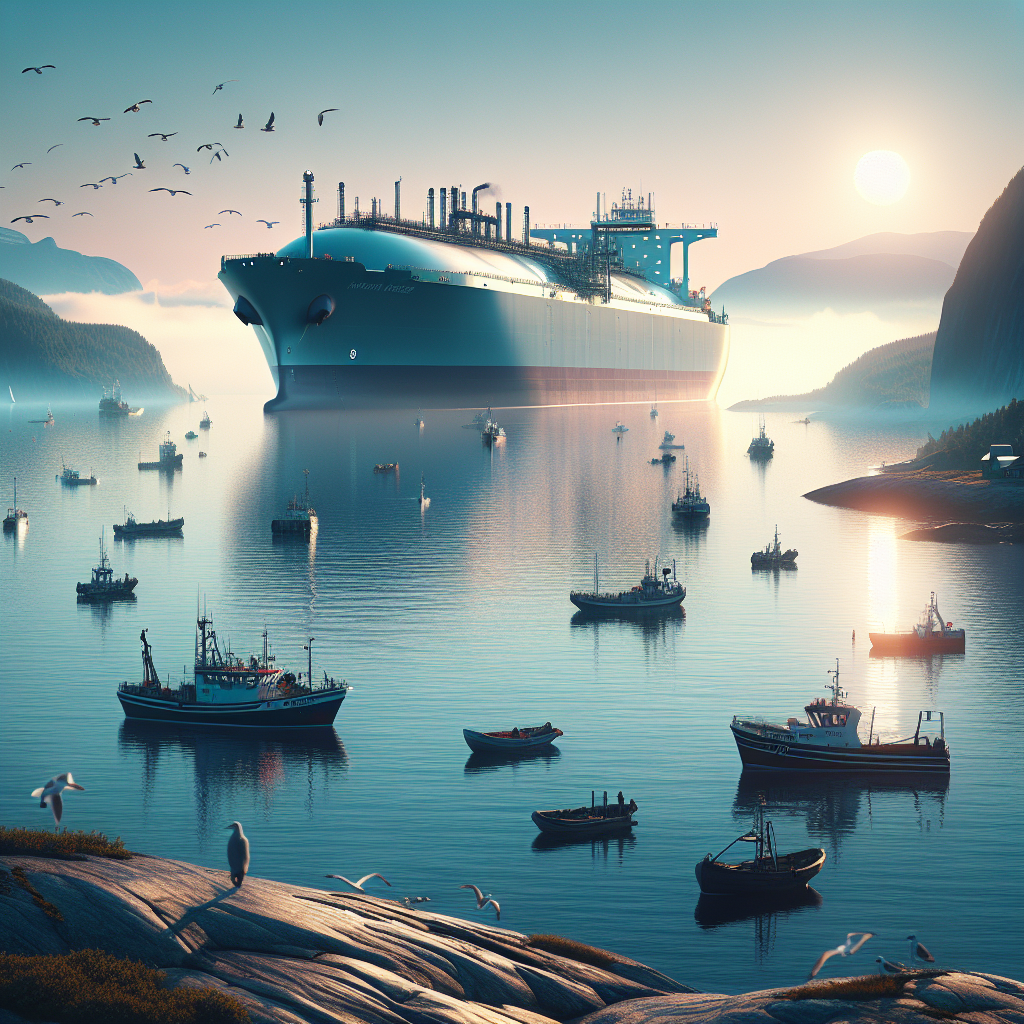
The Future of Maritime Transport: The World’s First Ammonia-Powered Gas Carrier In an innovative move towards sustainability in the maritime sector, the Norwegian company Yara Clean Ammonia and the Japanese shipping line Nippon Yusen Kabushiki Kaisha (NYK) have signed the world’s first time charter contract for a medium-sized gas carrier powered by ammonia. This advancement not only marks a milestone in maritime transport but also represents a significant step towards decarbonizing the sector. An Innovative Approach: Ammonia Propulsion The choice of ammonia as fuel for this new type of vessel reflects the growing trend towards cleaner energy alternatives in the industry. The vessel’s capacity, reaching 40,000 m³, is designed to meet the increasing demand for ammonia both as a raw material in the energy sector and as marine fuel. Moreover, the vessel will be delivered in November 2026 and will be flagged in Japan, emphasizing Asia’s strategic position in this transformation. The development of ammonia-powered vessels is the result of two years of thorough research by Yara Clean Ammonia and NYK. This collaboration highlights the importance of innovation and joint research in creating viable and sustainable solutions for the future of maritime transport. Ammonia, emitting no CO2 in its combustion, offers an excellent alternative to reduce greenhouse gas emissions, a key challenge in the industry. Yara and NYK’s vision goes beyond simply powering a vessel with ammonia; it is about establishing a more sustainable supply chain. According to Murali Srinivasan, Senior Vice President of Yara Clean Ammonia, the contract with NYK will enable compliance with future CO2 emission regulations, while ensuring customers a supply of clean and carbon-intensity-compliant ammonia. Commitment to Decarbonization The Japanese shipping line NYK has shown a strong commitment to decarbonizing the maritime sector. Hironobu Watanabe, CEO of NYK, emphasized the importance of developing ammonia-powered vessels to achieve the goal of net-zero emissions by 2050, in line with their ‘Decarbonization Story’ strategic plan presented in 2023. This project exemplifies how major companies are taking a proactive approach to sustainability. Not only is the use of ammonia relevant from an environmental perspective, but it also has economic implications. Investing in technology and developing more efficient vessels can reduce long-term operating costs and increase competitiveness in an increasingly regulated sector. Yara and NYK’s initiative could serve as a model for other shipping companies seeking to align with global sustainability goals. The development of this type of vessel is a key opportunity for job creation in the maritime industry. Companies involved in the construction, design, and operation of these vessels will need to hire specialized personnel, both for the development phase and for the ongoing operation of the fleet. We encourage maritime professionals and naval engineers to consider the opportunities these advancements bring. Global Impact and Opportunities The implementation of ammonia-powered vessels not only benefits the environment but also strengthens the strategic position of pioneering companies in the global market. Yara, as the world’s largest ammonia distributor, is setting a standard that others will have to adapt to. This situation presents multiple opportunities for maritime investors looking to support sustainable and profitable projects. From a technical standpoint, the challenge is to ensure that supporting infrastructure, such as ammonia storage and supply systems, is adequately developed to support the new fleet. This will require additional collaborations between governments, companies, and international organizations to develop clear and effective regulatory frameworks that facilitate this transition. Finally, nautical enthusiasts and industry professionals can see in these developments an opportunity to contribute and actively participate in the transformation of the maritime industry. This shift towards cleaner and more sustainable fuels is not only crucial for meeting emission reduction goals but also sets a new gold standard for the future of maritime transport. Looking Towards the Future: Beyond Ammonia The success of the first ammonia-powered gas carrier could pave the way for the adoption of other alternative fuel technologies. While ammonia offers a viable short-term solution, research continues in other areas such as hydrogen and fuel cells, which also have the potential to revolutionize the industry. In the end, the future of maritime transport will be defined by those willing to invest in innovation and sustainability. By adopting new technologies and greener fuels, companies not only respond to regulatory and market pressures but also take a leadership role in environmental protection and the development of more sustainable economies. The maritime sector is at a crossroads, and with decisions like that of Yara and NYK, the path is clear towards a cleaner and more sustainable future. This is an exciting time to be involved in the industry, whether as a professional, investor, or enthusiast. We invite our readers to closely follow these developments and consider how they can be part of this historic transformation.
The Revolutionary TwinShip Project: Towards a Sustainable Future in Maritime Navigation
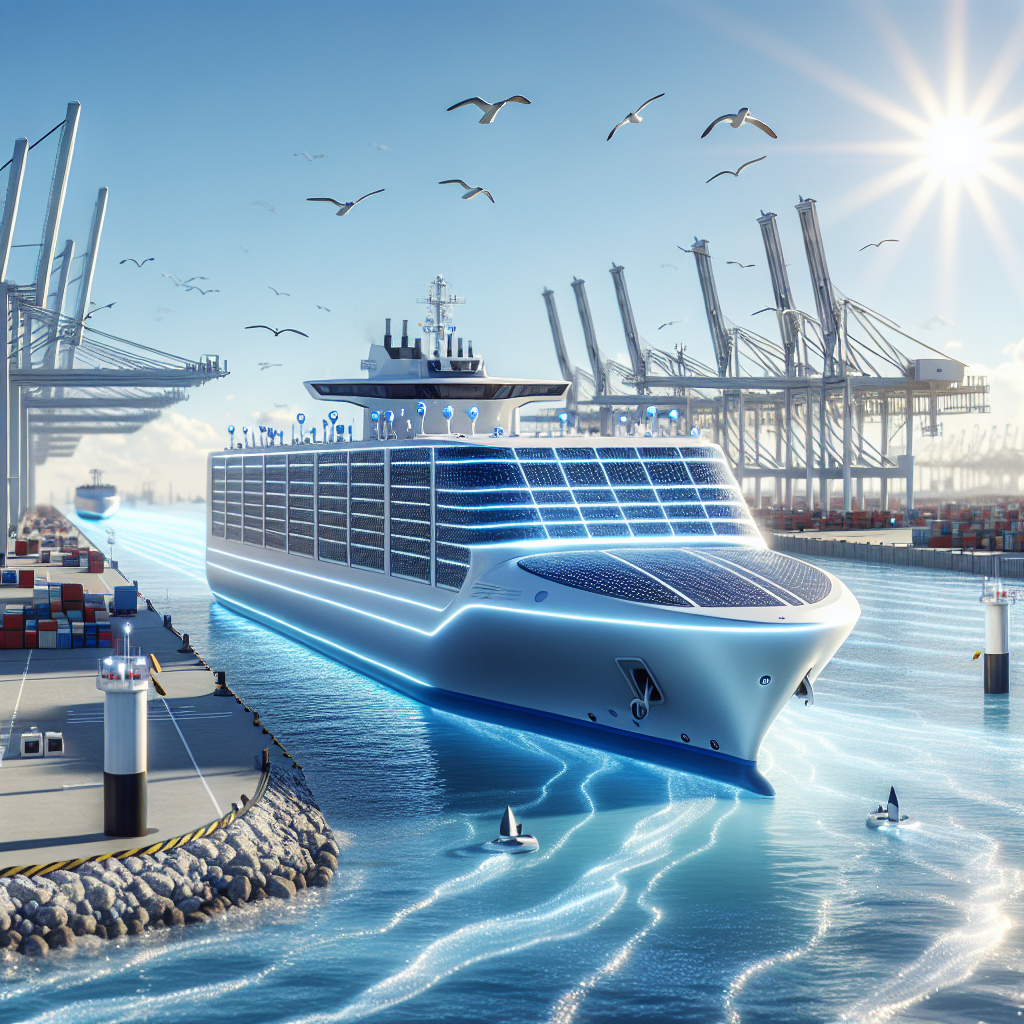
The Revolutionary TwinShip Project: Towards a Sustainable Future in Maritime Navigation The maritime industry is constantly evolving, seeking innovative ways to improve efficiency and reduce environmental impact. In this context, the first week of February 2025 witnessed the presentation in Brussels of the ambitious TwinShip project. This initiative, in which the Valenciaport Foundation among others participates, promises significant technological advancements with the aim of reducing greenhouse gas emissions by 30-40% by 2030 and achieving net zero emissions by 2045. The Digitalization of Maritime Transport: A New Era At the core of the TwinShip project lies the development of an integrated digital twin. This sophisticated system employs artificial intelligence and machine learning to model and predict the behavior of ships. The implementation of these advanced technologies aims to optimize maritime operations, improve energy efficiency, and facilitate the use of clean and renewable fuels. The ultimate goal is to create a more sustainable and efficient maritime environment. The innovative use of AI and machine learning in maritime operations has shown to reduce fuel consumption by up to 15%. The implementation of digital twins on ships can lead to a 10-20% reduction in maintenance costs. An outstanding aspect of the project is the inclusion of autonomous vessels and the implementation of new operational strategies. These advancements will not only transform the way ships operate but could also redefine traditional maritime routes. The automation of operations not only increases efficiency but also helps minimize human risks, providing a safer navigation experience. The Valenciaport Foundation is actively involved in designing the decision support system, ensuring effective integration between the digital twin of ships and ports. This is crucial to optimize logistical management, ensuring that innovation not only stays onboard ships but also extends to the docks, thus creating a fully interconnected maritime ecosystem. Collaborative Innovation: An International Consortium The TwinShip project is a global effort, coordinated by the University of Tromsø in Norway, and brings together a consortium of 18 entities from various sectors. This consortium includes prominent names such as Grimaldi, Stena Line, SINTEF, and Wärtsilä, as well as several universities and research centers. Interdisciplinary collaboration ensures a comprehensive approach to exploring and validating technological solutions in real operational conditions. Collaborative innovation in the maritime sector has shown to increase productivity by 25% on average. International partnerships in research and development can lead to a 30% faster time-to-market for new maritime technologies. This international cooperation not only allows for the sharing of knowledge and experiences but also presents a unique opportunity for companies, educational institutions, and research centers to work together towards a common goal. Teamwork is essential to addressing the complex challenges posed by the transition to a more sustainable maritime transport. Moreover, the TwinShip project is backed by a €10 million investment, co-financed by the European Union’s Horizon Europe program. This funding is crucial for the development and implementation of these innovations, demonstrating a clear commitment from the international community to support sustainability in the maritime sector. Impact on the Maritime Sector: Opportunities and Challenges The adoption of the digital twin and other advanced technologies presents multiple potential benefits for the maritime sector. Firstly, improvements in energy efficiency will not only help reduce operational costs but will also significantly contribute to emissions reduction, a priority goal given the growing concern over climate change. Energy efficiency improvements in maritime transport can lead to a 30-40% reduction in greenhouse gas emissions by 2030. Digitalization of maritime transport is expected to create over 15,000 new jobs in the sector by 2030. Secondly, the digitalization of maritime transport will open up new job opportunities for professionals specializing in maritime technology. Companies like Grimaldi and Stena Line will be looking for skilled talent to implement and manage these innovations, offering an excellent opportunity for those looking to advance their careers in the maritime industry. Lastly, the integration of autonomous vessels and artificial intelligence technologies is poised to revolutionize port operations, improving safety and reducing manual workloads. This will create a more efficient and secure environment for all workers in the sector, allowing them to focus on more complex and high-value tasks. The Future of Navigation: A Call to Action The TwinShip project not only represents a milestone in maritime technology but also serves as a call to action for all those involved in the industry. Participation in this movement towards sustainability is imperative to maintain competitiveness and relevance in the sector. We urge professionals to update their knowledge and skills in cutting-edge maritime technology, preparing for the demands of the future. Furthermore, companies must seriously consider investing in these technologies, not only for their economic potential but also for their positive impact on the environment. Initiatives like TwinShip are essential to ensure a more sustainable world for future generations. In conclusion, the TwinShip project is not just a technological advancement; it is a vision for the future of maritime transport. By embracing these innovations, the sector can sail towards a cleaner and more efficient horizon, significantly contributing to global well-being. The opportunity is in our hands, and now is the time to act and integrate these solutions into our professional lives.
The Importance of Maritime Transport and its Impact on the Global Economy: Innovations and Opportunities
The Importance of Maritime Transport and its Impact on the Global Economy: Innovations and Opportunities The Maritime Transport: Backbone of International Trade Maritime transport plays a crucial role in the global economy, moving approximately 90% of international trade, including a variety of essential products such as raw materials, fuel, food, and manufactured goods. Without this maritime logistics network, many national economies would face significant challenges in meeting their internal needs and participating in global trade. In Europe, port activity is notably intense. According to European Union data, around 3.7 billion tons of cargo are handled annually in its ports, in addition to serving 400 million passengers. Europe, with close to 40% of the global fleet, maintains a prominent leadership position in international maritime navigation. In the UK, maritime transport is essential for international trade, with 85% of imports and 50% of exports being conducted through this medium. This system not only facilitates the flow of goods but is also a significant source of employment, with considerable growth potential in the supply of qualified personnel. The Importance of Training and Innovation: Pillars of the Maritime Future The increasing complexity of maritime transport requires highly skilled professionals who can effectively manage operations and address sector challenges. In response to this need, the British Maritime Institute (BMI) and Bureau Veritas Business School have launched an innovative maritime management course designed to provide comprehensive knowledge of maritime business operations. This educational program, available for enrollment at any time, lasts for six months and offers 24 ECTS credits. Priced at £3,000, with the possibility of installment payments and a 5% discount if purchased through the BMI website. Additionally, it is 100% subsidized training by the Tripartite Foundation, increasing its accessibility and appeal to sector professionals. The course not only focuses on theory but also enhances the practical skills necessary to analyze and lead maritime companies. This educational approach is crucial for developing a new generation of leaders capable of implementing innovations and improving operational efficiency in a globalized and competitive environment. Opportunities for Growth and Career in the Maritime Sector The European maritime-port sector employs 2.3 million people, and the demand for qualified personnel continues to rise. This growth presents a unique opportunity for those interested in a career in the maritime industry. The BMI maritime management course is an ideal entry point for those looking to break into or advance in this sector. For maritime investors, the knowledge gained through this course can be invaluable. Understanding the internal mechanisms of maritime companies and sector trends can help make more informed and timely investment decisions, maximizing the return on investments. Additionally, existing professionals can benefit from updating their skills and expanding their knowledge of new technologies and management practices revolutionizing the sector. This not only enhances their professional profile but also prepares them to take on more challenging and higher responsibility roles. Reasons Why this Course is Relevant for the Maritime Sector The growing need for qualified personnel in the maritime sector is a powerful reason to consider this course. With digitization and automation transforming the industry, those who are better prepared will have a significant competitive advantage. The course offers a practical approach that allows participants to immediately apply what they have learned in their work environments, increasing efficiency and effectiveness in their current roles. Finally, the option of flexible participation and subsidized training makes it accessible to a wide audience, from young professionals to sector veterans looking to retrain or advance in their careers. This inclusive approach ensures that everyone can benefit and contribute to the sustainable growth of the sector. In summary, maritime transport remains a vital component of the global economy, and specialized training is key to keeping up with sector innovations and changes. Whether to improve professional performance or explore new job opportunities, understanding and mastering naval management techniques is a strategic investment in the future of any maritime professional. For more information on the course and how to enroll, interested parties can visit the BMI website. Opportunities await those willing to embark on this exciting educational journey.
The Wind Revolution in Maritime Transport: The Neoliner Origin Marks the Beginning of a New Era

The Wind Revolution in Maritime Transport: The Neoliner Origin Marks the Beginning of a New Era The maritime sector is undergoing a significant transformation with the introduction of more sustainable alternatives in freight transport. A standout example is the Neoliner Origin, a roll-on/roll-off cargo ship powered exclusively by wind energy, which represents a notable advancement in reducing CO₂ emissions and fuel consumption in maritime transport. Neoliner Origin: A Milestone in Maritime Sustainability The recently launched Neoliner Origin at the RMK Marine shipyard in Istanbul is a clear reflection of the commitment of the French shipping company Neoliner to sustainability in the naval industry. Designed to reduce fuel consumption by up to 90%, this vessel uses a wind propulsion system that promises to transform maritime logistics. Equipped with two 76-meter high folding Solidsail masts, manufactured by Chantiers de l’Atlantique, the Neoliner Origin optimizes its efficiency with retractable anti-drift foils developed by Fouré Lagadec. These technological advances, combined with a navigation system that adapts routes to weather conditions, allow the vessel to achieve a service speed of 11 knots. With an impressive capacity of 1,200 linear meters of roll-on/roll-off cargo or 265 TEU, the Neoliner Origin is not only a model of technological innovation but also a giant in sustainable sea transport. The impact on the logistics chain and job opportunities The debut of the Neoliner Origin not only signifies an environmental improvement but also a competitive advantage for its clients. By connecting the port of Saint-Nazaire in France with Halifax and Baltimore on the east coast of the United States, including stops at the islands of Saint Pierre and Miquelon, the vessel promises a reduced environmental impact without increasing logistics costs. The focus on reducing carbon footprint aligns with the growing sustainability expectations of consumers and businesses. The inclusion of passengers on the ship can lead to new, more sustainable travel experiences with a lower ecological impact. Relevance for the Future of Maritime Transport The launching of the Neoliner Origin is not only a milestone for Neoliner but also a paradigm of the future of maritime transport. This vessel represents a concrete response to the increasing demands for sustainability, efficiency, and cost reduction in global logistics. For industry investors, the Neoliner Origin is a clear signal of the expected market trends: a transition to cleaner and technologically advanced operations that could define the future of maritime transport. Exploring New Opportunities The Neoliner Origin invites professionals to consider new perspectives and opportunities in the maritime sector. With a clear focus on sustainability, companies and workers have the opportunity to participate in a green revolution that is not only socially responsible but also economically viable. As more companies join these initiatives, new areas of development and specialization will open up, from naval engineering to sustainable logistics. Those interested in these areas are encouraged to stay informed about these trends and consider submitting their resumes to companies that share these values and objectives. As the Neoliner Origin sails the seas, it represents not only a ship but an opportunity for every individual in the maritime sector to move towards a brighter and more sustainable future.
Revolutionizing the Maritime Industry: MAN Energy Solutions’ Ammonia Engine Completes Key Test
Revolutionizing the Maritime Industry: MAN Energy Solutions’ Ammonia Engine Completes Key Test Innovations in Propulsion: A Step Towards Sustainability In an era where sustainability and energy efficiency are paramount, MAN Energy Solutions has achieved a crucial milestone with its gas-injection engine powered by ammonia. This breakthrough promises to positively disrupt the global maritime industry, providing a viable alternative to conventional fossil fuels. The tests conducted on the engine at the Copenhagen Research Center have demonstrated its ability to operate at 100% load, marking a milestone on its path to commercialization. The use of ammonia as a fuel is not only innovative but also represents a significant step towards decarbonizing maritime transport. Historically, the sector’s reliance on fossil fuels has been an environmental challenge, but MAN Energy Solutions’ engine could change the landscape. Operating from 25% up to 100% of its capacity, the engine has shown performance and gas emissions that meet expectations, solidifying itself as a significant advancement. Ammonia is a fuel that does not emit carbon dioxide during combustion, making it particularly attractive in the fight against climate change. This, combined with the engine’s efficient operation, makes the project a promising solution for those in the maritime industry committed to sustainability. Challenges and Achievements in Technological Development The development of technology for two-stroke engines using ammonia has not been without its challenges. However, under the leadership of Ole Pyndt Hansen, MAN Energy Solutions has managed the process with a meticulous focus on safety. From the initial tests started in November 2024, the team has progressed step by step, ensuring that every component of the fuel injection system works smoothly. The engine, known as ME-LGIA, is designed to maximize energy generated on board through Power Take-Off (PTO) applications. The successful simulations prior to real-world tests have confirmed the team’s expectations. This success not only validates the engine’s viability but also paves the way for broader use of cutting-edge technology in the industry. The integration of a Selective Catalytic Reduction (SCR) system is another innovation incorporated into this project. This system has been effective in treating exhaust gases across all loads, reaffirming the company’s commitment to emissions reduction. MAN Energy Solutions’ project demonstrates that the integration of advanced technology can achieve tangible changes in the performance and sustainability of commercial shipping. Employment and Investment Opportunities The adoption of new technologies in the maritime industry not only drives innovation but also creates significant opportunities in the labour and investment markets. As MAN Energy Solutions approaches the commercialization of its ammonia engine, there is a predicted need for specialized professionals to support the implementation and maintenance of these advanced systems. Maritime professionals have an opportunity to adapt their skills to the new technologies that will lead the sector in the coming years. Companies beginning to implement ammonia engines will require trained engineers and technicians, making it a fertile field for those seeking professional growth. Maritime investors are also paying attention to developments like MAN Energy Solutions’, as they represent growth potential and profitability in an increasingly green economy. This type of innovation is indicative of future trends, where investments in clean technology will play a central role. The Future of Marine Energy: A Motivating Perspective MAN Energy Solutions’ project is more than just a technological advancement; it is a call to action for the entire maritime industry. This development underscores the need to embrace change and adapt to new ways of operating that are compatible with a healthy planet. For nautical enthusiasts, the prospect of sailing using cleaner and more efficient technology is undeniably appealing. Whether in commercial shipping or recreational boating, the adoption of a fuel like ammonia could significantly evolve sustainability at sea. This is a pivotal moment to get involved and learn about the innovations that are redefining the maritime sector. We encourage readers to closely follow these developments, as the integration of ammonia engines into the international fleet is poised to transform the industry in the coming decades. Conclusion The successful test of MAN Energy Solutions’ ammonia engine represents a significant advancement in the quest for sustainable solutions for the maritime industry. Its ability to operate efficiently, combined with substantial emissions reductions, indicates a promising future. This development not only offers environmental benefits but also opens up new business and employment prospects. For those interested in being part of this energy revolution, now is the time to look to the future with optimism.
Roland García: A New Boost for the Port of Houston from the Port Commission
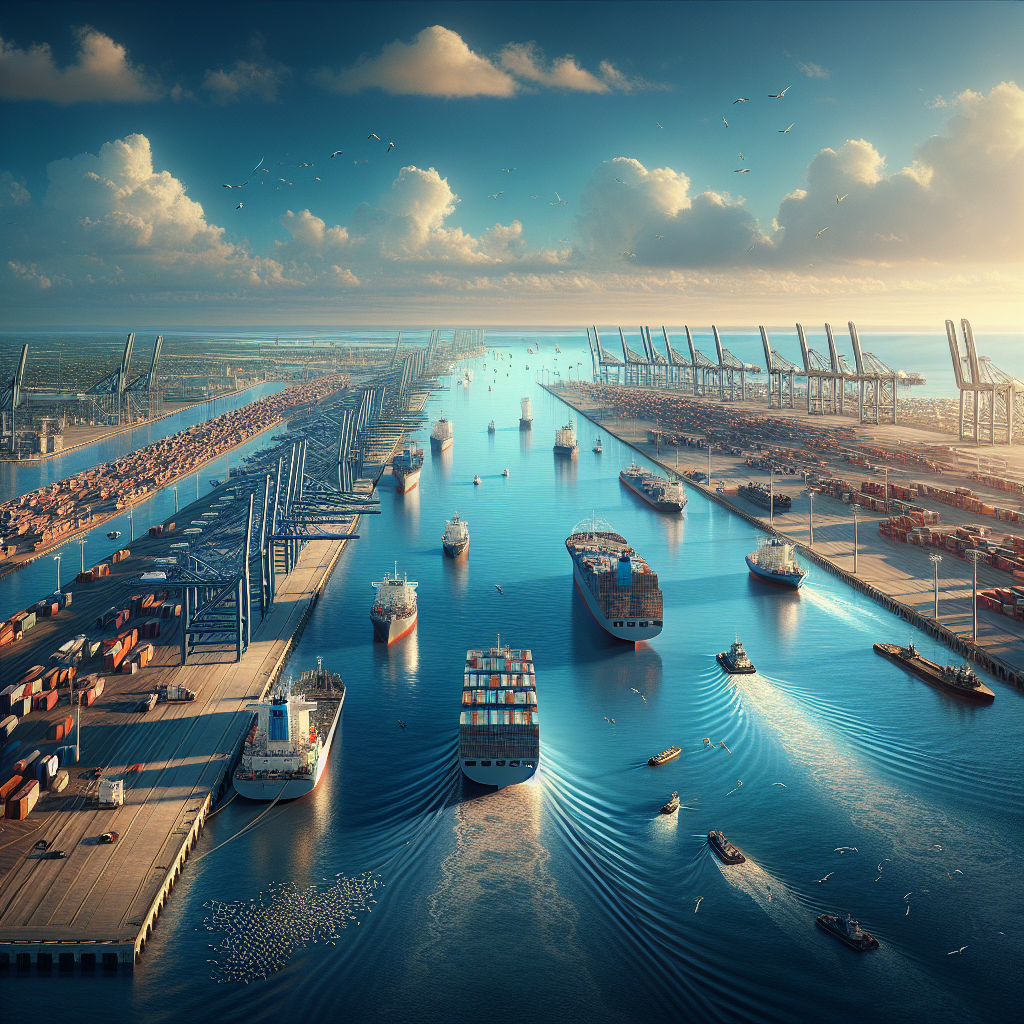
Roland García: A New Boost for the Port of Houston from the Port Commission The Port of Houston, one of the most important maritime hubs in the United States, is currently undergoing a period of transformation and growth. The recent appointment of Roland García as a member of the Port Commission of the Port Authority of Houston is news that is generating expectations in the maritime sector. A Career Forged in the Maritime Sector Roland García is no stranger to the maritime industry. His previous experience in maritime affairs and his role as president in the transition of the newly created Pilots’ Council have given him a unique understanding of the complexity of port operations. These skills are precisely what is needed to navigate the increasingly competitive waters of global maritime trade. Roland García’s appointment His experience in maritime affairs Role as president in the Pilots’ Council Understanding of port operations His appointment has been praised by the Houston City Council, highlighting not only his passion for the community but also his ability to foster collaboration among various stakeholders. In a time where cooperation and synergy are crucial for sustainable development, García represents a figure who can consolidate essential strategic alliances. Innovation and Development: Keys to the Future The Port of Houston is not just a logistics hub but also a hub of technological innovation in the maritime sector. Under García’s leadership, the port is expected to adopt cutting-edge technologies to optimize operations and improve energy efficiency. Automation and digitalization of processes are key areas that could receive a new boost under his leadership. Technological innovation in the maritime sector Role of Port of Houston in innovation Impact of automation and digitalization These innovations will not only make the port more competitive but can also serve as a model for other international ports looking to modernize their facilities. Investments in technology also create opportunities for startups and professionals with expertise in digital transformation, who can find in Houston a fertile environment for developing new solutions. The Economic and Labour Impact of the Port The Port of Houston plays a crucial role in the local and national economy. It significantly contributes to employment and generates thousands of direct and indirect jobs. García’s presence on the Port Commission could be a catalyst to further expand this economic impact, promoting the development of new infrastructures and attracting more businesses to the region. Economic impact of the Port of Houston Employment generation Expansion and modernization plans The plans for expansion and modernization that García could implement will not only increase the port’s capacity but also enhance its sustainability. This is particularly relevant in a world where environmental considerations are becoming increasingly important for commercial operations. For sailors and nautical enthusiasts, a more developed and efficient port not only represents better logistics infrastructure but also a safer and more reliable environment for vessel traffic. Conclusion: A Promising Future for the Port of Houston The arrival of Roland García to the Port Commission of the Port of Houston is encouraging news for all sectors involved in maritime trade. His experience and inclusive vision promise to take the port to new levels of success and capacity, ensuring its position as a leader in the industry. Roland García’s inclusive vision Potential opportunities for professionals and investors For maritime professionals, investors, and nautical enthusiasts, these transformations represent a range of opportunities. From professional development to lucrative investments, the future of the Port of Houston under García’s leadership looks like a chapter full of potential and progress. We invite our readers to closely follow these developments and consider the opportunities that may arise from these changes. The Port of Houston is ready to transform its maritime landscape and, in doing so, offer new routes to success.