


Port Houston: Innovations and Challenges for the Future of Maritime Transport
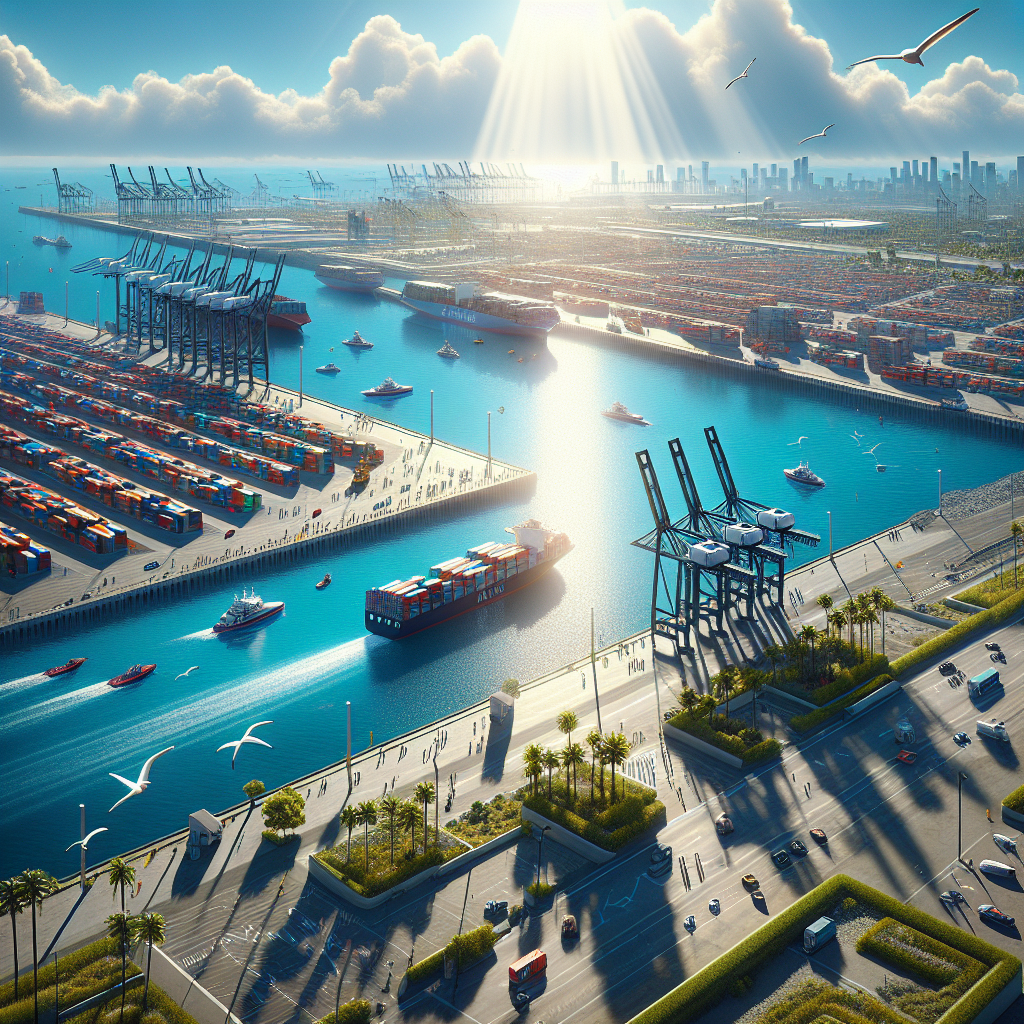
Port Houston: Innovations and Challenges for the Future of Maritime Transport On the 19th of February 2025, the Port Commission of the Port Authority of Houston will hold its regular monthly meeting, an event of great interest to maritime professionals, investors, and nautical enthusiasts. This year, the meeting will be held in a hybrid format, allowing both in-person and virtual attendance through the WebEx webinar. The importance of this event lies in the decisions that will be made, which could shape the course of the port in the coming years. This annual meeting focuses not only on logistics and port management but also serves as a platform for the presentation of technological innovations and strategies that will directly impact the operations of the Port of Houston, one of the most significant globally. The topics to be discussed at this meeting will have significant implications for various stakeholders in the sector, from logistics operators to investors and port workers. Automated cargo handling systems Integration of artificial intelligence solutions for logistics optimization Implementation of technologies to reduce environmental impact One of the latest innovations that promises to revolutionize port operations is the use of drones for monitoring and maintaining port infrastructure. Additionally, the digitization of administrative processes through blockchain platforms can provide unprecedented transparency, significantly reducing the time and costs associated with cargo documentation. In this digital age, the maritime sector faces unique challenges that require innovative solutions. The Port of Houston is no exception, and at this year’s meeting, various technological initiatives are expected to be presented. The Impact of Port Houston on the Economy and Investment Opportunities The Port of Houston is a fundamental economic pillar not only for the United States but also for international trade. The decisions made during the meeting will influence the port’s economic strategies, directly affecting investors and the business community. Among the topics to be discussed are the expansion of maritime routes and infrastructure improvements aimed at increasing cargo reception and shipment capacity. Improving infrastructures and implementing new technologies not only optimize current operations but also increase the value of investments made. Participation in the Port Commission meeting is a unique opportunity to obtain firsthand information on the port’s future and the economic opportunities it presents. Relevance for the Maritime Community The decisions made at the Port Commission of Houston meeting have a global impact, as the port is a crucial node in the international trade network. For merchant navy professionals, staying informed about these developments is essential to anticipate changes in trade routes and adapt to the sector’s new challenges. In recent years, the concept of sustainability has become increasingly important. The Port of Houston is committed to implementing sustainable practices. A greener port not only contributes to environmental well-being but also enhances the reputation of companies operating within it, opening up new business opportunities. For nautical enthusiasts, this event provides a unique insight into trends and advances in the maritime sector. Keeping abreast of these developments not only enriches their personal knowledge but also allows them to become more actively involved in the nautical community, contributing ideas and solutions from an innovative and up-to-date perspective. Conclusion: A Promising Future The Port Commission meeting of Houston 2025 promises to be an event filled with crucial decisions and innovations that will shape the future of the port and the international maritime sector. Technology, sustainability, and economic growth are the pillars upon which the future of this essential infrastructure will be built. For professionals in the sector, investors, and enthusiasts, this meeting is an invaluable opportunity to connect with the future of maritime transport. The discussions and decisions made at this event will not only shape the Port of Houston but will also influence the direction of global trade in the coming decades. We invite all interested parties to closely follow the updates from this event as its significance transcends the local sphere and represents a unique opportunity to discover where the future of the maritime sector is heading.
The Maritime Energy Transformation: Towards a Future of Renewable Fuels in Europe
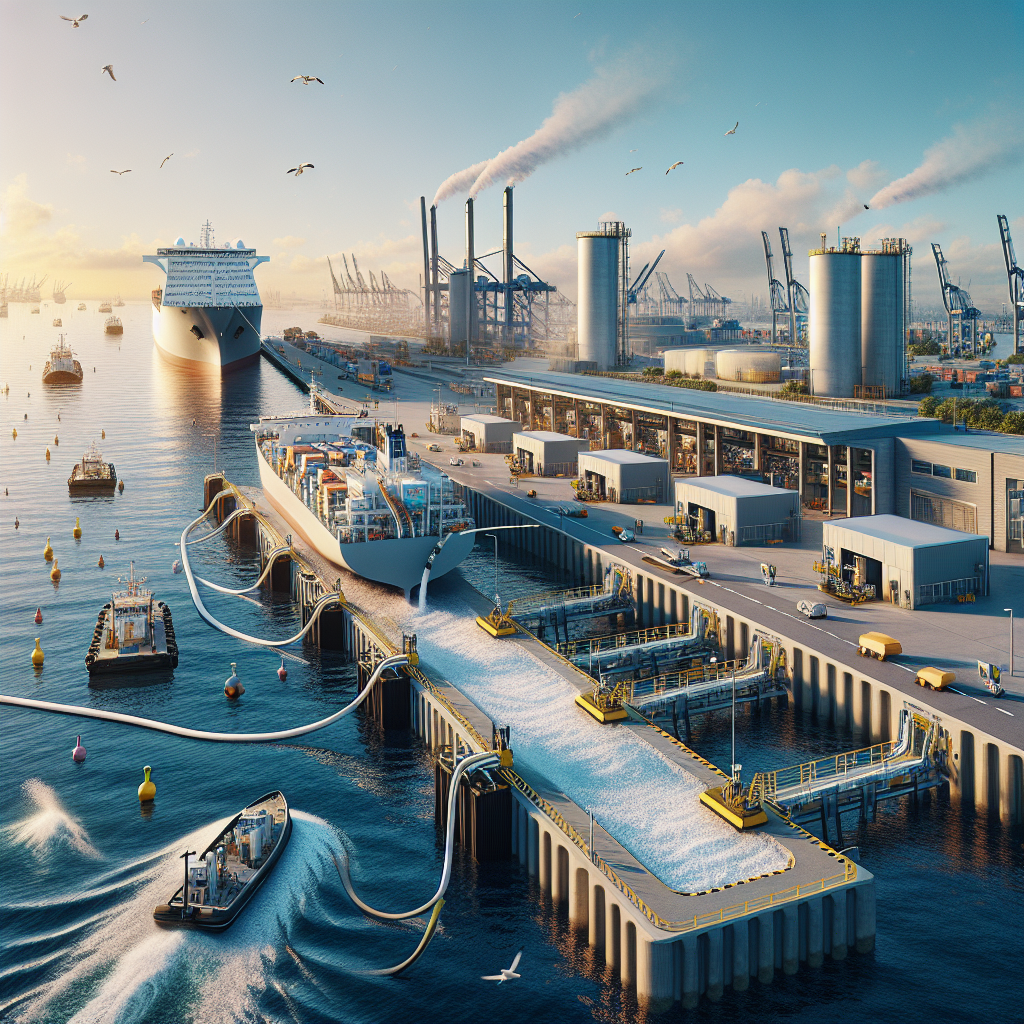
The Maritime Energy Transformation: Towards a Future of Renewable Fuels in Europe In a context where sustainability has become a global priority, the European maritime sector is facing the challenge of decarbonization. The European Community Shipowners’ Associations (ECSA), Airlines for Europe (A4E), and the environmental lobby group Transport & Environment (T&E) have recently made a clear plea to the European Commission to increase the production of clean fuels for maritime and air transport. This article explores the implications of this initiative, its potential benefits, and the necessary actions to implement it. Key Initiatives for Decarbonization The joint statement by ECSA, A4E, and T&E underscores the importance of accelerating the transition to the use of renewable fuels. These organizations emphasize that achieving the goals of the European Green Deal requires significant investments in the production and development of clean fuels, known as HVO (hydroprocessed vegetable oils) and other advanced biofuels. The decarbonization of maritime and air transport is not only crucial for reducing greenhouse gas emissions but also represents a significant economic opportunity. Approximately 100,000 million euros are estimated to be needed annually in investments to achieve the desired levels of sustainability in these sectors. The implementation of these measures will not only provide environmental benefits but also boost the economy by creating new jobs in the clean energy sector. The next step in this transformation is the development of the Clean Industry Agreement, a regulatory framework aimed at establishing favorable conditions for the growth of renewable fuel production. The Sustainable Transport Investment Plan (STIP) aims to produce at least 40% of the necessary fuels within the European Union, in line with the FuelEU Maritime and ReFuelEU Aviation regulations. Benefits for the Maritime Sector The transition to renewable fuels presents multiple strategic advantages for the European maritime sector. Firstly, it reduces dependence on fossil fuels, the price of which is volatile and subject to geopolitical fluctuations. By investing in technology and infrastructure for clean fuels, innovation and economic growth in the maritime industry are promoted. The European maritime industry’s adoption of cleaner fuels strengthens its global competitive position. Being a leader in decarbonization technologies not only enhances the sector’s international image but also opens doors to new markets prioritizing sustainability in their supply chains. Furthermore, the implementation of infrastructure mandates for the development of ports as renewable fuel supply centers is a key strategy. This not only facilitates access to these fuels for transiting vessels but also turns European ports into pioneers in sustainability, attracting investment and global traffic. Economic and Social Impact The transition to renewable fuels in the maritime sector also brings significant social and economic benefits. An increase in the production of these fuels will drive job creation in the renewable energy sector, offering new job opportunities for merchant marine professionals and specialized technicians. Reducing emissions helps mitigate the environmental impact of maritime transport, improving air quality and public health, especially in port cities. Channelling part of the revenues from the Emissions Trading System (ETS) towards clean fuel projects ensures sustainable financing for innovative initiatives. Challenges and Future Opportunities Despite the evident benefits, the transition to renewable fuels in the maritime sector faces significant challenges. One of the main challenges is the scalability of advanced biofuel production to meet sector demand. Developing solutions that allow for efficient and cost-effective large-scale production of these fuels is crucial. Investment in research and development is essential to overcome existing technological barriers. Collaboration between governments, industries, and academic entities will be key to achieving these goals. The maritime sector is at a crossroads where sustainability and competitiveness must go hand in hand. The initiatives proposed by ECSA, A4E, and T&E are an important step towards a greener future. For professionals and enthusiasts in the nautical sector, participating in this transformation represents not only a responsibility but also a unique opportunity to be at the forefront of maritime sustainability. Conclusion In conclusion, the drive towards the use of renewable fuels in the European maritime sector is a crucial step towards a more sustainable and competitive future. Investments in technology and infrastructure, along with favorable policies, are essential to achieve these goals. The joint statement by ECSA, A4E, and T&E highlights the urgency of action and offers a detailed plan to integrate renewable fuels into the European maritime industry. This effort will not only benefit the environment but also strengthen the European maritime economy, generating jobs and promoting sustainable economic growth. Those looking to get more involved in this transformation can explore job opportunities in energy companies and marine technology innovation workshops. The renewable fuel revolution is here, and it is time for everyone, from shipowners to port workers, to actively participate in this crucial change for the future of maritime transport.
The Panama Canal: Challenges and Opportunities in a New Era of Maritime Transit
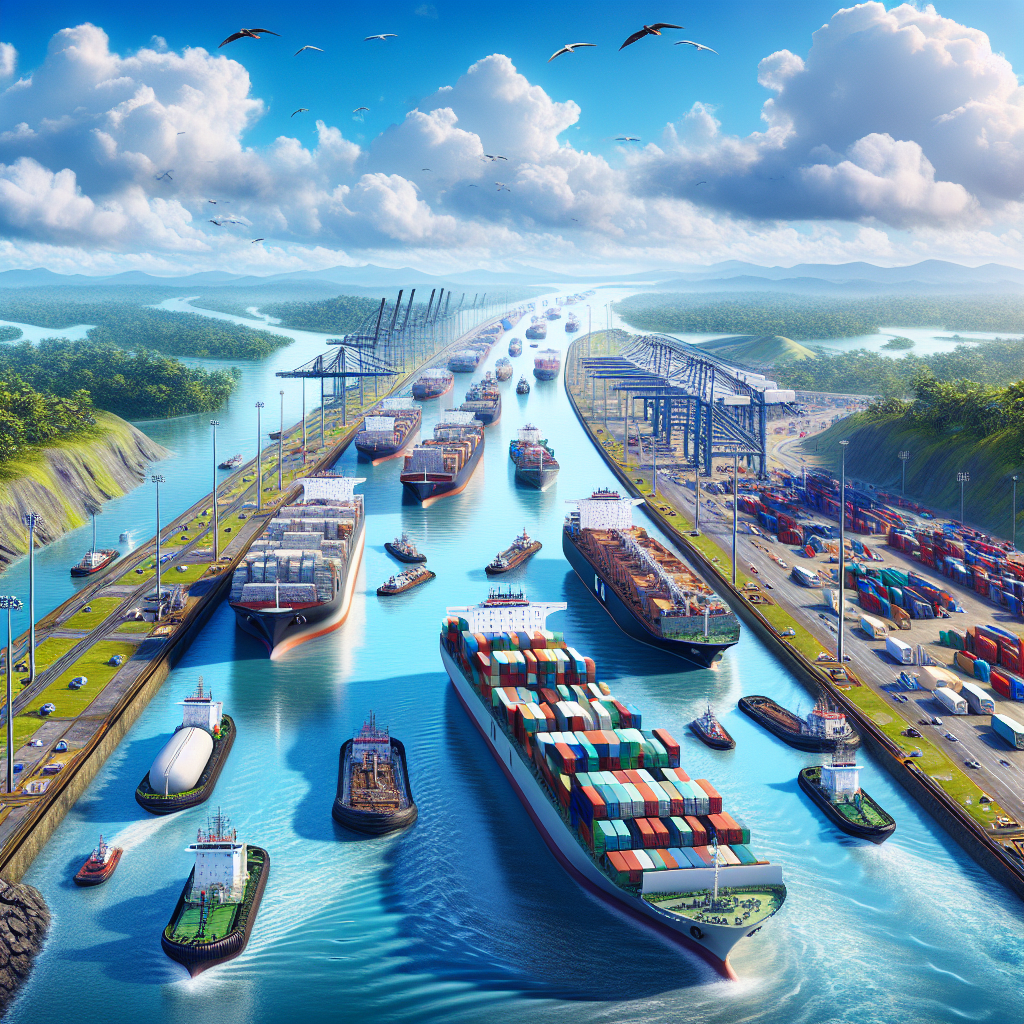
The Panama Canal: Challenges and Opportunities in a New Era of Maritime Transit The Panama Canal, considered one of the marvels of modern engineering, has been a fundamental pillar of global maritime trade since its opening in 1914. This canal connects the Atlantic Ocean with the Pacific, significantly reducing navigation times and transportation costs for shipping companies. Over the years, it has undergone expansions and technological improvements to accommodate larger vessels and increasing traffic volumes. However, the technical and logistical complexity of the canal makes it vulnerable to external factors such as weather and global economic fluctuations. In recent years, climate change has impacted water levels in Lake Gatun, affecting the draft allowed for ships and, therefore, the flow of traffic. Additionally, competition for transit slots has led to the implementation of auctions, benefiting companies with greater financial and planning capacity. Despite these challenges, the canal remains a strategically important point in the world of maritime trade. Recent innovations in its infrastructure and technology have allowed to maximize efficiency and sustainability, although changes in trading patterns pose new challenges for its daily operations. Impact of Restrictions and Trading Changes Between June 2023 and September 2024, the Panama Canal faced restrictions due to low water levels, significantly affecting transit. According to BIMCO data, traffic decreased by 10% compared to historical averages between 2019 and 2022. Key sectors such as bulk carriers, LNG carriers, and to a lesser extent, tankers, have been particularly affected, without having recovered pre-restriction levels. The removal of restrictions has not meant a return to normalcy. Factors such as increased passage fees and changes in trading patterns have created a “new normal” in the canal. The US grain trade has shifted to west coast ports, bypassing the canal, resulting in a 21% increase in exports since September, while exports from the Gulf decreased by 6%. Likewise, the transportation of coal has continued to divert through alternative routes, affecting canal demand. For LNG carriers, the ban on nighttime transits and security issues have led many shipowners to prefer alternative routes they consider more flexible and reliable. Opportunities and Future Perspectives Despite these challenges, there are significant opportunities for the canal in the near future. According to BIMCO, tonnage transiting through the canal is expected to increase due to growth in the container, LPG tanker, and car carrier sectors, which have already exceeded historical levels. These opportunities can translate into new investments and technological improvements in the canal, potentially creating more jobs. For maritime professionals and the nautical sector, this represents an opportunity not only for employment but also for improving technical skills and adapting to new innovations. On the other hand, the focus on sustainable development and the implementation of green technologies can further strengthen the canal’s competitiveness internationally. The transition to cleaner fuels and sustainable operating practices not only benefits the environment but can also reduce long-term costs and improve operational efficiency. Three Reasons Why this Information is Relevant to Our Readers Understanding the current challenges of the Panama Canal is essential for maritime professionals who rely on the canal to plan efficient routes and reduce operating costs. For maritime investors, fluctuations in canal traffic represent an opportunity to reassess investment strategies. Identifying growing sectors, such as containers and LPG tankers, can guide more informed and profitable investment decisions. For nautical enthusiasts, this analysis offers a deeper understanding of global trade dynamics and how technological innovations and operational changes affect one of the pillars of international trade. Following these trends closely can enrich their knowledge and experience in the nautical world. Conclusion: A Promising Future for the Panama Canal In conclusion, despite facing significant challenges, the Panama Canal has undeniable opportunities for growth and adaptation. With a focus on sustainability, technological innovation, and adjustment to the new normal of global trade, the canal continues to be a vital artery for world trade. For WishToSail.com readers, this situation offers an opportunity to reflect on the broader implications of maritime trade and technological innovations in the industry. As the world navigates through these times of change, the Panama Canal remains a testament to the maritime sector’s ability to innovate and adapt, ensuring its relevance for future generations.
The Global Maritime Fleet: China Leads with Innovation and Growth

The Global Maritime Fleet: China Leads with Innovation and Growth In the ever-changing world of maritime transportation, shifts in fleet valuations reflect the global economic pulse. In 2025, China has taken the lead in the global ranking of ship-owning countries in terms of fleet value, surpassing Japan and solidifying its position with a fleet valued at $255 billion. This change highlights China’s growing maritime power and its implications for global trade, according to the latest report from Veson Nautical. China: Innovation and Expansion The increase in the value of China’s fleet is the result of the revaluation of bulk carrier segments, with an impact of $68.4 billion, and container ships, with $63.5 billion. These segments have gained importance due to new global demands, driven by the crisis in the Red Sea, which has increased the requirement for tonne-miles. Chinese investment in maritime technology and the modernization of its ports have been key in this process. Japan: Resilience and Specialization Despite being surpassed by China, Japan remains resilient with a fleet valued at $231.3 billion, an increase of 12% from last year. Japan continues to lead in strategic sectors such as LNG carriers, valued at $40.9 billion, and car carriers, valued at $24.8 billion. Greece and the United States: Strategic Diversification Greece maintains its solid third-place position, highlighted by having the most valuable tanker fleet in the world, valued at $71.3 billion. The United States has made significant investments in the cruise sector, its strongest asset valued at $58.6 billion. Global Opportunities and Challenges The changes in the global fleet ranking not only reflect market conditions but also the challenges and opportunities facing the maritime industry. Singapore and South Korea completing the top five underscores the race for technological innovation and operational efficiency. Switzerland’s re-entry into the top 10 and Germany’s substantial increase in fleet value highlight the competitiveness of the market. Conclusion The dynamics of the maritime sector mirror the complex economic and technological interactions globally. China’s position as the fleet value leader, closely followed by Japan, Greece, and the United States, indicates a future where innovation and diversification will be essential for success. For maritime professionals, investors, and nautical enthusiasts, now is the time to learn, adapt, and grow in this constantly evolving industry. Identifying trends and seizing opportunities in this vibrant sector is crucial for maximizing potential.
The Financial Innovation in the Maritime Industry: Implications of Triton International’s Inaugural Preferred Stock Dividend
The Financial Innovation in the Maritime Industry: Implications of Triton International’s Inaugural Preferred Stock Dividend Triton International Limited, one of the world’s leading companies in container management, has taken a significant step in the financial realm with its recent announcement regarding the Series F preferred shares. This news is a milestone not only for the company but also for the maritime sector as a whole, providing a new avenue for investment and financing. Based in Hamilton, Bermuda, Triton has established itself as a key player in the industry, thanks to its extensive fleet of containers that facilitate international trade. This new financial move, announced on February 14, 2025, could have profound implications for maritime investors and sailors interested in the industry’s financial environment. The announcement of the initial dividend on the preferred shares is a sign of growth and financial stability. These shares, with an interest rate of 7.625%, represent an attractive opportunity for investors seeking consistent returns in a dynamic sector vital for global trade. Financial Details and Investment Opportunities The cash dividend announced, at $0.20651 per share, will be paid on March 15, 2025, to shareholders registered by March 10, 2025. These preferred shares trade on the New York Stock Exchange under the symbol TRTN PRF, offering investors a source of income security. For maritime investors, these shares provide a portfolio diversification opportunity. Investing in a robust company like Triton, playing a crucial role in maritime trade, can be a strategic way to participate in the growth of an industry essential to the global economy. Impact on the Maritime Sector and New Commercial Routes The capital raised through these preferred shares could enable Triton to expand its container fleet, improving logistical efficiency and facilitating the opening of new commercial routes. This growth would benefit not only the company but also the entire maritime supply chain, potentially creating new job opportunities in fleet management, logistics, and port operations. Triton’s ability to adapt its operations to the demands of modern trade could inspire other companies in the sector to explore similar measures, increasing competition and innovation in the maritime industry. Relevance for Maritime Professionals and Enthusiasts For maritime professionals, the strengthening of companies like Triton and the expansion of their operations can lead to increased hiring and staff training, essential for career advancement within the maritime sector. For maritime investors, Triton’s financial stability and ability to offer attractive returns through its preferred shares represent a safe and profitable investment. For nautical enthusiasts, the expansion of maritime operations means greater access to routes and services, enhancing the sailing experience and providing new opportunities to explore the world from the sea. Conclusion: An Opportunity for Exploration and Growth Triton International Limited’s announcement of its inaugural dividend on preferred shares marks a significant event in the maritime sector. By providing financial stability and growth prospects, Triton not only opens new opportunities for investors but also reaffirms its role as a leader in the industry. Whether it’s maritime professionals, cautious investors, or nautical enthusiasts, this announcement underscores the importance of paying attention to financial movements within the maritime sector. It’s a reminder that in a world where global trade remains vital, strategic actions by companies in the sector can have a lasting impact. We invite readers to continue exploring the topic, delve into the opportunities it presents, and consider how these changes may influence their professional lives and personal passions. Triton International is paving the way and, in doing so, encourages us all to sail towards new possibilities.
DynaCERT Inc. Drives Innovation in Carbon Emission Reduction with Million-Dollar Investment
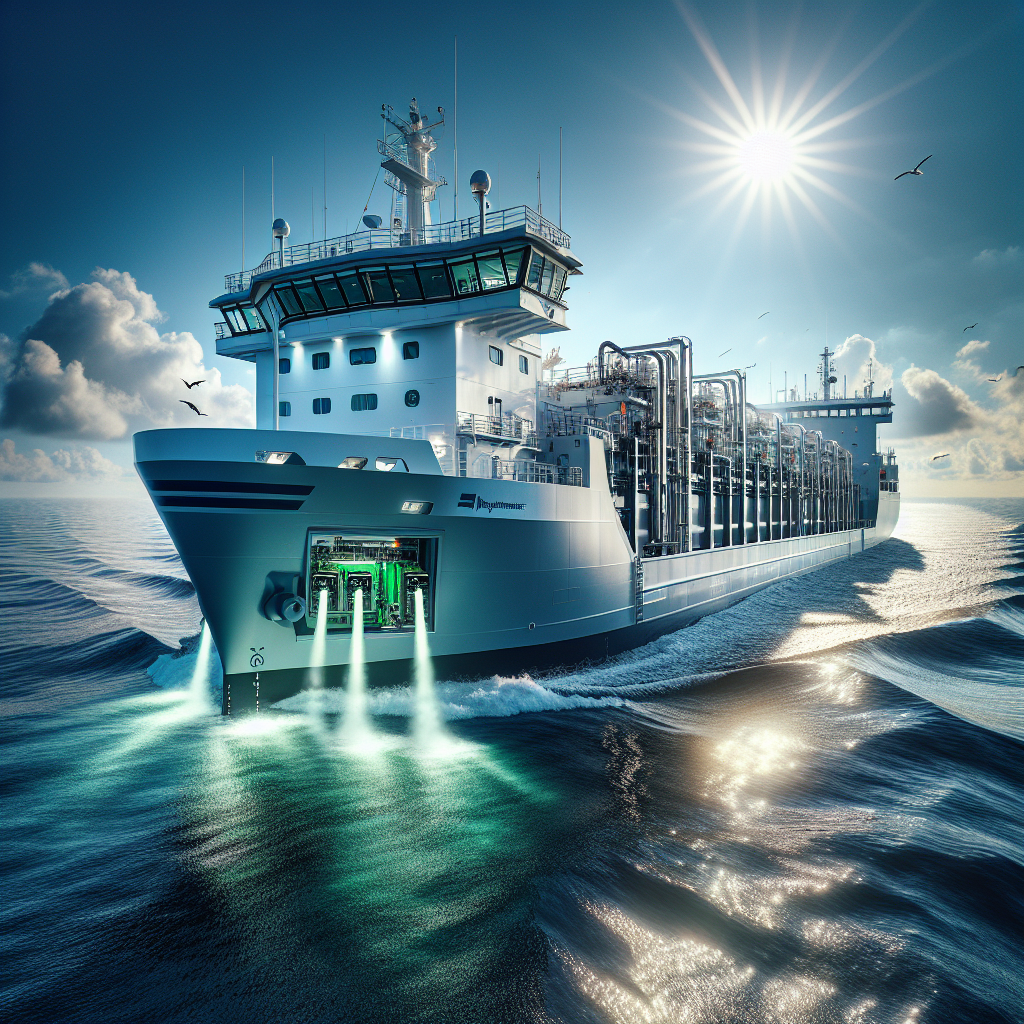
DynaCERT Inc. Drives Innovation in Carbon Emission Reduction with Million-Dollar Investment In a world where sustainability is increasingly crucial, dynaCERT Inc., a leading environmental technology company, has announced a direct private offering to raise up to 5 million Canadian dollars. This financial strategy is designed to enhance their technological innovations in carbon emission reduction, which could have a significant impact on the international maritime industry. The offering consists of up to 33,333,334 units, each composed of a common share of the company and a warrant entitling the holder to acquire another share in the future. This structure provides potential investors not only with a direct stake in the company but also the opportunity to increase their investment through warrants, which could be highly beneficial if the company succeeds in increasing its market valuation. This investment is crucial for dynaCERT as it enables them to continue advancing the development of their patented technologies that reduce carbon emissions. The company is leveraging its innovation expertise to address one of the most pressing challenges in the maritime sector: reducing ships’ carbon footprint and improving energy efficiency in navigation. Technological Innovation for Maritime Sustainability dynaCERT is strongly committed to creating technological solutions that can be easily implemented in various sectors, including maritime navigation. Their HydraGEN™ technology utilizes an electrolysis system to generate hydrogen from water, which is then introduced into the ship’s engine to improve combustion and significantly reduce greenhouse gas emissions. The potential of this technology is transformative. By enhancing fuel efficiency and reducing carbon emissions, ships can operate more sustainably, which is a primary goal for many shipping companies seeking to comply with increasingly stringent global environmental regulations, such as those set by the International Maritime Organization (IMO). Verifiable data: According to studies, implementing hydrogen-based technologies like dynaCERT’s HydraGEN™ can reduce carbon emissions by up to 20% in marine vessels. Verifiable data: Fuel savings of up to 5-10% can be achieved through the increased efficiency provided by hydrogen injection systems like HydraGEN™. This innovation is not only advantageous in environmental terms but can also provide long-term economic benefits, as more efficient fuel usage translates to lower operating costs. For maritime professionals and investors, this technology represents an opportunity to capitalize on the sector while contributing to global sustainability. Employment and Financial Opportunities for Seafarers and Investors The success of this initiative could open up new opportunities in the job market. For maritime industry professionals, this means a potential expansion of jobs related to the implementation and maintenance of these technologies. Companies and shipping firms that adopt dynaCERT’s innovations may be seeking trained personnel to handle these systems, providing an opportunity for navigators and sector technicians to broaden their employment horizons. From a financial standpoint, the structure of this private offering positions investors strategically to benefit from dynaCERT’s potential growth. With shares and warrants, investors have multiple avenues to generate returns, increasing the appeal of this investment for those interested in moving towards a greener economy. The global focus is increasingly centered on emissions reduction and the transition to clean technologies, making dynaCERT’s innovations not only relevant but necessary. The combination of environmental and economic benefits makes this initiative an attractive proposition for any maritime professional or investor willing to be part of a significant technological change. Practical Implications for Enthusiasts and Nautical Professionals For nautical enthusiasts, this news serves as a reminder of the impact technology can have on their favorite pastime. The ability to sail more sustainably signifies a personal and direct commitment to the environment but can also influence the regulation of future nautical events and competitions. On a professional level, the adoption of these technologies in commercial vessels can set new standards in the industry, encouraging other companies to follow suit. This benefits not only the environment but also positions professionals associated with these innovations at the forefront of the maritime industry, in a job market that increasingly values green credentials and energy efficiency. dynaCERT’s initiative is a clear demonstration of how strategic investment in new technologies can bring positive and tangible transformations to the maritime sector. For those interested in being part of this evolution, the company offers a clear path to the future of sustainable navigation. Conclusion: A Promising Future for the Maritime Industry With initiatives like dynaCERT’s, the maritime industry is at an exciting crossroads towards more sustainable and efficient navigation. Investing in technologies that promote emissions reduction is not only a response to regulatory pressure but an opportunity to innovate and improve operational efficiency. Industry professionals and investors now have the opportunity to join a movement that not only benefits the environment but also offers attractive financial and employment opportunities. The fusion of technology and sustainability emerges as the path to follow for those who wish to be pioneers in the future of navigation.