


The Canarian Sailor Conquering the ILCA 6 Class: Isabel Hernández Rises as the Runner-Up in the Spanish Championship

The Canarian Sailor Conquering the ILCA 6 Class: Isabel Hernández Rises as the Runner-Up in the Spanish Championship Isabel Hernández from the Real Club Náutico de Gran Canaria emerged as the runner-up in the recent Spanish ILCA 6 class championship held in the waters of Mar Menor. This prestigious competition showcased elite sailors, both veterans and new talents, displaying a high level of skill and strategy in each race. Hernández’s performance reflected her dedication and expertise, positioning her as one of the top sailors in her generation in the demanding ILCA 6 class. The champion of the competition was Lara Himmes, an impressive sailor from Alicante who, like Hernández, has participated in the last Olympic campaign. The friendly rivalry between these two athletes raised the quality of the competition, inspiring younger sailors to look up to them as role models. Challenges Faced: Variable Weather Conditions: The championship witnessed a range of weather conditions, from light winds of 5 knots on the first day to stronger winds of 15-20 knots on the second day. These varying conditions tested the sailors’ patience and tactical skills throughout the competition. Technical Challenges: Managing the boats in strong winds required technical expertise and a steady hand to maintain control and balance. The sailors demonstrated their skills in handling the boats effectively under challenging conditions. Strategic Importance: Coach Airam Rodríguez highlighted the invaluable experience gained by the team during the championship. The opportunity to practice in different wind conditions and engage in high-level competition allowed the team members to refine their strategies, perfect their techniques, and build confidence in their abilities. Importance of Strategy and Teamwork: The championship emphasized not only individual skill but also the importance of teamwork and mutual support within the team. Competing in events of this calibre not only allows athletes to assess their current level but also enables them to establish connections within the nautical community. Interacting with other teams and sharing experiences fosters continuous learning and opens up new professional opportunities within the field. Relevance to the Nautical Sector Professionals: Isabel Hernández’s success in the championship holds great significance for various audiences within the nautical sector. For professional sailors, her achievement serves as a testament to the rewards of meticulous preparation and familiarity with diverse sailing conditions in high-stakes competitions. For investors and enthusiasts, athletes like Hernández underscore the importance of supporting local nautical clubs and their training initiatives. These clubs play a vital role in nurturing sailing talent and backing them can be pivotal for young prospects’ careers. Lastly, for merchant navy professionals and recreational sailors, events like these provide valuable lessons on managing vessels under changing weather conditions, essential skills for safe and efficient operations at sea. Future Opportunities and Conclusions: The Spanish ILCA 6 Championship not only showcased the talent and competitiveness in the Spanish sailing scene but also served as a platform for transitioning sailors and young talents to demonstrate their potential. Isabel Hernández’s success highlights the rewards of hard work and dedication, inspiring others to follow suit. For those interested in pursuing professional opportunities in this field, participation in events organized by clubs like the Real Club Náutico de Gran Canaria can pave the way for a successful career in professional sailing. Companies involved in organizing such championships are often open to receiving resumes from passionate individuals looking to be part of this vibrant sector. This championship is not just a sporting milestone but also a testament to the growing interest and involvement in sailing, underscoring its importance not only as a sport but as a formative and enriching discipline that offers job opportunities and professional development for all those keen on navigating the seas.
The Future of Maritime Navigation: Wabtec Driving Innovation in the Industry
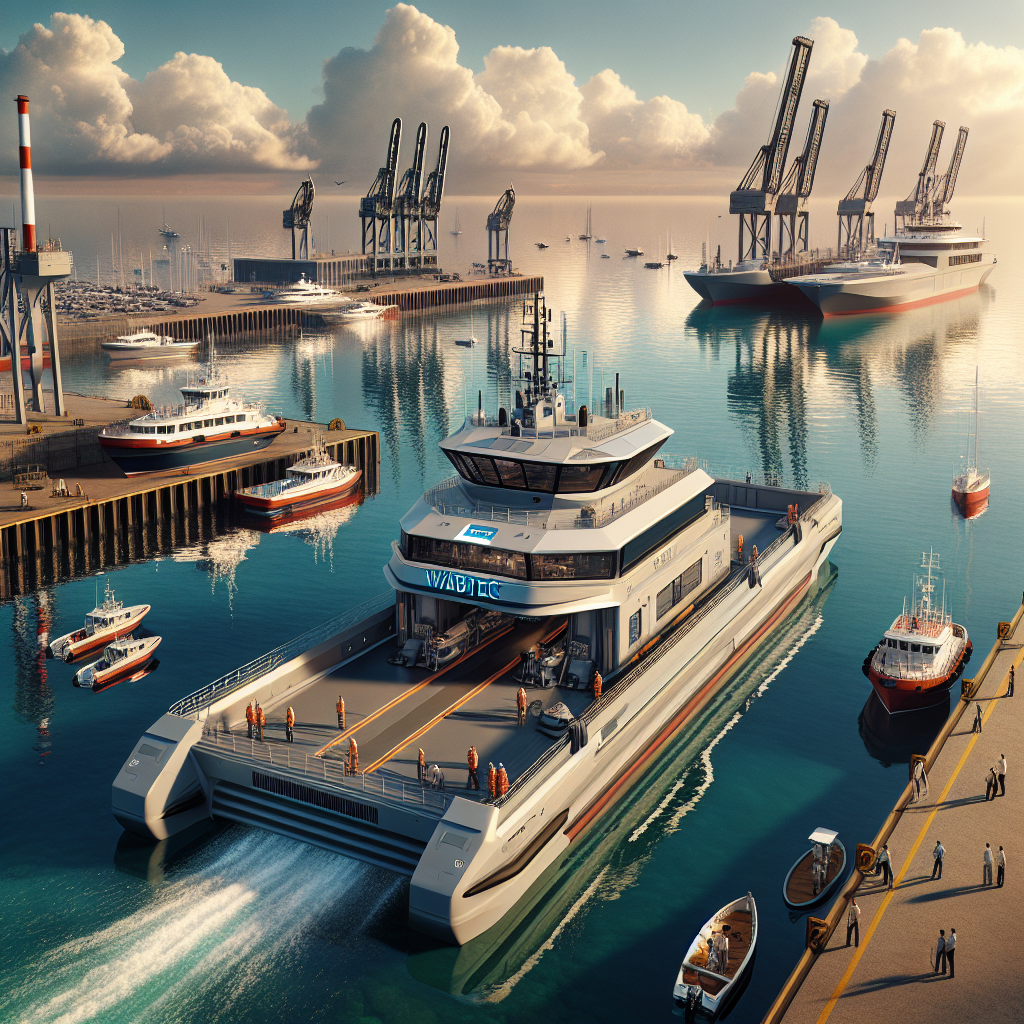
The Future of Maritime Navigation: Wabtec Driving Innovation in the Industry Wabtec Corporation, a leading company in maritime transport solutions and technology, has presented impressive results in its financial report for the fourth quarter of 2024. The company reported adjusted earnings per diluted share of £1.68, representing a 9.1% increase compared to the same quarter of the previous year. This increase highlights a consistent growth for the company, which has managed to increase its annual profits by 33.3% compared to 2023. The financial impact of Wabtec in the maritime industry is not only reflected in profit figures but also in its total sales, which reached £2.58 billion in the fourth quarter of 2024. This data reaffirms its position as a key player in the transport and maritime technology sector, providing innovations that enhance the efficiency and sustainability of maritime operations worldwide. Additionally, the company’s operating cash flow was £723 million, highlighting its financial strength and ability to invest in new developments. This solid financial performance allows Wabtec to remain at the forefront of technological innovation in the maritime sector, developing solutions that not only increase efficiency but also address critical environmental challenges. Technological Innovations Driving Wabtec’s Success One of the main drivers behind Wabtec’s success is its focus on technological innovation. The company has been significantly investing in the development of new technologies that transform maritime transport. These innovations include advanced propulsion systems, emission reduction technology, and improvements in maritime process automation. Wabtec’s technological solutions have enabled maritime companies to reduce their carbon emissions, improve energy efficiency, and optimize navigation routes. These advancements are not only beneficial for the environment but also represent a competitive advantage in a market where sustainability is increasingly important. Advanced propulsion systems Emission reduction technology Improved maritime process automation The adoption of innovative technologies also creates new opportunities for professionals in the sector. Companies that integrate these solutions can offer more efficient and sustainable routes, creating new demands for specialized skills in maritime technology, providing a field of growth for professionals in marine engineering and environmental management. Impact on the Job Market: Professional Opportunities The innovations driven by Wabtec not only benefit maritime companies and the environment but also have a positive impact on the job market. As companies adopt advanced technologies, there is a growing need for professionals trained in new areas, from managing advanced propulsion systems to data analysts to optimize routes and operations. Managing advanced propulsion systems Data analysis for route optimization For professional sailors, this means a range of job opportunities in companies looking for skilled personnel to implement and manage these new technologies. Additionally, Wabtec and other companies are increasingly open to receiving resumes from candidates who wish to be part of this technological revolution in the maritime sector. These opportunities are not limited to technical aspects; areas such as operations management and strategic planning also require professionals who understand how to integrate technological innovations into daily operations to maximize economic benefits and sustainability. Impact on the Maritime Community and Entrepreneurs The advances reported by Wabtec are a motivating stimulus for the maritime community and entrepreneurs in the sector. The ability to implement advanced technology not only reinforces the competitive position of companies but also allows them to differentiate themselves in an increasingly demanding global market. For maritime investors, the increasing valuation of Wabtec and its focus on technological innovation offer an encouraging outlook for sustainable growth. This approach not only improves the potential return on investment but also drives the entire sector towards more responsible and sustainable practices. Enthusiasts of nautical activities also benefit from these innovations, as new technologies can enhance the personal sailing experience. From smarter navigation systems to more efficient vessels, technological advancements are making sailing more accessible and enjoyable for everyone. Conclusions: A Promising Future for the Maritime Sector Wabtec’s performance in 2024 demonstrates that the combination of financial growth and technological advancement can be a powerful catalyst for the maritime sector. As the industry continues to evolve, those who adapt and adopt these innovations will be better positioned to face challenges and seize opportunities that arise. The increasing demand for sustainable and efficient solutions is transforming the maritime transport sector. Companies that invest in advanced technologies not only benefit in the short term but also contribute to a more sustainable and prosperous future for the entire industry. This article provides a deep and original analysis of Wabtec’s financial results, highlights its technological innovations and their impact on the job market and the sailing community, and closes with a motivating reflection on the future of the sector.
The Revolution of Wireless Control with Helm Master EX by Yamaha
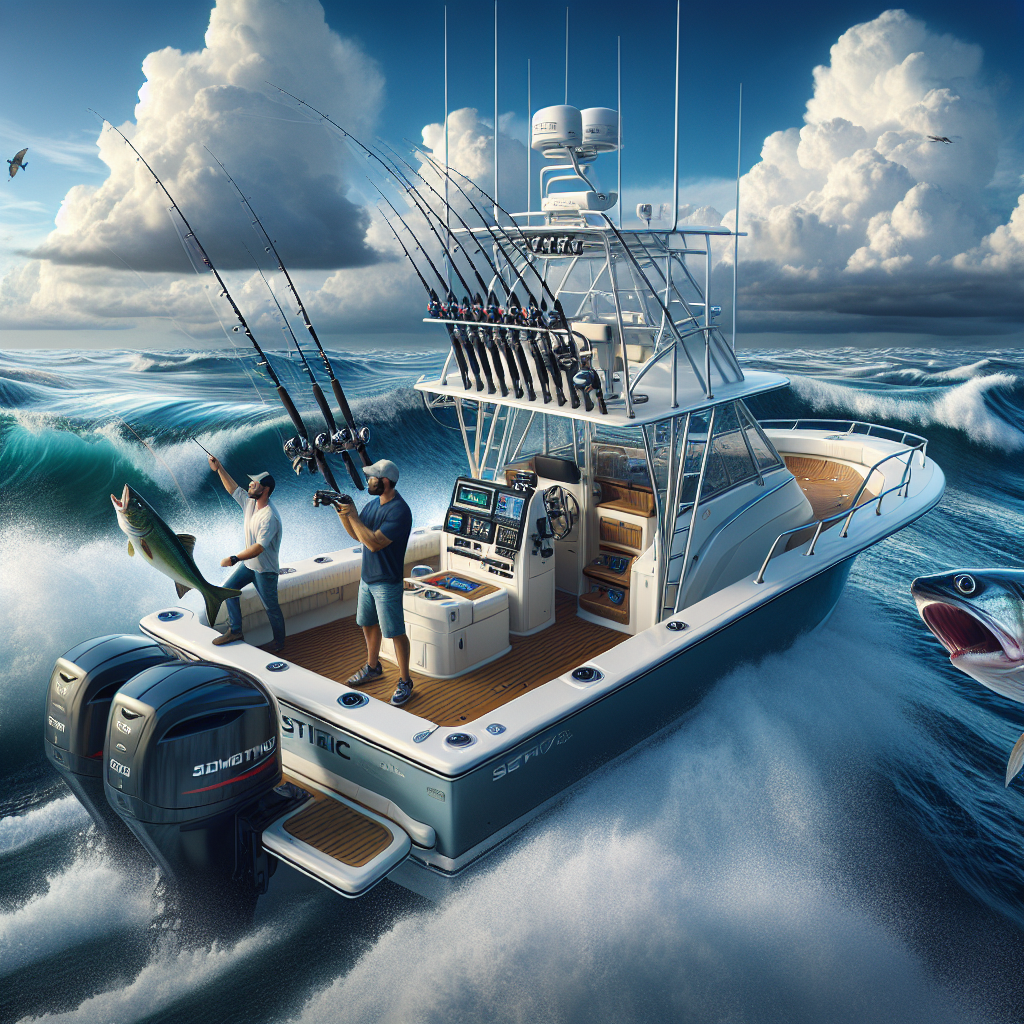
The Revolution of Wireless Control with Helm Master EX by Yamaha At the prestigious Miami International Boat Show in 2025, Yamaha Marine U.S. Business Unit unveiled a game-changing innovation that promises to revolutionize boat handling: the wireless control system of Helm Master EX. This groundbreaking feature puts control of the boat literally in the hands of the navigator, offering unparalleled flexibility and convenience. The Helm Master EX is renowned for its advanced boat management capabilities, allowing operators to control the engine, steering, and other critical functions with ease. The introduction of wireless control adds a new level of convenience, allowing navigators to move freely around the boat while maintaining absolute control. This is particularly beneficial in scenarios where visibility and maneuverability are crucial. The technology behind this wireless control is designed to ensure seamless communication and no delays between the control device and the boat’s central system. This translates into an immediate response to the operator’s commands, vital in situations that require quick adjustments, such as maneuvering in busy ports or fishing in open waters. Advantages and Practical Applications of Wireless Control Enhanced Maneuvering Precision: Pilots can adjust their position on the boat, improving their visibility angles and responsiveness to unforeseen situations. Freedom for Fishermen: Fishermen can move around the boat freely while still controlling critical aspects like speed and direction, enhancing the fishing experience and safety. Recreational Comfort: Enthusiasts can explore the water with unprecedented comfort, managing the boat from any part of the deck for social interaction and enjoyment of the scenery without compromising safety or control. Impact and Opportunities in the Nautical Market The introduction of wireless control on Helm Master EX not only signifies a technological advancement but also offers significant opportunities in the maritime job market. Companies specialized in installing and maintaining navigation systems will have the chance to expand their services to meet the new demands arising from this technology. For maritime investors, integrating advanced technologies like this into boats increases the value of nautical assets. Boats equipped with wireless control systems not only provide a better user experience but also position themselves better in the rental and sales market, attracting customers who prioritize innovation and comfort. Lastly, for navigation professionals, this innovation creates opportunities to reevaluate and enhance their skills. Training and certification courses in handling advanced systems like Helm Master EX will become a valuable resource for those seeking to stay competitive in the industry. Conclusions: A Revolution in Boat Handling The introduction of wireless control on Helm Master EX by Yamaha marks a milestone in the evolution of nautical technology. This advancement not only improves the navigation experience but also redefines comfort and control standards on the water. For maritime professionals, maritime investors, and nautical enthusiasts, this technology presents a growth and adaptation opportunity in a constantly evolving market. With its transformative ability to change how we interact with our boats, the wireless Helm Master EX is undoubtedly an innovation that all sea lovers will want to explore. The future of navigation is now more promising than ever, and Yamaha has proven to be a leader in this exciting transformation. For those interested in being part of this revolution, the time to act is now, exploring the possibilities offered by this advanced technology and taking their nautical experience to the next level.
The Revolution in Boat Control: Yamaha Introduces the Wireless Helm Master EX System

The Revolution in Boat Control: Yamaha Introduces the Wireless Helm Master EX System During the prestigious Miami International Boat Show 2025, Yamaha made an announcement that promises to transform the sailing experience: the introduction of a wireless control for its acclaimed Helm Master EX system. This innovation not only reflects Yamaha’s commitment to comfort and efficiency but also offers a new dimension of control to sailors, allowing them to handle their boats with unprecedented freedom. The Helms Master EX system, already known for its precision and ease of use, is now enhanced with this new wireless feature that allows operators to move freely around the boat while maintaining total control. This development responds to a growing demand from sailors for solutions that simplify the experience on the water, enhancing both safety and comfort. Yamaha, a giant in nautical innovation, has strategically positioned this technology to fill a gap in the market. With this advancement, it aims not only to improve the user experience but also to increase operational efficiency, a combination that is sure to attract both boat owners and industry professionals. Technical Details that Make a Difference The development of the new wireless control for the Helm Master EX focuses on the integration of cutting-edge technology, allowing the user to interact with their boat in a much more intuitive way. This system optimizes the performance of Yamaha’s outboard engines, already known for their reliability, by incorporating a control mechanism that works through a secure and robust connection. The ease of use of this system is largely due to a simplified user interface that seamlessly connects with existing control systems. This connectivity not only improves the user experience but also contributes to a more efficient integration with other onboard technologies, such as navigation and safety systems. This focus on wireless technology also opens the door to future software updates that could add new capabilities to the system, ensuring that boat owners are always up to date with the latest technical improvements. Yamaha clearly bets on a future where connectivity and control are fundamental pillars of modern navigation. Impact for Professionals and Nautical Enthusiasts This technological advancement has a significant impact on various segments of the WishToSail.com audience. For professionals in the merchant marine, the use of wireless controls can translate into shorter downtime and greater operational efficiency, directly resulting in improvements in return on investment. For recreational boaters, the new system offers a more relaxed driving experience, eliminating complications and allowing them to enjoy the surroundings without technical distractions. Moreover, the ability to move the control to any location onboard enhances social interaction during the journey, as it does not require constant presence at the control station. Finally, for investors in the maritime sector, this innovation represents a promising business opportunity. Technological advances like this often drive market growth, and companies that adopt these technologies will be better positioned to take advantage of future industry trends. Therefore, investing in companies that lead these innovations could be a savvy strategic decision. Opportunities and Practical Applications The implementation of wireless control in the Helm Master EX not only entails immediate advantages for users but also opens up a wide range of job opportunities. Technology companies and maritime service providers are constantly seeking talent that can integrate and develop these new technologies, becoming a promising field for those looking to evolve professionally in this sector. On the other hand, knowledge and training in these emerging technologies are becoming an essential requirement for the professionals of the future. Those who stay updated and train in the use of systems like the Helm Master EX will have a significant competitive advantage in the job market. Additionally, for boat rental companies and nautical tourism services, this system not only represents a technological attraction for customers but can also result in safer and more efficient operations. The ease of use and mobility offered by wireless control can enhance the service perception and, therefore, customer satisfaction. Conclusion: A Transformation in Modern Navigation The introduction of wireless control in the Helm Master EX system by Yamaha represents a remarkable progress in the maritime sector. This development not only improves the sailing experience but also positions Yamaha as a leader in technological innovation within the nautical market. With the growing demand for smarter and more effective solutions, this technology has the potential to redefine the standard of control in modern boats. The invitation is open for professionals and enthusiasts in the nautical sector to explore these new possibilities, taking advantage of the opportunity to innovate and grow in their respective fields. Those interested in being part of this change can consider submitting their resumes to companies that incorporate these technologies, thus starting a career in a sector that is constantly evolving. In summary, the Helm Master EX with its new wireless control is more than just an improvement to the system: it is a glimpse into the future of navigation, an opportunity to reinvent our connection with the sea. Yamaha has taken a step forward, placing the future of navigation literally in the palm of our hands.
Innovation in Marine Exploration: Geospace Technologies Signs Million-Dollar Contract with Caspian Engineering

Innovation in Marine Exploration: Geospace Technologies Signs Million-Dollar Contract with Caspian Engineering The company Geospace Technologies, listed on the NASDAQ under the symbol GEOS, has taken a significant step in the field of energy exploration by securing a $7.6 million contract with Caspian Engineering. This agreement, focused on the use of the Mariner™ system, marks a milestone in the application of advanced technology for marine exploration. The Caspian Sea, one of the richest regions in natural resources, greatly benefits from these technological innovations. With the Mariner™, the ability to obtain accurate and real-time data promises to optimize both exploration and resource extraction, minimizing costs and associated risks. This initiative also offers new job opportunities for professionals in the maritime sector. For merchant navy professionals and others specialized in the maritime industry, this development means more than just a technological improvement: it is an open door to a future of more efficient and secure exploration. Companies that invest in these innovations are not only at the forefront of technology but also enhance their competitiveness in a highly dynamic market. The Mariner™ System: Revolutionizing Underwater Research The Mariner™ system is a crucial advancement in underwater research technology. It is a system for acquiring seismic and geophysical data, specifically designed to operate in challenging marine environments such as the Caspian Sea. This equipment allows detailed mapping of the seabed, helping to identify potential resource deposits more accurately. The uniqueness of the Mariner™ lies in its ability to function in extreme conditions, providing real-time data that can be analyzed and used to make critical decisions in the exploration process. This technology not only improves efficiency but also reduces the environmental impact of operations, an increasingly relevant factor for companies committed to sustainability. Incorporating the Mariner™ into Caspian Engineering’s operations represents a significant optimization of their resources and demonstrates the company’s commitment to leading the sector in innovation and sustainability. For maritime investors, supporting companies that adopt such technologies is a strategy that can result in significant long-term benefits. Impact on the Job Market and Historic Opportunities The signing of this contract opens up a range of job opportunities in the region. Sailors and maritime professionals now have new job prospects in a sector that seeks to combine technology experts with highly skilled operators. This symbiosis is essential for the success of ambitious projects promoted by Geospace and Caspian Engineering. Those interested in being part of this technological transformation in marine exploration can submit their resumes to the companies involved. The demand for qualified personnel to handle and maintain advanced systems like the Mariner™ is on the rise, presenting a golden opportunity for those with experience in the industry. In the long term, the implementation of these advanced technologies could redefine the job landscape of the maritime sector, offering more specialized and well-paid jobs. This change not only boosts the local economy but also has a positive domino effect on the global maritime industry. Tangible Benefits for the Maritime Community For nautical professionals, the use of technologies like the Mariner™ offers several advantages. Firstly, it enhances the safety of operations as the obtained information is more accurate and reliable. Secondly, it increases efficiency by reducing the time and resources needed for exploration. And thirdly, it promotes environmental sustainability, which is crucial for the industry’s future. This initiative fosters a culture of innovation and sustainability that is becoming the cornerstone of successful companies in the 21st century. Sailors and technicians who adopt these practices not only contribute to their companies’ success but also play a fundamental role in protecting our marine environment. In conclusion, this contract is not only a victory for Geospace Technologies and Caspian Engineering but also for the entire maritime community benefiting from safer, more efficient, and sustainable technologies. An Invitation to Continuous Innovation The case of Geospace and Caspian Engineering is a lesson in how collaboration and technology can transform traditional industries. It urges other stakeholders in the maritime sector not to lag behind and to invest in research and development, ensuring their place in a competitive and ever-evolving market. For nautical enthusiasts, such advances represent a window to the future, where exploration and adventure are complemented by cutting-edge technology. This symbiosis creates more enriching, safer, and environmentally responsible sailing experiences. In conclusion, the signing of this contract is not only a commercial success but a clear example of how companies can lead the way towards a more innovative, sustainable, and promising future for all involved in the vast and fascinating world of navigation and marine exploration.
The Future of Nautical Industry: Innovations and Opportunities at Genesis Energy for the Maritime Sector

The Future of Nautical Industry: Innovations and Opportunities at Genesis Energy for the Maritime Sector Genesis Energy, L.P., one of the most prominent energy infrastructure companies in the United States, has recently released its financial results for the fourth quarter of 2024, prompting reflection within the maritime industry. The company reported an attributable net loss of $49.4 million, a significant decrease compared to the $12 million net income in the same period the previous year. These financial contrasts highlight not only the challenges facing the sector but also the opportunities for growth and optimization. For maritime investors and professionals in the merchant marine, these results provide valuable insights into the economic dynamics that can impact their operations. The reduction in cash flows from operating activities, from $124.8 million to $74 million, underscores the need for innovative strategies to remain competitive. This situation calls for a significant adjustment in operations to adapt to the changing market conditions, presenting an opportunity for maritime professionals to explore new investment routes and service diversification in the maritime sector. By considering advanced technology and management strategies, the sector can mitigate risks and maximize returns. Technological Innovations: Key to Growth In a rapidly advancing technological world, the maritime sector cannot afford to lag behind. Genesis Energy, known for its focus on energy infrastructure, is exploring technological innovations that could redefine the maritime landscape. From real-time monitoring systems to operational automation, the company aims to optimize processes and reduce operating costs. The application of technologies such as the Internet of Things (IoT) in nautical operations can enhance operational efficiency, providing crucial data for decision-making. For sailors and nautical enthusiasts, these innovations offer not only increased control and security on their vessels but also a more connected and personalized sailing experience. Therefore, it is essential for professionals and hobbyists seeking to stay at the forefront to consider integrating these technologies into their daily practices. Adapting skills and leveraging these technological advances will not only improve performance but also create new job opportunities in a constantly evolving sector. New Maritime Routes: Opportunities for Explorers and Professionals The expansion of maritime routes is another essential component of Genesis Energy’s recovery and growth strategy. Exploring new routes is not only about expanding markets but also about reducing costs and optimizing logistics. For merchant mariners, this presents a valuable opportunity to explore uncharted destinations and broaden their career horizons. Additionally, new routes offer the potential to boost international trade, which could have a significant impact on local economies. Sailors and nautical enthusiasts can also benefit from less crowded and safer routes, promoting responsible and sustainable tourism. Exploring new routes is not only an economic endeavor but also a commitment to sustainability. It invites sector professionals to innovate in their practices and contribute to a greener future, ensuring that economic progress goes hand in hand with environmental protection. Beyond Challenges: Why It Matters for the Sector? The relevance of Genesis Energy’s financial results and future plans extends beyond the economic realm. They offer valuable lessons on adapting to market changes, crucial for investors and professionals aiming to secure a place in such a dynamic sector. Technological innovations and the establishment of new routes open up a range of possibilities for professional and personal development. Finally, Genesis Energy’s focus on sustainability prompts reflection on the responsibility of all maritime sector players in building a more environmentally respectful future. For those interested in submitting their resumes and becoming part of this transformation, companies within the Genesis Energy ecosystem can offer a promising path to a robust and fulfilling professional future. In conclusion, while financial challenges may seem daunting, they also present fertile ground for innovation and growth in the maritime sector. By exploring these opportunities, professionals can not only overcome current obstacles but also pave the way for a more successful and sustainable future.