


The Success Story of Lara Himmes at the ILCA 6 Spanish Championship
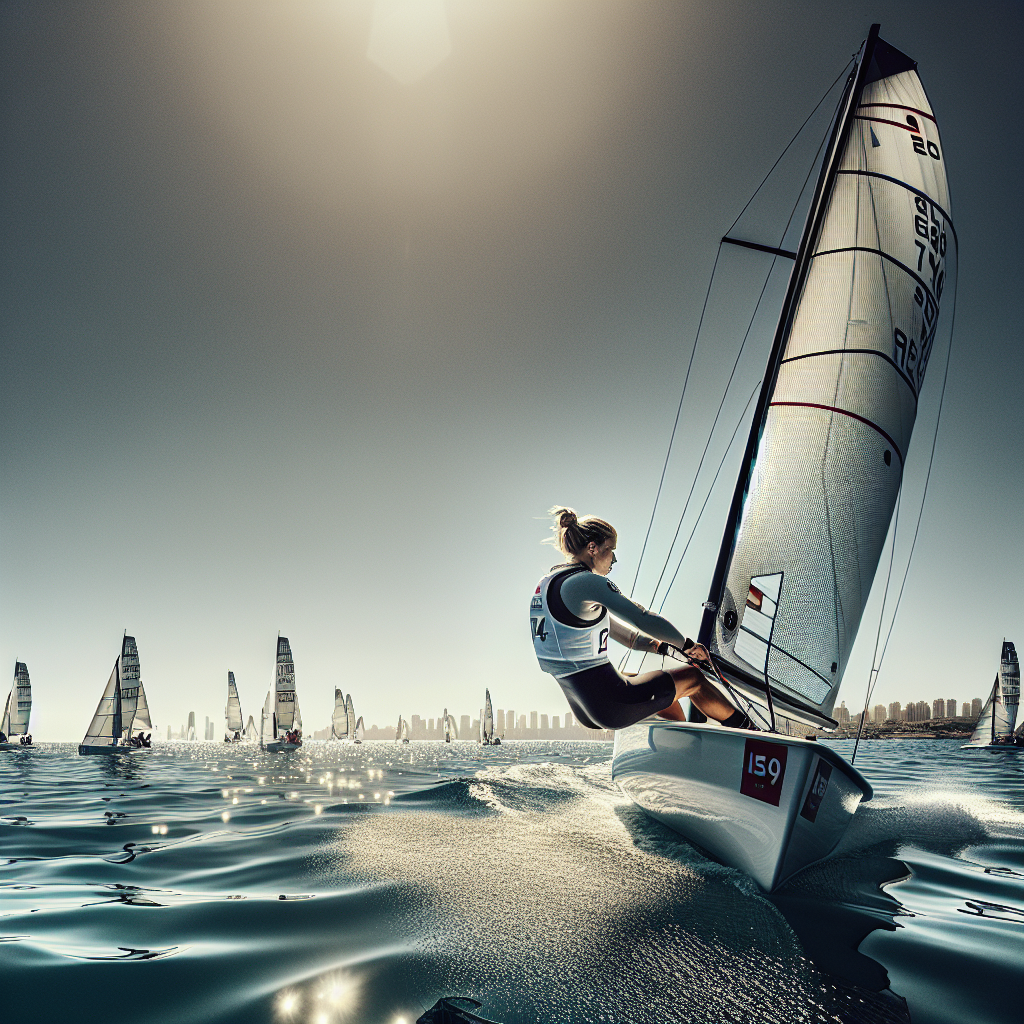
The Success Story of Lara Himmes at the ILCA 6 Spanish Championship In the vibrant and competitive world of sailing, each championship not only tests the skill and personal strategy of the sailors but also the technological innovations that support their performance. The recent ILCA 6 Spanish Championship, held in the waters of the Mar Menor from February 6 to 9, has been a showcase of both elements, with the outstanding performance of Lara Himmes, who has been crowned overall champion. This triumph not only represents Himmes’ individual success but also a clear demonstration of the level of excellence that the Real Club de Regatas de Alicante is contributing to Spanish sailing. Lara Himmes’ Path to Success Lara Himmes has demonstrated her mastery in the Olympic ILCA 6 class by convincingly overcoming 152 competitors. This victory not only highlights her individual ability but also her capacity to adapt to the changing sea conditions and make the most of technical innovations in her vessels. Himmes represents the Real Club de Regatas de Alicante, an institution that has been fostering talent and innovation in the sport of sailing for years. Competence development in sailing depends not only on personal talent but also on access to advanced training and cutting-edge technology. In this sense, the Real Club de Regatas de Alicante has become a cornerstone for athletes, offering facilities equipped with the latest in nautical innovation. Himmes is a representative of the Real Club de Regatas de Alicante, which has been fostering talent and innovation in sailing for years. The constant practice and technical improvement have been crucial for Himmes to achieve this feat. Alongside Himmes, other representatives of the club, such as Juan Castejón, Eugenio Ribelles, and Berta Ramón Borja, also left their mark on the competition. Castejón managed to position himself in the gold group, while Ribelles and Ramón Borja did so in the silver group, illustrating the competitive strength of the team from Alicante on a national level. Technological Innovations in the ILCA 6 Class The championship has also served to highlight the vital importance of innovation in the design and equipment of ILCA 6 class vessels. The constant search for aerodynamic improvements and lighter materials is essential to achieve optimal speeds and maneuverability. Currently, advances in composite materials have allowed for the manufacture of lighter and more resistant hulls, improving not only speed but also the safety and stability of the vessel. Furthermore, in the field of navigation systems, innovations in weather prediction tools and onboard energy management systems have transformed the way sailors plan and execute their strategies on the water. Advances in composite materials have enabled the production of lighter and more resistant hulls, enhancing speed, safety, and stability. Innovations in weather prediction tools and energy management systems have revolutionized strategic planning for sailors. This technological evolution is a field of interest not only for sailors but also for maritime investors looking for opportunities in nautical innovation. With the growing demand for high-tech equipment, investment in research and development can be a lucrative and sustainable path. The Importance of Mar Menor as a Competitive Venue The Mar Menor, with its unique wind and water characteristics, has established itself as an ideal competitive setting for the ILCA 6 Spanish Championship. Its location offers a challenging environment that requires sailors to constantly adapt their strategies to the sea’s behavior. This dynamic turns the competition into an interesting testing ground for both competitors and technological innovators. Furthermore, the rich ecosystem of Mar Menor highlights the need for a balance between nautical sports and environmental sustainability. Preserving this environment is crucial to ensure its future competitiveness. The Mar Menor’s unique characteristics make it an ideal setting for challenging sailing competitions. Preserving the ecosystem is essential for the future sustainability and competitiveness of the venue. Opportunities and Future Projections Lara Himmes’ success at the ILCA 6 Spanish Championship opens up interesting job and development opportunities for professionals in the sector. Nautical companies, clubs, and event organizers are always looking for young and promising talent to drive the sport of sailing forward. Those interested in pursuing a career in sailing should consider submitting their resumes to institutions like the Real Club de Regatas de Alicante, which are constantly seeking to nurture their ranks with sports promises. Success in sailing competitions can lead to new job and development opportunities in the sector. Promoting national talent in international competitions can attract investments and sponsorships beneficial to the industry. Finally, the ongoing interest in technological advancements in sailing offers a fascinating field for research and sustainable development. Innovations proven effective in the competitive arena can find applications in recreational settings, benefiting both professional sailors and enthusiasts in the sector. Three Reasons Why This News is Relevant First, Himmes’ triumph shows the importance of dedication and access to adequate resources to achieve excellence in sports competition. Second, it highlights how technological innovation is transforming the sport of sailing, offering new challenges and opportunities for athletes and investors. Finally, it underscores the need for a balance between sports development and environmental sustainability, a crucial lesson for the future of all nautical activities. In conclusion, the ILCA 6 Spanish Championship has been a stage where the passion for sailing, innovation, and nature have converged, promising a bright future for those who sail.
The Impact of Real Club Marítimo de Melilla’s Regattas: Innovations, Routes, and Job Opportunities
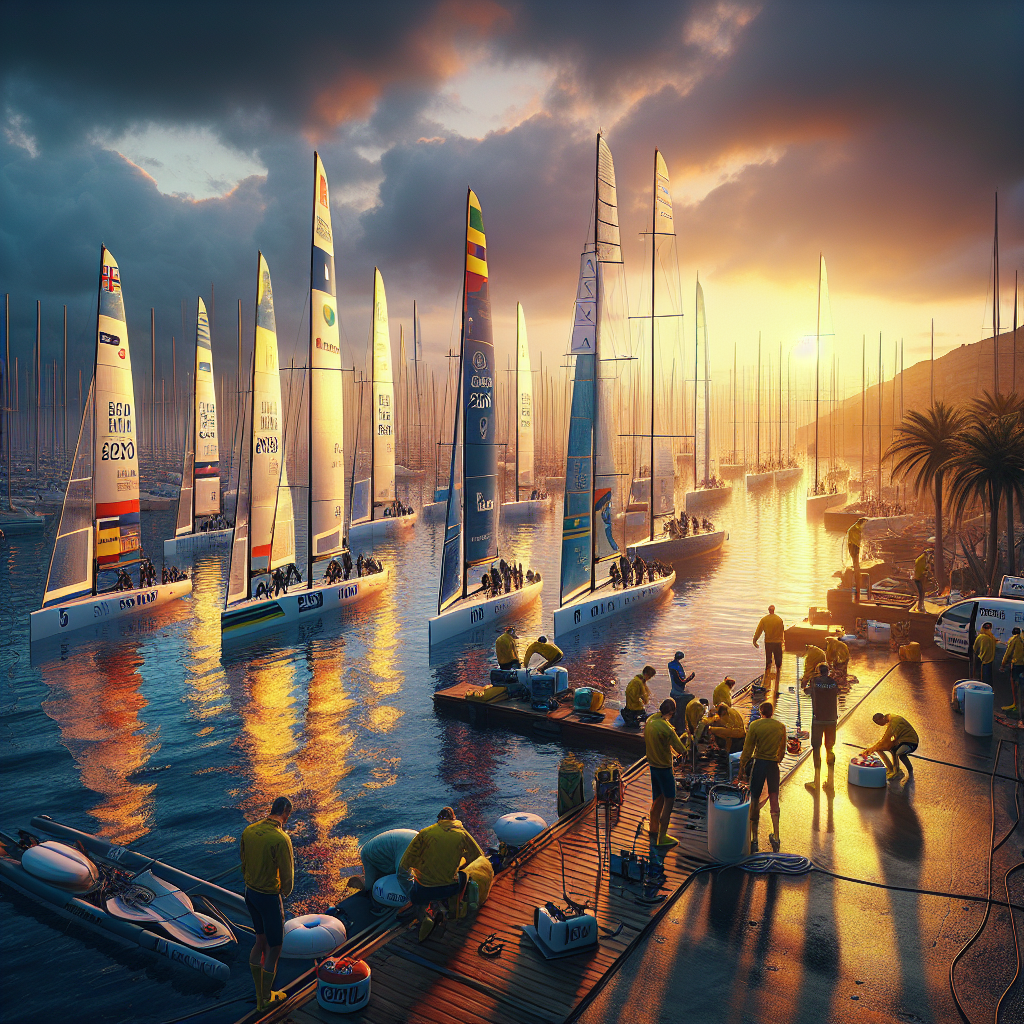
The Impact of Real Club Marítimo de Melilla’s Regattas: Innovations, Routes, and Job Opportunities In the thrilling world of regattas, the Real Club Marítimo de Melilla has made a notable presence at the XV Optimist Trophy Volvo Ciudad de Cartagena. This annual event brings together competitors from around the world to demonstrate their skills and sportsmanship. Five young sailors represented the club, facing off against a hundred boats in the Optimist category, showcasing not only their prowess but also their potential to excel in this challenging field. The performance of the sailors not only has a personal impact but also elevates the reputation of their club and the sporting culture of Melilla. In particular, Pablo Rivas stood out by finishing third in the sub-11 category, while others like Adrián Robles, Isabela Tormo, Aroa Villalón, and Aitana Robles also left their mark on the competition. These young talents promise to be the future elite of the nautical world, a crucial factor for those looking to invest in talent development. Participation in such competitions not only fosters the development of technical skills but also promotes teamwork, mental resilience, and strategy. These are the foundations that will undoubtedly serve them well in future competitions, as well as in work environments within the maritime sector. The Next Challenge: The X Regata The Oseberg Challenge in Motril With the competitive spirit still lingering, the regatta team of the Real Club Marítimo de Melilla is already gearing up for their next challenge: the X Regata The Oseberg Challenge 2025 in Motril. This event is one of the most prestigious competitions on the nautical calendar, attracting over sixty Snipe category boats. In this context, the experience of participating is invaluable for both sailors and investors, as well as companies looking for emerging talent in the nautical field. The club’s participation in the Motril regatta will be led by coach Guillermo Soto, accompanied by a team composed of crews like Pablo Rivas and Alba Muñoz, among other standout members. Each of them brings unique experience and skills, ready to face the changing conditions of the sea and fierce competition. This journey to Motril represents not only a sporting challenge but also a job opportunity. Regattas are an exceptional platform for maritime technology companies, sponsors, and talent scouts to closely observe the future professionals of the nautical world. We encourage interested parties to submit their resumes to partner companies to seize this unique opportunity. Technological Innovations in Regattas: Driving the Future of Nautical In the world of regattas, technological innovations are key to success. From boat design to navigation systems, technology plays a crucial role in enhancing the performance and safety of sailors. Those interested in nautical pursuits must stay informed about these innovations to remain competitive and efficient, both in competitions and in the workplace. Recent events have seen the use of advanced composite materials to build lighter and stronger boats, increasing their speed and maneuverability. Additionally, the incorporation of GPS-assisted navigation systems and weather forecasting technology has revolutionized the way regattas are planned and executed, enabling sailors to make more informed and secure decisions. For investors and industry professionals, these innovations represent business and professional development opportunities. Being at the forefront of these technologies can open doors to new markets and commercial partnerships. Furthermore, it fosters a more sustainable and safer maritime ecosystem, ultimately benefiting all involved. The Relevance of Regattas in Professional and Recreational Development Participating in regattas like those in Cartagena and Motril offers multiple benefits beyond mere competition. For maritime professionals, these experiences enhance technical skills and the ability to work under pressure, highly valued skills in any professional field. Additionally, the networking opportunities at these events are invaluable, allowing for the creation of important contacts that can lead to future business collaborations. For nautical enthusiasts, regattas are a source of inspiration and learning. They provide a unique opportunity to witness firsthand the skill and focus required for such competitions, motivating many to improve their own maritime skills and knowledge. Moreover, for those interested in a career in the nautical sector, these competitions can be the first step towards new job opportunities in industry companies. It is important to highlight the significant economic and social impact of regattas on local communities. These events attract tourism and promote an active and healthy lifestyle, generating economic benefits for the host areas. They also contribute to the development of maritime culture in the region, fostering interest in nautical activities from a young age. Conclusion: A Promising Future for Real Club Marítimo de Melilla The successful return of the Real Club Marítimo de Melilla’s regatta team from Cartagena and their upcoming participation in Motril is a testament to the talent and dedication of its members. These events not only provide recognition and experience but also open doors to countless opportunities in the nautical world. With each competition, sailors hone their skills, preparing for future challenges. Moreover, technological innovations and investment opportunities in this field promise steady growth, making it an attractive sector for professionals and enthusiasts alike. We invite all those interested in the maritime world, whether professionals looking for new opportunities, investors, or simply sailing enthusiasts, to closely follow the achievements of these young talents and consider the potential that…
India: A Hub for Global Maritime Investments with the Collaboration of Maritime Giants

India: A Hub for Global Maritime Investments with the Collaboration of Maritime Giants In an unprecedented move, the Indian government led by Prime Minister Narendra Modi has launched an ambitious investment plan aimed at the country’s maritime sector. With a development fund valued at $2.9 billion, India seeks to establish itself as a global leader in shipbuilding and repair. This fund, designed to foster long-term growth, receives 49% of government financing, while the rest comes from contributions from ports and private entities. This effort, led by Finance Minister Nirmala Sitharaman, not only aims to revitalize the country’s maritime infrastructure but also to encourage international participation in this strategy. In this regard, world-renowned regular container shipping operators such as MSC, Maersk, and CMA CGM have shown interest in being part of this initiative, offering a significant boost to the Indian blue economy. India’s strategic focus is clear: to rank among the top ten maritime nations by 2030 and achieve a top-five position by 2047. This optimistic vision not only benefits the country’s economy but also opens up abundant opportunities for maritime professionals interested in developing themselves in a growing environment. Collaborations Driving Development Among the first to join this ambitious initiative is the Danish company Maersk, which has formalized a Memorandum of Understanding (MoU) with the Cochin Shipyard. This agreement serves as a platform to explore various aspects of ship repair and construction, aligning Maersk’s interests with the Indian government’s development goals. The first repair of a Maersk vessel at this shipyard is scheduled for this year 2025, marking the beginning of a series of mutually beneficial collaborations. The Cochin Shipyard, founded in 1972 and government-owned, is currently the largest in India and one of the major players in the shipbuilding and repair industry. The initial collaboration with Maersk is expected to cover vessels of up to 7,000 TEU for repairs afloat and up to 4,000 TEU for dry dock work, with possibilities for expansion in the future. It’s not just Maersk. The French company CMA CGM has also shown interest in following these steps. Recently, a delegation from the company visited India, and CMA CGM’s CEO, Rodolphe Saadé, discussed possible initiatives with Prime Minister Modi during a meeting in Marseille. This connection could result in new repair and construction projects in the near future. MSC and the Future of Investments in India Soren Toft, CEO of MSC, also expressed the company’s intention to invest in India’s maritime sector. He met with Piyush Goyal, India’s Minister of Commerce and Industry, to discuss potential investments and collaborations in the maritime field. These meetings not only focused on shipbuilding and repair but also encompassed areas such as inland container terminals and container manufacturing. Minister Goyal highlighted on social media the importance of these discussions in strengthening India’s maritime competitiveness. With reformed policies and strategic agreements, India is positioning itself as an attractive partner for major international shipping companies, offering a conducive environment for growth and innovation. MSC’s commitment in this scenario opens up a range of opportunities for sector professionals. From naval engineers to specialized technicians, the collaboration between MSC and the Indian government can translate into a growing demand for local and international talent, fostering an exchange of knowledge and experience that will enrich the sector. Reasons to Pay Attention to This Development The relevance of this investment deployment cannot be underestimated. Firstly, it represents an invaluable opportunity for maritime sector professionals and technicians looking to advance their careers in a dynamic and ever-evolving environment. Foreign and local investments in naval infrastructures and capabilities promise to create new jobs and specializations, fostering innovation in the maritime field. Secondly, for maritime investors, India offers an expanding market with significant growth potential. Collaboration with industry leaders like Maersk and MSC not only ensures a favorable return on investment but also strengthens relationships with a country that is increasingly integrated into the global economy. Lastly, for nautical enthusiasts and sailors, these investments imply that India’s maritime infrastructure will be even more robust and modern. Improvements in shipyards and the technology used in ship repairs and constructions promise safer, more efficient, and sustainable vessels, enhancing the sailing experience in Indian waters. A Bright Future for India’s Blue Economy International collaboration and strategic investment in the maritime sector are transforming India into a key player in the global blue economy. With the support of maritime giants and government backing, the country is well positioned to lead the way towards a bright future in the global maritime industry. As these initiatives continue to unfold, not only will job opportunities and economic growth be created, but the groundwork will also be laid for a valuable exchange of knowledge and technology in the sector. Maritime professionals now have a new door open to explore, innovate, and thrive, actively participating in the growth of a more sustainable and competitive blue economy.
The Future of Maritime Transport: Hyundai Introduces Revolutionary Nuclear-Powered Container Ship

The Future of Maritime Transport: Hyundai Introduces Revolutionary Nuclear-Powered Container Ship In a world where sustainability has become a crucial goal, the maritime sector is constantly seeking innovations that drive significant change. In this context, the South Korean shipyard Hyundai Korea Shipbuilding & Offshore Engineering (HD KSOE) has taken a bold step by introducing a revolutionary project: a nuclear-powered container ship that utilizes Small Modular Reactors (SMR). This breakthrough was unveiled during the maritime nuclear energy summit held in Houston, Texas, bringing together industry leaders and experts. This innovative vessel, which has received Approval in Principle (AiP) from the prestigious classification society American Bureau of Shipping (ABS), promises to transform the way large container ships operate, with an impressive capacity of 15,000 TEU. What is even more notable is that this technology could lead to a significant reduction in emissions, a challenge the maritime sector has been facing for decades. For maritime professionals, maritime investors, and nautical enthusiasts, this initiative represents not only technological innovation but also a tangible opportunity to participate in the future of maritime transport. Hyundai invites interested parties to submit their resumes to be part of this transformation shaping a new era in the maritime industry. Technological Innovations Transforming the Sector The heart of this container ship lies in its nuclear propulsion system, which eliminates the need for traditional engines and fuel tanks. This not only optimizes space by increasing cargo capacity but also introduces a revolutionary concept of security. In collaboration with the US energy company Baker Hughes, HD KSOE has integrated a propulsion system based on supercritical carbon dioxide (sCO2). This system can operate at higher temperatures and pressures than conventional steam systems, increasing thermal efficiency by approximately 5%. These innovations are not just promises. Hyundai has established a maritime nuclear technology testing center in Yongin, South Korea, where rigorous tests and verifications will be conducted to ensure their viability and safety before commercial implementation. Opportunities and Challenges on the Horizon As new technologies develop, collaboration with international regulatory entities is crucial. Park Sangmin, director of the Green Energy Research Laboratory at HD KSOE, has emphasized the importance of establishing international regulations that allow for the safe commercial use of nuclear-powered ships. Hyundai’s goal is clear: to develop a marine nuclear business model by 2030. This ambitious target not only positions HD KSOE as a leader in maritime innovation but also opens up a range of opportunities for professionals and companies in the sector. The cooperation with firms like TerraPower for the development of next-generation SMRs underscores Hyundai’s commitment to clean and sustainable energy. Therefore, this development is not only relevant for industry professionals, who may see an opportunity for growth and job diversification but also for maritime investors, who find in these advancements an attractive prospect for the future of global transport. Relevance for the WishToSail.com Audience Firstly, for maritime professionals, this project signifies a qualitative leap in propulsion technology, reducing emissions and optimizing operations, a direct benefit for their professional development and job opportunities. Secondly, for maritime investors, Hyundai’s initiative presents itself as an investment in the future, ensuring sustainability and a possible reduction in long-term operating costs. Thirdly, for nautical enthusiasts, this is a fascinating example of how technology can transform a traditional sector, offering new experiences and knowledge. With a focus on innovation and sustainability, Hyundai’s project not only seeks to redefine maritime transport but also to inspire the new generations of sailors and industry professionals. Exploring the Future of Nuclear Propulsion For those interested in further exploring the future of nuclear propulsion in the maritime sector, the opportunities for learning and collaboration are vast. Hyundai is a pioneer in this field, and its work not only offers valuable insights but also inspiration for those looking to be at the forefront of technological innovation. This article invites readers to continue researching, learning, and participating in the discussions that will shape the future of maritime transport. Stay informed about the latest news and developments on our platform, your reliable resource for knowledge in the maritime and nautical sector.
The Revolution of Marine Fuel Supply: Seascale Energy

The Revolution of Marine Fuel Supply: Seascale Energy In the dynamic world of maritime transportation, innovation and sustainability are more crucial than ever. A new alliance between Cargill and Hafnia, two industry titans, is poised to reshape the landscape of marine fuel supply. With the launch of Seascale Energy, these giants aim to set a new standard in the acquisition of marine fuels, presenting a unique opportunity for those involved in the industry. A Powerful Synergy The merger of Cargill and Hafnia under the Seascale Energy initiative combines the strengths of two leading entities in the maritime sector. Cargill, known for its innovative approach to the global supply chain, brings its expertise through Pure Marine Fuels. On the other hand, Hafnia, a prominent tanker transportation company, adds its Bunker Alliance to the equation. This synergy not only promises cost efficiency improvements but also unprecedented transparency in fuel procurement. This partnership aims to cater to the increasing demand for sustainability within the sector. With environmental regulations becoming stricter, the need for sustainable marine fuel is not just a trend but an imperative necessity. By leveraging their strengths, Cargill and Hafnia are well-positioned to lead this crucial transition. For investors and industry professionals, this joint venture offers a clear path to more sustainable practices. The promise of access to innovations in sustainable fuels sends a positive signal to those looking to invest in a greener future. Innovation and Transparency in Supply One of Seascale Energy’s primary goals is to revolutionize marine fuel supply through the implementation of innovative and transparent practices. In an industry where prices and availability can be volatile, transparency in the fuel supply chain is a considerable competitive advantage. This initiative not only improves efficiency but also provides a platform for companies to adapt to stricter sustainability standards. By facilitating access to fuel innovations, Seascale Energy aims for a significant reduction in carbon emissions, a crucial aspect in combating climate change. For merchant navy professionals, this is an opportunity to be at the forefront of adopting green technologies. Moreover, the transparency offered by Seascale Energy allows companies to plan more accurately, optimizing costs and ensuring a consistent and sustainable supply. Employment Opportunities on the Horizon With the establishment of Seascale Energy, new job opportunities are emerging in the maritime sector. The demand for experts in sustainable fuels and innovative procurement practices is on the rise. Companies involved in this joint venture are actively seeking talent that can contribute to achieving their ambitious goals. Merchant navy professionals and new talents in the nautical world now have the opportunity to be part of a revolutionary development. This is an ideal time to submit applications to Cargill and Hafnia, as both companies are looking to expand their capabilities to meet the demand generated by Seascale Energy. Furthermore, the alignment of interests towards fuel sustainability and efficiency may attract investors looking for projects with a positive environmental impact. As a result, Seascale Energy not only represents technological progress but also an investment in the future of maritime transportation. Key Reasons to Explore Seascale Energy For maritime sector professionals and investors, there are multiple reasons why Seascale Energy deserves attention. Firstly, the alliance between Cargill and Hafnia provides financial and operational security that is rare in the sector. The combined strength of these two leading entities ensures a robust framework for sustainable growth. Secondly, the initiative focuses on sustainability and innovation, factors that are increasingly vital in global maritime transportation. The transition to cleaner fuels is not only an environmental necessity but also represents a significant advancement in operational efficiency. Finally, Seascale Energy opens doors for those seeking career opportunities in a transforming sector. With the demand for talent and the offering of innovative and sustainable work practices, this joint venture represents a step forward in the evolution of the maritime labor market. Conclusion Seascale Energy not only promises to redefine marine fuel supply but also establishes a new paradigm for sustainability in the sector. For readers of WishToSail.com, this is an unparalleled opportunity to stay informed about the latest and most significant developments in the maritime field. Exploring the opportunities and benefits of Seascale Energy can be a strategic decision for both professionals and investors in the sector. With a focus on innovation and sustainability, this joint venture heralds progress in the global maritime industry.
Seascale Energy: Innovation and Sustainability in Maritime Fuel Supply
Seascale Energy: Innovation and Sustainability in Maritime Fuel Supply In a strategic move that could transform the maritime fuel market, Cargill and Hafnia have decided to join forces to bring Seascale Energy to life. By integrating Pure Marine Fuels, Cargill’s fuel division, with Hafnia’s Bunker Alliance, this collaboration promises to redefine standards in the procurement of maritime fuels. This joint initiative emerges in a context where sustainability and efficiency have become fundamental pillars for the nautical industry. By combining their respective strengths, Seascale Energy not only aims to optimize the fuel supply chain but also seeks to be a reference in the implementation of sustainable practices. The union of two industry giants like Cargill and Hafnia results in unprecedented potential to lead a significant change in the way we consume and manage energy resources in the maritime sector. This collaboration presents a tangible opportunity not only to improve operational efficiency but also to reduce the environmental impact associated with maritime transport. In an era where carbon footprint is a growing concern, initiatives like Seascale Energy represent a step forward towards a greener future. The vision of Seascale Energy is based on creating an ecosystem where fuel supply is more predictable, efficient, and sustainable. One of the most innovative aspects of this alliance lies in the application of advanced technology to optimize fuel consumption. Digitalization and the use of advanced analytics will allow Seascale Energy to provide its customers with detailed real-time information about their consumption, leading to better planning and reduced operational costs. Additionally, the initiative aims to integrate biofuels and other cleaner alternative fuels into its offering. Advanced technology used for fuel optimization Integration of biofuels and cleaner alternative fuels Accessibility to small and medium-sized businesses This diversification not only meets the needs of an evolving market but also aligns with international regulations aimed at reducing emissions of polluting gases in the naval industry. The strategic approach of Seascale Energy will benefit not only large fleets but is also designed to be accessible to small and medium-sized companies in the maritime sector. In this way, it promotes widespread adoption of sustainable practices, expanding the positive impact of this collaboration across the industry. With the creation of Seascale Energy, new job opportunities are opening up in various segments, from logistics management to sustainability technology development. The companies involved have emphasized the importance of having qualified professionals who can contribute to this ambitious project. It is an ideal time for sailors and interested professionals to consider applying for the different positions that this new entity can offer. From an investor’s perspective, Seascale Energy represents an attractive investment. The growing demand for sustainable fuels and regulatory pressure to reduce maritime emissions offer a favorable scenario for those looking to support green initiatives with economic profitability potential. This new standard in maritime fuel supply not only promises to be a technical advancement but also signifies a paradigm shift in how the industry addresses environmental challenges. The creation of jobs and investment opportunities are just some of the many benefits that Seascale Energy brings, thus motivating an economic revitalization in the sector. Three reasons why Seascale Energy is relevant to the sector: Provides a practical solution to the urgent need to reduce polluting emissions in maritime transport. Promises to reduce fleet operational costs by optimizing fuel use. Acts as a catalyst for innovation in the nautical sector. Conclusions: A Promising Future for the Maritime Industry The creation of Seascale Energy by Cargill and Hafnia stands out as a bold and visionary move in a sector undergoing transformation. By offering solutions to current and future problems, this partnership emerges as a role model in terms of sustainability and efficiency within the maritime industry. For industry professionals, Seascale Energy not only offers job prospects and professional development but also contributes significantly to the transition to a more environmentally friendly model. This benefits the planet and ensures the long-term economic viability of the shipping industry. In summary, Seascale Energy is not just a new business entity but a symbol of what the maritime sector can achieve when united around a common goal of innovation and environmental responsibility. Undoubtedly, this is an initiative that all those interested in navigation and maritime transport should closely follow in the coming years.