


The Transformation and Future of Maritime Transport: A Commitment to Sustainability and Efficiency
The Transformation and Future of Maritime Transport: A Commitment to Sustainability and Efficiency The maritime transport industry is on the cusp of significant transformation. According to the latest “State of Transportation” report by Breakthrough, a leader in sustainable fuel and transport solutions, the year 2025 is shaping up to be full of challenges and opportunities. This report has revealed that cost efficiency is the top priority for carriers in the face of emerging economic and governmental challenges. A Paradigm Shift towards Sustainability Breakthrough has found that 97% of carriers have made progress in their sustainability goals in the past year. This shift is not only crucial for the planet’s well-being but also represents a significant business opportunity. Consumers and businesses are increasingly demanding responsible practices, and companies leading in sustainability are well-positioned to benefit from this trend. The implementation of clean technologies and sustainable fuel management practices are some of the strategies companies are adopting. These innovations not only reduce emissions but also offer improvements in operational efficiency. The development of more efficient engines and the use of alternative fuels are clear examples of how the industry is adapting to reduce its carbon footprint. Furthermore, sustainability is driving new governmental regulations impacting operational costs. Understanding and anticipating these regulatory changes is essential for maritime companies to remain competitive. Adopting sustainable practices is not just an ethical issue but an economic necessity in the current landscape. Cost Efficiency: A Strategic Imperative The Breakthrough report highlights that cost efficiency is the number one priority for carriers and shippers. The volatility of fuel prices and increasingly strict regulations make every euro count. Advanced technologies such as artificial intelligence and big data analytics are revolutionizing how companies manage their daily operations. Future Trends in Maritime Transport Looking ahead, the Breakthrough report anticipates significant changes in the maritime transport market. With expectations of a market shift, companies are reevaluating their strategies to stay ahead. Digitalization and automation will be essential components of tomorrow’s maritime transport, enabling more efficient and faster operations. The development of smart ports, integrating advanced communication and logistics technology, will be critical to improving operational efficiency. These infrastructures will allow better management of maritime traffic and a reduction in loading and unloading times, critical elements for global competitiveness. Another trend to consider is the rise of e-commerce and how it is redefining expectations in maritime transport. The demand for faster and more efficient deliveries requires a rethinking of current logistics operations. Companies that can adapt to these emerging expectations will have a clear competitive advantage. Employment and Investment Opportunities With the sector’s transformation, new employment and investment opportunities are emerging. Companies leading the charge towards sustainability and efficiency need professionals skilled in new technologies, environmental management, and logistics optimization. For maritime professionals and nautical enthusiasts, this is a great time to acquire new skills and position themselves in an increasingly competitive job market. Conclusion: A Promising Future The annual Breakthrough report offers a clear and detailed insight into the challenges and opportunities facing the maritime transport industry. Sustainability, cost efficiency, and technological innovation are the pillars that will define the sector’s future. Understanding and adapting to these trends are crucial for long-term success for industry professionals and investors. Ultimately, the shift towards a more sustainable and efficient maritime transport not only benefits the environment but also offers significant competitive advantages. Those who embrace this approach will be better positioned to lead in an ever-evolving industry, ensuring a prosperous and sustainable future. We invite WishToSail.com readers to delve deeper into these trends and consider how they can apply these ideas in their own operations and business strategies. The transformation is underway, and it is time to be part of it.
Blackstone Invests £5.65 Billion in Safe Harbor Marinas: Opportunities and Implications for the Nautical Sector
Blackstone Invests £5.65 Billion in Safe Harbor Marinas: Opportunities and Implications for the Nautical Sector The recent acquisition of Safe Harbor Marinas by Blackstone is making waves in the nautical and maritime industry. With a value of £5.65 billion, this purchase not only strengthens Safe Harbor’s position as the largest marina operator in the United States and Puerto Rico but also represents a significant strategic shift for the maritime market. With 138 marinas under its management, Safe Harbor is not only a giant in terms of infrastructure but also a benchmark in boat storage and maintenance services. Let’s analyse how this operation impacts the sector, the opportunities it presents, and what nautical professionals and enthusiasts can expect. Innovations in Technology and Development Opportunities The integration of Safe Harbor into Blackstone Infrastructure’s portfolio is not just a financial transaction; it represents a capital injection that could catalyse technological innovations in marina management. With a growing focus on sustainability, we are likely to see investments aimed at improving the energy efficiency of marinas, implementing waste management technologies, and developing more environmentally friendly infrastructures. Specialised engineers and technicians in renewable energy and clean technologies will find attractive development areas. Marina managers and logistics and operations specialists can benefit from the expansion and modernisation of facilities. From the perspective of sailors and boat owners, these improvements could result in more efficient and higher-quality services, enhancing the overall user experience and potentially increasing property values. Economic Implications and New Trade Routes The acquisition of Safe Harbor by Blackstone comes at a time when maritime infrastructures are more relevant than ever. Large-scale projects like this indicate a significant return on investment and potential expansion into new markets. This could include the development of new trade routes, particularly those connecting the United States with emerging markets in Latin America and the Caribbean. Experienced maritime investors may see this move as an opportunity to identify and invest in other related businesses that can benefit from improved infrastructure and increased maritime traffic. The increased activities in marinas have the potential to stimulate local economies, creating jobs and revitalising coastal communities. Relevance to the Sector: Why Is It Important? This transaction underscores the importance and potential of the maritime services industry. With companies looking to diversify their investments in real assets, the maritime sector emerges as a solid option due to its ability to adapt to new demands and emerging technologies. The possibility of infrastructure modernisation through Blackstone’s capital could set new standards in the sector, benefiting both end-users and operators. The influence of a financial player like Blackstone in the sector can attract additional investments and global attention, raising the profile of the nautical and maritime industry and potentially fostering greater cohesion and collaboration among different maritime transport sectors. Conclusion: A Promising Future for the Nautical Sector The acquisition of Safe Harbor Marinas by Blackstone Infrastructure is not just a significant commercial transaction; it is a step towards a more innovative, efficient, and sophisticated future for the maritime industry. The implications for sector professionals are substantial, offering a range of new job and investment opportunities. Sailors, investors, and nautical enthusiasts should keep an eye on the future developments triggered by this acquisition. Actively participating in this change can make a difference in staying afloat or leading the tide in the current maritime industry. If you are seeking professional opportunities in this exciting time of transformation, do not hesitate to submit your resume to the companies involved in the expansion and modernisation of nautical infrastructure. The future of the maritime sector is full of possibilities, and now is the perfect time to be part of this exciting journey.
Revolutionizing the Maritime Industry: How DecarbX and S4E TECH are Transforming Efficiency and Sustainability in the Sector
Revolutionizing the Maritime Industry: How DecarbX and S4E TECH are Transforming Efficiency and Sustainability in the Sector In a strategic collaboration aimed at redefining energy efficiency and sustainability in the maritime sector, DecarbX and S4E TECH have joined forces to optimize fuel costs, enhance safety, and automate processes in heavy industries. This partnership, recently announced in West Palm Beach, Florida, promises to be a turning point for the maritime sector, which is in dire need of innovations that promote more sustainable practices. The collaboration between these two companies is focused on implementing advanced technologies that not only reduce environmental impact but also drive operational efficiency. In a market where emissions reduction and fuel efficiency are priorities, the partnership between DecarbX, known for its expertise in decarbonization solutions, and S4E TECH, a specialist in intelligent industrial technology, proves to be a perfect combination to tackle these challenges. Significant reduction in operational costs Improved safety of operations Long-term economic and environmental benefits This initiative presents a significant opportunity not only for the involved companies but also for the entire maritime industry. By adopting technologies that enhance efficiency and sustainability, maritime companies are expected to experience a considerable reduction in operating costs and an increase in the safety of their operations, leading to potential long-term economic and environmental benefits. Technological Innovation Serving the Maritime Sector One key aspect of this alliance is the development and implementation of technologies that facilitate automation and intelligent monitoring of maritime operations. S4E TECH, with its advanced automation platform, has developed systems that allow real-time monitoring of vessel operational conditions, providing critical data that helps companies make informed decisions to optimize fuel usage. The technology from S4E TECH is complemented by DecarbX solutions, which are designed to reduce carbon emissions by optimizing energy consumption and implementing cleaner alternatives. This combination promises not only a reduction in the carbon footprint of maritime operations but also an improvement in their economic efficiency. Real-time monitoring of vessel operational conditions for informed decision-making Reduction in carbon emissions and improvement in economic efficiency New professional opportunities in technology and maritime sustainability For professionals in the sector, this innovation not only represents a revolution in terms of technology but also opens up new professional opportunities. Companies adopting these technologies will require skilled personnel to manage and optimize these systems, leading to a growing demand for professionals with expertise in technology and maritime sustainability. Driving Sustainable Change in the Sector The importance of this collaboration goes beyond cost reduction and safety enhancement. In a global context where sustainability has become a fundamental pillar for the development of any industry, the partnership between DecarbX and S4E TECH highlights the potential of the maritime sector to lead the change towards a more sustainable future. By integrating cutting-edge technologies that promote energy efficiency and emissions reduction, this collaboration not only benefits the companies implementing these solutions but also contributes significantly to global efforts to mitigate climate change. This is particularly relevant for the maritime industry, which represents a significant portion of global transportation and, therefore, greenhouse gas emissions. Leadership in sustainability efforts Contribution to global climate change mitigation Building a more resilient, competitive, and sustainable sector Therefore, adopting these new technologies is not only economically advantageous for maritime companies but also an unavoidable responsibility towards the environment and the future of the planet. By embracing these solutions, companies actively participate in building a more resilient, competitive, and sustainable sector. Reasons to Embrace Innovation in the Maritime Sector Firstly, the implementation of technologies developed by DecarbX and S4E TECH can result in a significant reduction in operational costs derived from fuel consumption. This is crucial in a sector where operating margins can be tight, and every saving contributes to improving the competitiveness and profitability of companies. Secondly, the focus on automation and real-time monitoring of maritime operations not only enhances operational efficiency but also reinforces safety. By using precise and up-to-date data, companies can anticipate and prevent incidents that could compromise the safety of operations and human life at sea. Finally, this collaboration underscores the maritime sector’s commitment to sustainability. By reducing carbon emissions and adopting cleaner and more efficient practices, companies not only comply with the strictest international regulations but also play an active role in environmental preservation. Employment Opportunities and the Future of the Sector The adoption of these technological innovations not only brings operational and environmental advantages but also creates unique employment opportunities. Companies integrating these technologies will require professionals skilled in areas such as data management, industrial automation, and environmental sustainability. This could lead to a surge in demand for specialized talent within the maritime sector. For those interested in being part of this technological revolution at sea, it is an ideal time to seek training and acquire skills that will be increasingly valuable in the industry’s future. In conclusion, the collaboration between DecarbX and S4E TECH is not only an example of how strategic partnerships can transform industries but also a call to action for maritime professionals to actively engage in this shift towards a more sustainable future. By embracing these innovations, the sector not only benefits itself but also contributes significantly to global efforts to create a cleaner and more efficient world.
The Revolution of Portable Laser Technology in the Maritime Sector
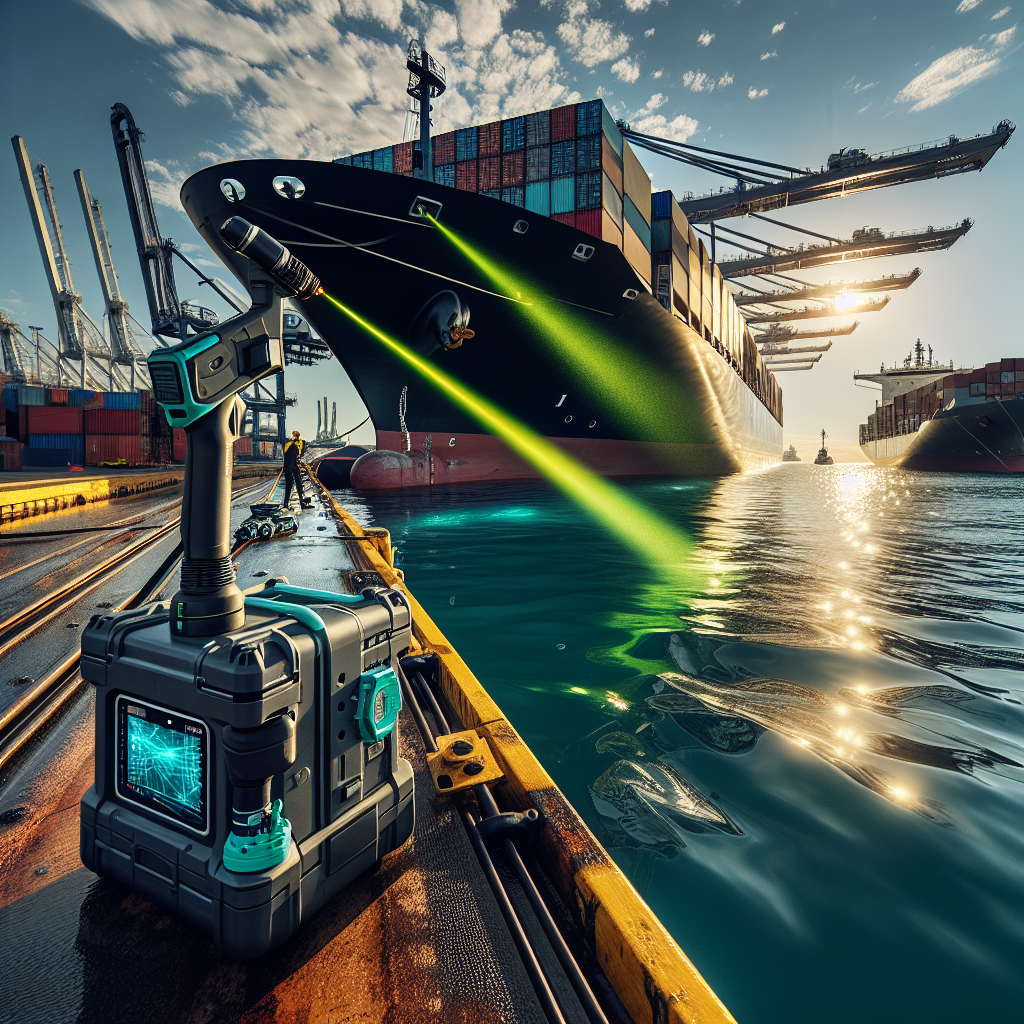
The Revolution of Portable Laser Technology in the Maritime Sector In the competitive world of the maritime sector, where efficiency and innovation are crucial, Laser Photonics Corporation (LPC) and Fonon Technologies have taken a significant step towards modernization. Recently, they announced a second order of their portable DefenseTech MRLS Portable Finishing Laser (MF-1020) system, a handheld cleaning device that promises to revolutionize the way maintenance and material processing tasks are tackled in the industry. The MF-1020, distributed through Incredible Supply & Logistics (ISL), stands out for its ability to clean surfaces without the need for abrasives or chemicals. This feature not only reduces the environmental impact of cleaning operations but also minimizes health risks for workers, an aspect that is increasingly important in the maritime sector. The significance of this second order lies in the consolidation of trust in this technology. Its potential application in maritime environments, where the maintenance of ships and platforms is a routine but essential task, opens up new opportunities to improve the efficiency and effectiveness of daily operations. The Added Value of Laser Technology The laser technology from LPC and Fonon is a response to the needs for efficiency and sustainability in the maritime sector. The MF-1020 allows for precise and rapid cleaning of metal surfaces, removing rust, paint, and other contaminants without damaging the base material. This precision is crucial in protecting the structural integrity of ships and equipment, thereby extending their lifespan and reducing long-term maintenance costs. The adoption of this technology is not only relevant from an operational point of view but also represents a significant technological advancement. The ability to carry out maintenance without affecting the integrity of the equipment is a key factor for investors in the maritime sector, who are always looking to maximize the return on their investments in an increasingly competitive environment. Moreover, using laser technology for cleaning contributes to reducing waste and the need to manage hazardous chemicals, aligning with increasingly stringent environmental regulations in the maritime sector. This not only benefits companies but also improves the public perception of the industry as responsible and sustainable. Employment and Investment Opportunities For professionals in the maritime sector, the incorporation of innovations like the MF-1020 represents an opportunity to expand their skills. Those interested in the development and operation of clean technologies are ideally positioned to take advantage of these technological advancements. Furthermore, companies that adopt these technologies ahead of their competitors will be able to offer more efficient and environmentally friendly services, which could increase their market share. Sailors and operators with skills in handling laser equipment will benefit, as specialized skills are essential to maximize the use of these systems. Those interested in being part of this technological revolution should consider submitting their resumes to companies like Laser Photonics, which are at the forefront of this innovation. From an investment perspective, Laser Photonics’ focus on the development of sustainable and efficient technologies is a positive signal. Companies looking to invest in technological innovation within the maritime sector will find in this technology an ally to address current environmental and operational challenges. The Future of Maintenance in the Maritime Sector The advancement of the MF-1020 is just the beginning of what is projected to be a transformation in maritime maintenance practices. As more companies adopt these technologies, the standard of cleanliness and maintenance in the industry is expected to rise significantly, promoting greater operational efficiency and a deeper respect for the maritime environment. Laser cleaning not only improves existing practices but also sets new standards that could redefine industry maintenance requirements. This change is likely to generate more interest and attract investors looking to participate in the sector’s growth and evolution. In conclusion, Laser Photonics’ MF-1020 represents a unique opportunity to modernize and optimize maintenance in the maritime sector. The adoption of innovative technologies not only improves operational efficiency but also responds to the growing demand for sustainable practices. This strategic move could be the catalyst for widespread change throughout the sector.
The Maritime Industry Embraces Technological Innovation

The Maritime Industry Embraces Technological Innovation The maritime sector, a crucial pillar for global energy trade, is undergoing a significant transformation thanks to technological innovation. Vortexa, a leading company in energy market analysis and freight, has taken a significant step with the launch of Anywhere Freight Pricing, the world’s first platform offering port-to-port freight prices specifically for energy trade. This solution promises to set a new standard in speed and scale for the transportation of clean petroleum products. An Innovative Tool for the Maritime Sector Vortexa has developed a platform that allows industry operators to access instant and unlimited prices for over 50,000 active routes for the transportation of clean petroleum products. But that’s not all: the tool covers up to 70 million possible routes, providing unprecedented flexibility for market players. This ability to offer real-time data is crucial in an environment where reaction speed can make the difference between commercial success and failure. Verifiable data shows that Vortexa’s platform covers over 50,000 active routes for clean petroleum products. The tool also encompasses up to 70 million possible routes, providing unmatched flexibility for industry players. The importance of this innovation lies in its ability to enhance the operational and strategic efficiency of sector agents. By providing accurate and timely information, Vortexa facilitates more informed decision-making, leading to significant cost savings and business opportunities. This is especially relevant in a dynamic market like petroleum products, where price fluctuations and supply disruptions can drastically impact profit margins. For maritime professionals, this platform is not just a tool but also an opportunity. By offering detailed data on routes and prices, operators can optimize their operations, reducing transit times and logistical costs. Furthermore, access to detailed information on routes allows for more strategic and tailored planning to meet specific business needs. Tangible Benefits for Energy Trade One of the main benefits of Anywhere Freight Pricing is its ability to democratize access to information. Previously, obtaining accurate and real-time data on freight prices was a luxury for a few resource-rich companies. Now, any entity involved in energy trade can access these crucial metrics, leveling the playing field in terms of competitiveness. Provide data that shows how Anywhere Freight Pricing democratizes access to crucial information in the energy trade sector. Explain how smaller companies now have the opportunity to compete on equal footing with larger enterprises. Highlight the platform’s role in improving internal efficiency and transforming the competitive structure of the sector. This democratization of information not only improves internal efficiency but also has the potential to transform the competitive structure of the sector. Smaller companies, previously disadvantaged by a lack of data and resources, now have the opportunity to compete on an equal footing, driving a more dynamic and fair market. Additionally, the platform’s rapid data provision allows companies to respond more agilely to changing market conditions. Labour and Investment Opportunities The launch of Anywhere Freight Pricing represents not only a technological advancement but also a series of job and investment opportunities. This type of technological innovation requires not only constant maintenance but also the creation of new positions to maximize its potential. Discuss the job creation potential of technological advancements in the maritime sector. Explain how investors can benefit from injecting capital into the growing sector. From data analysts to specialized software developers, the potential for job creation is significant. For maritime investors, this platform represents an opportunity to inject capital into a growing sector. The convergence of technology and navigation is opening new investment avenues that can be highly profitable. The adoption of disruptive technologies, like those offered by Vortexa, can radically transform efficiency and effectiveness in energy trade, resulting in attractive return potential for investors. Finally, companies looking to optimize their supply chain can find an essential tool in Anywhere Freight Pricing. The ability to predict and adapt internal strategies based on the platform’s precise data can result in a significant competitive advantage in the global market. Future Perspectives and Sector Evolution The introduction of Anywhere Freight Pricing is just the beginning of a series of innovations expected for the future of energy maritime transportation. By setting new standards for speed and scale, Vortexa is laying the groundwork for an industry that will increasingly rely on advanced data and real-time analysis. Discuss the potential impact of technological advancements in reducing carbon emissions associated with petroleum product transportation. Highlight the role of advanced data and real-time analysis in improving operational efficiency and sector sustainability. The impact of this transformation will be seen not only in operational efficiency but also in sector sustainability. By optimizing routes and reducing transit times, carbon emissions associated with petroleum product transportation can be reduced, contributing to global sustainability goals. In conclusion, Vortexa’s launch of Anywhere Freight Pricing represents a milestone in energy trade. It offers maritime industry professionals, investors, and nautical enthusiasts a powerful tool to navigate an increasingly competitive and dynamic market. With its ability to provide accurate real-time data, this platform promises to transform not only operational efficiency but also the way the industry addresses future challenges. Call to Action In this context of change and evolution, maritime professionals are encouraged to explore job opportunities that may arise with this innovative tool. Companies that adopt cutting-edge technologies are constantly seeking skilled talent to help them maximize their benefits. Similarly, interested investors are advised to consider the opportunities presented by technologies like Anywhere Freight Pricing. By doing so, they will not only contribute to the growth of a vital sector for the global economy but also secure an attractive return.
Advancements and Challenges in the Energy Sector: Kosmos Energy and its Perspective for 2025

Advancements and Challenges in the Energy Sector: Kosmos Energy and its Perspective for 2025 Introduction to the financial landscape of Kosmos Energy In a world where energy is the driving force of economic activity, understanding the financial movements of leading companies is crucial for investors and professionals in the sector. Recently, Kosmos Energy Ltd., listed on the NYSE and LSE under the symbol KOS, unveiled its financial and operational results for the fourth quarter of 2024, presenting a landscape that offers both challenges and opportunities. Despite an adverse scenario, Kosmos Energy reported a net loss of 7 million dollars, translating to a loss of 0.01 dollars per diluted share. This figure adjusts to a net adjusted loss of 16 million dollars, or 0.03 dollars per diluted share, when considering a series of elements that affect the comparability of the results. These data not only reflect the financial status of the company but also provide insight into the current dynamics of the global energy sector. For sailors and maritime investors, these results provide valuable information about the future of energy supply and changes in the demand for resource transportation. This news, though challenging, also invites reflection on the growth opportunities and technological innovation that this sector can leverage. Critical financial themes and their impact on the maritime sector The financial report of Kosmos Energy highlights some key challenges facing energy companies today. Necessary adjustments in operations and changes in global demand are essential factors to understand for any maritime sector professional interested in the dynamics of gas and oil transportation. The company has noted that several financial aspects are influencing their results. Among these, there is the need to adjust strategies due to market volatility in the energy sector and fluctuations in natural resource prices. This continuous ebb and flow presents both challenges and opportunities for innovation in maritime transportation. For nautical professionals and enthusiasts, understanding these dynamics is essential. Being aware of the movements of energy giants like Kosmos can inspire sailors to consider strategies and routes that optimize transportation and reduce costs, directly influencing the economic performance of maritime operations. Technological innovations: a light at the end of the tunnel Despite financial challenges, the energy sector continues to advance in technological innovations that promise to change the game. Kosmos Energy and other companies in the sector are investing in technologies that improve the efficiency and sustainability of their operations, which directly impacts maritime transportation. From implementing cutting-edge technology in resource exploration and extraction to improving fleet management, innovations are designed to reduce operating costs and increase efficiency in energy transportation. These improvements are not only vital for energy companies but also create new employment opportunities for sailors with updated technological skills. Maritime companies that adopt these technologies will be better positioned to negotiate contracts and secure strategic routes, enhancing their competitiveness in a globalized market. This is a call to action for sector professionals to stay updated and take advantage of continuous education to remain competitive. Employment and investment opportunities The maritime sector plays a crucial role in energy distribution, and changes in Kosmos Energy’s financial dynamics emphasize the importance of being prepared for new job opportunities. Companies are constantly looking for qualified personnel who can handle the complexities of modern operations, offering a fertile field for career development. With new ships and routes on the horizon, maritime sector professionals could find unique opportunities to advance their careers. Energy companies are seeking explorers of new routes and ways to increase efficiency in product distribution. This is a direct invitation to sailors and maritime operators to submit their resumes and be part of these innovations. Additionally, for maritime investors, staying informed about the movements of key companies like Kosmos Energy can provide a competitive advantage. Investing in companies that lead the way in terms of technology and sustainability can offer significant returns, especially in such a volatile market as the energy sector. Conclusion: the importance of staying informed The financial report of Kosmos Energy for the fourth quarter of 2024 is a reminder of the complexities of the current energy market and its influence on the maritime sector. The reported losses, though significant, also reveal opportunities for innovation and growth that professionals and investors must consider. For sailors, investors, and nautical enthusiasts, understanding these movements is essential to make informed decisions and make the most of the opportunities that arise. The key is to stay updated, be flexible in the face of changes, and be prepared to take on challenges with innovation and determination. At WishToSail.com, we are committed to providing valuable and up-to-date information, helping our readers navigate the vast ocean of opportunities offered by the maritime sector. It has never been more important to stay informed and prepared for the future unfolding before us.