


The Impact of Viking Holdings Ltd’s Financial Results on the Maritime Sector

The Impact of Viking Holdings Ltd’s Financial Results on the Maritime Sector Viking Holdings Ltd, a key player in the maritime industry, has been garnering attention from investors and industry professionals with the announcement of their upcoming conference call to discuss the financial results for the fourth quarter and the year 2024. This meeting, scheduled for March 11, 2025, at 8:00 a.m. EST, promises to provide valuable insights into the company’s direction and its impact on the nautical market. Viking Holdings Ltd’s prominent position in the market is attributed to its ability to innovate and adapt to changes in the maritime sector. The company has consistently demonstrated a commitment to advanced technology and efficiency, key factors that continue to establish it as a leader in the maritime and nautical field. This upcoming conference call offers a unique opportunity to explore how these elements translate into tangible financial results. For those interested in the future of maritime transport and employment opportunities in this sector, participating in Viking’s conference represents an invaluable opportunity. The decisions and strategies presented can serve as a catalyst for new investments and projects that could transform the maritime landscape. Actively engaging in these events enhances knowledge, enabling industry professionals to anticipate changes and prepare for an ever-evolving environment. Technological Innovations Driven by Viking and Their Market Impact Viking Holdings Ltd stands out for its focus on cutting-edge technology, ensuring efficient and sustainable operations. The company has made significant investments in autonomous navigation systems, which represent a revolutionary shift in how maritime routes are managed. These innovations not only enhance maritime safety but also optimize operational costs and reduce environmental impact, which is crucial at a time when sustainability is a global priority. Implementation of AI for route planning and fleet preventive maintenance Investments in renewable energy sources for fleet operations Furthermore, the adoption of artificial intelligence technology for route planning and fleet preventive maintenance is another cornerstone of Viking’s strategy. This innovation allows the company to operate with unprecedented precision, minimizing the risk of human errors and ensuring maximum efficiency. For industry professionals, understanding and embracing these technologies can be crucial to staying competitive and relevant. The investments in renewable energy sources to power Viking’s fleets demonstrate a commitment to reducing carbon emissions. This strategy not only benefits the environment but also meets the growing demand for sustainable solutions from international regulations and consumers. In this regard, Viking sets an example for other companies in the sector to follow. Employment and Investment Opportunities in the Maritime Sector Viking Holdings Ltd’s financial results not only reflect the company’s status but also reveal key trends and growth areas within the maritime industry. For professionals seeking job opportunities, these reports offer insights into areas where the company may be expanding or hiring new talent. Submitting a resume to Viking could open doors to exciting careers in an innovative environment. From an investor’s perspective, Viking’s results serve as an indicator of the health and growth potential of the maritime sector at large. Investing in companies leading in technology and sustainability can offer attractive returns, especially as the industry adapts to economic and environmental challenges in the future. Evaluating Viking’s financial performance is a crucial step in making informed investment decisions. Finally, for nautical enthusiasts, the expansion of routes and the introduction of new vessels reflect significant changes in recreational boating opportunities. With Viking at the forefront, sailors can expect advancements that enhance safety and the overall experience at sea, inspiring nautical lovers to embark on new adventures in their vessels. Conclusion: The Importance of Staying Informed and Connected in the Maritime Industry Participating in financial events such as Viking Holdings Ltd’s results conference is essential for any professional, investor, or maritime enthusiast looking to stay informed and competitive. By understanding the dynamics presented by a leading company, WishToSail.com readers can apply this knowledge to their own strategic decisions, whether in the professional, investment, or recreational sphere. The maritime industry is constantly evolving, and staying up to date with technological innovations and financial trends is essential for success. Viking Holdings Ltd represents a beacon of innovation and leadership in this field, and their journey can offer valuable lessons for anyone interested in the future of maritime transport. Encouraging further exploration of these topics not only sparks interest but also empowers readers to take informed actions and actively participate in the sector’s transformation. In a world where change is the only constant, being prepared and well-informed is key to navigating successfully through any challenges that arise on the maritime horizon.
Innovation in Maritime Transport: The Transformation Led by Range Energy

Innovation in Maritime Transport: The Transformation Led by Range Energy Innovation in Maritime Transport: The Transformation Led by Range Energy The maritime sector, historically reliant on conventional technologies, is undergoing a significant transformation driven by technological innovations. One of the most relevant news stories of the moment is the recent appointment of Jon Foster as the new CEO of Range Energy, a pioneering company in the electrification of commercial transport. This appointment marks a turning point for the company and the entire maritime and transportation industry, opening up new opportunities and challenging current paradigms. Range Energy and its Impact on Transport Electrification Range Energy is known for its innovative approach to developing electrification technologies for commercial transport. The company has been a prominent player in the transition to cleaner and more sustainable energies. With Jon Foster coming on board, these initiatives are expected to gain even more momentum, which is encouraging news for those working in the maritime sector. Electrifying maritime transport presents not only an opportunity to reduce polluting emissions but also to significantly decrease operational costs. Fuel savings and lower maintenance of electrical systems represent competitive advantages that could transform the industry. Reduction in harmful emissions Decrease in operational costs Competitive advantages For professionals in the sector, this trend towards electrification means expanded horizons in terms of employment and professional development. Companies like Range Energy are at the forefront of this transformation, and now, with Foster at the helm, the company is positioned to lead the change like never before. Jon Foster’s Leadership: Vision and Strategy Jon Foster brings a wealth of experience in managing and expanding technology-driven businesses to Range Energy. Previously, as the CFO of Zoox, Foster demonstrated his ability to implement high-level economic strategies that enabled significant growth. His focus on creating value and executing expansion initiatives will be crucial in guiding Range in its new stage of development. Foster’s ability to combine strategic vision with practical execution is one of the reasons why his appointment is so relevant. High-level economic strategies Strategic vision combined with practical execution Expansion initiatives In the maritime industry, where the adoption of new technologies can be slow, having an experienced leader in technological scaling is a significant advantage. Foster plans to focus his efforts on marketing and expanding Range Energy’s products, with a focus on implementing large-scale electrical infrastructure networks. This initiative will not only benefit the company but also open up new market opportunities, encouraging more players to adopt electrical solutions in the maritime sector. Employment Opportunities and International Expansion The expansion envisaged by Range Energy under Foster’s leadership translates not only into business growth but also the creation of new jobs in the maritime sector. Professionals with skills in electrical engineering, project management, and finance could find new opportunities as the company expands its global reach. The transition to electrical solutions also involves the development of new port and maritime infrastructures, which means more jobs and the need for specialized training. Workers in the sector are called upon to update their skills to adapt to this new technological environment, and Range Energy could be a catalyst for this change. Creation of new jobs Specialized training needs Development of new infrastructures Furthermore, the internationalization of the company not only represents economic growth but also fosters market labor diversification and the expansion of global collaboration networks. This global approach could attract investors interested in driving a new era of sustainable maritime transport. Conclusions: A New Era for Maritime Transport In summary, the appointment of Jon Foster as CEO of Range Energy marks the beginning of a new era for maritime transport. Innovations in electrification represent a paradigm shift that combines sustainability with economic efficiency, positioning the sector at the forefront of technological progress. For professionals in merchant navy, investors, and nautical enthusiasts, this news highlights the importance of adaptation and continuous learning in a rapidly evolving sector. Electronics and digitalization are not the future; they are the present that transforms how we navigate and transport across the seas. We invite the readers of WishToSail.com to closely follow these developments and consider the opportunities that arise in this exciting field. It is not just a matter of staying up to date but actively participating in building the future of maritime transport. Range Energy and Jon Foster show us the way; it’s time to follow in their wake.
Innovation and Opportunities on the Horizon: KNOP’s New Strategy for 2025

Innovation and Opportunities on the Horizon: KNOP’s New Strategy for 2025 Current Outlook for KNOP: A Focus on Financial Transparency KNOT Offshore Partners LP (KNOP), a prominent entity in the oil shipping sector, has announced the release of its financial results for the fourth quarter of 2024 on March 20, 2025. This disclosure not only exemplifies their commitment to transparency and continued growth but also provides an opportunity for investors and industry professionals to evaluate the organization’s performance and future prospects. KNOP has proven time and time again its ability to adapt to market changes, staying at the forefront of maritime innovation. The announcement will be complemented by a conference call on the same day, providing shareholders and financial analysts with a platform to discuss the results in-depth. Such events are crucial to bolster market confidence in the company and address any investor concerns about KNOP’s future direction. Transparency is undoubtedly a cornerstone of the modern maritime industry. For those working or investing in the maritime sector, the ability to interpret and react to the financial data presented by companies like KNOP is essential. Financial results are not just numbers; they offer insight into the company’s operational health and serve as an indicator of future trends in the oil shipping market, a sector that presents both opportunities and challenges in an increasingly sustainability-focused world. Technological Innovations and Their Impact on Oil Shipping The maritime industry is undergoing an unprecedented technological transformation, with KNOP leading the way in this evolution. Incorporating advanced technology into their operations is a priority for the company, reflected in their ability to optimize routes, improve energy efficiency, and reduce emissions. For industry professionals, these innovations present opportunities to enhance their skills and adapt to a constantly changing work environment. One key trend is the digitalization of processes. Through data analysis tools and AI-based management systems, KNOP’s operations are being optimized in real-time. This not only ensures more efficient transport but also contributes to sustainable resource management. For sector engineers and technicians, this innovative approach requires constant updating of knowledge and skills. Furthermore, the adoption of green technologies is a central component of KNOP’s future. Implementing procedures to reduce carbon emissions not only complies with international regulations but also demonstrates the company’s commitment to the environment. This opens up a range of possibilities for those interested in working in emerging sectors related to maritime sustainability. New Routes and New Opportunities: KNOP’s Fleet Expansion The ongoing expansion of KNOP’s fleet is a clear sign of its growth and market positioning. This growth is not only necessary to meet the increasing demand for oil transport but also opens up new routes and markets. For merchant mariners, this means more employment opportunities, new sailing experiences, and the chance to operate in different regions of the world. The addition of more efficient and higher capacity vessels is part of KNOP’s expansion strategy. These new ships are designed to meet the highest safety and efficiency standards, improving the company’s competitiveness and ensuring a safe and advanced working experience for the crew. The new routes not only represent geographical expansion but also the opportunity to enter emerging markets where energy transport is crucial for economic development. For investors and industry professionals, this indicates that KNOP is actively exploring new horizons and seeking ways to maximize its global reach and impact. Reasons to Get Involved: Conclusions and Future Perspectives For merchant navy professionals, the technological innovations and route expansion implemented by KNOP are a clear indication of the industry’s direction. Staying up-to-date and adapting to these changes will be essential to remain competitive in the job market. For maritime investors, KNOP’s financial transparency and sustained growth are fundamental attractions. The company not only demonstrates strong internal management but is also well positioned to capitalize on future trends in the oil shipping market. Finally, for nautical enthusiasts, the innovations and advancements presented by KNOP offer an inspiring vision of the maritime industry’s future. As the company continues to push boundaries and explore new frontiers, it becomes a motivating example of how tradition and innovation can coexist in the modern maritime world. In conclusion, KNOP’s upcoming financial report and associated conference are more than just a results update; they are an opportunity to be inspired, learn, and engage in the future of one of the world’s most dynamic industries. We invite our readers to closely follow these initiatives and consider the job and investment opportunities that may arise from them. This article was first published on WishToSail.com
TechnipFMC: A Dividend Sailing Towards New Opportunities in the Maritime Sector

TechnipFMC: A Dividend Sailing Towards New Opportunities in the Maritime Sector TechnipFMC: A Dividend Sailing Towards New Opportunities in the Maritime Sector Introduction to TechnipFMC and its Recent Financial Movements TechnipFMC plc, a prominent player in the field of engineering and technology for the energy industry, has recently announced a quarterly cash dividend of 0.05 USD per share. What may seem like a simple financial news item actually holds multiple implications for the maritime sector, from job opportunities to potential market growth. This news shines a spotlight on the company’s ability to create value not only for its investors but also for maritime professionals. TechnipFMC’s decision is a sign of strength and confidence. By declaring this dividend, the company is signaling its financial stability and commitment to shareholders, while also having broader implications for the maritime industry as a whole. With an ex-dividend date set for March 18, 2025, the company is expected to further solidify its position on the New York Stock Exchange, attracting the attention of investors interested in maritime potential. Investment in Innovation and Job Opportunities in the Maritime Sector The initiative by TechnipFMC sets the stage for technological innovations in the maritime industry. The company, known for its ability to integrate advanced technology into its operations, could be allocating part of the profits generated by this dividend towards maritime projects. This represents a significant opportunity for maritime professionals looking to stay at the forefront of technological innovations. Furthermore, the financial stability demonstrated by TechnipFMC in announcing this dividend could result in an expansion of its maritime operations, potentially creating new job positions. From naval engineers to specialized technicians, the range of job opportunities could expand, inviting professionals to consider submitting their resumes to the company to take advantage of these new positions. These opportunities not only represent personal growth for those involved but also promote sustainable development in the sector. Getting involved in innovative maritime projects with a solid and forward-thinking company could make a difference in the career of any maritime professional. Financial Analysis: A Promising Future When a company of the caliber of TechnipFMC announces a dividend, it is not just about immediate benefits for shareholders. Such measures also indicate confidence in the company’s future financial outlook. For maritime investors, this news is a clear indication that TechnipFMC is not only well-positioned in the present but anticipates continuous growth in the future. The dividend acts as a strategy to attract and retain interested investors, ensuring a steady flow of capital ready to be invested in new maritime projects. This is crucial for any company in the sector looking to expand its international influence and explore new maritime routes or develop new naval technologies. For those involved in the financial aspect of the maritime sector, understanding the implications of such movements is essential. This dividend reflects skilled management and a deep understanding of the market, which could attract more investors to the maritime sector. Implications for Industry Professionals The financial movements of companies like TechnipFMC have a domino effect that extends far beyond their direct shareholders. For maritime industry professionals, this news offers at least three reasons why it is relevant. First, it highlights a possible expansion in the sector that could lead to new job opportunities both at sea and on land. Secondly, the continued focus on technology and innovation may be a call to action for those interested in professional development and specialization in new fields within the maritime industry. Staying updated on these trends can provide a significant competitive advantage in an ever-evolving sector. Lastly, for nautical enthusiasts, this dividend could indicate the development of more advanced and efficient maritime products, enriching the sailing experience and opening the door to new ways of enjoying the ocean. Conclusion: A Horizon of Opportunities In conclusion, TechnipFMC’s dividend announcement is not only good news for its shareholders, but it also presents a horizon of opportunities for the maritime sector as a whole. The company has proven to be a key figure in the industry, and its commitment to innovation and growth offers a promising path for professionals, investors, and nautical enthusiasts. We encourage readers of WishToSail.com to explore more about TechnipFMC’s actions and consider how these movements could influence their own professional or recreational sphere. The intersection of financial stability and technological innovation can be the catalyst that the maritime sector needs to sail towards a brighter and more successful future. Such financial news serves as a reminder that there is always something beyond the maritime horizon, inviting professionals and investors to stay informed and ready to seize each new wave of opportunities.
Revolutionizing Maritime Routes: The New Horizon of the “Villa de Agaete” and “Jaume I”

Revolutionizing Maritime Routes: The New Horizon of the “Villa de Agaete” and “Jaume I” The maritime traffic in the Mediterranean is on the verge of experiencing a significant transformation with the recent addition of the ferry “Jaume I” from Baleària on the Algeciras-Ceuta route. This strategic move is not only a key operational change for Baleària and Armas Trasmediterránea, but also presents an opportunity for optimization and efficiency on the routes connecting southern Spain and northern Africa. The arrival of the “Jaume I” on this route, scheduled for this Monday, will mean the departure of the “Villa de Agaete”, which will head to Santa Cruz de Tenerife, where it will take on a new role in the Hierro line. The “Villa de Agaete” is a ferry with a capacity for 868 passengers and 220 vehicles, known for its sailing speed of up to 38 knots. This feature allows it to make faster and more efficient journeys, which is crucial in roll-on/roll-off operations that require punctuality and reliability. On the other hand, the “Jaume I” will complement the operation in Algeciras with its own experience and capacity to serve users who demand frequent and safe transfers between these strategic points for trade and tourism. From a maritime logistics perspective, this change not only represents an adjustment in daily operations but also an opportunity to optimize the commercial relationship between Spain and Morocco. The Algeciras-Ceuta route is an essential bridge not only for tourism but also for commercial transport, highlighting the importance of this initiative for the maritime sector. The Role of Technological Innovations The incorporation of new technologies in the maritime sector is not just a trend but a necessity that companies in the industry have embraced to improve their operations and meet global sustainability and efficiency expectations. The “Villa de Agaete” and the “Jaume I” are examples of how advances in naval engineering are being adopted to optimize routes, thus increasing their competitiveness in an increasingly demanding market. Advanced software for traffic management and navigation optimizes routes, reduces fuel consumption, and minimizes the ecological footprint. These innovations not only appeal to companies looking to reduce costs and maximize profits but also make vessels more sustainable and environmentally friendly. Maritime professionals have the opportunity to train and adapt to these technological advances. Companies are seeking sailors and technicians who not only understand the dynamics of the seas but can also integrate technology into their daily work. This presents an exciting prospect for those interested in pursuing a career in the maritime sector, as technological skills are increasingly in demand. Employment and Investment Opportunities The transition between the “Villa de Agaete” and the “Jaume I” is not only significant news for maritime operations but also has a direct impact on the job market. With the increased activity on the mentioned routes, there is a natural demand for personnel to fill different roles, from port operations to customer service and onboard operations. Professionals with skills in cargo management and experience in ferry and roll-on/roll-off operations are particularly valued. Additionally, this transition opens up opportunities for investors interested in the maritime sector. Investing in naval technology or port infrastructure can be highly profitable as maritime traffic between Spain and North Africa continues to intensify. Future Trends and Conclusion The fleet renewal and improvements in maritime routes indicate a path towards a more competitive future for shipping companies operating in the Mediterranean. Strategic changes, like those observed with the “Villa de Agaete” and the “Jaume I,” are just the beginning of a series of initiatives that we are likely to see in the coming years, driven by digitization and a sustainable focus. For sailors, both professional and recreational, these changes mean new destinations and experiences. The nautical sector, in general, benefits from increased safety and speed in maritime travel, thereby enhancing opportunities for exploration and enjoyment of the seas surrounding the Iberian Peninsula. In conclusion, this is an exciting time to be part of the maritime community, whether from an operational, technical, or investment standpoint. The invitation is open to those who wish to explore more about this vibrant field and contribute to the development of a sector that is vital for the global economy and the social environment in which we live.
The Future of Maritime Transport: The “Tarifa Jet” and New Maritime Routes Under the British Flag
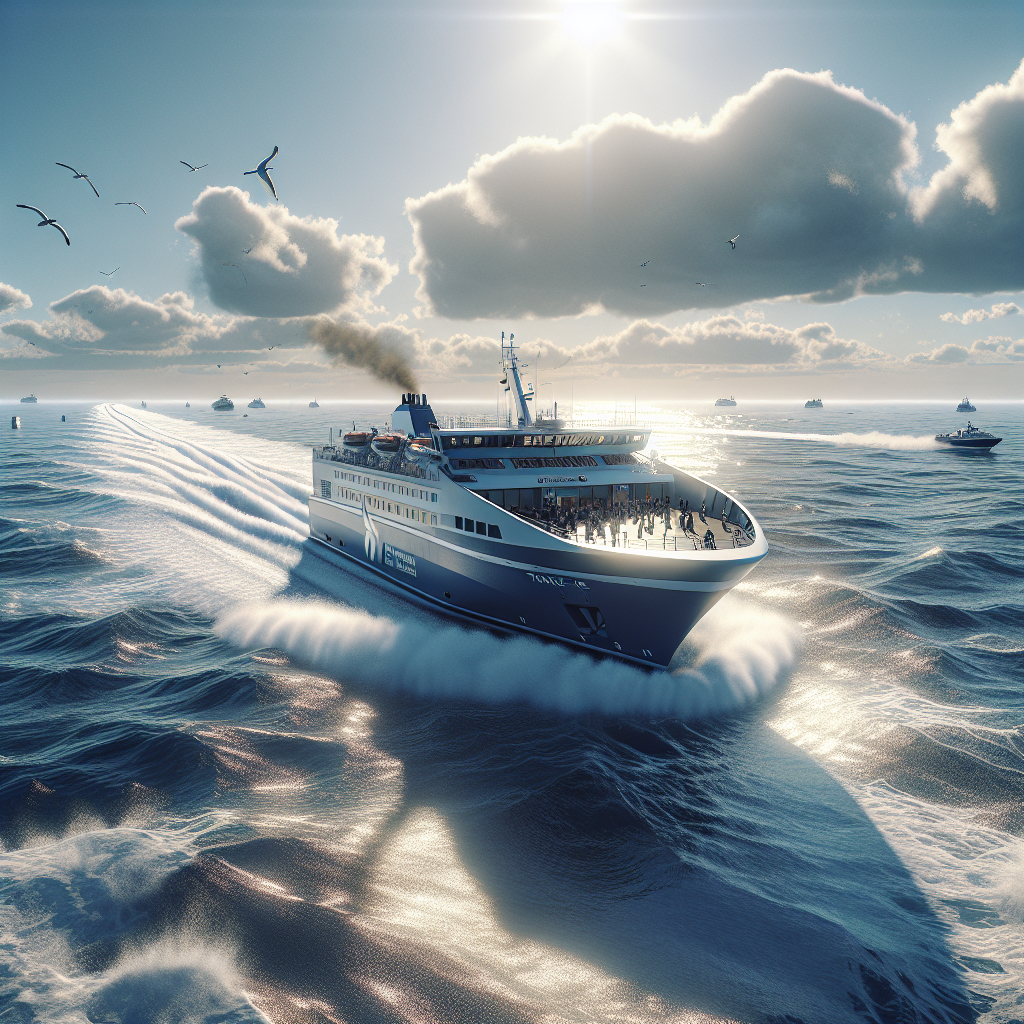
The Future of Maritime Transport: The “Tarifa Jet” and New Maritime Routes Under the British Flag In the ever-evolving world of maritime transport, innovations and improvements are essential to meet the growing needs of passengers and goods. Recently, the “Tarifa Jet,” a renowned Fast Ferry, has been registered under the flag of the United Kingdom, marking a significant milestone in its operation. This strategic change is in response to the creation of new routes between Jersey and St. Malo, and soon between Jersey and Poole, scheduled to begin on March 28th and April 17th respectively. This article delves into the details and importance of these modifications for the maritime sector. Innovations and Capabilities of the “Tarifa Jet” The “Tarifa Jet,” a vessel built in 1997, has been adapted and modernized to meet the current demands of the sector. With a length of 86.6 meters and a beam of 26 meters, this Fast Ferry has the capacity to transport up to 769 passengers and 145 vehicles. These figures not only position the “Tarifa Jet” as an efficient vessel, but also demonstrate its potential to boost tourism and trade through its new routes. Moreover, being registered under the British flag reflects a commitment to the safety and efficiency standards that characterize the UK maritime industry. This strategic move suggests a synergy between British operational quality and the experience of the ferry operator, FRS. These enhancements and adaptations are examples of the constant technological development driving the maritime industry towards the future. The value of these innovations extends beyond their capacity and efficiency; they also create potential job opportunities in the region. The new routes will not only increase passenger traffic but also create employment opportunities, from crew members to ground support services. Interested individuals can contact the operators to explore job opportunities on these exciting routes. Fast Ferry “Tarifa Jet” registered under the British flag Capacity to transport 769 passengers and 145 vehicles New routes between Jersey and St. Malo, and Jersey and Poole Potential job opportunities in the maritime sector Economic and Social Impact of the New Routes The establishment of these new maritime routes has a significant impact on local and regional economic development. Connecting Jersey with St. Malo and Poole, these routes are designed to facilitate tourism and trade, two essential pillars for economic growth. This is particularly relevant for areas like Jersey, which rely on tourism for their economic sustenance. Socially, these maritime connections provide greater access to services, products, and cultural experiences, fostering exchanges that enrich the involved communities. The ferry is not just a means of transport but a cultural bridge that connects two regions rich in history and traditions. Furthermore, these connectivity opportunities provide a platform for maritime investors looking to expand their portfolios with innovative projects. The competitive context in the maritime sector strengthens the urgency to invest in efficient and sustainable routes, ensuring a quality service offering and reducing environmental impact. Opportunities for Maritime Professionals The expansion of these maritime routes benefits not only passengers and local economies but also represents a fertile ground for maritime professionals. Qualified crews, naval engineers, and logistics experts are vital to ensuring the success of these operations. The growing interest in these routes also paves the way for research and development in marine technology, enhancing operational efficiency and sustainability. From designing more eco-friendly vessels to implementing advanced navigation systems, every aspect of these operations offers a potential area for innovation and improvement. For nautical enthusiasts and experienced professionals, the dynamic and competitive environment of the sector presents invaluable opportunities to grow their careers. Those interested in joining this transformation of maritime transport can submit their credentials to the companies involved, emphasizing the importance of being prepared to join this journey towards the future. Future Prospects of the “Tarifa Jet” and Maritime Transport Looking ahead, the “Tarifa Jet” represents just the beginning of a broader shift in maritime operations. Hoisting the British flag is a step towards greater integration of international standards that promote safety, efficiency, and sustainability. With technological advancements such as real-time monitoring and improvements in vessel design, we are likely to see an increase in the quantity and quality of routes offered. This not only benefits passengers and operators but also helps mitigate the effects of climate change by reducing fuel consumption and emissions. The maritime sector faces challenges but also countless opportunities. The combination of technological innovation, strategic routes, and a focus on sustainability offers a bright future for sector professionals. The story of the “Tarifa Jet” is a testament to the power of adaptation and strategic vision, valuable lessons for those committed to sailing towards a more promising future.