


The Success of the International President’s Trophy Regatta: A Triumph for the Young Talents of the Real Club Náutico de Arrecife
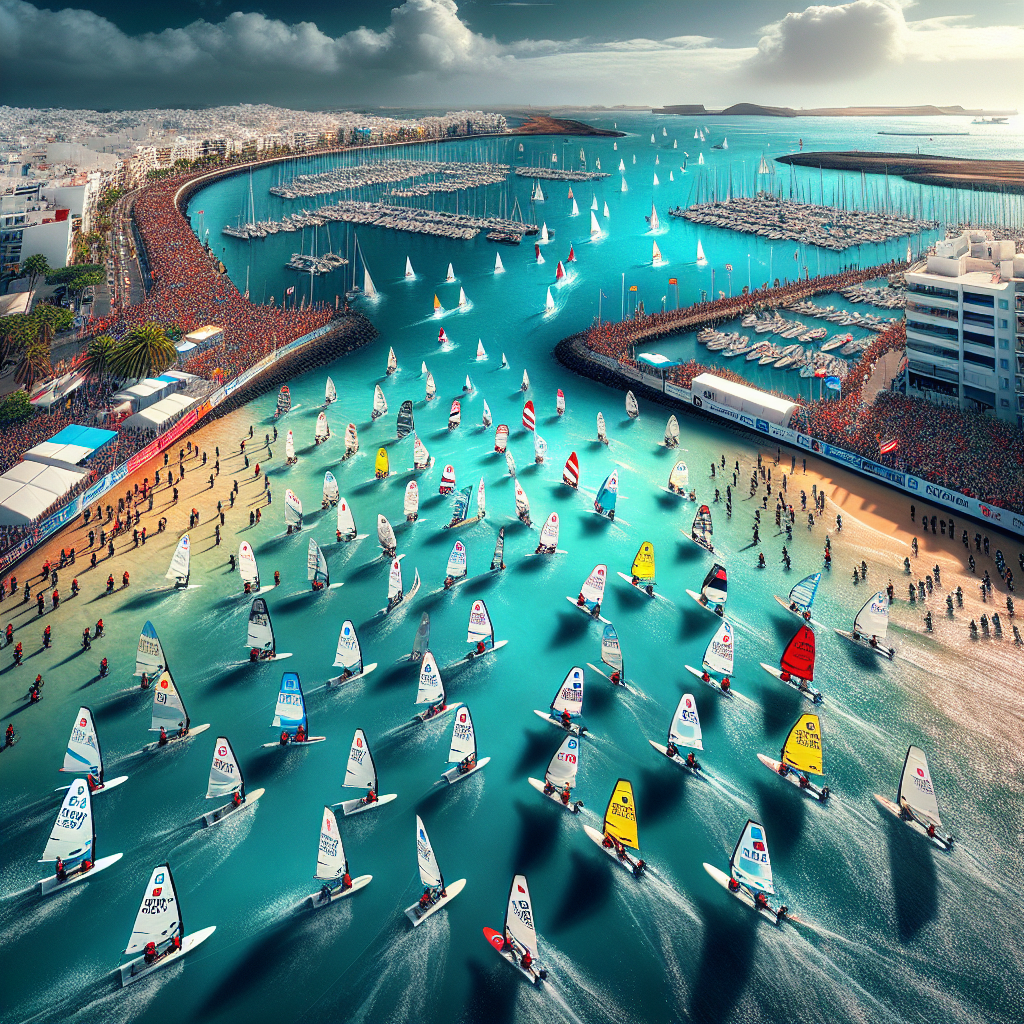
The Success of the International President’s Trophy Regatta: A Triumph for the Young Talents of the Real Club Náutico de Arrecife The bay of Arrecife became the epicenter of youth sailing last weekend with the celebration of the International President’s Trophy Regatta. Co-organized by the Real Club Náutico de Arrecife and Atlantis Academy, this event brought together 91 sailors from 17 countries, competing over three intense days. Supported by the Cabildo de Lanzarote, the City Council of Arrecife, Naviera Armas, and Renault Juan Toledo, the competition not only showcased emerging talent in sailing but also acted as a stimulus for sports tourism in the region. The event was characterized by changing weather conditions, with light winds at the start intensifying on the final day, presenting an additional challenge for the young sailors who had to adapt their tactics in real time. The volatile weather not only added a competitive edge but also provided a valuable learning opportunity for the participants, helping them hone their skills under pressure. The Real Club Náutico de Arrecife demonstrated exemplary organizational skills and achieved significant success on the water. Sailors like Unai de Ugarte and Julián Suárez stood out in their respective categories, showcasing the potential that this club has in nurturing future sailing champions. The Regatta Heroes: Success Stories Unai de Ugarte, a young prodigy from the Real Club Náutico de Arrecife, claimed the third spot on the overall podium, highlighting his dedication and skill in sailing. His performance not only inspired his peers but also solidified his name on the international stage. Competing against rivals from around the world is crucial for the development of young sailors, providing them with invaluable experiences to grow and improve. In the under-13 category, Julián Suárez shone brightly by clinching the title. Despite fierce competition and changing weather conditions on the final day, Suárez remained calm and guided his optimist to victory. This triumph is a testament to the promising career ahead of Julián, fueled by the training and support he receives from his club. Not all joys were limited to victories, as the display of tenacity was also evident. Lola Carrión, who suffered an injury during the race, embodied the spirit of perseverance by completing Saturday’s race. Despite the setback, her participation reflects the strength and commitment of the young sailors from the Real Club Náutico de Arrecife. The successes achieved in this regatta are just the beginning of what could be a promising career in sailing for these young athletes. The experience gained from events of this magnitude not only enhances their technical skills but also increases their appeal to international teams and sponsors seeking promising young talents. For professionals in the maritime industry and investors in the maritime sector, events like the International President’s Trophy Optimist Regatta represent a golden opportunity. As these young sailors evolve, so does the technology surrounding them. From advancements in sailboat construction to innovations in navigation systems, the potential to explore new investments is vast. Additionally, nautical enthusiasts can find in these regattas a constant source of motivation. Sailing is not just a competitive sport but also a way to connect with the sea. Whether actively participating or supporting from the shore, the world of regattas offers unique and enriching experiences for everyone. The Importance of Local Support and Corporate Sponsorship Participation in international events is crucial for the development of young sailors, but equally important is the role of local institutions and companies that sponsor such competitions. In the case of the International President’s Trophy Regatta, the support of the Cabildo de Lanzarote and companies like Renault Juan Toledo was instrumental. This type of sponsorship not only sustains the event itself but also demonstrates the region’s commitment to sports development and tourism. For the Real Club Náutico de Arrecife, the organization and success of this regatta enhance its international prestige. The club is not only at the forefront of developing young athletes but also positions itself as a premier destination for high-level sailing competitions. This visibility increases collaboration and investment opportunities, both for the club and the local community at large. Finally, for those interested in working or investing in the maritime sector, being part of the Real Club Náutico de Arrecife can open new doors. Sending a resume or establishing connections with the organizations involved in the regatta could be the first step towards a rewarding career in this exciting world. Conclusions and Reflection The International President’s Trophy Optimist Regatta has been more than just a competition; it has been a glimpse into the future of sailing. The young sailors, with their talent and tenacity, have left an indelible mark on the event, heralding a bright future in the sport. For maritime professionals, this regatta is a a source of inspiration and an opportunity to explore new possibilities in the industry. The Real Club Náutico de Arrecife, through its commitment to sports development and organizational excellence, has proven to be a key pillar in promoting sailing. For investors, the regatta offers a platform to discover new talents and technological innovations that can transform the industry. In summary, the regatta stood out not only for its level of competition but also for the camaraderie and sportsmanship displayed by all participants.
Innovations in the Maritime Sector: Strategic Sale of Genesis Energy and Opportunities for the Nautical Industry

Innovations in the Maritime Sector: Strategic Sale of Genesis Energy and Opportunities for the Nautical Industry Genesis Energy and its Revolutionary Transaction Genesis Energy, L.P., one of the leading entities in the energy sector, has announced the sale of its soda ash manufacturing business to an indirect subsidiary of WE Soda Ltd. This strategic move, valued at $1.425 billion, represents a significant shift that has the potential to have a positive impact on the maritime and nautical world, especially in transportation routes and natural resource management. Soda ash is an essential component in the industry, used in the production of glass, chemicals, and detergents. Its effective marketing largely depends on efficient maritime distribution routes. Therefore, this transaction not only signifies a change in ownership but potentially modifies the transportation and maritime logistics dynamics related to it. For industry professionals, including sailors and logistics operators, this could mean new routes or improvements to existing ones. The ability to adapt to these transformations could translate into job and investment opportunities, highlighting the importance of staying informed about such corporate movements. Financial Aspects of the Transaction The implied business value of the soda ash business, including working capital at closing, is estimated at $1.425 billion. Financially, this transaction reflects an opportunity for Genesis Energy to restructure its portfolio, allowing them to focus on their other business areas with renewed vigor and strategic capital. The retention of ORRI bonds, with approximately $390 million of remaining net capital from restricted cash, highlights the complexity of this transaction. ORRI bonds, linked to revenue from resource operations, ensure a continuous source of income. For maritime investors, understanding the financial narrative behind such movements can offer insights into stability and financial predictability in future ventures within the sector. Furthermore, this demonstrates how energy sector companies are adapting their strategies to a changing global environment. The ability to identify and leverage such trends can be invaluable for any maritime and nautical professional looking to expand their impact or investment. Implications for the Nautical Sector For nautical enthusiasts and sea professionals, this transaction goes beyond the numbers. The redistribution of assets in the soda ash sector could potentially alter supply routes, creating new maritime pathways or modifying existing ones. As WE Soda Ltd. takes the helm, they are likely to optimize operations, which may require the implementation of new maritime logistical routes. This represents a tangible opportunity for merchant mariners and fleet operators. The ongoing quest for efficiency and sustainability in maritime transport has led to the adoption of advanced technologies and enhanced services, and this sale could be the catalyst for further innovations in this field. Additionally, for recreational boaters, there is a potential increase in the diversity of routes and destinations to explore. The expansion or modification of commercial routes can open up new ports and areas for recreational boating, enriching the experiences and navigation opportunities. Technological Innovations and Employment Opportunities The purchase of the soda ash business by WE Soda Ltd. could also stimulate the development of new technologies in mineral extraction and processing. This focus on innovation is crucial for creating more efficient and sustainable processes that can increase the safety and efficiency of associated maritime operations. For industry professionals, these technological innovations present an opportunity to specialize in emerging areas and apply new knowledge in tangential fields such as fleet management and maritime security. Moreover, the potential for new hires and the demand for maritime logistics experts can offer significant job opportunities. When considering the implications of this transaction, it is important for readers to explore how these changes can impact their daily activities or future projects. We encourage those interested to delve deeper and consider submitting resumes to the companies involved, as this restructuring may open up new career paths. Relevance to the WishToSail.com Audience The impact of the transaction between Genesis Energy and WE Soda Ltd. cannot be underestimated. For maritime investors, it offers an opportunity to reassess the value of related assets and their potential profitability. A deep understanding of these changes can influence strategic investment decisions in the maritime sector. For merchant navy professionals, the evolution of routes and logistics associated with this sale could enhance efficiency in goods transport, essential for reducing operational costs and improving competitiveness. Furthermore, the ongoing improvement of associated technologies promises safer and more innovative navigation. Lastly, for nautical enthusiasts, this serves as a reminder of how dynamic the sector can be, opening up new sailing and discovery experiences. Staying informed and adaptable is key to making the most of the opportunities that these corporate movements present. Conclusion From any perspective, the sale of Genesis Energy’s soda ash business to WE Soda Ltd. is an exciting development in the maritime sector. It invites exploration and continuous learning, highlighting the interconnectedness between corporate movements and opportunities within the maritime world. We encourage WishToSail.com readers to delve into these trends and always be prepared to navigate the changing tides of the maritime sector.
Innovative Advertising in the Maritime Sector: The Impact of a Campaign that Raises Expectations
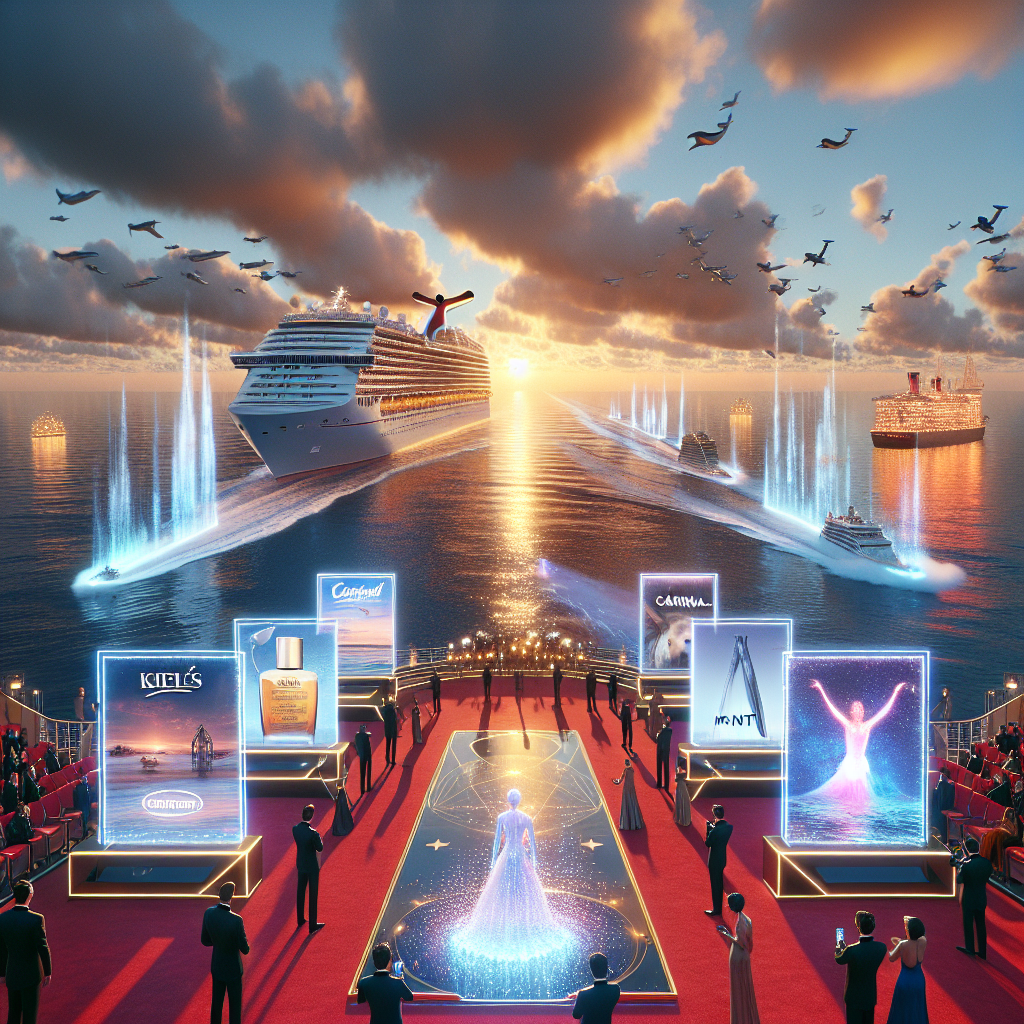
Innovative Advertising in the Maritime Sector: The Impact of a Campaign that Raises Expectations In a groundbreaking event, five world-renowned brands—Carnival Cruise Line, Kiehl’s, L’Oréal Paris, MNTN, and Samsung Galaxy—redefined the concept of live advertising during the 97th edition of the Oscars. What for many is a night of glamour and cinema became a platform for a high-octane campaign that captured the attention of millions of viewers around the world, highlighting the importance and art of stunt doubles. With over 75 real stunt doubles, the campaign offered a series of six customized, adrenaline-filled ads. From skydiving and free falls to fight scenes and glass window crossings, each scene was carefully choreographed to pay homage to these professionals who, although often invisible, are the driving force behind many iconic Hollywood scenes. For the maritime sector, Carnival Cruise Line’s participation in this innovative initiative highlights how companies in the industry are leveraging global platforms to elevate their brand presence in a stunning way. This strategy not only reinforces the cruise line’s image but also invites industry professionals to rethink how they can apply these creative marketing tactics in their own campaigns. Carnival Cruise Line: Opportunities on the Horizon Carnival Cruise Line, a giant in the cruise sector, has taken a bold step by joining this revolutionary campaign. Their involvement highlights the connection between high-end entertainment and the shipping industry. This approach not only positions the brand as innovative but also opens up new job opportunities within the sector. For merchant marine professionals and sailors, this is a call to action. Carnival Cruise Line, by aligning with such a dynamic campaign, is indicating its willingness to explore new frontiers in marketing and onboard entertainment. It is an ideal moment for industry professionals to submit their resumes and join a company that is not afraid to innovate. Furthermore, for maritime investors, this campaign represents a clear example of how unconventional marketing strategies can create a significant impact and enhance a company’s visibility. This could translate into potential returns due to increased exposure and brand appeal in international markets. Emotional Advertising as an Impact Tool The ads presented during the Oscars were not just a display of physical skills; they represented an evolution in how maritime brands can use emotional advertising to connect with their audience. The excitement and adrenaline generated by the action scenes are elements that can be transferred to campaigns that seek to motivate and capture consumers’ attention. From a technical perspective, this raises the need for marketing teams within the maritime sector to consider new technologies and media that can be integrated into their strategies. Virtual reality, 360-degree videos, and other technological innovations offer a unique opportunity to replicate the emotional immersion that these ads have achieved. Finally, for nautical enthusiasts, this campaign serves as a reminder of the potential to experience adventures aboard cruises. The emotion and action visualized open a window to the sea’s excitement, inviting new passengers to explore what the oceans can offer, whether in terms of travel, work, or simple enjoyment. Lessons and Future Projections for the Maritime Sector The collaboration between Carnival Cruise Line and the other brands demonstrates that the maritime sector has much to gain by embracing avant-garde advertising approaches. Companies that can partner with global events and use emotional narratives can not only increase their customer base but also revitalize the public perception of their operations. To bring this vision to fruition, maritime companies must invest in specialized digital marketing talent that can design and execute similar campaigns tailored to the industry’s uniqueness. Additionally, this could be a call for industry professionals to expand their skills and consider marketing and communications as valuable areas for professional development. In conclusion, the maritime sector is in a unique position to capitalize on creative advertising strategies that not only elevate the brand but also attract a broader and more diverse audience. Carnival Cruise Line’s actions at the Oscars are a testament to the effectiveness of this approach and an inspiring example for other companies in the industry.
The Future of Satellite Communication in the Maritime Sector

The Future of Satellite Communication in the Maritime Sector The company Spire Global has reached an impressive milestone in satellite data transmission by establishing, for the first time, a bidirectional optical link between two satellites in orbit. This innovation not only improves the security of data transmission but also enhances communication efficiency, critical aspects for the maritime sector. The Power of Space Optical Communication Optical links in space represent a significant advancement over radiofrequency transmissions, traditionally used in satellite communications. By implementing laser technology, Spire Global has created a connection that is not only faster but also more secure. These optical communications are less susceptible to interceptions, a crucial aspect for sending sensitive information related to maritime navigation. Optical links reduce the risk of interference and congestion Allows for handling a higher volume of data with significantly lower latency In the maritime world, where timing and accuracy in receiving weather and positioning data are fundamental, the advantages of this technology directly translate into safer and more efficient operations. For sailors and maritime professionals, an enhanced communication system like this implies almost immediate access to critical information, facilitating quick and precise decision-making at sea, especially in emergencies or adverse weather conditions where every second counts. Implications for the Future of Navigation and Maritime Industry The implementation of optical satellite link technology represents a significant step forward in fleet management and maritime routes. By enabling faster and more secure information flow, Spire Global offers tools that can be directly integrated into onboard navigation systems, optimizing routes and reducing fuel consumption. Integration of technology in onboard navigation systems Potential reduction in fuel consumption This technological advancement also opens up new job opportunities within the maritime sector. Companies incorporating these innovations into their operations will seek professionals with satellite technology and data analysis skills, leading to a growing demand for experts in these areas. Therefore, it is an ideal time for those interested in the sector to update their training and position themselves at the forefront of this evolution. For maritime investors, the reduction in operational costs and improved communication security represent a significant attraction, suggesting that investing in companies adopting this technology could be profitable in the long run. Safety and Efficiency: An Unbreakable Commitment Safety is one of the most critical aspects in maritime operations, and Spire Global’s technology offers an unprecedented level of protection. By reducing interception possibilities and increasing data transmission security, companies can ensure the integrity of their fleets and the safety of their crews, a primary goal for any maritime operation. On the other hand, efficient data transmission not only enhances routine operations but can also be crucial in emergencies. The ability to transmit critical data quickly can make the difference between a successful storm evasion maneuver and a potential disaster. Consolidating the Future of Maritime Communication Over time, this technology is likely to become a standard in maritime communications, raising expectations for satellite data transmission. This advancement reflects a trend towards a more connected and technologically advanced naval sector, where information flows more reliably and rapidly than ever. For sailing enthusiasts, this innovation means enjoying safer and more pleasant navigation, reducing risks associated with sailing in low-connectivity areas or during adverse weather conditions. The widespread adoption of this technology promises to transform how professionals and enthusiasts experience the sea. We invite our readers to closely follow developments around this technology and consider how they can integrate it into their own operations and activities. The era of optical communications has arrived, bringing a sea of possibilities for the future of navigation.
Innovation and Sustainability: dynaCERT Relocates to Munich Airport to Boost the European Maritime Market

Innovation and Sustainability: dynaCERT Relocates to Munich Airport to Boost the European Maritime Market The strategic context of the relocation. The Canadian company dynaCERT Inc., globally recognized for its innovative solutions in carbon emissions reduction, has taken a significant step by moving its German subsidiary, dynaCERT GmbH, to a new facility at Munich Airport. This decision not only promises to strengthen its position in the European market but also highlights its commitment to international expansion and the environment. The choice of Munich is not random. As one of the main hubs for transportation and logistics in Europe, the airport offers unparalleled logistical advantages that allow for a direct connection with customers and strategic partners throughout the region. This move reinforces the company’s focus on seizing growth opportunities in the European market, where sustainability has taken a leading role in recent years. The relocation also underscores dynaCERT’s intention to establish closer relationships with its target customers in the maritime and transportation industry. Being located in such a strategic hub, the company can offer more efficient and personalized support, key to success in implementing advanced emission reduction technologies. A commitment to emissions reduction in the maritime sector. At the core of dynaCERT’s mission is clean energy and carbon footprint reduction, increasingly critical goals in the maritime sector. Their HydraGEN™ technology is capable of significantly reducing pollutant gas emissions, making it particularly attractive to shipping companies seeking to comply with increasingly stringent environmental regulations. Given that the maritime transportation industry is responsible for approximately 3% of global CO2 emissions, emission reduction technologies are not only a necessity but also an economic and environmental imperative. The solution offered by dynaCERT not only reduces emissions but can also improve fuel efficiency, offering significant long-term savings. For maritime investors, the adoption of green technologies represents a business opportunity and a step towards a more sustainable future. With this relocation, dynaCERT not only seeks to expand its presence in Europe but also enrich its team with local talent that shares its sustainability vision. For professionals in the merchant navy and maritime technology enthusiasts, this expansion means new job opportunities in an innovative field. Working in an environment that combines advanced technology and environmental commitment offers a unique and enriching experience, especially in a sector that is rapidly evolving towards more sustainable practices. Technology in service of the environment. dynaCERT represents a perfect example of how technological innovation can contribute to a cleaner world. The HydraGEN™ technology has proven to be a viable solution for reducing NOx, CO2, and PM (particles) emissions, elements that have a negative impact not only on the environment but also on human health. The positive impact of these improvements is not limited to purely environmental aspects. Emission reductions also have a clear economic benefit by decreasing fuel consumption and improving operational efficiency of ships. This is crucial for shipping companies looking to not only comply with regulations but also increase their competitiveness in a market increasingly focused on sustainability. Conclusion: A promising future for the European maritime sector. The relocation of dynaCERT to Munich Airport is significant news for everyone involved in the maritime and nautical sector. It not only represents an opportunity to drive the development of clean technologies but also a call to action to adopt more sustainable and responsible practices. For sailors, professionals, and investors, this initiative offers three clear reasons to pay attention: the opportunity to participate in a transformation towards sustainability, access to new job opportunities, and the ability to position oneself at the forefront of technological innovation in the maritime sector. True innovation comes from action, and dynaCERT has initiated a movement that will surely inspire others to follow their example. Now is the time to join the change and contribute to a cleaner and more efficient future for the maritime industry.
The Impact of Daytrip Innovation on Maritime Tourism in Europe
The Impact of Daytrip Innovation on Maritime Tourism in Europe In an increasingly interconnected world, transportation innovations are not limited to traditional land routes. In the maritime and nautical sector, mobility platforms are making a significant impact, facilitating the creation of more integrated routes that benefit both navigation professionals and sea enthusiasts. A recent example of this is the expansion of the Daytrip platform, which now includes services for day trips. Daytrip, a global travel platform, has announced the addition of day trips to its offerings, allowing travelers to book personalized door-to-door transfers with English-speaking drivers. This initiative is available in over 200 locations, mainly in Europe, enabling users to enjoy enriched tourist experiences with selected points of interest along the way. Daytrip introduces innovative day trips for personalized travel experiences Available in over 200 locations across Europe Combines private transfers with cultural enrichment through optional tourist stops The introduction of these excursions highlights Daytrip’s commitment to providing a service that combines the convenience of private transfers with the cultural enrichment offered by optional tourist stops. For nautical professionals, this presents an opportunity to integrate their maritime routes with complementary land experiences, which may be appealing to tourists looking to explore beyond coastal destinations. This expansion not only benefits travelers but also the nautical sector. The connections between European destinations through personalized private transfers can incentivize the reactivation of certain maritime routes, adding value to traditional navigation itineraries. Additionally, having English-speaking drivers enhances communication and improves the traveler’s experience. The expansion of Daytrip also brings the potential to create new job opportunities. With the increased demand for excursions and transfers, there is a foreseeable growth in the need for personnel on land and at sea who are trained to offer quality tourist experiences. From boat captains to specialized tour guides, the sector can benefit from this new wave of experiential tourism. Expansion of Daytrip creates new job opportunities in the tourism sector Demand for personnel trained in providing quality tourist experiences Opportunities for logistics, route management, and customer service professionals Furthermore, companies in the sector could consider adding complementary services that enhance their current offerings, such as personalized tourism packages that include both land and sea transportation. This synergy could be a competitive differentiator in a market where service quality and customer experience are increasingly valued. With the growth of platforms like Daytrip, there is a clear trend towards customization and sustainability in transportation. This applies not only to reducing carbon footprint through route optimization but also to implementing technologies that facilitate a smoother and more efficient user experience. The integration of advanced technological solutions in reservation management, route tracking, and customer service promises a significant improvement in operational efficiency. Integrated digital platforms simplify planning for service providers and users, ensuring a more transparent and efficient process. Technology and sustainability driving the future of personalized transportation Advanced solutions for route optimization and user experience enhancement Promoting a more sustainable tourism approach and resource management For the maritime sector, this could translate into adopting more sustainable practices in organizing excursions and maintaining vessels. The significance of these innovations lies in their potential to transform not only the transportation industry but also how we live and experience tourism. For maritime professionals, this news opens up opportunities to integrate operations with companies that value intermodal connections. This could result in increased route efficiency and an improved customer experience, strengthening commercial relationships. Investors in the maritime industry will find in these innovations an opportunity for diversification and expansion. The combination of personalized land transport with aquatic excursions can open up new market niches and attract a wider audience, maximizing the return on investment in tourism infrastructure projects. For nautical enthusiasts, Daytrip’s offering provides a way to enrich maritime adventures with unique cultural experiences on land. This not only expands exploration possibilities but also increases the intrinsic value of voyages by integrating educational and recreational elements. In conclusion, the expansion of Daytrip into day trips signifies a significant advancement in the concept of personalized transportation. For the maritime and nautical sector, it represents an opportunity to innovate and adapt services that cater to an ever-evolving tourism landscape where customer experience is paramount. With a strong focus on technology, sustainability, and personalization, these initiatives have the potential to transform not only the transportation industry but also how we live and experience tourism. By integrating land and sea services, endless possibilities for exploration and connection are opened up, enriching each journey with new stories to tell. Staying informed about these trends, professionals and enthusiasts in the sector are invited to actively participate in this exciting development, ensuring that the future of transportation is as promising as the waters they sail.