


The Challenging Future of the “Poniente Jet”: Innovation and Obstacles on the Algeciras-Ceuta Route
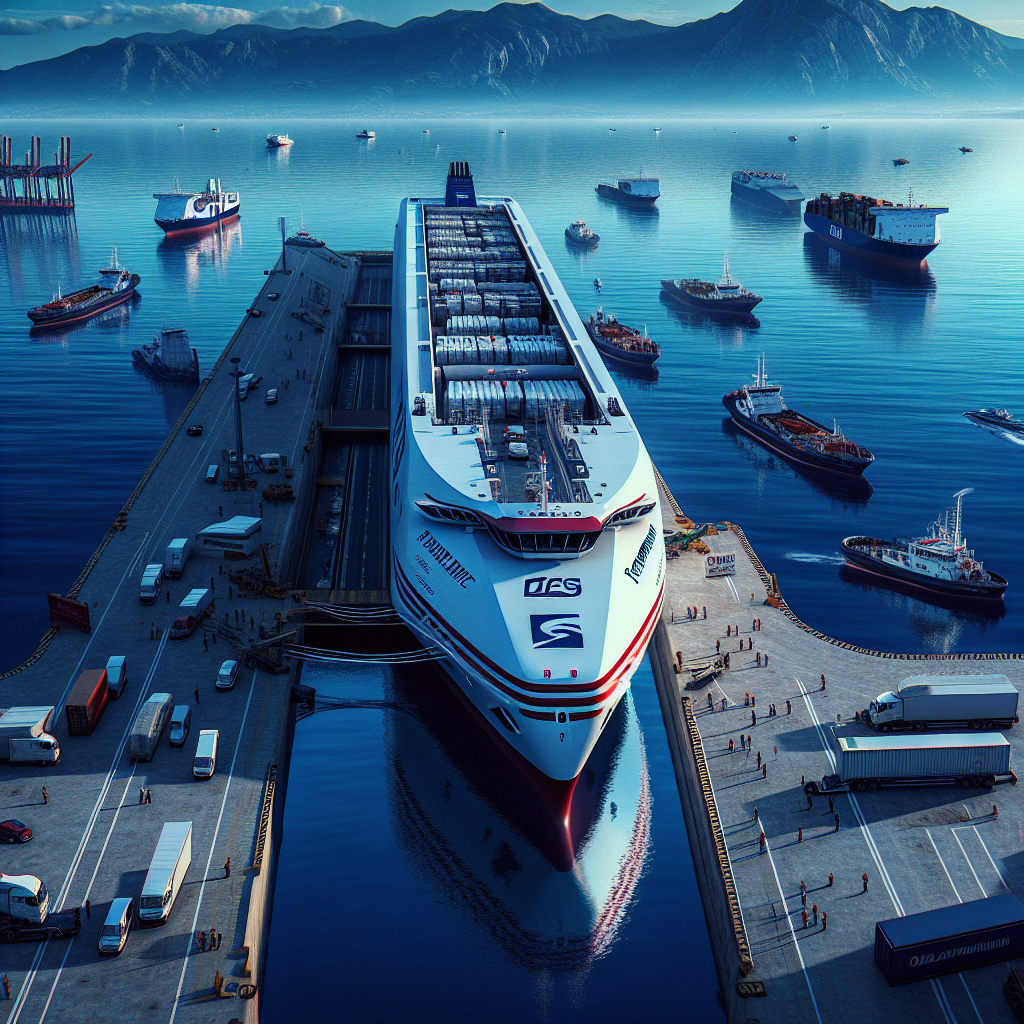
The Challenging Future of the “Poniente Jet”: Innovation and Obstacles on the Algeciras-Ceuta Route In the dynamic world of maritime navigation, each vessel has its own story and often, its own challenges. The “Poniente Jet” operated by DFDS is at a critical point in its journey, facing consecutive cancellations on the route between Algeciras and Ceuta due to operational issues. This fast ferry, previously known as Bonanza Express and Artemis, was acquired by FRS in June 2023 with expectations of modernizing and optimizing the service on this crucial route. However, the current technical difficulties highlight the inherent complexities of maritime management and raise questions about the way forward. Technological Innovation: A Double-Edged Sword In a sector increasingly dependent on technology, the acquisition of the “Poniente Jet” was seen as a strategic move by FRS to improve efficiency and transport capacity on a route vital for trade and mobility. With a length of 96 meters, it can carry up to 640 passengers and has the capacity for 170 vehicles or 250 linear meters of cargo. These features represent a significant advancement compared to previous vessels. However, technological innovation often comes with challenges. The cancellation of scheduled departures has led to speculation about the ferry’s readiness for continuous operations. This type of event underscores the importance of meticulous planning and proactive management of technical and human resources to avoid disruptions. These setbacks provide an opportunity to reflect on how the industry can enhance technological integration and anticipate potential failures, thus ensuring a more reliable service for users. The lessons learned here can be applied to other routes and fleets, benefiting the entire maritime community. Impact on the Maritime Labour Market For maritime professionals, the challenges faced by the “Poniente Jet” present both obstacles and opportunities. The cancellations directly impact the logistics and efficiency of the service, which could result in a greater demand for maintenance and management experts to address these technical issues. Furthermore, companies dedicated to maritime consulting and technological innovation could see this situation as a golden opportunity to offer solutions and technical improvements. This potential demand for specialized knowledge could lead to an increase in job opportunities and collaborations in the sector. In this regard, it is crucial for maritime professionals to keep their skills and knowledge up to date, preparing to adapt to the changing needs of the industry. Employment opportunities may arise unexpectedly, and being prepared can make the difference between seizing them or letting them pass. Strategic Relevance of the Algeciras-Ceuta Route The route between Algeciras and Ceuta is a strategic link in the maritime traffic of the Strait of Gibraltar, one of the busiest corridors in the world. This connection not only facilitates tourism and passenger transport but is also crucial for trade between Europe and Africa. Operational interruptions of the “Poniente Jet” have significant implications for this region, affecting the local economy and commercial operations. For maritime investors, these fluctuations can represent both a risk and an investment opportunity. Improving infrastructure and operational management on this route could result in increased value and long-term profitability. The key will be to identify areas for improvement and effectively manage associated risks. Ultimately, the situation of the “Poniente Jet” is a reminder of the importance of operational resilience in the maritime domain. Key stakeholders must work together to ensure that the Algeciras-Ceuta route remains a pillar of connectivity and economic development. Learnings and Future Projections This case underscores the critical need for a coordinated and sustainable approach to fleet and route management. To ensure future success, DFDS and other shipping companies must consider not only the implementation of new technologies but also the continuous training of their staff to effectively handle technical and operational complexities. The maritime industry is constantly evolving, and each challenge presents an opportunity to innovate. As the current impasse of the “Poniente Jet” is overcome, the sector can learn and grow, laying the groundwork for a more efficient and secure future. We invite interested parties to continue exploring the opportunities that this situation offers, whether from technical, operational, or investment perspectives, ensuring that with every challenge, the maritime sector grows stronger.
The Potential of the ‘Bretagne’ Ferry and its Impact on Balearia’s Maritime Routes
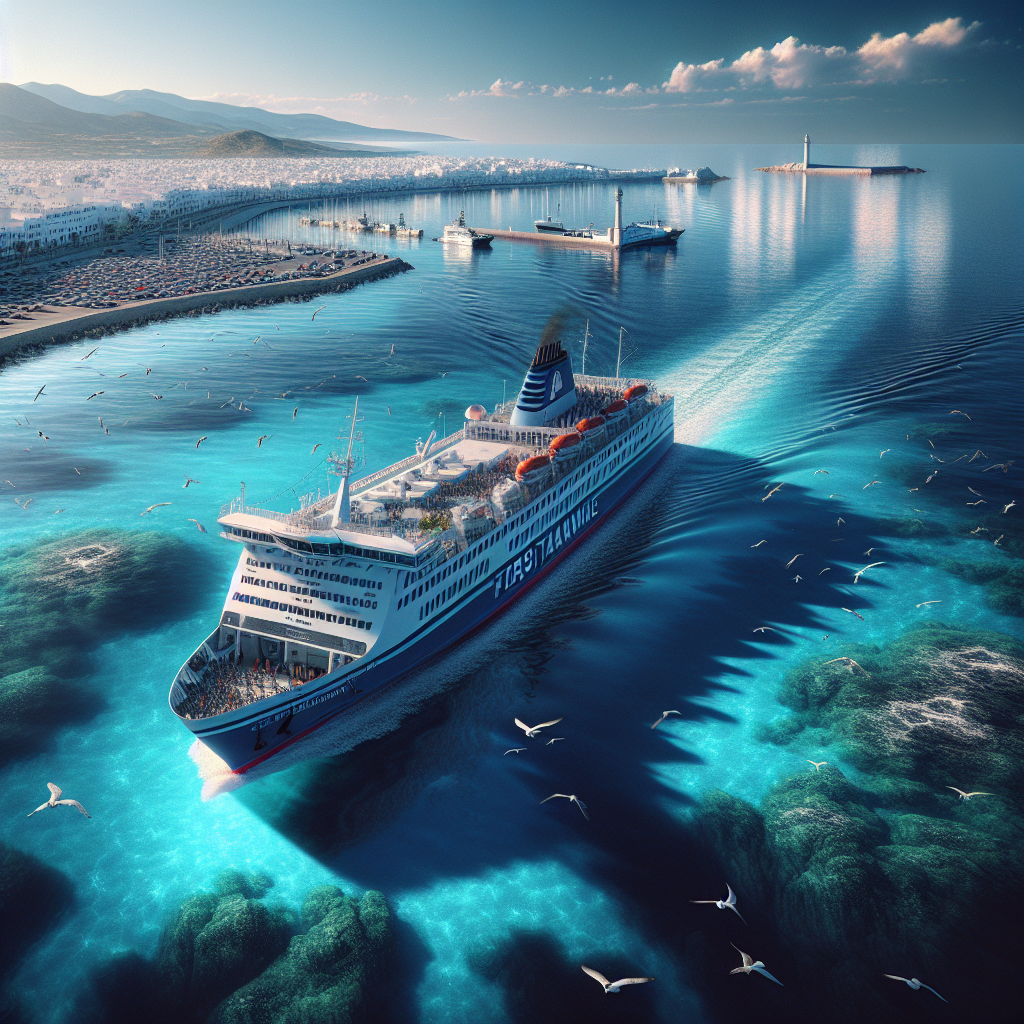
The Potential of the ‘Bretagne’ Ferry and its Impact on Balearia’s Maritime Routes The maritime industry is constantly evolving, and one of the recent movements in the sector is the potential acquisition of the ‘Bretagne’ ferry by Balearia. This iconic ship, previously owned by the Brittany Ferries, is set to become a key asset for the summer operations on the routes to Algeria. Let’s delve into what this acquisition means for Balearia and how it could benefit professionals in the sector and sailing enthusiasts. An Icon of Navigation: The ‘Bretagne’ Ferry The ‘Bretagne’ ferry has been one of the flagship vessels of Brittany Ferries for years, operating excellently on the English Channel routes. With a capacity for 2,000 passengers and 500 vehicles, this ship stands out not only for its size but also for its reliability and state of preservation, making it a very attractive acquisition for Balearia. Despite its prestige, Brittany Ferries decided to retire it due to its limited cargo capacity in relation to the company’s growing needs. However, for Balearia, the ‘Bretagne’ ferry offers a perfect solution to meet the increasing demands on its routes to Algeria, complementing the operations of the ‘Regina’ ferry. The ‘Bretagne’ ferry’s ability to transport both passengers and vehicles is especially relevant for travelers between Spain and Algeria, who seek a reliable and efficient service. In this sense, Balearia could significantly increase its market share on these routes, offering an enhanced service with more frequencies and capacity. Impact on the Labour Market The acquisition of the ‘Bretagne’ by Balearia will not only impact maritime routes but also the sector’s job market. Incorporating this ferry into Balearia’s fleet will require additional staff, from crew to maintenance and customer service personnel, creating new job opportunities. For professionals in the merchant marine, the arrival of the ‘Bretagne’ signifies new employment possibilities in a growing company. Balearia is known for its commitment to the continuous training of its staff, meaning that those who join the company will have access to training and professional development programs. Furthermore, Balearia’s expansion of operations on the routes to Algeria could involve collaboration with local companies, generating more employment and promoting economic development in the regions involved in the operations. Innovations and Sustainability In the current context, where sustainability and energy efficiency are crucial, Balearia has been investing in green technologies for its fleet. Although the ‘Bretagne’ is a traditional ferry, Balearia could implement technological improvements to optimize its energy performance, aligning with its sustainability strategy. Integrating clean technologies into existing ships is a challenge, but Balearia has proven to be a pioneer in this aspect, having previously converted some of its vessels to liquefied natural gas. This approach not only reduces greenhouse gas emissions but also optimizes long-term operational costs. These adaptations benefit not only the company but also represent an educational opportunity for sector professionals to learn about the implementation of these technologies and apply this knowledge in their careers. Opportunities for Investors and Nautical Enthusiasts The expansion and modernization of Balearia’s fleet do not go unnoticed by investors in the maritime sector. The acquisition of the ‘Bretagne’ could drive a new cycle of investments in technology and efficient operations, something that investors are always eager to support. Nautical enthusiasts also have reasons to be excited about this news. The potential modernization of the ‘Bretagne’ ferry could include improvements in onboard comfort and services, providing more pleasant travel experiences. Moreover, Balearia could introduce new itineraries that offer unique exploration opportunities for sailing enthusiasts. Lastly, the improvement of maritime routes and services can lead to an increase in tourism in the regions connected by these routes, benefiting the local economy and creating a favorable environment for future developments in the sector. Conclusion In conclusion, the acquisition of the ‘Bretagne’ ferry by Balearia represents a strategic move with multiple potential benefits. From economic and labour market growth to technological improvement and sustainability, this ferry could play a fundamental role in the expansion and modernization of Balearia’s fleet. For maritime sector professionals, the employment and learning opportunities are significant, while investors and nautical enthusiasts can anticipate a promising future full of innovation and growth. This news underscores the importance of staying attentive to developments in the maritime industry, as each new advancement presents an opportunity for those willing to adapt and explore new horizons.
The Importance of Knowledge Management in Maritime Innovation by 2025

The Importance of Knowledge Management in Maritime Innovation by 2025 In a world where information is power, knowledge management has become an essential tool for organizations looking to excel in the maritime sector. Recently, eight organizations have been recognized by APQC for their excellence in this field, setting an important precedent for the future of the industry. Knowledge management refers to the processes used by organizations to identify, create, distribute, and adopt important information and experiences. In the maritime industry, this can translate into practices that improve operational safety, optimize resource utilization, and foster technological innovation. Implementing good knowledge management practices allows maritime companies to consolidate their accumulated experience, facilitating informed decision-making and continuous improvement. Establishing shared databases where navigation incidents are documented can help prevent similar accidents in the future. Keeping up to date with the latest trends and knowledge not only enhances professionals’ skills but also increases their value within the industry. Effectively managing knowledge translates into a more efficient and secure operation, a critical aspect in such a challenging environment as the maritime one. Technological Innovations Driven by Knowledge Management The recognition from APQC highlights organizations that have applied knowledge management to drive technological innovation. The adoption of cutting-edge technologies, such as artificial intelligence (AI) and machine learning, enables the creation of predictive models that improve aspects like preventive ship maintenance and the planning of more efficient routes. Using AI systems to diagnose and report errors in real-time minimizes vessel downtime and optimizes resources. Analyzing large data volumes with these technologies can predict adverse weather conditions, allowing better planning and avoiding potential delays or accidents. For maritime investors, understanding and applying knowledge management through technology can provide a significant competitive advantage. They not only see an economic return by optimizing operations but also have the opportunity to develop innovative products that could revolutionize the sector. New Maritime Routes Driven by Shared Knowledge Shared knowledge extends beyond technological innovations to the exploration of new maritime routes that can open economic and professional opportunities. Recognized organizations have used knowledge management to identify safer and more efficient routes, considering factors such as ocean currents, resource availability, and political conditions. These routes optimize transport times, reduce costs, and can create new job opportunities in areas like logistics, transportation, and maritime security. For experienced sailors and newcomers to the industry, mastering these knowledge-based routes can become a valuable skill, expanding their job and professional horizons. Impact on Safety and Sustainability A critical aspect of APQC’s recognition is how knowledge management practices influence the safety and sustainability of the maritime sector. By employing advanced management techniques, organizations can continue to operate safely while reducing their carbon footprint. Efficient fuel use and the adoption of renewable energies onboard are examples of how the industry can work towards a greener future. Sharing and applying knowledge throughout the maritime supply chain not only benefits companies in terms of regulatory compliance and cost reduction but also positions the industry as a leader in sustainable practices, attracting new environmentally committed investors. The Future of the Maritime Sector: Embracing Change APQC’s recognition not only celebrates outstanding organizations but also invites other industry players to increase their efforts in knowledge management. Professionals in the industry should view this approach as a valuable tool to stay relevant and competitive. Knowledge management enhances operational efficiency and safety, drives sustainability, and fosters technological innovation. Each of these aspects is crucial not only for business success but also for personal and professional evolution within the sector. The maritime industry is uniquely positioned to lead the change towards a safer, more efficient, and sustainable future. As more organizations adopt advanced knowledge management practices, professionals have the opportunity to be part of this transformation, building a more resilient industry prepared to face future challenges. This recognition reflects the achievements to date and serves as a call to action for all involved in the sector to explore how to improve their current knowledge management practices. The opportunity is on the table: it is time for the maritime community to make the most of it.
Success of the Real Club Náutico de La Coruña in the Galician Optimist Championship: Nurturing Future Champions

Success of the Real Club Náutico de La Coruña in the Galician Optimist Championship: Nurturing Future Champions The Real Club Náutico de La Coruña has once again demonstrated its leadership in the nautical sector with outstanding performance in the recent Galician Optimist Championship. The team, made up of young sailing talents, has managed to secure half of the titles at stake, excelling in both the male and female categories. These achievements highlight the consistency and dedication of a club that continues to strengthen its legacy in the world of sailing. The Optimist, one of the most crucial competition classes for young sailors, is where future champions are forged. Participating and succeeding in such a demanding competition not only showcases the innate talent of the sailors but also the hard work and meticulous preparation by coaches and the unwavering support of the club. These championships are not just a showcase of skill but a fundamental pillar in the training of safe and competent sailors. At the Galician Championship, the young competitors from the Real Club Náutico de La Coruña have bravely faced the challenges of the sea with courage and determination, bringing home numerous trophies. This kind of experience is invaluable as it provides the sailors with the necessary foundation to advance to larger national and international competitions. Evan Pérez-Roig emerged as the Galician U13 Champion in the male competition. Pablo Gago and Federico Solórzano achieved remarkable results, securing the eighth and tenth place respectively in a highly competitive field. These accomplishments are not only a source of personal pride but also elevate the prestige of the club, solidifying its position as a talent pool in the Spanish nautical scene. On the female side, sailors like Carmen Bermejo and Emma Pérez-Roig also made a lasting impression in the competition. Carmen Bermejo stood out as the Galician U16w runner-up, while Emma Pérez-Roig shone in the female U13 category. This kind of recognition not only propels their sporting careers but also sets a precedent for future generations of female sailors. Despite some team members having to retire due to illness, their contribution and effort up to that point were crucial for the team. The collaboration and camaraderie within the team reflect a supportive environment that is essential for development in this discipline. A Springboard to New Opportunities The experience gained by the youth in the Galician Optimist Championship can open doors to future competitions at the national and international levels. Nautical clubs across Spain and Europe closely monitor these events, seeking young talent to strengthen their ranks. This presents a significant career and professional opportunity for participants aspiring to a career in the nautical world. For maritime investors, sponsoring or being part of clubs like the Real Club Náutico de La Coruña can be a strategic investment. Not only are they supporting the sporting growth of young talents but they are also investing in the future of nautical sports in Spain. The visibility and prestige gained through these championships are invaluable for any associated brand or company. Investing in the continuous improvement of their instructors ensures that the club’s sailors are always one step ahead. Looking ahead optimistically, the young members of the Real Club Náutico de La Coruña are a promise of success for Spanish nautical sports. Their achievements in the Galician Optimist Championship are just the beginning of a path that promises to be brilliant. The opportunities arising from this competition are endless, from scholarships in prestigious sailing programs to sponsorship opportunities with major brands. These achievements not only benefit the competitors and the club but also elevate the profile of the local and national nautical community. Every victory on the water is a victory for all those who work tirelessly behind the scenes, from coaches to family members and club executives.
The Impact of Satellite Data Innovations on the Maritime Sector: An Analysis of Spire Global

The Impact of Satellite Data Innovations on the Maritime Sector: An Analysis of Spire Global The maritime industry has undergone significant changes in recent decades, with one of the most influential factors being the incorporation of satellite data into daily operations. Companies like Spire Global, Inc. are leading this transformation by offering space data services and advanced analytics that promise to optimize navigation, enhance logistics, and improve safety at sea. Access to accurate and real-time data is crucial for safe and efficient navigation. Thanks to satellite innovations, sailors can now access detailed information on weather conditions, the positions of other vessels, and optimized navigation routes. These advancements not only improve safety but also offer more effective time management, resulting in significant cost savings. Satellite data has become an indispensable tool for the maritime sector. It allows shipping companies to reduce operational costs and minimize their carbon footprint by optimizing routes. In a world where sustainability is increasingly important, these innovations not only enhance profitability but also steer companies towards greener operations. Spire Global: A Leader in Space Data Analysis and Services Spire Global is known for its innovative approach to using satellite technology to collect and analyze data. With a constellation of satellites in orbit, Spire offers services ranging from vessel tracking to weather prediction, directly impacting the Merchant Navy and commercial maritime operations worldwide. The data obtained enables companies to optimize trajectories, anticipate weather changes, and ultimately improve operational efficiency. Advanced data analytics allow maritime companies to anticipate events and make informed decisions that can increase safety and efficiency. By predicting adverse weather patterns in advance, captains can plan alternative routes to avoid storms and reduce the risk of accidents. Continuous monitoring helps companies keep track of their assets at sea, crucial for safety and logistics. Spire’s focus on data transparency and accuracy provides investors with a clear view of the company’s performance and potential. The conference scheduled for March 2025 will be an opportunity for investors and maritime professionals to better understand how these innovations can be applied to their daily operations. Relevance for the Maritime Sector and Future Opportunities The impact of satellite data technology on the maritime sector is undeniable, and companies that quickly adapt to these changes will lead in the coming years. The ability to optimize routes not only improves efficiency but also enhances safety, a vital factor in the maritime industry. Financially, route optimization and improved weather forecasting can result in significant savings. Less deviation and more efficient use of fuel directly translate to lower operating costs. Additionally, the ability to anticipate problems before they occur allows companies to avoid unexpected financial losses, crucial in resource planning and management. Constant innovation in satellite data technology presents new job opportunities in the maritime sector. Companies like Spire are continually seeking talent to help take these technologies to the next level. Conclusion: Navigating Towards the Future The integration of satellite data in the maritime industry is not just a trend but a necessity in a world that demands efficiency and sustainability. The Spire Global conference in March 2025 will not only reveal important financial data but also underscore how these technologies can be a competitive advantage in the maritime market. Professionals in the sector are invited to explore these opportunities, delving into how these solutions can be integrated into their own operations. With proper implementation of these technologies, the maritime industry could effectively address the challenges of modernization, improving safety, reducing costs, and moving towards a more sustainable future. Satellite data is not only transforming navigation but revolutionizing the understanding and management of maritime operations globally. Readers are encouraged to stay updated on the latest technological innovations and leverage these tools to optimize their daily operations. The future of navigation lies in technology, and those who adapt will be the leaders of tomorrow.
Innovations and Opportunities in the Maritime Sector: C.H. Robinson at the J.P. Morgan Industrial Conference 2025

Innovations and Opportunities in the Maritime Sector: C.H. Robinson at the J.P. Morgan Industrial Conference 2025 Innovations and Opportunities in the Maritime Sector: C.H. Robinson at the J.P. Morgan Industrial Conference 2025 In the dynamic world of the maritime sector, staying ahead of innovations is crucial for success. Recently, C.H. Robinson, one of the leading companies in logistics and transportation, has announced its participation in the J.P. Morgan Industrial Conference 2025. This conference is a milestone in the industrial calendar, bringing together key players in the sector to discuss future strategies and emerging trends. C.H. Robinson’s participation not only underscores its commitment to excellence in logistics management but also offers participants a unique opportunity to explore new business partnerships. For maritime professionals, this conference represents a window into advancements that could translate into significant competitive advantages. The relevance of this conference for the audience of WishToSail.com is manifold. Firstly, it provides a platform to discover innovative technologies that can optimize maritime operations. Secondly, it offers a forum where policies and regulations that could impact the sector in the coming years are discussed. Finally, it is an excellent opportunity to establish contacts and develop professional networks with industry leaders. Technological Trends: A Paradigm Shift in Maritime Logistics One of the most exciting aspects of the J.P. Morgan Industrial Conference is the presentation of new technologies that are revolutionizing maritime logistics. Digitization and automation are at the forefront of these innovations, promising unprecedented efficiency in the movement of goods worldwide. C.H. Robinson has been at the forefront of adopting advanced technologies, such as artificial intelligence and big data, to optimize shipping routes. These tools not only reduce operating costs but also improve the accuracy of predictions regarding transit times and product availability. Understanding these technologies is crucial for maritime investors to make informed decisions about the future of their investments. Furthermore, the implementation of real-time monitoring systems provides sailors with unparalleled visibility on the status of their cargo. This is particularly useful for those involved in transporting time-sensitive and condition-sensitive goods, such as fresh produce or hazardous materials. Labour Implications: New Opportunities for Maritime Professionals The adoption of these disruptive technologies also signifies a shift in the maritime sector’s job landscape. There is an expected increase in demand for skilled professionals in areas such as data management, cybersecurity, and operation of automated systems. Leading companies like C.H. Robinson are constantly seeking talent with these skills to remain competitive in the global market. For maritime professionals, job opportunities in this new environment are vast. The ability to adapt to these new technologies and the desire for continuous learning are highly valued qualities in the sector. Therefore, readers are encouraged to consider the possibilities of professional development and continuous training. Companies participating in the conference, including C.H. Robinson, often look to expand their teams with individuals who bring new perspectives and technical skills. Sending a resume to these organizations could be the first step towards a promising future in the maritime industry. Impact on Navigation: Innovations Transforming Maritime Transport The continuous improvement of maritime routes is another area where the innovations presented at the conference will have a significant impact. The optimization of routes, based on real-time data, allows vessels to avoid adverse weather conditions and congestion, thereby improving transport efficiency. These innovations not only reduce transit times and fuel consumption but also decrease the environmental impact of maritime transport, which is crucial in an increasingly sustainability-conscious world. Navigators and nautical enthusiasts can use these tools to plan safer and more efficient journeys. C.H. Robinson and other leading companies are investing in the development of smarter management systems that integrate these technologies, marking a turning point in how commercial fleets and even recreational vessels are managed. Conclusion: A Promising Future for the Maritime Sector The participation of C.H. Robinson in the J.P. Morgan Industrial Conference 2025 highlights the importance of staying informed about the latest trends and innovations in the maritime sector. For readers of WishToSail.com, this conference offers an unparalleled window into how the industry will evolve in the coming years. With an emphasis on technology, the environment, and job opportunities, the maritime sector is on the brink of significant transformation. Those who quickly adapt to these changes will find themselves in a advantageous position to capitalize on market opportunities. Readers are encouraged to explore more about these developments and consider how they can apply these innovations in their own professional practice or nautical passion. With this knowledge, they will be better equipped to navigate the future of the maritime sector.