


The Evolution of Nautical Resorts: Sales Opportunities for Professionals
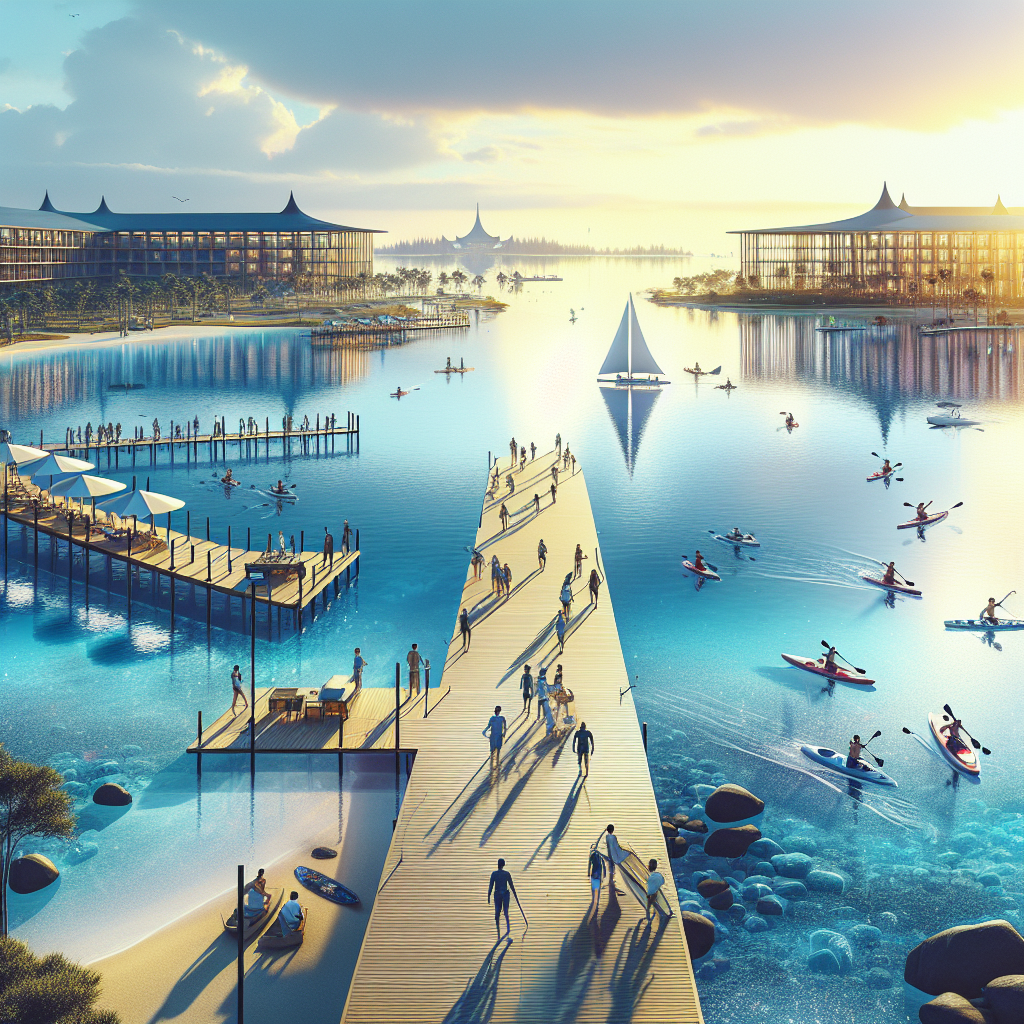
The Evolution of Nautical Resorts: Sales Opportunities for Professionals In the world of nautical resorts that combine entertainment and conventions, there is a constant evolution, offering not only unique experiences for sea lovers but also significant job opportunities. Kalahari Resorts and Conventions, located in Wisconsin Dells, stands out for its ability to attract both visitors and professionals from various sectors, thanks to its innovations and integrated approach under one roof. Advancing Sales in the Nautical World Kalahari Resorts has recently announced the promotion of two valuable collaborators in the sales area: Joey Greeno, who has been appointed Sales Director, and Kortnee Carroll, promoted to Assistant Sales Director. Both professionals bring years of experience in hospitality and event planning, essential for the success of an operation of this magnitude. The roles of Greeno and Carroll are crucial in the current environment, where competition in the tourism and convention sector is fierce. Their experience, not only in sales but also in team management and strategic planning, is essential to adapt Kalahari’s offerings to the specific needs of their clients, who seek personalized and high-quality experiences. These appointments highlight the importance of having trained leaders in the maritime and tourism industry, capable of innovating and responding to market challenges. For sales professionals in the merchant marine and related businesses, Kalahari’s success demonstrates significant opportunities for professional development in environments that combine the best of both worlds: leisure and business. The Fusion of Technology and Innovation in Nautical Resorts The resort sector has been increasingly incorporating technology to enhance the customer experience and optimize operations. Kalahari Resorts is an example of how these innovations can be effectively applied. The implementation of more sophisticated customer management systems and the use of RFID technology to improve visitor security and convenience are just a few examples. These technologies not only benefit guests but also offer sector professionals more efficient tools to do their work. For example, advanced management systems allow sales teams to better understand the preferences and needs of their customers, resulting in personalized offers and better event planning. Furthermore, by integrating digital solutions, such as mobile applications for bookings and services, resorts can enhance the user experience, making stays more attractive and enjoyable. This technological evolution is essential to remain competitive and relevant in a market that values both service quality and innovation. A Promising Future for Sector Professionals The promotions of Joey Greeno and Kortnee Carroll not only reflect their dedication and talent but also the growth and potential offered by the nautical resort sector. This type of news highlights the relevance and dynamism of the market, emphasizing job opportunities that invite professionals to consider this niche as a viable and enriching path for their professional development. For professionals in the merchant marine, sailors, and nautical enthusiasts, Kalahari Resorts’ success can be a source of inspiration. The ability to adapt to new trends, adopt advanced technologies, and understand customer needs are invaluable skills in any segment of the maritime industry. We invite those interested to explore these job opportunities and consider sending their resumes to companies that, like Kalahari Resorts, are constantly looking for talent to strengthen their operations. With the projected growth in the tourism industry, especially in areas linked to the sea and navigation, now is the time to take advantage of this momentum and position oneself as a leader in the sector.
Expanding the Fleet: Baleària Welcomes the Ferry “Bretagne”
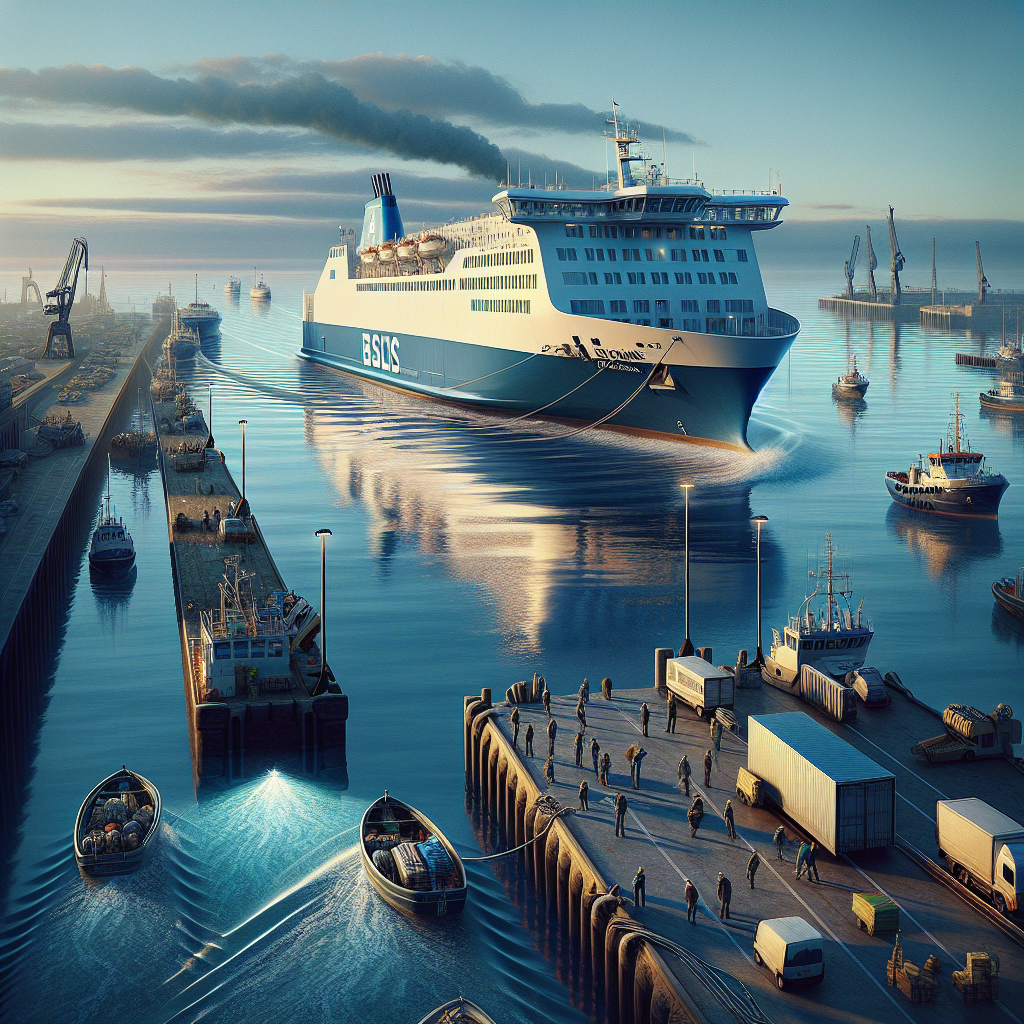
Expanding the Fleet: Baleària Welcomes the Ferry “Bretagne” The recent acquisition of the ferry “Bretagne” by the shipping company Baleària marks a milestone in their expansion strategy. Not only does this purchase represent a significant addition to their fleet, but it also signifies a strategic move that could redefine the dynamics of maritime transport in the Mediterranean region. The “Bretagne,” previously owned by Brittany Ferries, is known for its capacity to transport 2,000 passengers and 500 vehicles, making it a valuable asset for Baleària’s operations. Despite Brittany Ferries selling it due to its limited cargo capacity compared to the current demands of their fleet, for Baleària, this acquisition aligns perfectly with their plans to expand towards new routes, particularly towards Algeria. For maritime professionals and maritime investors, the addition of the “Bretagne” to Baleària’s fleet is a clear indicator of the growing opportunities within the sector. This move not only opens up new possibilities in terms of employment and businesses but also strengthens Baleària’s position as a key player in maritime transport in the Mediterranean. Potential and Impact on Routes to Algeria The integration of the ferry “Bretagne” into Baleària’s operations promises to optimize the routes to Algeria, a market with a steadily expanding passenger traffic. The ferry’s capacity to accommodate a significant number of passengers and vehicles is ideal for the current demands of these routes, which are experiencing an increasing flow of travellers and goods. The enhancement of these routes is attractive to investors looking for high-performance projects in the maritime transport sector. The presence of the “Bretagne” with its robust infrastructure and passenger amenities will enable the shipping company to offer a more efficient and comfortable service, attracting a greater number of travellers seeking a quality travel experience. Rising demand for personnel at various operational and administrative levels Increased job opportunities in the maritime sector Appeal to investors seeking high returns in maritime transport Innovations and Technology: Driving Nautical Progress The “Bretagne” stands out not only for its size and capacity but also for the technological innovations it incorporates. Modernizing the fleet with ships equipped with advanced technology is a necessity in today’s maritime industry to increase operational efficiency and reduce carbon emissions. Advancements in navigation systems and energy consumption optimizations make the “Bretagne” a valuable addition, enhancing efficiency in daily operations, reducing operating costs, and increasing safety – essential aspects for maintaining competitiveness in the sector. Implementation of new practices in maritime transport Transition towards a more sustainable and efficient future Opportunities for the Future: Employment and Investment The acquisition of the ferry “Bretagne” by Baleària offers multiple employment opportunities in the nautical sector. From operational staff to specialized maintenance and operations technicians, the expansion of the fleet will require new professional profiles to address the challenges and opportunities presented by this new addition. Reinforcing routes to Algeria and other strategically important areas with high-capacity ships and advanced technology represents an attractive investment opportunity, with potential returns in economic and sustainable development terms. This expansion will benefit not only Baleària but also the nautical sector in general, providing a boost to the maritime job market and encouraging investment in associated infrastructure and services. Multiple employment opportunities in the nautical sector Positive signal for maritime investors Potential returns in economic and sustainable development Conclusion: A Strategic Decision for Growth The purchase of the “Bretagne” demonstrates Baleària’s vision to establish itself as a leader in maritime transport in the Mediterranean. This move adds value not only to the shipping company itself but also has a positive impact on its routes, sector professionals, and future investments. In a globally competitive environment, strategic decisions like this are crucial to ensuring sustained and responsible growth. Adaptability and a focus on technological innovation are key to guiding the future of the maritime sector, and Baleària is on the right path to lead this change. Interested parties in this sector should consider the implications of this acquisition and what it means for the regional maritime market. Whether through new job opportunities or strategic investments, the integration of the “Bretagne” is just one example of how the maritime market is evolving to address challenges and seize future opportunities.
The Success Story of Baleària in the Maritime Sector
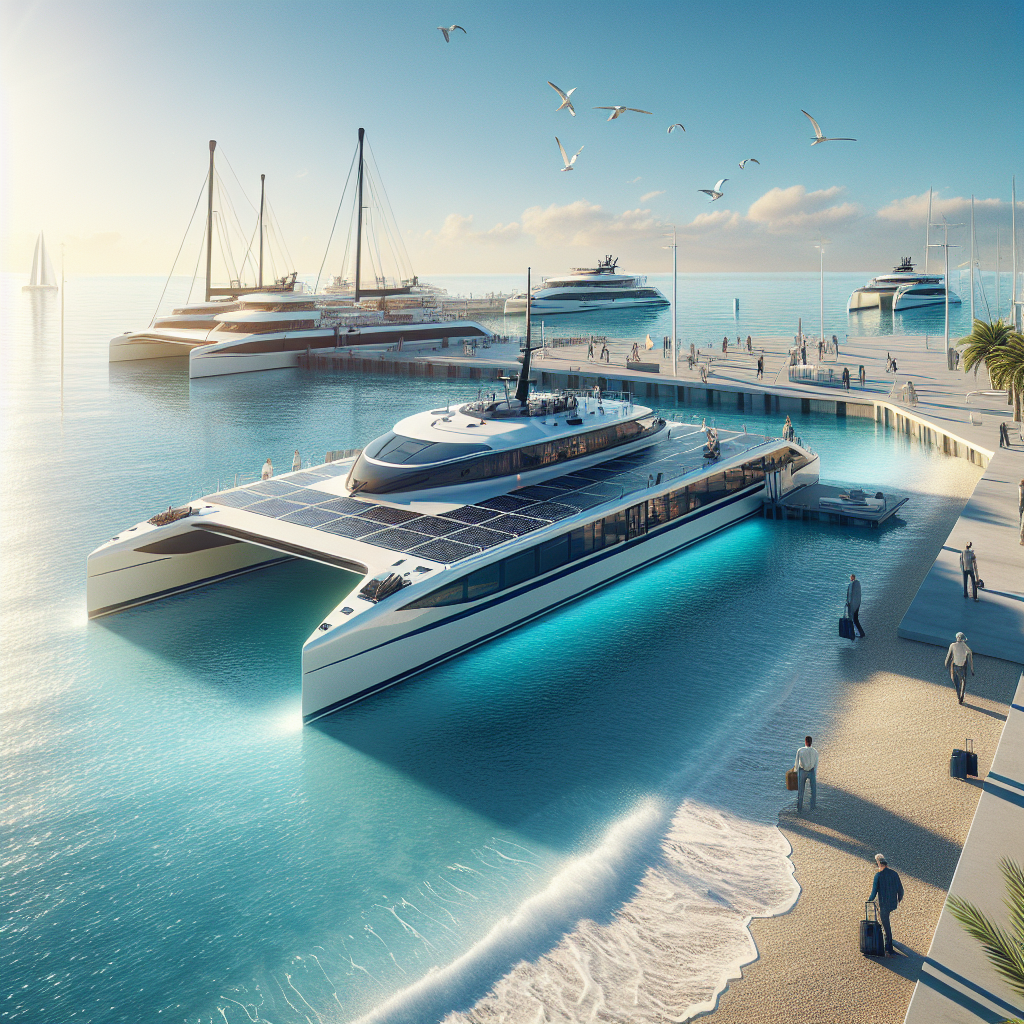
The Success Story of Baleària in the Maritime Sector 2024 has been a remarkable year for the shipping company Baleària, with significant financial strength and steady growth, positioning itself as a key player in the maritime industry. With an 11% increase in EBITDA, reaching 130 million euros, and a 6% growth in revenue, amounting to 691 million euros, Baleària showcases how efficient management and a focus on innovation can be the formula for success in a highly competitive sector. Managed 28 routes across five countries Operates a fleet of 40 vessels, majority owned Transported over 5.6 million passengers and 1.5 million vehicles These achievements not only demonstrate the robust presence of Baleària in the market but also its ability to adapt and expand. The introduction of new routes with Algeria and the first green corridor between Tarifa and Tanger Ville stand out as strategic initiatives, expanding the company’s reach and creating job opportunities for industry professionals. Technological Innovation and Sustainability Focus One of Baleària’s core values is its commitment to sustainability. In 2024, the company managed to reduce its CO2 emissions by 3.3% per nautical mile and 9.5% per passenger. This reduction was made possible by operational efficiency improvements and a significant increase in the use of natural gas, which grew by 184% in the last year. Reduced CO2 emissions by 3.3% per nautical mile Increased use of natural gas by 184% The investment of 300 million euros in 2024 to renovate its fleet aims not only to enhance operational efficiency but also to advance the use of cleaner technologies. Baleària has conducted bioLNG trials on its newest vessels, the “Margarita Salas” and the “Rusadir,” showcasing its leadership in adopting alternative fuels. The primary challenge for Baleària in the coming years will be to transition to a fully sustainable fleet, requiring an accumulated investment of 1.000 million euros by 2028. This decision reflects a commitment to the environment and a focus on leadership in a market that increasingly values sustainability. Future Perspectives and Opportunities The future looks promising for Baleària, with the construction of a third state-of-the-art catamaran and two new electric fast ferries underway. These technological developments will not only expand the company’s fleet but also enhance its efficiency and sustainability. Constructing a third catamaran and two electric fast ferries Strengthening presence in Algeria Opening the route between the Dominican Republic and Puerto Rico These steps not only increase Baleària’s international presence but also open up new opportunities for commercial and passenger connections in strategic regions. For maritime investors, Baleària’s growth model provides an attractive investment opportunity, combining financial stability, sustainability focus, and a clear expansion strategy. Conclusion: A Commitment to the Future With a focus on sustainable innovation and a clear vision for the future, Baleària is reshaping maritime transport. The reduction of its carbon footprint, technological advancements in its vessels, and global expansion not only benefit the company but also its employees, customers, and the environment. Baleària’s success story serves as an example for industry professionals on the importance of innovation and environmental commitment. The company not only invites new talents to join its mission but also offers a promise of job stability and professional growth to its employees, reflected in its recognition as a Top Employer in Spain and its efforts towards diversity and gender equity. Overall, Baleària not only offers an opportunity for travel or cargo shipping but also a chance to be part of a significant change in the maritime transport world. This success story highlights the relevance of sustainability as a key factor in competitiveness and long-term growth in the maritime industry.
Innovation and Digital Transformation: Towards Decarbonization of the Maritime Sector

Innovation and Digital Transformation: Towards Decarbonization of the Maritime Sector In a context where sustainability and energy efficiency have become imperative priorities for the maritime industry, a seminar stands out as a turning point to address these contemporary challenges. Organised by StormGeo, a leading Norwegian provider of meteorological intelligence and decision support solutions for the shipping sector, the event titled “Maritime Decarbonization Through Digital Transformation” will take place on March 12, 2025, at the Koreana Hotel in Seoul. This exclusive seminar promises to be an essential forum for industry professionals, investors, and enthusiasts committed to a greener maritime future. The Impactful Seminar Agenda The event will feature renowned experts in the maritime industry, providing valuable insights and updates on evolving regulations and how they influence global marine transport operations. The agenda will include comprehensive lectures on the latest environmental regulations affecting maritime routes and operations, and how companies can adapt to these changes to ensure the economic and ecological viability of their fleets. Understanding the Latest Regulatory Trends Exploring Emerging Technologies The Role of Digital Transformation Understanding new regulatory trends is crucial not only to maintain competitiveness but also to update professionals’ knowledge and responsiveness to a regulatory landscape in constant flux. Companies that have taken the lead in regulatory compliance have seen a significant reduction in their carbon footprints, demonstrating that meeting new regulations is both an ethical and financial imperative. Furthermore, the seminar will provide a platform for in-depth discussion on emerging technologies that are redefining the sector. With digital transformation at the forefront, innovations in weather forecasting software and route management can lead to significant fuel savings and a substantial reduction in emissions, shaping a future where efficiency is not just desirable but achievable. Digital Transformation as a Catalyst for Change Digital transformation has become an essential catalyst in the transition to a more sustainable maritime industry. The adoption of advanced technologies, such as real-time data analysis and automation, is enabling shipping companies to optimize their operations, improve safety, and reduce costs. StormGeo is at the forefront of this digital revolution, providing solutions that not only help predict adverse weather conditions but also plan more efficient routes that minimize environmental impact. Modern technological platforms allow captains and operators to make informed decisions, resulting in a reduction in CO2 emissions and more effective resource utilization. For maritime professionals, training in these new technologies not only enhances their job skills but also offers a competitive advantage in a labor market that increasingly values sustainability and energy efficiency. Therefore, the seminar is not only a source of knowledge but also an opportunity for professional development and networking. Employment and Investment Opportunities in a Sustainable Future In an increasingly environmentally conscious world, the shift towards sustainability in the maritime industry brings not only challenges but also significant employment and investment opportunities. The event organized by StormGeo will open a dialogue on how companies can not only keep up with regulations but also leverage emerging technologies to improve their operations and secure a place in the future of navigation. These transformations represent an opportunity for industry professionals to strategically position themselves, learn new skills, and adapt to a rapidly evolving environment. Professional Development Strategic Positioning Long-Term Impact Additionally, maritime investors can identify key areas where their resources can generate a long-term positive impact, fostering innovation and sustainable growth within the industry. We invite all interested parties to consider attending this event as an investment in their professional future. Innovations Making a Difference An essential part of the seminar will be the presentation of real case studies where the implementation of digital technologies has led to quantifiable improvements in efficiency and emission reduction. These success stories provide a model for other companies looking to replicate these results. By sharing these experiences, StormGeo and the invited experts aim to inspire and motivate the audience to consider how they can apply these lessons in their own operations. For example, the use of Artificial Intelligence for meteorological data analysis has enabled certain companies to avoid thousands of tons of carbon emissions per year. This technology not only contributes to the planet’s well-being but also enhances operational efficiency, generating significant savings that can be reinvested in continuous innovation. The seminar promises to be a catalyst for positive change, offering a practical and accessible roadmap for those interested in decarbonizing the sector through digital transformation. Conclusion: A Bright Future for Sustainable Navigation The maritime industry is at a historic turning point, where digital technologies and sustainability are not futuristic concepts but present realities that dictate the sector’s course. StormGeo’s seminar will not only address the industry’s challenges but also serve as a beacon of opportunities, inspiring professionals and investors to take an active role in building a
The Technological Leap in the Black Sea: Neptun Deep Project Innovations

The Technological Leap in the Black Sea: Neptun Deep Project Innovations The Neptun Deep Project and Its Relevance to the Maritime Sector The Black Sea is becoming the epicentre of an unprecedented energy revolution, thanks to the ambitious Neptun Deep project. This project, set to be the largest natural gas extraction venture in the region, has captured the attention of the international maritime community. Leading energy services company Expro has been awarded significant contracts by OMV Petrom, valued at over $10 million. This collaboration not only highlights the importance of Neptun Deep for Romania’s economy but also its potential impact on the global maritime sector. For merchant navy professionals and maritime investors, the development of the Neptun Deep project represents a unique opportunity. The advanced techniques and cutting-edge technologies used in this project could redefine industry standards. Expro’s Subsea Landing String Services (SSLS) along with its SeaCure® cementing technology are at the forefront of these advancements. These developments not only ensure more efficient operations but also open up new possibilities for those looking to innovate in the energy and maritime sector. Participation in such a monumental project could be a competitive advantage for those seeking to expand their career horizons. Professionals in the sector are encouraged to explore job opportunities in similar projects by submitting their resumes to participating companies, ensuring their contribution to the industry’s future. Technology and Innovation: Key Tools in Neptun Deep One of the key success factors of the Neptun Deep project lies in the use of advanced drilling technologies. Expro has deployed its Tubing Running Services (TRS) and Coretrax’s advanced drilling tools to support offshore operations. These tools are essential for optimizing efficiency and reducing risks associated with gas extraction in complex marine environments. Navigators and technical professionals can learn and apply these technological advancements in their own projects, benefiting from the experience gained in Neptun Deep. A crucial component of this project is the SeaCure® cementing technology. This innovative technique ensures precise and efficient cementing of subsea wells, improving operational stability and safety. The implementation of these technologies not only marks a milestone in terms of innovation but also serves as a reference for future explorations in the maritime energy sector. Additionally, Coretrax’s advanced drilling tools represent a significant shift in the sector’s capabilities. By enabling safer and more precise drilling operations, these tools are redefining efficiency and safety paradigms in the industry. Investors and professionals can leverage these innovations to enhance their operations, reduce costs, and minimize risks in their nautical and energy ventures. Economic Impact and Opportunities in the Black Sea The Neptun Deep project not only brings technological benefits but also has a significant economic impact on Romania and the Black Sea region. Gas extraction in this area is expected to boost the local economy, creating employment opportunities and increasing investment in infrastructure. For maritime investors, this project offers an opportunity for economic growth through collaboration and the development of new maritime transport routes for energy resources. Gas exploitation in the Black Sea also has the potential to diversify energy sources in Europe, reducing dependence on imported fossil fuels and strengthening the continent’s energy security. This shift could have long-term implications for European energy policy, paving the way for a transition to more sustainable and renewable energy sources. Nautical enthusiasts find in the Neptun Deep project an inspiring example of how innovation and international collaboration can lead to significant advances in the maritime sector. The adoption of advanced technologies and the execution of large-scale projects like this are a testament to the potential and possibilities offered by the sea as a source of resources and development. Looking to the Future with Optimism The development of the Neptun Deep project in the Black Sea is a tangible example of how technological innovation and international collaboration can transform the maritime and energy industry. Advances in drilling and cementing technologies underline the importance of continued investment in R&D to ensure a sustainable and secure energy future. For industry professionals, this project offers not only job opportunities but also the chance to be part of a historic transformation in the maritime sector. Institutions, companies, and professionals should take note of the developments made in Neptun Deep, seeking ways to apply these innovations in their own contexts. Ultimately, the Neptun Deep project is a manifestation of the potential of international cooperation and technological advancement to address future challenges. Those interested in delving into the world of renewable energies and maritime technologies will find in this project an inspiring and motivating example. The maritime industry is booming, and those who join this wave of innovation will be well positioned to lead the next chapter of growth and development in the sector.
BW Group Increases its Stake in Hafnia: A Growth Opportunity in the Maritime Sector

BW Group Increases its Stake in Hafnia: A Growth Opportunity in the Maritime Sector The maritime sector has witnessed a significant strategic move with BW Group’s recent acquisition of shares in Hafnia Limited. This move, announced on March 4, 2025, involves the purchase of 1,227,735 shares in the company on the Oslo Børs at an average price of 44.7267 Norwegian kroner per share, and 1,226,265 shares on the New York Stock Exchange at $4.13 per share. With this acquisition, BW Group, the largest shareholder of Hafnia, strengthens its position in the product shipping market. What does this mean for the maritime sector? BW Group’s decision to increase its stake in Hafnia has multiple implications for the maritime sector. Firstly, it reinforces BW Group’s confidence in Hafnia’s growth potential, especially in a context where the demand for product shipping continues to rise. This can be seen as a vote of confidence in Hafnia’s resilience and business strategy, which has positioned it favorably in the industry. Additionally, this acquisition highlights the attractiveness of investments in maritime infrastructure, especially in companies operating with high environmental and operational standards. With increasing pressure to adopt more sustainable practices in maritime transport, companies like Hafnia, committed to technological innovations, deserve the attention of both investors and maritime professionals. For merchant navy professionals, this news can be seen as a sign of stability and expansive potential in employment. Hafnia, backed by such a strong investor as BW Group, is well positioned to expand its fleet and operations, which could result in new job opportunities. Technological Innovations: Key to Success at Hafnia One aspect that has caught BW Group’s attention is the implementation of advanced technologies by Hafnia. The company has been a pioneer in adopting digital solutions to optimize operational efficiency and improve onboard safety. Technologies such as the use of digital twins for simulations and artificial intelligence for route optimization are at the forefront of their operations. These innovations not only reduce operating costs but also help to reduce the fleet’s carbon footprint, aligning with increasingly stringent international regulations on emissions. The adoption of these technologies positions Hafnia as a leader in sustainability, a crucial factor in the current environment where sustainable practices are imperative, rather than optional. This focus on technology also offers maritime professionals opportunities for specialization and continuous training. Working with advanced technologies not only enhances operational efficiency and crew safety but also increases professionals’ competitiveness in the job market. Strategic Maritime Routes: Expansion Potential Hafnia’s expansion, fueled by this new investment, could lead to the development of new maritime routes. This is particularly relevant at a time when global commercial routes are being redesigned to address challenges such as climate change and geopolitical tensions. The most efficient routes not only minimize transit time but also optimize fuel consumption, representing a double benefit for profitability and sustainability. For maritime investors, Hafnia’s ability to expand and optimize its routes is an opportunity to capitalize on a growing market. Diversification and efficiency in maritime routes not only ensure a steady supply of products globally but also increase responsiveness to market fluctuations. Sailors and nautical enthusiasts could also find this expansion beneficial. New routes and the revitalization of existing ones could pave the way for new adventures and exploration opportunities, while contributing to a more efficient global trade. Conclusions and Future Opportunities BW Group’s recent acquisition of Hafnia shares is a testament to the strength and potential of the maritime sector. This strategic move not only underscores confidence in Hafnia’s growth but also highlights opportunities for professionals and investors interested in product shipping. From technological innovations to strategic route expansion, Hafnia is well positioned to lead in an increasingly competitive and demanding market. For those interested in being part of this exciting stage, they may consider submitting their resumes to Hafnia, as growth and expansion are sure to bring the need for highly skilled talent. In the end, this news not only highlights a significant investment but also serves as a reminder of the dynamism and possibilities offered by the current maritime sector. Whether you are a merchant navy professional, a maritime investor, or a nautical enthusiast, the opportunities in this field are more alive than ever.