


The New Maritime Route Revolutionizing Transport between Europe and Morocco

The New Maritime Route Revolutionizing Transport between Europe and Morocco The Spanish shipping company Suardiaz, in collaboration with the Trasonuba Group (GTO), has launched a promising ro-ro maritime route connecting the ports of Huelva and Tanger Med in Morocco. This new route, which began operating on March 9, represents a significant advancement in goods transportation between Europe and Morocco, offering six weekly departures and an estimated crossing time of just six hours. With this initiative, Suardiaz and GTO aim to meet the growing market demands, combining their extensive experience in maritime and road transportation to provide an efficient and reliable service. According to Marcos Duato, director of Suardiaz Shipping Lines, the collaboration aims to offer European customers a robust connection for goods transportation across the Mediterranean. The importance of this new route lies in its ability to enhance connections between Europe and North Africa, two regions that have seen steady growth in goods trade. By improving transport efficiency, the new route is expected to facilitate commercial exchange, which could have a positive impact on the economies of both regions. A Step Forward in Bilateral Trade GTO President Esteban Sanchez has noted that this new route complements existing connections and is designed to cater to the increasing commercial traffic. Projections indicate that trade between Europe and Morocco could double in the next five years, and this maritime route is strategically positioned to capitalize on that growth. As commercial relationships between the two regions intensify, transport efficiency becomes critical. The speed and frequency of crossings offered by the new Huelva-Tanger Med route ensure that goods reach their destination in a timely manner, reducing costs and improving profitability for the companies involved. Additionally, the route provides a sustainable solution for goods transportation, maximizing the use of existing infrastructure and reducing congestion on alternative routes. This not only has positive implications for the environment but also strengthens the safety and reliability of maritime transport in the region. Employment and Technological Opportunities The launch of this new route represents not only an advancement in connectivity but also an opportunity for maritime sector professionals. With an expected increase in goods traffic, new job opportunities exist in various areas, from logistics and port management to naval engineering. Companies involved, such as Suardiaz and GTO, are seeking qualified personnel to support this expansion. Interested individuals are encouraged to submit their resumes and be part of initiatives that not only promote economic development but also provide the opportunity to work with cutting-edge technologies in maritime transport. Technological innovations in route management and cargo optimization are key aspects of this new project. The implementation of advanced tracking and logistics management systems can significantly improve operational efficiency, enabling more informed and precise decision-making. Impact on the Nautical and Business Community The introduction of this new route also has significant implications for sailors and nautical enthusiasts. The route offers a new safe and efficient channel for navigation in a crucial region of the Mediterranean, attracting those interested in the opportunities that a faster connection between Europe and Africa can offer. For maritime investors, this new initiative opens doors to potential investment projects. Growth in commercial traffic and demand for more advanced logistics services can generate attractive opportunities in port infrastructure and ancillary services. Additionally, merchant marine professionals may find in this new route a platform to apply and expand their technical knowledge. The increase in maritime traffic provides the opportunity to work in dynamic and challenging environments, enriching the professional experience of those involved. Conclusion: A Gateway to the Future The launch of the Huelva-Tanger Med route by Suardiaz and GTO represents a crucial evolution in regional maritime transport, with implications beyond simple goods transit. This route not only improves connectivity and efficiency in trade between Europe and Morocco but also opens doors to new job and investment opportunities in the maritime sector. The collaboration between maritime and road transport companies demonstrates the potential for innovation and adaptation in a constantly changing market. Those interested in joining this adventure have the opportunity to be part of a project that marks a turning point in trans-Mediterranean logistics and trade. In summary, this new route not only connects two ports but also creates a bridge between cultures, economies, and opportunities, inviting maritime professionals to embark on a journey towards the future of global commerce.
Green Innovations: The Progress of Baleària and Axpo in Sustainable Maritime Transport
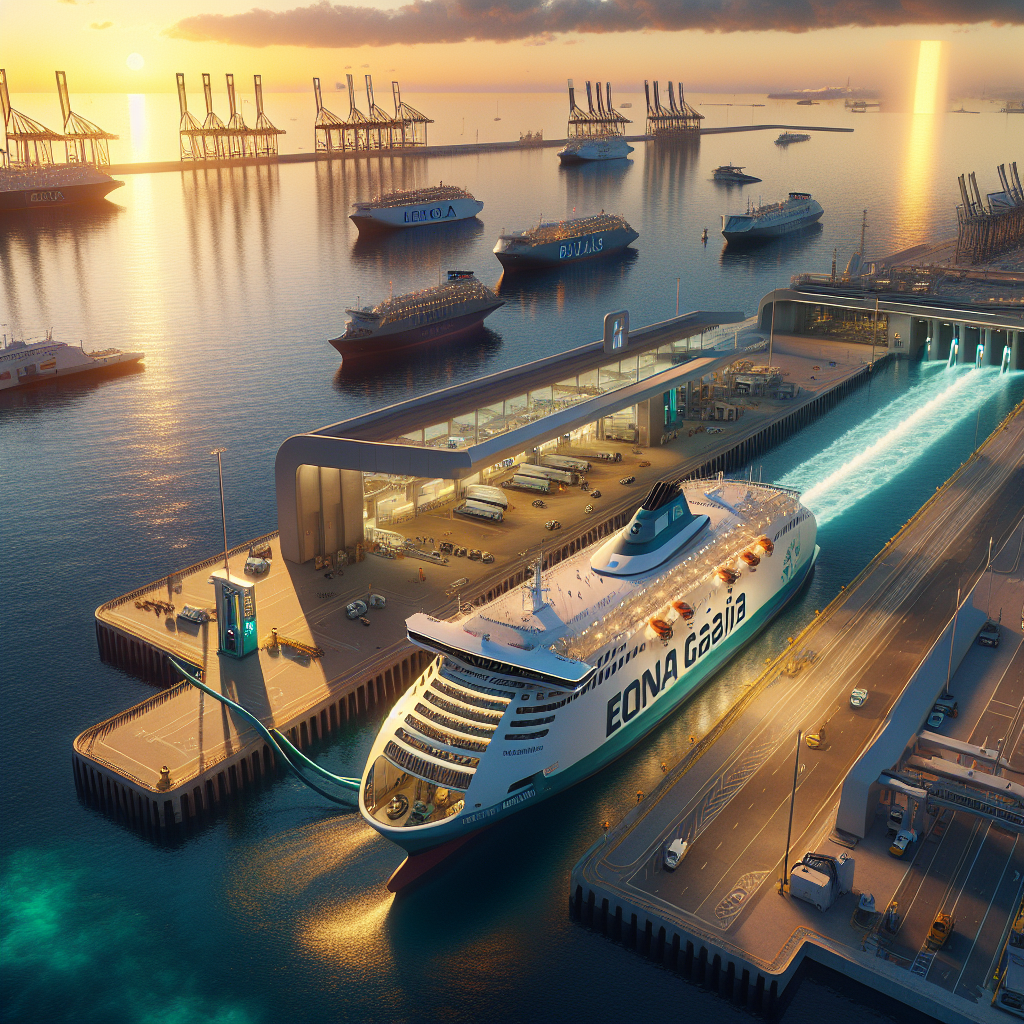
Green Innovations: The Progress of Baleària and Axpo in Sustainable Maritime Transport In a world where sustainability has become a global priority, Baleària and Axpo Iberia have set a milestone in maritime decarbonization with their recent initiative to use bioLNG in their maritime transport operations. This move not only reflects a commitment to the environment but also sets a new standard for the shipping industry. The supply of bioLNG, a liquefied natural gas obtained from biomethane, from the Enagás terminals in Huelva and Barcelona, shows how technology and innovation can converge to significantly reduce the carbon footprint of the sector. The use of bioLNG provides a significant sustainability advantage as it is derived from renewable sources such as agro-livestock and organic waste. This not only reduces CO2 emissions but also offers a tangible example of a circular economy, utilizing waste that would otherwise be an environmental problem. This solution is not only viable but has already been successfully implemented in routes that Baleària operates between strategic points such as Malaga, Melilla, Barcelona, and the Balearic Islands. The recent supply to the fast ferry Margarita Salas and the ferry Rusadir illustrates this ongoing commitment to ecological innovation. By using bioLNG, these vessels reinforce the concept of green corridors that connect not only ports within Europe but potentially can extend to link continents, opening up new possibilities for sustainable international routes. Tangible Benefits for the Maritime Industry Adopting the use of bioLNG not only has a positive impact on the environment but also offers significant economic and operational benefits. The dual engines of Baleària’s ships allow greater fuel consumption versatility, adapting not only to the use of pure biomethane but also to blends with green hydrogen up to 25%. This flexibility not only reduces long-term costs but also improves the fleet’s energy efficiency. The adaptation of port infrastructures to handle bioLNG is a crucial advancement. Terminals in Huelva and Barcelona have been pioneers in this regard, setting a precedent for other maritime facilities in Europe. This improvement in advanced infrastructure can offer significant job opportunities, from engineers to specialized technicians, opening a new chapter in the maritime labor sector. From a logistical perspective, the ability to operate with cleaner fuels means reducing environmental restrictions, which can translate into easier operating permits or even tax incentives. For maritime investors, the sustainable use of fuels offers a solid and manageable future outlook. Axpo and Baleària: Leaders in Sustainable Innovation Axpo, with its legacy as a pioneer in the commercialization of biomethane in Spain since 2015, continues to lead the way in renewable energy solutions. The collaboration with shipping companies like Baleària not only strengthens its position but also demonstrates the positive impact of strategic alliances in the fight against climate change. This collaborative model is not only beneficial for the companies involved but also serves as an example for other sectors looking to transition to more sustainable practices. Baleària, on the other hand, has been at the forefront of fleet innovation for over a decade, integrating advanced technologies that enable cleaner and more efficient energy consumption. With 11 ships equipped with dual gas engines and the first electric ferries in the Spanish market, Baleària demonstrates how investing in cutting-edge technology is not only possible but also profitable. For nautical enthusiasts and industry professionals, these initiatives present a fascinating evolution in how modern fleets operate. The transition to clean fuels is not just a trend but a necessity being addressed by key players in the maritime sector. For those looking to be part of this change, companies like Baleària and Axpo represent an opportunity to apply their expertise in a context that is truly shaping the future of maritime transport. Employment Opportunities and the Future of the Sector The commitment of Baleària and Axpo to a greener energy transition not only aims for a cleaner future but also creates a range of job opportunities for industry professionals. Specialized engineers in renewable energies, technicians in dual engine maintenance, and experts in sustainable logistics are just some of the profiles that could find new job opportunities in this expanding context. Sending resumes to these visionary companies could be the first step towards a career in a sector that not only values innovation but also implements it effectively and tangibly. This movement towards more sustainable practices in maritime transport can be a catalyst for global change in other areas of transportation and logistics, highlighting the importance of staying informed about these emerging trends. With Europe setting ambitious sustainable development goals for 2030, the maritime industry is under scrutiny to meet these targets. The initiatives of companies like Baleària and Axpo not only meet these objectives but also pave the way for other companies to follow their lead, weaving a network of sustainability and innovation that could have positive global implications. Conclusion: A Journey Towards a Sustainable Future In conclusion, the milestone achieved by Baleària and Axpo is not just an individual achievement but an example of how collaboration and innovation can lead to the effective decarbonization of sectors traditionally dependent on fossil fuels. This article highlights how bioLNG emerges as a viable and beneficial alternative for maritime transport, offering a concrete solution to current environmental challenges.
The Green Revolution at Sea: The Impact and Future of Biofuels in the Maritime Industry
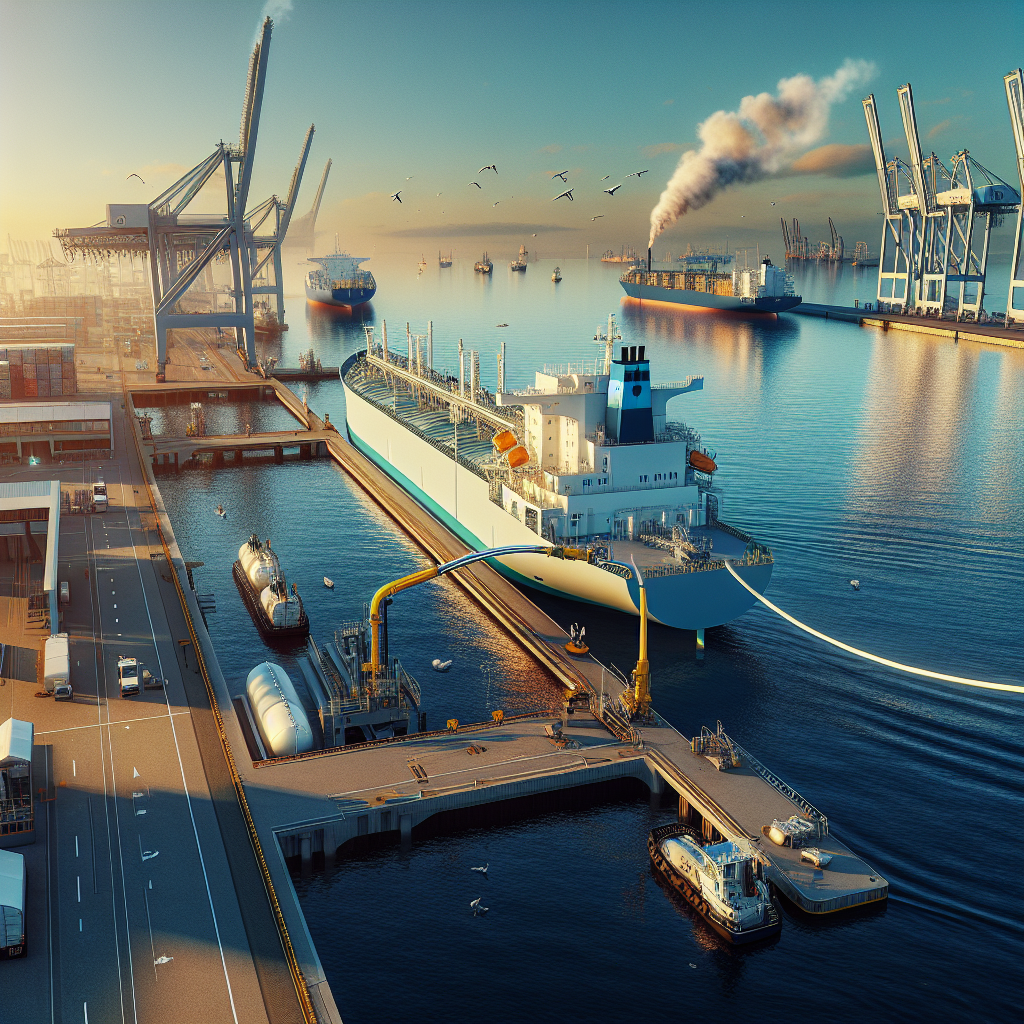
The Green Revolution at Sea: The Impact and Future of Biofuels in the Maritime Industry The maritime industry is at a crucial turning point. According to a recent report by Lloyd’s Register, the shift towards biofuels is being significantly driven by new regulations from the European Union and the International Maritime Organization (IMO). These regulations primarily aim to reduce greenhouse gas emissions, a vital commitment to mitigate climate change. This phenomenon is creating a wave of transformations within the sector, with a considerable increase in the use of biofuels in the world’s most important ports, such as Singapore, Algeciras, and the Antwerp-Rotterdam-Amsterdam (ARA) area. However, this progress is not without challenges and crucial considerations for operators and nautical enthusiasts. Traditional fuels used in maritime transport account for a significant portion of global greenhouse gas emissions. With growing environmental concerns and stricter regulations, biofuels are emerging as a viable and eco-friendly alternative. This transition not only meets environmental demands but also offers new job opportunities for industry professionals. Challenges and Opportunities: Analysis of Current Fuels The report from Lloyd’s Register’s Fuel Oil Bunker Analysis and Advisory Service (FOBAS) sheds light on some of the most pressing issues facing the industry. One of the key concerns is the high levels of sediment in fuels, compliance with sulphur limits, and irregularities in flashpoint. Sulphur levels in Very Low Sulphur Fuel Oil (VLSFO) are a critical focus. While technically meeting MARPOL Annex VI regulations, the proximity to the allowable limit creates uncertainty for operators. Nearly 2.5% of analyzed samples recorded dangerously close levels to the limit, indicating the need for stricter control by suppliers. Additionally, sedimentation issues persist, impacting fuel quality and vessel operational efficiency. Sulphur levels in VLSFO fuels are a critical focus for industry operators. Sedimentation issues persist, affecting fuel quality and vessel efficiency. Innovations and Regulations: The Near Future of the Maritime Industry Regulatory evolution is key to understanding the future environment of the maritime industry. With the upcoming implementation of the Mediterranean Emission Control Area, vessels operating in this region will have to adapt to fuels with a sulphur content of just 0.10% by mass unless equipped with technologies like scrubbers. This regulatory change will not only influence fuel quality and availability but also drastically affect prices, requiring careful planning by ship operators. The FuelEU Maritime regulation and the inclusion of maritime transport in the EU Emissions Trading System (ETS) are intended to encourage greater adoption of biofuels and alternative fuels. This movement will not only impact fuel availability and cost but also usher in a new era of innovation in ship design and commercial routes. Conclusions: Relevance and Advice for Industry Professionals The transition to biofuels and cleaner alternatives represents a unique opportunity for maritime industry professionals. Those involved in ship operation and maintenance must be prepared to handle new fuel types acquired through continuous training and specialized education. For maritime investors, regulatory change and the growing demand for sustainable solutions can present a lucrative investment opportunity. Funding green technologies, researching biofuels, and infrastructure facilities may be promising areas within this new maritime ecosystem. Recreational sailors and nautical enthusiasts will also benefit from access to more sustainable vessels. The widespread adoption of biofuels could reduce long-term operating costs and help preserve marine ecosystems. Exploration and Future Opportunities This is an exciting time for the maritime sector. Professionals are encouraged to consider how these regulations and emerging technologies can be opportunities for personal and professional growth. Interacting with companies leading these changes, such as Lloyd’s Register, can open doors to new job opportunities and fruitful collaborations. Interested individuals looking to delve into the technical and regulatory aspects can download the complete FOBAS Fuel Quality report through the following link. As the industry sails towards a greener future, adaptability and innovation will be the winning cards in this maritime journey.
BlackRock and MSC Transform the Global Port Scenario with a Multibillion-Dollar Investment

BlackRock and MSC Transform the Global Port Scenario with a Multibillion-Dollar Investment BlackRock and Terminal Investment Limited (TiL), a subsidiary of Mediterranean Shipping Company (MSC), have recently acquired a significant portion of Hutchison Port Holdings, a Chinese port operator, in a deal valued at $22.8 billion. This strategic operation includes critical ports such as Balboa and Cristóbal in Panama, managed by Panama Ports Company (PPC). The agreement entails the purchase of 90% of PPC’s shares and 80% of stakes in subsidiaries operating 43 ports in 23 countries, excluding those in Hong Kong, Shenzhen, and southern China. This acquisition strengthens BlackRock and MSC’s position in the dynamic and competitive global port sector, allowing them to expand their influence and control over strategic maritime routes. From an economic standpoint, the operation translates into cash inflows exceeding $19 billion for the group, benefiting CK Hutchison shareholders. This injection of capital represents a monumental opportunity to reinvest in new port technologies, sustainability, and operational capacity expansion. Geopolitically, the transaction occurs amidst growing tensions between the US and China, potentially reshaping power and control in maritime routes, as BlackRock and MSC now play a more prominent role in transit between the Atlantic and Pacific oceans. For Panama, the operation is subject to government approval, due diligence, and necessary regulatory clearances, highlighting the importance of foreign direct investment policies and their impact on the local and regional economy. Advantages for Maritime Sector Professionals The acquisition of these ports by industry giants like BlackRock and MSC may open up significant job opportunities for merchant navy professionals and port industry workers. The focus on sustainability could lead to new roles in environmental engineering and maritime sustainability. The transformation and expansion of port operations could generate multiple positions in administration, logistics, operations, and maintenance, providing ongoing training and specialization opportunities. Impact on Trade Routes and New Technologies BlackRock and MSC now have a strategic tool to optimize maritime routes, reducing transit times and associated costs. The investment in these ports may drive the adoption of cutting-edge technologies such as automatic loading and unloading systems, infrastructure improvements for larger capacity vessels, and digital platforms for real-time fleet and cargo tracking. These advancements not only optimize operations but also enhance safety and efficiency in port operations, offering investors a chance to participate in a constantly evolving sector with robust and sustainable growth prospects. Reasons for Audience Interest This operation marks a milestone in the global port sector, positioning key players like MSC and BlackRock at the forefront of the world’s busiest maritime routes. For maritime investors, the transaction provides insight into how strategic investments and alliances between financial and logistical giants can transform markets and global supply chains. In terms of sustainability, the technological innovations and infrastructure enhancements resulting from this operation could set a new standard for port operations worldwide, appealing to nautical enthusiasts and environmental professionals committed to a more sustainable future. A Promising and Challenging Future In conclusion, BlackRock and MSC’s purchase of part of Hutchison Ports business reveals their strategic interest in dominating key routes and port operations, paving the way for growth and technological adaptation in the maritime sector. This presents numerous opportunities for professionals and companies within the industry.
The Transition to Sustainable Navigation: Baleària’s Investment in BioGNL to Reduce Carbon Footprint
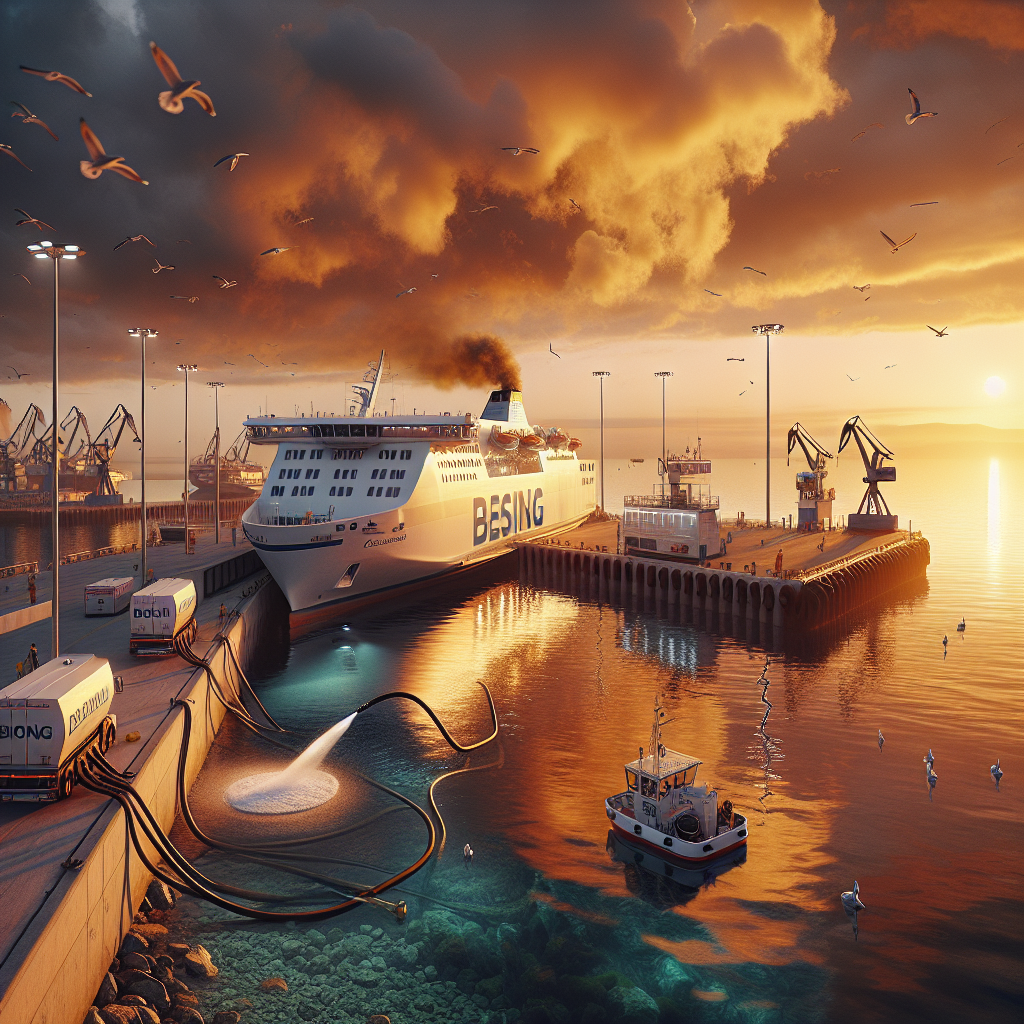
The Transition to Sustainable Navigation: Baleària’s Investment in BioGNL to Reduce Carbon Footprint Baleària’s Commitment to Sustainability: A New Era in Maritime Propulsion The leading Spanish maritime transport company Baleària has taken a significant step towards sustainability by incorporating bioGNL as fuel for its vessels. In partnership with Axpo Iberia, supply operations have been carried out in the ports of Málaga and Barcelona, marking a milestone in the use of renewable fuels within the maritime sector. The bioGNL used in these operations is a renewable fuel derived from biomethane. This is obtained from the treatment of agro-livestock and organic waste, promoting a circular economy and significantly reducing carbon emissions. The bioGNL is accompanied by Sustainability Certificates, ensuring its origin and efficiency in reducing environmental impact. The supply operations, technically known as Truck to Ship (TTS), were successfully carried out thanks to Enagás’ innovative BioGNL supply service at its regasification plants in Barcelona and Huelva. This service is pioneering in Europe, allowing the injected biomethane into the gas network to be recognized as BioGNL, facilitating its use on an industrial and commercial scale. Impact on the Economy and Job Opportunities in the Maritime Sector The use of bioGNL not only represents progress in terms of sustainability but also provides economic and employment opportunities. With the progressive increase in the use of biofuels, there is expected to be a boost in the creation of jobs related to the production, distribution, and logistical operation of these renewable fuels. For Baleària, the investment in bioGNL is not an isolated case. Currently, the shipping company has eleven vessels equipped with dual-fuel engines powered by GNL and has orders for two electric propulsion ferries that will enter into operation in 2027. This focus on clean technologies not only improves operational efficiency but also prepares the fleet for future regulatory changes aimed at decarbonizing maritime transport. This shift towards cleaner fuels also opens the door to new career paths within the sector. Professionals with experience in biofuels, green naval engineering, or sustainable logistics will find an expanding job market. Companies like Baleària are constantly seeking qualified personnel to implement these innovations, so interested individuals should consider sending their resumes to these companies. Benefits of BioGNL: Why It Matters to the WishToSail.com Audience BioGNL is a step towards carbon neutrality in the maritime sector. Working with fuels that reduce carbon footprint allows marine professionals to comply with environmental regulations and be part of the solution to climate change. Investing in companies that embrace sustainability can offer long-term profitability to maritime investors. Companies adopting renewable fuels early will be better positioned to compete in a global market as regulations become stricter. For nautical enthusiasts, bioGNL provides the opportunity to enjoy sailing with a reduced environmental impact, making their passion for the sea compatible with a more sustainable future. The Green Future of Navigation: Exploring New Possibilities Baleària’s experience with bioGNL is an inspiring example of how the maritime sector can lead the transition to a greener economy. This is not just a change in daily operations but a commitment to future generations and the preservation of the marine environment. With the implementation of clean technologies, Baleària and other shipping companies are laying the groundwork for a future where maritime transport is more efficient and less harmful to the planet. The development of new technologies, such as electric propulsion vessels and hybrid energy systems, is on the horizon, promising further innovations that will transform the way we navigate and transport goods across the seas. WishToSail.com readers are encouraged to closely follow these innovations. The constant evolution of the maritime sector continually presents new opportunities to learn and adapt, ensuring that the industry remains at the forefront of sustainability.
The Best Maritime Lawyer of 2025

The Best Maritime Lawyer of 2025 Jason R. Margulies has been named the “Lawyer of the Year” in Maritime Law for 2025 by Best Lawyers®, a prestigious recognition in the legal industry. With a career spanning over two decades, Jason R. Margulies has established himself as a leading figure in maritime law, renowned for his expertise and success in handling complex cases in the maritime sector. His dedication to upholding the rights of clients and ensuring justice prevails has earned him this well-deserved accolade. Achievements and Expertise Jason R. Margulies has successfully represented numerous clients in cases involving maritime accidents, cargo claims, vessel arrests, and marine insurance disputes. His in-depth knowledge of maritime law and regulations enables him to provide strategic legal advice tailored to the specific needs of each client. As a respected maritime lawyer, Jason R. Margulies is known for his commitment to seeking fair compensation for those affected by maritime incidents and advocating for their rights in court. His track record of success and dedication to his clients have solidified his reputation as a top maritime lawyer, garnering recognition from peers and legal professionals alike. Legal Excellence and Dedication Throughout his career, Jason R. Margulies has demonstrated unwavering dedication to his clients and a commitment to upholding the highest standards of legal excellence in maritime law. His passion for maritime law and his relentless pursuit of justice have set him apart as a leading advocate for those navigating complex legal challenges in the maritime industry. By staying up-to-date with the latest developments in maritime law and leveraging his extensive experience, Jason R. Margulies continues to deliver exceptional legal representation and achieve positive outcomes for his clients. Recognition and Impact Being named the “Lawyer of the Year” in Maritime Law for 2025 by Best Lawyers® is a testament to Jason R. Margulies’ outstanding contributions to the field of maritime law and his impact on the legal community. His dedication to his clients, his exceptional legal skills, and his commitment to justice have earned him the respect and admiration of his peers. As a leading maritime lawyer, Jason R. Margulies plays a crucial role in shaping the future of maritime law and ensuring that individuals and companies involved in maritime activities receive fair and just representation in legal matters. For more information about Jason R. Margulies and his work in maritime law, visit WishToSail.com.