


The Future of Sustainable Navigation: Innovations in Wind Propulsion
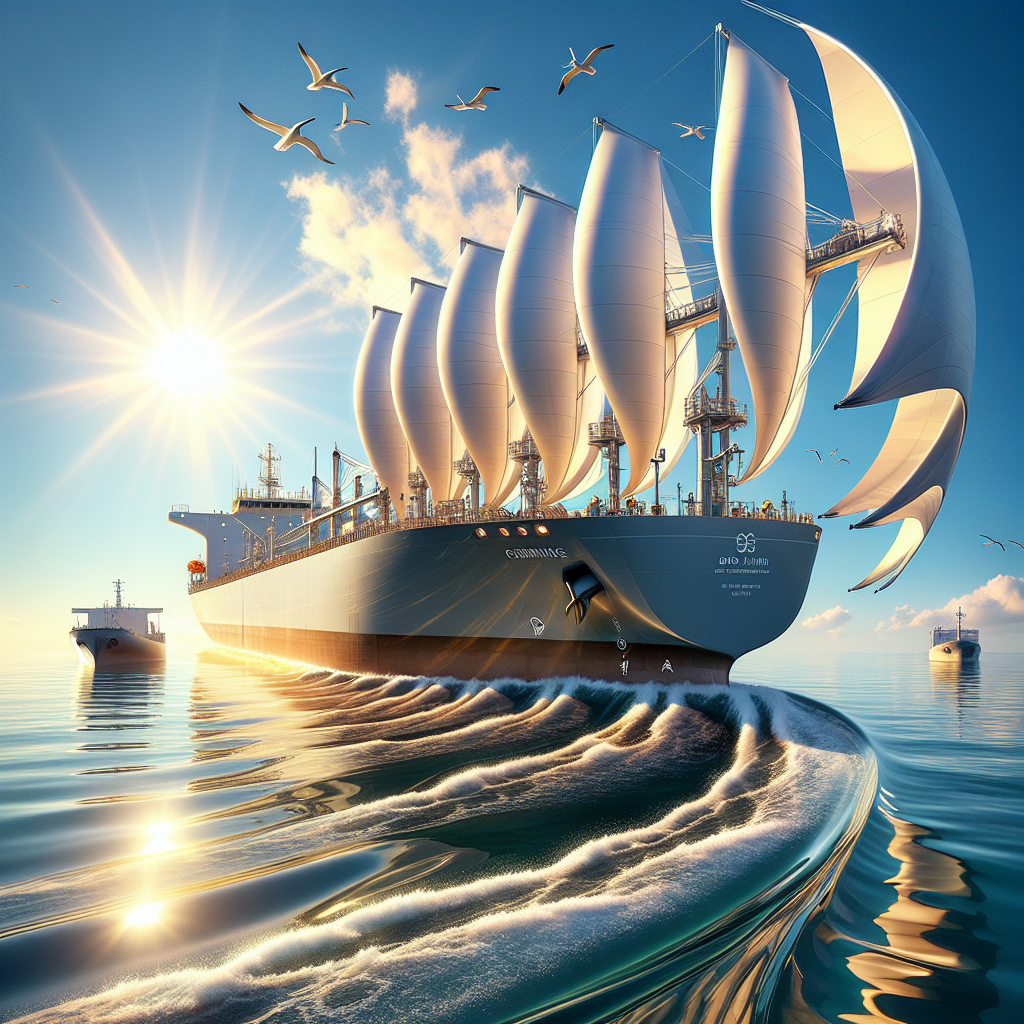
The Future of Sustainable Navigation: Innovations in Wind Propulsion The maritime industry is undergoing a significant transformation towards more sustainable and efficient navigation methods. In this context, the Spanish company bound4blue has taken a notable step with the implementation of their eSAIL suction sails on the chemical tanker Bow Olympus belonging to the Norwegian shipping company Odfjell. This innovative system allows for a reduction in fuel consumption by up to 10% depending on the route, which represents a significant advancement in emission reduction and operational costs. The installation process was carried out in two distinct phases during a planned regulatory stop of the ship, completed in a record time of just two days. This achievement was made possible thanks to effective coordination between the involved parties: Odfjell, bound4blue, and the EDR Antwerp Shipyard in Antwerp (Netherlands). The 22-meter sails are now part of the Bow Olympus, contributing to efficiency and competitiveness. David Ferrer, co-founder, and CTO of bound4blue, has highlighted the mechanical simplicity of the eSAIL system, making it easy to integrate even on vessels with technical limitations such as chemical tankers. This is due to the high performance of the system, capable of generating between six and seven times more lift than rigid counterparts, minimizing their size and optimizing onboard space. Operation of the eSAIL System and its Environmental Impact The eSAIL system developed by bound4blue is based on the use of a thick aerodynamic profile, complemented by an intelligent suction system that maximizes aerodynamic efficiency. According to a detailed study conducted by the Swedish institute RISE, this innovative design was chosen by Odfjell due to its outstanding performance, rapid return on investment in less than five years, and excellent compatibility with current environmental regulations. Erik Hjortland, Vice President of Technology at Odfjell, mentions that this initiative is an essential part of the company’s continuous efforts to reduce emissions. The incorporation of wind propulsion marks a milestone in their environmental strategy, and they plan to collect data on fuel savings and carbon emissions that these sails can achieve, which will be crucial for future business decisions focused on further improving their environmental performance. The implementation of eSAIL sails not only strengthens the reputation of companies in the face of international regulations like the Maritime FuelEU and the Carbon Intensity Index (CII) but also offers a competitive advantage in an increasingly demanding market with environmental standards. Opportunities and Outlook for the Future bound4blue’s technology is not merely a theoretical proposal but is already operational in other leading companies in the sector. Odfjell joins a list of companies like Amasus, Eastern Pacific Shipping, and Louis Dreyfus Armateurs that have adopted this system. Furthermore, major shipping companies like Maersk Tankers and Klaveness Combination Carriers have shown great interest in incorporating this technology into their fleets. Since its establishment in 2014, bound4blue has implemented its sails on six vessels and has a list of 12 additional projects in the pipeline, demonstrating market confidence in their solutions. This not only represents a business opportunity but also opens up a field of job possibilities for engineers and technicians in the nautical and maritime sector. For maritime investors, this technology represents an opportunity to participate in a growing market aligned with global sustainability and cost-saving trends. Innovations like the eSAIL system are factors that increase the value of fleets, ensuring their competitiveness and future viability. Conclusions and Call to Action The implementation of the eSAIL system on the Bow Olympus is a tangible example of the future of sustainable navigation. This technological revolution allows shipping companies to significantly reduce their carbon footprint, comply with environmental regulations, and optimize operational costs, benefiting not only the industry but also the environment. For these reasons, the news is of utmost relevance for maritime professionals, who can see in these innovations a key to the economic and operational viability of their vessels. Additionally, sailors and nautical enthusiasts will find in this technology a motivation to continue exploring and supporting the development of sustainable navigation. Ultimately, this advancement opens up a range of possibilities for those interested in investing in clean technologies, turning the eSAIL system into a future investment. We invite professionals and investors to learn more about this promising technology and contribute to the building of a greener and more efficient maritime future.
Werner Enterprises: Innovative Leadership in Sustainability in the Maritime Sector

Werner Enterprises: Innovative Leadership in Sustainability in the Maritime Sector A well-deserved recognition: The Sustainability Pathfinder Award Werner Enterprises, Inc., a prominent company in the transportation and logistics sector, has been awarded the prestigious Sustainability Pathfinder Award 2024, presented by Transport Topics. This award recognises companies that stand out for their environmental responsibility and innovative sustainable practices. In this edition, Werner Enterprises shares the honour with IMC Logistics, highlighting the sector’s commitment to a greener future. **Data:** According to recent studies, the maritime transport sector is responsible for approximately 2.5% of global greenhouse gas emissions. Companies like Werner Enterprises implementing sustainable practices are crucial in reducing this impact. The significance of sustainability Sustainability has become a fundamental pillar in the transport industry, a sector that has historically had a significant impact on the environment. Werner Enterprises, mindful of its responsibility, has implemented innovative strategies ranging from route optimization to the integration of green technologies in its fleet. These initiatives not only reduce carbon emissions but also set a precedent for other companies in the sector. For maritime professionals, Werner Enterprises sets an example to follow. Their sustainability achievements not only enhance the industry’s image but also open the door to new job opportunities in areas related to environmental management and technological innovation. Encouraging exploration and innovation We encourage those interested to explore how these practices can be applied in the maritime industry, from designing more efficient ships to implementing renewable energies in ports. By embracing sustainable practices, companies can reduce their environmental impact and contribute to a cleaner future for the industry. Technological innovations for sustainability One of the keys to Werner Enterprises’ success in sustainability is its investment in technology. The company has implemented sophisticated fleet management systems that optimize routes and reduce fuel consumption. These systems allow real-time monitoring of traffic and weather conditions, automatically adjusting routes to minimize travel time and emissions. Additionally, Werner Enterprises has integrated vehicles with hybrid and electric engine technology into its fleet. This transition to cleaner fuels not only helps meet global environmental standards but also reduces operating costs, providing significant savings that can be reinvested in more green technologies. The growing demand for sustainable technologies For maritime investors, these innovations represent an attractive opportunity. Sustainable technologies are not only increasingly demanded by regulators and customers but also promise long-term profitability. Companies that adapt early to these trends can position themselves to lead the market in a scenario of growing environmental awareness. **Data:** Research indicates that sustainable investments have been outperforming traditional investments in recent years, highlighting the potential for financial growth in this sector. Learnings from Werner Enterprises for the maritime sector Werner Enterprises’ example offers valuable lessons for the maritime sector, where energy efficiency is crucial. The implementation of route optimization technologies can be adapted to maritime transport, where efficient routes not only save time but also reduce fuel consumption and emissions. Furthermore, the adoption of hybrid and electric engines in the maritime sector could be a transformative step. Although ships require specific adaptations due to their size and operating conditions, innovations in batteries and renewable energies are advancing rapidly, offering new viable solutions. The relevance of sustainable practices For enthusiasts of recreational boating, these practices are also relevant. Incorporating sustainable technologies in recreational vessels not only contributes to environmental care but also allows for a more conscious hobby in harmony with nature. It can also expand navigation possibilities due to greater resource efficiency. **Data:** According to a recent survey, 88% of boat owners believe it is important to protect the environment, showcasing a growing interest in sustainable boating practices. **Data:** The recreational boating industry contributes billions to the global economy and adopting sustainable practices can further enhance its growth. Sustainability as a job opportunity The recognition of Werner Enterprises for its leadership in sustainability underscores a growing trend in all industries: the value of sustainable practices. For maritime professionals, this translates into a growing demand for experts in environmental management and sustainability, areas that offer diverse and expanding job opportunities. Investing in a sustainable future In conclusion, Werner Enterprises’ recognition with the Sustainability Pathfinder Award is a reminder that sustainability is not just a responsibility but also an opportunity. Companies leading the change towards more ecological practices not only improve their image and efficiency but also ensure their future relevance in an increasingly conscious market. As the sector continues to innovate and evolve, sustainability emerges as the fundamental pillar of a promising future. In a world moving towards environmental consciousness, the maritime sector cannot lag behind. The innovations and exemplary practices of companies like Werner Enterprises not only open up new business opportunities but also invite each individual to be part of the change. Are you ready to sail towards a sustainable future?
Innovations and Challenges in Marine Fuel Supply Facing the New SECA Emissions Regulation in the Mediterranean

Innovations and Challenges in Marine Fuel Supply Facing the New SECA Emissions Regulation in the Mediterranean A New Horizon for the Mediterranean: The Entry into Force of Med SECA The maritime sector is on the brink of significant change with the implementation of the new sulfur emissions regulation in the Mediterranean (Med SECA), which will come into effect on May 1, 2025. This regulation will limit the maximum sulfur content in marine fuels to 0.10%, requiring ships transiting the area to adapt to these new conditions. The measure aims to reduce polluting emissions and improve air quality in the region, in line with international sustainability commitments. Marine fuel suppliers are on alert for the potential impact this regulation may have on the market. At the moment, they have chosen to wait and see how demand evolves before expanding their supply capacity of low or very low sulfur fuels. This cautious strategy aims to avoid unnecessary investments until the market needs become clearer, reflecting the prevailing caution in the sector. Uncertainty regarding supply mainly focuses on whether there will be enough fuel available to meet demand. Refineries and suppliers are working to prepare for this transition, although they acknowledge that initial product shortages and logistical challenges may arise. Market monitoring will be crucial in the coming months, especially in key supply centers such as Gibraltar, which could set trends throughout the Mediterranean region. Trends and Technological Adaptations: Scrubbers Debut as a Viable Solution With the imminent implementation of Med SECA, ships are exploring technological solutions to comply with the regulation without incurring high operating costs. One of the most popular solutions is the use of exhaust gas scrubbers. These devices allow the continuous use of conventional, more economical fuel oil while purifying the emitted gases to comply with the maximum permitted sulfur content. Wärtsilä, a leading marine equipment company, has highlighted that its scrubber systems can reduce sulfur content in fuels from 3.5% to the required 0.10%. This adaptability has made scrubbers an attractive option for many operators seeking to maintain economic efficiency without sacrificing regulatory compliance. Currently, according to data from the classification society DNV, over 6,032 vessels are equipped with these devices, although a slowdown in their future implementation is anticipated. The choice between investing in scrubbers or switching to more expensive fuels like Marine Gas Oil (MGO) will depend on multiple factors, including the type of route, the size of the vessel, and the duration of voyages. This duality presents an opportunity for maritime investors looking to capitalize on clean and profitable technologies, anticipating an increase in demand for sustainable solutions in the sector. Market Outlook: Opportunities and Challenges for the Immediate Future The establishment of the SECA zone in the Mediterranean is set to bring about a significant change in the dynamics of the marine fuel market. Various specialists predict a global increase in MGO demand of between 20% and 30%, while the share of conventional fuel oil could decrease slightly. This shift reflects a reassessment of fuel preferences, where Very Low Sulphur Fuel Oil (VLSFO) could lose market share to MGO and other alternative fuels like Liquefied Natural Gas (LNG). The impact of this regulatory change will be multifaceted. For merchant marine professionals, it means adapting to new operational conditions that will require efficient resource management and more sophisticated strategic planning. Sailors must be aware of the restrictions and opportunities that arise, while maritime investors will see new business opportunities in technological innovation and the supply of alternative fuels. Italy, Greece, and Portugal are evaluating their positions within the region to adapt to the new regulations, expecting to adjust their supply chains based on market developments. In this context, Gibraltar-based companies could play a crucial role in setting new supply trends, reinforcing the importance of strategic alliances and compliance with international regulations. Conclusions: Adapting to Thrive in a Changing Environment The implementation of the Mediterranean SECA represents a challenge and an opportunity for all stakeholders in the maritime sector. Clarity and foresight in planning will be essential to make the most of this transition, which promises to mark the beginning of a new era of more sustainable and environmentally friendly navigation. Sector professionals must be prepared to navigate this new regulatory environment, prioritizing both innovation and efficiency in their daily operations. Adaptability and resilience will be key factors in thriving in this evolving market, where sustainability and profitability must go hand in hand. For those interested in exploring more about the job opportunities that arise from these initiatives, it is crucial to stay informed about the latest sector developments. Sending a resume to the mentioned companies could open new doors in a constantly changing sector, where knowledge and proactivity are essential.
The Decarbonization of Maritime Transport: Innovations and Opportunities in the New Green Era
The Decarbonization of Maritime Transport: Innovations and Opportunities in the New Green Era The maritime industry is undergoing a monumental transformation towards zero emissions. The roadmap to achieve net-zero emissions is changing regulations and operational practices significantly. The Fit for 55 legislative package from the European Commission, which includes regulations like EU ETS and FuelEU Maritime, is at the forefront of this change. These regulations aim not only to mitigate the environmental impact of maritime transport but also to foster a more competitive and sustainable industry. Europe’s decarbonization initiative has captured global attention. The new standards set ambitious goals, encouraging companies to adopt cleaner and more efficient technologies. This transformation promises to not only reduce CO2 emissions but also improve operational efficiency and reduce long-term costs. Committing to these new regulations provides an opportunity for maritime professionals to specialize in emerging technologies. Furthermore, it offers companies a competitive advantage by pioneering the implementation of sustainable solutions. The industry is uniquely positioned to lead the way towards a greener future. EU ETS and FuelEU Maritime: Impact and Applications The EU ETS and FuelEU Maritime are fundamental pillars in the maritime sector’s adaptation process. The EU ETS extends its scope to the maritime industry, imposing a carbon price and creating incentives to reduce emissions. FuelEU Maritime establishes a framework to reduce the greenhouse gas intensity in maritime fuels used in European ports. These regulations not only pave the way for a significant reduction in emissions but also promote the development of new green infrastructures. The sector has the opportunity to capitalize on these innovations, turning environmental challenges into competitive advantages. Employment Opportunities in the Decarbonization Context The transition to a more sustainable maritime transport is creating an unprecedented demand for experts in technology and environmental management. Companies are not only looking to comply with regulations but also to position themselves as sustainability leaders. This creates a plethora of job opportunities for engineers, environmental consultants, and maritime technology specialists. Professionals in the sector are realizing that specializing in green technologies is not only valuable but essential. Shipping companies and maritime technology firms are expanding their teams to include experts who understand and can implement decarbonization technologies. Opportunities like the webinar organized by Alfaship Academy on March 25, 2025, are a crucial first step for those looking to enter or specialize in this innovative field. Therefore, maritime professionals must consider these regulations not only as compliance requirements but as a platform for professional expansion and development. The demand for green technology experts is increasing, and trained sailors and engineers will be key elements in this new maritime ecosystem. The Value of Being at the Forefront: A Practical Approach For maritime investors, decarbonization represents a fertile field for new investments. By focusing on green technologies, investments are not only ethically responsible but also promise financial returns as the industry adopts these innovative solutions. Green infrastructure projects and research into alternative fuels are attracting global capital, establishing a growth cycle that benefits both the environment and the economies involved. From a recreational perspective, the adoption of clean technology also transforms the sailing experience. Nautical enthusiasts will be able to enjoy cleaner voyages with less environmental impact, actively contributing to the conservation of the seas they cherish. Awareness and education are key, and training events like the aforementioned webinar are essential for enriching the knowledge of all stakeholders. Finally, for merchant navy professionals, staying informed about these innovations is vital for maintaining competitiveness. Understanding the implications of regulations and the possibilities they offer can be the difference between leading the change or falling behind. Continuous training and adaptation are essential for integrating these new technologies into daily operations and maximizing their potential. Conclusion: A Promising Future for the Maritime Sector The path to decarbonizing maritime transport is complex but full of opportunities. Regulations like EU ETS and FuelEU Maritime not only aim for a positive environmental impact but also redefine the sector’s job and investment landscape. It is an exciting and crucial moment for all involved. Those who decide to engage and learn about these regulations will find them to be a fertile ground for professional and business development. The green transition will require a joint and collaborative effort, and those who adapt quickly will not only contribute to a more sustainable future but will also position themselves as leaders in a new era of maritime transport. We invite all WishToSail.com readers to consider these opportunities and actively participate in training events like the Alfaship Academy webinar. The race towards greener maritime transport has already begun, and being part of this change can be one of the most consequential decisions for many professionals and enthusiasts in the sector.
The Future of Maritime Energy: Molten Salt Reactors

The Future of Maritime Energy: Molten Salt Reactors The maritime industry is constantly evolving, always seeking new ways to improve efficiency and reduce harmful emissions. In this context, a promising innovation has emerged: the molten salt reactor developed by the team of scientists at the Idaho National Laboratory (INL) in the United States. This advancement has the potential to transform the way we generate energy for maritime applications. The molten chloride reactor, part of the experimental program known as the Molten Chloride Reactor Experiment (MCRE), is designed to test fuels and materials that will be used in the future Molten Chloride Fast Reactor (MCFR). Companies like Core Power are looking to use this type of reactor in maritime applications, potentially ushering in a new era of sustainability in the industry. Improved Efficiency and Cost Savings: Molten salt reactors offer the ability to operate more efficiently than traditional propulsion systems, resulting in significant fuel savings and operational cost reductions. Reduced Carbon Footprint: By reducing fuel consumption, these reactors also help decrease the carbon footprint of vessels, aligning with current climate change goals and regulations. Enhanced Safety: The use of molten salts as coolant and fuel makes the reactor more stable and less prone to radioactive leaks compared to traditional reactors, crucial for maritime operations. Job Opportunities: The development and implementation of this technology create new job opportunities for skilled professionals, with companies like Core Power leading the way in technological advancements. Impact on the Merchant Marine Sector The development of molten chloride reactors has significant implications for the merchant marine sector. The ability to use cleaner and more efficient nuclear fuel provides a competitive advantage in a sector where efficiency and reliability are paramount. Vessels incorporating this technology can operate more profitably and comply with increasingly stringent environmental regulations. Furthermore, this advancement could transform maritime routes. With increased energy efficiency, vessels can cover longer distances without the need for refuelling, facilitating the expansion of commercial routes and reducing transit times. This has the potential to revitalise maritime trade, expanding connectivity and global market reach. Revitalising Maritime Trade: By improving energy efficiency and reducing emissions, molten salt reactors contribute to global efforts to mitigate climate change and promote cleaner technologies in the industry. Technical Considerations and Future Developments The implementation of molten salt reactor technology comes with its challenges. Synthesising suitable nuclear fuel is just the initial step, with ongoing research needed to understand how these new fuels interact with reactor materials and their long-term safety and performance impacts. The Molten Salt Research Temperature Controlled Irradiation experiment has been instrumental in advancing this understanding. Additionally, the operation of the molten salt loop flow test facility allows for real-time analysis, essential for ensuring the reliability and safety of reactors under operational conditions. Short-term goals include demonstrating full-scale production of MCRE salt as enriched fuel. Mass production is a necessary step to commercialise this technology and ensure widespread adoption in the industry. Conclusion: Navigating Towards the Future Molten salt reactors present a remarkable opportunity for advancement in the maritime sector. Their potential to revolutionise energy efficiency, enhance safety, and reduce environmental impact should not be underestimated. This development is relevant not only to maritime professionals but also to maritime investors and enthusiasts looking to position themselves at the forefront of sustainability and innovation. The maritime sector faces significant challenges on its path to a more sustainable and efficient future. Technological innovation, such as that offered by molten salt reactors, is essential to overcoming these challenges and ensuring continued growth and responsibility. Encouraging readers to closely follow these developments and consider the opportunities they present is crucial for a promising future in maritime navigation. In conclusion, this technological advancement not only promises to transform the industry but also reaffirms the maritime sector’s commitment to a greener and more efficient future. The embrace of innovations like molten salt reactors is a bold statement that the industry is ready to lead the change towards sustainability.
The Maritime Innovation Revolution: Oceaneering Transforming Safety with a Department of Defense Contract

Innovación Marítima: Oceaneering Revoluciona la Seguridad con un Contrato del Departamento de Defensa The Maritime Innovation Revolution: Oceaneering Transforming Safety with a Department of Defense Contract The maritime sector has witnessed significant technological evolution in recent years, and Oceaneering International, Inc. (Oceaneering), a leading company in engineering solutions and services in the marine sector, has taken a new step in this direction after receiving a contract from the United States Department of Defense. This contract not only reaffirms confidence in Oceaneering as a provider of high-quality services, but also opens up new opportunities for maritime professionals. A Strategic Alliance Driving Innovation The awarding of the contract to Oceaneering by the Department of Defense underscores the importance of innovation in underwater technologies and maritime security. The company, known for its expertise in advanced engineering, will play a crucial role in the development and maintenance of systems that enhance the safety of strategic assets in deep waters. This alliance represents a significant boost for research and development in the maritime field, fostering collaboration between the public and private sectors. Additionally, this strategic collaboration also promises to incorporate advances in underwater robotics, cutting-edge sensors, and underwater communication networks. The implementation of these technologies will not only increase the efficiency of maritime operations but also reduce the risks associated with activities at sea, particularly in the protection of critical infrastructure. Technological Impact on Maritime Security The advancement of technology has redefined maritime security, and Oceaneering’s contribution in this area is no exception. One of the main components of the contract includes the development of automated systems for maritime surveillance and defense. These systems will allow for faster and more effective threat detection, thereby improving response capabilities in critical situations. Underwater robotics, an area where Oceaneering has demonstrated notable expertise, will enable the deployment of autonomous vehicles that operate in extreme conditions, conducting exploration, surveillance, and maintenance tasks without risking human life. Automated surveillance systems for maritime defense Underwater robotics for exploration and maintenance Advanced sensor systems for real-time monitoring The advanced sensor systems and underwater communication networks developed as part of this contract are equally revolutionary. They offer real-time monitoring capabilities, providing defense forces with a detailed and precise view of the maritime environment. This level of detail is crucial for making informed decisions in maintaining national security. Opportunities for Growth and Professional Development The award of this contract to Oceaneering highlights the continued demand for professionals with skills in emerging technologies and maritime security. With the increasing automation and digitalization in the sector, specialized technical competencies are more important than ever. For those interested in advancing their careers, Oceaneering offers an environment where innovation and continuous learning are part of its corporate culture. The maritime sector is evolving rapidly, and this contract is a clear example of how companies are adapting to meet new demands. Professionals with experience in navigation systems, robotics, and marine project management will find Oceaneering an ideal partner to develop their skills and contribute to internationally relevant projects. Relevance of the Contract for Different Audience Segments For professionals in the merchant navy, the news is of great relevance due to the potential improvement in safety conditions in critical maritime routes. Technological advances developed by Oceaneering could result in more effective protection systems, leading to safer and more efficient operations. Maritime investors will also find in this contract a positive indicator. Enhanced safety in critical maritime routes Increased attractiveness for maritime investments Promising growth in the technological and maritime security sector For nautical enthusiasts seeking to stay at the forefront of knowledge, the awarding of this contract is a testament to how technology is reshaping the maritime landscape. Robotics and automated systems are the future of navigation, and Oceaneering is at the forefront of this exciting evolution. Conclusion: A Promising Future in Maritime Innovation The contract awarded to Oceaneering by the Department of Defense is a recognition of its ability to lead in technological innovations within the maritime sector. For readers of WishToSail.com, this news not only emphasizes job and investment opportunities but also highlights the impact of technology in improving the safety and efficiency of maritime operations. This technological advancement represents a future where maritime operations are safer, more effective, and less risky.