


The Maritime Sector in India: Opportunities and Challenges for Professionals
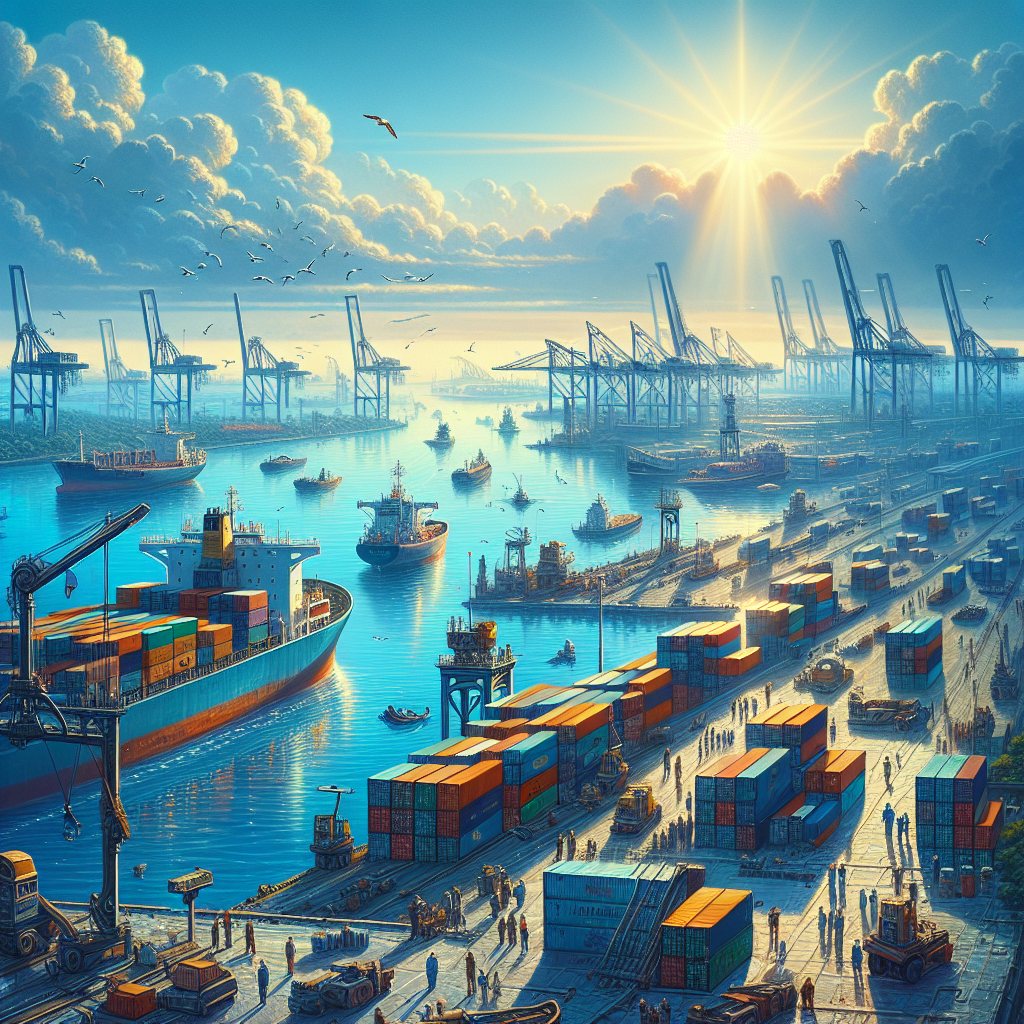
The Maritime Sector in India: Opportunities and Challenges for Professionals India, the world’s most populous nation and one of the fastest-growing economies, has launched ambitious policies to strengthen its position in the global maritime sector. With a goal to become the third-largest global economic power by 2030, the Indian government has identified the maritime sector as a strategic pillar for its growth. This focus aims to not only expand the country’s import and export capacity but also boost its shipbuilding and ship recycling capabilities. The Indian government’s commitment to the maritime sector is evident in its efforts to increase the country’s share of the global seafarer workforce from the current 12% to 20% in the coming years. This objective reflects not only a desire for economic security but also a strategic step towards global leadership in a critical sector for international trade. India has long been a key destination for ship recycling, handling approximately one-third of the world’s total tonnage between 2004 and 2024. With well-prepared facilities to comply with the upcoming Hong Kong Convention for ship recycling, set to come into force in June, India is well-positioned to lead this industry under stricter environmental standards. The Maritime Trade Engine: Key Imports and Exports India’s maritime trade has seen significant growth. Imports have increased at an annual rate of 2.9% over the last decade, reaching 830 million tonnes in 2024, representing 7% of the global total and placing India immediately after China. This growing volume underscores India’s importance as the world’s second-largest importer of critical commodities such as coal, crude oil, and LPG. On the export front, though more moderate, there has been progress in petroleum products, minor bulk cargoes, and containers, offsetting the decline in iron ore. With around 225 million tonnes exported in 2024, India ranks as the tenth-largest exporter globally, a significant achievement that helps stabilize its balance of payments and strengthen its domestic economy. The increasing volume of maritime trade creates a constant demand for efficient port infrastructure. India’s over 80 ports, with Mundra leading the way, handled around 70,000 vessel calls last year, underscoring the need for ongoing investments in operational and technological improvements. Shipbuilding and Recycling: Growth Opportunities and Challenges India aims not only to expand its import and export capacity but also to assert its presence in shipbuilding. Currently, the country ranks 19th globally in terms of fleet capacity but aspires to have a fleet of 100 million GT by 2047. This ambitious goal reflects India’s commitment to becoming a hub for ship construction and repair. With a robust track record in the shipbuilding sector, the government’s aim is to position India among the top ten shipbuilding countries by 2030 and among the top five by 2047. While the competition is fierce, India sees opportunities in smaller vessels and green projects, which could receive a boost from government policies promoting fleet renewal and technological improvements. The initiatives also emphasize energy efficiency and renewable energies in ports, aligning with global sustainability trends. This approach not only meets the international demand for cleaner practices but also opens up a new range of opportunities for professionals in the sector in areas such as engineering, port management, and green technologies. Relevance for Maritime Professionals: Opportunities and Projections India’s drive in the maritime sector offers significant opportunities for merchant navy professionals, investors, and nautical enthusiasts. Firstly, the expansion of the fleet and the increase in imports and exports create a growing demand for qualified personnel and associated services. This translates into job opportunities for seafarers, naval engineers, and logistics managers, among others. Secondly, companies operating in shipbuilding and repair can benefit from favorable policies for the development of innovative and more efficient projects. The focus on ecological technologies not only has positive implications for the environment but also offers a new field of development for companies and professionals who innovate in this area. Lastly, investors can find in India an emerging market with significant return potential. With government support and economic growth forecasts, the Indian maritime sector presents itself as a fertile environment for strategic investment in sustainable infrastructures and technologies. Conclusion: India as a Player in the Global Maritime Future India’s focus on strengthening its maritime sector not only highlights its role as a key player in international trade but also provides a robust platform for sustainable economic growth. As the country continues to implement its ambitious plans, new horizons will open up for maritime professionals willing to embark on this transformational journey. For those interested in being a part of this evolution, now is the time to explore opportunities and send their resumes to companies involved in this exciting development. With a blend of tradition and modernity, India emerges as an emerging leader in the global maritime arena, setting a trend that will redefine the future of navigation and global trade.
The eSAIL Suction Sails: Revolutionizing the Maritime Industry

The eSAIL Suction Sails: Revolutionizing the Maritime Industry In a sea of technological transformations, the maritime industry is sailing full speed ahead to embrace sustainable solutions. The Spanish company bound4blue, specializing in auxiliary wind propulsion systems, has taken a significant step in this direction with the successful installation of its innovative eSAIL suction sails on the Pacific Sentinel tanker operated by Eastern Pacific Shipping (EPS). This advancement is a testament to the sector’s commitment to the environment while also offering economic and employment opportunities. The eSAIL suction sails, with their optimized aerodynamic profile and intelligent suction system, promise to revolutionize how vessels harness the wind. Designed to be easy to install, operate, and maintain, these sails have a minimal number of moving parts, reducing maintenance costs and making them suitable for almost any type of ship. This technology is not only an engineering achievement but also a wake-up call for all shipping companies looking to reduce their carbon footprint. The project was carried out at the Besiktas shipyard in Turkey, where the three sails, each 22 meters high, were installed in less than three days during a scheduled dry docking of the vessel. This highlights the efficiency of the process and the adaptability of modern engineering to the needs of current navigation. Competitive Advantages in the Maritime Sector The installation of eSAIL sails on the Pacific Sentinel provides shipping companies with a clear competitive advantage. With an estimated fuel savings of 10% depending on the route, the economic implications are evident. As environmental regulations become increasingly stringent, emissions reduction is not only desirable but essential for the long-term viability of the maritime sector. For merchant navy professionals, this innovative solution represents a shift in operational and labor dynamics. The new skills required to operate and maintain this type of technology open the door to job and training opportunities in an industry that is constantly evolving. Job opportunities and training in sustainable maritime technology. Ensuring compliance with environmental regulations. Competitive advantages for shipping companies. From the perspective of maritime investors, the adoption of sustainable technological solutions is a clear sign of potential growth. Companies that implement environmentally friendly innovations can not only benefit the planet but also secure their position in an increasingly competitive market, increasing their appeal to investors committed to ESG criteria (environmental, social, and governance). Routes and Regulations: Navigating a New Horizon The installation of wind systems like eSAIL also poses regulatory challenges that must be addressed to ensure success. In the case of the Pacific Sentinel, collaboration with the American Bureau of Shipping (ABS) was crucial. ABS provided the “wind-assisted” notation, ensuring that the sails met the necessary safety and classification standards. This compliance is not only crucial for the safe operation of ships but also aligns shipping companies with important regulatory frameworks such as the ETS Directive, the Maritime FuelEU Regulation, and the IMO’s CII. In addition, these innovations have the potential to redefine traditional maritime routes. Challenges and opportunities in implementing wind-assisted propulsion systems. Regulatory frameworks and safety standards for innovative maritime technologies. The use of wind not only promotes sustainability but can also influence route selection, optimizing times and reducing costs. Companies leading this change will not only increase their operational efficiency but also position themselves as leaders in the shift towards greener navigation. Opportunities and Future on the Horizon The maritime transport industry is at a crossroads where technological innovation offers new opportunities for everyone involved, from engineers and sailors to investors. Projects like the installation of suction sails on commercial vessels are a clear signal that the transition to a more sustainable future is possible and profitable. Companies wishing to be part of this evolutionary and revolutionary trend have the opportunity to strategically position themselves and capitalize on these technological advances. Initiatives like those of bound4blue are not only a significant contribution to the global challenge of climate change but also underscore the need and benefit of adapting and adopting new technologies in the nautical sector. Direct and indirect economic and environmental benefits of sustainable maritime technologies. Promoting research and development in the maritime industry. Strategic positioning for companies investing in sustainable maritime solutions. Exploring Beyond the Horizon For those interested in the intersection of technological innovation and sustainability in maritime transport, the potential of eSAIL suction sails is a fascinating area to continue exploring. The possibilities offered by this technology are vast and promise to reshape the industry in the coming decades. Readers are encouraged to delve deeper into the knowledge of these emerging trends. Information is power, and understanding the technologies that will guide the future of navigation is essential to staying ahead of the curve.
The Rise of Maritime Passengers: A New Horizon for Nautical in 2025

The Rise of Maritime Passengers: A New Horizon for Nautical in 2025 Trends in Passenger Movement: A Promising Start to the Year According to recent data published by Ports of State, the first months of 2025 have seen a significant increase in passenger movement in Spanish ports, reaching historical figures and marking a milestone in the maritime industry. In January 2025, a total of 2.4 million passengers (Mpax) passed through the general interest ports in Spain. This number represents a 10.4% increase compared to the same period the previous year. This growth is divided between two main segments: regular lines, which increased by 6.0% with 1.6 million passengers, and cruises, which experienced a spectacular 20.5% increase with 0.8 million passengers. These figures not only surpass previous years’ records but also set a new record for January, suggesting an exceptional year for maritime tourism and associated services. This surge in passenger traffic reflects a recovery and renewed dynamism in the maritime sector, influenced by a series of economic and social factors. The growing popularity of cruises as a vacation option and the expansion of regular line routes significantly contribute to this phenomenon. For industry professionals, this upward trend offers multiple growth and investment opportunities. Innovations and Opportunities in Freight Transport The movement of goods in Spanish ports, despite some fluctuations, remains a crucial component of the maritime economy. In January 2025, 41.9 million tons (Mt) of goods were handled, a figure that represents a 6.1% decrease from the previous year. However, within this framework, the 1.7% increase in general cargo movement marks a positive aspect and highlights the sector’s resilience. Liquid and solid bulk, which recorded declines of 10.8% and 18.3% respectively, reflect specific challenges for the industry, possibly linked to changes in global demand and logistical adjustments. However, general cargo, especially those transported in containers, shows a slight upward trend, with a 1.2% increase, highlighting the efficiency and adaptability of modern transport routes. Technological innovation in logistics and continuous improvement of operational processes in ports are key factors supporting the growth of freight movement. Companies looking for job opportunities in this field may find a conducive environment for the implementation of new technologies and procedures, which can have a positive impact on operational efficiency and sector sustainability. The Economic and Labor Impact: A Horizon of Growth The increase in passenger and cargo traffic not only benefits the maritime industry in terms of volume and profitability but also has a significant impact on the overall economy. The growth in passenger traffic and goods movement drives tourism, hospitality, and other related sectors. Additionally, the maritime sector is a significant job generator. With the record reached in passenger traffic, companies involved in cruise and regular line operations are in a position to expand their workforces. This is encouraging news for maritime sector professionals, who may find new opportunities for career development. The increase in ro-ro vessel traffic, with a 4.2% increase from the previous year, also points to a positive dynamic in the transportation of vehicles and heavy goods, opening up possibilities for investments in port infrastructure and cutting-edge technologies. Companies looking to hire new talent should consider this juncture as an opportunity to strengthen their teams with skilled professionals. Challenges and Future Perspectives for the Maritime Sector Despite the optimism generated by the growth figures in passenger traffic, the maritime sector faces considerable challenges, especially regarding sustainability and adaptation to new international regulations. The fluctuation in the handling of liquid and solid bulk underscores the need for greater agility to respond to global market trends. Focus on sustainability is more relevant than ever. In a context where environmental regulations are becoming stricter, ports and maritime sector companies must adopt sustainable practices and green technologies to reduce their carbon footprint. This trend is not only necessary to comply with regulations but also represents an opportunity to lead the transition to a greener maritime sector. In view of these challenges, investment in training and personnel development is crucial to prepare the workforce to face and overcome future challenges. Companies should encourage professionals to enhance their technical skills and explore new areas within the sector, ensuring they are equipped to embrace innovation and lead change. Conclusions: A Promising Future for Nautical The evolution of the maritime sector in Spain during the first months of 2025 has proven to be promising, with historic growth in passenger movement and robust performance in cargo handling. Despite the current challenges, opportunities abound for professionals and companies willing to innovate and adapt to a constantly changing environment. The surge in passenger and cargo traffic is not only an indicator of post-pandemic economic recovery but also highlights the crucial role of the maritime industry as a driver of economic development and job creation. For investors, sailors, and sector professionals, this is the ideal time to explore new avenues of growth and collaboration. We invite readers of WishToSail.com to closely follow these trends, consider job opportunities in the sector, and actively participate in discussions about the future of nautical.
Revitalization of Maritime Routes: The “Al Andalus Express” Reopens Horizons in Algeciras
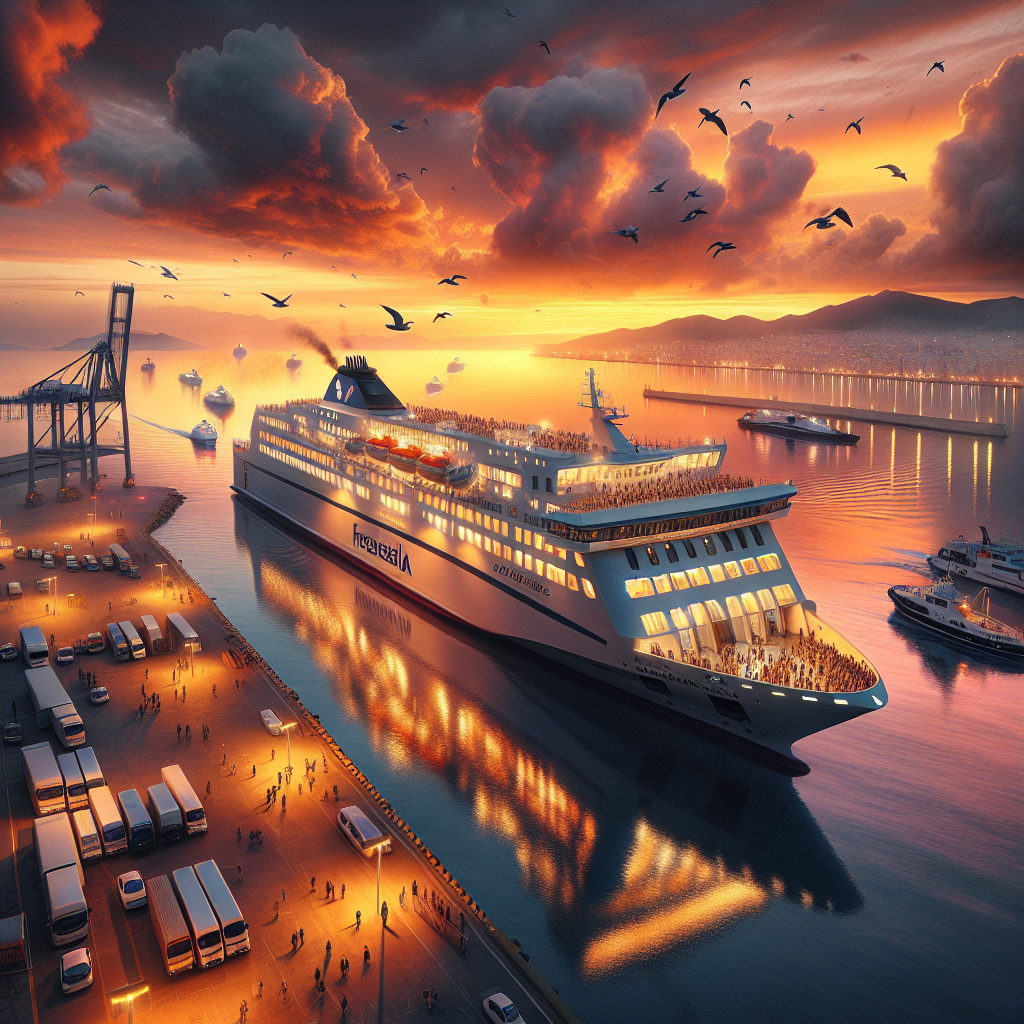
Revitalization of Maritime Routes: The “Al Andalus Express” Reopens Horizons in Algeciras The maritime sector is constantly evolving, and the latest strategic move by Armas Trasmediterránea is no exception. Recently, the company has decided to charter the ferry “Al Andalus Express” to the company DFDS, closing a circle that began when the ferry was introduced in the south by the same DFDS. This event highlights how alliances and relocations can redefine commercial and operational perspectives within the sector. The “Al Andalus Express”, built in 1987 in France, is a key piece in Armas’ operational strategy. With a capacity for 1,275 linear meters of cargo, 215 passengers, and 150 vehicles, this ferry not only expands the logistical capabilities of the company but also responds to the need to replace the “Kattegat”. The fall of the latter from the operational schedules has driven the incorporation of the “Al Andalus”, which could mean new job opportunities for professionals in the sector. For maritime investors, understanding these movements is vital. The reactivation of routes or the relocation of ships like the “Al Andalus” can indicate changes in market demand or logistical conditions, which in turn influences investment decisions. Additionally, for sailors and enthusiasts, the arrival of these ferries represents an opportunity to experience renewed technologies and operations in the maritime transport sector. One of the most notable features is its gross tonnage of 14,411 tons, which allows it to handle a wide range of maritime operations. This aspect is crucial for those working in maritime logistics, as it ensures greater efficiency in fuel usage and cargo capacities, ultimately reducing operating costs and improving operational sustainability. The impact of these developments on the sector is not limited to operational efficiency. It also provides an entry point for new technologies in fleet management and predictive maintenance. Industry professionals could greatly benefit from these innovations, both in terms of safety and operability, making the “Al Andalus Express” a model to follow for future industry changes. Innovations and Capabilities of the “Al Andalus Express” Eslora: 160 meters Manga: 22.4 meters The arrival of the “Al Andalus Express” in Algeciras not only marks a new era for the operations of Armas Trasmediterránea but also for the local job market. With the increasing demand in the maritime transport sector, the reactivation of routes and the incorporation of new ships signify a potential expansion in the employment offerings for sailors, engineers, and operations personnel. Companies operating in the region are constantly seeking qualified personnel to join their teams. Readers looking for employment opportunities or wishing to change course in their careers could find in Armas and DFDS a path full of possibilities. Similarly, the incorporation of this ferry could attract the attention of other companies interested in establishing similar operations, thus expanding the job market. For merchant marine professionals, this relocation represents an exciting development in terms of work experience and professional growth. They will not only have the opportunity to work on a modernized ferry but also participate in the transformation of the maritime routes in the region, contributing to the growth and sustainability of the sector. Employment Opportunities on the Algeciras Route The maritime transport sector faces continuous challenges in terms of sustainability, efficiency, and technology. The relocation of the “Al Andalus Express” is part of a broader approach to address these challenges by optimizing resources and implementing advanced technologies. By adapting to the changing market needs, companies can not only improve their operations but also reduce their carbon footprint. Lastly, the ability of companies to respond to these challenges will depend largely on their willingness to invest in new technologies and in the development of the human capital necessary to operate them. The story of the “Al Andalus Express” is a reminder that in maritime transport, opportunities and challenges often go hand in hand, and that preparedness and adaptability are key to long-term success.
The Strategic Acquisition of Global Container International by Triton International
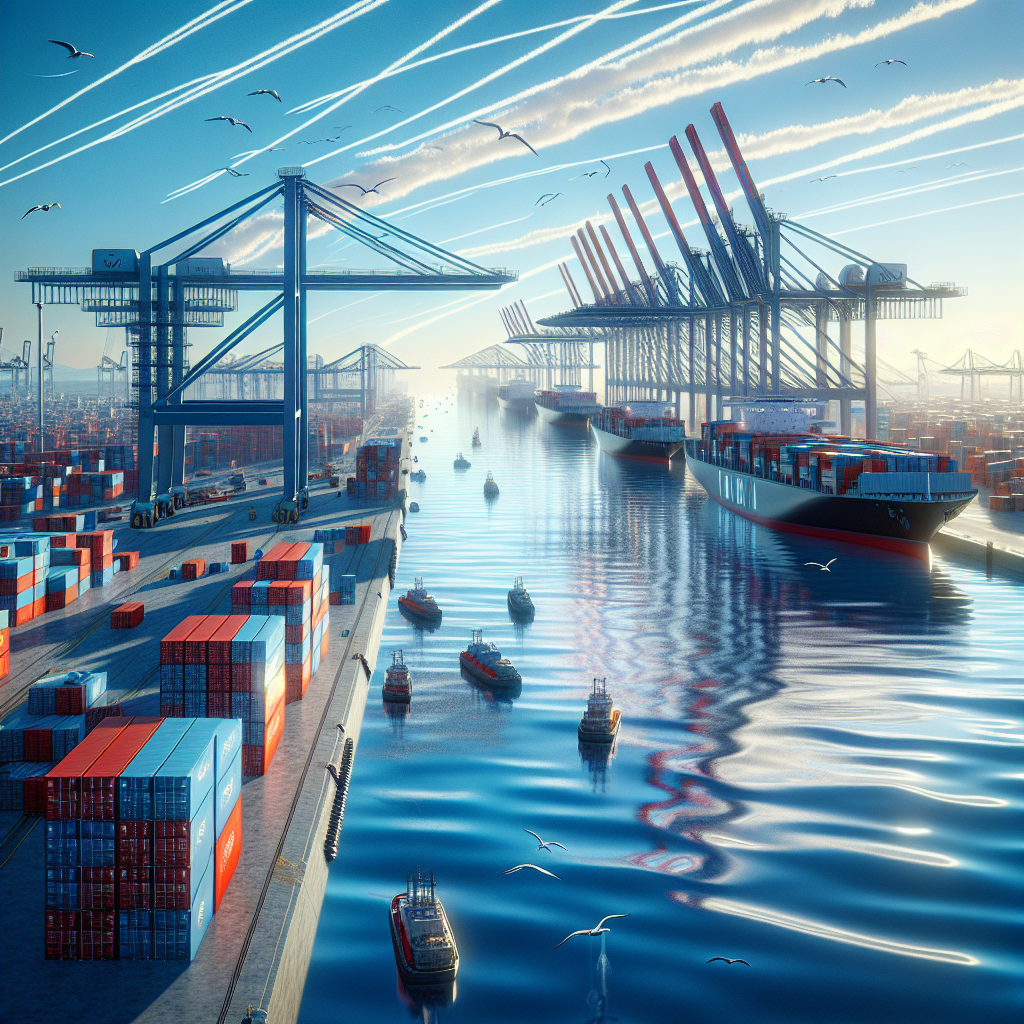
The Strategic Acquisition of Global Container International by Triton International Triton International is making significant strides in the maritime industry with the strategic acquisition of Global Container International. This move is set to shape the future of global maritime transportation, highlighting Triton’s commitment to playing a central role in the sector. Global Container International LLC (GCI) was established in 2018 by a team of experienced container industry executives and has quickly grown thanks to its partnership with investment vehicles managed by Wafra. The acquisition of GCI by Triton is a strategic move that leverages GCI’s expertise accumulated in a short period, positioning Triton as a market leader. This acquisition not only strengthens Triton’s financial and operational position but also paves the way for significant technological innovations within the sector. These innovations aim to optimize container transportation operations, improve efficiency, and reduce carbon footprint, aligning with the industry’s increasing focus on sustainability. Triton’s acquisition of GCI reinforces its financial and operational standing Integration of GCI’s assets allows Triton to optimize operations and reduce carbon footprint Introduction of technological innovations for more sustainable container transportation The maritime industry has been under pressure to reduce emissions and comply with stricter environmental standards. Through the adoption of clean energy technologies, optimization of routes, and leveraging artificial intelligence and big data, Triton and GCI could lead the way towards a more sustainable future in container transportation. Investors in the maritime sector now have the opportunity to support a company focused on sustainable growth. Triton’s emphasis on innovation and sustainability makes it an attractive investment in the increasingly competitive and environmentally conscious global market. The merger between Triton and GCI not only has strategic implications for the companies involved but also opens up opportunities for professional growth and job creation within the maritime sector. Triton’s expansion will require skilled personnel in various areas, offering professionals the chance to explore new career paths. Expanding operations create job opportunities in container management, logistics, and data analysis Professionals can explore opportunities in operations management, sustainable development, and emerging technologies Triton’s commitment to innovation and continuous development creates an exciting work environment for professionals From a broader perspective, the merger between Triton and GCI not only impacts the directly involved professionals and companies but also has significant implications for the nautical community as a whole. Optimized routes and improved container transportation efficiency can positively affect global availability and cost of goods. Furthermore, the adoption of sustainable practices by industry leaders like Triton can encourage other companies to follow suit, contributing to a more responsible and environmentally friendly maritime industry. This collaborative approach towards sustainability can catalyze positive change in the sector, benefiting individual companies, the global economy, and the environment. In conclusion, Triton’s acquisition of GCI marks a significant event in the maritime industry, with the potential to bring about positive changes on multiple levels. From technological innovation to environmental sustainability and job opportunities, this operation promises tangible benefits for all stakeholders. As we move towards the completion of this acquisition, it is important to recognize the impact and opportunities it presents for maritime professionals, investors, and nautical enthusiasts. Triton is well-positioned to lead the way towards a more efficient and sustainable maritime sector, and all stakeholders would do well to closely monitor how these developments unfold.
The Challenge of Skilled Labour Shortage in the Maritime Industry
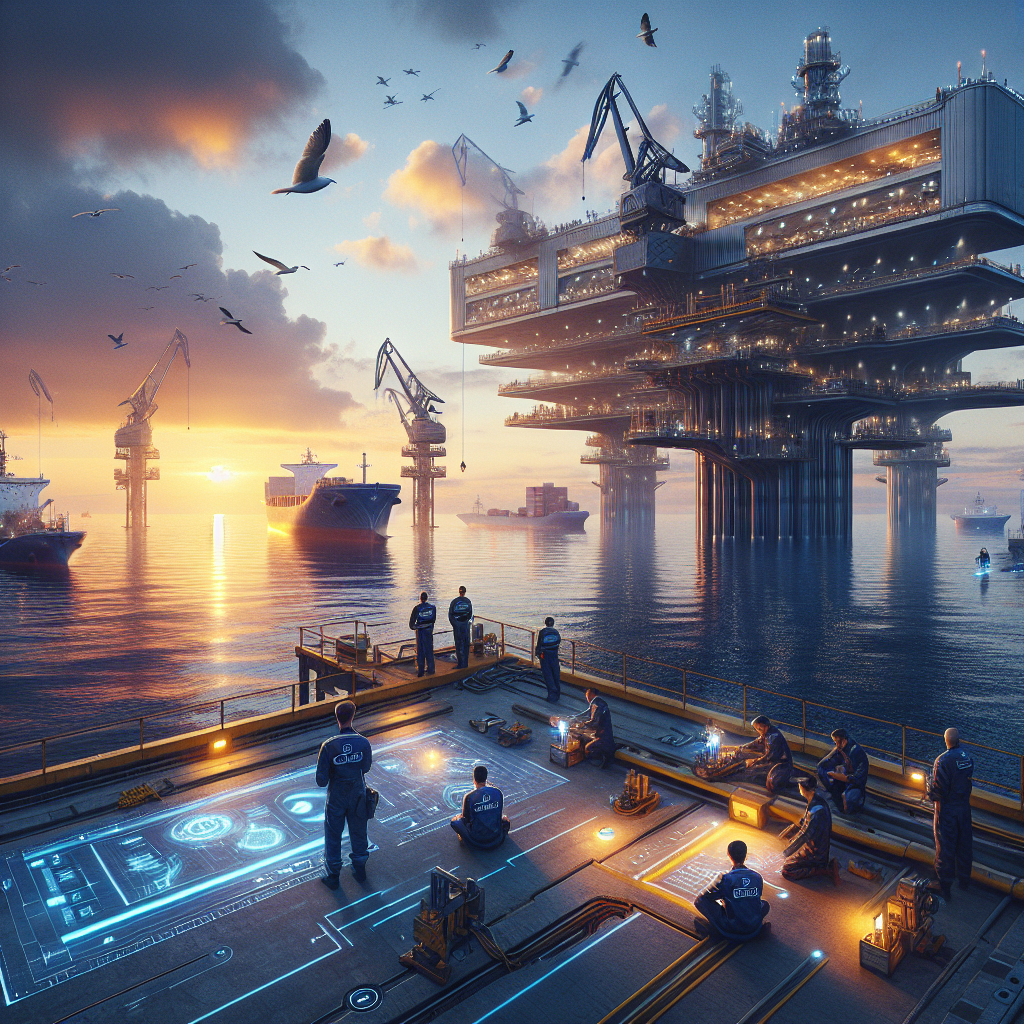
The Challenge of Skilled Labour Shortage in the Maritime Industry The maritime industry is facing a significant challenge: the shortage of skilled labor. In a sector where precision and experience are vital, this deficit threatens to delay shipbuilding schedules and jeopardize essential operations. The problem not only affects production but also the innovation and efficiency that characterize this industry. This phenomenon is not isolated but rather a trend that has been brewing for some time, where factors such as the aging workforce and the lack of trained new talent have contributed to a complex landscape. The industry is desperately seeking innovative solutions to overcome this obstacle that threatens global competitiveness. In the midst of this situation, a strategic collaboration emerges in the form of an initiative by Orion Talent and BlueForge Alliance (BFA), aiming to recruit and train the next generation of professionals to fill these critical roles in the Maritime Industrial Base (MIB). Strategic Collaboration for Maritime Talent Acquisition Orion Talent, known for its recruitment expertise, has partnered with BlueForge Alliance, an organization dedicated to talent training and acquisition. This agreement, financially supported by the Navy, highlights its strategic importance for the future of the naval industry. The main goal of this collaboration is to attract and recruit exceptional talents to fulfill crucial roles within the Maritime Industrial Base. The strategy focuses on identifying and training new talents who can quickly integrate and fill the existing gaps in the naval workforce. The initiative not only revolves around recruitment but also places significant emphasis on training. The aim is to educate candidates on advanced technologies and modern construction methods to ensure that the naval industry not only survives this shortage but also thrives. Impact of Cutting-Edge Technologies in the Maritime Sector The integration of advanced technologies is an essential component of this renewal strategy. Automation, robotics, and the use of artificial intelligence are transforming the way ships are built, requiring entirely new skills from the future workforce. These technologies not only enable more efficient and faster construction but also enhance the quality and safety of vessels. However, to fully leverage these innovations, highly skilled personnel are needed to handle these tools and adapt to a rapidly evolving environment. Training in these areas benefits both the industry and employees by providing valuable and transferable skills, opening up new professional opportunities and enhancing careers within the maritime sector. Employment Opportunities and Call to Action In this context, the initiative by Orion Talent and BlueForge Alliance not only serves as a solution to the labor shortage problem but also presents significant job opportunities. The demand for qualified personnel opens doors for those looking to start or advance in a career in naval engineering and related areas. Companies involved in this collaboration are open to receiving resumes from candidates interested in joining this vital sector. The range of available roles spans from specialized technicians to engineers and IT professionals, all crucial for the continued success of the Maritime Industrial Base. For maritime professionals, this is a unique opportunity to engage in an industry that is not only at the heart of global trade but also on the cusp of a technological revolution. Those who train and integrate into this sector now will be ideally positioned to be leaders in the future. A Promising Future: Innovation and Employment in the Merchant Navy The joint initiative by Orion Talent and BlueForge Alliance represents a hopeful path for the Maritime Industrial Base. By moving towards a more sustainable and technologically advanced model, the industry is not only addressing current challenges but also preparing for a future full of opportunities. The collaboration ensures a steady flow of prepared and motivated professionals capable of carrying out ambitious projects and ensuring that the industry remains competitive globally. For maritime investors, it ensures that their investments will be supported by a highly skilled workforce adapted to the latest technological advances. In conclusion, the alliance between Orion Talent and BlueForge Alliance is a proactive response to the shortage of skilled labor, marking a milestone in the evolution of the maritime sector. It is a call to all professionals and nautical enthusiasts to participate and capitalize on the opportunities that this industrial renewal offers, fostering a stronger, more innovative, and dynamic nautical sector.