


The Rebirth of the Ferry “Ciudad de Mahón” on the Almería-Nador Route
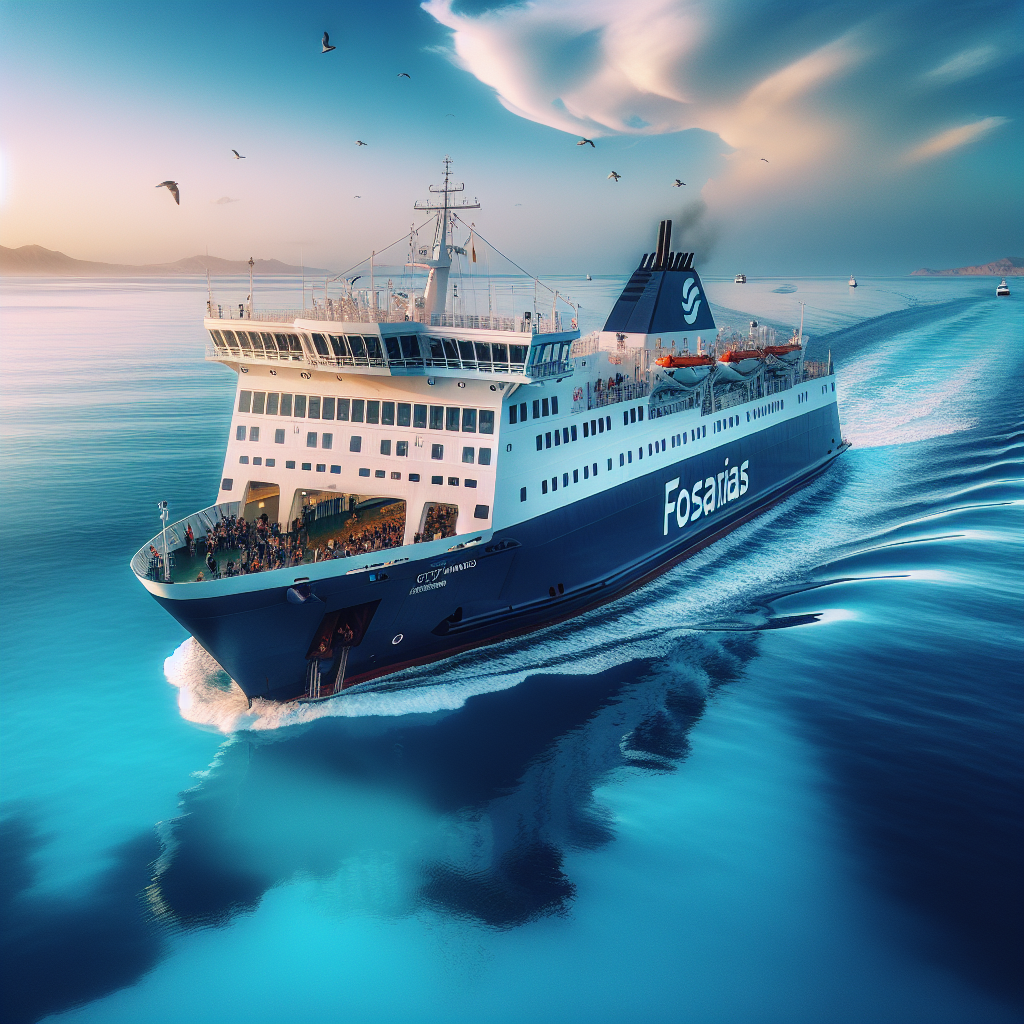
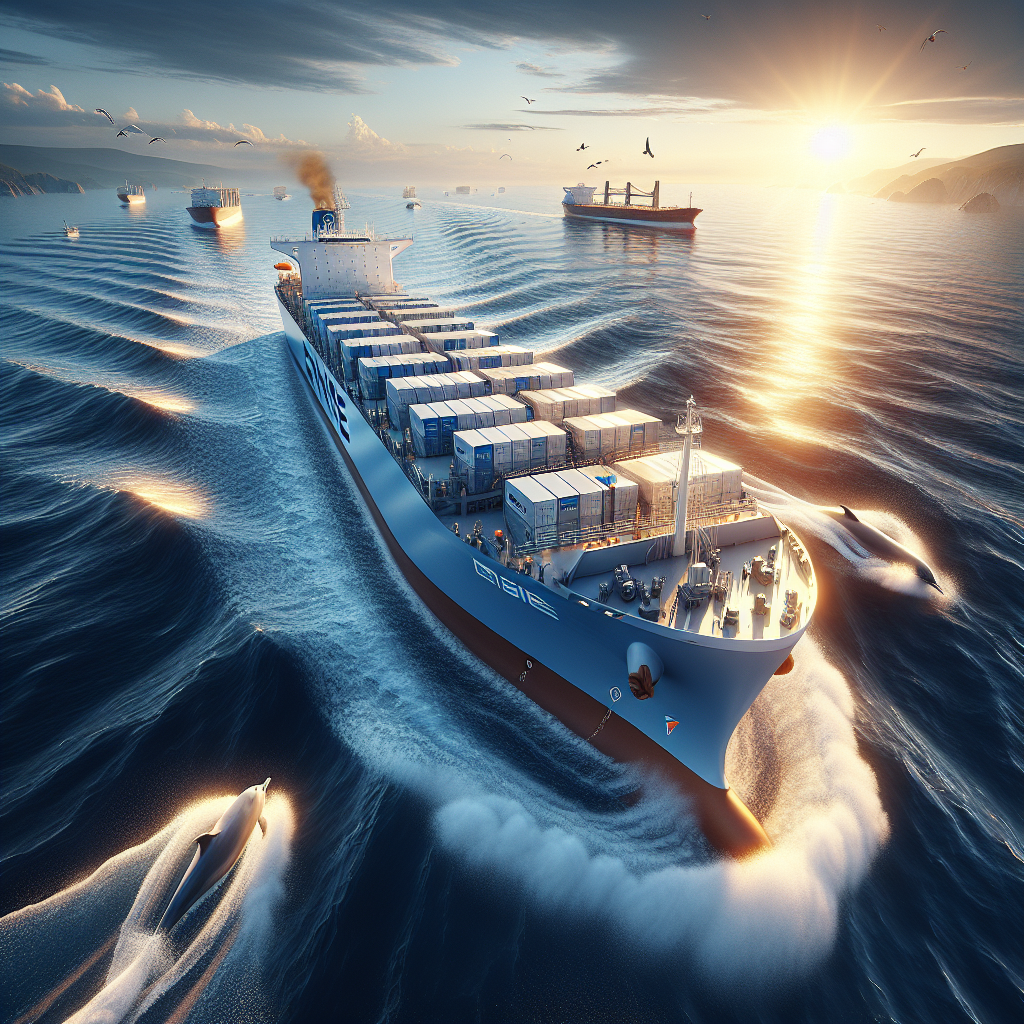
The Rebirth of the Ferry “Ciudad de Mahón” on the Almería-Nador Route The ferry “Ciudad de Mahón” has made a triumphant return to the waters between Almería and Nador after undergoing a complete renovation at the Navantia Cádiz facilities. This vessel, previously known as “Volcán de Tijarafe,” has been chartered by the well-known shipping company Baleària. With a new corporate image and all the latest technological improvements, the “Ciudad de Mahón” is ready to offer exceptional service on this important maritime route. Originally built by Barreras in 2008, the ferry boasts impressive technical specifications. With a length of 154.35 meters and a beam of 25.6 meters, the “Ciudad de Mahón” can reach speeds of up to 24.5 knots. Additionally, its cargo capacity of 1,500 linear meters and the ability to carry up to 1,000 passengers make it an ideal option for both freight and passenger transport. This comeback not only signifies a milestone for Baleària but also presents a key opportunity for maritime industry professionals. It not only enhances connectivity between Spain and Morocco but also opens up new job prospects. Those interested in being part of this exciting project can submit their resumes to Baleària, a company known for its innovation and commitment to excellence. Technological Innovations and Sustainability Onboard The recent refurbishment of the “Ciudad de Mahón” has incorporated cutting-edge technologies that not only enhance the ferry’s operations but also improve its sustainability. In a bid to reduce its carbon footprint, the vessel has been equipped with advanced energy-efficient systems that minimize fuel consumption and reduce harmful emissions. Baleària’s commitment to the environment is a clear example of how technological innovation can align with sustainability goals. The integration of these technologies not only benefits the environment but also enhances the ferry’s operational efficiency, resulting in a more reliable and cost-effective service. Furthermore, these innovations solidify Baleària’s position as a leader in the maritime industry. Navigators who prioritize sustainability and technology will find in this route a benchmark to follow. This approach not only attracts industry professionals but also provides maritime investors with an opportunity to participate in a project that embodies the future of seafaring. Impact on the Maritime Industry and Economic Opportunities The relaunch of the “Ciudad de Mahón” on the route between Almería and Nador represents more than just a technological advancement; it symbolizes significant economic expansion for both regions. This connection enhances trade, facilitates tourism, and strengthens economic ties between Spain and Morocco. Cargo shippers and carriers will benefit from a more efficient maritime route, reducing costs and transit times. The revival of this route also has direct implications for the local economies of Almería and Nador. The increase in maritime traffic will create a greater demand for local labor, from port operators to onboard personnel, thereby offering multiple employment opportunities on both sides of the strait. Lastly, for investors, this revamped route offers an attractive return on investment perspective. The stability and growth of maritime traffic in this area make investing in port infrastructure or related services a savvy decision, with long-term growth potential that should not be underestimated. The Future of the Almería-Nador Route The return of the “Ciudad de Mahón” on the Almería-Nador route marks just the beginning of a new era in maritime traffic between Europe and Africa. As economic and commercial relations continue to strengthen, the demand for efficient and sustainable transportation continues to rise, positioning this route as a key corridor in the Mediterranean. Furthermore, the digitization of the maritime sector promises to further revolutionize operational efficiency. From cargo management to passenger bookings, the integration of digital solutions is crucial to optimizing operational flow and enhancing the user experience. Companies that embrace these innovations will be better positioned to lead the market in the coming years. In conclusion, the “Ciudad de Mahón” is more than just a ferry; it is a symbol of progress and the opportunities that abound in the maritime sector. With its renewed operations, it represents a great opportunity for professionals and investors interested in being part of a more sustainable and connected future in the maritime realm.
Innovations in the Maritime Sector: How Werner Enterprises Leads with its Fleet of Excellence
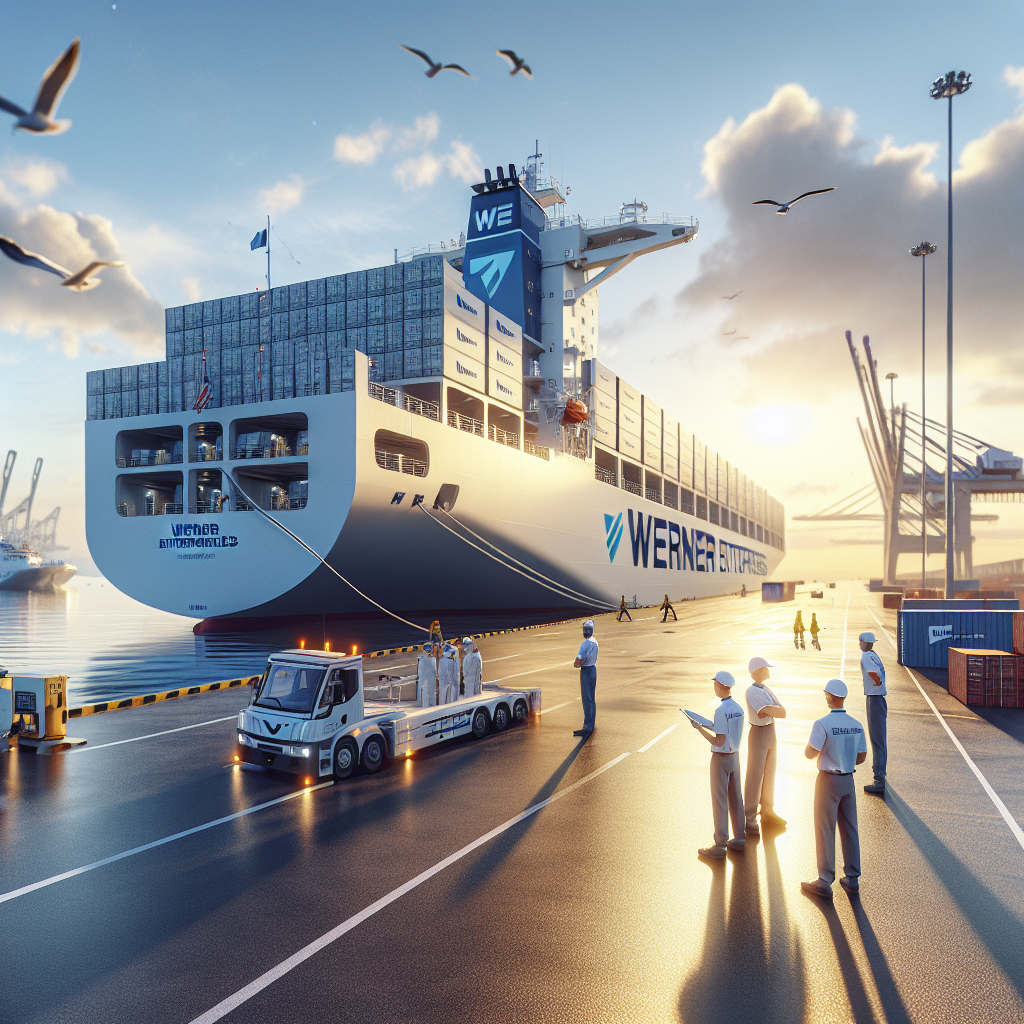
Innovations in the Maritime Sector: How Werner Enterprises Leads with its Fleet of Excellence Introduction to a New Era in Maritime Transport The maritime and logistics transport industry is undergoing an unprecedented transformation, marked by innovations that promise to redefine efficiency and well-being for professionals in the sector. Werner Enterprises, Inc., a prominent provider of transport and logistics solutions, has been recognised as an Elite Fleet by the Truckload Carriers Association (TCA) for the year 2025. This pioneering designation focuses on companies that have shown exceptional commitment to creating optimal work environments and innovative practices that empower their professional drivers. In a context where competitiveness and sustainability are crucial, the Elite Fleet distinction represents a step forward not only for Werner Enterprises but also for the entire maritime industry. This is of interest to various stakeholders in the sector, from merchant marines to maritime investors and nautical enthusiasts. Werner’s ability to lead in this field not only speaks to effective business management but also underscores the importance of innovation and human development in the maritime sector. It is essential to understand what makes a company worthy of such recognition. The answer lies in a series of practices that integrate advanced technology, employee well-being strategies, and a clear vision for the future, serving as an example for other companies in the sector looking to improve both their operational efficiency and employee satisfaction. Technological Innovations and Pioneering Work Practices Werner Enterprises has implemented a range of technological innovations that position it at the forefront of maritime transport. Among these are advanced fleet management systems that optimise maritime routes and improve fuel efficiency. These tools not only reduce environmental impact but also ensure a more profitable and sustainable operation. Additionally, the company has adopted real-time tracking technologies that allow its drivers and managers to accurately track vessels. This not only enhances safety at sea but also provides customers with unprecedented transparency about the status of their shipments, adding significant value to customer service. Advanced fleet management systems Real-time tracking technologies In terms of work practices, Werner has strived to create a work environment where safety and employee well-being are paramount. Competitive compensation policies and continuous training programs are essential in attracting and retaining top talent in the industry. Werner has demonstrated that taking care of its staff results in greater productivity and exceptional quality service, setting a precedent for other sector players. Opportunities for Maritime Sector Professionals Werner Enterprises’ designation as an Elite Fleet has a ripple effect on the maritime job market. For merchant marines and sailors, this recognition can open up new opportunities. The company is continuously seeking talent that shares its vision of innovation and service excellence. With the expansion of its fleet and the addition of new maritime routes, Werner represents a significant opportunity for those looking to advance their careers. Professionals interested are encouraged to submit their resumes as Werner not only offers outstanding working conditions but also the chance to be part of an organisation that is shaping the future of maritime transport. Opportunities for career advancement New maritime routes This type of opportunity not only benefits individuals but also contributes to the overall development of the sector, highlighting the importance of having qualified personnel with a proactive mindset. The Elite Fleet designation is proof that Werner not only cares about the growth of its business but also about the development of its employees and, therefore, the maritime sector as a whole. Relevance to the Maritime Community The significance of this recognition goes beyond a mere distinction. For maritime investors, sustainable practices and innovative technology use represent added value to their investments. Werner Enterprises emerges as a profitable and efficient business model, focusing on innovation, promising an attractive and sustainable return on investment. For nautical enthusiasts, Werner Enterprises’ evolution symbolises the future of navigation. The technological advances adopted by the company can be applied at different levels of the sector, from large commercial vessels to private yachts, increasing safety, efficiency, and reducing ecological impact. Finally, for the professional community, this distinction highlights the urgent need to constantly update and train, adapting to new technologies and work practices that are transforming the maritime industry. Werner Enterprises is leading this change, providing a roadmap for other companies looking to enhance their competitiveness and global impact. Conclusion: Inspiration for the Future of Maritime Transport Werner Enterprises’ designation as an Elite Fleet by the Truckload Carriers Association is a positive signal for the maritime sector. It reflects a commitment to excellence and innovation that can inspire other players to follow suit. Additionally, it offers sailors and professionals an exciting perspective on the possibilities and opportunities that the future of maritime transport can offer. This recognition invites us to reflect on the impact of innovative work and technological practices on operational efficiency and employee well-being. Werner Enterprises demonstrates that it is possible to lead by example, setting new standards in the industry and providing employees with a work environment that fosters personal and professional development. It is time for the maritime community to embrace these practices and work collectively towards a more sustainable, efficient, and humane future in navigation. For those interested in being part of this transformation, Werner Enterprises offers a gateway.
Green Tugs Revolutionizing the Texas Coast: A Sustainable Boost in the Maritime Industry
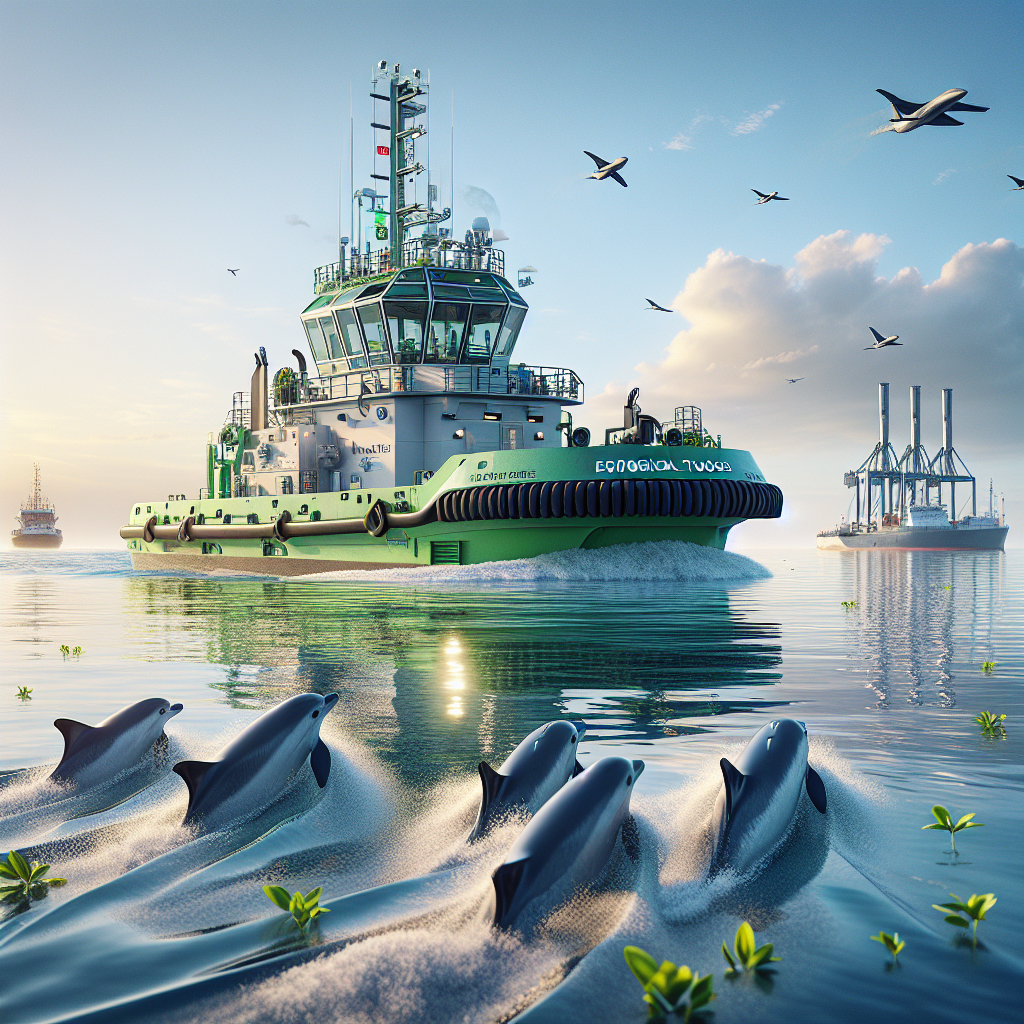
Green Tugs Revolutionizing the Texas Coast: A Sustainable Boost in the Maritime Industry The new era of sustainable towing Sustainability has become a prominent topic in all industries, and the maritime sector is no exception. In an effort to reduce their carbon footprint and move towards cleaner operations, Bay-Houston Towing has recently christened two innovative tugs: the May Louise and the George M. These vessels stand out for their eco-friendly design, aimed at improving operational efficiency along the Texas coast and minimizing environmental impact. The launch of these tugs not only represents a significant technological advancement but also a commitment to the environment. Equipped with state-of-the-art technologies, both ships are designed to operate with reduced fuel consumption and minimal emissions. This initiative positions Bay-Houston Towing as a leader in sustainable practices, demonstrating that progress and environmental preservation can go hand in hand. For maritime professionals, these tugs are an example of how technological innovation can translate into growth and adaptation opportunities. Integrating knowledge of green technology is now more relevant than ever, considering the growing demand for sustainable solutions in the sector. Technical features of the May Louise and George M tugs Both vessels are equipped with cutting-edge engines that optimize fuel consumption and reduce emissions. They meet and exceed international maritime pollution regulations, achieving unprecedented levels of energy efficiency in tugs of their category. The inclusion of hybrid propulsion systems is one of the highlights, allowing for alternating between electric and diesel propulsion, optimizing resource usage depending on operational conditions. The hull design of these tugs has been optimized to reduce water resistance, resulting in lower power requirements and therefore greater energy savings. For maritime engineers, this design optimization provides a clear example of how engineering can contribute to sustainable development. Impact and opportunities for the maritime community The introduction of the May Louise and George M tugs represents a great opportunity for sailors and maritime professionals. These tugs not only expand the operational capacity of Bay-Houston Towing but also create new job opportunities in the sector. The company has announced its intention to expand its workforce, so interested individuals can submit their resumes for the job openings that will arise from this project. For maritime investors, the sustainable prosperity of such initiatives underscores the economic viability of investments in green technologies. As pioneers in the use of hybrid propulsion systems in tugs, companies like Bay-Houston Towing are demonstrating that investments in renewable technology are not only ethically responsible but also profitable in the long run. In the recreational sphere, these technological developments offer nautical enthusiasts a glimpse of what to expect in the future of navigation. The adoption of sustainable practices not only preserves the marine environment for future generations but also opens up new avenues to enjoy the oceans responsibly and consciously. Relevance of tugs for the industry and the environment The launch of the May Louise and George M tugs is highly relevant in the maritime field for several reasons. Firstly, it represents a significant step towards a more sustainable industry. By reducing carbon emissions, these tugs actively contribute to the fight against climate change, a global priority. Secondly, it is an inspiring event for the sector as it demonstrates the potential to implement emerging technologies that promote positive change. Companies are increasingly interested in adopting sustainable practices, and the success of this project may encourage others to follow a similar path. Lastly, these developments provide an opportunity for professionals to stay informed about technological innovations and adapt to an ever-evolving job market. Understanding and mastering these technologies is not just advantageous but essential for those looking to excel in the competitive world of navigation. A promising future for eco-friendly navigation Conclusions and future prospects are optimistic. Bay-Houston Towing has set a precedent in the industry with the addition of the May Louise and George M tugs, demonstrating that it is possible to move towards a future where sustainability and operational efficiency coexist harmoniously. This step benefits not only the environment but also prepares the industry to face future challenges with innovative solutions. Maritime professionals, investors, and nautical enthusiasts should view this news as a call to action to explore new opportunities and continue learning. Training in sustainable technologies and adapting to new environmental regulations will become crucial factors for success in the sector. In summary, the technological development of the May Louise and George M tugs opens a new chapter in the history of sustainable navigation, a chapter full of challenges but also enormous opportunities. Inviting the maritime community to join this transformation is essential to ensure a lasting, clean, and efficient legacy.
The Revolution of Gas Ships: New Opportunities on the Maritime Horizon
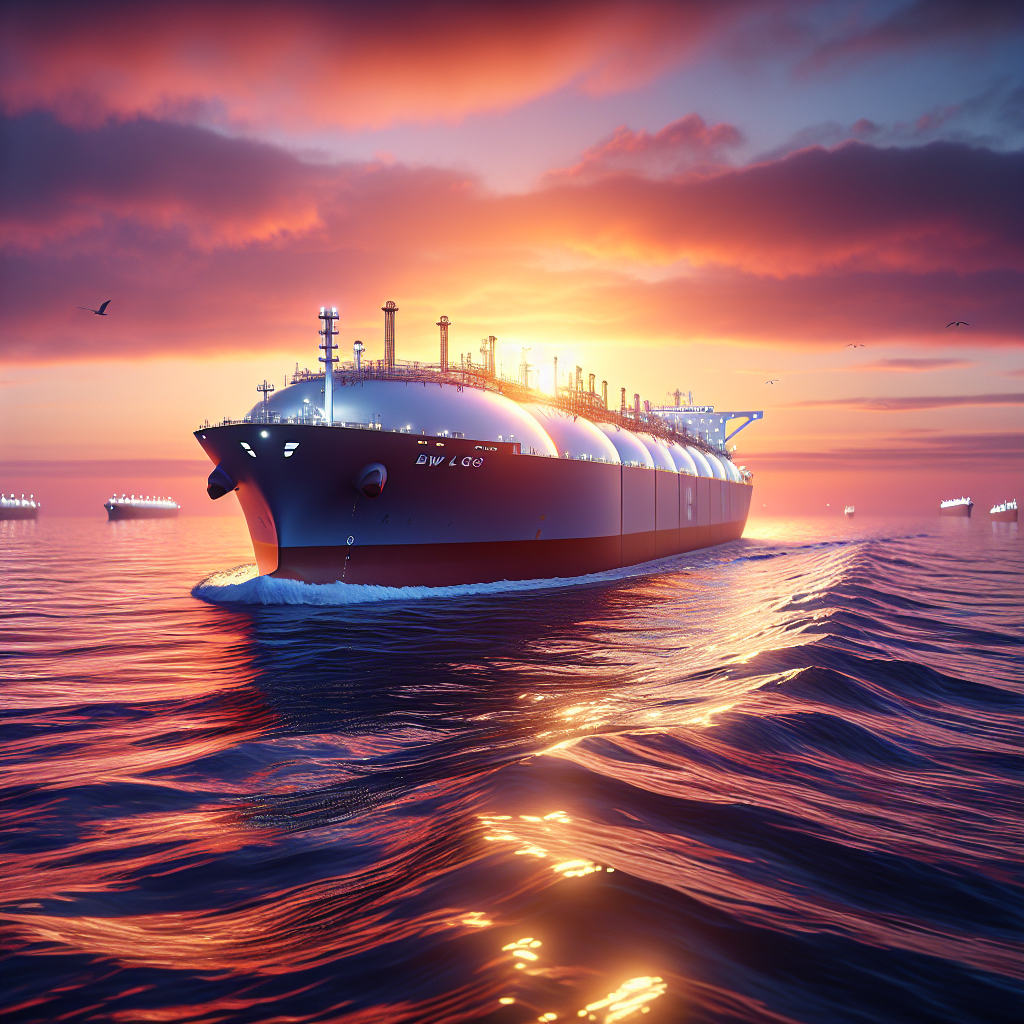
The Revolution of Gas Ships: New Opportunities on the Maritime Horizon In the dynamic world of maritime transportation, every step forward is a revolution in itself. As the industry adapts to technological changes and the growing global demand, significant opportunities emerge that not only transform daily operations but also offer new career perspectives for those navigating these waters. Recently, one of the most notable developments has been the acquisition of 12 modern Very Large Gas Carriers (VLGCs) by BW LPG, a milestone that promises to reshape the landscape of liquefied gas transportation. A Look at the Operation: Details and Magnitude of the Acquisition The recent acquisition of 12 VLGCs by BW LPG from Avance Gas Holdings Ltd. is not just a commercial transaction; it represents a strategic move designed to consolidate BW LPG’s position as a leader in liquefied gas transportation. This operation, partly funded by the issuance of 19.282 million new shares, underscores BW LPG’s confidence in the growth potential of the liquefied gas market, as well as its own ability to capitalize on this market. VLGCs are a type of specialized ship designed to transport large volumes of liquefied gas, and their demand has grown considerably due to the increase in global natural gas consumption. This acquisition not only expands BW LPG’s fleet but also strengthens its ability to meet this growing demand, ensuring a promising future for the company and its collaborators. For maritime professionals, this operation represents an opportunity to be involved in projects at the forefront of maritime technology and sustainability. Economic Impact and New Trade Routes in Maritime Commerce The financial aspect of the operation also offers interesting data. The Time Charter Equivalent (TCE) revenues for the fourth quarter of 2024 reached $37,900 per available day and $36,700 per calendar day. These figures not only reflect the profitability of BW LPG’s operations but also highlight the relevance of the strategy adopted to maximize the use of its assets. Additionally, the company has declared a cash dividend of $0.42 per share for the fourth quarter of 2024, representing 75% of the Net Profit After Tax (NPAT) in the maritime transport sector for that period. This dividend policy reflects solid financial management that will undoubtedly be attractive to maritime investors seeking reliable opportunities in a volatile market. The acquisition of these ships also has direct implications for planning new commercial routes, allowing BW LPG to explore new transportation routes that optimize delivery times and improve global logistics. Employment Opportunities and Professional Development on the Horizon The expansion of the VLGC fleet brings a series of job opportunities for those interested in being part of a growing industry. From technical personnel to crew members and operations managers, the need for qualified talent is evident, and BW LPG is in a privileged position to recruit the best professionals in the sector. Experienced sailors and young professionals eager to advance in their careers can take the first step towards an exciting professional trajectory by submitting a resume to companies like BW LPG. Industry companies at the forefront of this change are the ideal place to develop new skills and knowledge in an evolving maritime sector. Conclusions: A Necessary Transformation for the Future of Maritime Transportation The acquisition of the 12 modern VLGCs by BW LPG is not only a significant step for the company but also a call to action for the entire maritime industry. The integration of advanced technology, along with solid financial management and the development of new routes, shapes a future full of possibilities for global maritime transportation. This news serves as a reminder to maritime professionals, investors, and nautical enthusiasts that change is inevitable and that companies leading the way are best positioned to reap the benefits. Through this transformation, new opportunities for professional development, strategic investment, and operational innovation are opening up.
The Era Reiwa Innovations: A Path to Follow for the Maritime Industry

The Era Reiwa Innovations: A Path to Follow for the Maritime Industry The Reiwa era, which began in 2019, has brought fresh winds of change not only in Japan but also in various sectors around the world, including the maritime industry. As companies adapt to new demands, technology plays a crucial role in evolving industrial practices, enhancing efficiency and sustainability of naval operations. Celebrating the 1200th anniversary of Master Saichō is an example of how tradition and innovation can be merged. For maritime professionals, technological advancements in the Reiwa era translate into significant opportunities. Advanced navigation systems and artificial intelligence applications are optimizing maritime routes, allowing for more efficient resource management. This transformation not only improves safety but also reduces operational costs, a crucial aspect in the competitive world of maritime transport. A notable example is the development of autonomous vessels, which are beginning to sail the seas. These unmanned ships are equipped with sensors and advanced software that enable them to operate independently, minimizing human errors and increasing route accuracy. This technology promises to revolutionize the sector, offering new job opportunities for automation system experts. Advanced navigation systems Artificial intelligence applications Optimizing maritime routes Efficient resource management New Ships and Maritime Routes The design of new maritime routes is a topic of growing interest in the Reiwa era. With global warming opening up new passages in previously inaccessible regions, such as the Arctic, maritime companies are exploring these itineraries as shorter and more economical alternatives to conventional routes. The flexibility of maritime routes not only opens up new paths but also requires a rethink in ship design and construction. Adapting to the extreme conditions of these routes demands more resilient ships with advanced climate control and navigation technologies. This represents a great opportunity for naval engineers and designers, who will find a fertile field for innovation in shipbuilding. These initiatives are not only relevant to sailors but also benefit maritime investors by offering new business strategies and investment diversification. Furthermore, they invite nautical enthusiasts to explore never-before-navigated paths, expanding their horizons and maritime experiences. Workforce Boost and Investment Opportunities The evolution in the maritime sector during the Reiwa era is also significantly impacting the labor market. Technological innovations and new maritime routes are generating a demand for specialized skills, from programming and automation system management to the design and maintenance of modern vessels. For industry professionals, this means unique job opportunities. Recognized companies are seeking experts who can integrate these technologies into their daily operations. Those interested in being part of this evolution can approach key companies, which are constantly seeking specialized human talent, and submit their resumes to be part of a transcendental change in the industry. Additionally, the Reiwa maritime environment is a promising ground for interested investors. The pursuit of sustainable and efficient solutions is driving the development of new technologies and businesses, opening up a range of investment possibilities in innovative projects. This economic dynamism is a positive sign for those looking to diversify their portfolios in a sector full of potential. Continuing the Innovative Tradition The legacy of Master Saichō and the celebration of his 1200th anniversary in the Reiwa era symbolize a bridge between the past and the future. In the maritime context, this blend of tradition and innovation is reflected in the respect for historical naval practices while new technologies and methodologies emerge. Sailors, investors, and maritime industry professionals can find inspiration in this balance. Constant evolution and adaptation are essential to staying relevant in an increasingly competitive and ever-changing market. This openness to innovation ensures not only survival but long-term growth and success. In conclusion, the Reiwa era marks a period of significant change for the maritime industry. With the integration of advanced technology, the design of new routes and ships, and the emergence of job and investment opportunities, the sector is poised for a transformation that will benefit all its stakeholders. The invitation is open to all those who wish to be part of this exciting journey into the future.
The Future of Hydrogen Separation Technology in Maritime and Energy Transportation
The Future of Hydrogen Separation Technology in Maritime and Energy Transportation The maritime and energy industries are constantly evolving, and with initiatives like the one being carried out by H2SITE and SNAM, the future looks promising. H2SITE, a pioneering company in hydrogen separation technology, has partnered with SNAM, one of the leading operators of energy infrastructure in Europe, to develop an innovative project focused on separating hydrogen and natural gas mixtures. This collaboration is key to the design by H2SITE of a palladium alloy (Pd) membrane separator, capable of extracting hydrogen from concentrations ranging from 2% to 10%. This advancement not only promises to improve the efficiency of hydrogen transportation and utilization but also represents a significant step towards a cleaner and more sustainable future, particularly relevant to the maritime sector. The impact of this innovation is wide-reaching. For merchant marine professionals and sailors, adopting cleaner and more efficient technologies can lead to significant fuel cost reductions and increased operational efficiency of ships. Additionally, for maritime investors, investing in sustainable technologies is not only environmentally responsible but also economically profitable in the long run. Improved efficiency of hydrogen transportation and utilization Reduction in fuel costs for maritime professionals Increased operational efficiency of ships The Importance of Hydrogen Separation Proper separation of hydrogen from natural gas is crucial for its use as a clean energy source. In the maritime context, the ability to efficiently extract hydrogen can transform ship propulsion, making it more sustainable and less reliant on fossil fuels. According to experts, hydrogen has considerable energy potential and could drastically reduce carbon emissions from the shipping industry. The new membrane separator developed by H2SITE is an essential tool for maximizing hydrogen usage. With a custom palladium alloy, this device effectively filters hydrogen molecules, allowing for direct use in energy applications. This process is not only efficient but also enhances fuel transport safety, minimizing risks and improving ship operability. Furthermore, the implementation of this technology could open up new maritime routes tailored to a more ecological energy model. While significant technical challenges exist, the transformation potential of this initiative is unparalleled, providing sailors with a clear path to a greener future in maritime transportation. Employment and Investment Opportunities The collaboration between H2SITE and SNAM also promises to create new job opportunities in the maritime and energy sectors. With the expansion of infrastructure required for the implementation of this technology, there is expected to be an increase in demand for qualified technical personnel. Professionals in the industry are encouraged to submit their resumes to H2SITE and SNAM to be part of this transformative project. In terms of investment, companies prioritizing technological innovation and sustainability are positioned to lead the market in the coming years. Maritime investors should consider initiatives like those from H2SITE and SNAM as opportunities for high and sustainable returns, aligned with current environmental demands. Creation of new job opportunities in the maritime and energy sectors Demand for qualified technical personnel Potential for high and sustainable investment returns Relevance to the Maritime Sector The news of the collaboration between H2SITE and SNAM is particularly relevant to WishToSail.com readers for several reasons. Firstly, it represents a technological advancement that can enhance efficiency and reduce operational costs in maritime transportation, a crucial aspect for industry professionals. Secondly, it presents investment opportunities in a growing sector, offering potential returns and contributing to a more sustainable future. Additionally, the transition to a hydrogen-based economy can generate new business models and jobs, providing opportunities for those willing to adapt and learn about these emerging technologies. It is important for maritime professionals and enthusiasts to stay informed and prepared for these new trends, ensuring that their skills and knowledge align with industry demands. Exploring the Future The future of hydrogen separation technology is full of possibilities and challenges. As research and development progress, new applications and process efficiency improvements are likely to emerge. For merchant marine professionals and investors, staying abreast of these innovations will be key to capitalizing on arising opportunities. The integration of this technology into ships and boats could be just the beginning. Over time, we could see the implementation of hydrogen-based energy networks, revolutionizing not only transportation but also global energy production and distribution. This would open the door to endless opportunities for those willing to explore and adapt to these changes. Ultimately, for nautical enthusiasts, these innovations offer the promise of a cleaner and more efficient world, where sailing becomes an even more rewarding experience in harmony with the environment.