





The Impact of Kalahari Resorts in Promoting Access to Clean Water: Innovation and Commitment from the Maritime Sector

The Impact of Kalahari Resorts in Promoting Access to Clean Water: Innovation and Commitment from the Maritime Sector On World Water Day, the maritime and nautical sector has been influenced by the remarkable initiative of Kalahari Resorts & Conventions. This company, primarily known for its tourist resorts, has reaffirmed its commitment to the global water crisis through a partnership with the non-profit organization charity: water. This partnership not only highlights the importance of water resources but also underscores the power of investing in sustainable infrastructure to provide clean and safe drinking water to communities in need. Kalahari Resorts has allocated an impressive sum of 50 million dollars to ensure that one million people in Africa have access to clean and safe drinking water. This effort goes beyond philanthropy and integrates technological and strategic advances that can be of great interest to professionals in the maritime sector seeking to implement sustainable practices in their operations. To date, the company has donated nearly 7 million dollars, funding over 620 water projects in nine countries. This movement has not only benefited more than 167,000 people but has also set a motivating precedent for other stakeholders in the maritime industry interested in investing in sustainability and social responsibility projects. Technological Advancements for Sustainability The implementation of advanced technologies in the projects financed by Kalahari has been a key factor in their success. Many of these technologies have potential applications in the nautical and maritime world, offering professionals in the sector innovative ideas to improve the efficiency and sustainability of their operations. Systems of water purification with low energy consumption and high efficiency. Potential applications in water management on boats. Reducing the environmental impact of maritime operations. Improving resource management on board. Furthermore, Kalahari’s focus on sustainable solutions aligns with emerging trends in the maritime industry, which is increasingly aware of its environmental footprint and seeks methods to reduce it. For maritime investors, these advancements represent investment opportunities in emerging technologies that can transform the sector. Benefits for Maritime Professionals Kalahari’s initiatives offer three key reasons why maritime professionals should be interested in these types of projects. Firstly, the successful implementation of technologies for access to clean water in Africa demonstrates the potential of these solutions to improve water management in the nautical sector. Secondly, these projects emphasize the importance of corporate social responsibility, encouraging sailors and maritime companies to replicate these models not only to enhance their public image but also to actively contribute to global well-being and the preservation of natural resources. Lastly, for those interested in seeking new job opportunities, these initiatives open doors to international collaboration and participation in globally impactful projects. The Importance of a Holistic Approach The case of Kalahari Resorts is a powerful example of how a holistic approach to sustainability can generate significant impacts. By integrating technological solutions with a strong social commitment, projects for access to clean water not only improve the quality of life for the benefiting communities but also inspire other sectors to consider their role in conserving natural resources. This approach also promotes intersectoral collaboration, encouraging companies from different backgrounds to work together to create lasting solutions. For the maritime sector, this means an opportunity to lead by example, developing policies and practices that reflect a commitment to sustainability and shared responsibility. As the world faces increasingly significant environmental challenges, proactive implementation of sustainable practices becomes essential. Kalahari Resorts reminds us that change is possible and that the maritime sector has the power, skills, and reach necessary to be a fundamental pillar in this global transformation. Call to Action For readers of WishToSail.com, Kalahari Resorts’ example not only provides valuable information about innovations and opportunities in the maritime sector but also serves as a call to action. Professionals, whether sailors, investors, or enthusiasts, can learn from these strategies and seek ways to apply them in their own work or recreational contexts. The potential impact of uniting forces around sustainability is vast. By exploring these initiatives and considering how they can be integrated into their daily practices, readers can not only optimize their own operations but also significantly contribute to a more sustainable and equitable future for all. Ultimately, Kalahari Resorts’ commitment to access to clean water is a lesson in the importance of innovation, collaboration, and responsibility. And for those in the maritime sector, it is a reminder of the crucial role they have in leading and sustaining change towards a better world.
Reegan Spicer: Innovation and Leadership in the Maritime Supply Chain

Reegan Spicer: Innovation and Leadership in the Maritime Supply Chain In the dynamic world of the supply chain, where innovation and leadership are essential to thrive, professionals like Reegan Spicer stand out. This 2025, Spicer, who holds the position of product owner in team lifecycle management at Werner Enterprises, has been recognized as a rising star by Supply & Demand Chain Executive. This award highlights Spicer’s ability to transform processes and bring new perspectives to the industry, a significant achievement that resonates in the maritime sector. The “Rising Star” award celebrates individuals who not only meet industry standards but surpass them, introducing positive and sustainable changes. For sailors, cargo transporters, and marine logistics managers, the principles driven by Spicer provide a framework for improving operational efficiency and strategic leadership. Spicer has revolutionized Werner Enterprises’ strategy by implementing innovations that optimize the lifecycle of equipment. This is particularly relevant for merchant shipping and nautical professionals, who rely on well-managed equipment to ensure safe and efficient operations at sea. Technological Innovations in Lifecycle Management Lifecycle equipment management is a crucial aspect of the maritime industry, and this is where Spicer has made his mark. By integrating advanced technologies, he has enabled Werner Enterprises to not only extend the life of their equipment but also reduce operational costs and minimize environmental impact. One key innovation is the use of predictive analytics. By anticipating maintenance needs, companies can avoid costly downtime and optimize the use of their assets. Digitalization of processes has allowed for greater transparency and traceability. In a sector where accuracy and reliability are paramount, these technological improvements provide a competitive advantage. Navigators and operators can access real-time data, facilitating informed decision-making and strategic planning. Impact on the Maritime Sector and Job Opportunities Spicer’s innovative approach not only enhances Werner Enterprises’ internal operations but also creates valuable opportunities for the maritime sector. With the increasing demand for professionals skilled in technology and equipment management, this transformation can be a catalyst for developing new competencies and job creation. For those looking to advance their careers in the maritime industry, Spicer’s example highlights the importance of adapting to emerging technologies and developing leadership skills. Companies that follow his model can offer a more dynamic and stimulating work environment, attracting forward-thinking talents. Some maritime companies are seeking skilled professionals to adopt and manage these innovations, creating opportunities to submit resumes and join pioneering initiatives in the sector. The ability to implement changes effectively and guide others in adopting new technologies is a valuable asset in today’s job market. Reasons for the Relevance of this Recognition This recognition of Reegan Spicer is particularly relevant to the audience of WishToSail.com for several important reasons. Firstly, it underscores how the adoption of technology can transform established sectors like maritime logistics, providing tangible tools for continuous improvement. Secondly, it highlights the connection between innovation and sustainability, something increasingly sought after by companies and investors committed to reducing their ecological footprint. The demonstrated leadership by Spicer inspires professionals at all levels to pursue excellence and constant innovation. For sailors and fleet managers, this story offers additional motivation to explore new techniques and advanced technologies, ensuring a safer and more prosperous future in the maritime sector. Exploring the Future of Maritime Supply Chain Spicer’s journey at Werner Enterprises invites us to reflect on the future of the supply chain in the maritime sphere. With the constant advancement of digital technologies, the opportunities to improve efficiency and sustainability are limitless. Professionals in the sector must be prepared to adopt a proactive approach, continuously learning, and adapting to the new tools available. Investing in education and training in key innovation areas emerges as an essential strategy to remain competitive in the global market. It is clear that the work of individuals like Spicer not only benefits their companies but also has a broad and positive impact on the maritime industry as a whole. Those interested in delving deeper into these trends can find in Spicer’s example an inspiration to lead change and explore new possibilities within their own organizations.
Financial Success of KNOT Offshore Partners in the Fourth Quarter of 2024

Financial Success of KNOT Offshore Partners in the Fourth Quarter of 2024 The maritime sector continues to be a source of endless innovation and opportunities for professionals and investors. In this context, the recent financial report of KNOT Offshore Partners LP for the fourth quarter of 2024 stands out not only for its impressive figures but also for what they imply for the future of the industry. Let’s delve into the company’s achievements and how they can benefit our WishToSail.com readers. Impressive Financial Results: Growth Potential By the end of the quarter on December 31, 2024, KNOT Offshore Partners LP reported total revenues of $91.3 million, including $5.9 million from insurance claims. This increase in revenue not only strengthens the company’s financial position but also signals a path of sustained growth for the future. The operating performance reached $34.7 million, with a net income of $23.3 million. These figures reflect a strategic and efficient approach in resource management that can serve as an example for other entities in the sector looking to optimize their operations. EBITDA adjusted stood at $63.1 million, highlighting the company’s ability to generate earnings before considering other financial factors like interests and taxes. This indicator is particularly relevant for investors, pointing to a solid economic structure of KNOT Offshore Partners. Liquidity and Investment Opportunities The report also highlighted available liquidity of $90.4 million at the end of 2024, consisting of cash and equivalents. This financial solvency not only instills confidence in current partners and investors but also opens the door to new investment opportunities in the future. The ability of KNOT Offshore Partners to maintain a healthy cash flow is a testament to its prudent and strategic management, vital in an industry that often faces unforeseen challenges, from adverse weather conditions to fluctuations in the global fuel market. The liquidity signifies potential partnerships and collaborations for maritime investors and professionals in the sector. The company presents itself as a reliable partner for new initiatives and projects, offering a stable and promising financial environment. Innovation in Maritime Transport KNOT Offshore Partners stands out not only for its financial performance but also for its constant innovation in maritime transport. The adoption of new technologies and operational processes is essential to maintain competitiveness in a rapidly evolving market. The utilization of advanced navigation systems and data management has allowed the company to optimize routes and reduce transit times, enhancing operational efficiency and minimizing environmental impact, an increasingly crucial issue in the maritime sector. For merchant navy professionals, these innovations present an opportunity to enhance their skills and stay ahead of technological trends. Considering sending resumes to innovative companies like KNOT Offshore Partners could open doors to new work experiences and professional development. Implications of KNOT Offshore’s Financial Success The strong financial position and innovations of KNOT Offshore Partners have various implications for different segments of WishToSail.com’s audience. For maritime investors, the company represents an attractive option for future investments given its stability and growth potential. For sailors and merchant navy professionals, KNOT Offshore’s advanced practices offer inspiration and a role model in terms of operational efficiency and sustainability. Contemplating a career change or development towards companies with similar practices could be a strategic move. Lastly, for nautical enthusiasts, the technological innovations implemented by the company can inspire new ideas and projects, contributing to personal and professional enrichment within the maritime community. Conclusion: A Promising Future in the Maritime Sector The fourth quarter 2024 report of KNOT Offshore Partners is a clear example of how the combination of financial strength and commitment to innovation can lead to success in the maritime sector. This case not only inspires confidence among investors and partners but also provides valuable insights and opportunities for professionals and nautical enthusiasts. We encourage our readers to continue exploring and learning about these successful practices and consider how they can be integrated into their own strategies and careers. With such a dynamic sector as maritime, staying informed about the latest trends and advancements is essential to continue sailing towards a future full of possibilities.
The Restructuring of Armas Trasmediterranea: A Change of Course on the Spanish Maritime Horizon

The Restructuring of Armas Trasmediterranea: A Change of Course on the Spanish Maritime Horizon The maritime sector has undergone numerous transformations in recent decades, and Armas Trasmediterranea now finds itself at a critical crossroads. With the recent judicial approval of its financial restructuring plan, the Spanish shipping company aims to set its course straight in the midst of a challenging environment. This plan, driven by so-called vulture funds that have taken the helm of the group, represents not only a temporary relief for the company but also a complex business opportunity for these investors. Armas Trasmediterranea’s numbers have not been favorable in recent years. The company has experienced significant difficulties in stabilizing its finances, despite several ship sales. This scenario has led to a situation where sale options have become inevitable, with potential buyers like Baleària, Boluda, and DFDS showing interest in different parts of the company. While Baleària and Boluda focus on the Canary routes, DFDS has its sights set on connections between southern Iberian Peninsula and northern Africa. The importance of this restructuring goes beyond the corporate realm. For maritime professionals, maritime investors, and sector enthusiasts, this process offers a rich lesson in managing large-scale crises. Understanding how strategic and financial decisions can transform the fate of a maritime giant is crucial for those operating in this dynamic industry. Impact on the Maritime Market and Job Opportunities The potential sale of Armas Trasmediterranea also opens up a range of opportunities for the maritime job market. As potential buyers like Baleària, Boluda, and DFDS evaluate the portions of the business they could acquire, a reconfiguration of routes and operations is expected to generate new employment opportunities. In particular, those looking to enter or advance their careers in the maritime sector will find in these negotiations a reason to stay vigilant. Baleària, for example, is known for its innovative and sustainable approach to maritime transport. The expansion of its operations could mean a higher demand for qualified personnel, from sailors to maritime logistics executives. Similarly, Boluda, with its strong presence in the tugboat sector, may need to expand its workforce to manage new Canary routes. Lastly, DFDS, as one of the leading ferry operators in Europe, could leverage this acquisition to expand its network of connections between Spain and Africa. This would not only extend its reach but also increase job opportunities in the sector, inviting professionals to submit their resumes and participate in this exciting expansion process. Innovations and Technological Challenges In addition to employment opportunities, the restructuring of Armas Trasmediterranea could be a catalyst for the adoption of new technologies and sustainable practices in the Spanish maritime sector. In a context where efficiency and emission reduction are increasingly prioritized, companies involved in this potential acquisition could implement technological advances that significantly enhance their competitiveness. This includes innovations in cleaner fuels, such as liquefied natural gas (LNG), and the integration of renewable energy systems aboard their fleets. These technologies not only improve the environmental performance of operations but can also offer considerable long-term cost savings, critical factors in the profitability of a maritime company. Such advancements not only benefit the companies involved but also set an example for other sector players, demonstrating how investment in technology can turn challenges into opportunities. For maritime professionals, staying informed and trained in these emerging technologies is essential to thrive in an ever-evolving industry. Relevance for Maritime Investors For maritime investors, the restructuring process of Armas Trasmediterranea offers a fascinating insight into how maritime assets can be revalued in the market. By observing how investors manage the sale and acquisition of these parts of the company, it is possible to identify crucial decision and value criteria. Furthermore, this case teaches about the ability of investment funds to transform and make struggling companies profitable through well-planned restructurings. Understanding these processes can be of great value to those seeking investment opportunities in the maritime sector by recognizing patterns and strategies that lead to success. This knowledge is particularly valuable in a context where sustainability and innovation are decisive factors for growth. Investing in companies that not only overcome challenges but also lead in sustainable technology represents a promising path to financial success. For readers of WishToSail.com, understanding this landscape is an invitation to explore more about the fascinating world of maritime investments. Conclusions and Next Steps The restructuring of Armas Trasmediterranea not only marks a critical moment in the history of the shipping company but also offers multiple perspectives and lessons for all involved in the maritime sector. From job opportunities to technological innovations, this process serves as a reminder of the dynamism and resilience of the maritime industry. For those interested in following the progress of this and other similar processes, it is essential to stay informed through platforms like WishToSail.com, which offers enriched and updated content about the sector. It is not just about observing the evolution of a company but also about learning and applying this knowledge in professional and personal development within the maritime field. Ultimately, the story of Armas Trasmediterranea is a testimony to the transformative power of well-informed strategic decisions. For professionals, investors, and sector enthusiasts, this is the time to stay alert, learn, and seize the opportunities that arise on the maritime horizon.
The Future of Sustainable Shipping: Axpo’s Groundbreaking LNG Ship-to-Ship Supply Operation in Malaga
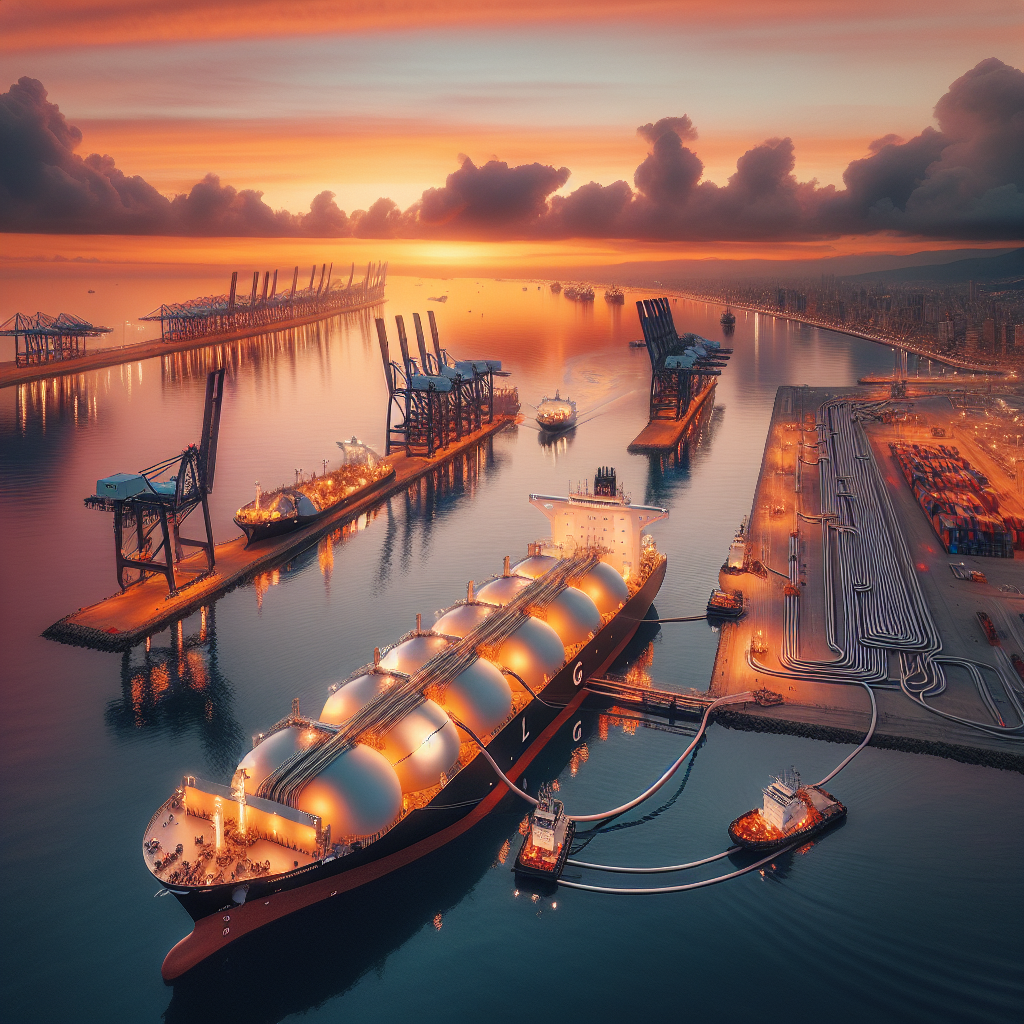
The Future of Sustainable Shipping: Axpo’s Groundbreaking LNG Ship-to-Ship Supply Operation in Malaga On 14th March, a significant milestone was reached in the Spanish maritime sector, with Axpo carrying out its first liquefied natural gas (LNG) ship-to-ship (STS) supply operation in the port of Malaga. This event not only puts Spain on the map for sustainable LNG supply but also highlights Axpo’s commitment to innovation and sustainability. The operation involved the Avenir Aspiration, chartered by Axpo from Avenir LNG, supplying approximately 2,800 tons of LNG to the container ship MSC Adya. This groundbreaking supply operation not only contributes to meeting international emission reduction regulations but also paves the way for future initiatives in other Spanish ports such as Algeciras, Valencia, and Barcelona. Axpo’s first STS LNG supply operation in Malaga sets the stage for future sustainable initiatives in Spanish ports. The use of LNG as a maritime fuel is gaining traction due to its environmental and economic benefits. Technology and innovation play a crucial role in the successful execution of LNG supply operations. Axpo’s expansion plans aim to meet the growing demand for LNG in Spanish ports. Environmental Impact and Economic Opportunities The environmental advantages of using LNG as a marine fuel are significant. Compared to traditional fossil fuels, LNG substantially reduces sulfur oxide (SOx) and particulate emissions, as well as carbon dioxide (CO2) emissions in the maritime sector. The port of Malaga’s pioneering role in adopting LNG demonstrates the feasibility of balancing operational efficiency with sustainability. The technology involved in LNG STS supply operations is intricate and requires meticulous coordination among all stakeholders, from port authorities to ship operators. Axpo’s successful execution of the operation not only showcases advanced expertise in LNG management but also underscores a top-tier infrastructure capable of efficiently and safely carrying out such tasks. The recent shift towards simultaneous fuel supply during cargo loading and unloading operations, known as SimOps, in Malaga enhances process efficiency and reduces vessel downtime. This makes Malaga an attractive option for shipping companies looking to optimize their logistical operations. Business Model Expansion and Job Creation Axpo’s business model in the LNG sector extends beyond fuel supply to encompass wholesale gas trading, transportation, and sales to industrial customers, setting a new standard in the maritime energy sector. With plans to introduce two new supply vessels with capacities of 7,500 and 12,500 m3, Axpo is poised to cater to the increasing LNG demand in Spanish ports. This expansion not only benefits large industries but also provides small and medium-sized enterprises (SMEs) access to cleaner and more competitive energy solutions. The growing LNG sector presents exciting employment opportunities for professionals ranging from engineers to logistics operators, reflecting a burgeoning job market. The Significance of LNG for the Maritime Future The widespread adoption of LNG could revolutionize global maritime transport, reducing the industry’s overall carbon footprint and complying with increasingly stringent international environmental regulations. Axpo’s operations in Malaga represent a critical step in this direction, showcasing adaptability to evolving needs and offering sustainable energy solutions. For maritime investors, LNG presents a unique opportunity for investment in clean technology that could yield substantial long-term returns as the industry transitions to more sustainable practices. The development of LNG infrastructure in Spain opens up new routes and possibilities for nautical enthusiasts and industry professionals alike. Conclusion: A Promising Future for the Maritime Sector Axpo’s Malaga operation is not just a milestone in Spain’s maritime history but a gateway to a more sustainable and efficient future for the global industry. With expansion plans and a commitment to innovation, Axpo is paving the way for Spain to become a benchmark in LNG supply. This advancement holds significance for maritime professionals, investors, and nautical enthusiasts, offering new job opportunities, promoting sustainable practices, and enhancing port operational efficiency. It serves as a positive catalyst for the maritime sector as a whole. We invite all those interested in exploring more about job and investment opportunities in the LNG sector to visit WishToSail.com.
The Arrival of GNV Cristal: Innovation and Opportunities in the Balearic Market
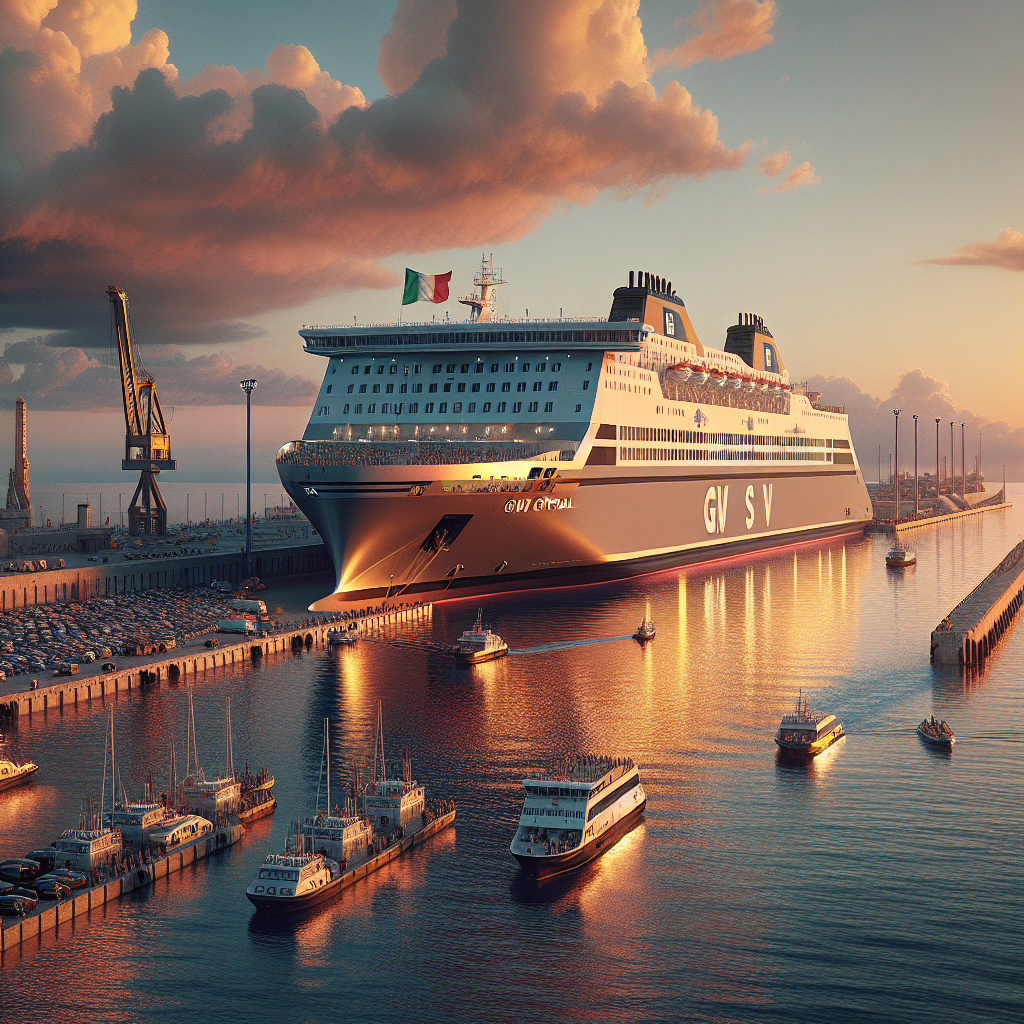
The Arrival of GNV Cristal: Innovation and Opportunities in the Balearic Market The Arrival of GNV Cristal: Innovation and Opportunities in the Balearic Market The maritime sector in the Mediterranean has recently witnessed a significant change with the addition of the GNV Cristal ferry to the route between Barcelona and Mahón. This news not only marks an important milestone for the Aponte shipping company but also brings a myriad of opportunities for professionals and investors in the nautical field. The GNV Cristal: Technical and Operational Features Constructed in Germany in 1989, the GNV Cristal stands out as a benchmark vessel for its technical characteristics. With a length of 161.3 meters and a beam of 29 meters, this ferry has the capacity to accommodate up to 2,000 passengers, distributed in 335 cabins capable of housing 1,720 people. In its hold, it has space for approximately 1,300 linear meters of roll-on/roll-off cargo, making it a notable logistics asset for the transportation of vehicles and goods. The GNV Cristal reaches a maximum speed of 17 knots, optimizing its transit times between ports. Its Italian flag gives it a stamp of quality and safety recognized internationally. The modernization of its infrastructure and onboard technologies reflects the shipping company’s commitment to offering efficient and sustainable services. In a context where energy efficiency and emissions reduction are paramount, these aspects are crucial to meet the growing environmental and market demands. Impact on the Balearic Market: A Wind of Change The arrival of the GNV Cristal on Balearic routes promises to significantly energize maritime traffic in the region. This change aligns with the trends of increased demand for transportation between the mainland and the islands, especially during peak seasons. Therefore, the presence of this ferry can be considered a catalyst for local economic growth, enhancing connectivity and facilitating tourism and trade. The stability and reliability of the GNV Cristal ensure that this route maintains its relevance in the maritime map of the Mediterranean. The constant presence of a modern ferry like the GNV Cristal significantly reduces waiting times and improves transport safety, essential aspects for companies relying on precise and punctual shipments. The improvement in these services increases the confidence of entrepreneurs and consumers, thus boosting investment flow and economic activity on both shores of the sea. Maritime Technologies: Innovation Serving the User The GNV Cristal stands out not only for its capacity and logistics but also for the technological innovations it incorporates. These advancements include state-of-the-art navigation systems that enhance safety and efficiency during the journey. The use of radar and AI-assisted navigation allows for an effective response to adverse weather conditions, ensuring the safety of both cargo and passengers. The commitment to sustainability is not only a social responsibility but also a strategy that enables shipping companies like Aponte to position themselves favorably against increasingly strict environmental regulations. The passenger experience has been significantly enhanced, with onboard amenities like high-speed internet connection and digital entertainment ensuring a pleasant journey that meets the expectations of the modern consumer. This attention to detail is a clear differentiator in a competitive market and an additional incentive for frequent travelers between Barcelona and Mahón. The Strategic Importance of the Barcelona-Mahón Route The route between Barcelona and Mahón is one of the most important connections in the context of Balearic maritime traffic. This axis not only facilitates the transport of essential goods but is also vital for tourism, one of the economic pillars of the Balearic Islands. The constant presence of a modern ferry like the GNV Cristal reduces waiting times and improves transport safety, essential aspects for companies relying on precise and punctual shipments. The improvement in these services increases the confidence of entrepreneurs and consumers, thus boosting investment flow and economic activity on both shores of the sea. This connection enhances cultural and social exchange between the Iberian Peninsula and the islands, fostering collaborative projects and events that strengthen the socio-economic fabric of the region. Conclusion: A Promising Future on the Horizon The incorporation of the GNV Cristal into the Balearic market is a strategic move that adds significant value on multiple fronts. For maritime professionals, it opens the door to new job opportunities, while for investors, it represents a secure and growing investment area. The synergy between technology, sustainability, and innovation ensures that the GNV Cristal is not just another ferry in the Mediterranean but a key piece in the future of nautical commerce and tourism. For those who have not yet explored the possibilities offered by the Balearic maritime sector, the time is now.