


The State of Maritime Traffic in Spain: Challenges and Opportunities for 2025

The State of Maritime Traffic in Spain: Challenges and Opportunities for 2025 The maritime traffic in Spain, vital for national trade and economy, is facing new challenges and opportunities in 2025. According to the latest data from Puertos del Estado, the total volume of goods moved in Spanish ports amounted to 85.1 million tons (Mt) in the first two months of this year, a 1.6% decrease compared to the same period last year. This decline, although moderate, hides much more complex dynamics related to the types of goods and their respective behaviors in the market. The Evolution of Goods: Contrasts in Bulk and General Cargo The behavior of traffic by type of goods in Spanish ports shows a panorama of contrasts. Both liquid and solid bulk cargoes have experienced significant drops, with a decrease of 7.0% and 5.7% respectively. This trend is mainly due to the decrease in liquid bulk fuels, which decreased by 10.7%, except for gasoline, which surprisingly increased by 17.6%. In contrast, general cargo has shown a positive growth of 3.5%, largely thanks to the increase in conventional general cargo, which has increased by a notable 9.9%. The chemical industry has been a key driver in the growth within the bulk cargo category, with a 22.6% increase in chemical products moved in bulk and a 16.1% increase in regular lines. This behavior contrasts with the decline observed in the agricultural and food group, which decreased by 4.8%, reflecting fluctuations in global demand and changes in consumption patterns. Impact on Foreign Trade and Passenger Transport The impact of maritime traffic is not limited to goods; it is also essential for Spanish foreign trade. Total imports fell by 3.6%, influenced mainly by the reduction in bulk cargoes. However, imported general cargo experienced a 10.2% increase, showing a potential shift in import patterns towards higher value-added products. As for exports, they also recorded a slight decrease of 0.9%. Notable is the 21.6% decrease in liquid bulk exports, while solid bulk and general cargo increased by 8.8% and 7.5% respectively. This behavior reflects an adjustment in the Spanish export strategy, possibly shifting towards industrialized products and more diversified raw materials. On the other hand, the number of regular line passengers has risen to 3 million, representing a 2.7% increase from last year. This growth indicates the recovery of the tourism sector and interisland mobility after the pandemic period, thus contributing to the local economy of ports and promoting employment in the service sector. Challenges and Opportunities for Maritime Sector Professionals The Spanish maritime landscape of 2025 presents several significant challenges and opportunities for sector professionals. Firstly, the rise of general cargo, especially in chemicals and conventional products, opens up a range of possibilities for companies operating in these areas. Professionals specializing in industrial and chemical product logistics may find substantial job opportunities in this growing environment. Likewise, the increase in passenger traffic implies a growing demand for trained personnel in passenger terminal and vessel handling. Shipping companies and port operators can benefit from hiring professionals with experience in passenger management and port operations, thus optimizing their services and enhancing user experience. Finally, the decline in liquid bulk fuels may stimulate innovation in alternative energies and the diversification of transported products, representing a crucial opportunity for investors looking to capitalize on new technologies and sustainable solutions in the maritime sector. Technological Innovations and Sustainability on the Horizon The maritime sector is not exempt from the pressure to adapt to a world moving towards sustainability. Technological innovations play a crucial role in transforming maritime traffic. Digitalization and process automation are increasingly indispensable to improve operational efficiency and reduce environmental impact. Additionally, the development of alternative fuels and clean technologies is on the horizon for many shipping companies. The transition to ships operating with LNG (Liquefied Natural Gas) and other less polluting energy sources is a trend that, although incipient, promises to reshape the maritime landscape in the coming years. These innovations not only have the potential to reduce the industry’s carbon footprint but also offer a significant competitive advantage. Companies that early adopt these technologies can stand out in the market for their commitment to sustainability and efficiency, thus attracting partners and customers who value these qualities. Conclusions: Bets for a Bright Future In summary, maritime traffic in Spain during the first months of 2025 offers a picture full of contrasts and opportunities. While some segments face significant challenges, others show promising growth that energizes the sector and opens up new business and employment opportunities. For maritime sector professionals, staying informed and adapting to changes is key to making the most of the opportunities that arise. Investors and entrepreneurs who are aware of these trends have the opportunity to capitalize on an evolving market, driving innovations and adopting sustainable practices that benefit not only their businesses but also the environment and the global economy. The future of the Spanish maritime sector can be bright if faced with vision and determination. Investment in technology, continuous training of professionals, and the adoption of new market strategies will be essential to ensure sustainable and successful growth. We invite our readers to explore these opportunities and be an active part of the evolution of the maritime sector in Spain.
The Importance of the European Maritime Sector
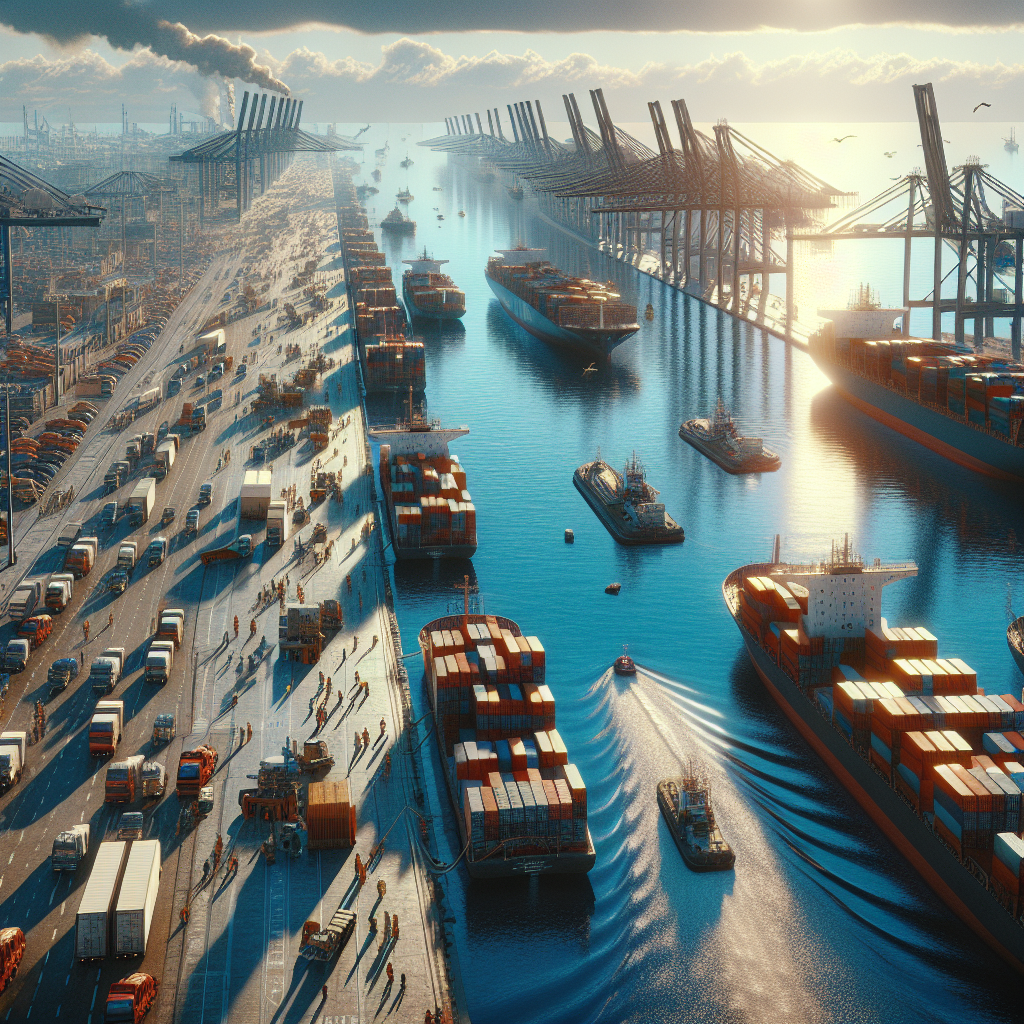
The Importance of the European Maritime Sector The European maritime sector stands out as one of the most relevant players in international trade. Recently, the European Community Shipowners’ Associations (ECSA) presented a couple of studies at the European Summit on Maritime Transport (ESS2025) that highlighted both the economic value and competitiveness of the sector. These reports underscore the strategic importance of maritime transport for European energy security and supply chain, especially in an increasingly uncertain geopolitical environment. The fleet controlled by European shipowners accounts for an impressive 35% of the world’s tonnage, emphasizing their influence in vital segments such as containerships, bulk carriers, and tankers. This leadership not only brings about economic and commercial opportunities but also solidifies the European Union’s position on the international stage as a maritime power to be reckoned with. In a world where international competition is on the rise, the European maritime transport sector not only faces challenges but also envisions significant opportunities to innovate and strengthen its position. The Economic Value of the European Maritime Sector The report prepared by the CE Delft institute sheds light on the magnitude of the economic impact that the maritime sector has in Europe. Controlling 30% of the world’s bulk carrier tonnage and 44% of containerships, European shipowners have established themselves as leaders in these key segments. Additionally, the maritime transport sector significantly contributes to the EU’s GDP, demonstrating its essential contribution to the continent’s economy. The study also highlights the distribution of these maritime assets, with a notable 35% in the tanker sector and 33% in the LNG carrier sector. This diversification not only reaffirms European supremacy in maritime trade but also creates job opportunities for professionals in the sector, from seafarers to engineers and logistics experts. With the expansion of the European fleet, there are also prospects for maritime investors to find new growth routes, encouraging financial entities to maintain a steady flow of investments in this strategic field. Thus, the sector not only energizes the European economy but also contributes to strengthening the global trade network. Competitiveness and Global Challenges of European Maritime Transport Similarly, the competitiveness report by Deloitte highlights the geopolitical relevance of the European maritime sector. As global competition intensifies, the EU’s ability to export and import goods efficiently becomes a strategic asset. This approach reinforces the need to invest in infrastructure and technology to maintain preeminence in a competitive scenario. The regulatory and fiscal framework of the EU, while generally favorable, requires significant improvements. Reducing administrative burden and harmonizing with international regulations are crucial steps to ensure the sustained competitiveness of the European maritime sector. To address these issues, Sotiris Raptis, Secretary-General of ECSA, emphasizes the importance of reinvesting revenues from the Emissions Trading System (ETS) in sustainable technologies and fuels. This investment is essential not only for the sector’s energy transition but also for consolidating its role as a geopolitical asset and maintaining its competitiveness internationally. Investment and Employment Opportunities in the European Maritime Sector The evolution of the European maritime sector opens up a range of opportunities for both investors and maritime professionals. The transition to cleaner and more efficient technologies creates the need to train new talents and specialists in maritime technological innovation. Therefore, companies in the sector are constantly looking for qualified professionals who can contribute to these ambitious goals. Maritime investors may find in the European maritime routes a fertile field for innovation, proposing advanced solutions that improve operational efficiency and reduce environmental impact. Thus, the sector not only seeks to be competitive but also sustainable in the long term. We invite all interested parties and maritime professionals to consider these new directions and growth opportunities. Modernized information and specific training are essential to remain competitive, and the European maritime sector offers a dynamic environment where learning and innovation are constant. Conclusion: A Promising and Challenging Future The European maritime sector is not only a fundamental pillar for the continent’s economy but also plays a crucial role in the global landscape. Its ability to adapt to contemporary challenges, such as international competition and the transition to a more sustainable model, is a testament to its strength and lasting relevance. With studies confirming its economic value and competitiveness, the sector has all the necessary ingredients to not only maintain but expand its influence in global trade. This critical moment is undoubtedly an opportunity to reaffirm commitment to innovation, sustainability, and professional development for all its stakeholders. By continuing to invest in infrastructure, clean technologies, and fostering talent training, European maritime transport can continue to be a global leader and a beacon of economic and ecological progress. Read more about these fascinating transformations and be part of the ongoing advancement of this vital sector.
The Global Phenomenon of Speed Reduction in Maritime Transport in 2025

The Global Phenomenon of Speed Reduction in Maritime Transport in 2025 In the early months of 2025, a significant trend has been observed in the maritime transport sector: a general decrease in the average sailing speed of merchant ships. This shift, documented in a recent report by Clarksons Research, reflects a significant alteration in the industry’s operational patterns. The Historical Context of Speed Reduction Since 2008, the average speed of merchant ships has decreased by 20% to 30% in most sectors. Initially, this decline was mainly due to excess capacity following the global financial crisis and high fuel prices. Over time, however, efforts to reduce greenhouse gas emissions have become a determining factor. Market conditions variations, as well as changes in fuel prices, continue to be key factors influencing these trends. It is important to understand how these dynamics impact not only economic matters but also the sustainability of the maritime sector. Specifically, when freight levels increase, periods of “acceleration” are observed. This phenomenon was evident during 2021 when the average speeds of container ships increased by 2% year-on-year. However, in 2022 and 2023, a “deceleration” norm was established as markets normalized, with a 4% reduction in average speed. Recent Changes: A Uniform Landscape in 2025 Unlike the disparate trends observed in 2024, the beginning of 2025 is characterized by a uniform decrease in speed across all sectors of maritime transport. For example, LNG carriers have reduced their average speed by 2%, reaching 14.6 knots in the first two months of the year compared to 2024. Bulk carriers have reduced their speed by 1.7%, and product tankers by 1.1%. This uniform deceleration phenomenon can be interpreted as a collective response of the sector to current environmental and economic challenges. ‘Eco’ ships, those with more efficient designs and advanced technologies, continue to operate slightly above conventional ships, maintaining a competitive advantage due to their energy efficiency. A highlight is the behavior of larger LPG gas carriers, where the difference between the speeds of ‘eco’ and non-‘eco’ ships has increased significantly, reaching 1.6 knots. This increase reflects a clear trend towards the adoption of sustainable technologies. Implications and Opportunities for the Sector This downward trend in speeds offers several opportunities for industry professionals. Firstly, it represents an opportunity to optimize logistical operations and improve operational efficiency. Speed reduction can lead to significant fuel consumption savings, presenting a tangible opportunity to reduce costs. Moreover, this new norm can open doors for technological innovations in ship construction and design. Shipbuilders are in a privileged position to lead the adoption of more eco-efficient maritime technologies, capitalizing on the growing demand for more sustainable ships. Lastly, as the industry adapts to these new circumstances, there are significant employment opportunities. Companies investing in technology and sustainability may require new talents with skills in environmental engineering and maritime management, thus opening a fertile field for aspiring and forward-thinking professionals. Innovation and Sustainability as Drivers of the Future The speed reduction in ships is not just a response to market conditions but a step towards a more sustainable future for maritime transport. As more responsible and efficient practices are adopted, the sector is positioning itself to tackle the challenges of a world seeking to reduce its carbon footprint. Investing in eco-friendly technologies and implementing innovative designs promote not only sustainability but also competitiveness in the maritime industry. ‘Eco’ ships demonstrate that speed can be adjusted without sacrificing efficiency or performance. The drive towards sustainable maritime transport is clear. Turning limitations into growth opportunities is essential to ensure the resilience and adaptability of the sector to future challenges. Conclusions and Next Steps In summary, the widespread reduction in ship speeds in 2025 presents both challenges and opportunities. These changes invite industry professionals to rethink strategies, adopt more sustainable practices, and leverage new technologies. For readers of WishToSail.com, this information provides a glimpse of emerging trends that will influence the future of maritime transport. It encourages an ongoing dialogue about sustainability and innovation, urging professionals to actively participate in transforming the sector. Ultimately, speed reduction is a testament to the maritime sector’s commitment to a more sustainable future. As we navigate these changing waters, adaptability and ingenuity will be our most valuable allies. We invite readers to stay informed and consider the opportunities that these current trends could offer in their respective areas of work or interest.
The Advancement of Ammonia Tankers by Mitsui: A Game-Changer in Maritime Transportation
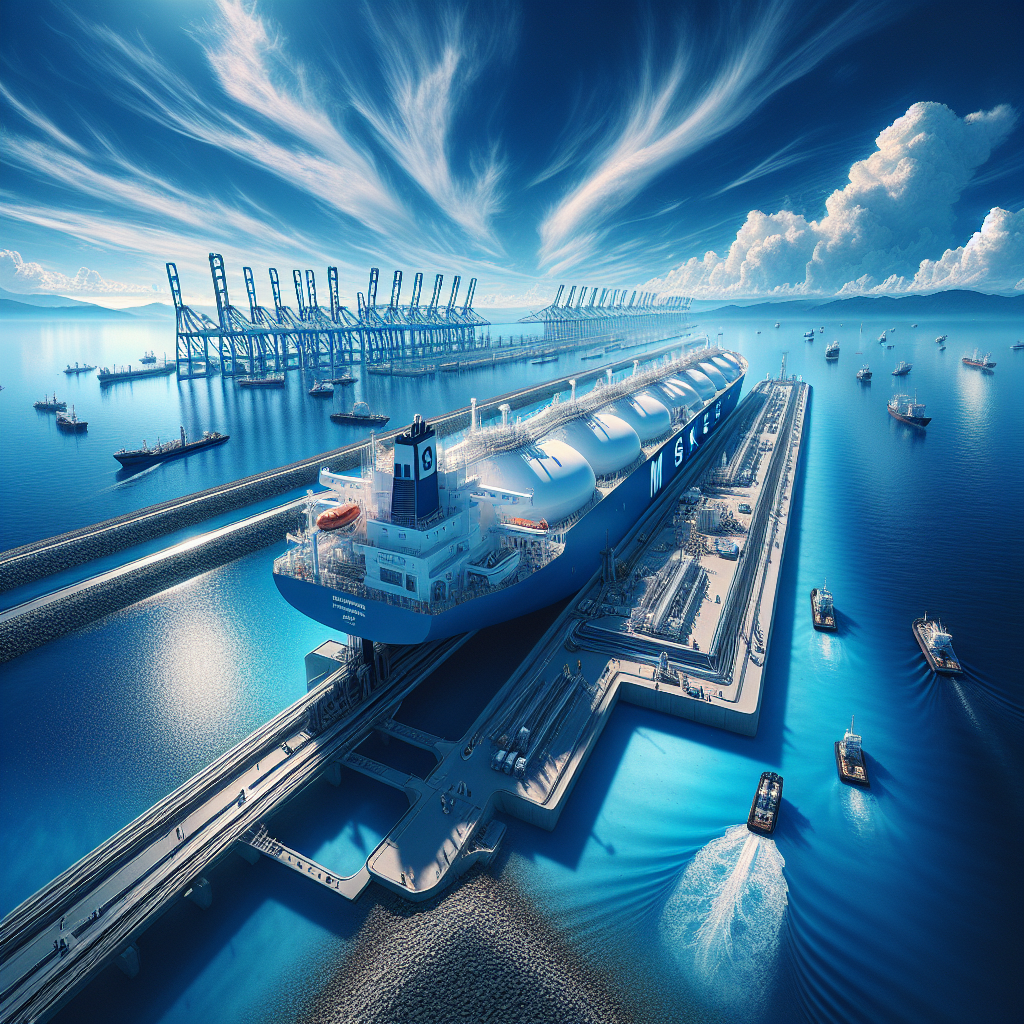
The Advancement of Ammonia Tankers by Mitsui: A Game-Changer in Maritime Transportation Recently, Japanese shipping company Mitsui OSK Lines (MOL) has made significant strides in maritime transportation with the approval in principle (AiP) for their innovative project in collaboration with Namura Shipbuilding and Mitsubishi Shipbuilding. The project involves the development of a large-capacity tanker designed for the transport of ammonia, powered by the same fuel. This groundbreaking initiative, certified by the Japanese classification society ClassNK, not only focuses on the transportation of ammonia but also on using it as an alternative energy source. The rigorous approval process included a detailed review of basic plans and a Hazard Identification Study (HAZID), which assessed risks associated with both external and occupational hazards. Addressing the toxicity of ammonia, a major challenge in its use as a marine fuel due to its harmful properties, required comprehensive safety measures to ensure safe handling on board. This project is part of a broader strategy by the three Japanese partners that began in 2021. Their aim is to develop a tanker that not only efficiently transports ammonia but also serves as a comprehensive response to the increasing demand for carbon-free fuels in the maritime industry. Such initiatives are crucial for moving towards more sustainable and environmentally friendly navigation. The Impact of Ammonia in the Marine Industry Ammonia has emerged as a viable option for maritime transport due to its potential as a carbon-free fuel. According to data from the Alternative Fuels Insights (AFI) platform by DNV, there has been a significant increase in the use of ammonia as a marine fuel, with 27 orders for vessels powered by this element in 2024 alone. This growth reflects the industry’s interest and willingness to invest in cleaner technologies. The recent surge in the use of ammonia is partly attributed to its dual functionality as both a direct fuel and a hydrogen carrier, opening up new possibilities for its application on long-haul maritime routes. In addition, Mitsui’s new tanker’s cargo capacity will surpass that of Very Large Gas Carriers (VLGC) and Very Large Ammonia Carriers (VLAC), positioning it at the forefront of high-volume maritime transport. Ammonia offers the potential to serve as a carbon-free fuel for maritime transportation. 27 orders for vessels powered by ammonia were placed in 2024. Ammonia can function as a direct fuel and a hydrogen carrier, expanding its applications. However, the use of ammonia also presents new challenges in terms of safety and operation. As more ammonia-powered vessels enter service, the industry is expected to develop robust safety frameworks and promote crew learning and adaptation to these new technologies, ensuring they are operated safely and efficiently. Opportunities for Employment and Technology The development of ammonia tankers represents not only a technological advancement but also an opportunity for professionals in the maritime sector. Familiarity with these innovative propulsion systems and the new safety measures required for handling ammonia will create opportunities for new capabilities and specialized knowledge. This is leading to an increased demand for trained professionals, making it an ideal time for mariners and technicians to broaden their professional horizons. Companies involved in such projects, like Mitsui, are actively seeking talent to contribute to the success of these initiatives. For those interested in exploring new professional opportunities, this could be the perfect scenario to submit resumes and be part of a revolution in maritime transportation. Furthermore, this advancement has significant implications for maritime investors. Technological innovations in the realm of alternative fuels present an attractive investment opportunity in the development of infrastructure and technology related to the implementation and expansion of ammonia use. The shift towards cleaner fuels is not only an environmental responsibility but also a smart business strategy in response to the growing demand for sustainability. Three Reasons to Follow this Trend Professionals in the merchant navy can stay at the forefront of innovation in the maritime sector by embracing ammonia as a fuel. As more similar projects develop, the experience and knowledge gained about alternative fuels and safe handling will be incredibly valuable. For maritime investors, this trend signals a significant shift towards more sustainable practices, offering new opportunities to invest in technological infrastructure and specialized training. In conclusion, Mitsui’s project with its partners not only stands out for its innovation but also redefines the future of sustainable maritime transportation. Initiatives like these not only drive business forward but also pave the way for a cleaner and more efficient future in maritime transportation. Maritime professionals, sailors, and nautical enthusiasts have a unique opportunity in this technological revolution to position themselves and grow in their respective fields.
The Revolution of Silicon Carbide in the Maritime Sector
The Revolution of Silicon Carbide in the Maritime Sector The maritime industry has seen numerous technological advancements in recent decades, but none as promising as the integration of silicon carbide (SiC) into the propulsion and power systems of modern ships. This article explores how the leading company in this technology, Wolfspeed, Inc., is propelling the nautical industry towards a more efficient and sustainable future through its new business direction, spearheaded by Robert Feurle. The Silicon Carbide Revolution Silicon carbide is a compound known for its ability to withstand extreme temperatures and its energy efficiency, making it an ideal material for applications in the maritime industry. Its use in semiconductors allows for the creation of more compact and lighter electrical systems, resulting in higher consumption efficiency and a significant reduction in polluting emissions. Wolfspeed, Inc., has established itself as a global leader in this technology. The company has tirelessly worked on improving and optimizing SiC, achieving breakthroughs that have caught the attention of the aerospace and automotive sectors and are now increasingly being adopted in the nautical field. For professionals in the merchant navy, the integration of silicon carbide into vessels brings a series of operational advantages. The greater durability and heat resistance of SiC semiconductors translate into less maintenance needs and an extended lifespan for propulsion systems, critical aspects for the efficient operation of a fleet. Robert Feurle’s Leadership: A New Era for Wolfspeed With Robert Feurle taking the helm as CEO of Wolfspeed from May 2025, the company is gearing up for a new stage of innovation and expansion. Feurle brings over two decades of experience leading global organizations, providing a fresh and strategic perspective to the company’s leadership. Feurle’s past executive experience in advanced technology development is particularly relevant to the maritime sector, where energy efficiency and sustainability are increasingly prioritized. Under his leadership, Wolfspeed is expected to further expand its presence in the maritime market, offering SiC solutions that promote more ecological and economical practices. Feurle succeeds Thomas Werner, who will continue to support the company from his position as Chairman of the Board, ensuring a smooth transition and a continued focus on technological innovation. Opportunities for Professionals and Enthusiasts in the Sector The technological evolution led by Wolfspeed presents numerous opportunities for those looking to advance their careers in the maritime sector. Improvements in the efficiency and sustainability of propulsion and energy systems open up new job prospects in areas such as naval design, systems engineering, and fleet management. For sailors and nautical enthusiasts, the benefits of ships equipped with silicon carbide technology are equally appealing. The reduction of carbon footprint, along with lower operational costs, allows for a more responsible and accessible sailing experience. Wolfspeed is actively seeking professionals who wish to join its mission of transforming the maritime industry. Interested individuals are encouraged to explore available job opportunities and consider contributing to a more sustainable future for the oceans. Conclusion: A Bright Future for Nautical Industry The incorporation of silicon carbide in maritime technology is more than an innovation; it is a necessity for the future sustainability of our oceans. Wolfspeed, with Robert Feurle at the helm, is well-positioned to lead this paradigm shift. The significance of this transition is evident to various segments of the WishToSail.com audience. From operational efficiency improvements to the creation of new job opportunities, the impact of silicon carbide will be profound and lasting. The adoption of these technologies offers direct benefits not only in the environmental sphere but also economically. This is an exciting time for everyone involved in the maritime sector, and the doors are open for those who wish to be part of this transformation.
The Maritime Industry Revolution: Incentive Strategy Beyond Borders
The Maritime Industry Revolution: Incentive Strategy Beyond Borders The maritime industry, a key sector for the global economy, is undergoing a significant change thanks to the implementation of long-term incentive programs. One of the highlights of this transformation is the recent announcement by a major company in the sector to grant Restricted Stock Units (RSUs) to its employees and executives. This measure not only aims to retain talent but also aligns employees’ interests with long-term business objectives, thus fostering renewed commitment. With a total of 205,871 authorized RSUs, representing approximately 0.38% of the company’s share capital, this incentive plan is expected to directly impact the motivation and performance of the staff. The strategy is designed to attract and retain top talent in the maritime industry, a sector where experience and expertise are essential to face the daily challenges of the maritime environment. Understanding Restricted Stock Units (RSUs) Restricted Stock Units, known as RSUs, are a form of stock-based compensation awarded to employees as part of an incentive program. These units allow employees to receive company shares once certain conditions are met. Essentially, RSUs act as a financial motivation for employees to contribute to the long-term success of the company. In the maritime context, where operations can be both challenging and unpredictable, having motivated and committed personnel is vital to ensure success. In practical terms, RSUs are usually granted with a specific vesting period, which can range from three to five years. During this time, employees must remain with the company and, in some cases, meet certain performance goals. Once these requirements are met, the units convert into company shares, providing a direct incentive linked to the company’s success. Impact on the Industry and Job Opportunities The introduction of RSUs in the maritime sector not only has the potential to retain top talent but can also attract high-caliber professionals interested in long-term benefits. For sailors, investors, and nautical enthusiasts, this represents a unique opportunity to be part of a company that values their long-term contributions. Furthermore, the implementation of this type of incentives can serve as a catalyst for innovation within the industry. Motivated by ownership prospects and financial rewards, workers may be more inclined to propose improvements and innovations in operational and technological processes. This, in turn, could result in greater efficiency and competitiveness in the sector. For maritime professionals and those interested in entering the industry, these initiatives represent an attractive job opportunity. Companies adopting RSU programs are sending a clear message: they are willing to invest in their personnel and provide an environment that rewards long-term commitment. Relevance for Maritime Professionals Firstly, the implementation of RSUs is a clear sign that the company is committed to the well-being and professional development of its employees. For maritime professionals, this means financial stability and an additional reason to stay with a company that values and rewards their long-term contributions. Secondly, by aligning employees’ interests with the company’s goals, a sense of ownership and shared responsibility is fostered. Workers no longer see their work as just a job but as a contribution to the success of something greater, which is especially motivating in challenging environments like the maritime sector. Finally, for investors and nautical enthusiasts, these programs can ensure that companies in the maritime sector remain competitive and continue to seek better practices and technologies. Internal motivation can lead to a boost in innovation, safety, and efficiency, critical aspects for the sustainable growth of the sector. Final Thoughts: A Promising Future The authorization of Restricted Stock Units for 2025 represents a significant step towards the future in talent management within the maritime industry. By offering these incentives, companies not only strengthen their current talent base but also position themselves as attractive leaders for future professionals. In a sector where human capital is essential to face operational and environmental challenges, programs like these are not only desirable but necessary. By fostering a culture of ownership and participation, maritime companies are building a legacy of innovation and sustained success. For those interested in being part of this revolution, the time to act is now. The maritime industry is transforming, and those who pioneer the adoption of new changes and opportunities will be at the forefront of change.