


The Importance of Credit Rating Increase for Maritime Expansion

The Importance of Credit Rating Increase for Maritime Expansion The global maritime sector is constantly evolving, and companies operating within it must be prepared to meet market demands. The recent upgrade of American Express Global Business Travel (Amex GBT) credit rating by Moody’s to B1 marks a significant step towards strengthening and expanding its services, particularly in the maritime industry. Growth Opportunities in the Maritime Industry The upgrade to B1 by Moody’s reflects not only a strong financial position but also a horizon of opportunities for professionals in the nautical industry. This improvement is driven by the company’s demonstrated ability to generate stable revenues and its solid investment strategy in technology and infrastructure. Amex GBT’s investment in improving technological capabilities, including communication platforms and maritime route management, enhances resource efficiency and facilitates information exchange among supply chain stakeholders. Navigators and maritime professionals can benefit from potentially enhanced access to more precise and reliable navigation tools. Maritime investors may have increased confidence seeing a robust company supporting critical maritime infrastructure projects. With the improved credit rating, Amex GBT now has a greater capacity to expand its travel and logistics services in maritime routes. This expansion includes investments in innovative technologies such as predictive route analysis and real-time data-based itinerary optimization, enhancing efficiency and safety in navigation. Impact on Maritime Routes and Innovative Technologies Technological advancements lead to reduced transit time and fuel consumption, critical aspects in the competitiveness of maritime services. Amex GBT’s focus on sustainability aligns with market environmental expectations, positioning the company to meet increasing demands for eco-friendly practices. Advancements in route management directly impact global trade profitability and operational sustainability. Professionals and companies involved in the maritime sector are encouraged to explore new collaborations and growth opportunities. Career Opportunities in a Growing Company Amex GBT’s growth opens up significant job opportunities in the maritime sector. Those interested in developing their careers in a financially backed company with an innovation focus will find multiple areas of opportunity. Maritime professionals and individuals with maritime technology experience are invited to consider submitting their resumes to join a dynamic team redefining processes in the global maritime sector. Positive Change for the Future of the Maritime Sector The improvement of Amex GBT’s credit rating to B1 by Moody’s represents a significant step towards strengthening its services in the maritime sector, benefiting the company, stakeholders, and maritime enthusiasts. With the capacity to invest in innovative technologies and expand maritime routes, Amex GBT is poised to lead new developments in the sector. For those interested in being part of this evolution, the future looks promising in a world where efficiency and sustainability are increasingly crucial. Amex GBT’s strengthened position should be seen as a catalyst for progress in the maritime sector.
The Equalité Alicante Regatta 2025: A Showcase of Innovation and Sustainability in the Mediterranean
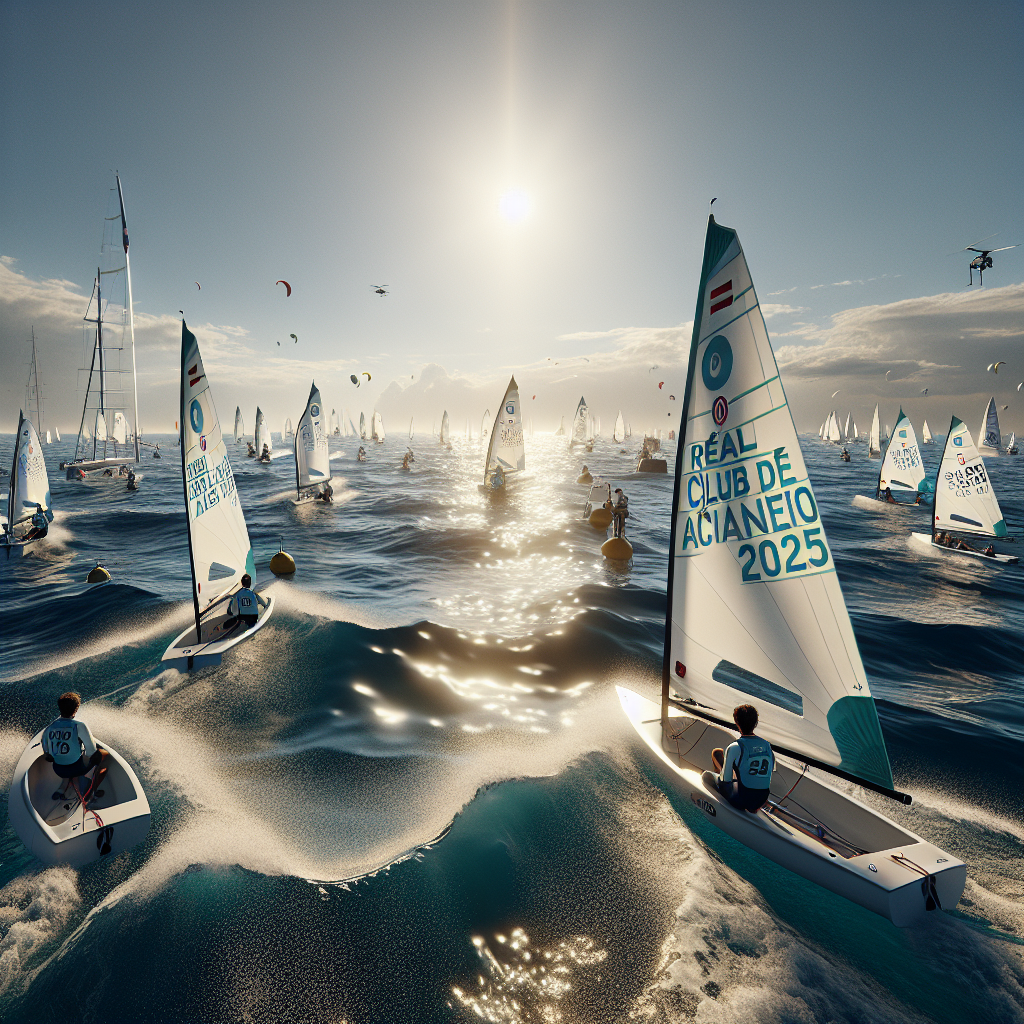
The Equalité Alicante Regatta 2025: A Showcase of Innovation and Sustainability in the Mediterranean The Equalité Alicante Regatta 2025, held at the prestigious Real Club de Regatas de Alicante, has set a milestone in the world of nautical competitions, establishing itself as one of the most important events in the Optimist class in the Mediterranean. Alejandro Valero, a promising sailor from RCR Alicante, emerged victorious after dominating the competition from start to finish. Beyond the sporting results, this edition stood out for its commitment to sustainability and innovation, setting an example for future competitions. A Well-Deserved Victory: Alejandro Valero and his Mastery of the Sea Alejandro Valero, with an 11-point lead over his closest rival, Izan Rogel from RCN Torrevieja, once again showcased the quality of the young sailors from Alicante. Valero led each of the nine scheduled races, demonstrating not only his technical skills but also his ability to adapt to the changing wind conditions that characterized the event. The podium was completed by Begoña Pérez-Manglano from CN Jávea, who not only secured a spot among the top three but also stood out as the best in the female category. This achievement highlights the increasing participation and success of women in sailing, a aspect that the Equalité Alicante has been promoting since its inception. Innovation and Resilience: The Organization of the Equalité Alicante Under the leadership of the Race Committee led by Tete Sabaté, the Equalité Alicante was the only regatta of the season to successfully complete all its scheduled races. This feat was made possible through meticulous planning and the implementation of advanced technologies in weather forecasting. Technological innovations not only allowed for the smooth development of the competition but also enhanced safety and the overall experience for both participants and the audience. Real-time tracking mobile applications and advanced communication systems were key to the event’s success. The Equalité Alicante stands out from other competitions due to its focus on sustainability. With a clear goal of “zero plastic,” the event implemented ecological measures that minimized environmental impact, highlighting its role as a reference in the organization of sustainable sports events. Economic Impact and Job Opportunities in the Nautical Sector The event was not only a sporting showcase but also an economic boost for the region. With the participation of 95 sailors from Andalucía, the Balearic Islands, the Valencian Community, and the Region of Murcia, the Equalité Alicante attracted numerous families and fans, generating a significant impact on local tourism. Furthermore, the event represents an exceptional opportunity for professionals in the merchant marine sector and nautical enthusiasts. The growing popularity of the regatta opens up new employment possibilities in event organization, logistics, and sustainability, inviting companies and professionals to actively participate in future editions. Equality and Diversity: Core Values of the Equalité Alicante Since its first edition, the Equalité Alicante has been synonymous with equality and diversity. This commitment is reflected not only in the promotion of female participation but also in the inclusion of young talents from various regions of the country. The regatta has been an example of how sports can be a driver of social change, promoting values of respect and cooperation among participants, regardless of their gender or background. Conclusions: The Equalité Alicante as a Role Model The second edition of the Equalité Alicante has proven to be much more than a sports competition. It has been a space where innovation, sustainability, and equality have merged to offer a unique experience to both participants and the audience. For professionals in the merchant marine and maritime investors, the regatta represents new business and development opportunities in an ever-evolving sector. Sustainability initiatives not only benefit the environment but also offer competitive and economic advantages. The Equalité Alicante invites all stakeholders in the nautical world to be part of this exciting journey, where a passion for the sea meets social and environmental responsibility. With the success of this edition, the future of the regatta and its influence in the Mediterranean promise to be even more impactful.
The Impact of Satellite Technology Innovations on the Maritime Sector in 2024

The Impact of Satellite Technology Innovations on the Maritime Sector in 2024 The technological advancements in the satellite field have revolutionized the way the maritime industry operates, providing new tools and capabilities that enhance both efficiency and safety. Leading this transformation is Spire Global, a company specialized in cutting-edge satellite technology. The company has announced that on March 31, 2025, a conference will be held to discuss the financial results of the fourth quarter and fiscal year 2024, an event that could offer valuable opportunities for professionals in the maritime sector. The Importance of Satellite Technology in the Maritime Sector The use of satellites for navigation and route management is not a new phenomenon, but recent advances have maximized their utility. Innovations in satellite data allow navigators to obtain real-time information on weather conditions, optimal routes, and potential obstacles, resulting in safer and more efficient navigation. Moreover, the ability to monitor vessels worldwide from a single control center reflects an unprecedented level of technological integration. This technological evolution is particularly relevant for compliance with international regulations that demand higher standards in safety and sustainability. Merchant navy professionals can directly benefit from these tools, reducing fuel consumption and minimizing the environmental impact of their operations. Route planning optimization, thanks to precise weather forecasting, is another crucial aspect that enhances safety and reduces operational costs. The upcoming Spire Global conference will be a key discussion point for the latest innovations and how they can be integrated into daily maritime operations. This event presents an excellent opportunity for professionals in the sector to update their knowledge and explore new applications of satellite technology in their daily activities. Employment and Investment Opportunities in the Maritime Sector The implementation of advanced technologies creates a growing demand for professionals with specific skills in satellite technology and data analysis. This opens up a wide range of job opportunities for engineers, data analysts, and maritime logistics specialists, who can tackle these technological challenges. Maritime companies are increasingly willing to invest in talent that can not only operate these new tools but also optimize them to gain competitive advantages. Maritime investors also find a unique opportunity in this environment. Investing in companies that provide or use advanced satellite technology could result in significant returns, given the value these solutions bring to the sector. Operational efficiency and sustainability are factors that not only improve corporate image but are also economically beneficial. For those interested in being part of this evolution, the Spire Global event is a strategic place to connect with industry leaders, exchange knowledge, and explore new job and investment opportunities. Participants can attend the conference to learn more about the company’s growth prospects and how they align with industry trends. Impact on Sailors and Nautical Enthusiasts Recreational sailors and nautical enthusiasts can also benefit from these technological innovations. The availability of accurate satellite data allows for safer and more confident trip planning, even in unfamiliar waters. Precision in tracking and predicting weather conditions reduces the risks associated with recreational navigation. The possibility of having advanced communication and surveillance systems makes navigation more accessible and safer for everyone. This promotes the expansion of the hobby of sailing, allowing more people to enjoy the experience of sailing with complete peace of mind. Furthermore, staying up to date with technological trends offers the opportunity to participate in forums and communities that share this passion. The Spire Global event in 2025 is shaping up as a platform for nautical enthusiasts to learn about the latest tools that could enhance their water experience. The ability to integrate these technologies into personal vessels not only improves safety but also enhances the enjoyment of all activities related to navigation. Conclusions: A Promising Future for the Maritime Sector Advanced satellite technology is shaping a promising future for the maritime sector, offering innovative solutions that optimize operations and promote a more sustainable approach. Spire Global’s financial results in 2024 and the innovations discussed during its conference can provide a clear perspective on the direction this industry will take in the coming years. For professionals in the merchant navy, investors, and recreational sailors, staying informed about these developments is essential to stay competitive and safe in a rapidly changing environment. The intersection of technology and navigability is the path to follow for those who wish to advance in their careers or expand their interests in the nautical sector. In summary, the convergence of satellite technology with maritime navigation represents an unprecedented opportunity to improve efficiency, safety, and sustainability. Participating in key events like the Spire Global conference not only provides valuable information but also a space to establish strategic connections within the industry.
The Future of Maritime Innovation: TechnipFMC and its Impact on the Sector

The Future of Maritime Innovation: TechnipFMC and its Impact on the Sector TechnipFMC, a renowned leader in subsea and oil & gas project engineering, has recently announced its first-quarter 2025 results conference. Scheduled for April 24th, this event not only sheds light on the company’s financial performance but also provides insights into the technological and strategic trends that could significantly influence the maritime sector in the coming years. New Technologies Serving the Maritime Sector TechnipFMC has been at the forefront of implementing innovative technologies that optimize processes in underwater resource exploration and exploitation. One area where they have focused their innovation is the development of remote control and monitoring systems, enabling more efficient and safer operations at sea. These systems not only enhance safety but also reduce environmental impact, a crucial aspect in an increasingly sustainability-conscious world. Maritime professionals can benefit from these technologies by implementing more responsible and efficient practices. Furthermore, TechnipFMC is investing in digitalization and the use of artificial intelligence to anticipate potential technical failures and optimize preventive maintenance. This proactive approach not only minimizes downtime but also extends the lifespan of equipment, benefiting fleet operators and owners. Career Opportunities and Growth Paths The technological evolution of TechnipFMC opens doors to new job opportunities in the sector. The development of advanced systems and the growing demand for sustainable solutions require highly skilled professionals. This presents a unique opportunity for engineers, technicians, and digital technology specialists looking to join innovative projects. TechnipFMC’s expansion is also linked to the deployment of new maritime routes for the distribution of its products and technologies. These routes not only facilitate access to new markets but can also be seen as a stimulus for the economic growth of ports and localities participating in these trade routes. In this context, TechnipFMC invites interested individuals to submit their resumes, emphasizing the high demand for qualified personnel in areas such as subsea engineering and sustainable resource management technologies. A Glimpse into the Future: Prospects and Challenges The first-quarter 2025 results conference of TechnipFMC will not only showcase the company’s financial performance but also offer a strategic vision of the sector’s future. The company is expected to highlight industry challenges, including stricter environmental regulations and increased international competition. For investors and industry professionals, these revelations will provide a roadmap on how the company plans to adapt to an ever-evolving market. Whether through strategic mergers and acquisitions or diversifying its services, TechnipFMC aims to solidify its global leadership. The conference also presents an opportunity to explore how these initiatives can have a significant impact on the job market and the development of specialized skills. Relevance for Professionals and Enthusiasts For merchant navy professionals and sailors, TechnipFMC’s innovations offer tools that enhance safety and operational efficiency, crucial for staying competitive in a demanding market. Remote monitoring and predictive maintenance systems are clear examples of how new technologies can transform daily operations. Maritime investors will see TechnipFMC as a strategic partner capable of offering innovative and sustainable solutions that not only comply with international regulations but also optimize long-term return on investment. Finally, for nautical enthusiasts, these innovations signify the advancement of a sector committed to sustainability and efficiency, paving the way to enjoy a greener and more responsible future in navigation and sea exploration.
The H2ESTIA Project: Revolutionizing Maritime Transport Towards Sustainability

The H2ESTIA Project: Revolutionizing Maritime Transport Towards Sustainability Innovation at the Helm: A First of its Kind In an increasingly environmentally conscious world, the maritime industry takes a significant step towards sustainability with the launch of the H2ESTIA project. Led by the Dutch innovation company NIM, this ambitious project aims to develop the world’s first emissions-free general cargo ship, powered by liquid hydrogen. This advancement represents not only a technological milestone but also a paradigm shift in how we conceive maritime transport. While the use of hydrogen as a source of energy is not new, applying it to the maritime sector on this scale is an unprecedented challenge. Liquid hydrogen, stored at extremely low temperatures, allows for an energy density comparable to that of fossil fuels, but without the associated CO2 emissions. This aspect is crucial for meeting the strict decarbonization targets that the shipping industry has set for the coming years. The involvement of the Dutch Ministry of Infrastructure and Water Management in the project’s financing and support underscores the strategic importance that this development has for the country and the world. It is not just a technical advancement but a declaration of intent towards a cleaner and more sustainable future in global maritime transport. Towards a Sustainable Future: Benefits and Opportunities The H2ESTIA project promises to revolutionize how cargo ships are powered, opening up a wide range of job and technological opportunities. By adopting hydrogen as an energy source, these types of vessels are expected to significantly reduce their environmental impact, a factor that is becoming a priority for shipping companies and their clients. For merchant navy professionals, this development brings the possibility of working on state-of-the-art ships, equipped with advanced technology and innovative propulsion systems. The skills required to operate these ships will be different, offering opportunities to acquire new competencies and specializations in an ever-evolving sector. Additionally, for maritime investors, innovation in zero-emission technologies represents a unique opportunity to participate in a market with significant growth potential. The demand for sustainable solutions is on the rise, and companies that position themselves at the forefront of this trend will have a competitive advantage in the coming years. Challenges on the Horizon: Overcoming Obstacles However, the implementation of hydrogen as maritime fuel faces certain challenges that must be overcome. The infrastructure needed for the production, storage, and distribution of liquid hydrogen is currently limited, and expanding this capacity will require considerable investment both locally and internationally. Another important consideration is safety. Hydrogen, while clean, is highly flammable, requiring companies to develop unprecedented safety protocols and measures. This will involve rigorous training for the crew and ground personnel, as well as the implementation of advanced monitoring and control technologies. Despite these challenges, collaboration between governments, private companies, and research entities will be crucial to navigate towards a more sustainable maritime transport. The adoption of policies that incentivize research and development in this area will also be crucial to accelerate the transition to clean fuels. Relevance for the Industry and Beyond The relevance of the H2ESTIA project extends beyond the technical sphere. Firstly, it exemplifies a commitment to reducing the carbon footprint in one of the most polluting industries in the world. Secondly, it sets a standard that other nations and companies can follow, fostering healthy competition that will further drive innovation. For sailors and nautical enthusiasts, the transition to cleaner technologies promises a marine environment less affected by pollution. Cleaner seas not only benefit marine fauna and flora but also improve the sailing experience, offering more sustainable maritime routes. Finally, the shift to liquid hydrogen as an alternative to fossil fuels aligns with global goals to reduce dependence on oil and natural gas, contributing to mitigating climate change and promoting a diversified and resilient energy economy. Conclusion: A Call to Action The H2ESTIA project is more than just an innovative ship; it is a call to action for the entire maritime industry. It is an invitation to rethink and redesign current practices to be more sustainable. Merchant navy professionals, shipping companies, and investors now have the opportunity to be part of this transformative change. As part of this transformation, interested parties are invited to submit their resumes to the companies involved in this exciting initiative. The need for experts in new technologies and sustainable operations is becoming increasingly evident, and being part of this project could be the next big step in their careers. Ultimately, the H2ESTIA symbolizes not only a technical advancement but a new direction towards a greener and more efficient maritime transport. Navigating towards a cleaner future is possible, and this is the beginning of that journey. Those wishing to delve deeper into this topic will find WishToSail.com to be an invaluable resource for staying informed and connected with the latest trends in the sector.
The Technological Innovations and Opportunities in the Maritime Sector: The Case of eDreams ODIGEO

The Technological Innovations and Opportunities in the Maritime Sector: The Case of eDreams ODIGEO The maritime and nautical world is undergoing an unprecedented transformation thanks to the incorporation of advanced technologies that are redefining how we operate and manage businesses. In this context, eDreams ODIGEO, the global leader in travel subscription, stands out as a success story. The company, which has quadrupled its subscriber base in just three years, has recently attracted investors’ attention following Permira’s partial sale of their stake in the company. Permira, a renowned private equity firm, successfully sold 7.4 million ordinary shares of eDreams ODIGEO, representing 5.8% of the company’s share capital, at a price of 7.55 euros per share. This transaction has garnered strong support from investors, reflecting confidence in eDreams ODIGEO’s business model and growth potential. For professionals in the maritime sector, this news goes beyond the financial scope and serves as an example of how travel companies are evolving to meet the market’s new demands. This operation not only highlights the stability and attractiveness of eDreams ODIGEO as an investment but also underscores the importance of technological innovation in the maritime sector’s transformation. eDreams ODIGEO’s Success and Growth eDreams ODIGEO has proven that innovation is not just an option but a necessity to stay competitive in an increasingly digital world. Their subscription platform has not only streamlined the travel booking process for consumers but has also internally optimized the company’s operations, allowing for better resource utilization and an enhanced user experience. For maritime professionals, this illustrates how technology adoption can improve efficiency and create new business opportunities. Impact of Technological Innovations in the Maritime Sector The implementation of digital fleet management systems could optimize navigation routes and significantly reduce operational costs. Furthermore, the use of subscription platforms in the maritime industry could revolutionize how companies manage cargo, enabling more precise tracking and efficient logistical planning. These innovations not only bring economic benefits but also contribute to a more sustainable and ecological approach, which is increasingly important in an industry aiming to reduce its carbon footprint. Labour Opportunities and Professional Development The success and expansion of eDreams ODIGEO represent not only a business triumph but also a potential source of job opportunities for those in the maritime sector. With the company’s growth, new vacancies related to data management, software development, and logistics operations are expected to emerge, positions that can be filled by professionals with transferable skills from the maritime industry. The transition from a more traditional industry to one based on subscriptions and digital services offers a fertile ground for professional development and the acquisition of new skills, essential in an ever-evolving job market. Relevance for the Maritime Sector The story of eDreams ODIGEO offers compelling reasons why such innovations are relevant for the maritime sector. Firstly, it underscores the importance of adopting digital business models that can significantly improve operational efficiency and service speed. Secondly, its success demonstrates how innovation can attract significant investments, crucial in a sector where capital is often needed for fleet modernization and infrastructure improvement. Finally, the transition to more sustainable technologies highlights the vital role that digital solutions play in reducing the environmental impact of maritime operations. By learning from leaders in technological innovation, the maritime sector can not only optimize its current operations but also prepare to face future challenges in a globalized and digital environment.