


Innovations in Maritime Transport and Marine Manufacturing in South Africa: A Horizon of Opportunities until 2025
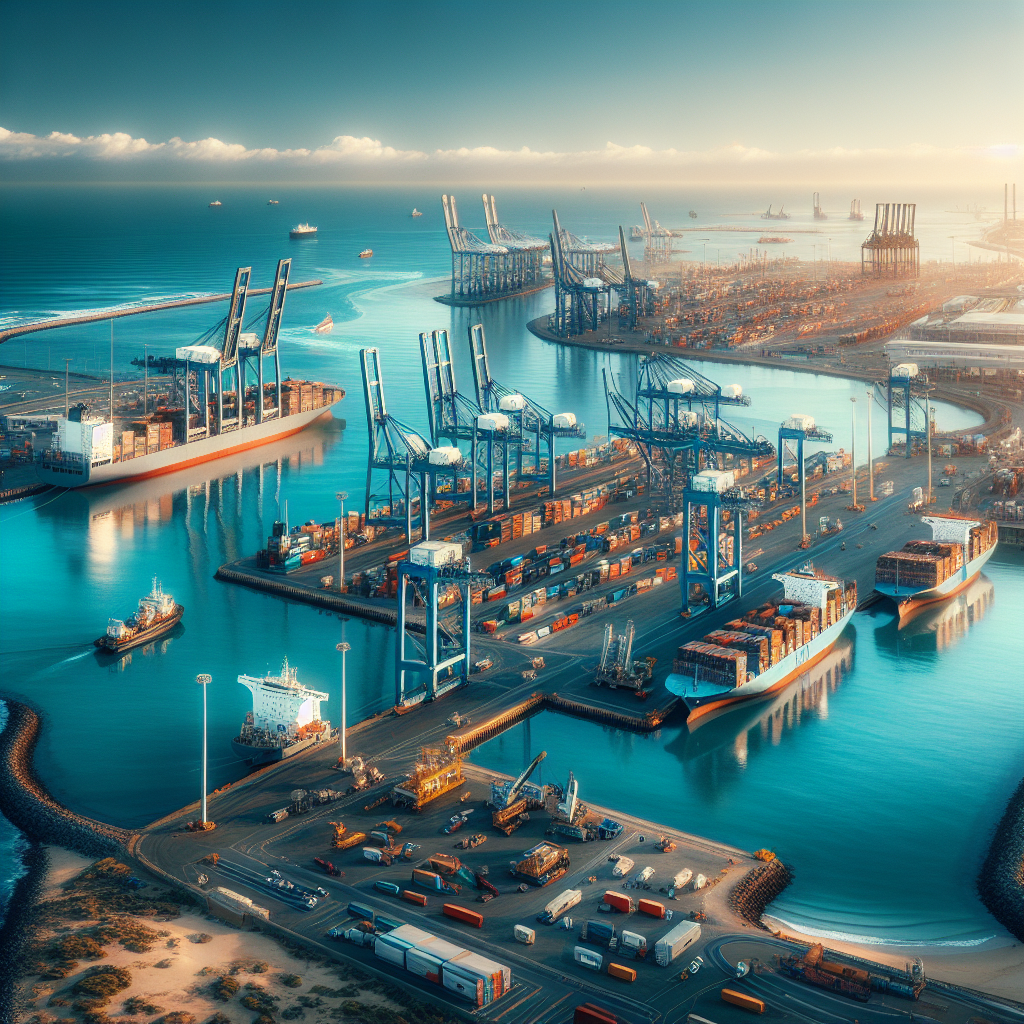
Innovations in Maritime Transport and Marine Manufacturing in South Africa: A Horizon of Opportunities until 2025 The maritime sector in South Africa is undergoing a transformative phase that promises to redefine its position in international trade. According to the recent report “Maritime Transport and Marine Manufacturing in South Africa 2025,” initiatives focused on increasing port capacity and operational efficiency are highlighted. With the continuous growth of global trade, the ability of South African ports to handle larger cargo volumes becomes crucial. Investments in port infrastructure are expected to generate a significant competitive advantage. Modernizing terminals and incorporating advanced technologies enhance cargo handling and distribution. These innovations not only improve efficiency but also reduce waiting times and increase responsiveness to growing demand. Challenges faced by the sector, such as port congestion and supply chain delays, are being addressed through process optimization and automation. Implementing intelligent systems for workflow management and real-time operation tracking showcases how technology can enhance the productivity and sustainability of South African maritime transport. Marine Manufacturing: A Pillar of Economic Growth The report also emphasizes the significance of marine manufacturing as a vital component of the South African maritime economy. Construction and maintenance capabilities of vessels play an integral role in sector expansion. Local companies are investing in more sustainable manufacturing techniques, adapting methods to reduce environmental impact and enhance resource efficiency. Developing more energy-efficient and less polluting vessels is a top priority. South Africa is focusing on innovative marine design and engineering to compete globally. This approach not only drives the local industry but also encourages foreign investment, creating a conducive environment for economic growth. Training and upskilling the workforce are crucial aspects of this process. Developing a highly skilled and competent workforce is essential for the long-term success of the maritime sector. Partnerships between educational institutions and industry companies promote knowledge exchange and new skill development, aligning the workforce supply with emerging market demands. Strategic Investments and Growth Opportunities Strategic investments in infrastructure and technology benefit not just port operations but also create a conducive environment for employment and economic growth. Improvements in port capacity have the potential to significantly increase international trade flow, positioning South Africa as a critical node in the global trade map. Expansion of port capacities and operational efficiency improvements offer fertile ground for investment and new business development. Inviting investors and experts to participate in this expansion can lead to strategic alliances benefiting all involved parties. Converting these plans into reality requires a coordinated effort between the government, private sector, and local communities. Favorable policies and incentives for investment in the maritime sector are essential to accelerate growth and ensure that South Africa achieves its 2025 objectives. Impact on the Maritime Community and the Sector’s Future Empowering local communities through education and employment in the maritime sector is a fundamental pillar for the sustainable success of these initiatives. The sector not only offers new job opportunities but also fosters the development of technical and managerial skills among local workers. The technological evolution and expansion of port capacities facilitate a safer and more efficient sailing experience. Promoting sustainable practices ensures that the marine environment is protected for future generations. In conclusion, the report “Maritime Transport and Marine Manufacturing in South Africa 2025” presents a promising outlook for the South African maritime industry, with growth opportunities and challenges calling for collective action. Key players in this sector must be prepared to adapt and contribute to the development of a more prosperous and sustainable maritime future.
BW LPG Expands its Presence in the Indian Market: A Growth Opportunity for the Maritime Sector

BW LPG Expands its Presence in the Indian Market: A Growth Opportunity for the Maritime Sector BW LPG Limited, a leading company in the maritime transportation of liquefied petroleum gas (LPG), has signed a Memorandum of Agreement (MOA) with BW LPG India to sell two of its most recent vessels acquired through the transaction with Avance Gas. These vessels, BW Pampero and BW Chinook, will be transferred to the Indian subsidiary for an approximate price of $75 million each, with delivery expected in the third quarter of 2025. This transaction not only reflects a significant expansion for BW LPG in the Indian market but also its ongoing fleet renewal strategy. The operation highlights the strategic importance of the Indian market in the maritime sector, providing valuable opportunities for professionals and investors alike. The decision to strengthen presence in India through the sale of these vessels is a testament to the country’s growing role in the global LPG trade. This move not only diversifies BW LPG’s portfolio but also sets the stage for growth in one of the world’s most dynamic emerging markets. Technical and Financial Details of the Operation The agreement specifies the sale of BW Pampero and BW Chinook, two recently added vessels to BW LPG’s fleet. Equipped with state-of-the-art technology, including advanced navigation systems and energy efficiency, these ships are crucial for maximizing profitability in long-range operations. From a financial standpoint, the sale price set at approximately $75 million per vessel reflects both the assets’ intrinsic value and the potential of the Indian market. The investment in efficient and technologically advanced vessels aligns with current trends in the maritime sector, where sustainability and operational efficiency take priority. For maritime investors, this move represents an opportunity for diversification and growth in a market with significant expansion potential. Additionally, access to modern and efficient vessels allows BW LPG India to enhance its competitiveness regionally and internationally. Market Impact and Job Opportunities The delivery of BW Pampero and BW Chinook will not only expand BW LPG India’s operational capacity but also generate new job opportunities in the Indian maritime sector. The fleet’s renovation and expansion will require skilled professionals in various areas, from naval engineering to maritime logistics. For merchant navy professionals, this transaction opens doors to join a company that is investing significantly in modernization and expansion. BW LPG India, with the integration of these new assets, will be seeking highly qualified personnel to meet the operational needs arising from the fleet expansion. Navigators and sector professionals interested in exploring new opportunities are invited to submit their resumes to BW LPG India, where talent recruitment is a priority to facilitate this expansive transition. Trends and Future of Maritime Expansion in India India, as an emerging energy consumer and a strategic node in maritime trade, offers a promising scenario for the LPG sector. The Indian government has established incentives and policies to promote the use of clean energy, leading to unprecedented demand for LPG. With the acquisition of BW Pampero and BW Chinook, BW LPG India is ideally positioned to capitalize on this growth. The expanded fleet will meet national demand while exploring export opportunities in the Asian region, solidifying India as a key hub in energy maritime transportation. For navigators and investors, this context presents a unique opportunity to participate in an expanding market, applying their knowledge and experience in a constantly evolving environment with high potential profit margins. Conclusion: A Strategic Step towards the Future The sale of BW Pampero and BW Chinook to BW LPG India not only signifies a milestone in BW LPG’s strategy for the Indian market but also highlights the opportunities and challenges posed by the growing global demand for LPG. This initiative aligns with global trends towards sustainability, efficiency, and expansion in emerging markets, offering a robust and attractive business model for maritime sector professionals and investors looking to diversify their portfolios. Readers of WishToSail.com now have the opportunity to engage in this exciting moment of transition and growth in the nautical sector, whether by exploring new job opportunities or investing in a market with great potential. The evolution of the Indian LPG market is a developing story, and BW LPG is at the heart of this narrative.