


Isabel Hernández: A Beacon of Excellence in the ILCA 6 Spanish Cup in Mallorca
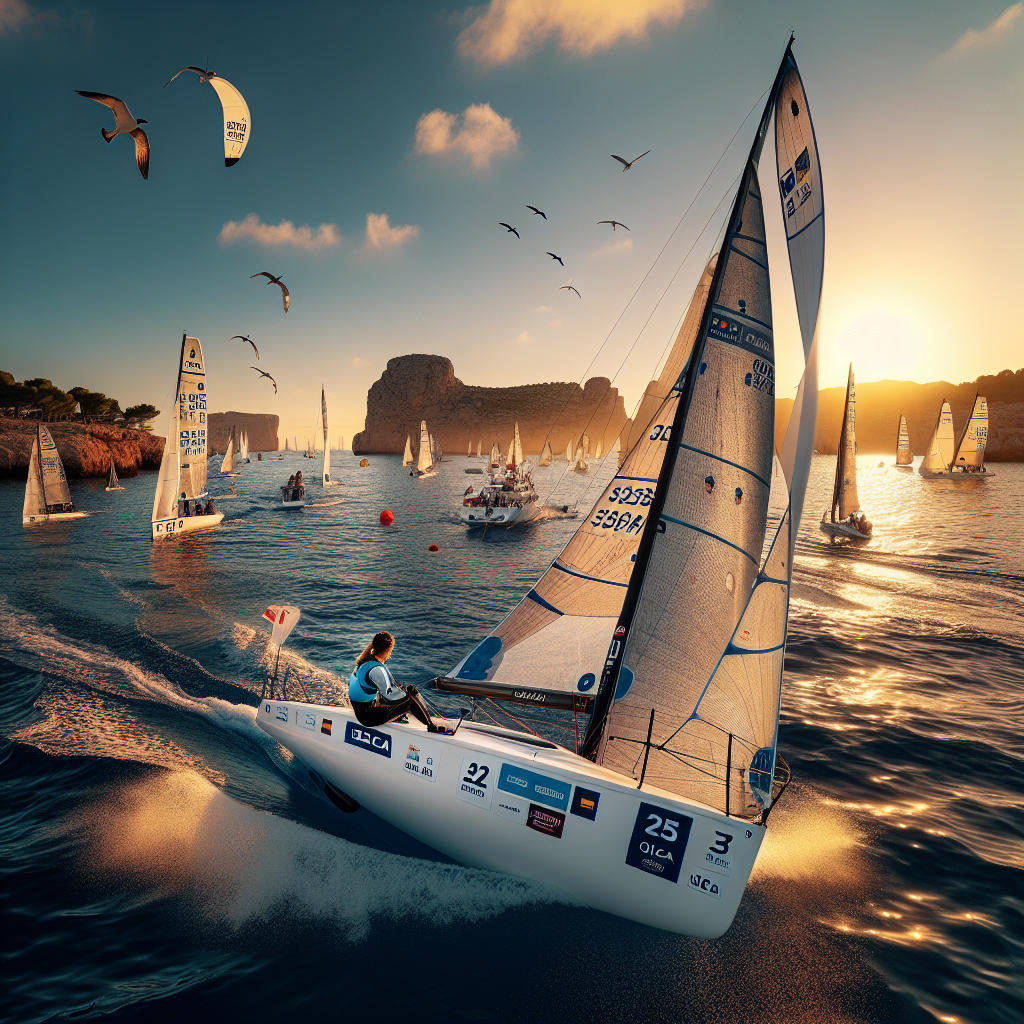
Isabel Hernández: A Beacon of Excellence in the ILCA 6 Spanish Cup in Mallorca Isabel Hernández’s recent victory in the ILCA 6 Spanish Cup, held in Mallorca, has left an indelible mark in the world of sports sailing. With a participation of 360 vessels from 27 nationalities, this event has not only been a testimony of individual mastery but also a significant step towards Hernández’s consolidation as one of the prominent figures in the Spanish nautical scene. This achievement stands out not only for its sporting magnitude but also offers valuable lessons and opportunities for maritime professionals and enthusiasts. The Strategy Behind the Triumph Isabel Hernández, representing the Real Club Náutico de Gran Canaria, demonstrated exceptional resilience against the adverse weather conditions that marked the beginning of the competition. The first day of the regatta, canceled due to a storm, turned the event into a logistical and physical challenge that demanded additional effort from the competitors. In this context, Hernández handled the situation cleverly, focusing on maintaining a consistency that not only allowed her to advance to the gold group but also ensured a prominent place in the final series. The four races condensed into a single day required a formidable ability to adapt. According to her own words, it was a long and complicated day, with no wind in the morning and rapidly changing conditions. In this situation, the sailor stood out for her ability to adjust her navigation tactics, taking advantage of winds between 12 and 17 knots that, although challenging, became allies for her winning strategy. The ability to face unforeseen events, adapt strategies, and remain constant under pressure are skills that are not only valued in competition but can also be fundamental in the professional maritime field. Isabel Hernández’s story is an inspiring example for sailors and professionals in the sector, emphasizing the importance of mental and tactical preparation in challenging scenarios. Innovations and Future Perspectives in Sports Sailing Sports sailing in Spain is undergoing a process of continuous evolution, driven by technological and methodological advances that redefine training and competition. Isabel Hernández’s success in the Spanish Cup reflects how innovations have permeated every aspect of the sport, from the design of vessels to navigation techniques. The use of advanced technology, such as navigation simulators and performance analysis systems, has enabled athletes to optimize their training and assess their progress more accurately. These tools not only help athletes improve their skills but also provide valuable data that can influence strategic decision-making during competitions. Furthermore, the increasing accessibility to these technologies offers significant opportunities for maritime investors interested in developing new tools and services aimed at improving performance in sailing. These innovations not only benefit athletes but also have the potential to positively impact other sectors related to the maritime industry, enriching the nautical ecosystem as a whole. Labour Implications and Opportunities in the Nautical Sector Isabel Hernández’s triumph also highlights the importance of high-level competitions as platforms to identify and attract talent in the maritime field. Participation in international events not only boosts the careers of athletes but also opens doors to job opportunities in various areas of the nautical sector. For merchant marine professionals and sailors, staying abreast of competition dynamics like the Spanish Cup can offer valuable insights into new routes, fleets, and emerging technologies. Moreover, these events are ideal occasions to establish connections with other sector players, from naval engineers to investors interested in emerging maritime projects. Isabel Hernández has demonstrated that perseverance and preparation can lead to remarkable success, serving as an inspiration for those seeking to advance in their professional careers in the maritime field. Companies and nautical clubs are always on the lookout for qualified and committed talent, inviting interested individuals to consider the opportunities these platforms offer for personal and professional development. Relevance of the Spanish Cup for the Maritime Sector Isabel Hernández’s victory in the ILCA 6 Spanish Cup is a milestone that resonates in multiple dimensions within the maritime sector. Firstly, it highlights the caliber of national talent in sports sailing, inspiring new generations of sailors and professionals to reach higher levels of competence and dedication. Secondly, the event underscores the importance of continuous innovation within the nautical industry. The strategies and technologies deployed in the competition offer a vision of how innovation can be applied in other areas of the maritime sector, from naval engineering to fleet management. Lastly, the competition provides a practical approach to addressing challenges in high-pressure scenarios, an invaluable skill in both recreational and professional sailing. Isabel Hernández’s success story is a testimony to how determination and strategic flexibility can lead to success in any field, offering continuous inspiration for all those interested in the maritime sector. In conclusion, the ILCA 6 Spanish Cup has not only been a platform to demonstrate exceptional nautical skills but also a source of valuable lessons and opportunities for growth and innovation within the sector. Those interested in exploring more about these topics will find countless resources and communities dedicated to fostering development in sailing and the maritime sector as a whole.
The Success of the ILCA Master 2025 Spanish Championship: Innovation and Passion from the Real Club Náutico de Barcelona
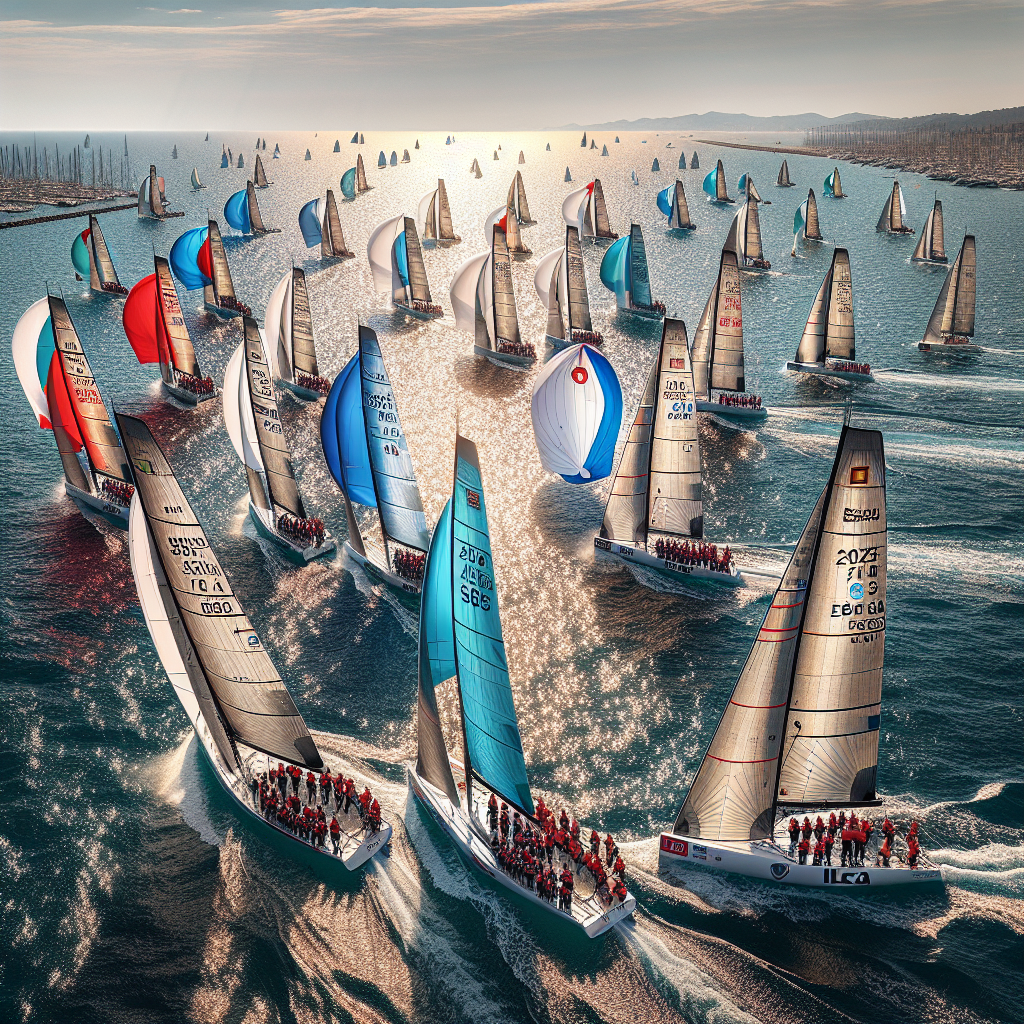
The Success of the ILCA Master 2025 Spanish Championship: Innovation and Passion from the Real Club Náutico de Barcelona The sailing sector in Spain is experiencing a significant growth, as evidenced by the recent success of the ILCA Master 2025 Spanish Championship held in the waters of Barcelona. This event not only crowned new champions in the ILCA 7 and ILCA 6 categories but also highlighted the increasing importance of sailing in the Spanish nautical context. With over 7,900 kilometers of coastline, Spain offers unparalleled conditions for sailing. Events like the ILCA Master Championship attract participants from around the world, promoting nautical tourism that benefits the local economy. Moreover, these championships serve as a platform for athletes, investors, and nautical-related businesses to take notice of the Spanish market. Competitions like the ILCA Master not only boost tourism but also drive investment in innovative infrastructures and technologies for navigation. This synergy between sports and technology creates various job and business opportunities, benefiting both maritime professionals and investors interested in the sector’s growth. ILCA 7 and ILCA 6 Champions: Skills at Sea In the ILCA 7 category, Jose Luis Doreste from RC Marítimo de Barcelona emerged as the champion, followed by Carlos Echavarri and Javier Muñoz from Marina Valencia SC, showcasing exceptional skills in the challenging Mediterranean conditions. These athletes not only set the standard for competitive sailing but also inspire the next generation of sailors. Meanwhile, in the ILCA 6 category, winner David González Osende from BISC, along with Carlos Martínez and Mónica Azón in second and third place respectively, stood out for their adaptability and precise tactics on the water. Their success symbolizes the sport’s growth in Spain and its positive impact on local communities. The skill and strategy demonstrated by these champions underscore the importance of continuous training for sailors, offering a positive outlook for those aspiring to a career in professional sailing. It also paves the way for nautical clubs and training academies to develop specialized programs to train future champions. Technology and Innovation in Competitive Sailing The championship highlighted how technology has become an integral tool for sailors, from advanced navigation devices to cutting-edge materials in boats. The integration of technology not only enhances performance but also ensures safer and more efficient competitions. Technological innovations also extend to onboard energy management systems, allowing sailors to optimize consumption and improve vessel autonomy. These advances benefit not only sailing professionals but also lead to improvements in the maritime sector as a whole, promoting more sustainable navigation. For maritime investors, this presents a unique opportunity to engage in funding emerging technologies and creating new ventures that explore these developments. Collaboration between technologists, sailors, and financial entities is crucial to drive growth and innovation in this sector. Job and Business Opportunities in the Nautical Sector The growth of the nautical sector, driven by events like the ILCA Master, is generating new job opportunities. From hiring specialized personnel in nautical technologies to developing new services for the industry, the possibilities are vast and varied. Professional sailors and specialized technicians find in these events a platform to showcase their talent and connect with potential employers. The increasing demand for experts in boat maintenance and logistics management in sports events is creating new job positions. On the other hand, for investors, supporting nautical initiatives and projects related to long-duration events can be an excellent business opportunity. Involvement in infrastructure development and financing international championships lays the foundation for significant and sustainable return on investment. A Promising Future for Spanish Sailing The ILCA Master 2025 Spanish Championship is a clear example of the progress of the nautical sector on a national and international level. The excellence demonstrated by competitors, combined with the support of organizations and investors, indicates a bright future for sailing in Spain. Stakeholders, from sailors to investors, are called to continue collaborating to drive this growth, fostering research and development of new technologies that enhance both the sailing experience and the sustainability of the marine environment. The Spanish nautical community is ready to face the challenges of the future with determination and optimism, paving a clear path towards collective success. This championship is not only a celebration of talent but also an invitation to all those interested in the sector to participate and contribute to the development of a more innovative and sustainable nautical industry.
Leadership and Innovation in the Port Sector: Corrina Ott Takes the Reins as Director of Operations at the Greater Houston Port Bureau

Leadership and Innovation in the Port Sector: Corrina Ott Takes the Reins as Director of Operations at the Greater Houston Port Bureau On April 1st, the Greater Houston Port Bureau took a significant step in its operational evolution with the appointment of Commander Corrina Ott as the new Director of Operations. With 28 years of experience in the United States Coast Guard (USCG), Ott assumes this role after retiring from this prestigious institution in March. This new appointment marks a significant milestone not only for the organization but also for the international maritime community, highlighting the increasing role of women in senior positions within the sector. Ott’s appointment aligns with the strategic objectives of the Greater Houston Port Bureau, which aims to strengthen its operations through experienced leadership. According to Captain Eric Carrero, President of the Port Bureau, Ott’s experience in the USCG is an invaluable asset that promises not only to maintain but also to elevate the operational standards of the institution. Her combination of deep technical knowledge and leadership skills will be instrumental in addressing the contemporary challenges of maritime trade. This leadership change comes at a crucial time for the port industry, where demands for efficiency and sustainability are constantly increasing. Ott’s arrival at the Greater Houston Port Bureau not only represents an organizational advancement but also an opportunity to inspire the next generation of maritime professionals, demonstrating that experience and leadership can transcend institutional and national boundaries. The Career of an Exceptional Naval Leader Corrina Ott’s career in the United States Coast Guard is a testament to dedication and professionalism in the maritime field. For almost three decades, Ott has accumulated vast experience in maritime security operations, crisis management, and port logistics. This knowledge has enabled her to successfully handle complex situations, ensuring the protection of waterways and the optimization of resources under challenging conditions. Ott’s diverse roles within the USCG underscore her ability to adapt and lead in different operational contexts. From emergency management to coordinating rescue teams, her career reflects an unwavering passion for the safety and efficiency of maritime transportation. This experience will be crucial for her new role at the Greater Houston Port Bureau, where she is expected to implement innovative strategies to revitalize port operations. Ott’s analytical and strategic focus demonstrated throughout her career will be critical in addressing the challenges facing the Greater Houston Port Bureau. Her ability to anticipate problems and propose effective solutions is particularly relevant in a global environment where resilience and sustainability are vital for operational success. Global Impact of the Greater Houston Port Bureau The Greater Houston Port Bureau is a key entity in the international maritime trade sector. Located in one of the most dynamic ports in the United States, its influence extends beyond local borders, impacting the flow of goods globally. The strategic importance of its location in the Gulf of Mexico makes it a pivotal point for trade between North America, Latin America, and Europe. Ott’s appointment as Director of Operations opens up new opportunities to strengthen these international connections. Her experience in managing complex operations in the USCG sets the stage for optimizing port efficiency, enhancing security, and promoting sustainable practices. In a context where global trade faces unprecedented challenges, Ott’s ability to lead with vision and precision is an invaluable asset. Furthermore, this appointment highlights the Greater Houston Port Bureau’s commitment to diversity and inclusion in the workplace. By fostering an environment where leaders from different backgrounds can contribute to the fullest of their abilities, the organization not only enhances its internal operation but also sets a benchmark for other institutions in the maritime sector to follow. Employment Opportunities and Promising Future Corrina Ott’s arrival at the Greater Houston Port Bureau is not only a significant event for the organization but also an encouraging sign for maritime professionals. This leadership change brings the promise of new initiatives and job opportunities, especially in the areas of port management and logistics. With the implementation of innovative and sustainable strategies, an increase in the need for skilled personnel to carry out efficient and safe operations is anticipated. The opportunities for maritime professionals are numerous, from technical roles to administrative positions, all necessary to support the organizational goals of the Greater Houston Port Bureau under Ott’s leadership. Therefore, this news is particularly relevant for sailors, investors, and nautical enthusiasts. Those interested in being part of an organization at the forefront of innovation and development in the maritime sector should consider submitting their resumes and exploring the opportunities that the Greater Houston Port Bureau may offer. A Call for Innovation and Sustainability The contemporary maritime landscape demands a renewed focus on sustainability and operational efficiency. Under the leadership of Corrina Ott, the Greater Houston Port Bureau is well positioned to lead this necessary transition. The implementation of emerging technologies and best operational practices will not only improve productivity but also reduce the port’s environmental footprint. This forward-looking vision is crucial in a global context where ecological and economic demands are redefining maritime trade. Ott’s ability to integrate technological innovations into the port’s daily operations is an aspect that can have a lasting positive impact, highlighting the Greater Houston Port Bureau’s role as a leader in the industry. Ultimately, Ott’s leadership and commitment to professional excellence will not only benefit the Greater Houston Port Bureau but also contribute to the advancement and sustainability of the maritime sector.
Innovation in the Maritime Sector: Azra Tech’s Eco-Friendly Hull Coating Revolutionizes the Industry
Innovation in the Maritime Sector: Azra Tech’s Eco-Friendly Hull Coating Revolutionizes the Industry Innovation in the Maritime Sector: Azra Tech’s Eco-Friendly Hull Coating Revolutionizes the Industry In a world increasingly aware of sustainability, Azra Tech Group emerges as a pioneer in nautical technology with the launch of its ship hull coating, IONIC. This innovation, which eliminates biocides and features ultra-low friction, promises to transform how the maritime industry addresses vessel maintenance and energy efficiency. The application of this coating not only contributes to a cleaner marine environment but also offers significant benefits in terms of operational efficiency. The reduced friction between the hull and the water means that vessels require less energy to sail at the same speed, resulting in significant fuel savings. This new technology represents a step forward in the maritime industry’s goal to reduce its environmental impact. As international regulations become stricter regarding emissions and waste, products like the IONIC coating become essential allies for commercial fleet operators. Economic Impact and Opportunities for Industry Professionals Azra Tech’s hull coating is not only an ecological milestone but also represents an economic advancement for shipping companies. The reduction in fuel costs, combined with less hull wear, leads to more economical and less frequent dry dock maintenance, resulting in higher profitability. For maritime industry professionals, this innovation offers new opportunities. Fleets that adopt this technology can optimize their operations, which is a compelling argument in a sector where efficiency is key to competitiveness. Furthermore, by aligning with sustainable practices, shipping companies enhance their brand image and appeal to environmentally conscious investors. On the other hand, a range of job possibilities opens up. Technicians specialized in applying coatings like IONIC will be increasingly in demand. This encourages professionals to update their skills and companies to offer specific training programs, ensuring a qualified workforce to implement these innovations. Sustainable Innovation: Impact on the Environment and the Future of Nautical Industry A crucial aspect of the IONIC coating is its biocide-free formula, substances that have historically been necessary to prevent organism growth on vessel hulls but also have adverse effects on marine life. By eliminating these components, Azra Tech significantly reduces the environmental impact of its products. The scientific and environmental community has expressed support for these developments, noting that the adoption of eco-friendly technologies is essential to preserving the oceans and their ecosystems. This type of coating protects waters from pollution while improving the quality of maritime transportation, fitting perfectly into the global movement towards more sustainable business practices. For nautical enthusiasts, the use of ecological coatings offers the additional satisfaction of knowing they are contributing to the conservation of the natural environment. By using technologies that protect marine biodiversity, sailors can enjoy their passions while aligning with a model of environmental sustainability. Investor Perspective: Added Value and Promising Future From the perspective of maritime investors, Azra Tech’s product represents added value in the portfolio of any company in the sector. The combination of technological innovation and ecological commitment not only meets current market demands but also anticipates future regulatory trends. Investing in technologies that promote energy efficiency and sustainability is now more attractive than ever. The increasing adoption of products like the IONIC coating reflects a shift in consumer expectations and company obligations towards climate change. For investors, this represents not only a profitability opportunity but also a commitment to the planet’s future. Backing clean technologies supports the transition to a more environmentally friendly global economic model, a movement that will eventually be reflected in the resilience and sustainability of investments. Conclusion: A Path to Transforming the Maritime Sector Azra Tech’s hull coating marks a turning point in the nautical sector. Its innovative and sustainable approach resonates with the current needs of the maritime industry, addressing environmental and economic challenges with practical and effective solutions. The adoption of technologies that promote efficiency and sustainability is not just a trend but a pressing need. The industry must adapt to ensure its long-term viability, and products like the IONIC coating represent the future we should aspire to. For professionals, investors, and nautical enthusiasts, this is an exciting time to be part of a transformation that promises to not only improve the sector but also protect our most cherished legacy: the oceans.
The Valaris DS-10: A Milestone Contract

Valaris DS-10: Innovation and Opportunities in Deepwater Drilling The Valaris DS-10: A Milestone Contract The maritime industry and its associated sectors are currently experiencing a crucial moment with the recent announcement from Valaris. The company, known for its leadership in comprehensive drilling solutions, has revealed the award of a two-year contract for its drilling ship VALARIS DS-10. This agreement not only underscores Valaris’ commitment to innovation and sustainability in offshore operations but also highlights the job and investment opportunities emerging in the maritime field. The VALARIS DS-10 is a drilling ship built in 2013, equipped with state-of-the-art technology that allows it to operate effectively in ultra-deep waters. The award of this contract highlights the increasing demand for such vessels, capable of carrying out complex and challenging operations in a variable and demanding marine environment. While the exact location where this ship will operate has not been announced yet, it is expected that the DS-10 will work in some of the most promising areas in terms of hydrocarbon reserves in the world. Innovation Driving Growth The technological advancements implemented in the VALARIS DS-10 reflect the ongoing efforts of the industry to improve efficiency and reduce the environmental impact of offshore operations. The ship is designed to maximize production while minimizing energy consumption through advanced management systems that optimize every aspect of its operation. A standout feature of the DS-10 is its ability to operate at depths exceeding 3,600 meters, with a drilling capacity of up to 12,000 meters. The DS-10’s technical capabilities not only expand the range of possible operations but also enhance their safety and sustainability, two critical elements for the industry’s future. Automated systems for drilling operation control are another key innovation present in the DS-10, improving operation precision and reducing risks associated with human intervention. Employment and Investment Opportunities With the award of this contract, multiple opportunities arise in the fields of employment and investment. For merchant navy professionals, the DS-10 offers attractive job offers in roles ranging from drilling engineers to maintenance technicians and system operators. Valaris has expressed its interest in attracting qualified talent to contribute to the success of this mission. The cutting-edge technology used in the DS-10 also presents an opportunity for companies and entrepreneurs looking to develop innovative solutions in support of offshore operations. The development of energy management technologies, enhanced safety systems, and predictive maintenance applications are potential areas for growth and collaboration. For investors, the DS-10 represents an opportunity to diversify their portfolios in the energy sector, with global energy demand on the rise. Impact and Future of the Offshore Sector The DS-10 contract not only indicates the growth of deepwater drilling business but also signals how the industry can align with global expectations of sustainability and energy efficiency. As companies seek to reduce their carbon footprint, projects that promote green technologies and ethical practices will have a competitive advantage in the market. The success of this contract could also influence government policies, promoting a more favorable environment for innovation in the offshore sector. Collaboration initiatives among companies, governments, and research organizations could thrive as a result of this contract, facilitating the exchange of knowledge and resources to enhance the safety and sustainability of maritime operations. Conclusion: A Sea of Possibilities In summary, the awarding of the contract for the DS-10 is a clear reflection of how the maritime industry is evolving in the face of 21st-century challenges and opportunities. This ultra-deepwater drilling ship is not only an engineering feat but also a symbol of the sector’s future direction. For readers of WishToSail.com, staying informed about developments like this is crucial as they offer fresh insights into growth and innovation within the maritime industry. The story of the DS-10 is an invitation to explore the job, technological, and economic opportunities emerging on the maritime horizon. Whether physically sailing the sea or metaphorically navigating through new ideas and technologies, the maritime sector is full of possibilities for those willing to embark on its journey of innovation, knowledge, and development.
Sustainable Innovation in the Maritime Industry: IONIC Adopts AZRA TECH’s Ecological Coating
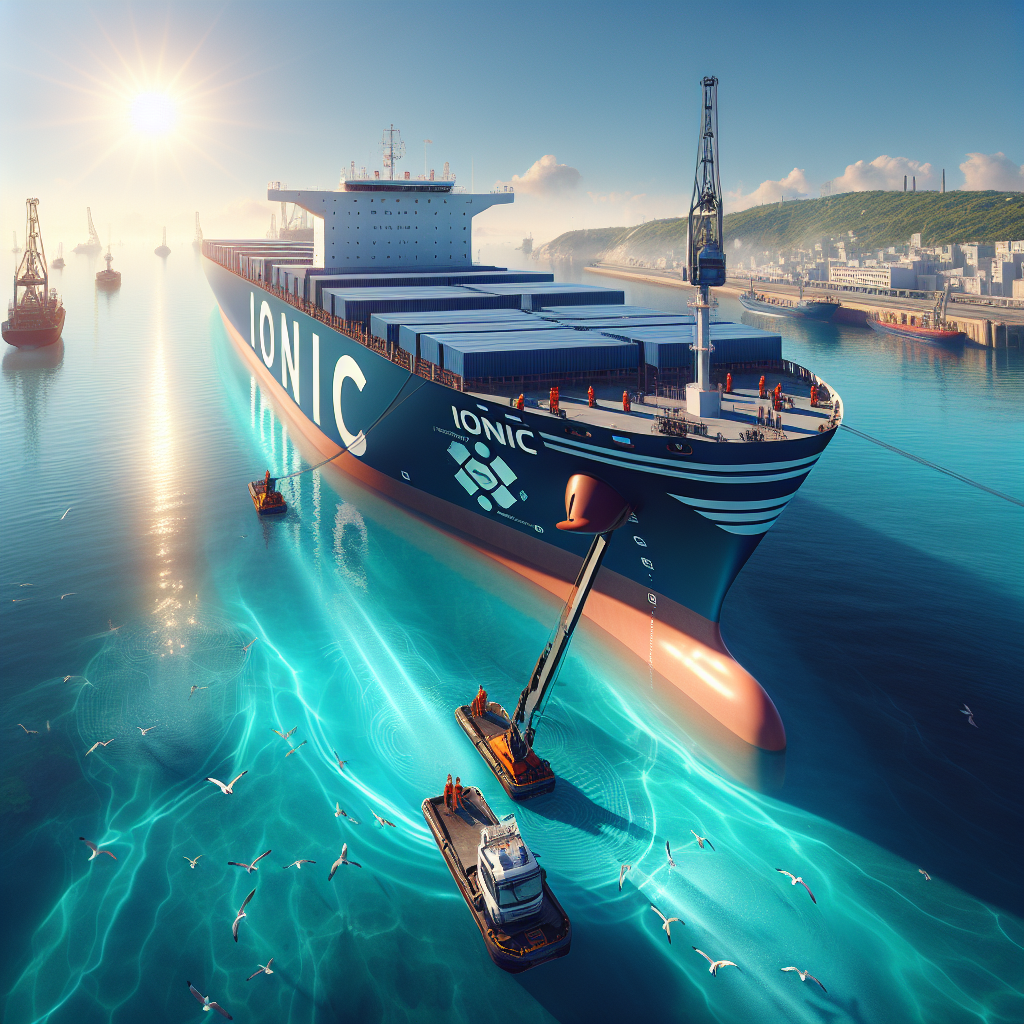
Sustainable Innovation in the Maritime Industry: IONIC Adopts AZRA TECH’s Ecological Coating The maritime industry has always been synonymous with innovation, and in a world where sustainability has become imperative, companies are taking bold steps to reduce their environmental impact. A clear example of this is the recent partnership between IONIC and AZRA TECH to implement an ecological hull coating that promises to revolutionize maritime transport. A Hull Coating Revolution: Low Friction Technology and Biocide-Free AZRA TECH has developed a hull coating for ships that features low friction technology and is free of biocides, positioned as a significant advancement in the industry. Traditionally, hull coatings have used biocides to combat marine organisms that adhere to ship surfaces, increasing resistance and consuming more fuel. However, these biocides are often harmful to the marine environment. AZRA TECH’s technology aims to change this by eliminating biocides, offering a greener future for navigation. By significantly reducing friction, the coating improves fuel efficiency, thereby reducing carbon emissions and operating costs. For merchant marine professionals, this innovation implies significant savings in long-term operating expenses, as well as contributing to the conservation of the marine environment. The use of this technology could foster a new standard in the industry, where efficiency and sustainability go hand in hand. For maritime investors, there is an opportunity to support a solution that is not only profitable but also eco-friendly and socially responsible. Impact and Job Opportunities in the Industry The implementation of these types of coatings not only has positive impacts on sustainability but can also create new job opportunities. Companies like IONIC that adopt these innovations need skilled personnel to apply and maintain these new technologies. There is an expected increase in demand for technical and engineering positions, where professionals can apply their knowledge in a modern and environmentally conscious context. The nautical industry is always in search of qualified personnel capable of adapting to these emerging technologies. Professionals and enthusiasts should be alert to these opportunities, where experience with ecological technologies will be an added value in their careers. Those interested in being part of this change may consider submitting their resumes to innovative companies like IONIC, which are at the forefront of these sustainable practices. Long-Term Benefits: Cost Savings and Environmental Responsibility The long-term benefits of this technology are evident. By adopting low-friction coatings, ship operators like IONIC can significantly reduce fuel consumption. This not only represents a decrease in operating costs but also a reduction in greenhouse gas emissions, a critical aspect of global sustainability goals. The shift towards biocide-free technology protects marine biodiversity, which is crucial for maintaining healthy oceanic ecosystems. The implementation of this type of technology could become a regulatory requirement in the future, and being ahead of this trend puts companies in a position of leadership and readiness for change. Finally, sailors and nautical enthusiasts also benefit from these innovations. A coating that extends the life of vessels and improves their performance provides added value for those operating in the recreational or sports field, where every detail counts for an optimal navigation experience. Towards a Sustainable Future in the Maritime Industry The use of ecological coatings like AZRA TECH’s by IONIC exemplifies the type of change needed to lead the maritime industry towards a sustainable and efficient future. This type of development is not only relevant but crucial for the advancement of a responsible and modern industry. For professionals, investors, and sector enthusiasts, adopting these technologies represents a clear competitive advantage and a commitment to a more responsible future. The maritime industry is at a turning point, and those aligning with sustainable initiatives will be better positioned to face upcoming challenges. It is an exciting time to be part of the maritime community, and these innovations are a reminder that positive change is possible and within our reach. It is time to act, explore, and learn about these new technologies that promise to change the world of navigation as we know it.