


The Silent Revolution in the Maritime Sector: Innovation in Magnetohydrodynamic Pumps
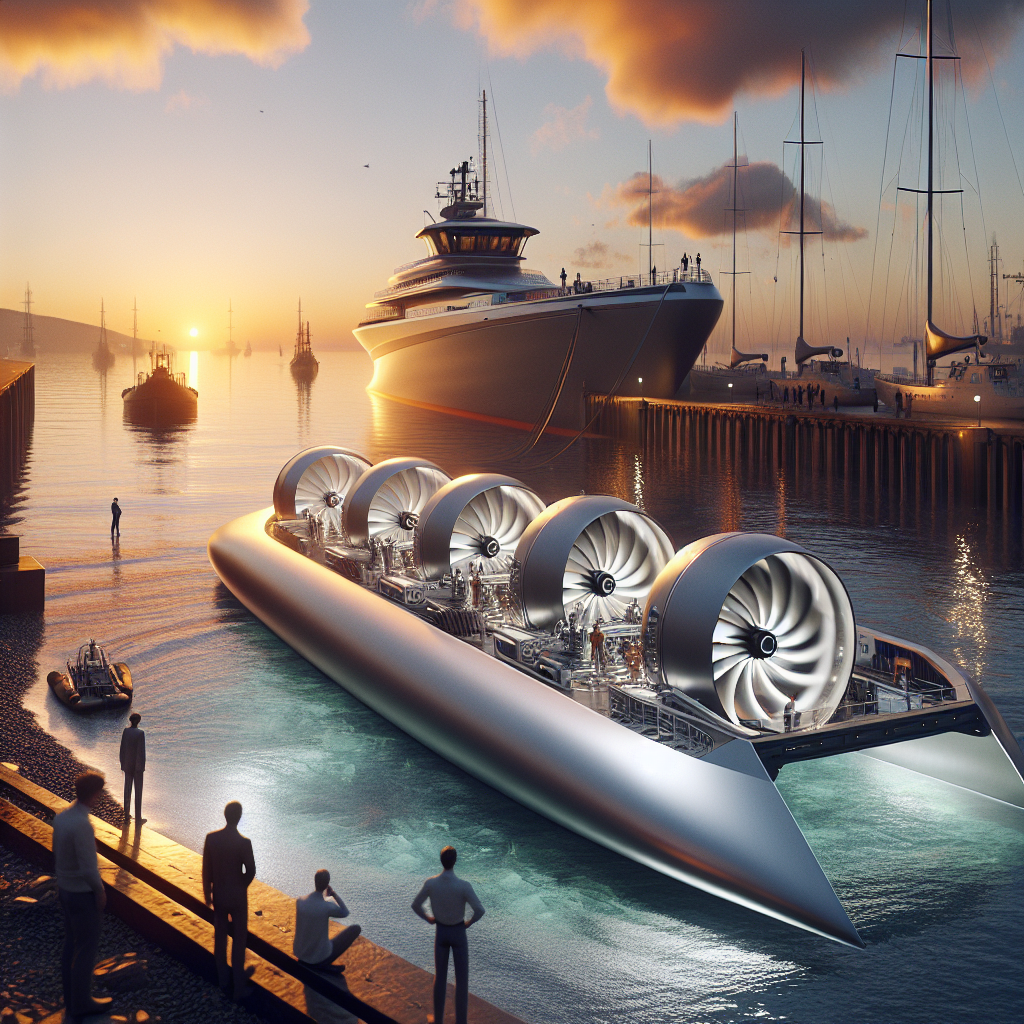
The Silent Revolution in the Maritime Sector: Innovation in Magnetohydrodynamic Pumps In the world of nautical and maritime technology, innovation is a constant that transforms and improves operations in both commercial and recreational settings. In recent years, there has been a growing interest in technologies that not only increase efficiency but also minimize environmental impact and enhance operational performance. An example of this can be found in the groundbreaking proposal by HRL Laboratories, LLC, which has demonstrated a unique approach to achieving a silent pumping system using electric current and a magnetic field. A Paradigm Shift: Magnetohydrodynamic Pump The project by HRL Laboratories, developed under the “Principles of Undersea Magnetohydrodynamic Pumps (PUMP)” program of the Defense Advanced Research Projects Agency (DARPA), offers a revolutionary solution: a pump that replaces traditional mechanical parts with magnetohydrodynamic technology. This innovation utilizes a recirculating hydrogen electrochemical cell, allowing the creation of a prototype that lacks moving components that are often the source of operational noise. The use of a recirculating hydrogen electrochemical cell is crucial for this system, as it enables the fluid to move through a magnetic field without the need for moving parts. This not only significantly reduces noise compared to traditional mechanical pumps but also decreases component wear, extends their lifespan, and reduces maintenance costs. The significance of this technology lies not only in its ability to operate more quietly but also in its potential to improve energy efficiency. By eliminating the need for moving parts, friction losses are minimized, and energy usage is optimized, crucial aspects for both operational efficiency and environmental sustainability in the maritime sector. Impact and Opportunities for the Maritime Sector This emerging technology offers multiple benefits for different segments of the maritime sector. Firstly, for the merchant navy, the implementation of silent pumping systems can be a strategic advantage. The reduction in noise not only enhances onboard comfort but also has significant implications for covert or low-profile operations, where maintaining a low noise level is essential. Secondly, for sailors and nautical enthusiasts, these pumps can offer a more pleasant and less intrusive experience by eliminating the mechanical noise that typically accompanies traditional systems. Furthermore, being more energy-efficient could result in lower fuel consumption, directly impacting costs and sustainability. Finally, for maritime investors, magnetohydrodynamic pumps represent an investment opportunity in emerging technology with clear growth potential. As the industry seeks sustainable and efficient solutions, investing in technologies that promote energy efficiency and reduce environmental impact can be a strategic and profitable decision. Relevance and Future of Magnetohydrodynamic Pumps The development of these pumps also raises questions and challenges that need to be addressed for their widespread implementation. Integrating this technology into existing systems may require significant adjustments and a reassessment of current processes. However, the long-term benefits in terms of reduced operational costs and sustainability justify the initial investment. Moreover, its application is not limited solely to the maritime sector. The possibility of using these silent pumps in underwater propulsion systems, for example, opens new frontiers for military and research operations that require discretion and efficiency. In conclusion, the innovation presented by HRL Laboratories is a testament to the unlimited potential of technology to transform the maritime industry. As always, the sector moves towards a future where efficiency, sustainability, and performance are fundamental pillars. This development not only reinforces the commitment to sustainable innovation but also invites professionals in the sector to be vigilant and prepared to integrate these technologies into their daily operations. A Call to Action for Sector Professionals The introduction of magnetohydrodynamic pumps represents a unique opportunity for those who wish to be at the forefront of technological innovation in the maritime sector. Merchant navy professionals, nautical engineers, and maintenance technicians have the task of exploring, understanding, and implementing these solutions in their respective areas of work. This is an open invitation to all those interested in being part of this revolutionary technological wave. Companies involved in the development and application of these pumps are likely seeking talents to help lead their integration, so readers are encouraged to consider submitting their resumes to relevant entities. At the end of the day, navigation and maritime transport are at a turning point. With technologies like those developed by HRL Laboratories, the future not only looks exciting but also quieter and more efficient. It’s time to get on board with the silent revolution and be part of the change towards a more sustainable and advanced maritime world.
Odyssey Marine Exploration: Innovation and Opportunities in Marine Resource Exploration

Odyssey Marine Exploration: Innovation and Opportunities in Marine Resource Exploration Odyssey Marine Exploration: Innovation and Opportunities in Marine Resource Exploration Odyssey Marine Exploration, a prominent global leader in ocean exploration and sustainable mineral resource development, has recently announced its financial results for the fourth quarter of 2024. The company has also provided a summary of its annual results, reflecting a strong commitment to diversifying and expanding its portfolio of critical minerals. The year-end marked a significant milestone for Odyssey, with a renewed focus on a business strategy that aims to minimize risks and maximize opportunities. The company has reported an increase in its exploration capacity, which has had a positive impact on its financial stability and future growth outlook. For maritime investors and industry professionals, these results not only reflect the company’s economic performance but also provide an opportunity to observe emerging trends in the industry. Odyssey’s focus on sustainability and technological innovation could redefine how resources are explored and extracted from the seabed. Key Projects and Innovation Strategies One of the highlights of Odyssey’s report is the diversity of projects currently under development. This variety not only supports the company’s risk mitigation strategy but also expands opportunities in underwater resource exploration, a sector experiencing constant growth and innovation. The use of advanced technology has allowed Odyssey to enhance its exploration capabilities. Robotic equipment and real-time analysis systems play a crucial role in detecting and evaluating mineral deposits, optimizing both accuracy and efficiency in the process. These innovations not only empower Odyssey’s ability to discover resources but also set a sustainability standard by minimizing environmental impact. For maritime professionals, the implementation of these technologies signifies new horizons and job possibilities. Technical expertise and specialized knowledge are increasingly sought after in projects that require a multidisciplinary approach, making Odyssey an attractive potential employer in the sector. Relevance for the Maritime Sector and Career Opportunities The advancement and expansion of Odyssey’s activities are particularly relevant for those working in the merchant navy, as well as nautical enthusiasts looking to invest in emerging industries. The focus on sustainable technology provides models that can be adopted in other areas of the maritime industry, promoting more environmentally friendly practices. The new routes and exploration areas opened by Odyssey’s projects could lead to an expansion of commercial maritime routes, diversifying current options and offering new opportunities for maritime transportation and trade, essential for industry professionals. The increasing demand for specialized talent in marine engineering, geology, and underwater exploration technology suggests a growing need for specific skills. Encouraging engineers and technicians to submit their resumes to companies like Odyssey could open doors to exciting careers, contributing to a dynamic and evolving sector. Future Perspectives and the Importance of Diversification Looking ahead, Odyssey Marine Exploration is well positioned to lead the change in a sector increasingly reliant on technological innovation and sustainability. The diversification of its project portfolio not only provides financial stability but also fosters a more holistic approach to resource management. This diversified approach is essential in a world where the demand for critical minerals is rising, driven by the growth of industries such as green technology and electronic device manufacturing. Odyssey continues to explore how to meet these needs responsibly, balancing economic development with the protection of the marine ecosystem. For readers of WishToSail.com, this story is an invitation to participate in the future of the sea, whether by exploring emerging careers, investing in innovative technologies, or simply staying informed about a transforming sector. Odyssey is not just a leader in marine mineral exploration but also an example of how innovation can open new doors and redefine entire industries. This article is designed to provide a comprehensive overview of Odyssey Marine Exploration’s activities and their impact on the maritime sector, highlighting the opportunities it offers for both professionals and investors interested in innovation and sustainability.
The Strategic Investment in Maritime Logistics: Maxwell Street Capital Partners’ Bet on Port Jersey’s Expansion
The Strategic Investment in Maritime Logistics: Maxwell Street Capital Partners’ Bet on Port Jersey’s Expansion In the dynamic world of maritime logistics, Maxwell Street Capital Partners’ recent investment in Port Jersey Logistics marks a significant milestone. Known for its integrated solutions in temperature-controlled logistics, Port Jersey Logistics has established itself as a cornerstone for the food and beverage industry. This collaboration with Maxwell Street not only strengthens Port Jersey’s position but also opens up new opportunities for strategic expansion. Maxwell Street’s decision to partner with Port Jersey’s management team aligns with the goal of strengthening operational infrastructure and expanding the company’s reach. This partnership provides not only additional capital for complementary acquisitions but also strategic support to drive growth in the competitive logistics market. This collaborative approach highlights both parties’ commitment to enhancing efficiency and responsiveness to the sector’s changing demands. For maritime professionals and maritime investors, this move represents an intriguing opportunity. The fusion of advanced logistics capabilities with solid financial management is an example of how strategic investments can transform the industry. Moreover, this partnership creates a fertile ground for developing new routes and introducing innovative technologies in logistics management. Enhancing Efficiency through Technological Innovation One key aspect that makes this investment particularly relevant is its focus on technological innovation. Port Jersey Logistics has been at the forefront of implementing advanced temperature control systems, ensuring product integrity during transport. Maxwell Street’s support will enable the expansion of these technologies, ensuring an even more efficient and reliable service. The maritime sector is constantly evolving, and companies leading the way are those embracing emerging technologies. This investment presents an opportunity for Port Jersey to explore new technological applications, from artificial intelligence to process automation. Impact on Employment and Professional Growth The growth of Port Jersey driven by this investment also translates into a range of job opportunities for industry professionals. The company’s expansion will require skilled personnel in various areas, from logistics management and operations to technology and infrastructure development. For those interested in being part of a growing organization, this is an ideal opportunity to apply and develop their skills in an innovative setting. Port Jersey, backed by Maxwell Street, is well positioned to attract talents seeking a dynamic environment where they can contribute and grow professionally. Readers interested in considering these opportunities are invited to submit their resumes to Port Jersey Logistics. Joining a team at the forefront of maritime logistics will not only advance their careers but also contribute to the overall progress of the industry. Future Impact on the Sector and Projections The collaboration between Maxwell Street and Port Jersey is a clear indicator of where the future of maritime logistics is heading. With a focus on expansion and innovation, the sector is gearing up to meet the challenges of a globalized and demanding market. Adaptability and investment in technology and human capital will be crucial for long-term success. For maritime investors, such partnerships are a perfect example of maximizing opportunities in a growing sector. The integration of resources and expertise not only strengthens the companies involved but also sets a precedent for future investments in the maritime field. In summary, this strategic move not only benefits the parties involved but also offers an inspiring model for other actors in the sector. Investment in innovation and human capital is crucial, and Maxwell Street and Port Jersey demonstrate how to do so successfully. This is an exciting time for those involved in the world of maritime logistics and transportation. Conclusion: A Promising Future for Maritime Logistics The recent announcement of Maxwell Street Capital Partners’ investment in Port Jersey Logistics has the potential to redefine the maritime logistics landscape. With the momentum of new technologies and expanded capabilities, Port Jersey is well positioned to become a leader in the food and beverage logistics industry. This strategic alliance not only offers immediate benefits in terms of operational expansion but also lays the groundwork for sustainable long-term growth. This is a clear example of how informed and strategic investments can drive progress in the maritime sector.
The Future of Navigation: Green Methanol Ships and their Impact on the Nautical Sector
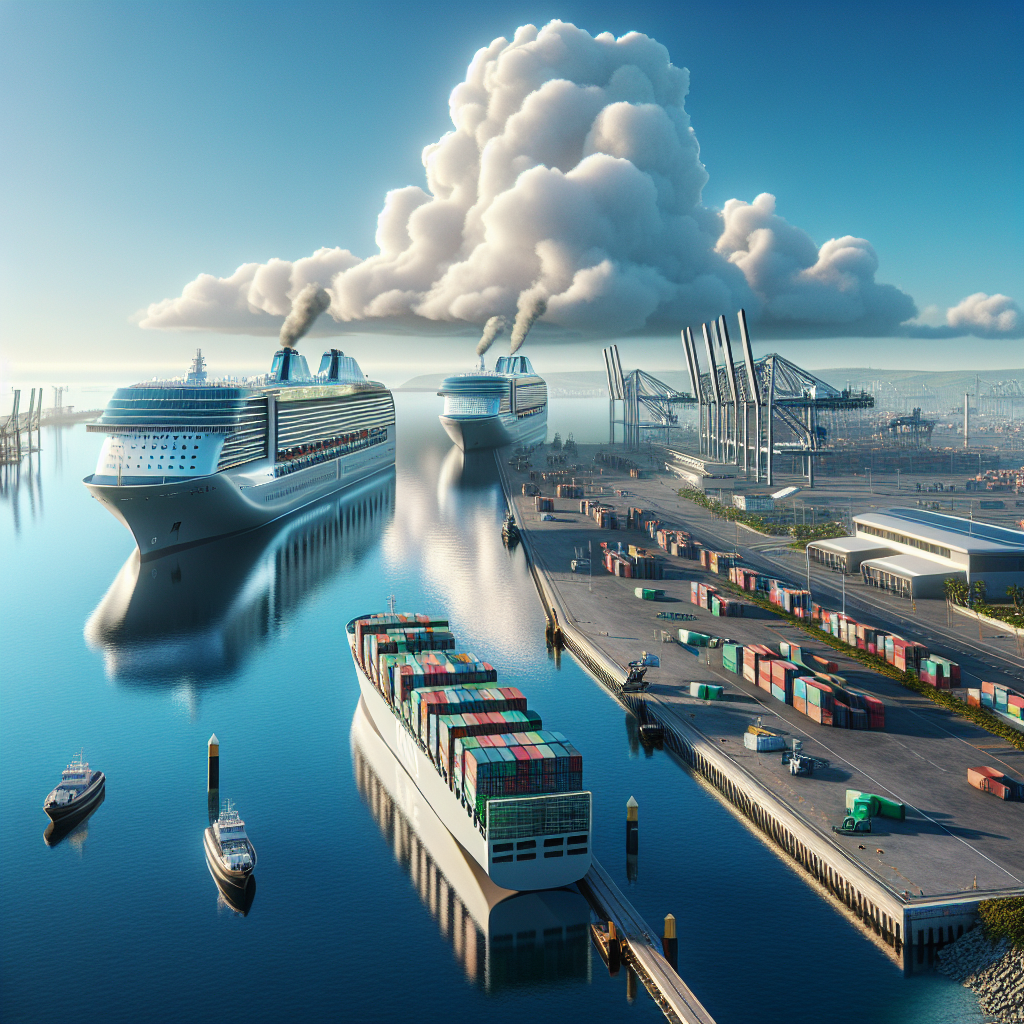
The Future of Navigation: Green Methanol Ships and their Impact on the Nautical Sector The maritime industry is currently undergoing a significant transformation, driven by the urgent need to reduce greenhouse gas emissions and minimize environmental impact. A recent report titled “Green Methanol Ships Market by Ship Type, Sales Channel and Region – Global Forecast to 2035” published by ResearchAndMarkets.com sheds light on one of the most promising solutions: ships powered by green methanol. What is Green Methanol? Green methanol is an alternative fuel produced from renewable sources such as biomass or green hydrogen combined with captured CO2. This fuel is emerging as a viable solution for decarbonizing the maritime sector, providing a cleaner alternative to traditional fossil fuels. One key advantage of green methanol is its ability to integrate into existing engines, making adoption easier without the need for a complete fleet restructuring. Additionally, it is a fuel that can be transported and stored more safely compared to other alternative fuels like hydrogen or ammonia. Green methanol is gaining traction in the maritime industry as a sustainable alternative to traditional fossil fuels. It can be produced from renewable sources and has the potential to reduce greenhouse gas emissions significantly. The adaptability of green methanol to existing engines makes it an attractive option for ship operators looking to transition to cleaner fuels. Regions with strict environmental policies, such as Europe and parts of Asia, are leading the way in adopting green methanol technology. For maritime professionals and investors, green methanol represents an opportunity to lead a shift towards sustainability while ensuring compliance with increasingly stringent environmental regulations. Analysis of the Green Methanol Ships Market The report categorizes the green methanol ships market by ship type (cruise ships, containers, bulk carriers, tankers, dry cargo ships, tugs, and workboats), fuel type (monofuel, biofuel), and sales channel (newbuild and retrofit). This classification provides a better understanding of market opportunities, enabling strategic investment decisions. Cruise ships and container vessels are prime candidates for adopting this technology due to their high fuel consumption and regulatory pressure to reduce emissions. Dry cargo ships and bulk carriers are also beginning to explore the potential of green methanol due to their high volume of operation on international routes. The retrofit market is also seeing growing interest as it allows existing ships to be adapted to operate with green methanol, offering a cost-effective solution to meet current environmental regulations without the need for new constructions. Regional Perspectives and Employment Opportunities The geographical distribution of the green methanol market is influenced by regional sustainability policies and the availability of infrastructure for methanol production and supply. Europe is leading the implementation of this technology thanks to its strict environmental policies and commitment to reducing carbon emissions. Asia, with its strong presence in shipbuilding, is also adopting this technology, especially in countries like China and Japan, where pilot projects are being developed to test the viability of methanol as a marine fuel. This transition presents a range of job opportunities for professionals in the sector, both in the design and engineering of new ships and in the retrofitting of existing vessels. Companies like Maersk and HMM are at the forefront of green methanol adoption and are actively seeking specialized talent to drive this change. Navigators and technicians interested in this field can find growth and career development opportunities in these companies. Technological Innovation and Industry Benefits The adoption of green methanol is driving technological innovation in marine engine design. Manufacturers are developing dual-fuel engines that allow for a smooth transition from traditional diesel to methanol, facilitating compliance with new regulations without compromising performance. This technology also brings economic benefits by reducing dependence on volatile fossil fuels and offering a more predictable and controlled energy source. Operating costs can be reduced in the long term, benefiting fleet operators and end consumers alike. Furthermore, technological improvements enable greater control over emissions, allowing companies to monitor and manage their environmental footprint more effectively, significantly contributing to global sustainability goals. Conclusion: Toward a Sustainable Future In conclusion, green methanol not only represents a viable alternative for reducing emissions in the maritime sector but also an opportunity to transform the industry into a pillar of sustainability and efficiency. As more regions implement favorable policies and technology continues to advance, green methanol could become the industry standard in maritime transport. It is time for sailors, investors, and nautical enthusiasts to embrace this paradigm shift and explore the possibilities it offers for a greener and more sustainable future. For all these reasons, green methanol is an innovation that not only transforms how we navigate but also redefines the role of the maritime industry in the modern world. We invite our readers to continue exploring the potential of this technology and consider the professional development opportunities it provides.
The Future of Multimodal Transport: Maritime Connections
The Future of Multimodal Transport: Maritime Connections The company J.B. Hunt Transport Services, Inc., based in Lowell, Arkansas, has announced an eagerly anticipated event for professionals in the maritime and transportation sector: the publication of their quarterly results on April 15, 2025. This announcement will not only grab the attention of investors but also those interested in logistics and multimodal transport, as the company is a reference in the industry. During this event, the company’s performance will be discussed, opening up the stage to explore new strategies and innovations in transportation. The multimodal transport model, which combines different means such as train, truck, and ship, is revolutionizing global logistics. Companies like J.B. Hunt have leveraged this synergy, offering more efficient and sustainable operations. The publication of their results is not just an opportunity to understand the company’s financial situation but also to grasp the direction in which multimodal transport is heading. With the rise of technology and the quest for more sustainable routes, the maritime sector plays a crucial role in this transformation. Maritime routes offer significant capacity for long-distance transport Integration with other modes can provide a competitive advantage New job and investment opportunities are emerging in the sector Regarding technological innovations, J.B. Hunt has stood out for integrating advanced technologies into its operations. The use of Transport Management Systems (TMS) and digital platforms has allowed the company to optimize its supply chain and improve route efficiency. This underscores the importance of digitalization in the maritime sector, enabling companies to enhance fleet monitoring and maintain meticulous control over logistics operations. Tracing technologies and artificial intelligence are transforming shipment management, facilitating better planning and more precise route adjustments, leading to cost reductions and increased customer satisfaction. Digitalization is key for enhancing efficiency in the maritime sector Investing in technology can lead to a solid return on investment Training in digital skills is essential for staying competitive J.B. Hunt’s conference not only focuses on financial results but also explores new opportunities for expansion and growth. With the growing demand for efficient and sustainable transportation, companies are seeking new ways to grow, with the maritime sector playing a pivotal role in this equation. Maritime routes offer extensive capacity for international goods transport, and their combination with other methods can open up new commercial routes. Emerging markets present significant potential for the expansion of maritime services, along with the development of more advanced port infrastructures. There is potential for expanding maritime services in emerging markets Sustainability initiatives can add value to operations Opportunities for professional and business development should not be overlooked The presentation of J.B. Hunt’s results signals the future direction of multimodal transport. With technology and sustainability as fundamental pillars, the maritime sector has the opportunity to lead a significant transformation in global logistics. Professionals and investors who grasp these dynamics will be better positioned to capitalize on upcoming opportunities. By identifying companies at the forefront of technology and operational efficiency, investors can ensure both current success and sustained long-term growth in the maritime sector. Encouraging our readers to delve deeper into these topics, to explore the possibilities offered by multimodal transport and the maritime sector. Staying informed and prepared will be vital in a world where efficiency and innovation are the hallmarks of success. J.B. Hunt’s conference is just the beginning of a broader discussion on the future of logistics and its impact on our oceans and borders.
The Bright Future of the Maritime Industry in Houston
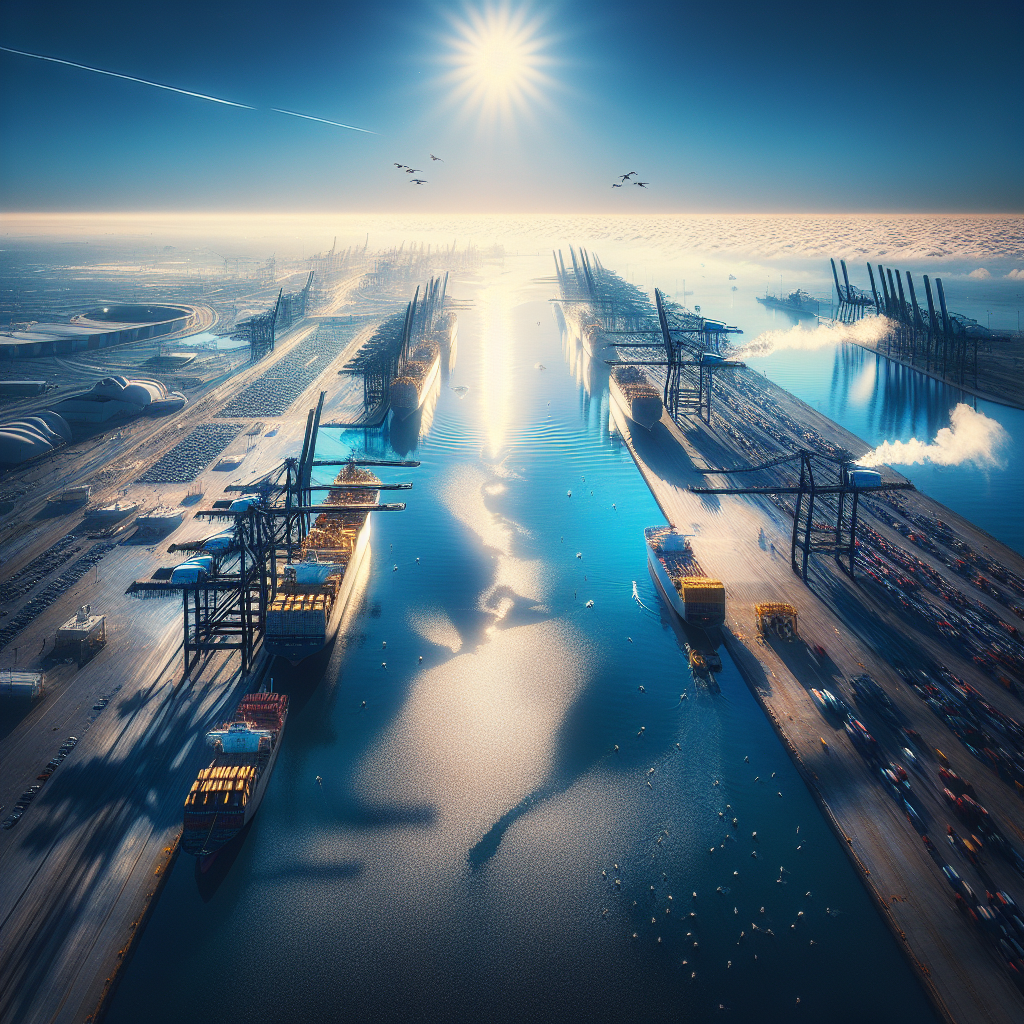
The Bright Future of the Maritime Industry in Houston The recent meeting of the Houston Port Authority Commission was marked by an emotional tribute to former mayor and congressman Sylvester Turner, who left an indelible legacy on the city and, in particular, on its port. President Ric Campo shared poignant reflections on his relationship with Turner, emphasizing the crucial role he played in developing the port as a vital economic engine for Houston. Sylvester Turner was a key figure in transforming the port into a hub of innovation and sustainability. His vision and leadership helped establish the Port of Houston as a central hub for international trade, improving infrastructure and promoting eco-friendly initiatives. Turner’s legacy lives on in every corner of the port, where his impact is felt in the modernization of facilities and the commitment to more sustainable practices. Recognizing Turner is not only a tribute to his past contributions but also a reminder for current professionals and future leaders in the maritime sector. Drawing inspiration from his vision can foster a renewed commitment to propel the port to new heights, ensuring its relevance in the competitive global landscape of maritime commerce. Technological Innovations Driving Port Growth The Port of Houston is not just a testament to the past but a model of innovation for the future. In recent years, it has implemented a series of technological advances aimed at improving operational efficiency and reducing environmental impact. From terminal automation to the integration of artificial intelligence to optimize cargo logistics, the port is gearing up to lead the next generation of smart ports. Implementation of renewable energy technologies Digital platforms for enhanced communication One significant focus has been the use of renewable energy technologies to power port operations. This not only reduces carbon emissions but also cuts operational costs, putting the port in a competitive position to attract new investments. Furthermore, these initiatives provide job opportunities for engineers and technicians specializing in clean technologies, who can find a fertile ground for professional development in this area. The implementation of digital platforms is another essential aspect of modernization. These platforms allow better communication and coordination among different port stakeholders, enhancing transparency and logistical process efficiency. For maritime professionals, being familiar with these technologies is crucial as they can revolutionize the way daily operations are carried out. New Routes and Opportunities in International Trade The Port of Houston is strategically positioned to extend its global influence by opening new maritime routes. This initiative not only meets the increasing demand in international trade but also offers significant opportunities for sailors and the maritime industry. The establishment of new maritime connections strengthens the port’s position as a central hub for trade between North America and other continents. Global trade demand on the rise Competitive advantages for shipping companies These new routes also provide competitive advantages to shipping companies, which can benefit from reduced transit times and optimized costs. For maritime investors, the Port of Houston represents a potential for sustainable growth, especially at a time when flexibility and speed are crucial factors for success in the global market. The new routes demand a skilled and motivated workforce, opening doors for those interested in developing careers in a dynamic and ever-evolving environment. Professionals looking to be part of this port expansion can find in these initiatives an opportunity for growth and invaluable learning. Relevance for WishToSail.com Readers For maritime professionals, the innovations and expansions at the Port of Houston mean a more efficient and stimulating work environment. Advanced technologies and new routes offer the chance to work in an environment that values innovation and sustainability, crucial in today’s maritime industry. Opportunities for career growth Investment potential in sustainable port development For maritime investors, the Port of Houston represents a long-term opportunity to invest in a port that is not only prepared for growth but actively driving it. Alignment with global trends in trade and sustainability ensures that the port will continue to be a smart investment in the future. Lastly, for nautical enthusiasts, the progress at the Port of Houston offers a glimpse into the future of the maritime sector and the opportunity to be part of a community at the forefront of technology and efficiency. The port’s innovations reflect an industry that is not only advancing but reinventing how we understand maritime commerce. Exploring the Future of the Port of Houston Driven by Sylvester Turner’s legacy and current technological innovations, the Port of Houston is poised to be a leader in the maritime sector. Its focus on sustainability and efficiency offers a model for other ports around the world. The combination of new routes and cutting-edge technologies ensures that it will remain a key player in global trade. As more professionals join this transformation, the Port of Houston will continue to redefine the role of ports in the international economy. Job and investment opportunities are within reach for those willing to be part of this exciting journey into the future. For those looking to delve deeper into how these advancements can impact their respective areas of work or interest, the Port of Houston is undoubtedly a fascinating reference point.