


The Panama Canal: Paving the Way to the Future with the NetZero Slot
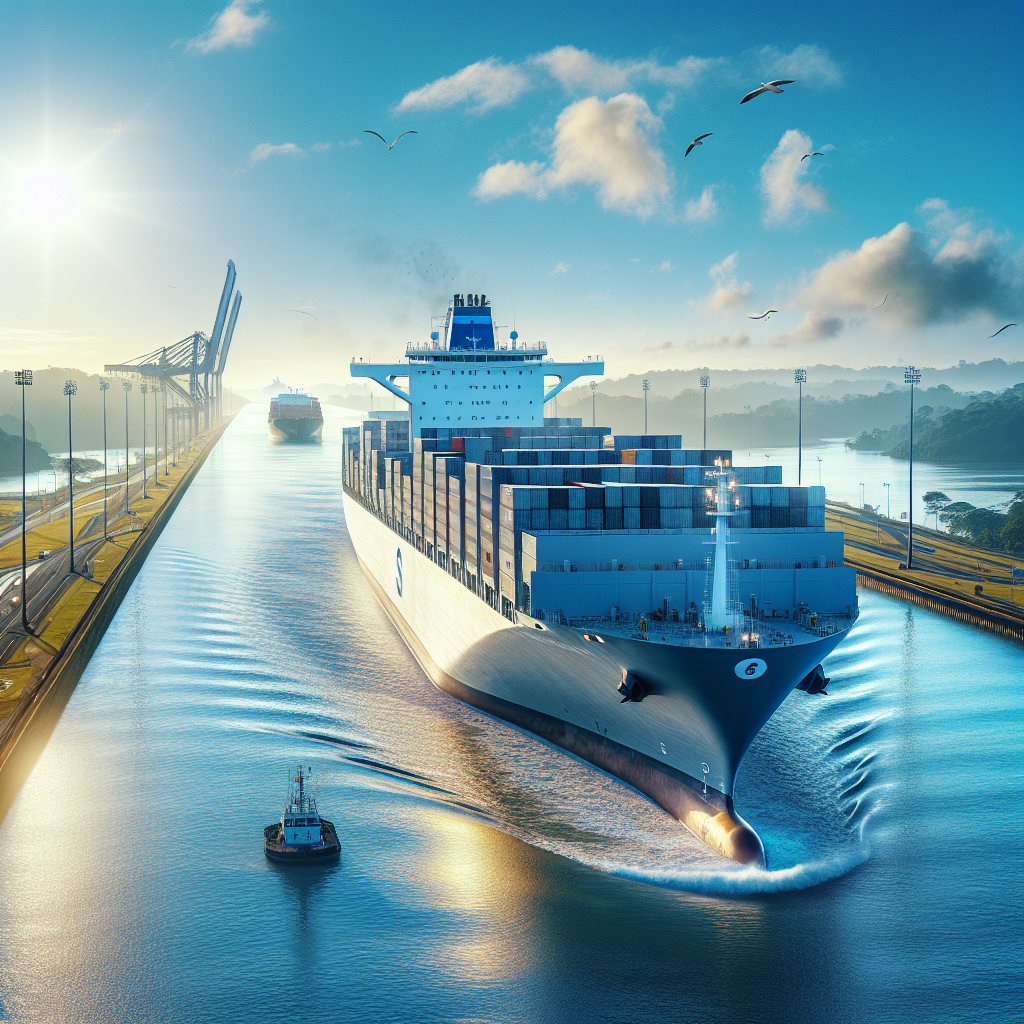
The Panama Canal: Paving the Way to the Future with the NetZero Slot The Panama Canal has been a cornerstone of global maritime trade since its inauguration. With the recent announcement from the Panama Canal Authority regarding the implementation of the NetZero Slot, the canal is not only positioning itself as a crucial transportation route but also as a leader in environmental sustainability. This innovative initiative aims to significantly reduce carbon emissions in the maritime sector, promoting a greener future for the industry. Commitment to Sustainability: The Challenge of Net Zero Emissions Starting on October 5, 2025, the Panama Canal will initiate the first phase of the NetZero Slot for neo-panamax vessels. This measure aims to incentivize shipping companies to reduce their carbon emissions while offering them certain operational advantages. Among these advantages is the ability to choose the transit date, ensuring a 24-hour transit through the Canal and Just in Time (JIT) service. It is important to note that this effort is part of an ambitious commitment: to achieve net zero emissions by 2050. The implementation of the NetZero Slot not only represents a step towards that ambitious goal but also reflects a shift in global maritime sector priorities. According to Panama Canal Authority data, maritime transport is responsible for approximately 2.9% of global CO2 emissions, underscoring the significance of any effort to reduce this contribution. With this new approach, the Panama Canal is not only adapting to current demands but also positioning itself as a sustainable leader for the future, offering a model for other international maritime routes to follow. Innovation and Technology: The Path to Emission Reduction The implementation of the NetZero Slot is based on clear technical criteria. In its initial phase, priority will be given to vessels using dual-fuel engines, employing a fuel with a carbon intensity of less than 75 gCO2(e)/MJ over its entire life cycle, known as ‘Well to Wake’ (WtW). This approach ensures that program participants are genuinely committed to emission reduction. This system benefits not only the environment but also offers significant operational advantages. By reducing waiting times and optimizing transit, ship operators can plan their routes more efficiently. This not only translates into fuel savings but also enables better time and resource management, something crucial for competitiveness in the sector. Furthermore, the second phase of the program, scheduled for 2026, will feature even stricter specifications, to be announced in due course. This ensures continuous improvement and a constant incentive for shipping companies seeking to lead in efficiency and sustainability. This encourages technological innovation and the constant search for less polluting alternatives for naval propulsion. Opportunities for Seafarers and Investors The NetZero Slot offers a range of job opportunities for maritime professionals. The growing demand for skilled professionals in sustainable technologies and operational practices that optimize efficiency and reduce emissions is a rising trend. Shipping companies deciding to participate in this program will require qualified personnel who understand its technical and operational specifications. Investors in the maritime sector will also find significant opportunities. Companies leading in innovation and sustainability are well positioned to benefit from the NetZero Slot. This serves as a clear incentive to invest in clean technologies and more efficient vessels, which can result in robust financial returns in an increasingly sustainability-focused market. Additionally, the implementation of this program could lead to a new dynamic in the maritime labor market. Those interested in working in this field should consider specializing in green and sustainable technologies, as the sector continues to evolve towards more responsible and environmentally friendly practices. Relevance for Seafarers and Industry Professionals The announcement of the NetZero Slot is of utmost importance for seafarers and industry professionals for several reasons. Firstly, it represents a significant step towards sustainability, an increasingly important global objective. Secondly, the implementation of this program provides maritime companies with a competitive advantage, as compliance with ecological standards is increasingly valued by customers and international markets. Finally, for nautical enthusiasts and maritime industry professionals, the NetZero Slot represents a milestone towards a cleaner and greener future. This transition is not only beneficial for the environment but also for the development of new technologies and innovative practices in the maritime sector. In summary, the Panama Canal, with its NetZero Slot, is positioning itself as a pillar of sustainability in global maritime trade. The invitation is open for companies and professionals wishing to join this initiative and contribute to a greener and more efficient future. Those interested in being part of this change can submit their resumes to participating companies, demonstrating their commitment to sustainability and innovation in the sector.
The Blue Economy Boom in Los Angeles: A Sea of Maritime Opportunities
The Blue Economy Boom in Los Angeles: A Sea of Maritime Opportunities The blue economy, also known as the ocean economy, is becoming a cornerstone for sustainable development in the Los Angeles County region. This concept encompasses economic activities related to oceans, seas, and coasts, and is emerging as a viable solution to current environmental challenges. The increasing awareness of the risks posed by climate change, pollution, and degradation of aquatic ecosystems has led to greater attention and investment in ocean-based industries. For maritime professionals, maritime investors, and nautical enthusiasts, the blue economy represents a growing field full of opportunities. However, the success of these initiatives largely depends on workforce development and curriculum updates in related educational programs. In this article, we explore how these factors intertwine to provide a unique opportunity window that transforms both the job market and recreational landscape of the maritime sector in Los Angeles County and beyond. Technological Innovations in the Blue Economy One of the drivers of growth in the blue economy is technological innovation. Advances in ocean renewable energy technology, such as offshore wind turbines and wave energy systems, are redefining how we interact with ocean resources. These technologies not only mitigate the effects of climate change but also create jobs in engineering, installation, and maintenance. Additionally, aquatic ecosystem monitoring platforms, using drones and advanced sensors, allow for more precise and efficient surveillance of ocean conditions. These tools are essential for marine biodiversity conservation and offer professionals in the sector new opportunities for intersectoral collaboration, especially in marine biology and environmental management. Renewable energy technologies in the ocean sector are expected to create over 11 million jobs globally by 2050. The global offshore wind energy market is projected to reach $78.3 billion by 2026. Education and Workforce Development Workforce development is essential to capitalize on the growth of the blue economy. This requires updating educational curricula in institutions offering training in marine sciences, ocean engineering, and environmental management. Collaboration between sector companies, universities, and technical training centers is vital to close current educational gaps. Training programs tailored to the demands of the blue economy market not only provide the necessary skills for emerging jobs but also foster research and innovation. Students and professionals in training must be equipped with competencies in green technology, sustainable project management, and environmental policies. 77% of marine professionals believe that ongoing education and training are essential for career advancement in the blue economy. Government investment in blue economy education and training programs has increased by 30% in the last decade. Employment Opportunities in the Maritime Sector The rise of the blue economy in Los Angeles brings a significant expansion in job offerings in the maritime sector. From technical roles in renewable energy facilities to positions in marine biotechnology research and development, the opportunities are diverse and attractive. Leading maritime technology companies and conservationists are looking for talented professionals to fill these positions. The demand for qualified personnel in aquatic resource management, maritime logistics, and clean technologies is growing, creating a dynamic and promising work environment. The maritime logistics market is expected to grow by 3.8% annually between 2021 and 2026. The marine biotechnology market is projected to reach $6.4 billion by 2027. Implications for Professionals and Enthusiasts For maritime professionals and maritime investors, the rise of the blue economy represents an opportunity to lead in sustainable and technologically advanced practices. The adoption of clean technologies and involvement in conservation projects are not only market trends but also ethical and economic imperatives. Nautical enthusiasts find in this context an incentive to actively participate in ocean protection, exploring new ways to navigate and enjoy the sea responsibly. 70% of yacht owners are willing to pay more for eco-friendly yacht products and services. Volunteer opportunities in marine conservation have increased by 20% in the last five years. Conclusions: A Promising Yet Budding Future The growth of the blue economy in Los Angeles County is not only a response to current environmental challenges but also an open door to a sustainable and prosperous future for the maritime sector. The key to success lies in collaboration between industry and education to close training gaps and prepare the workforce of tomorrow. For sector professionals and investors, the time to act is now.
The Strategic Change at KNOT Offshore Partners: Masami Okubo Takes the Helm of the Board
The Strategic Change at KNOT Offshore Partners: Masami Okubo Takes the Helm of the Board Introduction to the Strategic Restructuring KNOT Offshore Partners LP, a prominent figure in the energy maritime transportation sector, has recently announced a significant change in its board of directors. This change involves the appointment of Masami Okubo as a new board member, replacing Yasuhiro Fukuda, both representatives of the renowned company Nippon Yusen Kabushiki Kaisha (NYK). This move, effective as of April 1, 2025, reflects a renewed strategy to strengthen KNOT’s global presence in the maritime sector. Masami Okubo, the current Chief Executive Officer of NYK Energy Transport, brings extensive experience in managing and transporting maritime energy. His appointment not only marks a new chapter for KNOT Offshore Partners but also underscores NYK’s continued commitment to innovation and operational excellence in energy transportation. By taking on this new role, Okubo faces the challenge of guiding the company through an ever-evolving maritime environment. The change in KNOT’s board of directors is a reflection of current global dynamics in the energy sector, where efficiency and sustainability are top priorities. Okubo’s arrival promises to drive new strategies that integrate emerging technologies and sustainable practices, offering opportunities to professionals and investors interested in the sustainable development of maritime transportation. Impact on the Maritime Industry and Opportunities for Professionals The appointment of Masami Okubo could lead to an increase in job opportunities within the maritime sector. Professionals in the merchant navy and those looking to advance their careers in maritime energy transportation may benefit from the innovations expected to be introduced by Okubo. This strategic change could result in an expansion of maritime routes and infrastructure, creating demand for new talents and technical skills. Furthermore, the introduction of new technologies and sustainable practices could signify a revolution in the training and education of maritime professionals. Navigators and operators could be on the cusp of a period of technological evolution, where digital skills and the ability to adapt to rapid changes could be crucial. Thus, KNOT could represent a focal point for emerging talent in the sector. For maritime investors, Okubo’s appointment could open doors to new investment opportunities in sustainable projects and advanced technologies. The trend towards more efficient and green maritime transportation presents an attractive path for long-term investments, ensuring economic returns and positively contributing to the environment. Technological Innovations and Sustainability In the technological sphere, KNOT Offshore Partners, under Okubo’s leadership, is likely to explore the possibilities that digitization offers to the maritime sector. From the implementation of navigation and logistics systems based on artificial intelligence to the use of big data to optimize routes and fuel consumption, the incorporation of new technologies is on the horizon. Sustainability is also a fundamental pillar of this new strategy. With increasingly stringent regulations on emissions and global pressure to reduce carbon footprints, KNOT could lead initiatives to integrate alternative fuels and emission reduction technologies into its fleet. This alignment would not only position the company with global sustainability goals but also potentially establish it as a leader in innovation and environmental responsibility. Nautical enthusiasts could also benefit from these innovations, translating into more efficient and responsible practices in their own activities. By adopting clean and sustainable technologies, KNOT will not only enhance its competitive position but also set a standard for the industry as a whole. Conclusion: A Promising Future for KNOT and the Maritime Sector Masami Okubo’s appointment to the board of directors of KNOT Offshore Partners symbolizes a step forward in the evolution of energy maritime transportation. This strategic change not only represents an opportunity for professionals and businesses to engage in an innovative and growing sector but also establishes a framework for a more sustainable and technologically advanced future. Ultimately, this move underscores the importance of adaptation and innovation in the maritime sector. Professionals, investors, and enthusiasts should be alert to the opportunities this restructuring could offer. By submitting their resumes to companies like KNOT and exploring new investment avenues, they can position themselves at the forefront of global maritime transformation. KNOT Offshore Partners, under the guidance of Masami Okubo, is well placed to lead this transformation, standing out not only for its operational excellence but also for its commitment to a greener and more efficient future. For all those interested in sailing these waters, the future is promising.
The Why H2 Congress: Exploring a Sustainable Future for the Maritime Industry
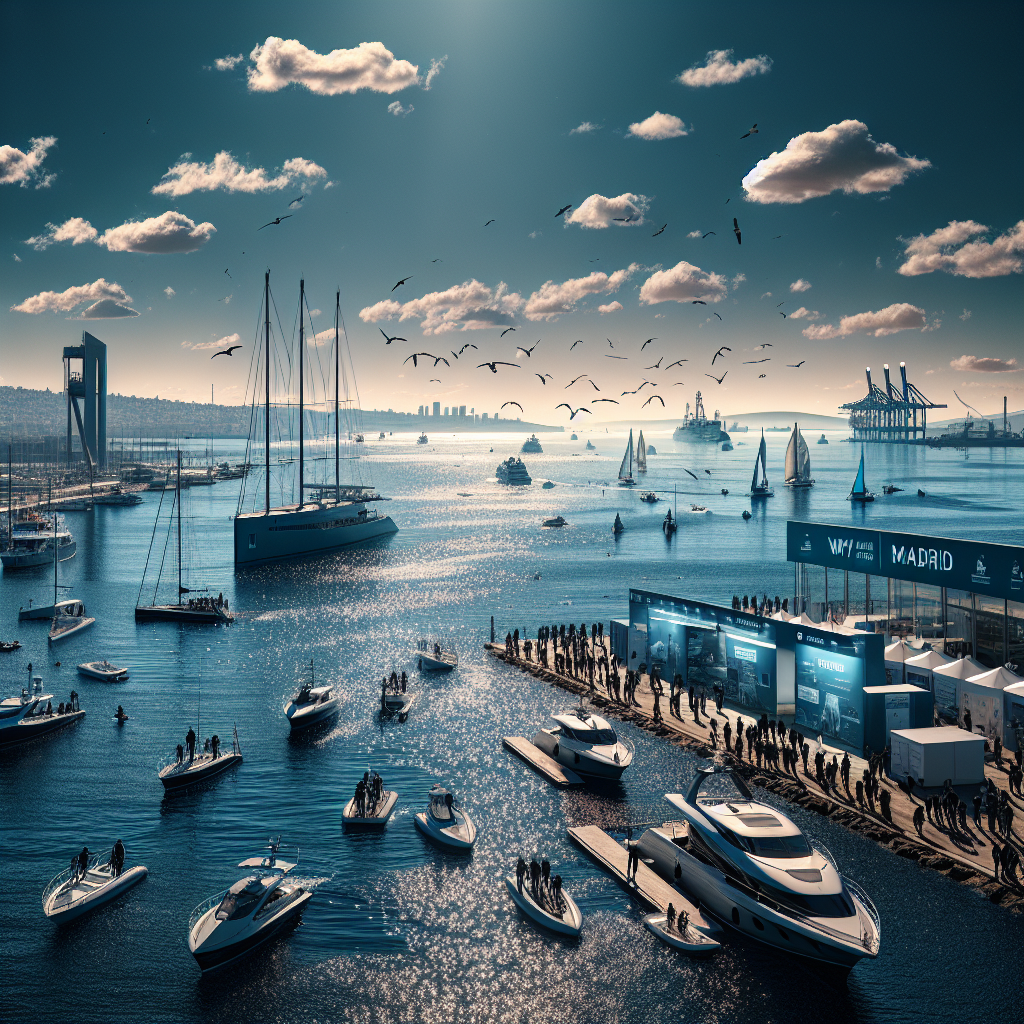
The Why H2 Congress: Exploring a Sustainable Future for the Maritime Industry The Why H2 – Sustainable Industry Congress, now in its second edition, is shaping up to be a key event for those looking to stay at the forefront of sustainability and decarbonization in the maritime industry. Scheduled for April 23 and 24, 2025, at La Nave in Madrid, this international congress will bring together some of the most prominent leaders, experts, and professionals in the sector to discuss and share knowledge about clean technologies, renewable energies, and innovative solutions. Given that the maritime environment is one of the most critical and challenging sectors in terms of emissions and sustainability, the relevance of this event cannot be underestimated. The industry is constantly seeking ways to reduce its carbon footprint and adopt cleaner and more efficient practices. This congress provides a unique platform to discuss the latest advancements and foster collaboration among attendees through innovative activities such as Professional Speed Dating, specifically designed to maximize face-to-face connections. The event is organized by Why H2 Plus Offers an accessible format for different attendee profiles Entry tickets start from £190 for professionals Special discounts available for students Exhibition is free for all interested parties Furthermore, companies have the opportunity to purchase packages starting from £850, further reinforcing the chance to establish networks and strengthen their presence in the sector. The Challenge of Decarbonization One of the highlights of the congress will be the focus on decarbonization, a topic of crucial importance for the maritime industry. The reduction of CO2 emissions and other greenhouse gases presents a persistent challenge for the sector. During the event, the latest trends and technologies enabling companies to move towards a cleaner and more sustainable future will be presented. Initiatives such as the use of hydrogen as an alternative fuel are increasingly being discussed, given its potential to significantly reduce emissions. The Why H2 congress will explore how hydrogen can be effectively integrated into the industry’s daily operations and what steps are needed to accelerate its adoption. For maritime investors, this congress represents a unique opportunity to identify new investment areas and assess the growth potential and profitability of these emerging technologies. The transition to more sustainable practices is not only crucial from an environmental perspective but can also offer significant long-term economic benefits, making decarbonization not only a responsibility but also a business opportunity. Technological Innovation at the Forefront The congress will also focus on technological innovations that are revolutionizing the maritime industry. From automation and digitization to hybrid propulsion systems and renewable energies, the event will showcase the most advanced technological solutions available today. Attendees will have the opportunity to interact with the pioneers developing these technologies, learning firsthand how they are changing the industry’s landscape. The possibility of exploring new technological and business routes is a tempting promise for merchant navy professionals and sailors looking to stay up to date with the latest developments. Furthermore, these innovations not only promise to reduce emissions but also improve operational efficiency and reduce costs. Relevance for Professionals and Nautical Enthusiasts For merchant navy professionals, the Why H2 congress offers an invaluable opportunity to update their knowledge and skills. The intersection of technology and sustainability is a crucial focus area that will influence daily operations and business strategies in the immediate future. Staying informed about these trends is not only a competitive advantage but a necessity for those looking to lead in their fields. Maritime investors, on the other hand, will find in this event a platform to identify new investment opportunities. With a strong focus on clean technologies and decarbonization, the congress offers insights into how these investments can generate significant returns as the industry moves towards a greener and more efficient future. For nautical enthusiasts, the event will be a source of inspiration, showing how the industry is evolving to be more responsible and environmentally conscious. Participating in these forums not only expands personal horizons but also offers the opportunity to actively contribute to progress towards a more sustainable world. Conclusion: A Commitment to the Future In conclusion, the Why H2 – Sustainable Industry Congress is not just an event but a commitment to a more sustainable and responsible future. By bringing together key players in the maritime industry, the congress will serve as a catalyst for change and innovation, empowering the leaders of tomorrow to make informed decisions that will benefit both the sector and the planet. All those interested in sustainability and innovation are encouraged to attend and participate in this transformative event. With climate change being one of the greatest challenges of our time, the opportunity to collaborate and learn at the Why H2 Congress could not be more relevant or urgent. For more information about the program and registrations, you can visit the official event page.
The Introduction of the Mediterranean ECA Zone: A Necessary Change

The Introduction of the Mediterranean ECA Zone: A Necessary Change From May 1, 2025, the Mediterranean Sea will become an Emission Control Area (ECA), a measure implemented by the International Maritime Organization (IMO) to reduce sulfur emissions from ships sailing in this region. This initiative reflects a global commitment to improving air quality and minimizing carbon footprint in maritime transport. The transition of the Mediterranean to an ECA zone is a decisive step towards more sustainable navigation. Impact on Operators and Job Opportunities The adjustment to the ECA regulations in the Mediterranean poses a significant operational challenge for regular liners like Mærsk and CMA CGM. However, it also represents an opportunity for innovation and technological advancement in the industry. The adoption of cleaner fuels and scrubbing technologies will not only enhance the sector’s sustainability but also drive the creation of new jobs in areas related to environmental engineering and scrubber system management. Investment in specialized training programs could be a valuable investment for those looking to advance their careers in the maritime sector. For maritime investors, the ECA regulations could anticipate an increase in demand for ships equipped with advanced emission control technologies. Economic and Environmental Repercussions The implementation of the ECA zone in the Mediterranean will have significant economic and environmental repercussions. On one hand, operational costs for shipping companies will increase due to the higher price of low-sulfur fuels and the installation of scrubbing systems. However, this spending increase will be offset by the environmental benefits of emissions reduction. The regulation could represent a boost for the eco-friendly marine fuels and scrubbing technology industry. Environmental benefits include improved air quality in coastal areas, reducing the risk of respiratory diseases in the population and mitigating the impact of climate change by reducing greenhouse gas emissions. Conclusion: A Greener Future for Navigation The transformation of the Mediterranean into an ECA zone is a crucial step towards a more sustainable future for maritime navigation. While the change presents significant challenges for operators, it also offers valuable opportunities for innovation and growth in the sector. The implementation of advanced emission control technologies not only complies with new regulations but also positions shipping companies at the forefront of sustainability in the industry. For maritime professionals, this regulation can offer new employment opportunities and professional development in a constantly evolving market. This initiative underscores the importance of international collaboration in addressing global environmental issues.
The Growth of Geoquip Marine through a €100 Million Bond Issue
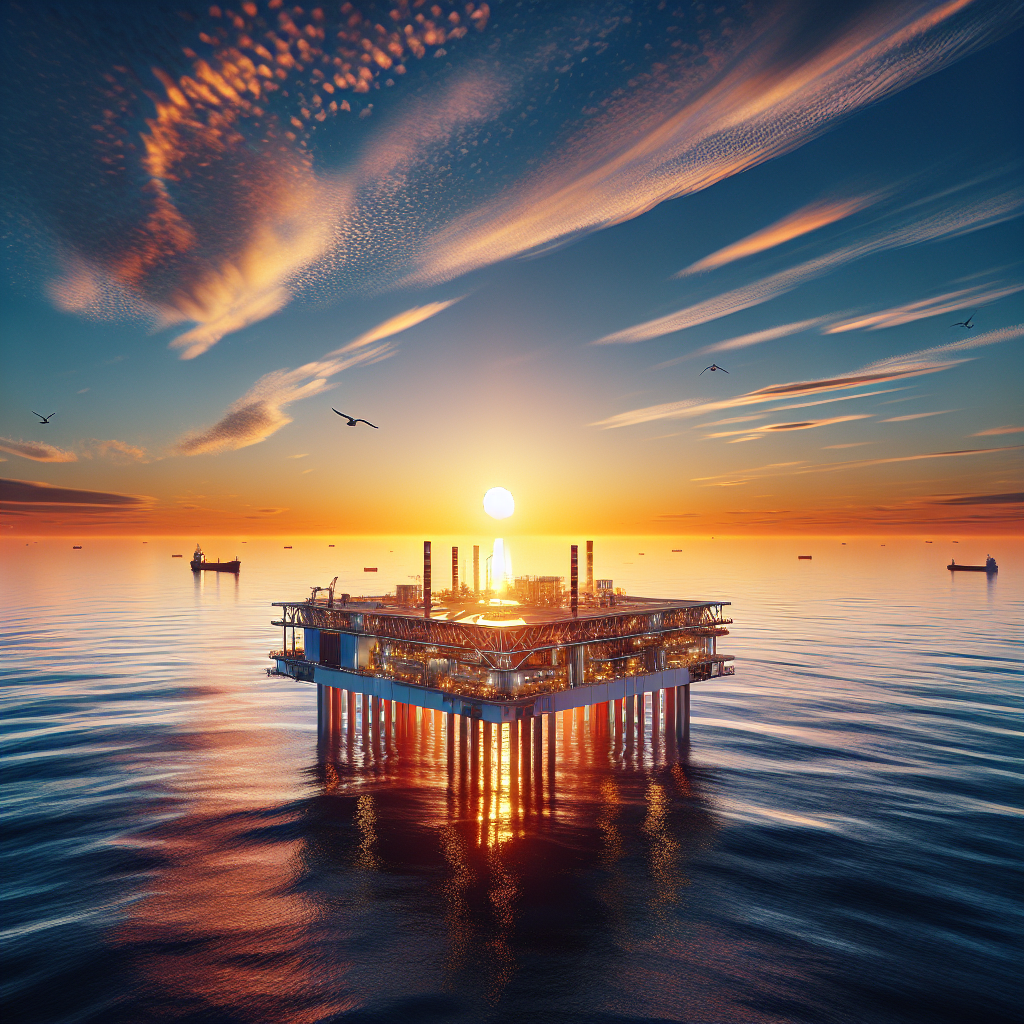
The Growth of Geoquip Marine through a €100 Million Bond Issue Geoquip Marine, a prominent figure in the maritime geotechnical solutions sector, has reached a significant milestone in its financial development by successfully completing a bond issue worth €100 million. This operation not only strengthens its financial stability but also sets the foundation for sustained growth in the coming years. The funding obtained through this bond issue will allow Geoquip Marine to expand its operational and technological capabilities, further solidifying its position as a leader in offshore geotechnical solutions. The strategic move signals the confidence that investors and markets have in the company’s potential to lead the industry. The support of Njord Partners, Geoquip Marine’s main shareholder, has been crucial in this operation. Their portfolio management expertise has facilitated an efficient and successful process, providing a significant boost to the company in terms of strategic growth and investment capacity in new projects. Opportunities for Growth and International Expansion The injection of capital from this bond issue will open new doors for Geoquip Marine, allowing it to venture into international markets that were previously out of reach. With the right economic resources, the company plans to explore new maritime routes and expand its presence in key regions, strengthening its position globally. Geographical growth is not only a strategy to increase revenues but also an opportunity to create new jobs in the maritime sector. Geoquip Marine is committed to incorporating specialized talent that can support its expansion and contribute to its long-term success. Technological Innovations and Their Impact on the Industry A significant portion of the funds raised will be allocated to the development of new technologies and the enhancement of existing ones. Investing in research and development to optimize geotechnical data collection methods and incorporate cutting-edge technologies into operations. Technological advancements will not only improve operational efficiency but also increase the accuracy and reliability of data collected. This investment in technology will also contribute to the development of more sustainable and environmentally friendly solutions, aligning with the growing demand for responsible environmental practices in the maritime sector. Geoquip Marine is committed to minimizing the environmental impact of its operations, and new technologies will play an essential role in achieving this goal. Implications for Investors and the Maritime Sector For maritime investors, Geoquip Marine’s successful bond issue represents an attractive investment opportunity in a solid and growing company. The improved financial stability and planned expansion reinforce the company’s position as a trusted partner in the maritime industry. The continued development of Geoquip Marine could stimulate additional innovations and enhance the overall competitiveness of the sector. A robust and expanding maritime market offers significant opportunities for investors looking to diversify their portfolios in an industry with long-term growth potential. Conclusion: A Promising Future for Geoquip Marine The €100 million bond issue marks an exciting chapter in Geoquip Marine’s history. With a solid financial backing, the company is well-positioned to expand its operations and establish new partnerships in the global market, standing out as a leader in maritime geotechnical solutions. Geoquip Marine’s commitment to innovation and sustainability ensures that the company will remain a key player in the industry in the years to come. The success story of Geoquip Marine serves as inspiration and a reminder of the potential within the maritime industry to innovate, grow, and thrive.