


The Rise of the Maritime Vessels Market: Innovation and Opportunities until 2030

The Rise of the Maritime Vessels Market: Innovation and Opportunities until 2030 The Rise of the Maritime Vessels Market: Innovation and Opportunities until 2030 The maritime sector is undergoing an unprecedented transformation. The maritime vessels market is expanding rapidly and is estimated to reach a value of 133.63 billion US dollars by the year 2030, according to a recent report by ResearchAndMarkets.com. This growth not only represents an economic boost but also offers a range of opportunities for professionals, investors, and nautical enthusiasts. Technological Innovations in Vessel Design One of the key factors driving growth in the vessels market is continuous technological innovation. Improvements in propulsion systems and vessel design are not only making ships more efficient and sustainable but also expanding their operational capabilities. For example, new hybrid propulsion systems allow vessels to use both internal combustion engines and electric motors. This not only reduces carbon emissions but also improves fuel efficiency, a crucial aspect in reducing operational costs. Furthermore, the use of advanced composite materials is making vessels lighter and stronger, enhancing their performance and durability. For professionals in the sector, these innovations represent an opportunity to specialize in new technologies and shipbuilding techniques. Companies looking to remain competitive are investing in training and professional development, opening doors to new job opportunities. Types of Vessels and Their Implications The report highlights several types of vessels that are playing a crucial role in this growth, such as destroyers, frigates, corvettes, patrol vessels, passenger vessels, containers, and tankers. Each type of vessel has a specific application that addresses different market needs. Passenger vessels, for example, are gaining popularity in the tourism industry, especially in exotic destinations where cruises have become a preferred way to explore multiple destinations. This not only boosts the local economy but also generates employment in the region. On the other hand, container and tanker ships are vital for global trade. The increasing demand for maritime freight transportation is driving the construction of larger and more efficient vessels to handle the growing volume of products transported internationally. Opportunities for Investors and Professionals The rise in demand for new vessels represents a significant investment opportunity. For investors, this can translate into a substantial return on investment through funding new projects or participating in companies related to shipbuilding and maritime technology. Professionals seeking job opportunities can also benefit from this boom. The market growth means a greater need for skilled personnel in various areas, from naval engineers and maintenance technicians to experts in logistics and operational management. Additionally, companies are looking for ways to improve their operations through the implementation of cutting-edge technology, such as automation and advanced navigation systems, which require specialized expertise and technical knowledge. The Importance of Sustainable Development in the Maritime Industry With the increase in activity in the maritime sector, sustainability has become a top priority. Reducing emissions and complying with environmental standards are now essential for maritime operations. Vessels are being designed to minimize their environmental impact by using cleaner propulsion systems and efficient resource management. This focus on sustainability is not only vital for protecting the environment but also enhances companies’ reputation within the industry and among customers, who increasingly value businesses’ environmental commitment. For professionals in the industry, understanding and applying these sustainability principles can be a crucial differentiator in their careers, as companies seek personnel who can adapt operations to increasingly strict environmental regulations. Conclusion: A Promising Future In conclusion, the maritime vessels market is on an upward trajectory, full of innovation and possibilities. This growth not only offers economic opportunities but also the potential for significant technological advancements and sustainability improvements. For professionals in the merchant navy, sailors, investors, and nautical enthusiasts, this is an exciting time full of new opportunities. From the opportunity to participate in innovative projects to the ability to lead the way in sustainable practices, the maritime sector presents a fertile field for personal and professional development. The key to seizing this boom lies in staying informed and prepared to adapt to the new trends and technologies that are transforming the sector.
Innovation and Autonomy in the Maritime Sector: The Advancement of Mako Lite at SOF Week 2025

Innovation and Autonomy in the Maritime Sector: The Advancement of Mako Lite at SOF Week 2025 Innovation and Autonomy in the Maritime Sector: The Advancement of Mako Lite at SOF Week 2025 In recent years, the maritime industry has witnessed an unprecedented technological revolution, especially in the realm of Unmanned Surface Vehicles (USVs). One of the key players in this transformation has been the Mako Lite, an innovative vehicle developed by AEVEX Aerospace, which will be showcased at SOF Week 2025. This event, bringing together experts in special operations and advanced technology, will be the perfect stage to demonstrate the capabilities of this maritime pioneer. The Mako Lite stands out for its advanced autonomy capabilities, combining speed, agility, and stealth. These features make it ideal for reconnaissance, surveillance, and intelligence (ISR) missions, in addition to being able to handle critical loads precisely in demanding environments. For maritime professionals and technology enthusiasts, the Mako Lite represents a qualitative leap in how naval operations will be understood in the near future. Demonstrations and Exhibitions During SOF Week, attendees will have the opportunity to witness live demonstrations and view static displays of the Mako Lite. These activities will not only showcase its technical abilities but also allow for an immersion in the transformative potential of USVs in the maritime sector. For investors and sailors, this is a key moment to understand how autonomy will change maritime operations and how they can participate in this evolution. Next-Generation Technology in Mako Lite The design of the Mako Lite integrates cutting-edge technology that maximises its operational effectiveness. Its ability to carry out ISR missions accurately is due to its advanced set of sensors and an autonomous navigation system that allows it to operate in complex areas without direct human intervention. This level of precision not only optimises data collection but also enhances operational safety, a crucial aspect in high-risk situations. Advanced sensor technology for precise data collection. Autonomous navigation system for operation in complex areas. Enhanced operational safety in high-risk environments. Logistical efficiency is another strong point of the Mako Lite. Its ability to transport critical loads to remote areas without crew onboard represents a significant reduction in risks for personnel. This is particularly relevant for operations in hazardous or hard-to-reach areas, where direct human presence could pose a significant danger. Additionally, the use of stealth technology allows the Mako Lite to operate discreetly, reducing its detection by external surveillance mechanisms. This feature is essential in operations that require a low profile, ensuring that missions are carried out successfully without alerting potential hostile counterparts. Impact and Opportunities in the Maritime Sector For the maritime community, the introduction of technologies like the Mako Lite opens up new job and investment opportunities. Companies in the sector are starting to expand their job offerings to include experts in autonomous technology, creating an emerging job market for professionals trained in these areas. New job opportunities in autonomous technology sector. Emerging market for professionals in maritime technology. From an investor’s perspective, the Mako Lite represents an opportunity to enter a growing market. The commercial applications of USVs are varied, ranging from rescue operations to underwater exploration and commercial logistics, suggesting a considerable expansion potential. Investors should pay attention to how these technologies are positioned to redefine entire segments of the maritime industry. For nautical enthusiasts, the Mako Lite offers a glimpse into the future of navigation. As technology advances, we are likely to see an increase in the availability of autonomous vehicles for recreational use, which will change the sailing experience in ways that we are only beginning to understand. Conclusion: A New Era for the Maritime Industry The Mako Lite by AEVEX Aerospace is a testament to the rapid advancement of autonomous technology in the maritime sector. During SOF Week 2025, this unmanned vehicle is expected to demonstrate not only its technical capabilities but also its potential to transform the way maritime operations are conducted worldwide. For professionals, investors, and nautical enthusiasts, understanding and participating in this technological revolution is essential. It not only represents an opportunity to enhance the effectiveness and safety of operations but also promises to revolutionise the job market and investment opportunities in the maritime sector. The era of maritime autonomy is just around the corner, and the Mako Lite is just the beginning. Invite readers to continue exploring these developments, staying informed, and seizing emerging opportunities. With each technological advance, the maritime industry is moving closer to the future, and those who prepare and adapt will lead this new era of innovation and progress.
Technological Revolution in Maritime Logistics: Logistics Reply and Uniserve Warehouse Management System
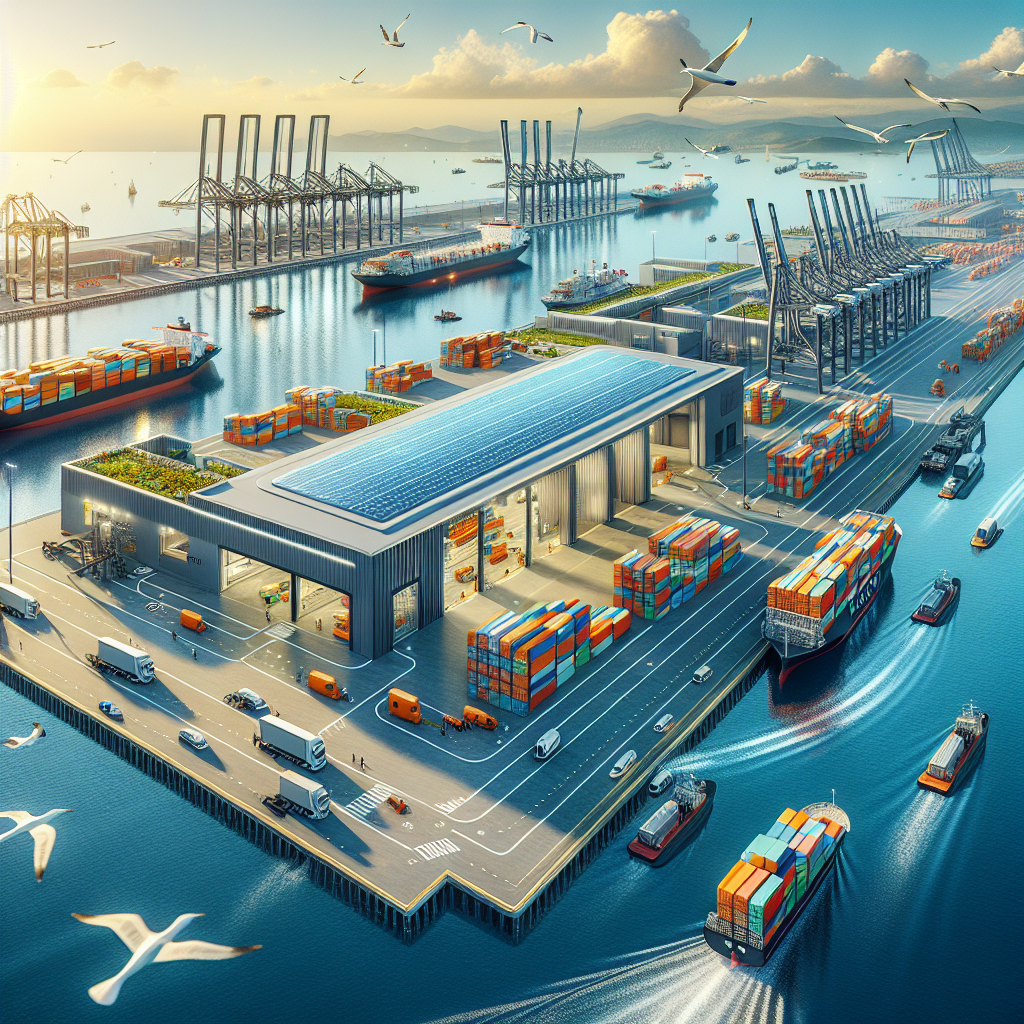
Technological Revolution in Maritime Logistics: Logistics Reply and Uniserve Warehouse Management System In the current highly competitive environment that characterizes the maritime and logistics sector, technological innovation has become essential for success. In this context, Logistics Reply, a prominent company within the Reply Group specializing in digital solutions for the supply chain, has joined forces with Uniserve, the leading independent provider in the UK for logistics management and global trade. Together, they have implemented a state-of-the-art warehouse management system (WMS) that promises to transform supply chain operations, offering scalability, efficiency, and real-time visibility. The technology applied in this new WMS focuses on optimizing logistical operations, with a particular emphasis on improving operational visibility. This visibility, which translates into real-time tracking of goods throughout the logistical process, allows for a quicker response to any eventuality and better resource management. These types of solutions are essential for professionals looking to increase operational efficiency, reduce costs, and enhance customer satisfaction. This system is a clear example of how digital solutions are revolutionizing the way supply chains are managed. With its ability to scale according to business needs, this system is ideal for both large corporations and medium-sized companies looking to grow without sacrificing efficiency. For maritime investors, these advancements present significant opportunities for profitability, as they enable companies to be more competitive and adapt quickly to market demands. Impact on the Maritime and Logistics Sector The impact of this technology is not limited to operational improvements. For sailors and professionals in the maritime sector, the implementation of advanced systems like this brings a range of practical benefits. By optimizing warehouse management and enhancing operational visibility, the risk of human errors is reduced, leading to safer and more efficient operations. This is particularly relevant in the maritime sector, where errors can have significant consequences. From a job perspective, the adoption of this type of technology also opens up new opportunities. Companies that implement these systems require trained personnel to manage them, resulting in new job offers within the sector. This is an invitation for professionals in the sector to send their resumes to companies like Uniserve, which are at the forefront of logistical innovation. Furthermore, for nautical enthusiasts looking to better understand how technological innovations can improve navigation and maritime trade efficiency, this system offers a clear insight into how the sector is being transformed. With the growing demand for more efficient logistical solutions, it is undeniable that such technologies will play a crucial role in the future of global trade. Reasons for the Relevance of the New System The new warehouse management system implemented by Logistics Reply and Uniserve is relevant for several reasons. Firstly, it significantly enhances operational efficiency by providing real-time visibility of operations. For merchant navy professionals, this means greater management and control over goods, improving delivery punctuality and ultimately customer satisfaction. The system’s potential to scale according to a company’s specific needs makes it particularly attractive to maritime investors. The ability to adapt the system to market demands without losing efficiency is crucial in the current competitive environment. This not only allows companies to respond quickly to market trends but also facilitates their expansion into new territories and markets. Finally, by reducing human errors and optimizing logistical operations, the system contributes to increased safety at all stages of the supply chain. This is crucial for the maritime environment, where safety is paramount, and an error can have significant consequences. With a warehouse management system that provides comprehensive control over operations, companies can operate with greater confidence and security. Conclusions: A Promising Future for the Sector The collaboration between Logistics Reply and Uniserve represents a significant step towards modernizing logistical operations in the maritime sector. This warehouse management system not only improves efficiency and real-time visibility but also opens up new job and investment opportunities. For sector professionals, investors, and nautical enthusiasts, these technological advancements serve as a reminder that the future of the maritime sector is increasingly influenced by digital innovation. In summary, the implementation of this system not only benefits the companies that use it but also represents an opportunity for the entire industry to adapt to current market demands, maintaining competitiveness and efficiency. It invites all interested parties to explore more about how these technologies can transform their way of working and open up new opportunities in their professional career. This is just the beginning of what promises to be a new era in supply chain management. With technology as an ally, the maritime sector is well-positioned to face future challenges and remain an essential pillar of the global economy.