


MarineMax: Setting Records in the Nautical Sector

MarineMax: Setting Records in the Nautical Sector MarineMax, a leader in the recreational boating market, has announced exceptional financial results for the second fiscal quarter of 2025, ending on March 31, 2025. With record revenues of $631.5 million, MarineMax continues to showcase its strength and resilience in a market facing global challenges. The company reported an 11% increase in sales at comparable stores, reflecting the growing demand for recreational boats and consumers’ preference for the quality and service MarineMax provides. With a gross profit margin of 30%, their business model’s effectiveness in maximizing profits is evident. The net income reached $3.3 million, or $0.14 per diluted share, highlighting the efficient management and growth strategies that MarineMax has successfully implemented. These financial figures not only demonstrate the company’s performance but also its ability to capitalize on opportunities in the sector. MarineMax’s position as a key player in the nautical industry is reinforced, both in the United States and globally. Technological Innovations and their Impact on the Nautical Sector MarineMax has embraced technological innovation as a core pillar for sustainable growth. The integration of advanced technologies in the construction and design of new boats is redefining industry standards. These innovations not only enhance the user experience but also improve energy efficiency and reduce environmental impact. The implementation of automated navigation systems and remote monitoring tools enhances onboard safety. Technological advancements in navigation systems lead to a more relaxed and enjoyable sailing experience for boaters. These developments are crucial for attracting new customers and retaining current ones. For industry professionals, these innovations provide opportunities to specialize and advance in their careers. The demand for technicians trained in new boat systems and technologies opens up a range of job opportunities in a rapidly growing sector. Expanding Routes: Economic and Professional Relevance MarineMax’s expansion of new maritime routes and the opening of new marinas play a vital role in the company’s growth. By diversifying their locations and services, MarineMax not only enhances its market position but also stimulates economic development in coastal regions by creating jobs and attracting quality tourism. Diversification of locations and services boosts MarineMax’s market presence. New marinas and routes encourage economic growth in coastal areas. These expansions are particularly relevant for maritime investors seeking profitable opportunities in the sector. The development of port infrastructures and efficient marina management are essential for sustaining the growth of nautical tourism, a segment with significant expansion potential. For merchant marine professionals, these new routes represent opportunities to broaden their skills and knowledge. The management of marinas and associated services requires a variety of highly demanded skills and competencies in the industry. Significance for the WishToSail.com Audience The financial performance of MarineMax serves as an inspiring example of how a company can thrive through innovation and strategic adaptation. For investors and economists in the sector, these results provide an optimistic view of investment opportunities and emerging trends in the nautical industry. The technological innovations implemented by MarineMax in its products and services are of interest to sailors and technical professionals. The adoption of new technologies not only enhances the safety and efficiency of boats but also creates a demand for skilled professionals, promoting professional and economic growth. The expansion of routes and marinas managed by MarineMax presents new job and business opportunities for merchant marine professionals and entrepreneurs in the tourism sector. The creation of infrastructures and services associated with these expansions can lead to economic prosperity in the regions involved, offering multiple benefits to local residents and the overall economy. Conclusions and Future Outlook MarineMax’s second-quarter results for 2025 highlight the growth potential and opportunities in the nautical sector. Their strong financial performance, technological innovation, and route expansion position MarineMax advantageously to lead the market in the coming years. For the WishToSail.com audience, these developments invite exploration of the possibilities the nautical sector offers professionally and in terms of investment. The industry is at a turning point, where technology, geographic expansion, and sustainability play crucial roles in shaping the market’s future. We encourage our readers to stay tuned for MarineMax’s future initiatives, as they could be a significant key to advancing their careers or investments. The nautical sector is full of opportunities, and MarineMax is demonstrating how they can be capitalized on to
The Impulse of RTA as a Leader in Maritime Software Innovation

The Impulse of RTA as a Leader in Maritime Software Innovation In a scenario where competitiveness and efficiency are key, the maritime industry is rapidly transforming. RTA, a prominent company in providing fleet maintenance management software, has taken a significant step towards establishing itself as a leader in the sector. This transformation has been accelerated by the successful completion of its Series A funding round, led by Susquehanna Growth Equity (SGE). This strategic move aims not only to expand RTA’s impact but also to advance its product innovation mission. The impact of funding on expansion and growth The new funding will enable RTA to scale its impact within the maritime sector, an area in constant evolution that requires efficient fleet management solutions. For maritime investors, this is a golden opportunity to see how their contributions can be transformed into tools that optimize daily operations. Companies managing large maritime fleets will benefit from software that promises to increase efficiency, reduce costs, and maximize the lifespan of their vessels. RTA has an ambitious vision: to become the dominant leader in fleet management software. With this new capital injection, the company is better positioned to challenge existing competitors and offer innovative solutions tailored specifically to the needs of the maritime sector. Technological innovation in fleet management RTA’s software stands out for its ability to offer innovative technological solutions that are vital in a globalized and competitive maritime environment. Real-time data management, predictive analysis, and preventive maintenance are areas where RTA is placing strong emphasis. Investing in technologies that promote efficiency and improve safety in maritime transport is crucial. RTA is also working on incorporating artificial intelligence into its software, allowing for even deeper and more accurate data analysis. Relevance for maritime sector professionals The importance of this news for maritime professionals and seafarers cannot be underestimated. Enhanced operational efficiency means companies can operate more effectively, reducing downtime and optimizing resource management. The focus on product innovation by RTA offers seafarers more advanced tools that can facilitate their daily work, making it safer and more productive. Investing in RTA is not just investing in software but also in the promise of a more efficient future for the maritime industry. A call to action The technological transformation led by RTA in the maritime sector is an open invitation for professionals to get involved and take advantage of the opportunities presented. Exploring how RTA’s innovations can transform fleet management and how you can be part of this change is crucial. Prepare for a future where technology and the sea intertwine to provide solutions we had never imagined before.
The Technological Innovation in the Maritime Sector
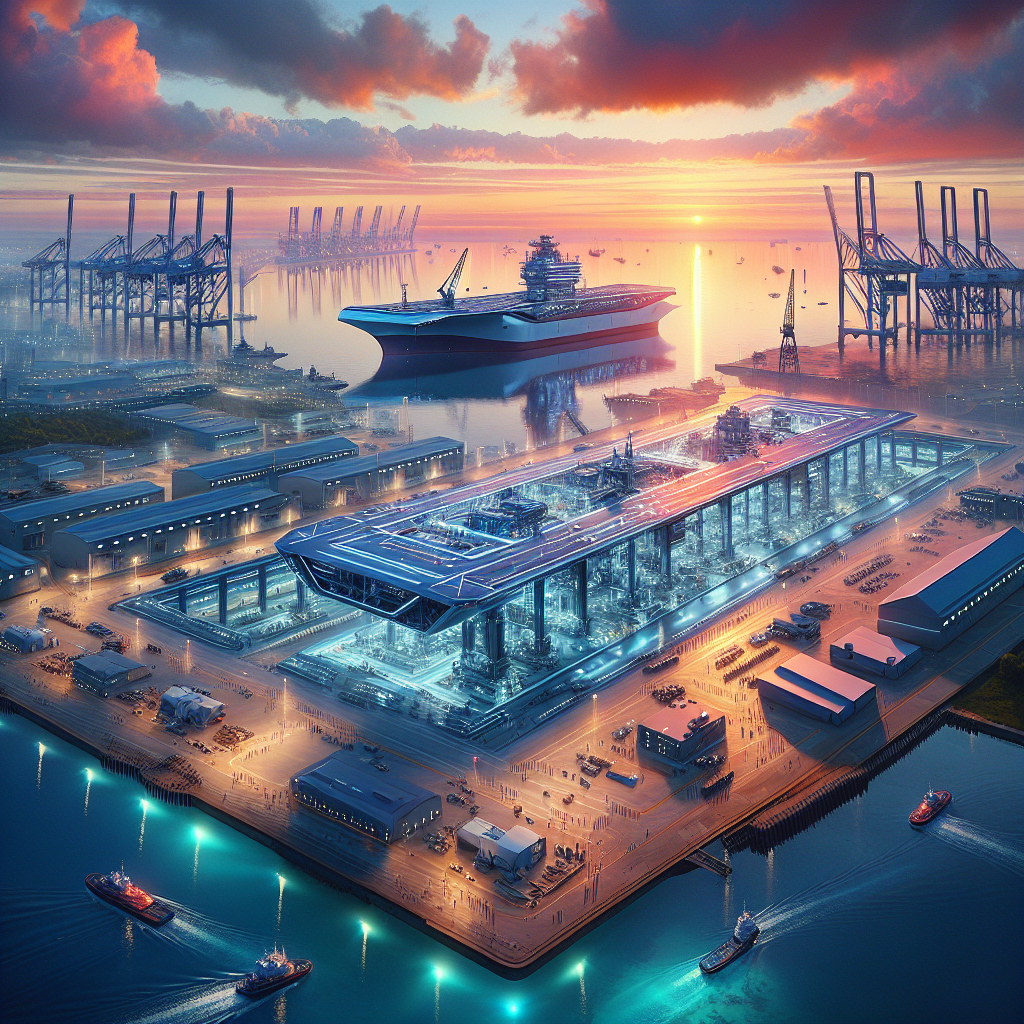
The Technological Innovation in the Maritime Sector The adoption of advanced technologies has been a constant in the maritime industry, and in this context, artificial intelligence (AI) has emerged as a crucial player in the modernization of the industry. BigBear.ai, a prominent company in AI solutions for decision-making, has taken a significant step by implementing its AI and machine learning (ML) driven planning and production platform at Austal USA. This initiative not only represents a technical advancement but also opens a new era in shipbuilding. The collaboration between BigBear.ai and Austal USA is an example of how AI can be integrated into complex industrial processes. Austal USA, recognized as one of the largest shipbuilders in the United States and a provider of modules for U.S. Navy submarines, is investing in the modernization of its facilities in Mobile, Alabama. This technological breakthrough promises to optimize the shipbuilding process, increasing both efficiency and precision. The use of AI in shipbuilding allows for more effective planning and optimized quality control, resulting in cost reduction and production time savings. Additionally, these technologies facilitate early detection of potential errors, thus improving risk management. For investors and professionals in the sector, this translates into an opportunity to participate in an industry that is at the forefront of technology. Artificial Intelligence in the Service of Shipbuilding BigBear.ai’s platform is specifically designed to address the challenges of large-scale production in the naval industry. Its capabilities include predictive analysis, resource planning, and process automation, enabling Austal USA to optimize all stages of manufacturing from design to delivery. One of the most impressive features of this technology is its ability to manage massive amounts of data in real-time. This provides engineers and production managers with a detailed view of all variables involved, allowing for quick, informed decision-making. This capability is crucial in an environment where margins of error can have significant consequences. In addition, the integration of AI and ML can enhance collaboration between different teams and departments, facilitating communication and reducing barriers that often hinder progress. For professionals in the merchant navy, this technology represents a new tool that can transform the way they operate and manage fleets. Impact on Job Opportunities and the Maritime Economy The modernization of Austal USA’s facilities not only implies technological improvement but also has the potential to generate new job opportunities. The implementation of advanced technologies requires highly skilled personnel in AI and ML systems, which could increase the demand for engineers and specialized technicians. For professionals in the maritime sector, this translates into an opportunity to evolve and expand their skills in emerging technological areas. Austal USA could become an attractive employer for those interested in being part of the technological advancement in the naval and maritime industry. Furthermore, the modernization of shipbuilding can positively influence the maritime economy overall. By improving efficiency and reducing production costs, companies can increase their competitiveness in the international market, potentially leading to an increase in contracts and expanded operations. This benefits not only the companies involved but also the local and national economy. Relevance for Professionals and Nautical Enthusiasts This news is particularly relevant to various segments of WishToSail.com’s audience. Firstly, maritime professionals may see AI as a new tool to enhance the efficiency of maritime operations, allowing for more effective fleet management. Additionally, investors in the maritime sector will find in these technological innovations an opportunity to support projects at the forefront of the industry. For nautical enthusiasts, this initiative represents an advancement in the sustainability and efficiency of boats, aspects that may influence future trends in the design and operation of recreational vessels. The application of AI not only improves performance but could also inspire new functionalities that revolutionize the design of yachts and recreational boats. Ultimately, the collaboration between BigBear.ai and Austal USA highlights how technology can play a crucial role in advancing the naval industry. With AI and ML as companions, the future of shipbuilding looks more promising than ever, offering professionals in the sector and nautical enthusiasts a renewed and optimistic vision of the maritime horizon.
Exploring Innovations and Opportunities in the Maritime Horizon: International Seaways, Inc. Announces First Quarter Results for 2025

Exploring Innovations and Opportunities in the Maritime Horizon: International Seaways, Inc. Announces First Quarter Results for 2025 International Seaways, Inc. (NYSE: INSW), a prominent company in the maritime transportation industry, has revealed its financial results for the first quarter of 2025. This event not only offers a detailed look at the company’s financial performance but also unveils future developments and strategies that will impact the maritime sector. The Conference: A Meeting Point for Investors and Professionals On May 8th, before the market opens, International Seaways will share its financial figures, followed by a conference call at 9:00 a.m. (Eastern Time). This event is a standout opportunity for investors, maritime industry professionals, and analysts as it will provide crucial information about current and future market trends. The conference, open to participants worldwide, will allow direct interaction with the company’s management team. This is particularly relevant at a time when the maritime industry is facing significant challenges and technological changes. Those interested can access the conference through the provided contact numbers for the United States and internationally, along with conference ID 197408. Besides financial figures, these conferences are typically a space where technological and operational innovations that the company plans to implement are discussed. This includes optimized routes through artificial intelligence technology and sustainability in maritime operations, underlining the company’s commitment to a modern and efficient approach. Technology and Sustainability: The Future of International Seaways In a world moving towards more sustainable practices, International Seaways is taking significant steps. The company has been investing in technologies that aim to optimize fuel consumption and reduce carbon emissions. This not only meets growing regulatory demands but also represents a commitment to environmental responsibility, increasingly valued by customers and business partners. The use of technology such as big data analysis and route optimization tools allows the company to not only reduce costs but also increase the safety and efficiency of its operations. These technological improvements are crucial for professionals in the sector looking to extract maximum value from maritime routes, both for cargo and passenger transportation. Data: According to industry reports, the implementation of technology in maritime operations has led to a 30% increase in efficiency and a 20% reduction in fuel consumption for companies like International Seaways. Sustainability: International Seaways’ focus on sustainability has led to a 15% decrease in carbon emissions compared to the previous year, showcasing their commitment to environmental stewardship. Career Opportunities in the New Maritime Era International Seaways’ focus on sustainability and technology not only redefines its business model but also its workforce. With the implementation of new technologies, there is a demand for professionals skilled in areas such as data management, operation of new navigation systems, and maintenance of eco-efficient technologies. The maritime sector is undergoing a transformation that requires new knowledge and skills. Companies, including industry giants like International Seaways, are seeking personnel who can adapt to these changes. Therefore, this is an opportune moment for mariners, engineers, and technicians looking to explore new professional avenues. Why This Announcement Matters to All Maritime Enthusiasts Firstly, International Seaways’ financial results provide a snapshot of the state of the maritime sector, reflecting broader trends in global trade and logistics. Understanding these results helps investors and professionals make informed decisions. Secondly, the technological innovations and shift towards sustainability to be announced in the conference set an example for other companies in the industry, driving a necessary transformation in a traditionally conservative sector. Finally, for nautical enthusiasts, these developments offer an inspiring vision of the future of responsible navigation. Moreover, efforts to reduce the environmental impact of maritime transportation can translate into better experiences for end consumers, as sustainable operations often lead to more responsible and community-centric practices. Conclusion: A Bright Future on the Horizon International Seaways’ conference, beyond being a financial event, represents a significant milestone in the company’s journey towards an innovative and sustainable future. With a clear focus on technology, sustainability, and professional development, the company is well-positioned to lead the charge towards a more efficient and responsible maritime transportation. For those interested in the maritime sector, whether as professionals, investors, or enthusiasts, this is an exciting time to stay informed. The upcoming changes will not only shape the industry but also offer new opportunities for those prepared to seize them.
Growth and Innovation at Bureau Veritas: A Technological Boost in the Maritime and Offshore Industry

Growth and Innovation at Bureau Veritas: A Technological Boost in the Maritime and Offshore Industry Bureau Veritas has recently announced impressive growth in its revenues in the first quarter of 2025. The company reported total revenues of £1,558.7 million, representing an 8.3% year-on-year increase and a solid organic growth of 7.3%. This growth has been largely driven by the strong expansion in various sectors, with the maritime and offshore sector standing out with an 11.8% increase. This sector has been a cornerstone in this expansion, reflecting a strong growth trend in the industry. Bureau Veritas’ organic expansion showcases the company’s ability to adapt to the changing needs of global markets, offering innovative services and advanced technological solutions that ensure regulatory compliance and safety in maritime operations. This growth is significant for different segments of the maritime sector. For merchant marine professionals, this development means greater opportunities to advance in their careers as companies seek qualified personnel to handle new technologies and operate in an ever-evolving environment. Additionally, maritime investors may see this growth as an indicator of profitability and stability, potentially leading to increased investments in sector-related projects. Technological Innovations and their Implications Bureau Veritas has focused its efforts on implementing technological innovations that not only improve operational efficiency but also raise safety and sustainability standards. The digitalization of inspection and certification processes has enabled the company to offer more precise and faster solutions, optimizing the time and resources used in maritime operations. The use of advanced technologies, such as drones for vessel inspections, has revolutionized the industry by allowing for more detailed inspections with fewer associated risks, crucial for ensuring structural integrity and vessel safety at sea. Digitalization of inspection processes Usage of drones for vessel inspections For sailing enthusiasts, these innovations mean enhanced safety at sea and a more enjoyable sailing experience. Improvements in certification processes also ensure that new vessels entering the market meet the highest quality and safety standards, increasing consumer confidence in investing in new technologies for their nautical adventures. Opportunities and Challenges in the Future of the Maritime Sector The growth experienced by Bureau Veritas across its various sectors presents numerous opportunities for those interested in entering the maritime field or already part of it. This advancement highlights the demand for trained professionals who can operate in an increasingly technological environment. The sector’s evolution also poses challenges, particularly in terms of sustainability. The maritime industry, like many others, faces the challenge of reducing its carbon footprint and adopting more environmentally friendly practices. Bureau Veritas is investing in technologies that promote energy efficiency and emissions reduction to address these sustainability needs. For those in the merchant marine sector, these challenges translate into opportunities for continuous training and specialization in areas such as energy efficiency management, essential for staying competitive in the job market. Investors see this transition towards sustainability as a fertile ground for ethical and profitable investments. Conclusions: A Promising Future for the Maritime Industry Bureau Veritas has proven to be a leader in the sector, not only due to its economic growth but also its ability to innovate and adapt to market needs. The company remains a benchmark in inspection and certification, and its commitment to technology and sustainability continues to set the tone for the future of the maritime industry. For industry professionals, this news underscores the importance of staying up-to-date with the latest trends and innovations. Engaging in continuous training courses and adapting to new technologies will be key to maximizing the opportunities presented by this growth. Those interested in exploring more about these job opportunities or how Bureau Veritas’ innovations are transforming the maritime industry are encouraged to research and connect with sector experts. This is an exciting time for those envisioning a future where technology and sustainability go hand in hand to drive a safer and more efficient maritime industry.
The Technological Innovation of UbiRider in Maritime Transport Management

The Technological Innovation of UbiRider in Maritime Transport Management Revolutionizing the maritime sector with advanced technology, UbiRider has emerged as a leader in the field of transportation and payment technology. Recently awarded three prizes by Global Banking & Finance News, the UbiRider platform represents a perfect fusion of transportation management, payment processing, and data analytics, establishing itself as the most advanced solution in its category. For maritime professionals, the technological advancement proposed by UbiRider is not just another innovation, but a true revolution. Its ability to integrate multiple systems into one not only optimizes operations but also promises to reduce costs and increase productivity. This translates not only into greater operational efficiency but also significant competitive advantages in an increasingly saturated market. The international recognition of UbiRider reaffirms the value of its technological proposal. Its approach, which combines robustness and flexibility, is ideal for adapting to the complexities of maritime transport. The platform allows companies to navigate in an increasingly digitalized environment, ensuring that operations are as seamless and efficient as possible. The magic of UbiRider lies in its comprehensive design. By combining transportation management, payments, and data analytics into a single solution, the platform offers a holistic view that enables companies to make more informed decisions. This is particularly relevant in a sector where every second counts and where data-driven decisions can make the difference between success and failure. With the increasing adoption of advanced technologies like UbiRider in the maritime sector, new job opportunities are arising. Companies integrating this technology require qualified professionals to handle and optimize these systems, leading to a demand for specialized skills in technology and data management. For maritime investors, the implementation of systems like UbiRider represents a strategic opportunity to optimize their investments. Technologies that promise to improve operational efficiency and reduce costs are a safe bet in any portfolio aiming to maximize returns in the maritime sector. The relevance of UbiRider cannot be underestimated. Its potential impact spans both the professional and recreational realms, pointing towards a future where technology and efficiency go hand in hand. The solutions it offers not only enhance current management but also lay the groundwork for a constant evolution that could redefine industry standards. As more companies adopt these technologies, the maritime sector will benefit not only from operational improvements but also a significant boost in innovation and investment. With UbiRider at the forefront, the maritime industry is poised for a radical change that promises to redefine the pathways to the future. For readers of WishToSail.com, this is an opportunity to stay at the forefront of a significant technological change. As UbiRider continues to optimize its systems and expand into new markets, professionals and enthusiasts in the sector have the chance to delve deeper into this progress and actively participate in this transformation. We invite our readers to explore more deeply the solutions that UbiRider offers and consider how these innovations can be applied in their own professional and recreational contexts. Its impact is destined to grow and become an essential pillar in the essence of contemporary maritime transport. In an industry where technology is advancing by leaps and bounds, being informed and adapting to new tools is vital. UbiRider is not just an innovation but an example of the potential that technological integration has to transform the maritime industry, offering new opportunities and redefining the future of transport.