


Maritime Innovations: How the Genesis Energy Crisis Offers New Opportunities in the Nautical Sector
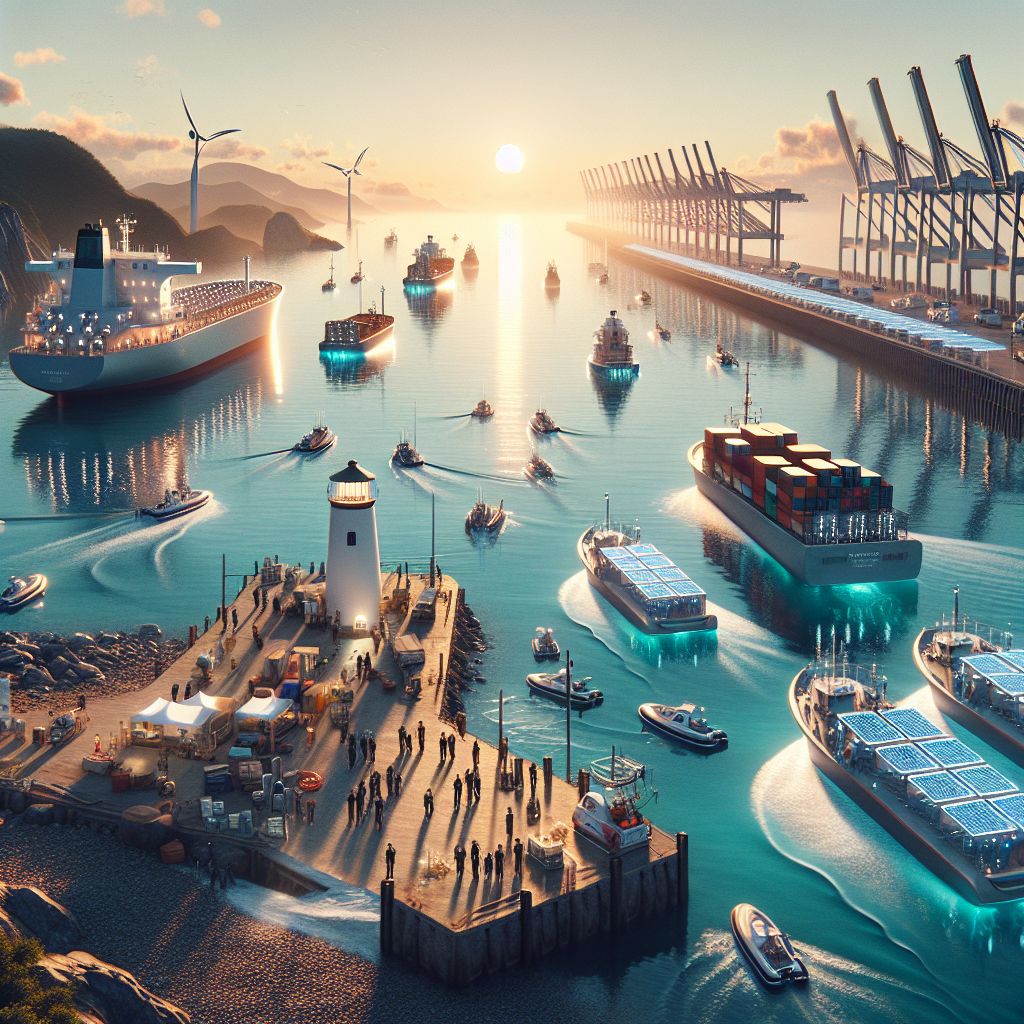
Maritime Innovations: How the Genesis Energy Crisis Offers New Opportunities in the Nautical Sector Introduction: A Global Overview of the Situation The maritime and nautical industry is constantly evolving, adapting to economic and technological challenges that arise. A recent example is the case of Genesis Energy, L.P., a company with a significant role in the energy sector. In the first quarter of 2025, Genesis Energy reported an attributable net loss of $469.1 million, in stark contrast to the net income of $11.4 million in the same period of 2024. This financial decline raises interesting questions about the future of the company and, more importantly, opens new doors for professionals in the maritime sector. The decline in cash flows from operating activities, recorded at $24.8 million compared to $125.9 million the previous year, highlights the need for strategic changes and possibly restructuring. Events like these not only impact shareholders but can also become catalysts for innovation and growth in the maritime sector. Merchant navy professionals, maritime investors, and nautical enthusiasts may see this situation as an opportunity to explore new routes, technologies, and practices that strengthen their positions in the industry both individually and collectively. But how can this really affect these groups? Let’s explore it. Technological Innovation as a Response to Financial Decline In times of crisis, technological innovation becomes a crucial ally. The maritime industry is no exception, and the case of Genesis Energy underscores the importance of adopting advanced technologies to optimize operations and reduce costs. Automated fleet management systems and predictive analytics represent advances that, while immature for some companies, could offer key solutions in financially challenging situations. Automated systems not only improve operational efficiency but also minimize the risk of human errors. They increase safety and enable predictive planning, crucial in the current environment. Additionally, adopting these technologies can be an excellent opportunity for professionals in the sector to enhance their skills and increase their value in the job market. Maritime investors may also find appeal in companies at the forefront of technology, as they tend to be more resilient in times of economic crisis. Therefore, Genesis Energy could consider attracting capital by presenting new technological and sustainable initiatives, thus enhancing its attractiveness to future investors. Exploration of New Routes and Ships: A Strategic Opportunity While Genesis Energy faces significant challenges, exploring new maritime routes and incorporating new ships represent effective ways to diversify and strengthen the service portfolio. New routes can open up unexplored markets and allow for better distribution of cargo, while fleet renewal can ensure compliance with stricter environmental regulations. The expansion of routes may be particularly attractive to the merchant navy, offering new job opportunities in different geographical locations. Those interested in working at Genesis Energy or similar companies should consider submitting their resumes and staying informed about the strategic movements of such companies. Furthermore, the maritime industry is transitioning towards more efficient and eco-friendly vessels. Investing in new ships that use cleaner energies is not only a sustainable option but also economically viable in the long run, reducing operating costs and enhancing the company’s public image. Legal and Regulatory Implications: A Detailed View The maritime sector is highly regulated, and policy changes can have a direct impact on operations and finances. In this context, Genesis Energy could benefit from reviewing and adjusting its practices to comply with current and future regulations, especially those related to sustainability and safety. Compliance is essential, and failing to comply with these regulations could result in additional financial penalties and damage to the company’s reputation. However, it is also an opportunity to improve practices and procedures, creating a fertile ground for innovation and long-term growth. Maritime legal professionals may find a unique opportunity here to engage in the legal and operational restructuring of a company of Genesis Energy’s magnitude, offering specialized advice and helping navigate this complex regulatory landscape. Conclusions: The Future of the Maritime Industry Despite the current challenges faced by Genesis Energy, or perhaps because of them, the maritime sector is in a unique position to move forward with innovation and resilience. The implementation of advanced technology, the exploration of new routes, and compliance with regulations offer paths that can transform challenges into opportunities. For industry professionals, this is a moment of change and adaptation that presents significant opportunities for growth and professional development. Investors also have fertile ground to identify companies that not only survive economic crises but thrive in them. Ultimately, Genesis Energy’s situation should serve as a wake-up call for everyone in the maritime industry: change is inevitable, and those who can adapt will be better positioned for future success. In the end, the sea always moves forward, and so must the nautical sector.
The MTP Summit 2025: A Crucial Gathering for the Maritime Sector and Seafarers
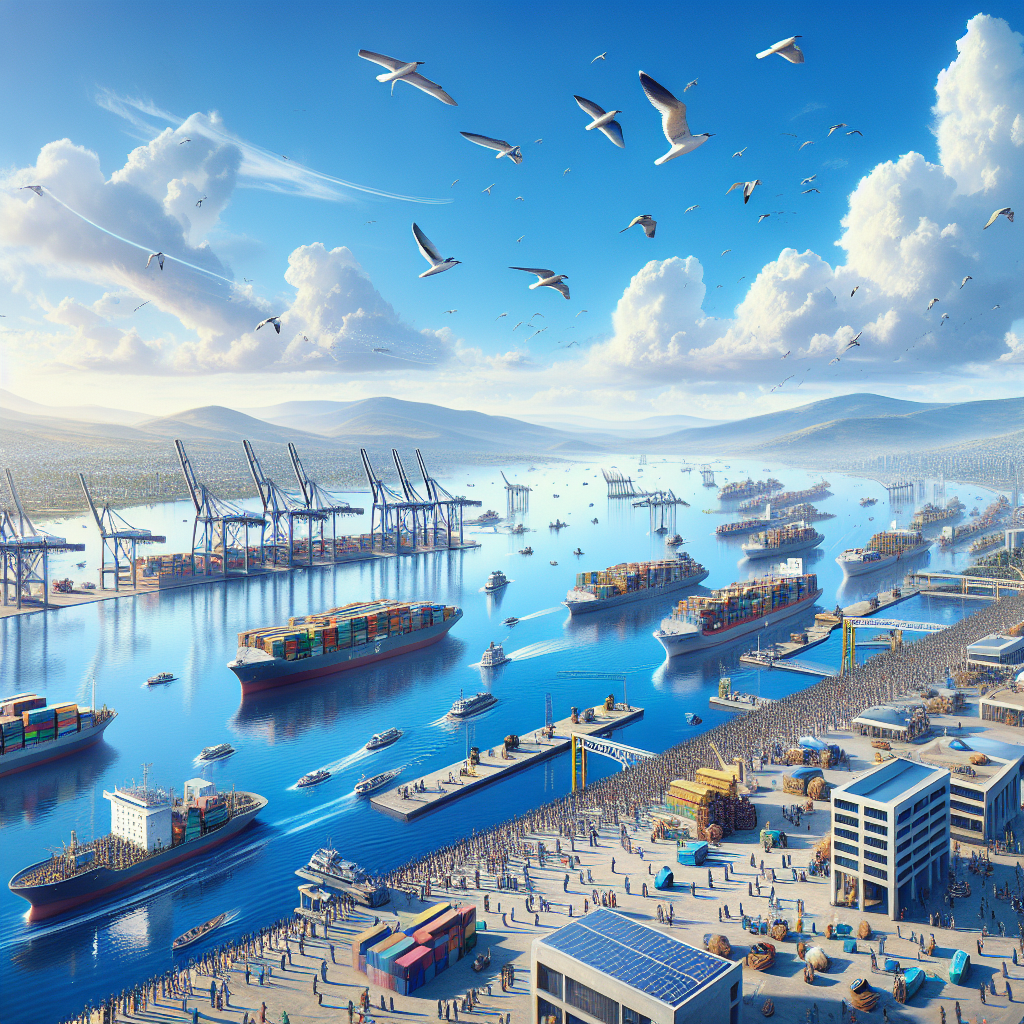
The MTP Summit 2025: A Crucial Gathering for the Maritime Sector and Seafarers The Most Traveled People (MTP) community has announced an unmissable event for the maritime sector: the MTP Summit 2025, scheduled from November 13 to 16, 2025, in the vibrant city of Addis Ababa, Ethiopia. This gathering, supported by the Ministry of Tourism of Ethiopia, promises to be a catalyst for opportunities for professionals in the merchant navy, maritime investors, and nautical enthusiasts. A Platform for Technological Innovation The MTP Summit 2025 is not just a meeting of travel enthusiasts: it is a forum where emerging technological innovations for the maritime sector will take center stage. Focusing on the latest trends in sustainability and energy efficiency, the event will highlight developments in navigation technology and the design of more eco-friendly vessels. Advances in clean energy technologies for ships, such as hybrid propulsion systems, can significantly reduce the carbon footprint of maritime transport. The adoption of these technologies not only promises to reduce environmental impact but also improve fleet operational efficiency. Attendees at the MTP Summit 2025 will have the opportunity to gain valuable insights into how these technologies can be applied in their daily operations. Furthermore, the summit will be a platform for technology companies to showcase innovations that could revolutionize navigation and business practices at sea. International Connections and New Opportunities The event’s location in Addis Ababa reinforces Ethiopia’s strategic position as a bridge between continents, offering an ideal setting for global networking. With representatives from shipping companies, boat manufacturers, and logistics service providers, attendees will have direct access to an unparalleled network of strategic contacts. For maritime professionals, the event offers not only the possibility of establishing business relationships but also discovering job opportunities in new trade routes, fostering professional growth in a dynamic and expanding field. Impact on Professional and Economic Development Participating in the MTP Summit 2025 can be transformative for those looking to advance their careers or expand their businesses. The conferences and workshops held during the event will focus on business strategies, leadership, and management in the maritime context, providing attendees with practical tools and tactics they can implement immediately. The economic influence of the innovations discussed at the event is expected to be significant for the region and beyond. By adopting new technologies and sustainable practices, companies in the sector can position themselves as industry leaders and achieve significant cost savings in operational expenses. Employment Opportunities and Direct Involvement Readers interested in job opportunities arising from events like the MTP Summit 2025 should pay attention. The expansion of maritime routes and the adoption of new technologies can create a demand for professionals specialized in these areas. Companies present at the event will be looking for talents who can lead the implementation of technological innovations and ensure that their operations are more sustainable. Attending the MTP Summit 2025 is not only an opportunity to learn and establish contacts but also to act and be part of a global community of maritime professionals shaping the industry’s future. Direct participation in this event can open doors to new professional and personal adventures. Conclusions The MTP Summit 2025 is shaping up to be a must-attend event for anyone involved in the maritime sector, not only for the innovations and networking opportunities it offers but also for the inspiration and strategic vision it promises. For maritime professionals, maritime investors, and nautical enthusiasts, this event is an open door to the future of the sector. The combination of Addis Ababa as the epicenter of this gathering and the participation of influential opinion leaders and industry-leading companies ensures that the MTP Summit 2025 will be a transformative event. It is an opportunity to equip oneself with the knowledge and connections needed to successfully navigate the challenges and opportunities ahead in the maritime industry. Whether you are seeking technological innovations, exploring new routes, or simply making connections to help advance your career, the MTP Summit 2025 is an unmissable event. Interested individuals should stay informed and prepared to make the most of this unique experience.
The China Zorrilla: Pioneering Innovation in Electric Navigation
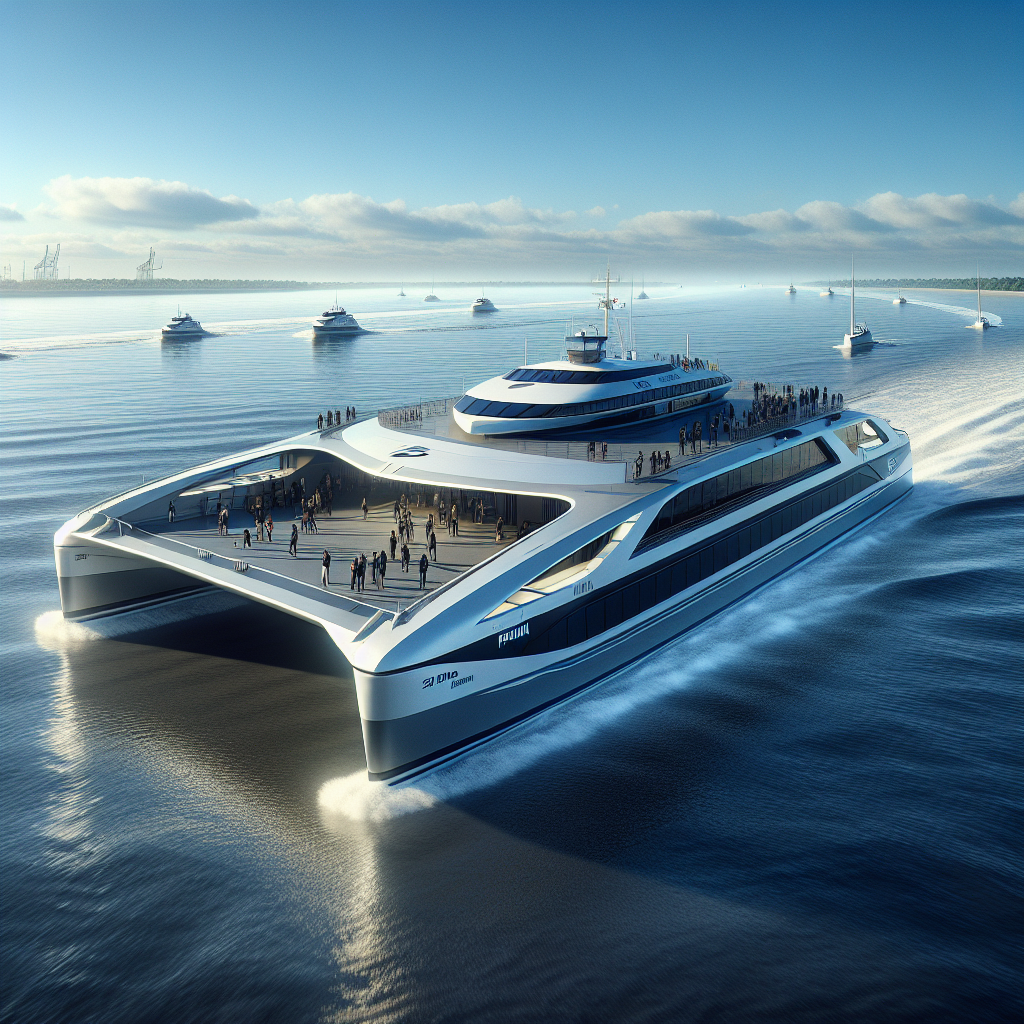
The China Zorrilla: Pioneering Innovation in Electric Navigation The launch of the ferry China Zorrilla by the shipyard Incat in Tasmania marks a significant milestone in the maritime industry. Built for the Argentine-Uruguayan shipping company Buquebus, this catamaran stands out as the first large vessel with fully electric propulsion, paving the way for a more sustainable future in maritime transportation. With a length of 130 meters, the China Zorrilla has the capacity to carry 2,100 passengers and 225 vehicles, positioning itself as a giant in electric navigation. This transition to clean energy not only addresses current environmental demands but also provides the industry with a role model for future constructions. The China Zorrilla not only represents the future of maritime transportation but also underscores the importance of continuous innovation within the sector. Maritime professionals can look to the China Zorrilla as an inspiring example of how current challenges can be met with cutting-edge technology, opening doors to new job and business opportunities for those who embrace these trends. The Technology Behind the China Zorrilla At the core of the China Zorrilla is its electric propulsion system, which redefines the standards in shipbuilding. Equipped with over 250 tons of batteries and a capacity of more than 40 MWh, this system is revolutionary, being four times larger than any maritime installation seen to date. The batteries power eight electric waterjets, supplied by the Finnish company Wärtsilä, ensuring efficient and silent movement. The China Zorrilla is the first large vessel with fully electric propulsion in the industry. The ferry has the capacity to carry 2,100 passengers and 225 vehicles. The electric propulsion system is equipped with over 250 tons of batteries and a capacity of more than 40 MWh. To ensure smooth operations, the China Zorrilla relies on the necessary infrastructure in its destination ports. While the ferry is entirely electric, it is also designed to incorporate auxiliary multi-fuel generators. This provides a diesel/electric solution during the initial operational phase, ensuring that the lack of Onshore Power Supply (OPS) infrastructure in ports does not hinder its operation. The integration of these systems represents a significant technical challenge, requiring meticulous planning and collaboration from experts in various fields. Impact on the Industry and Future Opportunities The launch of the China Zorrilla has profound implications for the maritime sector. It sets a new standard for the use of renewable energy in passenger transport, prompting other companies to consider similar options for their fleets. This shift will not only benefit the environment but can also translate into a competitive advantage in terms of reducing operating costs and regulatory compliance. The China Zorrilla sets a new standard for the use of renewable energy in passenger transport. The success of the ferry can represent a valuable opportunity for maritime investors. The demand for clean technologies in maritime transportation is on the rise. Furthermore, the introduction of advanced technology like that of the China Zorrilla creates a demand for highly skilled personnel. Engineers, electrical energy technicians, and propulsion system experts will play a crucial role in the maintenance and operation of these vessels, opening up new avenues for employment and professional development in the maritime sector. Challenges and Future Considerations Despite the progress, the transition to a fully electric maritime fleet presents challenges. Port infrastructure must adapt to support the recharging of large batteries, requiring long-term investment and planning. Additionally, the standardization of electrical and recharging systems will be crucial to facilitate the widespread adoption of this technology. One of the challenges is the need for ports to adapt their infrastructure for recharging large batteries. Standardization of electrical and recharging systems will be crucial for widespread adoption of electric propulsion technology. Continuous training of maritime transport employees is essential to handle new technologies efficiently. Specialized training will maximize operational efficiency and minimize risks associated with the transition to electric propulsion systems. Finally, the success of the China Zorrilla could inspire the creation of government policies and incentives to stimulate innovation and the adoption of clean technologies in the maritime sector. Public-private sector collaboration will be essential to overcome barriers and foster an environment conducive to sustainable innovation. Looking Towards the Horizon The China Zorrilla, with its focus on sustainability and technological innovation, emerges as a pioneer for the future of maritime transportation. This ferry will not only transport thousands of passengers across the River Plate but will also carry with it the aspirations of an industry seeking to reinvent itself through environmentally friendly solutions. For nautical professionals and enthusiasts, the China Zorrilla project serves as a reminder of the impact that technological innovations can have on our daily practices and the development of the maritime industry. The adoption of these technologies is not only an ecological necessity but also a significant opportunity for those who wish to lead change in an ever-evolving sector. In the end, the success of the China Zorrilla will depend on the maritime sector’s ability to adapt and evolve. With an eye on a sustainable future, this ferry could be just the beginning of a new tradition in global navigation, where efficiency and environmental awareness are fundamental pillars of progress.
International Seaways: Innovation and Opportunities in Energy Maritime Transport
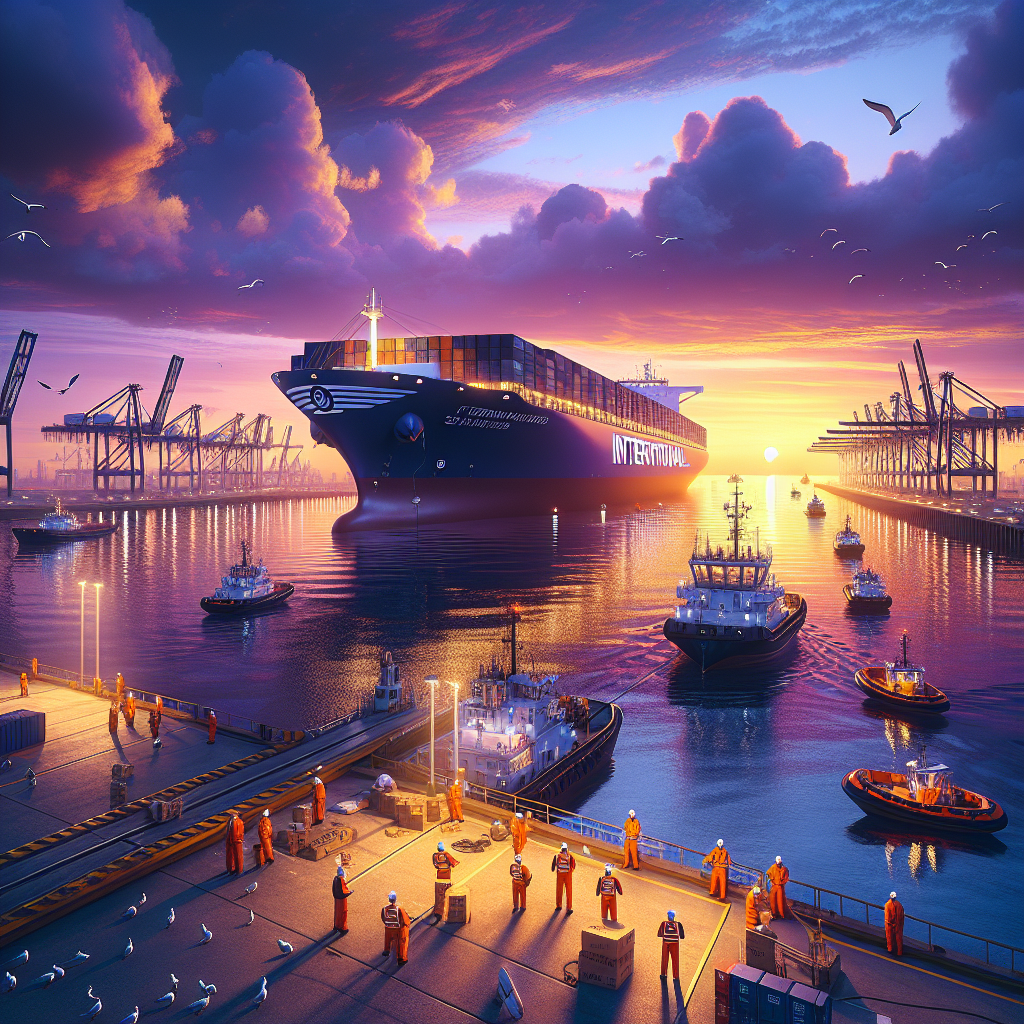
International Seaways: Innovation and Opportunities in Energy Maritime Transport A promising first quarter for International Seaways International Seaways, Inc. (NYSE: INSW), one of the world’s largest tanker companies, has reported its first quarter results for 2025, with a net income of 50 million dollars, demonstrating a solid performance in the energy maritime transport sector. This achievement translates to a profit of 1.00 dollar per diluted share, strengthening the company’s position in a highly competitive and volatile market. Adjusting net income, excluding special items, provides an even more optimistic outlook for investors and industry professionals. This adjustment highlights Seaways’ ability to optimize its operations and improve efficiency, crucial aspects in an industry where price fluctuations and energy product demand are constant. The profitability of companies like International Seaways, in a world where maritime transport of crude oil and petroleum products is essential, not only reflects their ability to adapt to market conditions but also their commitment to innovation and sustainability, factors increasingly valued by merchant marine professionals and maritime investors. Technological Innovations in Maritime Transport Implementation of advanced technologies in maritime transport is captivating industry attention. International Seaways leads in adopting innovative and sustainable technologies. Use of artificial intelligence to optimize tanker routes reduces operational costs and carbon footprint. Technology is undoubtedly a differentiating factor for companies aiming to excel globally. For sailors and technical professionals, these innovations present a unique opportunity to learn and adapt to new tools and processes. Technological advancement also opens doors to new job opportunities, inviting experts to join projects that redefine the standard for efficient and ecological maritime transport. Employment Opportunities and Professional Growth The expansion and adoption of new technologies in companies like International Seaways also entail a growing demand for skilled personnel, from naval engineers to IT and logistics specialists. The company is constantly seeking talent to contribute to its global operations, providing an excellent opportunity for professionals looking to advance in their maritime careers. As companies invest in new technologies, highly skilled personnel become an even more valuable resource. Continuous training and specialization are key for those interested in applying for available positions. Interested individuals are encouraged to submit their resumes to International Seaways, as the demand for maritime sector professionals is on the rise. Furthermore, professional growth in a leading company not only offers an innovative work environment but also enhances long-term career prospects. Being associated with a market leader like International Seaways is unquestionably prestigious for any maritime professional. Relevance of Maritime Transport for the Global Economy Maritime transport is the backbone of the global economy, facilitating the flow of essential energy products worldwide. Efficient and sustainable transportation operations, like those of International Seaways, are crucial for maintaining economic stability and energy supply. For investors, a company’s financial success in this sector represents an opportunity to participate in a market with significant growth potential. Additionally, sustainability strategies adopted by leading companies not only improve short-term profitability but also ensure the business’s long-term viability. Finally, for nautical enthusiasts, advancements in the energy transport sector offer a fascinating insight into how maritime routes and operational methods are being redefined to meet the challenges of the 21st century. This transformation is a testament to the power of innovation in driving the maritime sector towards a more efficient and sustainable future. Conclusion: The Future of Maritime Transport In conclusion, International Seaways is not only reporting solid financial results but also setting a standard in technological innovation and sustainability within maritime transport. For professionals, investors, and nautical enthusiasts, these trends present a unique opportunity to engage in an industry undergoing transformation. The adoption of advanced technologies and focus on sustainability not only drive company growth but also offer tangible benefits globally. Participating in this change may be the key to seizing new opportunities and ensuring a promising future in the maritime transport world. Undoubtedly, International Seaways is charting the course for the industry’s direction, and those who navigate in this direction will find an ocean of possibilities to explore.
Strategic Expansion: Boluda Increases Capacity at the Santander Container Terminal
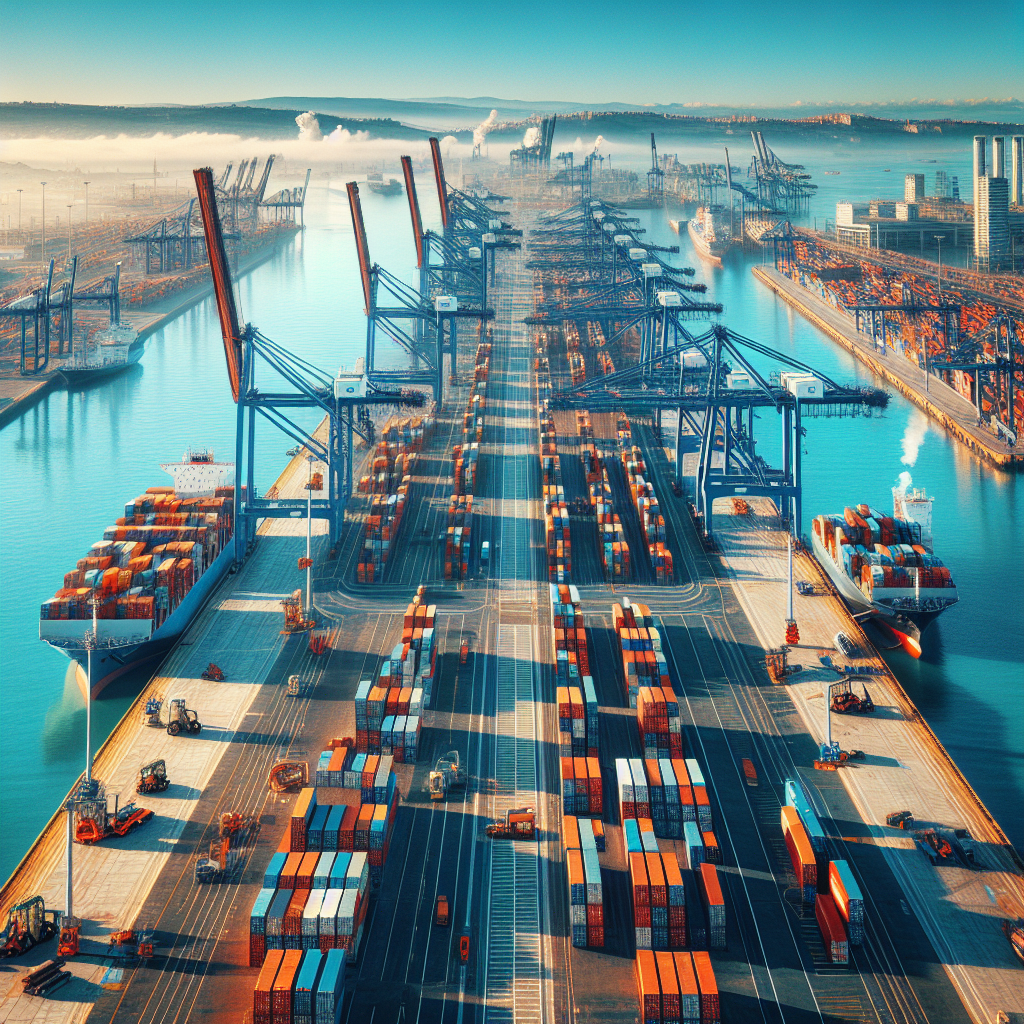
Strategic Expansion: Boluda Increases Capacity at the Santander Container Terminal The maritime industry in Spain is constantly evolving, and one of the most recent examples of this dynamism is the expansion of Boluda’s container terminal at the Port of Santander. Approved by the Santander Port Authority (APS), this expansion represents an investment of over £2.7 million, a significant act aimed at strengthening the port’s logistical infrastructure. This expansion, covering 10,422 square meters at the container terminal, is a clear signal of Boluda’s commitment to the region and its economic development. According to APS President César Díaz, this new investment will be a catalyst for increasing competitiveness and efficiency in the logistics platform. Such investments not only boost goods traffic but also create job and economic opportunities, vital for the sustained growth of the region. Since its opening nearly two years ago, the terminal has been pivotal in increasing general merchandise traffic, positioning the Port of Santander at number eleven among Spanish ports by traffic volume. With expectations of climbing even higher in the rankings, expansion works are set to begin in the coming weeks and are expected to last for six months. This growth is not only significant for the local economy but also represents an opportunity for maritime professionals to consider submitting their CVs to Boluda, which will likely require new talent to manage this expansion. Constant investments and an increase in activity volume reflect the company’s long-term vision and commitment to innovation and development. Impact on Maritime Traffic Container traffic at the Port of Santander has seen a notable increase of 24.9% in the first quarter of 2025 compared to the same period in 2024, reaching 38,253 TEUs. In terms of tons moved, there has been a 27.1% increase, totaling 345,230 tons. These figures are just a glimpse of the port’s potential to continue growing and consolidating itself as a reference logistics center in Spain. The terminal expansion will not only enhance logistical efficiency but also enable Santander to handle a greater volume of traffic, facilitating trade and connections with other international markets. This is particularly important in a global context where efficiency and rapid responsiveness are crucial for economic success. In addition, this capacity increase is also a step towards sustainability. By optimizing the use of existing infrastructure and improving logistics, the carbon footprint of goods transportation could be reduced, an aspect increasingly valued by customers and legislators at the European level. New Routes and International Connections A notable aspect of this expansion is the introduction of new maritime routes that will further strengthen the port’s international connections. The successful North line connecting Santander with Dublin and Liverpool has been well received, and now a new regular service with the ports of Tilbury in the UK and Rotterdam in the Netherlands is added. These routes not only expand transport options for local businesses but also open up new possibilities for commercial exchanges with important European markets. The expansion of these connections is a key factor in maintaining the port’s competitiveness and continuing to attract international traffic. Relevance for the Professional Sector For merchant marine professionals and nautical enthusiasts, this expansion and the new routes represent a source of opportunities and challenges. The need to manage increased traffic and coordinate new routes may require specialized skills and advanced technical knowledge, offering a field for professional development in the sector. Furthermore, this expansion is a motivating example for other port terminals in Spain and Europe looking to improve their infrastructures and capabilities. The success of this project can generate positive synergies in the sector, demonstrating how strategic investments can result in greater economic dynamism and a stronger competitive position globally. Finally, the initiative underscores the importance of staying up to date with the latest trends and innovations in port management. For nautical enthusiasts and sailors, this article highlights how modern port infrastructures can enhance their experiences and expectations when sailing international waters. Conclusion: A Growing Port Inviting a Promising Future The expansion of Boluda’s terminal at the Port of Santander is more than just a capacity increase; it is a statement of intent for the future. With an investment that reinforces commitment to innovation and sustainable development, the Port of Santander is emerging as a key node in the European logistics scheme. The expected results of this project promise not only an increase in traffic and efficiency but also new job and business opportunities for all those interested in the maritime sector. The new routes and international connections further strengthen the port’s position as a reference point in maritime trade, benefiting both the local economy and the opportunities for sector professionals. In a globalized economic environment where adaptability and expansion are essential for success, the Port of Santander has taken a significant step forward. The invitation is open to those who want to be part of this exciting journey towards a promising future in the maritime world.
Hafnia Limited: Innovations and Opportunities in the Maritime Sector for 2025
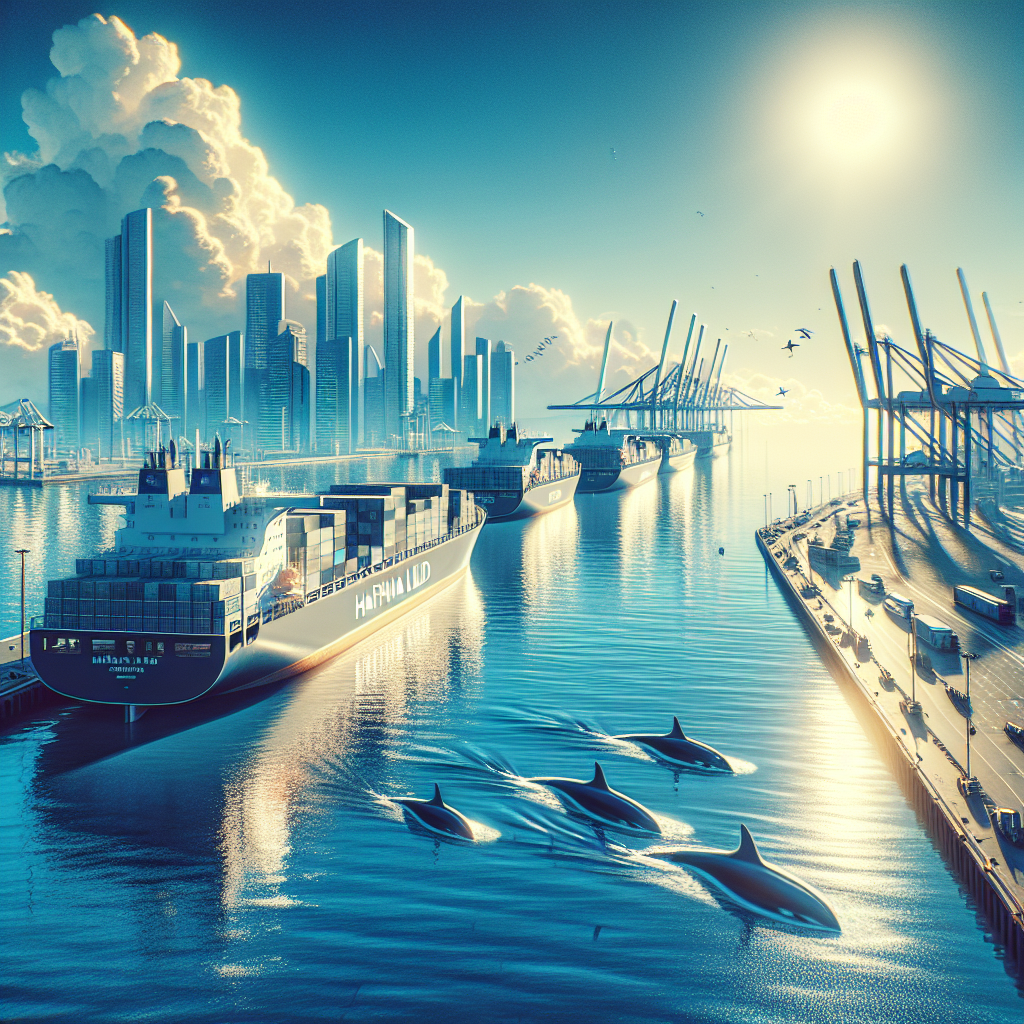
Hafnia Limited: Innovations and Opportunities in the Maritime Sector for 2025 Hafnia Limited, one of the leading companies in product maritime transportation, is gearing up for the presentation of its first-quarter results in 2025. This disclosure, scheduled for May 15, promises to provide valuable information to investors and maritime professionals about the company’s strategic direction in the sector. The event will feature prominent members of management, such as Mikael Skov, CEO, and Perry van Echtelt, CFO. The financial results are crucial for evaluating Hafnia’s economic health and understanding how it positions itself against market challenges and opportunities. In a context where operational efficiency and sustainability are key factors, investors are increasingly seeking details on how technologies are being implemented to optimize operations. A strong financial performance not only reinforces Hafnia’s position in the market but also opens the door to future investments and expansions. Investors look for details on how technologies are being implemented for operational optimization. Financial results are crucial for evaluating a company’s economic health. Operational efficiency and sustainability are key factors in the maritime sector. For professionals in the sector, these results are not just numbers. They represent trends, strategies, and opportunities that can translate into new maritime routes and jobs. With Hafnia at the forefront of technological innovation, its 2025 results could indicate the way forward for others in the maritime transportation industry. Technological Innovations at Hafnia: A Game Changer In the competitive world of maritime transportation, Hafnia has taken bold steps to integrate technological innovations that optimize its operations and minimize environmental impact. These efforts not only improve operational efficiency but also reduce costs, one of the biggest challenges for shipping companies. One key area where Hafnia is investing is in the digitalization of its operations. The company has implemented advanced fleet management systems that allow real-time tracking of its vessels, optimizing routes and reducing fuel consumption. This approach not only enhances efficiency but also contributes to sustainability, a top priority on the global agenda. Additionally, the company has begun exploring the use of artificial intelligence to predict market trends and adjust its commercial strategies accordingly. This predictive capability is essential to remain competitive in a constantly changing market with increasingly tight profit margins. Digitalization of operations enhances efficiency and sustainability. Artificial intelligence is being used to predict market trends. Technological innovations at Hafnia are transforming maritime transportation. For professionals in the sector, these innovations offer a glimpse of how technology can transform maritime transportation, opening a pathway to the development of new skills and adaptation to the demands of the modern market. Hafnia: A Beacon of Job Opportunities Hafnia’s commitment to innovation and operational excellence not only benefits its investors but also creates a fertile environment for professional development. The expansion and optimization of its operations constantly open up new positions, from fleet management to roles in technology and sustainability. For professionals looking for a new path in their maritime career, Hafnia represents a source of growth and continuous learning. The company is always on the lookout for talent that can bring new ideas and energy to the sector. Its global presence means there are opportunities not only in Norway, where the company has a strong presence but also in other key locations around the world. Working at Hafnia not only provides the opportunity for professional growth but also allows individuals to be part of the change in an industry that is renewing itself for a more sustainable and efficient future. The Relevance of Hafnia for Investors and Nautical Enthusiasts For investors, Hafnia offers a robust business model in an essential sector for the global economy. The company has shown an impressive ability to adapt and thrive in a challenging environment, making it an attractive option for those looking to invest in a company with a promising future. Furthermore, for nautical enthusiasts, Hafnia represents the future of maritime transportation. Their ships are at the forefront of technology, showcasing innovations that could change how we navigate and transport products over time. Technological innovation and a commitment to sustainability resonate with those passionate about the sea and the environment. In summary, Hafnia’s initiatives not only present opportunities for maritime professionals and investors but also serve as an example of how the nautical industry can evolve and improve. In the world of maritime transportation, where every decision matters, Hafnia stands as a leader whose focus on innovation and sustainability is a model to follow. In conclusion, Hafnia’s first-quarter results in 2025 are more than just financial data. They are a window into the strategies that will define the future of maritime transportation. For anyone involved in this sector, whether a professional, investor, or enthusiast, Hafnia’s story offers lessons and opportunities that should not be overlooked.