


The Maritime Tourism Sector: A New Era of Technological Innovations and Reservation Growth

The Maritime Tourism Sector: A New Era of Technological Innovations and Reservation Growth The growth of reservations in the maritime sector in the first quarter of 2025: A look at the numbers. The maritime world is experiencing a significant boom driven by new business models and technology. According to the latest financial results published by Expedia Group, Inc., room reservations grew by 6% during the first quarter of 2025, despite softened travel demand within and to the United States. This increase is indicative of a trend that not only affects the land tourism industry but is also beginning to resonate in the maritime sector. Total gross reservation growth stood at 4% during the same period. However, an area that has shown exceptional performance is B2B reservations, with a 14% increase, highlighting the importance of the international market. This underscores not only the sector’s resilience but also the importance of adapting to new global dynamics, something crucial for maritime professionals. In this context of transformation, accommodation reservations experienced a 5% year-on-year growth in the first quarter. This data is essential for the maritime sector as it indicates a higher demand for lodging in coastal destinations and cruises, which could translate into new job opportunities for those looking to develop professionally in this area. Technology and Innovation: Driving Forces in the Nautical Sector Technology continues to be a fundamental pillar in the evolution of the maritime industry. The ability to make online reservations and manage itineraries efficiently is redefining the user experience. Companies are investing in advanced technological platforms that facilitate trip planning and execution, reducing time and effort for consumers. The increase in B2B reservations is a clear indication of how internationalization is being facilitated by these technological innovations. Global connectivity allows maritime companies to offer more personalized services tailored to the specific needs of clients worldwide. Furthermore, the use of advanced technologies such as artificial intelligence and data analysis is providing maritime companies with a significant competitive advantage. These tools enable the prediction of travel trends, route optimization, and improvement of the customer experience, which is vital for capturing new markets and strengthening existing business relationships. Employment Opportunities and the Future of the Maritime Sector The growth in reservations and the ongoing integration of technology in the sector offer a series of job opportunities that should not be overlooked. New maritime routes and the increasing demand for lodging services require trained and well-informed personnel. This is a direct invitation to sector professionals to submit their resumes to leading companies, such as Expedia Group, that are at the forefront of this transformation. Additionally, the rise in demand for associated services, such as reservation management and customer service, is generating new roles within the industry. This translates into the need for qualified professionals who can quickly adapt to technological and market changes. For nautical sector enthusiasts and professionals, now is the ideal time to explore these new opportunities. The continuous evolution of the maritime market demands updated skills and an innovation-oriented mindset, making ongoing training and professional development key elements for success. Relevance of Reservation Growth for the Maritime Community This growth in maritime reservations is significant for several reasons. Firstly, it indicates a recovery and possible expansion of the industry after periods of economic uncertainty, which is encouraging for investors and sector professionals. The market stability and growth suggest a favorable environment for new investments and ventures. Secondly, the increase in B2B reservations and market internationalization open up a range of opportunities to establish global connections. For investors, this means portfolio diversification and the possibility of entering new markets with growth potential. Finally, technological advances are not only optimizing operations but also enhancing the experience of recreational and professional sailors. Ease of access to services and personalized experiences make the sector more attractive to new users, driving a continuous cycle of growth and development. Conclusion: A Call to Action for Maritime Sector Professionals In conclusion, the current outlook for the maritime sector is filled with opportunities for those willing to adapt to the new market realities. Reservation growth, driven by technological innovations and openness to international markets, represents a significant opportunity for both professionals and investors. It is crucial for professionals to stay informed about these trends and constantly seek ways to improve their skills and knowledge. By doing so, they can capitalize on emerging opportunities and play an active role in the future of the maritime industry. For those seeking a career change or a new challenge, now is the perfect time to act. Sending a resume to innovative companies like Expedia Group could be the first step towards an exciting and dynamic career in the maritime world.
The Technological Innovation in Maritime Services: PAR Technology Revolutionizes the Sector

The Technological Innovation in Maritime Services: PAR Technology Revolutionizes the Sector The technology has proven to be a fundamental ally in modernizing various sectors, and the maritime field is no exception. Recently, PAR Technology Corporation announced its financial results for the first quarter of 2025, highlighting significant growth driven by its “Better Together” strategy. This approach focuses on integrating advanced technological solutions to improve operational efficiency in the food service industry and, by extension, could have promising applications in the maritime sector. PAR Technology has shown strong financial performance thanks to its Operator and Engagement solutions, which have attracted the attention of new customers, as stated by Savneet Singh, the company’s CEO. This success not only strengthens PAR Technology’s position in the market but also opens a window to the potential these innovations could have for professionals in the maritime sector. The news of these results is particularly relevant for maritime investors and shipping companies. The innovations presented by PAR could be transferred to fleet management systems and port operations, optimizing routes and reducing operating costs. Initially aimed at the field of food services, PAR’s solutions have the potential to revolutionize logistical and management processes in the maritime environment. Implementation of Technological Solutions in Maritime Environments The Operator and Engagement solutions from PAR Technology have been designed to provide a comprehensive experience that optimizes interaction and management between different systems. In the maritime context, this could translate into more effective coordination among the various actors that make up the maritime logistics chain, from port operators to cargo transportation companies. The Operator platform allows for centralized monitoring and management of operations, essential for global shipping fleets. This technology could facilitate strategic planning and real-time decision-making, crucial factors in maximizing efficiency and safety on the high seas. On the other hand, Engagement tools offer smoother and more effective communication between crews and onshore bases. Improving this communication not only increases safety but can also be a valuable asset for human resources management at sea, helping to retain talent in an historically challenging industry in terms of employment. Increased Efficiency in Maritime Operations Cost Reduction Through Technology Integration Enhanced Safety Measures at Sea Employment and Investment Opportunities The technological evolution led by PAR Technology offers multiple job opportunities for maritime professionals and nautical enthusiasts looking to expand their skills in advanced digital systems. Shipping companies seeking to incorporate these solutions could open up to hiring qualified personnel in the management of technological platforms, thus expanding the range of jobs available in the sector. Similarly, maritime investors should pay attention to how these innovations can transform operations and increase profitability in the maritime business. Investing in companies that integrate advanced technology into their operations is a high-performance potential strategy, not only in the short term but also sustainably in the future. For sailors and industry professionals, getting acquainted with these emerging technologies can provide a significant competitive advantage. Knowledge and management of integrated management systems not only optimize performance at sea but also promise to elevate the professional standards of those involved in these technologically advanced environments. Conclusion: A Promising Future for the Maritime Sector The release of the financial results for the first quarter of 2025 by PAR Technology not only highlights a solid business strategy but also hints at the possibilities of implementing innovative solutions in the maritime sector. The convergence of technology and maritime operations represents an unprecedented opportunity to improve efficiency, safety, and profitability in this industry. For readers of WishToSail.com, this news offers three key reasons to pay attention: firstly, the potential for operational optimization and cost reduction; secondly, the opportunity to acquire valuable skills in advanced technological systems; and thirdly, the promise of new job and investment opportunities in a sector undergoing transformation. In summary, closely following the innovations of companies like PAR Technology can be crucial for those looking to lead the future of the maritime sector. The implementation of advanced technology is undoubtedly the path to smarter and more efficient navigation.
The Viking Thoth: Innovation and Opportunities in the Heart of the Nile
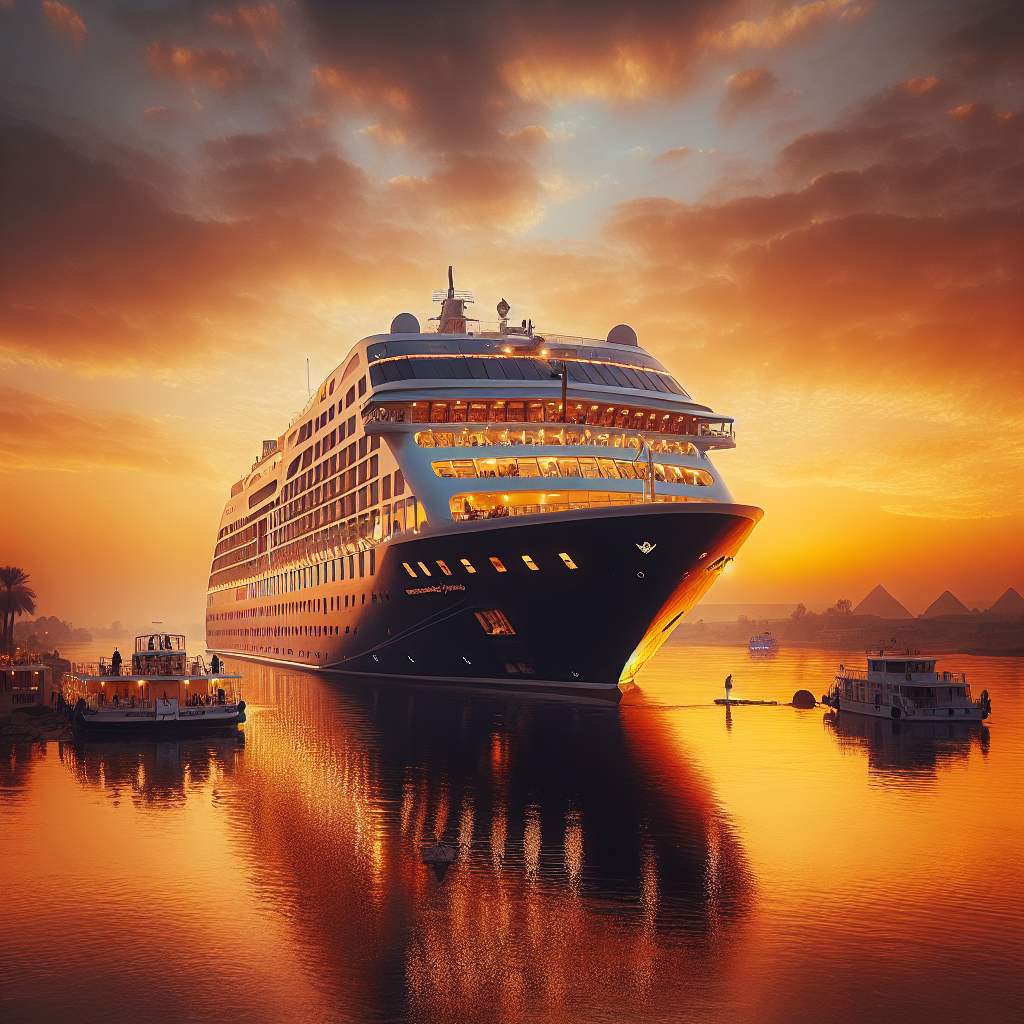
The Viking Thoth: Innovation and Opportunities in the Heart of the Nile The Viking Thoth, a New Milestone in Nile Navigation The renowned cruise company Viking, known worldwide for its cutting-edge fleet, has recently announced the completion of a significant milestone in the construction of its new ship, the Viking Thoth. This impressive vessel, designed to accommodate 82 passengers, has touched the water for the first time, marking a crucial step towards its final delivery, scheduled for October 2025. This ship will join Viking’s growing fleet on the Nile, standing out for its innovation and ability to offer unforgettable experiences onboard. The Viking Thoth will operate on one of Viking’s most sought-after itineraries, the 12-day “Pharaohs & Pyramids” journey. This trip not only offers a historical odyssey through the wonders of ancient Egypt but also promises an immersion in local culture, combining modern comfort with the country’s rich tradition. The addition of the Viking Thoth reinforces the company’s commitment to excellence and the continuous pursuit of improving passenger experiences. Since its inception, Viking has captured the essence of exploration with its state-of-the-art ships. The Viking Thoth is no exception; every detail has been meticulously designed to ensure maximum comfort and safety. Technological advancements in the ship’s construction represent the latest in energy efficiency and sustainability, a trend that is becoming standard in the maritime industry. **Growth Opportunities in the Maritime Sector** With the launch of the Viking Thoth, significant employment opportunities are created, as every new ship requires a highly skilled team to operate efficiently. From crew members to service and maintenance staff, employment possibilities are diverse and offer a promising career for those passionate about navigation. For maritime professionals and sailors, the Viking Thoth presents an excellent opportunity to apply their skills in a luxury and high-tech environment. Viking, known for its rigor and operational excellence, is constantly seeking talented individuals to join their teams on the Nile. Beyond direct employment opportunities, the expansion of Viking’s fleet positively impacts the local economy in the areas where it operates. The demand for auxiliary navigation services, such as provisioning and logistics, is also on the rise, benefiting not only direct employees but also stimulating related sectors, creating a domino effect of opportunities in the region. **Technological Innovation: The Future of Cruising** The cruising industry is undergoing a transformation driven by technological innovation, and the Viking Thoth is a clear example of this trend. Equipped with the most advanced technologies, the ship promises not only a comfortable journey but also an environmentally friendly operation. The use of efficient propulsion systems and sustainable materials underscores Viking’s commitment to responsible navigation. For maritime investors, the Viking Thoth represents an opportunity to invest in a company at the forefront of sustainability and innovation. The growing demand for Nile cruises and Viking’s ability to meet this demand with innovative solutions make it an attractive investment with strong return potential. **A Journey to Enrich the Hearts of Mariners** The Nile, with its history-laden course, remains one of the most sought-after destinations for sailors worldwide. The Viking Thoth promises to enrich this experience, offering passengers an intimate journey with the essence of Egypt, from its majestic pyramids to its flowing river landscapes. Embarking on the Viking Thoth is not only an opportunity for nautical enthusiasts to explore new routes but also to experience an educational and transformative journey. Each voyage offers the possibility to learn about traditional and modern navigation techniques and experience the culture from a unique perspective. Viking’s commitment to quality and innovation ensures that every cruise aboard the Viking Thoth is more than just a journey: it is an opportunity to make a lasting impact, both in the lives of its passengers and the professionals who work to make it happen. This new ship not only expands the tourism offerings on the Nile but also promises to set new standards for the global cruising industry. In summary, the launch of the Viking Thoth marks the beginning of a new era in Nile navigation, full of opportunities and adventures. Whether for industry professionals seeking new job opportunities, investors interested in sustainable tourism growth, or enthusiasts looking for their next great adventure, the Viking Thoth is an open invitation to explore the best of the maritime world.
The Revolution in Maritime Transport: CPAC Systems Invests in Flying Fish Maritime Innovations and Advances Sustainable Aquatic Mobility
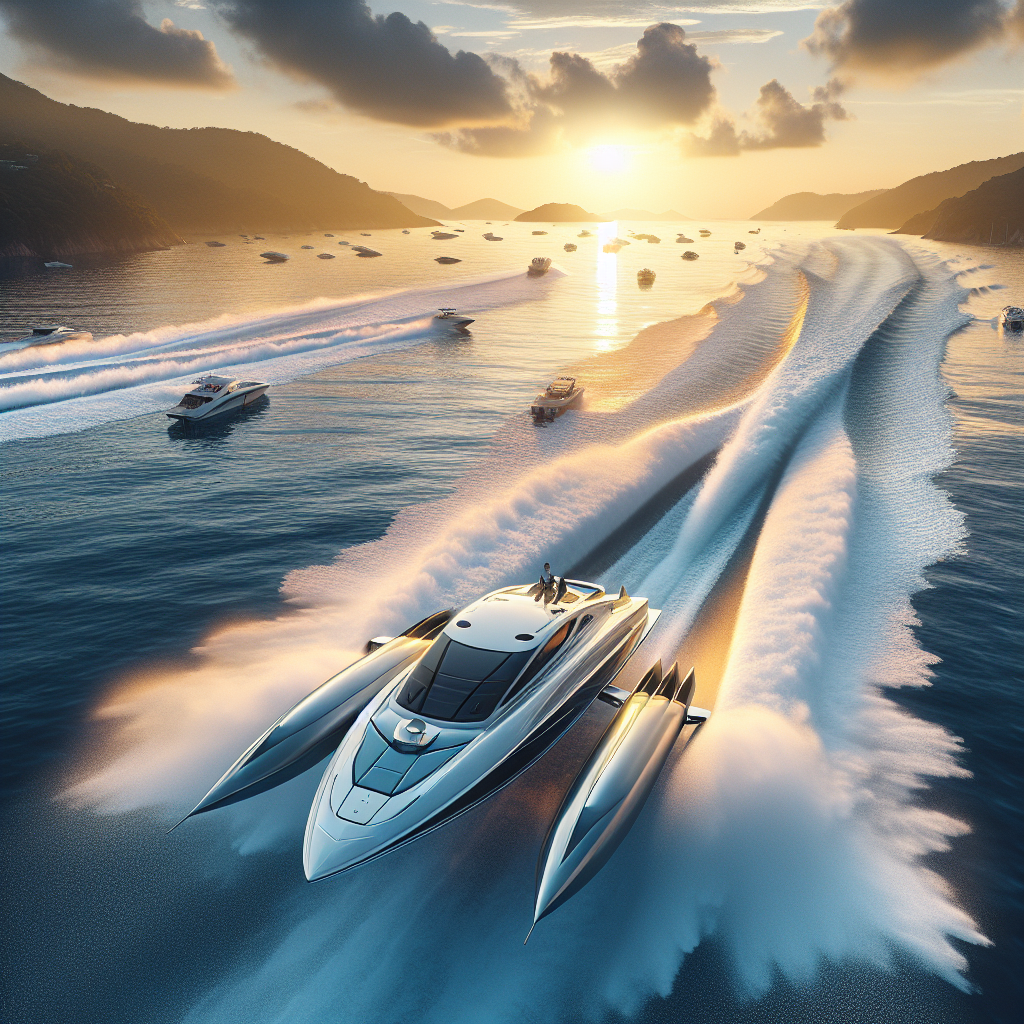
The Revolution in Maritime Transport: CPAC Systems Invests in Flying Fish Maritime Innovations and Advances Sustainable Aquatic Mobility In a move that promises to revolutionize maritime transport, CPAC Systems AB has announced a strategic minority investment in Flying Fish Maritime Innovations B.V. This alliance aims to promote shared aquatic mobility through the development of advanced hydrofoil technologies, positioning themselves at the forefront of innovation and sustainability in the sector. CPAC Systems AB, a recognized leader in advanced control systems and integrated technology for commercial vessels and vehicles, has identified Flying Fish as an ideal partner to take their commitment to innovation to the next level. Flying Fish, on the other hand, is a pioneer in shared aquatic mobility solutions, focused on offering robust and cost-effective hydrofoil technology. This collaboration underscores the determined commitment of both companies to redefine aquatic transport, integrating sustainability and innovation as fundamental pillars. This approach not only promises a positive impact on the environment but also creates new job and business opportunities in the maritime sector. The Impact of Hydrofoil Technology on Aquatic Mobility Boats equipped with hydrofoils represent a technological revolution in the world of navigation. These structures allow the hull to lift out of the water at high speeds, reducing friction and achieving more efficient and ecological navigation. Flying Fish has developed hydrofoil technology that is not only robust and effective but also cost-effective. This means that not only fuel consumption is reduced, but also pollutant emissions, significantly contributing to environmental sustainability. Additionally, this technology can offer passengers a smoother and faster sailing experience, particularly appealing to companies dedicated to maritime tourism. For maritime investors, this technology provides a clear competitive advantage, aligning with global trends towards sustainability and energy efficiency. With the backing of CPAC Systems, Flying Fish is well positioned to lead this transformation in aquatic mobility. Employment and Business Opportunities The investment from CPAC Systems in Flying Fish not only has technological implications but also opens up a range of job and business opportunities for the sector. The expansion and development of hydrofoil technologies will require specialized personnel in various areas, from engineers to maintenance technicians. Maritime professionals and sailors with experience in new technologies will find in this initiative an opportunity to expand their horizons. Companies in the sector can explore these innovations to expand their fleets with more sustainable vessels, attracting an increasingly environmentally conscious audience. All interested parties are invited to submit their resumes to CPAC Systems and Flying Fish, companies that are determined to lead the change in the maritime sector with state-of-the-art technological solutions. A Bet on the Future of Maritime Transport The investment from CPAC Systems in Flying Fish is much more than a simple business move. It is a clear bet on a future where aquatic mobility is more accessible, efficient, and sustainable. Hydrofoil boats promise to change the game, offering more ecological and cost-effective alternatives. This initiative is not only relevant to sailors and industry professionals but also to maritime investors seeking innovative and sustainable business opportunities. The growing demand for environmentally conscious transport solutions makes this investment not only strategic but also visionary. Finally, this collaboration invites nautical enthusiasts to explore new ways to enjoy their passion for the sea, with the peace of mind of knowing they are positively contributing to the care of the planet. Conclusion: A New Era for Navigation The investment from CPAC Systems in Flying Fish represents a milestone in the evolution of aquatic mobility. By integrating advanced hydrofoil technology, these companies are leading the way towards a more ecological and efficient maritime transport. This initiative offers multiple practical benefits and opportunities to professionals, investors, and sector enthusiasts, promising to transform the way we navigate the seas. With a clear focus on sustainability and innovation, CPAC Systems and Flying Fish are laying the groundwork for a future where navigation is greener and more accessible to all. This is an invitation for professionals and companies to join this wave of change and be part of the transformation of maritime transport that will undoubtedly shape the course of the coming decades.
Innovations in the Maritime Sector: A Review of the First Quarter of 2025

Innovations in the Maritime Sector: A Review of the First Quarter of 2025 The maritime sector continues to evolve in 2025, driven by a series of technological and strategic innovations that promise to revolutionize the way related industries operate. The recent publication of the first-quarter results from Pursuit is a testament to this transformation. This report not only provides a detailed insight into the economic figures but also highlights significant trends and developments that maritime professionals and nautical enthusiasts should take note of. With a focus on sustainability and efficiency, maritime companies are embracing new technologies to not only comply with international regulations but also to optimize their operations. The data presented by Pursuit offers a clear view of how these innovations are impacting the financial and operational performance of the sector. Explore the main findings of this quarterly report, breaking down the most relevant numbers and analyzing their impact on different areas of the maritime sector. From new job opportunities to the adoption of cutting-edge technologies, this analysis seeks to provide a comprehensive and useful perspective for our audience. Technological Innovations and Their Impact The report highlights how the implementation of advanced technologies has been a key catalyst for growth in the sector. Artificial intelligence (AI) solutions and the Internet of Things (IoT) are beginning to be integrated into fleet management systems, enhancing the efficiency and safety of maritime operations. Next-generation ships are equipped with sensors that allow real-time monitoring of critical systems. This monitoring capability not only reduces the risk of mechanical failures but also optimizes fuel consumption, which is crucial in a context of fluctuating oil prices and increasing pressure to reduce carbon emissions. For professionals in the sector, staying updated with these technologies is essential. They not only improve operational efficiency but also open up new pathways for professional development and job opportunities for those with knowledge in advanced navigation systems and automation technologies. Emerging Maritime Routes and Job Opportunities The report also points out the opening of new maritime routes, facilitated by the melting of ice in polar regions and the development of port infrastructures in emerging markets. These routes not only promise to reduce transit times but can also represent significant cost savings in transportation. Investing in port infrastructures and the fleet necessary to navigate these waters can yield attractive returns in a growing market. With the increased activity on these routes, there is a growing demand for skilled professionals. Sailors, engineers, and technical personnel can find new job opportunities as these routes become more viable and popular. Conclusions and Future Outlook Pursuit’s quarterly report provides valuable insight into the forces shaping the present and future of the maritime sector. With technological innovations at the core of this transformation, the sector is poised for sustained growth, offering abundant opportunities for professionals and businesses alike. For nautical enthusiasts and investors, now is the time to get involved. Early adoption of these innovations can not only provide a competitive advantage but also open up new avenues for exploration and enjoyment of the nautical world. As the world moves towards a more digital and sustainable future, the ability to adapt and adopt new technologies will determine success in this exciting and ever-evolving field.
The Future of Cashless Payments on Cruise Ships

The Future of Cashless Payments on Cruise Ships Cruise ships are constantly evolving, aiming to provide passengers with unforgettable and, above all, comfortable experiences. In this quest for innovation, Carnival Cruise Line has taken a step forward by incorporating a cashless payment solution that promises to transform passenger interaction on board. This innovation comes from Cantaloupe Inc., a leading company in point-of-sale solutions, which has implemented its system on Carnival’s new ship, the Celebration Key. The technology provided by Cantaloupe Inc. allows for seamless and hassle-free payments, adding a layer of convenience that both passengers and crew appreciate. In an increasingly digitized world where cash payments are becoming less common, this solution represents the future of transactions on cruise ships. The implementation of this system on the Celebration Key marks a significant improvement in the passenger experience in terms of security and efficiency. Improved Security: By reducing cash handling, the chances of losses or theft are diminished for both passengers and onboard staff. Enhanced User Experience: Passengers can make purchases and access services quickly and easily with a simple card or mobile device tap. Data Collection: Companies can gather valuable data on passenger preferences to personalize onboard experiences and increase revenue opportunities. The integration of cashless payments on board also presents opportunities for professionals in the maritime sector. As more ships adopt these technologies, companies are seeking skilled sailors and technicians to handle and supervise these complex systems. Understanding these technological innovations can be a significant added value for those interested in management and logistics within the industry. The Celebration Key sets an example of how technology can be integrated into maritime tourism to enhance service quality. Equipped with Cantaloupe Inc.’s cashless payment technology, this ship offers passengers a cutting-edge experience in all aspects of their journey. With a capacity for thousands of passengers, the Celebration Key stands out as a reference in the cruise industry, showcasing how technology can make travel more comfortable and enjoyable. The collaboration between Cantaloupe Inc. and Carnival Cruise Line illustrates how technology is revolutionizing the maritime industry. These innovations not only improve the user experience but also signal a shift in how onboard operations are managed and financial security is perceived in the sector. Keeping abreast of these trends is essential for sailors and industry professionals to remain competitive in an ever-evolving sector. In summary, cashless payments on cruise ships represent more than just an improvement in customer convenience; they are a sign of where the industry is heading. Whether you are a professional seeking new job opportunities, an investor analyzing emerging trends, or a sailor interested in nautical activities, staying informed about these innovations is crucial.