


The MTP Summit 2025: An Opportunity for Sailors in Addis Ababa

The MTP Summit 2025: An Opportunity for Sailors in Addis Ababa The Most Traveled People (MTP) community has eagerly announced the MTP Summit 2025, set to take place in the captivating city of Addis Ababa, Ethiopia, from the 13th to the 16th of November 2025. This highly anticipated event, supported by the Ethiopian Ministry of Tourism, promises to be a unique platform for networking, learning, and exploration, bringing together the most experienced travelers in the world. The summit will be held at the prestigious Sheraton Addis, one of Africa’s most renowned hotels. For professionals in the maritime sector, the MTP Summit 2025 represents an invaluable opportunity to connect with an internationally diverse group of sailing and tourism enthusiasts. This event gathers individuals with a shared passion for discovery and adventure, providing a space where sailors can exchange stories and practical knowledge that can be applied to maritime routes around the world. The Sheraton Addis, where the conference will take place, is an architectural gem and a symbol of luxury on the African continent. Its selection as the venue for the MTP Summit 2025 not only underscores the event’s significance but also highlights Ethiopia as an emerging and relevant destination on the international stage. For participants, this offers a unique experience to immerse themselves in Ethiopia’s rich culture while enjoying the hotel’s world-class facilities. Impact on the Maritime Sector and Job Opportunities The MTP Summit 2025 has the potential to significantly influence the maritime sector, offering multiple opportunities for expanding professional networks and developing new commercial and tourist routes. Attendees will have the chance to interact with industry authorities and discuss technological innovations and navigation techniques. This is especially relevant for maritime investors looking to diversify and strengthen their portfolios by encountering new investment opportunities. Data: According to recent industry reports, the maritime sector is experiencing a surge in demand for skilled professionals due to increased global trade and tourism activities. Data: The African tourism sector has shown consistent growth over the past decade, making it an attractive market for maritime exploration and development. Furthermore, the event can serve as a bridge to establish working relationships with companies operating in the maritime and tourism sectors. With Africa’s growing popularity as a tourist destination, exploring new maritime routes in the region could provide a competitive advantage. Those interested in advancing their careers in the navigation sector may consider submitting their resumes to companies participating in the event, opening doors to new experiences and challenges. For professional sailors, the summit offers access to workshops and talks addressing the latest trends in maritime technology. Connecting with Culture and Innovation The choice of Addis Ababa as the venue for the MTP Summit 2025 is not coincidental. The city is not only a cultural hub but also an innovation center on the African continent. Through this conference, attendees will have the opportunity to explore the intersection between navigation and local culture. Data: Africa has a rich maritime history that provides valuable lessons on adaptability and resilience, essential qualities for professionals in the sector. Data: Sustainable navigation practices are becoming increasingly important in the maritime industry, with a focus on preserving marine environments and ecosystems. The immersive environment of Addis Ababa will provide participants of the MTP Summit 2025 with a culturally rich experience. The city also serves as a reminder of the importance of respecting and preserving the seas and oceans, promoting responsible navigation practices. Moreover, the conference offers a glimpse into the future of navigation, highlighting innovations that are reshaping the industry. From artificial intelligence applied to fleet management to sustainable materials for shipbuilding, the MTP Summit 2025 is an open door to knowledge that can transform the way we understand navigation. An Invitation to Adventure and Knowledge The MTP Summit 2025 is more than just a gathering of the world’s most experienced travelers; it is a celebration of the adventurous spirit that drives humanity to explore beyond its borders. For sailors, this event represents an opportunity to reaffirm their passion for the sea while drawing inspiration from stories of resilience and discovery shared by their peers. Participating in events like the MTP Summit 2025 is crucial for connecting people from different disciplines and cultures around a common passion. This meeting is an opportunity for attendees to broaden their professional and personal horizons, taking with them not only valuable contacts but also fresh and renewed ideas. In conclusion, the MTP Summit 2025 is a must-attend event for those in the maritime sector looking to enrich their knowledge, expand their networks, and explore new opportunities. Participation in this event could be a turning point in the careers of many navigation professionals, providing the tools and motivation needed to sail towards a future full of possibilities.
The New Insurance Regulations for Ships in the European Union

The New Insurance Regulations for Ships in the European Union In a strategic move, the European Commission has proposed an amendment to Annex I of the Directive on the monitoring of maritime traffic (2002/59/EC), which requires all ships transiting through EU waters to demonstrate that they are insured. This measure, which is particularly relevant in the current context of geopolitical instability and threats to maritime security, aims to strengthen surveillance over potentially unsafe vessels and support broader ambitions in terms of safety and the environment. This initiative is a direct response to the increase in sanctioned ships in EU waters, with over 1,000 vessels affected by the end of last year, according to reports from S&P Global Market Intelligence. Of these, more than 800 lacked confirmed insurance, a concerning statistic highlighting the urgent need to strengthen maritime safety standards. The average age of these ships, which exceeds the global average by eight years, adds an additional layer of concern, given the higher likelihood of environmental incidents with older vessels. As the maritime community grapples with the challenges of a Russian ‘ghost fleet’ and other emerging threats, the new EU regulations not only aim to protect its own maritime territory but also to align its standards with global norms, promising a safer and more regulated navigation environment. Geopolitical Context and Emerging Threats In recent years, there has been an increase in the activity of what is known as the Russian ‘ghost fleet’, a term used to describe ships operating outside international regulations, often without insurance and with fraudulent identities. These ships pose a significant risk, not only to maritime security but also to environmental protection in international waters. In response to this situation, several European countries have intensified their efforts to monitor and supervise these suspicious vessels. For example, since February, the Danish Maritime Authority has implemented rigorous controls on tankers anchoring in Skagen, a strategic point frequented in the northern tip of the country. This measure aims to identify and manage tankers considered high risk, a process enhanced by international cooperation and the use of advanced technologies such as artificial intelligence. Additionally, the Joint Expeditionary Force (JEF), led by the United Kingdom, has activated an advanced surveillance system to track potential threats against underwater infrastructure, using the naval operation ‘Nordic Warden’ to analyze data from the Automatic Identification System (AIS) and assess the risk posed by each vessel entering areas of interest. Impact on the Maritime and Nautical Industry The implementation of these regulations represents a significant change for the maritime industry in Europe. Merchant navy professionals, as well as maritime investors and nautical enthusiasts, will need to adapt to a stricter regulatory framework that covers not only safety aspects but also insurance and regulatory compliance practices. This new environment may present an opportunity for those looking to specialize in regulatory compliance services and maritime insurance. For sailors and nautical enthusiasts, the measure also adds an additional safety component, ensuring that EU waters are a safer place to explore and enjoy. Furthermore, companies involved in insurance and risk management will have a crucial role to play, creating new business and employment opportunities. Those interested may consider submitting their CVs to industry companies that can benefit from these regulatory changes. In terms of investment, this directive can provide a boost to improve port infrastructure and maritime traffic control systems, attracting capital and stimulating the local economy. Companies offering innovative services and advanced technologies for monitoring and regulatory compliance will be in a advantageous position to capitalize on these new opportunities. Benefits of Enhanced Maritime Safety The measure proposed by the European Commission offers multiple benefits. Firstly, strengthening maritime safety helps prevent environmental catastrophes, something essential at a time when sustainability is central to the global agenda. Reducing the risk of accidents and spills contributes to protecting marine and coastal ecosystems, ensuring that future generations can enjoy clean and safe oceans. Secondly, increased security on EU maritime routes has the potential to promote more efficient and reliable trade. With insured vessels and compliance with international regulations, confidence in the supply chain is enhanced, which can reduce costs and stimulate economic growth. Finally, by aligning with international standards, the EU reinforces its position as a leader in maritime regulations, serving as a model for other regions and boosting its influence on the global stage. This alignment also simplifies processes for companies operating in multiple jurisdictions, reducing administrative complexity and enhancing operational efficiency. Conclusions and Future Perspectives The new regulations on the insurance of ships transiting through EU waters represent a proactive response to the challenges of an increasingly complex maritime environment. By focusing their efforts on safety and environmental protection, the EU sends a clear message about the importance of operating under global standards that safeguard not only their territory but also the integrity of their waters and those who navigate them. For industry professionals, this is a call to action to become more actively involved in the implementation and monitoring of these regulations, offering their knowledge and experience to navigate efficiently in this new landscape. Innovation and adaptation will be key for those seeking to thrive in this changing regulatory environment.
The New North Atlantic Emission Control Area: A Crucial Advance for Maritime Sustainability
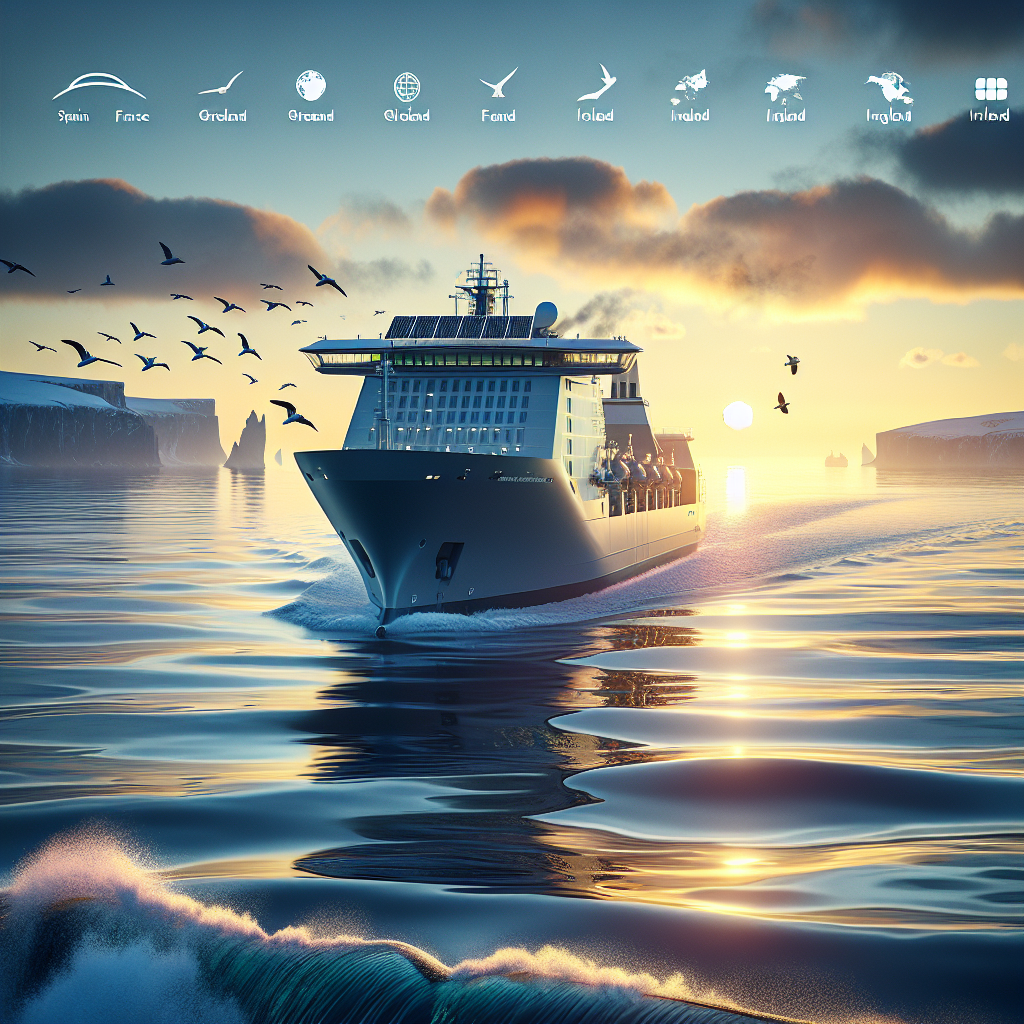
The New North Atlantic Emission Control Area: A Crucial Advance for Maritime Sustainability In an unprecedented effort to reduce the environmental impact of the shipping industry, the International Maritime Organization (IMO) has approved the creation of a new Emission Control Area (ECA) in the northeastern Atlantic Ocean. This decision marks a milestone in emissions control for ships, with stricter standards for pollutant emissions. The establishment of this ECA is the result of extensive research conducted by the International Council on Clean Transportation (ICCT), in collaboration with the University of Porto. This study was presented and approved by the 27 European Union member states, the United Kingdom, and the European Commission, highlighting the importance of international cooperation on sustainability issues. The territorial scope of this new ECA includes the seas of Spain, France, Greenland, Iceland, the Faroe Islands, Ireland, Portugal, and the United Kingdom. It will also serve as a crucial link between other established emission control areas, such as those in the Baltic Sea, the North Sea, the Mediterranean, and the recently approved areas in the Norwegian Sea and the Canadian Arctic. This territorial expansion not only covers more area but also sets a model for future global initiatives. Impact on Emissions and Environmental Benefits The implementation of this new ECA promises a significant reduction in various harmful emissions. The measures are expected to decrease sulfur oxide (SOx) emissions by up to 82%, particulate matter (PM2.5) by 64%, and black carbon by 36%. These results not only represent direct improvements in air quality but also contribute to a lower incidence of respiratory diseases in coastal communities. Nitrogen oxide (NOx) emissions will be reduced by 71% as the fleet is renewed with newly constructed ships that comply with the new emission limits. This progressive approach ensures that improvements are sustainable in the long term and that the maritime industry can technologically adapt to new environmental demands. In addition to environmental benefits, these emission reductions could potentially optimize fuel consumption, resulting in greater operational efficiency for shipping companies. This serves as an additional incentive for the industry to effectively and swiftly adopt these measures. Opportunities and Challenges for the Maritime Industry The creation of this new ECA not only represents progress in terms of sustainability but also brings significant opportunities for maritime sector professionals. With current fleets required to be more efficient and ecological, a job market will open up for experts in maritime technology and regulatory compliance. Companies will be seeking qualified professionals who can lead the transition towards cleaner technologies. From engineers specializing in filtering systems and emission control to legal advisors in environmental and regulatory matters, the opportunities are diverse and wide-ranging. For investors, this initiative also presents a window for the development of new technologies and alternative fuels. This will not only strengthen their position in the market but also contribute to the industry’s reputation as a sector committed to sustainability. Relevance and Future Perspectives This shift towards cleaner maritime transportation is highly relevant to various segments of the WishToSail.com audience. For merchant marine professionals, it means adapting to new regulations that will change daily operations, offering an opportunity to enhance their skills and technical knowledge. Investors will face a landscape of transformation that will provide new opportunities to invest in innovation and sustainable development. For nautical enthusiasts, it represents a step towards preserving our oceans, ensuring that future maritime adventures take place in a healthier environment. In conclusion, the approval of this new ECA in the North Atlantic represents a significant step towards a more sustainable future for the global maritime industry. The successful implementation of the new regulations will depend not only on available technology and resources but also on the shared commitment of all stakeholders in the maritime value chain. This is an opportunity for the international maritime community to demonstrate leadership in the fight against climate change, ensuring the protection of our marine environment for future generations.
The Danish Government’s Proposal to Establish a $1 Billion War Risk Reserve

The Danish Government’s Proposal to Establish a $1 Billion War Risk Reserve The Danish government has recently announced plans to create a dedicated reserve of 1,000 million dollars to cover war risks in the maritime sector. This initiative aims to provide a safety net for shipowners and operators in the event of unforeseen conflicts or security threats at sea. This significant financial commitment underscores Denmark’s commitment to ensuring the stability and security of its maritime industry. By establishing this reserve, the government is proactively addressing potential risks that could impact the shipping sector, ultimately safeguarding the interests of maritime stakeholders. Enhancing Maritime Security Denmark has a long-standing tradition of maritime excellence, with a thriving shipping industry that plays a crucial role in the global economy. As a major maritime nation, Denmark recognizes the importance of protecting its maritime assets and ensuring the safety of its seafarers. The establishment of a dedicated war risk reserve is a proactive step towards enhancing maritime security and resilience. By setting aside a substantial sum for this purpose, the Danish government is sending a clear signal of its commitment to safeguarding the interests of the maritime community. Supporting Shipowners and Operators Shipowners and operators face a myriad of risks in the course of their operations, from piracy and armed conflict to political instability and natural disasters. Having a dedicated war risk reserve in place provides them with a financial cushion to mitigate the impact of such events and continue their operations without disruption. By creating this reserve, the Danish government is not only supporting the financial resilience of shipowners and operators but also contributing to the overall stability of the maritime industry. This initiative is a testament to Denmark’s proactive approach to addressing potential risks and ensuring the continued growth and prosperity of its maritime sector. Global Implications The establishment of a $1 billion war risk reserve by the Danish government is likely to have far-reaching implications on the global maritime industry. As a major player in international shipping, Denmark’s commitment to mitigating war risks sets a precedent for other maritime nations to follow suit. By taking proactive measures to address potential threats and uncertainties, Denmark is positioning itself as a leader in maritime security and risk management. The creation of this reserve underscores the importance of preparedness and resilience in the face of evolving security challenges in the maritime domain.
Analyzing the Impact of OPEC+ on the Maritime Sector: Opportunities and Challenges for the Naval Industry

Analyzing the Impact of OPEC+ on the Maritime Sector: Opportunities and Challenges for the Naval Industry Introduction to the International Context The recent decision by the extended Organization of the Petroleum Exporting Countries (OPEC+) to increase crude oil production has shaken global markets and, consequently, has significantly affected the maritime sector, especially oil transportation. This increase has led to a reduction in the price of Brent and West Texas Intermediate barrels, reaching levels not seen since 2021. For the maritime sector, fluctuations in oil prices not only determine the profitability of oil transportation but also influence maritime routes and the demand for specialized vessels. These variations present both challenges and opportunities for those involved in navigation and maritime logistics. In this context, maritime professionals, maritime investors, and nautical enthusiasts are called to adapt to an ever-changing environment, where understanding market dynamics and international policies becomes crucial for making informed and efficient decisions. Economic and Commercial Impact of OPEC+ Decisions The agreement reached on May 3 by the eight OPEC+ member countries to increase production by 411,000 barrels per day during June is seen as a strategic move to stabilize oil prices. However, this measure also generates an excess supply that could lead to an even sharper drop in prices, affecting the economies of producing countries. From an economic perspective, the decrease in oil prices can have mixed consequences. On the one hand, it benefits consumer economies by reducing transportation and goods production costs. On the other hand, it means lower incomes for countries whose economy relies heavily on oil exports. For professionals in the maritime sector, these changes signal a need to adjust their operations and business strategies. Oil transportation, an essential pillar of maritime trade, could see changes in more economical and efficient routes, with a potential increase in demand for tanker vessels due to the higher volume of available oil. Innovations and Opportunities in Crude Oil Maritime Transportation The maritime industry faces a constant challenge: the need to innovate and adapt to new market realities. The recent increase in OPEC+ production presents an opportunity to enhance efficiency in crude oil transportation through the implementation of advanced technologies and sustainable practices. For example, the digitization of operations using AI-based fleet management systems can optimize navigation routes, reduce waiting times at ports, and improve fuel consumption efficiency. These innovations are not only beneficial for cost reduction but also contribute to the sector’s sustainability, an increasingly important factor for investors. Additionally, the job market within the maritime sector presents interesting possibilities. The growing demand for oil transportation may lead to the search for qualified professionals in maritime operations management, naval engineering, and international logistics. We encourage interested individuals to explore these opportunities and consider submitting their resumes to leading companies in the sector. Future Perspectives and Relevance for the Nautical Community It is crucial to understand that OPEC+ decisions not only affect oil prices but also have a profound impact on the global economy and, consequently, on the maritime sector. Market fluctuations open the door to new commercial routes and require a proactive approach from sailors and industry professionals. In particular, for maritime investors and nautical enthusiasts, these dynamics present a landscape full of opportunities. Investing in green technologies, more efficient vessels, and the training of skilled personnel can offer significant returns in the near future as the industry seeks to reduce its carbon footprint and increase sustainability. Lastly, it is essential for the maritime community to stay informed and engaged with the evolution of international policies and market trends. Only then can they maximize the value of their operations and contribute to the development of a more robust and resilient maritime industry. Conclusion: Adaptation and Growth in a Volatile Environment The changes driven by OPEC+ underscore the importance of adaptability in the maritime sector. The ability of companies and professionals to quickly adjust to market fluctuations will determine their long-term success. The integration of new technologies, a focus on sustainability, and efficient resource management will be key to navigating this environment successfully. The maritime industry is at a crossroads where decisions made today will have a lasting impact on the future. At WishToSail.com, we encourage our audience to stay informed and seize these growth opportunities, actively contributing to the creation of a more advanced maritime sector committed to the environment.
The Maritime Innovation of C.H. Robinson: A Beacon of Opportunities and Growth
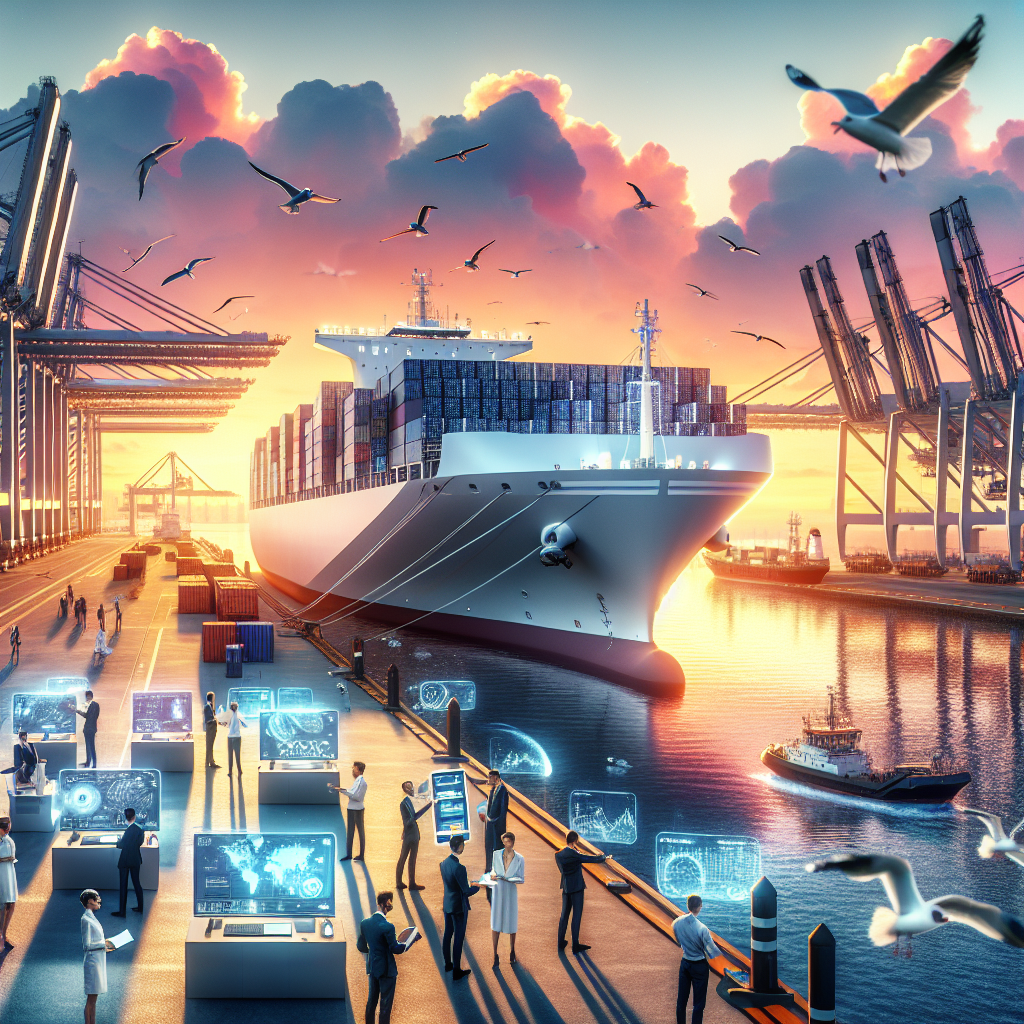
The Maritime Innovation of C.H. Robinson: A Beacon of Opportunities and Growth In the current maritime industry, where competitiveness and efficiency are key elements, companies like C.H. Robinson stand out for their innovative approach and commitment to sustainable development. In the field of maritime transport, these qualities not only make a noticeable difference in logistical operations but also create new opportunities for professionals and investors interested in the sector. The Logistics Revolution of C.H. Robinson C.H. Robinson, one of the leading companies in global logistics, recently announced a quarterly cash dividend that highlights the financial stability and continuous growth of the company. This announcement, while financial in essence, has a significant impact on the maritime industry. On one hand, it reaffirms the company’s position as a solid player in global supply chain management, a crucial aspect for operational efficiency in the nautical sector. The company has implemented advanced technologies to optimize its maritime routes, thereby reducing transit times and improving environmental sustainability. By adopting a strategy that combines cutting-edge technology with sustainable practices, C.H. Robinson has become a reference for those seeking integrated and responsible business models in the maritime field. Data Source: According to recent financial reports, C.H. Robinson has shown a steady increase in revenue over the past few years, indicating a robust financial performance. The company’s commitment to sustainability is evident in its carbon footprint reduction initiatives, aligning with global environmental goals and regulations. Additionally, the quarterly dividend reflects C.H. Robinson’s ability to generate long-term value for its shareholders, indicating efficient resource management and robust strategic planning. This approach is not only attractive to investors but also offers the opportunity to innovate in other areas of maritime transport, opening the door to new routes and techniques that can be explored by enthusiastic professionals. Impact on the Maritime Market and Professional Opportunities The announcement by C.H. Robinson not only highlights its financial strength but also sets a precedent for other companies in optimizing their logistical operations through technological innovations. The effective implementation of digital tools can reduce operating costs and improve efficiency, a direct benefit for the maritime fleet involved in international trade operations. For professionals in the merchant marine, this translates into more diversified job opportunities. Data Analysis: Research shows that companies that invest in technology and innovation experience higher productivity rates and increased competitiveness in the market. The demand for experts in logistics and maritime technology is expected to rise in the coming years, creating a growth opportunity for individuals with skills in these areas. The innovative approach of C.H. Robinson can encourage other companies to follow suit, generating a growing demand for logistics and maritime technology experts. This invites professionals to enhance their skills in these areas, suggesting the possibility of a more dynamic and lucrative career. Sailors, on the other hand, can benefit from more precise and enhanced routes in terms of time and safety. Data analysis and process automation not only simplify navigation but also minimize potential risks, improving overall safety at sea. Technological Innovation Onboard The use of advanced technology by C.H. Robinson in its daily operations represents a significant shift in how maritime supply chains are managed. Technologies such as artificial intelligence (AI) and machine learning are being integrated into conventional systems to better predict and manage maritime routes and traffic. These innovations aim not only to increase operational efficiency but also to promote sustainability by reducing the carbon footprint associated with maritime transport. Industry Insights: According to industry reports, the integration of AI in maritime operations is expected to lead to a 15% reduction in fuel consumption and emissions by 2030. The adoption of drones and other sensor technologies for tracking shipments at sea can transform the way cargo is monitored and managed, ensuring a safer and more reliable transfer. All of this creates a favourable context for the growth and development of new practices and standards in the nautical industry. Reasons to Pay Attention to C.H. Robinson Firstly, C.H. Robinson is proving to be a pioneering company in integrating technology and sustainability in the maritime field, which represents a vital opportunity for investors looking to support projects with long-term growth potential. The financial stability of the company is a guarantee for those wishing to invest in the future of maritime transport. Financial Performance: Historical data analysis shows that C.H. Robinson has consistently outperformed market expectations, making it a reliable investment option in the maritime sector. The company’s focus on adopting innovative technologies offers multiple job and professional development opportunities for those in the maritime industry, stimulating the acquisition of new skills that will be crucial in the near future. Finally, the company’s ability to improve logistical efficiency has a direct impact on cost reduction and improved maritime safety, aspects of vital importance for sailors and merchant mariners committed to operational excellence and environmental well-being. Conclusions: A Promising Future The dividend declaration by C.H. Robinson is more than just a financial announcement. It is a tangible manifestation of its leadership position in the maritime sector, endorsing a future where technology and environmental commitment take centre stage. The company is not only opening a window to new growth and investment opportunities but also laying the groundwork for a revolution in maritime logistics. Growth Potential: Market projections indicate that companies investing in sustainable practices and innovative technologies are likely to experience significant growth in the coming years. Environmental Impact: C.H. Robinson’s initiatives towards sustainability align with global efforts to reduce emissions and promote eco-friendly practices in the maritime industry. Professionals, sailors, and investors in the nautical sector are invited to explore these opportunities, engaging in the development of an industry that promises to be more efficient, sustainable, and innovative. C.H. Robinson, with its visionary approach, is setting the pace for evolution in maritime transport, and those who choose to follow its lead have the opportunity to participate in an unprecedented transformation. In a world where change is constant, C.H. Robinson’s role as a catalyst for progress is undeniable. Its contribution to