


The Launch of the John Wesley Heathco Foundation: A Legacy for Awareness and Safety in the Nautical Sector

Lanzamiento de la Fundación John Wesley Heathco: Un Legado para la Conciencia y la Seguridad en el Sector Náutico The Launch of the John Wesley Heathco Foundation: A Legacy for Awareness and Safety in the Nautical Sector In an event that has captured the attention of the maritime community and beyond, the creation of the John Wesley Heathco Foundation (JWHLF) has been announced in honour of the life and legacy of John Wesley Heathco. This remarkable entrepreneur and world traveller, who tragically died from carbon monoxide poisoning in 2023, has inspired a mission dedicated to promoting awareness and safety in nautical environments. The foundation, founded by his family members Chuck and Jill Heathco along with Keri and Tyler Bliss, aims to transform a personal tragedy into a positive movement for change. The organization will focus on educating about the risks of carbon monoxide in enclosed spaces, a critical issue for the nautical industry where prevention can be vital. The launch of the foundation is not only a tribute to the memory of John Wesley Heathco, but also a call to action to improve maritime safety practices, both in recreational and professional settings. This is a matter of great relevance given the importance of safety in merchant shipping and recreational boating. The Significance of Carbon Monoxide in the Nautical Sector Carbon monoxide is a silent danger present in many aspects of daily life, and the nautical industry is no exception. This colourless, odourless gas can build up in enclosed spaces such as boat cabins if proper ventilation and maintenance practices are not maintained. Inhalation of this gas can be lethal, making it essential for nautical professionals and enthusiasts to be informed and prepared. The JWHLF aims to educate the nautical community on how to identify and mitigate the risks associated with carbon monoxide. Through workshops, publications, and collaborations with industry companies, it seeks to establish new regulations and best practices in equipment and behaviours to prevent incidents like those experienced by Heathco. Such initiatives are vital not only to preserve life but also to maintain consumer and worker confidence in the safety of vessels. A well-informed and prepared nautical sector not only prevents tragedies but also enhances the quality and reputation of the industry as a whole. Technological Innovations and Job Opportunities With the establishment of the JWHLF, technological innovations that could revolutionize how safety risks on vessels are managed are being explored. From advanced gas detection systems to improvements in cabin ventilation standards, the innovations are diverse and promising. For merchant mariners and sailors, these innovations not only represent a leap in safety but also a range of job opportunities. Companies are seeking nautical experts to develop and implement advanced safety systems in their products. It is an ideal time for professionals in the sector to expand their skills in emerging technologies. The Foundation also hopes to engage the community with volunteer opportunities and collaborative projects, which could open doors for those looking to become more involved in maritime safety practices and initiatives that make a tangible difference in the industry. Reasons for the Relevance of the Project There are several reasons why the launch of the John Wesley Heathco Foundation is a significant milestone for the nautical community. Firstly, it addresses a critical safety issue that can save lives, prompting the industry to take proactive measures in risk mitigation. Secondly, it drives technological innovation and applied research in the nautical safety sector, creating an ecosystem that can lead to new tools and products that enhance user experience and confidence. Lastly, the project offers exceptional opportunities for professional development and personal growth by encouraging sailors and industry professionals to engage with cutting-edge safety practices, which is an added value on any resume within the industry. Conclusion: A Safer Future for the Nautical Community John Wesley Heathco’s legacy is destined to make a lasting positive impact on the nautical sector through this foundation. The JWHLF not only honours his memory but also provides an essential push towards a future where safety and knowledge are fundamental pillars. For readers of WishToSail.com, being informed and participating in initiatives of this calibre is not only a learning opportunity but also a commitment to continuously improve safety practices in the industry. Every effort counts to make the nautical world a safe and more prepared place for future generations. We invite all interested parties to engage with the John Wesley Heathco Foundation, whether through collaboration, learning, or advocating for these important practices. Together, we can sail towards a safer and more responsible horizon.
Viking Holdings Ltd: Innovations and Opportunities on the Nautical Horizon

Viking Holdings Ltd: Innovations and Opportunities on the Nautical Horizon Viking Holdings Ltd: Innovations and Opportunities on the Nautical Horizon Introduction to the Financial Results of Viking Holdings Ltd Viking Holdings Ltd, one of the leading companies in the maritime sector, has recently announced its financial results for the first quarter of 2025. The results have been enthusiastically received within the industry, reflecting significant growth and a solid strategy that benefits both investors and nautical professionals. In the first quarter of 2025, Viking’s total revenues reached $897.1 million, marking a 24.9% increase compared to the same period the previous year. This impressive financial growth is a clear indicator of the company’s adaptability and innovative focus to remain competitive in an ever-evolving market. Beyond the numbers, Viking’s success is also reflected in a 53.9% gross margin increase and a 23.8% adjusted gross margin increase compared to the previous year. These results not only benefit shareholders but also have a direct impact on strengthening and expanding their fleet and maritime routes, creating new opportunities for industry professionals. Technological Innovations Driving Growth One key factor behind Viking’s financial success is its investment in technological innovations. The company has implemented advanced navigation systems and energy efficiency measures that not only reduce operational costs but also enhance fleet sustainability. These advancements place Viking at the forefront of the industry, setting an example for other maritime companies. The use of cutting-edge technology in route optimization has allowed the company to significantly improve its Net Yield, reaching $544, a 7.1% increase from the previous year. This indicator not only represents an economic benefit but also a commitment to reducing carbon footprint, something increasingly valued by both customers and regulatory bodies. For maritime industry professionals, these innovations signify a constant upgrade of their skills and technical knowledge. The adoption of new technologies not only enhances operational efficiency but also demands a highly skilled workforce, opening doors to new job opportunities within the company. Employment and Investment Opportunities With Viking’s sustained growth and focus on route expansion and fleet improvement, there is a growing demand for skilled professionals in various areas, from naval engineering to maritime operations management. This landscape presents an unparalleled opportunity for those looking to advance their careers in the nautical sector. Moreover, Viking Holdings Ltd. is an attractive investment focus. The company’s solid financial performance and long-term vision offer investors a reliable and secure perspective for capital placement. With the maritime industry showing signs of recovery and expansion, investing in a company with a proven track record of success can be a key strategic decision. Conclusion: A Promising Future on the Nautical Horizon In summary, Viking Holdings Ltd’s results for the first quarter of 2025 are not just impressive figures but represent a significant shift in the maritime industry’s focus towards innovation, sustainability, and growth. The positive impact in terms of job opportunities and investment is undeniable, and the company continues to pave the way for the sector. The nautical community, whether professional or recreational, can find in Viking’s achievements an example of excellence and a source of inspiration for future generations. Readers of WishToSail.com are encouraged to closely follow their progress, exploring the countless possibilities the maritime sector has to offer. In this context of change and progress, staying informed and adapting to new trends is crucial for success. Viking Holdings Ltd. is undoubtedly one of the companies that will lead the way towards a more promising and sustainable future in the nautical world.
The Revolution of Nautical Storage: A Growing Industry
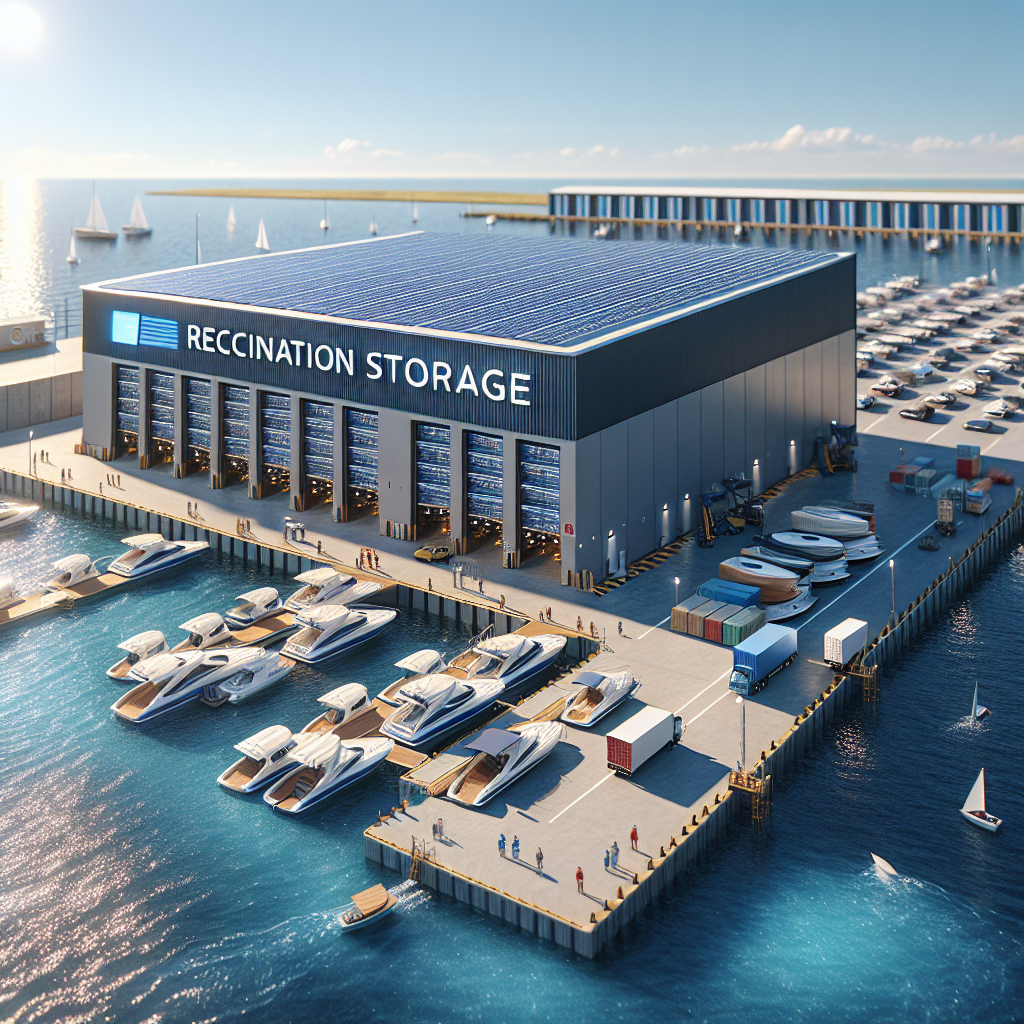
The Revolution of Nautical Storage: A Growing Industry In a world where mobility is increasingly valued, boats and recreational vehicles are experiencing a growing demand. However, this boom poses an obvious challenge: where and how to store them efficiently? In this context, RecNation Storage has positioned itself as a leader in the United States, offering a unique proposal for the storage of these assets, with a specialized focus that is now beginning to resonate in Europe. Boat storage not only requires space; it also demands technical knowledge to ensure the safety and preservation of the assets. RecNation Storage, under the leadership of its CEO and founder Gary Wojtaszek, has taken a step forward by developing a business model focused exclusively on this niche, recognizing the unique challenges and opportunities of the sector. For maritime professionals and nautical enthusiasts, this innovation represents a potential advantage. The key lies in the implementation of advanced dynamic pricing strategies, optimization of site design, and marketing strategies that maximize revenue and customer satisfaction. Technological Innovation: A Bet on Efficiency The use of advanced technology is one of the fundamental pillars on which RecNation Storage sustains its operation. Cost optimization and revenue maximization are possible thanks to the implementation of management systems that allow for dynamic price adjustments, ensuring competitive and attractive rates for customers. Technology is not only reflected in internal management but also in the customer experience. RecNation’s digital platforms facilitate communication and access to services, allowing users to manage their reservations and payments quickly and securely. This technological approach makes the company a benchmark for other operators in the maritime sector. The relevance of these innovations for the audience of WishToSail.com is clear. On the one hand, it represents an opportunity for maritime investors seeking new growth horizons. On the other hand, merchant navy professionals can find in these tools a replicable model that improves their storage and fleet management practices. New Job and Investment Opportunities One of the most exciting implications of RecNation Storage’s business model is the creation of new job and investment opportunities. The expansion of these services in Europe could open the door to the creation of specialized jobs, which in turn can benefit those with experience in the management and operation of nautical facilities. For investors, specialization in boat storage presents itself as an emerging market with great profit potential. By exploiting an underserved niche, there are significant opportunities for capital growth and portfolio diversification. Inviting all professionals interested in being part of this innovative industry to approach companies that are beginning to explore this trend in Europe. In this sense, sending resumes and building relationships with key players could be a strategic step for those looking to advance in their careers within the maritime sector. The Future of Nautical Storage The proposal of RecNation Storage is not only exciting for its technological advances, but also for its ability to redefine the nautical storage sector. By focusing on the specific needs of boats and recreational vehicles, the company sets a high standard that other market players are likely to follow. For readers of WishToSail.com, this business model represents both a challenge and an opportunity. Those involved in fleet management, maritime logistics, or investments in nautical infrastructure should pay attention to this emerging trend and consider how these innovative practices can be integrated into their own operations. The time will tell how other markets adapt to this evolution, but the fact is that boat storage is emerging as an area of great interest and potential for the future. Inviting readers to continue exploring this phenomenon promises enrichment both personally and professionally, contributing to a more efficient and technologically advanced maritime sector.
Analysis of BW LPG’s Decision to Cancel Investment in GLP Import Terminal at Jawaharlal Nehru Port, India: Impact and Opportunities

Analysis of BW LPG’s Decision to Cancel Investment in GLP Import Terminal at Jawaharlal Nehru Port, India: Impact and Opportunities BW LPG Limited, a globally recognized player in the liquefied petroleum gas (LPG) transportation sector, recently announced the termination of its investment in a large-scale GLP import terminal project at Jawaharlal Nehru Port, located in Navi Mumbai, India. This decision came as a surprise to many in the maritime industry and follows BW LPG’s partnership with Confidence Petroleum India Ltd. through their joint venture, BW Confidence Enterprise Private Limited. The planned terminal was expected to significantly enhance India’s GLP import capacity, a country experiencing a notable increase in the demand for this energy resource. However, due to strategic and operational reasons, BW LPG opted to withdraw its participation, citing challenges that made the project financially unviable. One of the primary factors behind this decision was the economic projections of the project compared to anticipated costs. The volatility in GLP prices and logistical challenges associated with operating such a large terminal in a competitive market like India played a significant role. Additionally, the unpredictable regulatory environment in India, including changes in environmental regulations and energy policies, added to the project’s uncertainty. Volatility in GLP prices affecting profitability Logistical challenges in a competitive market like India Unpredictable regulatory environment Shift in focus towards safer investment opportunities The cancellation of BW LPG’s investment in the JNPA terminal has far-reaching implications for India’s maritime and energy sectors. It temporarily hampers expectations for expanding port capacity for handling GLP, potentially impacting local market prices and availability of the resource. Moreover, the local economy stands to lose out on significant job opportunities that the project would have generated, both directly and indirectly. For maritime investors, this scenario underscores the importance of conducting thorough risk assessments before engaging in large-scale international infrastructure investments. BW LPG’s experience in India serves as a valuable lesson for companies looking to expand into emerging markets with high growth potential but significant challenges. While the investment withdrawal may appear as a setback, it also paves the way for new opportunities in India’s GLP sector. Local and international companies seeking to enter this market can now explore alternatives to fill the void left by BW LPG, such as forming new partnerships or developing projects more adaptable to market conditions. India’s increasing focus on clean and sustainable energy could inspire the development of port infrastructure that not only handles GLP but also integrates other energy sources like liquefied natural gas (LNG) or green hydrogen. Such initiatives align better with the country’s environmental policies and sustainability goals. Exploration of alternative opportunities in India’s GLP sector Integration of multiple energy sources in port infrastructure Alignment with India’s environmental policies and sustainability goals In conclusion, BW LPG’s exit from the JNPA terminal project serves as a reminder of the challenges and opportunities facing the global maritime sector. Careful planning, constant risk assessment, and adaptability to market dynamics are essential lessons for investors and industry players. For sailors and nautical enthusiasts, this situation offers insights into the complexities of international maritime operations and emphasizes the importance of innovation and seeking new growth opportunities consistently. Although BW LPG has stepped back from this specific project, the company remains a significant player in the GLP industry, and its experience in this case could guide future investments aligned with its long-term sustainability and profitability goals. As one door closes at Jawaharlal Nehru Port, new paths and opportunities open up for those willing to navigate the waters of the global maritime industry.
BW LPG Announces Dividend of US$0.28 per Share for the First Quarter of 2025: A Strategic Move in the Liquefied Gas Sector

BW LPG Announces Dividend of US$0.28 per Share for the First Quarter of 2025: A Strategic Move in the Liquefied Gas Sector BW LPG Limited, a leading player in the liquefied petroleum gas (LPG) transportation industry, has recently declared a dividend of US$0.28 per share for the first quarter of 2025. This announcement, made on May 19, 2025, signifies a crucial moment for investors and market stakeholders in the maritime sector, highlighting the firm position of the company in the industry. The dividend is more than just a profit distribution; it is a clear indicator of BW LPG’s financial health and its ability to create consistent value for its shareholders. This move comes at a time when the liquefied gas industry is facing both challenges and opportunities, making this dividend a topic of great interest for professionals and enthusiasts in the maritime sector. For investors, dividend payouts are a significant draw that not only reflect the company’s profitability but also its commitment to return on investment. BW LPG has set the registration date for May 30, 2025, with payments in NOK for shares registered on Euronext VPS, adding an element of interest related to exchange rate fluctuations. Relevance for the Maritime Sector and Investors For maritime investors, this dividend represents a clear opportunity to assess BW LPG’s financial strength. A company’s financial stability is often a good indicator of its ability to withstand market changes and strategically expand. For professionals in the LPG sector, this announcement could lead to job opportunities. Companies demonstrating financial health and sustainable growth often seek to expand, creating new job positions and additional projects. For nautical enthusiasts, BW LPG’s stability indicates a growing liquefied gas market. This could influence personal projects or investments in this type of energy, promoting a shift towards liquefied gas as a viable and more sustainable option in the future of navigation. Technological Impact and Future of LPG BW LPG’s dividend also underscores the role of technology in the LPG sector. Recent innovations, such as the adoption of dual-fuel engines and emission reduction technologies, position LPG as an increasingly attractive option, not just economically but also environmentally. Investments in technology and new shipping routes are crucial. By strengthening its financial position, BW LPG is better positioned to adopt these innovative technologies, leading the way towards cleaner and more efficient maritime transport. This benefits not only the company but also sets a higher standard for the industry as a whole. Technological innovation also opens doors to better route optimization, which could result in more efficient fuel usage and cost reduction. For sailors and industry professionals, this translates to shorter transport times and more efficient daily operations at sea. Conclusion and Call to Action BW LPG’s dividend announcement not only highlights the company’s strength but also offers various opportunities and tangible benefits for investors, maritime professionals, and enthusiasts. By understanding and capitalizing on these dividends, stakeholders in the sector can position themselves better for success in their respective fields. For investors, it is an opportune moment to reassess their portfolios and consider additional investments in companies like BW LPG. For maritime professionals, the growing interest in LPG could mean the opening of new job opportunities, so staying informed and proactive will be key. We invite readers of WishToSail.com to explore more about BW LPG and current trends in the LPG sector. Staying abreast of these innovations and developments provides a competitive edge in an ever-evolving market.