


The Rise of Retail Trade in Travel: New Opportunities for the Nautical and Maritime Sector

The Rise of Retail Trade in Travel: New Opportunities for the Nautical and Maritime Sector The retail trade in travel is emerging as a rapidly growing sector in the global market, with its value projected to increase from $95.5 billion in 2024 to $153.3 billion in 2030, with a compound annual growth rate (CAGR) of 8.2%. This expansion presents a significant opportunity for professionals in the nautical and maritime industry, who can benefit both directly and indirectly from this boom. This growth not only implies an increase in the volume of passengers and visitors but also in the demand for services, infrastructure, and skilled personnel. The connections between retail trade in travel and the maritime and nautical industries are deeper than they appear at first glance. Maritime routes and ports play a central role in the development of this market by facilitating the constant flow of products and people. For professionals in the sector, this translates into various job and business opportunities. From designing vessels tailored for specific cargo transportation to managing ports that offer high-level services for cruises and commercial ships, the possibilities are vast and varied. Therefore, staying informed about retail trade trends in travel is crucial for those looking to stand out and take advantage of emerging opportunities. Innovations in Technology: Driving the Future of Retail Trade in Travel Technological innovations play an essential role in the growth of retail trade in travel. Digitization and the use of cutting-edge technologies bring significant improvements in operational efficiency and consumer experience. For the maritime sector, these technologies offer substantial competitive advantages. For example, the use of artificial intelligence and data analysis systems allows maritime and retail operators to anticipate travelers’ needs, optimizing logistics and improving product offerings. Similarly, technologies such as blockchain ensure traceability and security in inventory management and transactions, key elements to maintain consumer trust. Vessels equipped with advanced technology are also on the rise. From smart sensors that monitor real-time sea conditions and fuel efficiency to automation systems that facilitate cargo loading and unloading, innovation is an essential component to remain competitive in the market. Understanding and applying these technologies is fundamental for professionals in the sector to adapt to the demands of modern retail trade. Maritime Routes and Ports: Strategic Centers for Retail Trade Maritime routes and ports play a crucial role in retail trade in travel, serving as strategic nodes in the global supply chain. With the expected market growth, the importance of these connection points becomes even more apparent, highlighting the need for efficient and sustainable infrastructures. Ports not only facilitate the transit of goods but also act as magnets for tourism and local economic development. Improvements in ports can attract more cruises, thereby boosting local commerce and investment in infrastructure. Furthermore, well-managed maritime routes optimize transportation time and costs, essential factors for effective retail trade. For maritime investors and port management professionals, opportunities are just around the corner. It is not only about improving cargo capacity but also integrating digital and ecological solutions that respond to both current market needs and growing environmental concerns. Companies that lead sustainable infrastructure initiatives and adapt their operations to the new market demands will be the ones that achieve greater success in the near future. Employment Opportunities: A Call to New Generations In a context of continuous expansion, employment opportunities in the maritime sector related to retail trade in travel are emerging at an unprecedented rate. From naval engineers to operations managers and logistics experts, the demand for talent in various areas is constantly growing. Companies operating in retail trade in travel are seeking professionals who not only understand market dynamics but also bring technical skills and an innovative approach. In this sense, both young professionals and experienced seafarers have the opportunity to advance in their careers, leveraging technological and commercial evolution in the sector. For those interested in exploring these opportunities, it is essential to be aware of vacancies in companies involved in this market transformation. Sending resumes to these organizations can open doors to exciting and challenging roles that offer not only professional development but also the opportunity to contribute significantly to the growth of a vital industry globally. The Value of Retail Trade in Travel for the Nautical Community The rise of retail trade in travel is a phenomenon of great relevance for various segments of the maritime community. For sailors, it offers the promise of improved routes and more accessible services in ports worldwide. For investors, it represents a growing market that offers potential returns and portfolio diversification. Additionally, for recreational sailors, the expansion of trade also implies greater availability of resources and improved infrastructures that facilitate access to and enjoyment of coasts and seas. Not to mention that with the increase in the flow of passengers and goods, there is a greater awareness and development of sustainability measures, promoting a safer and more environmentally responsible environment. In conclusion, the growth of retail trade in travel offers a series of benefits and opportunities for those involved in the maritime and nautical sector. Whether through technological innovations, new job opportunities, or infrastructure improvements, the positive impact is evident and deserves recognition.
The Revolution of Maritime Cost Management: C.H. Robinson Introduces a Self-Service Rate Analysis Tool

The Revolution of Maritime Cost Management: C.H. Robinson Introduces a Self-Service Rate Analysis Tool The maritime sector is constantly facing challenges related to market volatility and cost optimization. In this context, C.H. Robinson has taken a significant step by introducing a self-service rate analysis tool. This new resource is designed to empower carriers, allowing them to manage their costs more efficiently while navigating the turbulence of the global market. This initiative not only promises to transform the way companies handle their maritime rates but also represents a job opportunity for those interested in data analysis and logistics. The importance of this tool lies in its ability to provide immediate access to detailed rate data. This enables users to make real-time comparisons and analysis, helping them make informed and strategic decisions. From a technological perspective, this innovation eliminates the need for manual processes, which are often error-prone, in rate management. Instead, it offers an intuitive and accessible platform that facilitates quick adaptation to market changes. This new tool empowers carriers to manage their costs more efficiently. It provides immediate access to detailed rate data for informed decision-making. The tool eliminates manual processes prone to errors. It offers an intuitive platform for quick adaptation to market changes. Impact on Operational Efficiency and Competitiveness The development of this self-service tool reflects a growing trend towards digitalization in the maritime industry. The ability to access rate data quickly and accurately significantly contributes to operational efficiency. Companies can now quickly identify rate discrepancies, optimize shipping routes, and adjust negotiation strategies more effectively. From a competitiveness standpoint, having this technology means that companies have a strategic advantage in the global market. The ability to effectively respond to market volatility allows them not only to retain existing customers but also to attract new business segments. Financially, cost optimization results in a direct increase in profit margins, which is crucial in such a competitive sector as maritime. The incorporation of technological tools like C.H. Robinson’s in maritime operations also fosters a cultural change within companies. It promotes the adoption of data-based practices and encourages professionals in the sector to develop skills in data analysis and information management, thus opening up new opportunities for training and professional development. Digitalization in the maritime industry leads to increased operational efficiency. Access to rate data contributes significantly to operational efficiency. Companies can identify discrepancies and optimize routes more effectively. Technology adoption fosters a cultural change towards data-based practices. Career Opportunities and Professional Development In a time where automation and digitalization are dominant trends, maritime and logistics companies are increasingly looking for professionals trained to handle advanced technological tools. The implementation of C.H. Robinson’s rate analysis tool opens the door to new job opportunities, especially for those interested in data analysis and information technology. New technologies require a different approach to training and professional development. For maritime professionals, access to these tools represents not only an improvement in their daily operations but also an opportunity to enhance their skills and explore new career horizons. Companies that adopt these technologies will be better positioned to attract young and dynamic talent that values innovation and technology. We encourage professionals interested in exploring job vacancies in companies at the forefront of these technological implementations. Professionals trained in advanced technological tools are in high demand in the maritime sector. Access to new technologies opens up career advancement opportunities. Companies embracing technology attract innovative and skilled professionals. Exploring job vacancies in technology-driven companies can lead to dynamic and enriching career paths. Relevance of Innovation for Different Segments of the Sector The introduction of C.H. Robinson’s rate analysis tool is particularly relevant for maritime investors. The ability to predict and manage transportation costs effectively improves investment profitability. It also provides a clearer insight into market trends, allowing for more informed and strategic investment planning. For sailors and nautical enthusiasts, technological innovation in the sector offers new ways to interact with the sea and manage maritime activities. Cost-efficient management translates into a more accessible and better-planned nautical experience, something that sea enthusiasts always value. Furthermore, for maritime professionals, this tool represents an opportunity to enhance the logistical and operational management of their vessels. Efficient management of rates and routes directly impacts the sustainability and efficiency of their daily operations, offering significant added value. The rate analysis tool benefits maritime investors by improving investment profitability. It provides sailors with new ways to interact with the sea and manage maritime activities. Efficient management of rates and routes enhances operational sustainability and efficiency. Looking Towards the Future of the Maritime Sector Digitalization and automation are making a profound impact on the maritime sector. C.H. Robinson’s self-service rate analysis tool is an example of how technological innovations can significantly improve cost management and operational efficiency in the industry. Moreover, these solutions offer job opportunities that benefit both companies and professionals seeking dynamic and technological careers. It is essential for industry players to continue exploring and adopting new technologies that enable them to stay ahead. Competition in the global market requires rapid adaptation and effective implementation of innovative solutions. Collaboration between professionals, companies, and technological developers will be key to driving growth and innovation in the maritime sector. We invite our readers to delve deeper into the topic and consider how they can integrate these technologies into their own practices. The adoption of such tools is not only an investment in operational efficiency but also a step towards a more competitive and sustainable future in the maritime world.
The Revolution of Cargo Reservations in Maritime Logistics

The Revolution of Cargo Reservations in Maritime Logistics In a constantly evolving sector like the maritime industry, efficiency and accuracy in reservation management are essential to maintain competitiveness. Freightliner, a leading company in maritime logistics, has recently revolutionized its cargo reservation process by implementing innovative automation solutions provided by Tideworks Technology and Decisions. This initiative not only improves the speed and accuracy of service but also represents a significant leap towards a more digitized future in maritime operations. The collaboration between Freightliner and these two technological companies highlights how automation can radically transform a traditionally manual process. This advancement allows the company to significantly accelerate cargo reservations, ensuring a substantial reduction in human errors and waiting times. The partnership between these companies also underscores the importance of technology in modernizing logistics infrastructures, which is increasingly evident in the maritime sector. Increased speed and accuracy in cargo reservation management Significant reduction in human errors and waiting times Enhanced efficiency, safety, and data precision The Benefits of Intelligent Automation The implementation of automation tools at Freightliner revolves around the use of intelligent software that enhances real-time decision-making. This type of technology can process large volumes of data quickly, allowing the company to make informed and precise decisions about cargo handling. By using advanced algorithms and analytical tools, the system can predict demand, optimize routes, and minimize downtime, which is a crucial benefit for logistics planning. From a technical standpoint, the collaboration with Tideworks and Decisions equips Freightliner with a robust capability to manage real-time complexities. This level of automation enables the company to adapt to market fluctuations and customer demands without sacrificing efficiency. Additionally, the ability to customize and tailor the software to specific customer needs offers a more user-centric approach, resulting in significantly improved customer satisfaction. Real-time decision-making enhancement Prediction of demand and route optimization Reduction in fuel consumption and environmental impact Impact on the Maritime Industry Job Market The advancement of automation in maritime logistics also creates new job opportunities within the sector. With the growing demand for advanced technologies, there is an emerging need for professionals skilled in the implementation and maintenance of these systems. Freightliner, being at the forefront of this technological transformation, may be an attractive destination for specialized logistics software technicians and operators looking to update their knowledge in modern technologies. For those interested in exploring new employment opportunities or transitioning to more tech-oriented roles, this trend represents a path for professional growth. The technology companies involved, such as Tideworks and Decisions, are likely seeking talents that can contribute to the development and continuous improvement of their technological solutions. New job opportunities in advanced technology implementation Optimization of current employees’ work conditions Promotion of a more satisfying and tech-aligned work environment Relevance of Innovation for Maritime Investors For maritime investors, Freightliner’s adoption of advanced technology provides key insights into the sector’s future direction. The effective integration of automation solutions suggests that the company is well-positioned to tackle the challenges of an increasingly competitive market. The success of these initiatives could translate into higher profitability and a stronger return on investment, especially by reducing operational costs and improving customer satisfaction. Furthermore, Freightliner’s focus on technology exemplifies how investments in innovation can generate tangible benefits in the short and long term. Investors seeking opportunities in the maritime sector, particularly those interested in companies prioritizing sustainability and efficiency, will find in Freightliner’s transformation a concrete example of a strategic approach to modernization and continuous improvement. Enhanced profitability and return on investment Alignment with sustainable business practices Influence on maritime companies’ sustainability policies Continuous Exploration and Learning The case of Freightliner and its collaboration with Tideworks and Decisions is just one example of how technology is reshaping the maritime sector. Professionals and enthusiasts in the field are encouraged to delve deeper into this topic, exploring new ways in which automation can be applied in their own areas of work. Attending conferences, webinars, and continuous training courses are excellent ways to stay up-to-date with the innovations redefining maritime logistics. In a world where digitalization is advancing at an unprecedented pace, the ability to adapt and learn continuously is a crucial competitive advantage.
The Era of Sustainability: Recycling and Refurbishment of LNG Carriers in the Maritime Sector

The Era of Sustainability: Recycling and Refurbishment of LNG Carriers in the Maritime Sector In the dynamic maritime sector, the journey towards a more sustainable future is taking a new turn. Shipowners are making strategic decisions to send old and less efficient vessels for recycling in an effort to adapt to changing market demands and environmental regulations. This shift not only has significant implications for the maritime sector as a whole but also provides new opportunities for professionals and investors interested in sustainable growth. The Decline of Older LNG Carriers Recent data from Clarksons Research shows that around 60 LNG carriers are currently laid up due to low demand for liquefied natural gas (LNG) transportation and decreasing freight rates in the sector. This situation has led many shipowners, especially in South Korea, to opt for selling their older and less efficient vessels for recycling. LNG carriers powered by steam turbines, which consume a significant amount of fuel compared to newer models, are particularly affected. This performance gap is driving the growing interest in recycling older ships as they struggle to compete in the current market, where emissions regulations and energy efficiency are paramount. With freight rates for tri-fuel diesel-electric propulsion LNG carriers hovering around $15,000 per day, and even higher for newer models, operating older vessels is not economically viable. These freight rates are notably low and unsustainable for many operators, accelerating the scrapping of vessels. Emerging Trends in Maritime Recycling During the first few months of 2025, seven LNG carriers with a total capacity of 830,000 cubic meters were sold for scrapping. These operations are already close to the eight vessels and 960,000 cubic meters recycled throughout 2024, highlighting a clear trend towards fleet renewal. Recently, four steam turbine-powered LNG carriers, the Hyundai Aquapia and the Hyundai Technopia, were sold for approximately $565 per long ton of deadweight tonnage (LDT), resulting in around $19.2 million each. These operations not only reflect current market trends but are also an indicator of a market supply adjustment. Industry analysts predict that if this trend continues, more units will follow the same path, contributing to a market supply adjustment in a market pressured by low demand and the transition to more efficient and sustainable fleets. Impact and Opportunities for the Sector This move towards recycling and fleet renewal presents a significant opportunity for maritime professionals and sector investors. Firstly, the maritime industry is rapidly moving towards more sustainable practices, creating new job opportunities in areas related to green technology and recycling operations. Additionally, this shift highlights the need for qualified personnel to manage and operate the latest technologies, ensuring that those with the right skills have more employment opportunities in the sector. Companies undergoing fleet renewal may be interested in receiving resumes from professionals interested in new technologies and sustainable approaches. Finally, for maritime investors, the transition to more efficient fleets not only represents a necessary strategic move but also an investment opportunity in innovative technologies and new constructions that comply with emerging environmental regulations. By recycling older vessels, the industry not only improves its efficiency but also prepares for a more sustainable future. Reasons to Stay Informed in the Maritime Sector For maritime professionals, understanding and adapting to these trends is essential. Staying up to date on technological innovations and environmental regulations can make the difference between professional success and stagnation. The ability to adapt to a changing environment has always been a key competitive advantage. Navigators and nautical enthusiasts will also find that these trends affect their maritime experience. Updated fleets not only offer more efficient operation but also enhance personal and recreational sailing experiences through modern and sustainable vessels. In conclusion, the changes in the LNG carrier recycling sector are just the beginning of a broader transformation in the maritime industry. With a growing focus on sustainability and efficiency, this sector is on the cusp of an exciting and greener future. For those involved in the maritime industry, knowledge and involvement in these developments are more relevant than ever.
Maritime Innovation: New Sea Connection between La Palma and the Peninsula
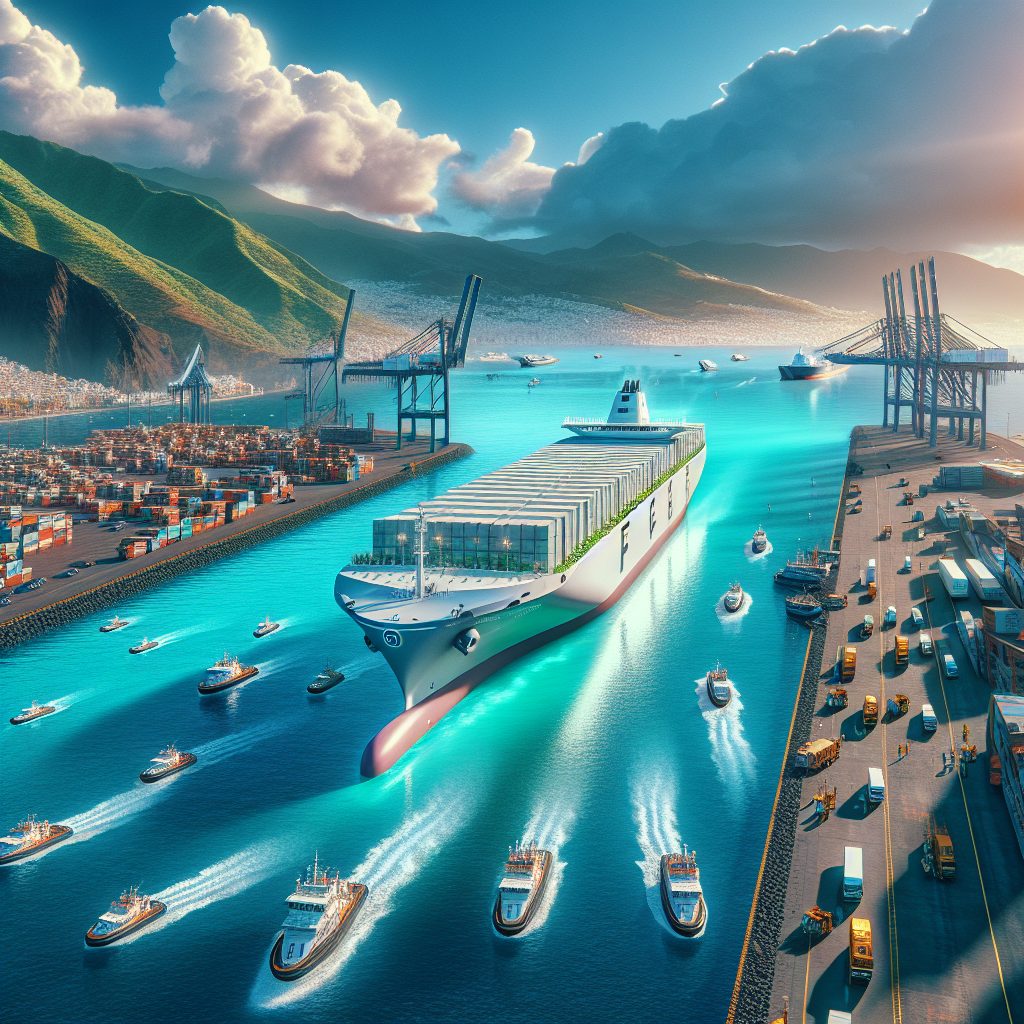
Maritime Innovation: New Sea Connection between La Palma and the Peninsula Armas Trasmediterránea Boosts Connectivity in the Canary Islands The maritime company Armas Trasmediterránea has announced an ambitious initiative for this summer: the introduction of a new cargo ship that will strengthen the connection between the island of La Palma and the peninsula. This action, set in a context of growing demand and the need to improve maritime transport infrastructure, promises to bring significant benefits both economically and socially to the region. The decision to incorporate this new ship responds to a thorough analysis of the logistical needs of the archipelago, especially in the context of the increasing commercial and tourist activity in the Canary Islands. For maritime investors, this expansion represents a unique opportunity to invest in a growing sector with positive return prospects. Additionally, from a job perspective, the new ship will open up new employment opportunities. It is anticipated that the maritime company will be looking for professionals who can contribute to the growth and sustainability of this route. Interested individuals are invited to submit their resumes to the company to be considered in the selection process. Technological Innovations: A Leap towards the Future One of the most notable features of the new ship will be the implementation of advanced navigation technologies and energy efficiency, reflecting a commitment to decarbonization and sustainability. The maritime sector has traditionally been a significant source of carbon emissions, and these innovations align Armas Trasmediterránea with the strictest global climate goals. The use of hybrid electric propulsion and route optimization systems through artificial intelligence will not only increase transport efficiency, but also reduce operational costs and minimize environmental impact, crucial aspects for sailors and professionals in the sector looking to integrate technology and sustainability into their daily practice. For nautical enthusiasts and professionals, these technologies represent an inevitable evolution in naval management, offering a fertile ground for the development of advanced technical skills that will be essential in the future job market. Enhancement of the Ceuta-Algeciras Route: A Response to Seasonal Needs In addition to the introduction of the new ship for La Palma, Armas Trasmediterránea has increased rotations between Ceuta and Algeciras in response to the 2025 Strait of Gibraltar Operation (OPE). This reinforcement will ensure better connectivity and greater availability of seats, especially during periods of intense mobility. During this period, the fast ferry Villa de Agaete will offer up to five daily rotations, ensuring an efficient response to demand. The schedules have been strategically adjusted to optimize the flow of passengers and goods, reflecting a deep understanding of current traffic dynamics. This change will not only facilitate the transit of passengers and goods, but also offer greater schedule flexibility, allowing businesses and individuals to plan their trips more effectively and with less stress, a crucial component for customer satisfaction and operational efficiency in the maritime sector. Driving Economic Growth and Regional Performance The introduction of new routes and ships not only optimizes connectivity but also drives economic growth at a local and regional level. In La Palma, the improved flow of goods will foster trade and stimulate the island’s economy, offering new opportunities for local businesses that rely on constant and reliable maritime transport. At a regional level, the expanded connection will contribute to a more efficient logistics chain, crucial for the agricultural and manufacturing sectors. This logistical strengthening is essential to mitigate economic vulnerabilities and promote a more robust and competitive trading environment within the Canary Islands and the Iberian Peninsula. For investors, these dynamics offer an attractive environment for investment, where innovative and sustainable projects have the potential to offer significant returns while aligning with sustainable development values and environmental responsibility. Conclusions: A Promising Future for the Maritime Sector Armas Trasmediterránea’s commitment to innovation and sustainability, along with a strategic focus on improving maritime connectivity, positions the company at the forefront of the Spanish nautical sector. These initiatives not only benefit local communities but also reinforce the roles of the Canary Islands and the peninsula in international maritime trade. For nautical professionals and enthusiasts, these developments offer a range of opportunities to grow in a sector that is constantly evolving and expanding. From a job perspective to the technological aspect, the horizon is promising and full of potential for those who wish to be part of this transformation. Ultimately, the combination of improved infrastructure, technology investments, and a focus on sustainability paves the way for a future where the sea and the challenges of climate change are addressed with creativity and integrity, offering a clear path towards shared progress. Readers are invited to closely follow these new routes and technologies, exploring how they can integrate them into their interests and professional careers.
The Solar Village Project: Transforming Energy in Bangladesh

The Solar Village Project: Transforming Energy in Bangladesh The world of energy has reached a new milestone with the international recognition of the ‘Summit-Friendship Solar Village’ project. This ambitious effort has been awarded the prestigious Global Energy Transition Awards 2024, presented by Reuters in the category of ‘Impact Projects’. The award ceremony took place on June 25, 2024, in New York, highlighting the significance of this project in improving energy affordability and climate resilience in remote regions of Bangladesh. The collaboration between Summit Group and the international organization Friendship has proven to be a model of innovation in the energy sector. This project not only addresses the critical need for access to affordable energy in remote areas but also tackles the global challenges of sustainability and climate change. In a context where energy transition is becoming a priority, this recognition underscores the potential of initiatives that combine technology, social responsibility, and a pragmatic approach to energy transformation. The relevance of this project to the international community lies in its ability to serve as an inspiring example for other regions. By focusing on areas that have historically lacked access to reliable energy, the ‘Summit-Friendship Solar Village’ not only enhances the quality of life for local communities but also sets a standard for future developments in the global energy sector. Technological and Social Impact: Paving the Way for Change The ‘Summit-Friendship Solar Village’ stands as a testament to how renewable technology can successfully integrate into rural communities. By harnessing solar energy, the project reduces dependence on fossil fuels, marking a significant step towards a low-carbon economy. This is crucial at a time when the pressure to mitigate the effects of climate change is more urgent than ever. Furthermore, the social impact of the project is equally significant. By providing access to affordable energy, communities can improve their living conditions, facilitate educational development, and foster local economic growth. This sustainability model not only has an immediate impact but also lays the groundwork for a more promising and equitable future for the most disadvantaged regions of Bangladesh. This project offers unique job opportunities in infrastructure initiatives, requiring a new generation of professionals trained in renewable technologies. It opens doors to careers in engineering, maintenance, and project management, enticing professionals in the maritime sector to explore new horizons in sustainable energy. Relevance for the Maritime and Nautical Sector Why is this project relevant to readers of WishToSail.com? Firstly, the advancement in solar energy technology and its integration into remote communities provides a valuable example of how innovation can thrive in challenging conditions. Understanding these developments can be vital for improving operational sustainability and optimizing energy consumption in seafaring vessels. Secondly, by offering new professional opportunities, this project can inspire sailors and nautical professionals to consider careers in the renewable energy sector, a rapidly expanding field. The demand for technical experts and trained managers in these areas is growing, creating a dynamic job market with strong growth prospects. Finally, this international recognition underscores the importance of global cooperation in pursuing sustainable energy solutions. For maritime investors, the ‘Summit-Friendship Solar Village’ demonstrates the profitable potential of investing in projects that not only yield economic returns but also contribute to positive social and environmental impact. Exploring the Future of Sustainable Energy In an era of constant technological change, the ‘Summit-Friendship Solar Village’ invites us to reflect on the future of sustainable energy. This project not only addresses current needs but also paves the way for an energy model that prioritizes both efficiency and equity. For nautical enthusiasts, closely following these innovations can generate ideas and strategies applicable to their own projects and activities. In conclusion, the recognition awarded to the ‘Summit-Friendship Solar Village’ at the Global Energy Transition Awards 2024 represents a turning point in the quest for sustainable energy solutions. This project reminds us that innovation and international cooperation are powerful tools for tackling the most complex challenges of our time, from climate change to energy poverty. We invite our readers to delve deeper into the knowledge of this and other similar projects. Innovation is at the heart of the maritime and nautical sector, and solar energy represents an invaluable resource that can transform the way we navigate and manage our operations in the near future.