


Agilysys: Revolutionizing the Maritime Sector with Innovative Software Solutions

Agilysys: Revolutionizing the Maritime Sector with Innovative Software Solutions In a world where digitalization is advancing rapidly, the maritime sector is not lagging behind in the adoption of advanced technologies. Agilysys, Inc., a global leader in hospitality software solutions, has reported impressive results for the fiscal fourth quarter of 2025, highlighting significant growth that opens new opportunities for the nautical sector. A Record in Revenue: What It Means for the Sector The 19.4% growth in Agilysys’ net revenue, reaching a record $74.3 million, is a testimony to the increasing demand for effective technological solutions in the industry. For maritime professionals, this kind of innovation represents an undeniable opportunity to optimize operations and enhance efficiency during their voyages. Agilysys’ technologies not only improve fleet management internally but also enhance the onboard user experience. Their focus on recurring revenue through subscriptions and maintenance ensures sustainability and continuous evolution of their products, crucial for shipowners and maritime operators interested in long-term investments. Adopting these technological innovations is not only advantageous from an operational perspective but also provides a competitive edge in a market where differentiation is key. Agilysys’ software solutions help reduce costs, improve safety, and increase customer satisfaction, vital factors that directly impact the profitability of nautical companies. A Career Opportunity: Expansion in the Nautical Solutions Market The growth and sustained success of Agilysys in the hospitality sector translate into job opportunities for those interested in the merger of technology and nautical expertise. Acquiring technological skills, especially in management and maintenance software, becomes a valuable asset for industry professionals. Companies like Agilysys are constantly seeking talent that can integrate innovative technology into traditional maritime operations. For sailors, engineers, and maritime managers, training and developing in these areas is an investment in their professional future. The growth of the tech sector in nautical industries can attract young professionals looking to combine their passion for the sea with cutting-edge technology. The Added Value of Agilysys Solutions Agilysys has not only shown an increase in revenue but has also demonstrated how the integration of advanced software can transform the user experience. Efficient management of services aboard yachts, cruises, or cargo vessels translates to smoother operations and significantly higher customer satisfaction. The use of integrated technological platforms also facilitates data collection and analysis, allowing operators to continuously improve their services and quickly adapt to changing market needs. This approach is not only profitable but essential to remain competitive in the dynamic world of commercial and recreational navigation. Additionally, the adoption of these technologies supports sustainability efforts by optimizing routes and managing resources more efficiently. Conclusion: A New Era for the Nautical Industry Agilysys’ financial report for the fiscal year 2025 not only reflects monumental success but also serves as a model of how technology can revolutionize traditional sectors like the nautical industry. The profitability and sustained growth in this field are clear indicators that digitalization offers tangible and measurable advantages. For maritime investors, this is an opportunity to invest in promising areas that represent the future of the sector. Innovations like those from Agilysys are redefining what it means to be competitive in the maritime industry, and those who take advantage of these advances will lead in the coming years. In summary, Agilysys’ narrative becomes an invitation for nautical professionals and enthusiasts to consider how technology can not only improve their operations but also reinvent their careers and businesses for a more efficient, safe, and profitable future.
The BCN Race Musto 2025: Setting New Trends in Sailing
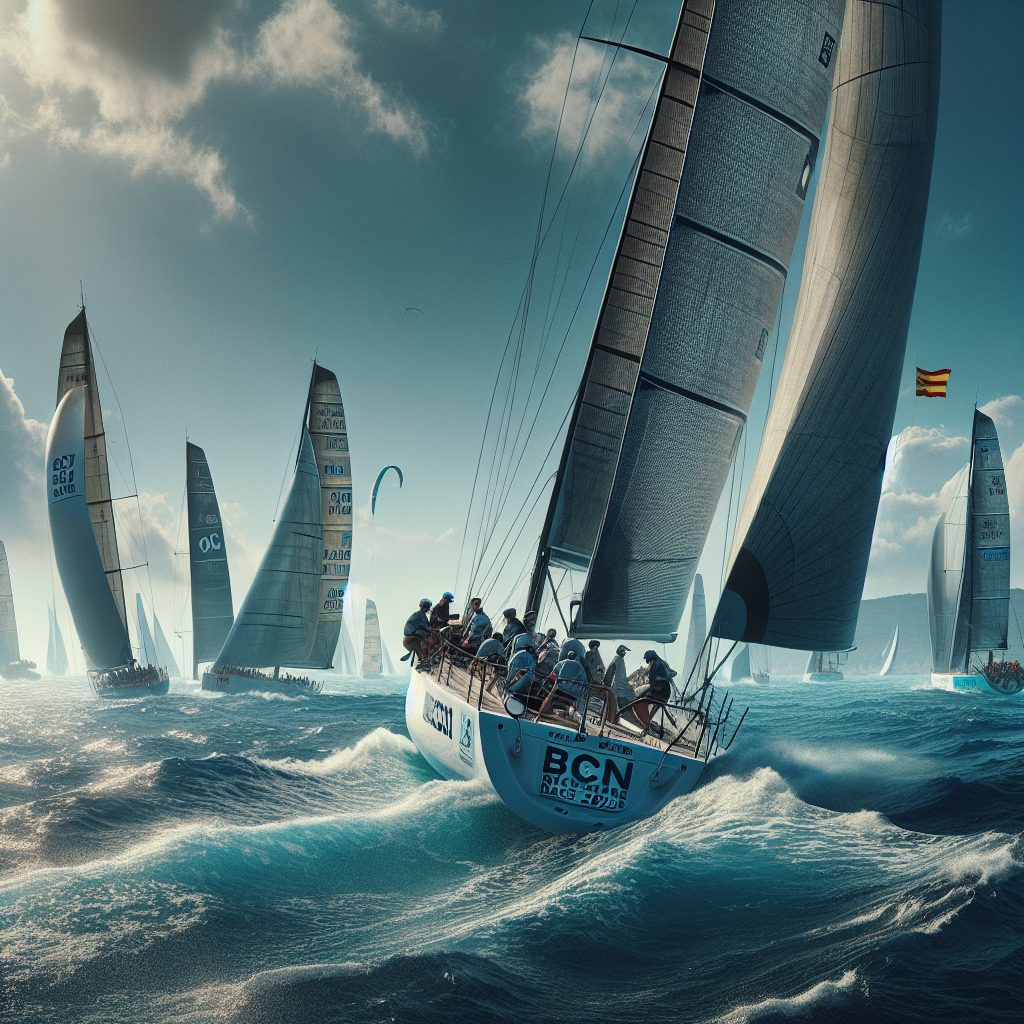
The BCN Race Musto 2025: Setting New Trends in Sailing The BCN Race Musto 2025 has not only captured the attention of the national nautical community but has also set a new standard in offshore competitions. Held as a prelude to the prestigious Trofeo Conde de Godó BMW, this first edition has laid the groundwork for what promises to be even more thrilling future editions. With over 21 hours of uninterrupted navigation, the participating teams demonstrated resilience and strategy worthy of admiration. The lack of wind during the nights did not deter the sailors from showcasing all their tactical skills. The close finish added an extra thrill to the event, solidifying the BCN Race Musto as a must-attend event on the nautical calendar. Organised by the Royal Yacht Club of Barcelona, the competition successfully combined tradition with innovation. The club managed to attract the interest of both professionals and amateurs, thanks to impeccable management that encourages teams to return for the next edition. This regatta aims not only to be a sporting spectacle but also an opportunity for sailors to showcase their skills in a challenging and competitive environment. Technology Serving the Competition In an event of such magnitude and prestige, technology played a crucial role. The BCN Race Musto 2025 stood out for the implementation of the latest innovations in tracking and real-time data analysis. This type of technology allows teams to adjust their strategies based on the changing sea and wind conditions, becoming an indispensable tool to maximise their performance. The use of advanced GPS systems and meteorological simulation software was essential for teams to chart their routes with millimetre precision. These innovations not only enhance the competitive experience but also provide valuable information for fans following the competition from shore. The Royal Yacht Club of Barcelona has been a pioneer in implementing these technologies, ensuring a rich and dynamic experience for both participants and spectators. Similarly, the technological factor has opened up new job opportunities for engineers and software developers specialised in the maritime sector. Companies dedicated to navigation tool development could benefit from participating and collaborating in events like the BCN Race Musto, offering increasingly sophisticated and precise platforms. Growth and Professional Development Opportunities The BCN Race Musto is not only a showcase for the skill and strategy of sailors but also a platform for professional growth. For merchant mariners and sailing enthusiasts, these competitions are ideal for networking and discovering new job opportunities in the sector. The visibility provided by competing or attending an event of such magnitude is unparalleled. Those interested in working in the nautical world can find in the BCN Race Musto an excellent opportunity to submit their resumes and become part of future crew members. Similarly, nautical equipment and technology companies have the opportunity to showcase their products, establishing commercial relationships that could open up new business avenues. The impact of the BCN Race Musto 2025 goes beyond sports. This event represents a unique opportunity for maritime sector professionals and investors to form alliances that could redefine future trends and practices in sailing. Companies looking to innovate and expand their commercial horizons will find in this regatta fertile ground for their projects. Conclusions and Future Perspectives The first edition of the BCN Race Musto has left an indelible mark on the national and international nautical scene. With impeccable organisation and a perfect combination of tradition and innovation, this event is shaping up to be a must-attend event in the coming years. Sailors eagerly await the next edition and the opportunities it will bring. For industry professionals, the BCN Race Musto represents a milestone in the promotion and development of their careers. From the implementation of cutting-edge technology to creating networks among professionals and investors, every aspect of this event is designed to foster growth and innovation in the nautical industry. Ultimately, the BCN Race Musto 2025 is not just an event to follow but a true inspiration for those who wish to be part of the forefront of the maritime sector. It invites all enthusiasts and professionals to participate in future editions, whether as competitors, collaborators, or spectators, ensuring that each year is bigger and more exciting than the last.
The Impact of BCN Race Musto 2025 on the Maritime Industry

BCN Race Musto 2025: Innovation and Opportunities in the New Era of Offshore Regattas The Impact of BCN Race Musto 2025 on the Maritime Industry The BCN Race Musto 2025, organized by the Real Club Náutico de Barcelona, has made a significant mark on the offshore regatta calendar with its inaugural edition leaving a lasting impression on the circuit. This event was not only a display of strategy and excitement but also opened up a range of opportunities for professionals and investors in the maritime sector. A Debut Filled with Strategy and Excitement The first edition of the BCN Race Musto was a challenge for the participating teams. The race, lasting over 21 hours, tested the sailors with changing conditions where windless nights became true tests of patience and tactics. Events like these not only showcase the skill of the crews but also highlight the importance of strategic planning in diverse conditions. The excitement at the finish line was palpable, with a tight competition among teams keeping the audience on the edge of their seats. The need to maintain precision in each maneuver and adapt to adverse weather conditions underscores the complexity and allure of such regattas, an essential ingredient for sports and sailing enthusiasts. The event also serves as a prelude to the 52nd Trofeo Conde de Godó BMW, emphasizing the relevance of the BCN Race Musto as an ideal space to calibrate strategies and refine boats and crews for future competitions. For industry professionals, this is a great opportunity to analyze rivals, improve tactics, and hone skills. Technological Innovations in the World of Regattas Offshore regattas like the BCN Race Musto stand out for incorporating cutting-edge technologies that facilitate navigation and optimize vessel performance. From advanced communication systems to the introduction of more efficient sails, each edition of these events serves as a platform to experiment with innovations that can later be more widely applied in the nautical industry. One concrete example is the use of meteorological prediction software, allowing crews to plan their routes with greater accuracy. These tools not only enhance safety at sea but also increase the chances of success in the regatta. Additionally, the development of lighter and more durable materials for sails and hulls continues to set trends in the manufacturing of yachts and racing boats. Employment and Investment Opportunities The hosting of regattas like the BCN Race Musto not only benefits participants and organizers but also translates into employment opportunities for maritime sector professionals and the creation of networking opportunities that can be crucial for future projects. Companies involved in organizing the event are constantly seeking talent to integrate into their teams, providing an excellent opportunity for those interested in advancing their careers in the nautical world. For maritime investors, the BCN Race Musto represents a window into the sector’s new trends and technological innovations being implemented. Investing in such events can be very profitable, not only for the visibility they offer but also for the growth potential in a market that, despite economic fluctuations, continues to show an upward trend. Relevance for Maritime Industry Professionals The BCN Race Musto 2025 is a clear example of how a regatta event can transcend competition and become a meeting point for maritime industry professionals. Firstly, it provides a platform for exploring technological innovations that can be applied in other areas of the industry, allowing for a rich exchange of knowledge. Secondly, it fosters networking by bringing together a wide range of experts, from engineers and designers to crews and strategists. This conducive environment for professional interaction opens the door to collaborations and new business opportunities. Lastly, the regatta highlights the importance of sustainability and energy efficiency, increasingly relevant aspects in modern navigation that are highly valued by investors seeking projects aligned with these global trends. Conclusion: BCN Race Musto, a Beacon of Opportunities The BCN Race Musto 2025 has set a new standard for offshore regattas, combining excitement, strategy, and innovation in a package that offers multiple benefits for participants, organizers, and investors. The event is not only a celebration of talent and skill at sea but also a platform for professional growth and technological development in the nautical field. We encourage all maritime industry professionals to stay informed about upcoming editions of the regatta and consider the opportunities that arise from influential events like this. The BCN Race Musto is not just a final destination but a starting point for new adventures and discoveries in the thrilling world of sailing.
Review of Safety and Navigation 2025: Innovations and Opportunities in Maritime Transport

Review of Safety and Navigation 2025: Innovations and Opportunities in Maritime Transport Introduction to the Allianz Commercial Security Review The maritime sector is constantly evolving and adapting to new demands and challenges. Allianz Commercial, one of the most influential global insurers, has released its long-awaited “Safety and Navigation Review 2025.” This document is essential for any professional involved in the maritime industry as it provides a comprehensive analysis of current and future trends affecting safety in navigation and port operations. The report emphasizes the importance of integrating technological innovations with robust safety practices. In a context where mobility and global trade depend heavily on maritime transport, Allianz’s recommendations can not only enhance safety but also increase the operational efficiency of fleets worldwide. In addition to analyzing current trends, the report takes a future-oriented approach, projecting changes that could be implemented globally by 2025. This anticipatory focus is essential for sailors, investors, and other industry professionals who want to stay at the forefront of the industry. Technological Innovations and Maritime Safety One of the highlighted areas in Allianz’s review is the adoption of emerging technologies to improve maritime safety. Artificial intelligence (AI) and the Internet of Things (IoT) are beginning to play a crucial role in preventing and responding to incidents at sea. These technologies allow vessels to identify and mitigate potential risks more efficiently than ever before. For example, the implementation of AI-based automated early warning systems could revolutionize the way ships operate. These systems can predict adverse weather conditions more accurately and anticipate possible collisions. For nautical professionals, these technologies not only represent advances in safety but also in efficiency and cost reduction. The digitization of the sector means that each ship can become a “smart vessel.” This not only enhances tracking and monitoring capabilities but also optimizes routes, saving fuel and reducing emissions. The adoption of these practices is crucial to comply with increasingly strict international regulations on emissions. New Routes and Opportunities for Maritime Professionals In addition to technological innovations, Allianz’s review highlights the development of new maritime routes. These routes not only improve logistical efficiency but also open up new job opportunities in the sector. The Arctic route, for example, is becoming increasingly viable due to ice melt, shortening transit times between Asia and Europe. For sailors and merchant navy professionals, these new routes offer the possibility of working in challenging yet rewarding environments where safety and careful planning are paramount. Companies venturing into these routes are constantly seeking skilled personnel, representing a significant job opportunity for those looking to diversify their experience. On the other hand, the increase in maritime activity also drives investment in port infrastructure. Ports need to be adapted to handle higher traffic volumes and accommodate smart vessel technologies. This leads to a surge in demand for maritime engineers and other specialists in logistics and port operations. Impact on the Maritime Sector: Reasons for Optimism Allianz’s review offers the maritime sector significant reasons for optimism towards 2025. Firstly, the increasing integration of advanced technologies will not only enhance safety but also boost operational and logistical efficiency. This is crucial to maintaining competitiveness in a globalized market. Secondly, the development of new maritime commercial routes suggests an expansion of the job market. This is especially relevant for maritime professionals seeking new opportunities and challenges in their careers. Emerging routes require ingenuity and adaptability, skills highly valued in the sector. Finally, regulatory pressure to reduce emissions could open up new areas of innovation. The transition to cleaner and more efficient fuels may pose a challenge, but also an opportunity to lead the change in sustainable practices in maritime transport. Conclusion: A Promising Future for Maritime Transport Allianz Commercial’s “Safety and Navigation Review 2025” provides a valuable roadmap for the coming years in the maritime sector. With a clear focus on technological innovation, route development, and sustainability, it presents a promising future for those willing to adapt and evolve. For sailors and maritime sector professionals, the key to success will be the ability to incorporate these changes into their daily practices. Continuous learning and openness to new technologies and approaches will be essential to thrive in this era of transformation. The invitation is open to those who wish to explore these opportunities and be part of the change. From sending your resume to leading companies in maritime innovation to investing in the implementation of emerging technologies, every step counts towards making the future of maritime transport safe, efficient, and sustainable.
Innovation and Opportunities in the Virginia Class Submarine Program: Graham Corporation Leads the Way

Innovation and Opportunities in the Virginia Class Submarine Program: Graham Corporation Leads the Way Innovation and Opportunities in the Virginia Class Submarine Program: Graham Corporation Leads the Way The Graham Corporation, globally recognized for its leadership in critical technologies for fluids, energy, heat transfer, and vacuum, has announced a significant follow-up contract valued at $136.5 million to support the Virginia Class submarine program of the United States Navy. This contract stands out not only for its amount but also for its strategic relevance in the maritime sector, especially in the defense and advanced technology context. A Commitment to Technological Innovation Barber-Nichols, LLC, a wholly-owned subsidiary of Graham Corporation, will lead this project. With a proven track record in cutting-edge engineering, the company will play a crucial role in providing advanced technological solutions that enhance the operational capability of the Virginia Class submarines. These submarines are among the most advanced in the world, incorporating state-of-the-art underwater technologies. The Virginia Class submarines are known for their exceptional underwater capabilities, which include advanced stealth technology and powerful weaponry. These submarines are vital to the U.S. Navy’s fleet modernization efforts and play a key role in national security. The significance of this contract lies in the application of new technologies that optimize energy efficiency and submarine autonomy. Graham Corporation will focus on improving heat and power transfer systems, critical elements for submarine performance. This focus will not only increase operational efficiency but also significantly reduce the environmental footprint, an increasingly relevant aspect in the global maritime industry. Impact on the Maritime Sector and Job Opportunities The contract awarded to Barber-Nichols is not only significant from a technological perspective but also in terms of the economic and employment impact it can generate in the maritime sector. Merchant mariners and naval engineers will find in this project a source of inspiration and professional growth opportunities. Projects like the Virginia Class program create job opportunities and foster the development of specialized skills in the maritime industry. Professionals with expertise in mechanical engineering, energy systems, and advanced technologies are in high demand for such projects. The demand for talent extends beyond engineering to project management, opening doors to a wide range of maritime and nautical professionals. Interested individuals are encouraged to explore job opportunities in this field by submitting their resumes to Graham Corporation and its partners. Relevance for the WishToSail.com Audience For the readers of WishToSail.com, Graham Corporation’s success in securing this contract offers several relevant insights. Firstly, it underscores the importance of staying informed about technological developments in the maritime sector, as they can shape the future of navigation in both military and commercial realms. Keeping up with technological advancements is crucial for maritime professionals to remain competitive in the industry. Large defense projects like the Virginia Class program create opportunities for employment and professional growth. Lastly, this news highlights a clear example of international collaboration. The technologies developed under this contract have global applications, potentially leading to knowledge exchanges and collaborations between different global maritime markets. Exploring the Future of Submarine Technology In a world where underwater technology is advancing rapidly, the involvement of companies like Graham Corporation indicates a continued commitment to innovation. The Virginia Class submarines not only represent a pinnacle of modern naval engineering but also the frontier of what is possible beneath the sea. Ongoing research and development in underwater technology aim to enhance defensive capabilities and expand commercial applications. Technological advancements in submarines have the potential to revolutionize various industries and benefit the maritime sector as a whole. Events like the awarding of this contract serve as a reminder of the importance of continuous research and development in the maritime sector to drive the next generation of maritime advancements. Conclusion: A Promising Future for the Maritime Sector Graham Corporation’s contract for the Virginia Class submarine program is a testament to the relevance and impact of technological innovation in the maritime sector. For professionals, investors, and maritime enthusiasts, this is an exciting time full of opportunities. As we sail towards the future, staying informed and open to new possibilities will be key. The lessons learned from this contract and its execution can be applied by companies and professionals worldwide to propel the next generation of maritime advancements. From WishToSail.com, we encourage our readers to delve deeper into the topic and consider how these developments can influence their careers and projects. The sea has always been a place of discovery, and with advancements like these, it promises an even brighter future.
The Exciting Spring Trophy at the Royal Asturian Sailing Club
The Exciting Spring Trophy at the Royal Asturian Sailing Club The Asturian coast experienced an exciting weekend with the culmination of the Spring Trophy for the Snipe class at the prestigious Royal Asturian Sailing Club in Gijón. The northeasterly winds, reaching up to 20 knots, witnessed an event that not only stood out for the skill and strategy of the participants but also for the promise of new opportunities for sailors and investors in the nautical sector. The Thrilling Snipe Class Finale On Saturday, the Snipe Class completed its final two races of the Spring Trophy. Francisco Silvela and Matilde Fernández stood out as the sprinters of the day, securing their dominance by winning both races. This triumph solidified their position in third place overall, an impressive feat considering their brief participation in only three races. The Alonso García-Lomas brothers, making their debut in the Spring Trophy, clinched the top spot in the championship thanks to their consistency in the races. This victory not only speaks to their innate talent but also their potential as future leaders in Snipe class sailing. Following closely behind, Jesús Manuel Martínez and Sara Menéndez secured the runner-up position, demonstrating that consistency can be the key to success in such fiercely competitive competitions. Provide more data on the history of the Snipe class and its significance in competitive sailing. Explain the impact of young talents like the Alonso García-Lomas brothers in the sailing world. The event on Saturday was a perfect example of how skill and preparation can make a difference in a competitive environment. Challenges and Triumphs in the Coastal Cruising Race On Sunday, the focus shifted to the coastal cruising race, a 15 nautical mile event between Gijón and Luanco for classes I and II, and an 11.60-mile course for class III between Gijón and Candás. The environmental conditions remained similar to the previous day, with a steady northeasterly wind adding an extra degree of challenge for the participants. Explore the technical aspects of coastal cruising races and the skills required by sailors. Discuss the impact of weather conditions on sailing competitions and strategies for overcoming challenges. In class I, the Taxus Medio Ambiente, led by Alfredo Flórez, proved to be the fastest of the day after returning to the competition following three days of absence. The excitement was also high in class II, where the Aqua, skippered by Santiago González-Quirós, emerged victorious, positioning just one point behind the leader, the Universidad de Oviedo-Grupo Isastur skippered by Roberto Álvarez Bucetas. With the final day of racing still to come, the competition promises to be intense. Aspirations and Opportunities in Class III Class III witnessed a tight competition, with the Gin Tonic III, skippered by Fernando Sanz, solidifying as the favourite after winning the coastal race. This victory increases their chances of claiming the trophy, although challenges remain as the Espumeru skippered by Alberto Tablón closely follows, just two points behind in the overall standings. The Silfo, skippered by José Ángel García, completed the podium for the day and sits in third place overall. Discuss the characteristics of Class III boats and the skills required to compete in this category. Highlight the strategic elements of sailing competitions and the importance of teamwork. The upcoming competitions will be decisive in determining the ultimate winner, promising an exciting culmination to an event that has kept everyone on edge. Reasons for the Relevance of the Spring Trophy For professionals in the maritime industry, events like the Spring Trophy are not just a sporting spectacle. They also demonstrate navigation strategies and water conditions that could be applied to commercial route planning. Sailors, especially those looking to improve their skills, can learn a lot about handling the boat in challenging wind and sea conditions. Provide insights into the role of technology in modern sailing competitions and how it influences performance. Discuss the economic impact of sailing events on the local maritime industry. For maritime investors, observing the performance of different vessels and crews offers valuable insights into which sectors of nautical technology are on the rise. Investing in a boat that proves to be an “all-rounder” in such competitive events can be crucial for future business decisions. Finally, for nautical enthusiasts, the event offers a glimpse into the world of regattas, inspiring many to get more involved in the sport or even consider a maritime career. The Future of Nautical Competition: Innovation and Growth Looking ahead, the Spring Trophy at the Real Club Astur de Regatas has not only solidified its position as a key event in the nautical calendar but has also showcased the evolution of technology and tactical approaches in sailing. The consistency in victories and the regularity shown by competitors highlight the importance of continuous training and strategic focus. Explore the advancements in sailing technology and how they have revolutionized the sport. Discuss the potential career paths for individuals interested in pursuing a profession in sailing. The integration of new technologies, from lighter and more efficient materials to advanced navigation systems, has redefined how these regattas are perceived and executed. This technological growth not only enables sailors to overcome greater challenges but also underscores the necessary adaptation of sailors to an ever-changing environment. For those interested in the maritime sector, the Spring Trophy represents both a challenge and an opportunity. It not only invites industry professionals to consider new strategies and technologies but also attracts new talents.