


Trends in Travel 2025: Opportunities for the Maritime and Nautical Sector

Trends in Travel 2025: Opportunities for the Maritime and Nautical Sector The New Frontiers of International Tourism The 2025 travel survey report conducted by LugLess has revealed surprising data about travel trends in this crucial year for the industry. With 87% of respondents planning to take between one and six flights, and 45% expecting to fly more this year compared to the previous year, there is a clear outlook of sustained growth in international tourism. This resurgence of interest in travel presents a unique opportunity for the maritime and nautical sector, where professionals must be prepared to adapt to the changing demands of the market. While these data focus on the realm of flights, the impact on the maritime sector is undeniable. The increase in global mobility can translate into a rise in demand for maritime routes both for cruises and for cargo transportation. Maritime professionals and maritime investors should pay attention to these trends, as diversifying services and routes could be key to capturing a portion of this growing traveler market. The maritime sector is expected to grow by 3.5% annually by 2025, according to the Global Maritime Forum. The demand for cruise tours is on the rise, with a projected increase of 7% by 2025, according to Cruise Lines International Association. This boom in tourist traffic also translates into significant business potential for the recreational nautical industry. Nautical enthusiasts, looking to renew experiences and destinations, will find in this new context unexplored possibilities for recreational navigation. Companies that correctly identify these emerging points of interest will have the advantage of positioning themselves as leaders in an expanding market. Innovative Technologies: The Future of Maritime Transport The impact of technology on maritime transport continues to grow, and 2025 is expected to be a year of great advancements in this field. Digitalization and automation are transforming the way ships are operated, from traffic control to logistical management. Professionals in the sector must be aware of these innovations to adapt their skills and improve operational efficiency. The use of artificial intelligence to optimize routes and navigation times can result in a significant fuel savings and a reduction in carbon footprint. Investing in digital technologies could increase the sector’s revenue by 6.4% by 2025, according to a study by Accenture. Strategic partnerships with technology companies can be an effective way to accelerate the adoption of these innovations, allowing maritime companies to offer faster and more personalized services. The sector must be prepared to integrate these disruptive technologies, ensuring the constant maintenance and upgrading of their fleets to avoid falling behind in an increasingly competitive market. Emerging Maritime Routes: New Horizons With the planned increase in air travel, maritime routes are not left behind. The industry must closely monitor the regions that are experiencing growth in tourism, such as Southeast Asia and parts of Africa, where the demand for cruises and exclusive maritime travel is on the rise. These destinations not only offer exotic landscapes but also present a fertile ground for the development of port infrastructures and specialized nautical services. Regions like Southeast Asia are projected to witness a 5% increase in cruise ship arrivals by 2025, according to the Pacific Asia Travel Association. The demand for eco-friendly maritime routes is growing, with an expected increase of 10% by 2025, according to the Sustainable Shipping Initiative. Professional sailors will find opportunities in these areas to establish themselves in novel routes that could become preferred by international tourists. With the growing taste for luxury and personalized experiences in tourism, maritime services offering exotic and rarely explored destinations can gain a significant competitive advantage. Additionally, efforts to develop more eco-friendly routes that minimize environmental impact are gaining popularity. Adopting sustainable practices is not only essential for preserving marine ecosystems but also aligns with the increasing consumer demand for responsible travel options.
The Evolution of Maritime Transport: AIT Worldwide Logistics Acquires GSDMIA to Expand Global Services

The Evolution of Maritime Transport: AIT Worldwide Logistics Acquires GSDMIA to Expand Global Services The maritime sector is in constant evolution, driven by the need to efficiently and sustainably connect international markets. In this context, AIT Worldwide Logistics, a prominent global supply chain solutions company, has taken a strategic step by acquiring the assets of GSDMIA, Inc., an international freight forwarder based in Miami. This acquisition promises to not only strengthen AIT’s capabilities in air and sea transport but also to open up new opportunities for professionals and investors in the sector. A Strategic Step in Global Expansion The integration of GSDMIA under the umbrella of AIT Worldwide Logistics is a strategic move aimed at consolidating AIT’s presence in the international market. Based in Miami, a pivotal point for intercontinental trade, GSDMIA brings extensive experience in shipping goods worldwide, especially in the maritime and air sectors. This move will allow AIT to expand its transport network, enabling greater connectivity between continents and enhancing logistical efficiency. AIT’s acquisition of GSDMIA expands the company’s service offerings and strengthens its presence in key markets. The integration of GSDMIA under AIT will improve the company’s competitiveness in a globalized market. Ray Fennelly, AIT’s Director of Development, highlights that the acquisition of GSDMIA not only expands the company’s service portfolio but also enhances its expertise in key markets. This strategic approach is designed to improve AIT’s competitiveness in an increasingly globalized market, where the ability to offer fast and reliable logistics solutions is crucial for success. For maritime professionals and sailors, these types of expansions represent an opportunity to engage in more complex and diversified transport operations. Additionally, it provides access to advanced technologies and an expanded network of commercial routes, which can significantly boost their careers. Technological Innovations in Maritime Transport AIT’s expansion through the integration of GSDMIA also brings with it the use of innovative technologies that are changing the face of maritime transport. The implementation of advanced technological solutions such as real-time tracking, big data analysis, and the use of artificial intelligence to optimize routes and manage inventory are some of the practices expected to be implemented. Advanced technologies in maritime transport improve efficiency, reduce costs, and enhance service transparency and reliability. For maritime investors, the implementation of these technological innovations represents an attractive opportunity to diversify their portfolios. Technologies that enhance operational efficiency and reduce environmental impact are in high demand, and companies that successfully adopt them often see a significant return on investment. On the other hand, for nautical enthusiasts, these innovations signify a future where maritime transport is safer, more predictable, and environmentally responsible. Technological developments will not only bring improvements at the enterprise level but also influence recreational nautical practices by offering new tools for navigation and vessel management. Future Perspectives and Job Opportunities The acquisition of GSDMIA could also open up new job prospects within the maritime and logistics sectors. With the expansion of services and the adoption of new technologies, AIT Worldwide Logistics is expected to increase its specialized staff to manage these new challenges. AIT’s global expansion and innovative approach could be ideal for professionals seeking to develop their careers in a dynamic and ever-evolving environment. Sending a resume to AIT could be the first step towards an exciting career at the forefront of maritime transport. Additionally, for companies looking to optimize their logistics operations, AIT’s expansion offers the opportunity to access a broader range of services and technologies. This will not only improve their operational efficiency but also enable them to reach new markets more effectively. Conclusion: A Step in the Right Direction The acquisition of GSDMIA by AIT Worldwide Logistics is a clear example of how visionary companies are adapting to the needs of the global market by expanding their capabilities and integrating innovative technologies. This move will not only benefit AIT and its clients but also offer new opportunities to professionals in the maritime sector. For readers of WishToSail.com, this news underscores the importance of staying informed about developments in the logistics and maritime sector. As companies continue to innovate and expand, it is crucial to be prepared to take advantage of the opportunities that arise in this dynamic landscape. Explore more about how technology is transforming maritime transport and what this means for the different actors in the sector. Stay informed and prepared to sail into a future full of possibilities.
The Technological Revolution in Maritime Navigation: TrustPoint’s C-Band GNSS Receivers

The Technological Revolution in Maritime Navigation: TrustPoint’s C-Band GNSS Receivers In a significant advancement for the maritime sector, TrustPoint, a leading company in advanced Positioning, Navigation, and Time (PNT) technologies, has been awarded a $1.2 million Phase II Small Business Innovation Research (SBIR) contract by the U.S. Navy’s Naval Air Systems Command (NAVAIR), marking a milestone in navigation technology. Through this investment, TrustPoint, in collaboration with Hexagon | NovAtel and Hexagon US Federal, aims to provide the first delivery and initial demonstration of C-Band GNSS-enabled receivers to the US government. The partnership between TrustPoint and HEXAGON is not coincidental; both companies share a common vision of improving the accuracy and reliability of global navigation systems. This joint project involves not only the development of cutting-edge technology but also underscores the relevance of strategic partnerships for the advancement of the maritime sector. PNT technologies are vital for the safety and efficiency of modern maritime operations, and this initiative promises to take those capabilities to the next level. For maritime professionals, this advancement in GNSS technology represents a powerful tool that will enhance navigation, increase operational safety, and optimize maritime routes. This is not only relevant to the merchant navy but also adds value to recreational sailors looking to improve the accuracy of their navigation systems. Understanding the Potential of C-Band GNSS The Global Navigation Satellite System (GNSS) has become an essential element in modern navigation. Traditionally, GNSS systems operate in the L bands, but the introduction of the C-Band presents an innovative opportunity. The C-Band, with its shorter wavelength, offers significant advantages in terms of signal penetration and resistance to interference, which is crucial in complex maritime environments where conditions can be challenging. The C-Band-enabled receivers that TrustPoint plans to implement are designed to provide higher accuracy, surpassing the limitations of current technologies. This translates to safer and more efficient navigation, reducing the risk of incidents and enabling maritime operators to navigate confidently in unknown or challenging waters. The use of the C-Band not only enhances the accuracy and reliability of existing navigation systems but also opens the door to new applications in the field of maritime automation. This could range from autonomous navigation systems to improvements in maritime traffic management, making maritime routes and operations more efficient and safe. Impact on the Maritime Job Market This technological innovation also has the potential to impact the maritime sector’s job market. With the implementation of C-Band GNSS receivers, companies in the sector will need skilled personnel to manage and integrate these new technologies into their daily operations. This represents an opportunity for professionals in the sector to upgrade their skills and take advantage of potential job openings. Companies involved in this project, such as TrustPoint and Hexagon, may be seeking experts in GNSS technology, system engineers, and maritime automation professionals. Therefore, sector professionals are encouraged to be on the lookout for the job opportunities that these innovations may generate. Furthermore, the improvement in navigation system accuracy could trigger new investments in maritime infrastructure and associated technologies, creating a ripple effect throughout the industry. This could result in economic growth in the maritime sector, increasing the demand for innovative services and products. Relevance for Maritime Sector Professionals Primarily, for professional sailors, improved navigation accuracy is crucial for reducing the risk of accidents and maintaining safe and efficient operations. With the new C-Band GNSS receivers, maritime routes can be optimized, saving time and resources. Secondly, for investors and companies in the sector, these innovations open up the possibility of expanding their services and enhancing their technological infrastructures. Improvements in navigation systems can make routes safer and more predictable, which in turn can attract more investment and development in the sector. Finally, for enthusiasts and recreational sailors, the adoption of these innovative systems not only enhances the sailing experience but also provides an additional level of safety that is highly valued in personal voyages. A Promising Future for Maritime Navigation The introduction of C-Band GNSS in maritime navigation is just the beginning of a broader transformation in the sector. As technologies continue to develop, we are likely to see an increase in the integration of autonomous and automated systems in daily maritime operations. This will not only enhance safety and efficiency but also set new standards in the industry. It is important for sector professionals and enthusiasts to stay informed about these advancements and explore the opportunities they present. Participation in conferences, workshops, and training courses can be beneficial for better understanding these innovations and their potential applications. In summary, the collaboration between TrustPoint and its partners represents a crucial advancement in the field of maritime navigation. By leveraging the capabilities of C-Band GNSS, a unique opportunity is provided to enhance the efficiency and safety of maritime operations, offering a promising future for all stakeholders in the sector.
The Technological Revolution Behind Valaris DS-15: Shaping the Future of Maritime Drilling

The Technological Revolution Behind Valaris DS-15: Shaping the Future of Maritime Drilling The maritime drilling industry is constantly evolving, with technological innovation at its core. The recent contract of the drillship Valaris DS-15 exemplifies this evolution, showcasing not only its technical capabilities but also its relevance in the current market. Equipped with cutting-edge drilling technologies, the Valaris DS-15 stands out as a masterpiece of maritime engineering. Designed to operate in the most demanding conditions, its ability to drill in ultra-deep waters positions it as a strategic asset in exploring new oil fields. Integration of advanced technologies such as automated drilling management systems and real-time optimization offers unparalleled efficiency, crucial for cost reduction and operational safety. Furthermore, the DS-15 is equipped with emission control technology and recycling systems that meet the strictest international standards, emphasizing its commitment to sustainability. Economic Impact and Job Opportunities The new contract of the Valaris DS-15 not only strengthens Valaris’ position as an industry leader but also provides an economic boost to local and regional communities where it operates. Expansion of operations generates a value chain benefiting multiple sectors related to maritime and merchant navy. The launch of the Valaris DS-15 creates various job opportunities for highly skilled professionals in handling advanced drillship operations. From operators and technicians to engineers and specialized environmental management personnel, maritime companies are actively seeking talent to support this new contract. The economic impact of the Valaris DS-15 extends beyond direct job creation. Operating in oil fields fosters local infrastructure development and contributes to regional economies through spending on supplies, services, and logistics. New Routes and Challenges in the Global Market The recent contract of the Valaris DS-15 extends beyond a specific geographical area, expanding its influence globally. This expansion into new drilling routes solidifies Valaris’ role as a key international player in the energy industry. Exploring new regions, the Valaris DS-15 plays a crucial role in identifying energy resources to meet the growing global energy demand. Operating in these new routes presents unique challenges, from extreme weather conditions to geological complexities. Equipped with advanced navigation systems and technical support, the DS-15 is prepared to face these challenges. Exploring new regions also involves navigating the legal and regulatory complexities of each country. Valaris collaborates closely with local authorities to ensure compliance with regulations and promote responsible business practices. Relevance of Valaris DS-15 for the WishToSail.com Audience For maritime professionals and nautical enthusiasts, the Valaris DS-15 represents a significant advancement in the sector. The innovative technology and practices implemented in this drillship showcase how the industry is evolving to meet the challenges of the 21st century. Investing in cutting-edge technology like the Valaris DS-15 not only ensures potential returns but also promotes sustainable practices valued in the current global landscape. For nautical enthusiasts, the Valaris DS-15 serves as an inspiring example of modern maritime engineering, highlighting the possibilities for exploration and expansion in navigation and maritime exploration. Conclusion: A Leap Towards the Future In conclusion, the Valaris DS-15 is not just a drillship; it is a symbol of the future of the maritime industry. Its integration of advanced technology, job creation opportunities, and exploration of new global routes make it a cornerstone of the sector. For the audience of WishToSail.com, the Valaris DS-15 offers valuable and inspiring lessons on the path the maritime industry is taking towards a more technological and sustainable future. This article encourages readers to explore further innovations in the sector and consider how they can be applied to their own work or passion for navigation.
Innovation and Opportunities in Maritime Transport: Algoma Central Corporation and Its Impact on the Future of the Sector
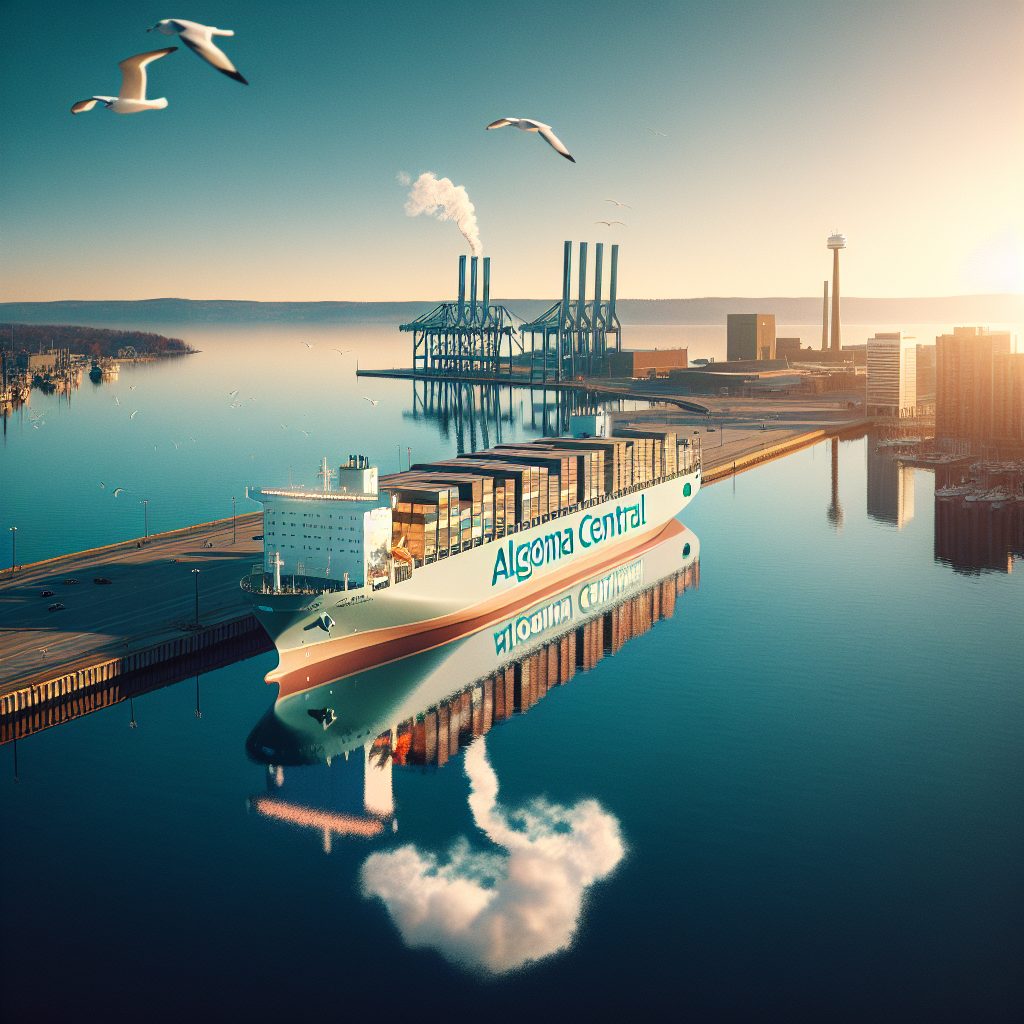
Innovation and Opportunities in Maritime Transport: Algoma Central Corporation and Its Impact on the Future of the Sector On the 2nd of May 2025, Algoma Central Corporation (TSX:ALC) held its Annual Shareholders Meeting in St. Catharines, Ontario. This event, crucial for outlining the future of one of the leading companies in maritime transport, focused on the election of directors and various strategic decisions that promise to have a significant impact on the sector. The meeting, details of which are in the company’s Management Information Circular, addressed issues that not only affect investors but the entire maritime industry. Among the main topics discussed, the election of the board of directors takes on a prominent role, as these leaders will be responsible for guiding the company in a period where sustainability and technological innovation are more relevant than ever. The appointment of directors with fresh perspectives and a focus on the adoption of green technologies can open up new opportunities for professionals in the sector and attract investors interested in responsible and sustainable growth. For sailors and maritime professionals, understanding how these strategic decisions align with global market trends is crucial. The choice of these leaders will not only affect the course of Algoma Central Corporation but will also serve as an indicator of future trends in maritime transport, setting guidelines for the rest of the industry. Technological Innovations and Their Relevance to Sector Stakeholders One key point of interest for attendees and observers of this meeting is Algoma Central Corporation’s commitment to technological innovation. In a context where digitization and automation are transforming the operations of the maritime sector, the company has stated its intention to invest in eco-efficient technologies that promise to revolutionize both cargo transport and ship maintenance and operation practices. For nautical enthusiasts and professional sailors, the adoption of new technologies offers a range of opportunities to optimize operations and reduce costs. Intelligent navigation systems, more efficient engines, and fleet management software are just some of the areas Algoma is investing in, which will not only improve operational efficiency but also provide a safer environment for the crew. These innovations benefit not only operators but also open the door to new market niches for maritime investors. Energy efficiency and automation are trends that can significantly increase return on investment in a sector traditionally characterized by tight operating margins. New Routes and Market Expansion: Job and Investment Opportunities Algoma Central Corporation is not only focused on improving the technology of its current operations, but also exploring new commercial routes that promise to connect emerging and traditional markets more efficiently. This expansion could mean a great job opportunity for captains, bridge officers, and cargo personnel, who will find in these routes an opportunity to expand their professional careers. The development of new routes also represents a significant opportunity for investors. Diversifying routes not only minimizes logistical risks but also increases income potential by opening up less saturated commercial channels. The creation of these routes can attract additional investment and improve the resilience of maritime trade against global disruptions. For companies and professionals interested in these new routes, this is the ideal time to submit their resumes and proposals to Algoma Central Corporation. The company is looking for talent capable of adapting to new challenges and contributing to greater efficiency and sustainability in operations. Reasons to Keep an Eye on the Future of Algoma Central Corporation Firstly, Algoma Central Corporation’s focus on sustainability and energy efficiency reflects a necessary change in the maritime sector, which not only benefits the environment but can also result in substantial long-term cost savings. For professionals interested in reducing the carbon footprint of their operations, the company sets an example to follow. Secondly, technological innovations and the development of new commercial routes open up a range of opportunities for those who want to stand out on the international stage. Investors and professionals who align with Algoma at this stage of growth can benefit from an expanding market and an improved operating environment. Finally, the role of the board of directors in guiding these initiatives reinforces the importance of strong and visionary leadership in times of change. For those involved in maritime management, closely following the company’s decisions and strategies can provide valuable lessons on management and adaptation in an uncertain global market. Connecting with the Future of Maritime Transport The Annual Shareholders Meeting of Algoma Central Corporation highlights a promising future for the maritime sector. The combination of technological innovation, route expansion, and visionary leadership offers a resilient and adaptable model that other sector players can emulate. This approach not only increases competitiveness but also ensures a long-term positive impact on the global supply chain. For maritime professionals, sailors, and nautical enthusiasts, these changes represent both a challenge and an opportunity. Being aware of these trends and adapting to new technologies and routes can be the differential that drives their careers towards a sustainable and successful future. As part of an informed and specialized audience, this is the moment to explore more about Algoma’s initiatives and consider how these can influence your professional career or investment in the maritime sector. The convergence of innovation and sustainability is redefining the horizons of maritime transport, and Algoma Central Corporation is at the forefront.
Valaris and BW Energy: A Strategic Sale Revolutionizing the Maritime Sector

Valaris and BW Energy: A Strategic Sale Revolutionizing the Maritime Sector In a strategic move that has captured the attention of the global maritime industry, Valaris Limited has announced the sale of its jackup platform VALARIS 247 to BW Energy. This deal, valued at approximately 108 million dollars, represents a significant milestone for both the buyer and the seller, and is expected to close in the second half of 2025, subject to usual closing conditions. This transaction not only reflects the current market dynamics but also offers new opportunities and challenges for the parties involved. The jackup platform, a crucial structure for shallow water drilling operations, is a valuable asset that redefines BW Energy’s operational capabilities. The company, which has diligently worked to expand its presence in the energy sector, will see its position consolidated with this acquisition. Furthermore, the sale is designed for BW Energy to use VALARIS 247 exclusively on properties owned or affiliated, raising interesting strategic and operational implications. This deal aligns with Valaris’ asset optimization strategy, allowing them to focus resources on other areas of interest. By diversifying their operations portfolio and concentrating efforts on more profitable assets, Valaris positions itself to successfully face future industry challenges. This transaction is a clear example of how companies can adapt their approaches to maximize asset value and improve operational efficiency. Industry Impact: Opportunities and Challenges The agreement between Valaris and BW Energy not only affects the directly involved companies but also has a broader impact on the maritime sector. For merchant navy professionals and maritime investors, this transaction represents a significant shift in market dynamics. The sale of such an important asset underscores the importance of adapting to changing market conditions and finding innovative ways to utilize existing resources. From a job perspective, this transaction opens up new opportunities for sector professionals. With the strengthening of its infrastructure, BW Energy could look to expand its workforce to efficiently manage its new asset. Individuals interested in being part of this strategic transformation should consider submitting their resumes to BW Energy and exploring upcoming possibilities. The acquisition of VALARIS 247 by BW Energy is more than just an addition to its fleet; it is a statement of intent regarding the company’s future direction. By expanding its operational capabilities, BW Energy is well-positioned to capitalize on emerging opportunities in the energy sector. The sale of VALARIS 247 demonstrates how assets can be reallocated to maximize financial performance, offering investors new opportunities to participate in profitable projects. This agreement reinforces the need to identify market trends and be prepared for rapid strategic changes. Strategic Implications for BW Energy The ownership of a platform like VALARIS 247 by BW Energy is a strong step towards a more integrated and efficient operation. The exclusive use of the platform on BW Energy’s owned properties also poses interesting strategic challenges. BW Energy must ensure that its operations are robust enough to maximize the asset’s value without incurring excessive operating costs. This will require careful planning and proactive management to ensure that the potential of VALARIS 247 is fully realized. Conclusion: A Promising Future on the Horizon The announcement of the sale of the jackup platform VALARIS 247 from Valaris to BW Energy has stirred the waters of the maritime sector, highlighting the importance of strategic decisions in asset management. For industry professionals, this transaction offers multiple lessons on adaptability, innovation, and efficient resource management in an ever-evolving environment. The emerging job opportunities and strategic implications of the acquisition make this news a crucial topic of interest for sailors, investors, and nautical enthusiasts. The ability to recognize and act on market opportunities in a timely manner is what sets leading companies apart from those that simply survive. Ultimately, the sale of VALARIS 247 is not just a financial transaction; it is a testament to the power of well-executed strategy in the maritime industry. By addressing challenges with an innovative and proactive mindset, companies can successfully navigate the complexities of the market and ensure a bright and sustainable future.