


Interval International Strengthens its Presence in the Nautical Market with the Renewal of its Alliance with Spinnaker Resorts
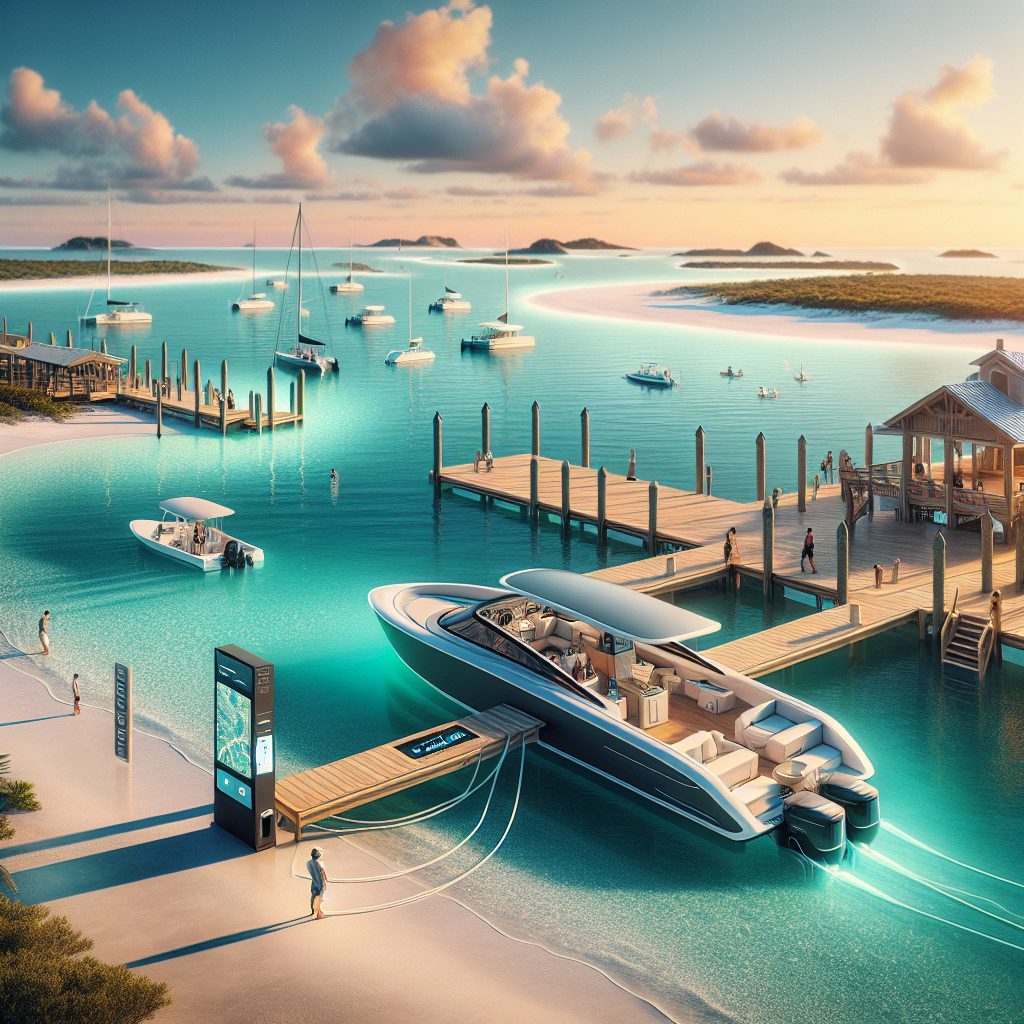
Interval International Strengthens its Presence in the Nautical Market with the Renewal of its Alliance with Spinnaker Resorts Interval International, a prominent entity in the vacation exchange sector, has announced the renewal of its collaboration with Spinnaker Resorts, a strategic alliance that allows Interval International members to access ten properties located in Hilton Head, Ormond Beach, and Branson. This move reinforces the company’s position in the coastal tourism market, a sector that is expanding rapidly due to new travel trends and stays related to nautical activities. Hilton Head and Ormond Beach, favorite destinations for sailing enthusiasts, offer an ideal environment for those looking to combine beach relaxation with the dynamism of water activities. The inclusion of these properties in the Interval International catalog signifies new job opportunities not only for those in the tourism sector but also for specialized maritime professionals looking to advance their careers in environments that require specific knowledge in nautical activities. This alliance not only has a positive impact on the resorts but also on the local communities, benefiting from a potential increase in quality tourism. Additionally, these destinations are positioned as key locations to promote nautical tourism, an area that has shown steady growth in recent years, largely due to tourists’ desire to experience unique experiences linked to the sea. Innovations that Transform the Traveler’s Experience The renewal of this affiliation not only grants access to more destinations but also entails a significant improvement in the customer experience through the implementation of cutting-edge technologies. Spinnaker Resorts has announced plans to incorporate Augmented Reality (AR) technology into its services, which promises to transform the way guests interact with the environment. From interactive maps of nearby marinas to guided experiences along the best sailing routes, AR is shaping up to be a disruptive tool that enriches the modern tourist’s stay. Moreover, the properties are adapting to new market demands by installing charging points for electric boats, a significant step towards sustainability in nautical tourism. This eco-friendly approach responds to the global demand for sustainable solutions and strengthens Spinnaker Resorts and Interval International’s commitment to responsible tourism. It is crucial to highlight that these technological innovations not only enhance the traveler’s experience but also offer opportunities for professionals in the nautical sector. With the increasing use of advanced technology, experts in marine technology, engineers, and technicians can actively participate in transforming the sector. The Value of a Sustainable Vision in Nautical Tourism In a global context where sustainability has become a fundamental pillar of tourism development, Interval International and Spinnaker Resorts’ commitment to ecological practices is more relevant than ever. The integration of solutions such as electric boats and the use of renewable energies in resort facilities underscores their commitment to responsible and conscious tourism. For maritime investors, this alliance represents an opportunity to invest in a sector with a growing trajectory, supported by modern infrastructure and a future-oriented vision that prioritizes sustainability. This strategy not only attracts a more environmentally conscious audience but also ensures a more solid long-term return on investment. The implementation of sustainable practices in hospitality and tourism is not only an ethical imperative but also a competitive advantage in a market where consumers are increasingly demanding when it comes to the impact of their ecological footprint. Professionals in the nautical sector can see these changes as a call to action to adapt their skills to new demands, positioning themselves as essential pillars of this evolution. Employment and Professional Opportunities on the Horizon With the renewal of this alliance, a range of job opportunities opens up for those interested in the maritime and tourism sectors. Interval International and Spinnaker Resorts are seeking talents who can contribute to the growth and innovation of their operations. From experts in nautical operations and destination management to professionals in marine technology and sustainability, these destinations offer a fertile ground for professional development. In a context where nautical tourism is taking on an increasingly prominent role, the demand for qualified personnel who can integrate technical knowledge with a focus on enriching tourism experiences is essential. Those interested in being part of this expanding ecosystem can submit their resumes to these growing companies, thus exploring a career full of possibilities. Lastly, for nautical enthusiasts, the properties in Hilton Head, Ormond Beach, and Branson represent an unparalleled opportunity to enjoy unique experiences that combine sailing, culture, and relaxation. This synergy between tourism and nautical activities highlights the added value that these destinations offer to their visitors, further enhancing the appeal of this renewed alliance. Conclusion: A Promising Future in the Fusion of Tourism and Nautical Activities The renewed agreement between Interval International and Spinnaker Resorts is a clear reflection of how the integration of new technologies and a focus on sustainability can lead to significant growth in the nautical tourism sector. Not only does it create a positive impact on the local economy and the environment, but it also opens doors for the professional and personal development of those involved in this expanding industry. This multifaceted approach to coastal tourism, encompassing everything from enhanced customer experiences to environmental commitment, aligns with current market trends seeking greater personalization and responsibility in tourism practices. For readers of WishToSail.com, this news not only provides an update on key movements in the sector but also an invitation to explore and engage in the promising future of nautical tourism.
The Strategic Alliance in the Maritime Energy Sector: Island Energy Services at the Epicenter of a Key Transaction
The Strategic Alliance in the Maritime Energy Sector: Island Energy Services at the Epicenter of a Key Transaction The private equity firm One Rock Capital Partners, LLC, known for its value-oriented and operational improvement approach, has recently announced a definitive agreement that marks a significant milestone in the maritime energy sector. Their portfolio company, Island Energy Services, LLC (IES), is entering a new phase by selling a majority stake to a newly formed partnership by First Reserve and funds managed by affiliates of Fortress Investment Group. This strategic move not only redefines the ownership structure of IES but also promises to transform the energy landscape on international maritime routes. First Reserve is a pioneer in energy investments. Fortress Investment Group is renowned for its diversified fund management globally. By maintaining a stake through an affiliate, One Rock preserves a strategic interest in the evolution of IES, ensuring continuity and stability. Such alliances are crucial for driving technological innovations and improving the efficiency of existing energy infrastructure. With the strong financial backing of the new partners, IES has the opportunity to expand and enhance its operations, representing not only a step forward for the company but also for the maritime community that relies on reliable and sustainable energy services. Technological Innovations and Employment Opportunities The transformation of Island Energy Services under this new corporate structure is not just an administrative change but a springboard for technological innovation in the energy sector. With fresh capital support, IES is primed to invest in cutting-edge technologies that promise to enhance efficiency and reduce environmental impact in maritime operations. Professionals in the maritime sector should keep abreast of these innovations as the implementation of new technologies can lead to specialization opportunities and professional development. As the industry moves towards cleaner and more efficient energy sources, skills in energy technology and resource management will be increasingly in demand, opening new avenues for engineers, technicians, and project managers in the maritime field. For those looking to explore these opportunities, IES could become a valuable employer in the maritime industry. Professionals and technicians in the sector are encouraged to connect with the companies involved, submit their resumes, and be part of this exciting period of change and innovation. Relevance for Investors and Seafarers For maritime investors, the entry of First Reserve and Fortress Investment Group into Island Energy Services represents a safe bet on a strategic player in the energy sector. Given the experience and track record of success of both investment groups, this alliance presents an attractive opportunity for those interested in capitalizing on the global energy transition. Seafarers, on the other hand, will benefit from optimized energy supply, which could potentially be more cost-effective and sustainable, facilitating more efficient routes and reducing operating costs. By having access to cleaner and technologically advanced energy sources, maritime routes can improve their performance and reduce environmental impact, aligning with global trends towards more sustainable operations. This change in the structure of Island Energy Services is not only relevant to key players in the sector but also has the potential to positively impact the entire maritime community, from large shipowners to small recreational sailors, creating a more sustainable and profitable ecosystem for all involved. A Promising Future The recent transaction signifies a promising chapter for Island Energy Services and, consequently, for the energy sector in the maritime realm. Maintaining a focus on innovation and sustainability will be key for the company and for investors who see this transition as a growth and development opportunity. Pragmatically, this restructuring is not only a win for those directly involved but also sends an encouraging message about the capacity of strategic alliances to transform entire industrial sectors. In an economic environment where energy efficiency is critical, moves like the one by IES represent bold steps towards a more sustainable and technologically advanced future. In conclusion, for professionals, seafarers, and investors, this agreement is evidence that the maritime sector remains a fertile ground for innovation and growth. With a renewed focus and the backing of some of the most influential players in the energy sector, Island Energy Services is poised to make a lasting impact on the global stage.
The Strategic Acquisition of Boathouse Marine Center by Bain Capital and BlueWater Marinas
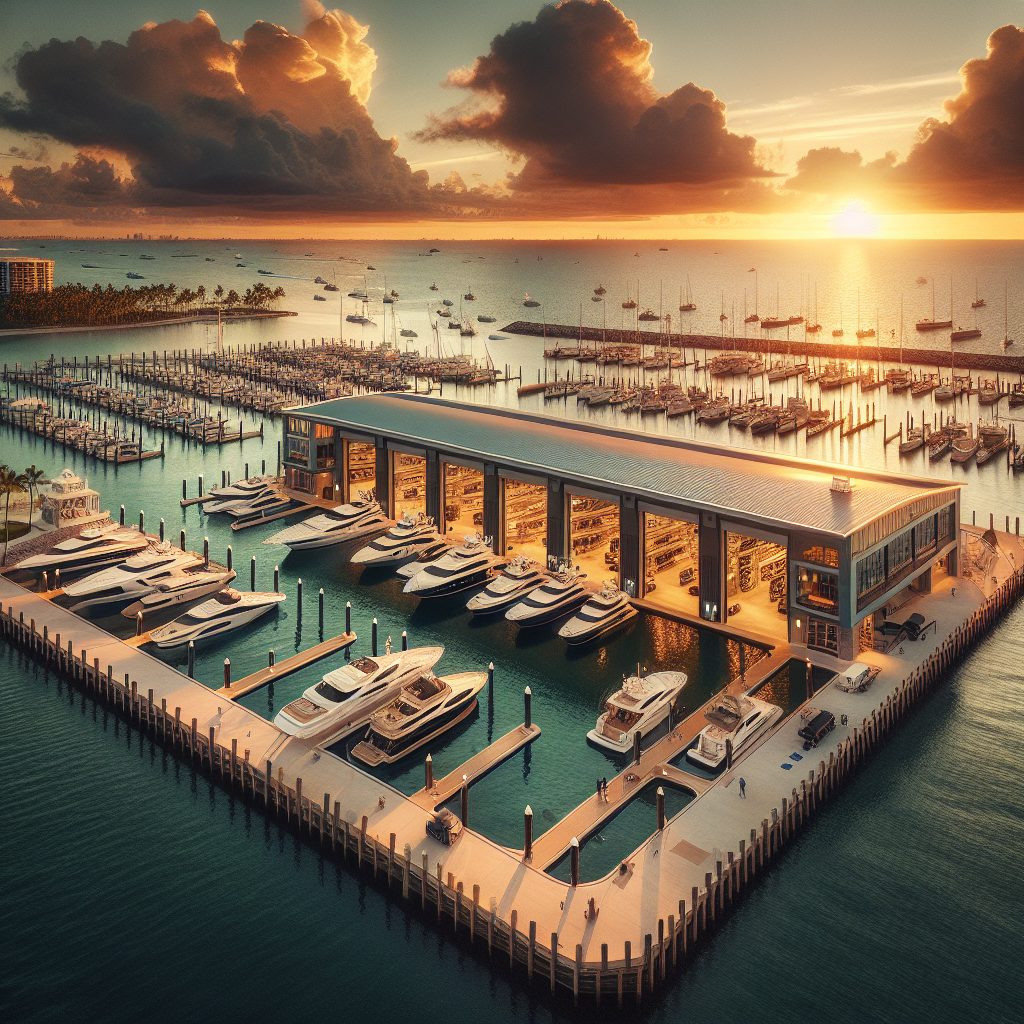
The Strategic Acquisition of Boathouse Marine Center by Bain Capital and BlueWater Marinas The nautical industry is currently experiencing a period of great dynamism, with strategic movements by key entities in the sector. Bain Capital and BlueWater Marinas have recently announced the acquisition of the Boathouse Marine Center (BMC), a dry storage marina located in Pompano Beach, Florida. This kind of acquisitions, although private and off-market, represent a significant shift in investment focus within the marine industry. The BMC has become a crucial point for boaters in Florida, offering storage services that enhance efficiency and safety for vessels of various sizes. With this acquisition, Bain Capital and BlueWater aim to not only expand their portfolio but also optimize the services offered to customers, positioning themselves as leaders in marine storage solutions. Pompano Beach’s strategic location, a hub in Florida’s nautical circuit, offers unique advantages for both vessel logistics and access to key maritime routes. This acquisition is another step in Bain Capital and BlueWater’s strategy to create an ecosystem of innovative and efficient marinas. Innovation in Nautical Storage The focus of Bain Capital and BlueWater Marinas on dry storage marinas is a reflection of the increasing demand for infrastructures that offer advanced security and operational efficiency. This approach benefits not only boat owners but also provides viable solutions for operators seeking efficient maintenance and asset management. Technology and innovation are central to optimizing dry storage spaces. Bain Capital and BlueWater are investing in state-of-the-art technology to maximize capacity and minimize handling times. This includes automated movement and storage systems, as well as digital platforms for reservation and maintenance management. Reduction of risks of damage Increased safety Fast and reliable service This improvement in storage processes results in direct benefits for boaters and represents an opportunity for innovation for other actors within the nautical sector. Professional Growth Opportunities in the Marine Industry The acquisition of the Boathouse Marine Center opens up new possibilities for professionals in the maritime field. Bain Capital and BlueWater Marinas, by expanding their operations, will require expertise in marina management, leading to job opportunities for those looking to develop in this sector. Professionals with knowledge in nautical technology, warehouse operations, and marine logistics management will be in high demand. Similarly, experts in marketing and customer service will find space to apply their skills in an environment that seeks to optimize the user experience from the first to the last contact. The companies involved in the project invite qualified professionals to submit their resumes, promising a dynamic work environment full of challenges, thus consolidating the importance of this acquisition for those interested in a career in the maritime sector. Economic Boost and Benefits for Investors The joint strategy of Bain Capital and BlueWater not only benefits the marine industry but also presents an attractive picture for investors. By focusing on high-quality central storage properties, these entities aim to ensure a stable and growing income stream, a key factor for investors interested in the nautical sector. Investments in dry storage marinas represent a significant diversification opportunity for investment funds and private portfolios, given the sustained growth of recreational and professional boat traffic. The integration of advanced technologies in these marinas also forecasts an increase in long-term profitability. As Bain Capital and BlueWater Marinas continue to expand their presence in the industry, investors can expect sustained growth in a sector that combines the stability of real estate with technological innovation, creating attractive and solid investment scenarios. Relevance for the Nautical Community This strategic move is highly relevant for different segments of the nautical community. Firstly, for boaters, who will find higher quality services and safer options to store their vessels. Secondly, for industry professionals who can now explore new employment and professional development opportunities in an expanding and modernizing nautical environment. Companies like Bain Capital and BlueWater Marinas are leading the way with innovative and sustainable business models, creating a stimulating environment for skill development and careers. Lastly, for investors, who see in these initiatives an opportunity to diversify their portfolios in a growing sector that offers stable returns.
The New Leadership Strategy of Titan America in Florida

The New Leadership Strategy of Titan America in Florida In a strategic move that highlights the dynamism of the maritime and construction sector on the East Coast of the United States, Titan America SA has announced a significant change in its leadership. Jason Morin has been appointed as the new President of the Florida Business Unit of Titan America, taking over from Randy Dunlap, who has held this position since 2014. Dunlap will continue with the company as Chief Executive Officer of Growth and Strategy. A Change in Command at Titan America: Jason Morin Takes the Helm Jason Morin, a name already resonating in the maritime sector, is known for his remarkable ability to lead teams towards sustainable growth. With his industry experience and innovative approach, Morin promises to bring new perspectives to Titan America. Under his leadership, the Florida Business Unit is expected to not only strengthen its presence in the local market but also explore new maritime trade routes, especially those connecting the United States with the rest of the Western Hemisphere. This leadership change is not just a reflection of the need to adapt to changing market conditions, but also a clear signal from Titan America of its commitment to expansion and strategic development. Morin’s appointment is a calculated decision to propel the company towards a more innovative and competitive future. The transition between Morin and Dunlap has been designed to be smooth, ensuring no disruptions in operations. Both will continue to be part of Titan America’s Executive Committee, suggesting that their years of combined experience will remain a valuable asset for the company. Impact on the Maritime Sector and Job Opportunities The maritime sector can expect a significant boost thanks to this change in leadership at Titan America. As one of the leading companies in cement production and construction materials, its activities are essential for port and maritime infrastructure. Under Morin’s direction, new material export routes are anticipated, which could stimulate an increase in maritime logistics operations along the East Coast. For merchant navy professionals and maritime investors, this translates to potential new employment opportunities and economic growth. Titan America, known for its focus on sustainability and innovation, can be an ideal platform for those looking to develop their careers in a dynamic and ever-evolving environment. The sector can benefit from Morin’s experience in optimizing routes and implementing advanced technologies to improve operational efficiency. The expansion of maritime routes may be particularly relevant for sailors and nautical enthusiasts seeking new adventures and challenges. Innovation and Technology in Titan America’s New Strategy Technological innovation will be a key pillar under Morin’s leadership. Titan America is expected to incorporate advanced fleet management and monitoring technologies, which will not only optimize routes but also reduce environmental impact. These technologies may include advanced navigation systems and the use of artificial intelligence to predict and mitigate operational risks. Sustainability is more critical than ever today. Titan America is committed to leading by example, adopting practices that not only enhance business efficiency but also have a positive impact on the environment. The use of more eco-friendly construction materials and the reduction of the carbon footprint in its maritime operations will be key focus areas. The application of these technologies will not only benefit the company for its operational efficiencies but also offer industry professionals the opportunity to work with cutting-edge tools, thereby enhancing their competitiveness in the job market. Conclusion: A New Course for Titan America and the Maritime Sector Jason Morin’s appointment as President of the Florida Business Unit at Titan America symbolizes a new beginning not only for the company but also for the maritime sector as a whole. The combination of proven leadership with a fresh focus on technology and sustainability positions Titan America as a key player in the future of the industry. For readers of WishToSail.com, this change represents an opportunity to engage with a company that values innovation and excellence. From sailors to investors, all those interested in the maritime sector have a horizon full of possibilities ahead of them. Titan America invites interested parties to closely follow its future developments and to consider submitting applications to be part of this exciting new era. With Morin at the helm, the future looks promising and full of potential for those willing to venture into new paths.
The Innovation in Commercial Navigation: Opportunities for Growth and Future Challenges

The Innovation in Commercial Navigation: Opportunities for Growth and Future Challenges Introduction to the Transformation of the Maritime Sector The global maritime industry is undergoing a significant transformation thanks to technological innovations that are redefining the dynamics of commercial transport. From the implementation of advanced software solutions to the optimization of maritime routes, digitalization is driving a change that promises to improve the efficiency of the sector. One prominent example of how companies are addressing this evolution is American Express Global Business Travel (Amex GBT), which is presenting financial and operational improvements that directly impact the maritime field. Amex GBT, a leading company in travel, expense, and event software and services, has announced that it will release its financial results for the first quarter of 2025 on May 6th. This announcement provides an opportunity to analyze how the financial and technological innovations of the company can affect the efficiency of maritime transportation and logistics. For professionals in the maritime sector, closely following these advancements is not only a necessity but also an opportunity to leverage new tools that can optimize fleet management, improve the sustainability of operations, and expand commercial horizons. In this context, this article explores recent innovations and how they can impact the future development of the sector. Technological Innovations and their Impact on Maritime Management One key to success in the maritime sector is the adoption of technologies that improve visibility and operational efficiency. The application of advanced software for fleet and route management is allowing logistics companies to optimize their operations and reduce costs. This includes everything from automation systems for monitoring maritime traffic to platforms that facilitate real-time navigation data analysis. For example, the use of sector-specific Enterprise Resource Planning (ERP) systems has significantly enhanced companies’ ability to plan, control, and execute logistics operations comprehensively. These platforms integrate essential information on fleet maintenance, crew management, and financial analysis, providing a 360-degree view of maritime operations. Furthermore, digitalization initiatives are moving towards greater sustainability. The ability to model efficient routes not only reduces fuel consumption but also minimizes carbon emissions, a key factor in the global environmental agenda. Thus, maritime companies can improve not only their profitability but also align their operations with global sustainability goals. Maritime Routes and Employment Opportunities Route optimization is not only a technical but also a strategic matter. Emerging routes, driven by climate change and navigable passage discoveries, are redefining the landscape of maritime trade. The opening of the Northwest Passage, for instance, has garnered considerable interest as an alternative route between Asia and Europe, promising significant reductions in transit times and transportation costs. For professionals in the merchant marine, these new routes represent not only technical challenges but also opportunities for expansion and job growth. Whether in logistics management, navigation, or technological innovation roles, companies are constantly seeking talent that can help them adapt to these changes. We invite those interested in exploring these opportunities to submit their resumes to sector companies, such as Amex GBT, that are leading the implementation of these routes and the integration of technology into their operations. The maritime sector is in constant need of innovators who can ensure that new routes are both safe and profitable. Strategic Reasoning in Maritime Investments The rise of technology in the maritime sector has also sparked renewed interest from investors. Investment opportunities are not limited solely to maritime transport companies but extend to companies developing maritime technology, cybersecurity, and environmental sustainability. Investors recognize that the ability to innovate and adapt in the current market is crucial for achieving significant returns. Statistics show that investment in maritime technology has grown exponentially in recent years. For example, companies investing in energy efficiency solutions and artificial intelligence technologies are experiencing accelerated returns on investment. This is especially relevant for shipping companies looking to reduce their carbon footprint while maintaining cost competitiveness. For maritime investors, the key lies in identifying emerging technological trends and aligning them with their strategic goals. Collaborating with companies like Amex GBT, which are already at the forefront of software management innovations and operational efficiency, provides an invaluable window into best practices and new market opportunities. Future Challenges and Conclusions Despite the advances and opportunities, the maritime sector faces several significant challenges. Cybersecurity is emerging as a growing concern due to the digitalization of operations. Cyber threats can jeopardize not only data security but also the integrity of maritime infrastructure, making robust protection measures crucial. Additionally, continuous workforce training is essential to ensure that maritime professionals are prepared to handle new technologies. Investment in training and education is a priority for companies looking to stay competitive in a rapidly evolving environment. In conclusion, digitalization and technological innovation in commercial navigation are posing a new paradigm for the maritime sector. Companies that adapt to these trends will be better positioned to thrive in an increasingly competitive and globalized market. For professionals in the sector, staying informed and prepared is key to seizing emerging opportunities and successfully facing future challenges.