


Spain Regains Leadership in Operation EUNAVFOR Atalanta: A Strategic Reinforcement for Maritime Security in the Indian Ocean
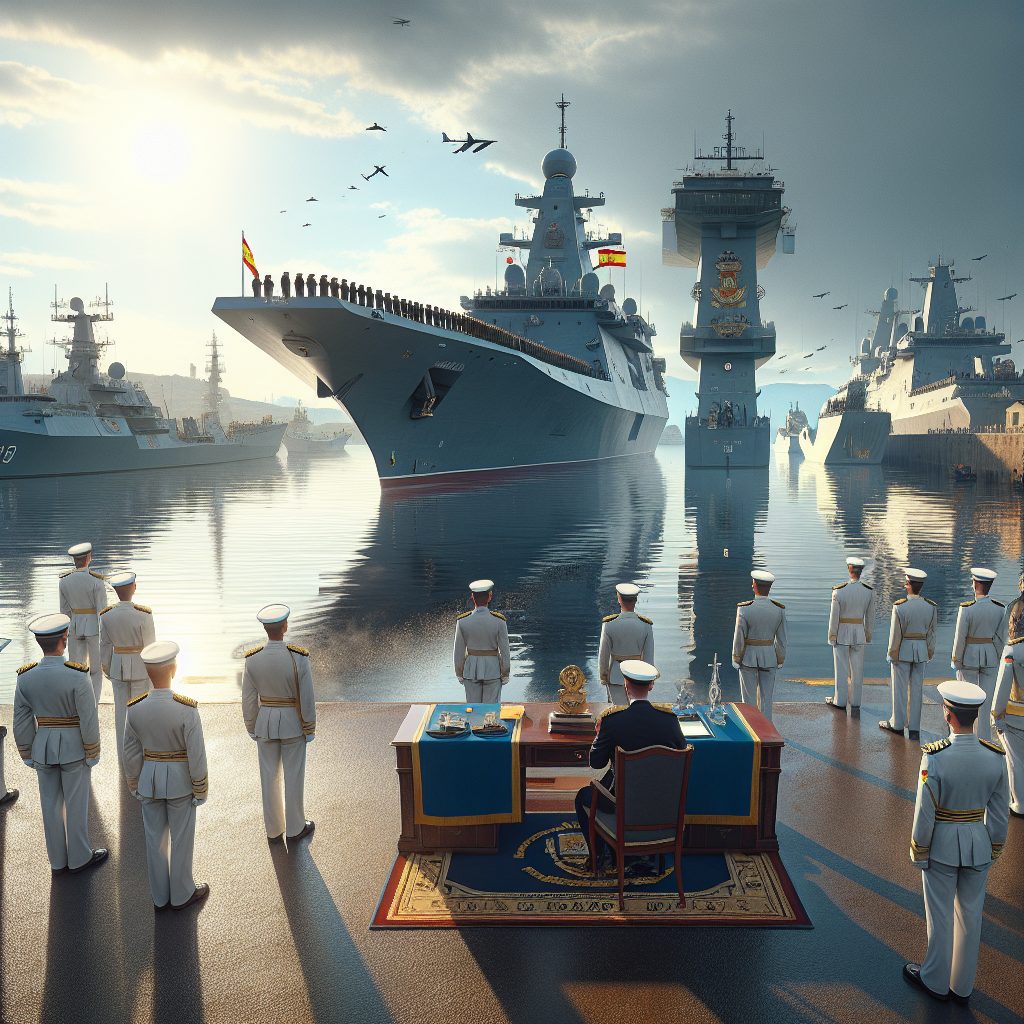
Spain Regains Leadership in Operation EUNAVFOR Atalanta: A Strategic Reinforcement for Maritime Security in the Indian Ocean The role of Spain in global maritime security has been reaffirmed with its recent assumption of command of Operation EUNAVFOR Atalanta, a crucial mission of the European Union to combat piracy in the Indian Ocean and the Red Sea. This effort not only highlights Spain’s strategic capability but also its ongoing commitment to safety and stability in one of the world’s most crucial maritime routes. The Strategic Context of the Operation The Operation Atalanta was established in 2008 in response to the increasing pirate activity threatening maritime traffic in the Horn of Africa. Its main mission is to protect shipments from the World Food Programme and other vulnerable vessels, safeguarding a vital line of international trade. Spain, as an active member of the European Union, has been a key player in this mission from its inception, providing valuable tactical and human resources. The importance of this mission extends beyond the immediate protection of ships. Piracy in the Indian Ocean impacts the entire maritime ecosystem, increasing the cost of trade due to higher insurance premiums and route diversions, thus affecting the global economy. By reassuming command, Spain reaffirms its leadership role in the region, showcasing its ability to coordinate international efforts and develop essential diplomatic relationships for a secure environment. The port of Djibouti was the setting for the recent change of command, where Spanish Rear Admiral Francisco Javier Vázquez Sanz took over the operation from Italian Rear Admiral Davide Da Pozzo. This change of command symbolizes not only continuity in the effort but also a renewal of the strategic focus, with the frigate Navarra as the new flagship. Innovation and Collaboration: Keys to the New Rotation During the 49th rotation, Operation Atalanta conducted a series of patrols and joint exercises of high complexity. Among them, the training with the Indian Navy and the ALDABRA IV exercise with the Seychelles Defence Forces stand out, reinforcing international cooperation in maritime security. These exercises not only enhance the operational capacity of the participating forces but also strengthen necessary strategic alliances for a collaborative approach to maritime threats. The frigate Navarra introduces new technological and tactical capabilities to the operation. State-of-the-art equipment and highly trained personnel ensure more effective patrols, minimizing the risk of pirate attacks. Advanced surveillance systems and rapid response protocols increase the protection of ships and crews. Additionally, the operation goes beyond military actions, incorporating a comprehensive approach that includes collaboration with local authorities and non-governmental organizations. This strategy aims to contribute to regional stability by addressing the root causes of piracy, such as poverty and lack of economic opportunities, through international cooperation and development aid. Reasons for the Relevance of the Operation For maritime professionals and maritime investors, the stability of the routes in the Indian Ocean is crucial. It not only ensures the smooth flow of trade but also reduces operational costs associated with risks and insurance, making investments in the maritime sector more attractive. Furthermore, the operation provides job opportunities for highly skilled personnel, a factor to consider for those seeking new professional adventures in the naval field. For sailors and nautical enthusiasts, this mission represents a reaffirmation of the values of security and international cooperation that make safe voyages and access to new sailing experiences in foreign waters possible. The European presence in the Indian Ocean deters piracy, ensuring that even recreational sailors can enjoy their voyages without major concerns. Finally, the operation is a testament to the commitment of the European Union and its member states to global security and peace. In an increasingly interconnected world, security in one region affects stability in another, and Operation Atalanta is a key example of how international collaboration can achieve significant and lasting changes. Invitation to Participation and Future Perspectives The reinforcement of Operation Atalanta under Spanish command not only represents a milestone in maritime security but is also a clear signal to those interested in entering or advancing in the sector. The mission opens doors to those who wish to contribute their expertise and skills, whether in military capacities or in logistical support and international cooperation roles. We encourage interested professionals to explore these opportunities and consider submitting their resumes to the entities participating in the operation. Looking to the future, the operation continues to face significant challenges, such as the need to adapt to new piracy tactics and the political dynamics in the region. However, the strong foundation established by collaboration between nations and ongoing technological innovations offer an optimistic outlook for the fight against piracy and the promotion of global maritime security. In conclusion, with Operation EUNAVFOR Atalanta under Spanish leadership, the commitment to international peace and security is reinforced, an effort that directly benefits the multiple sectors involved in the maritime field and ensures the smoothness and security of one of the most vital routes for global trade.
Trends and Challenges in Maritime Law Explored at the National Congress of the AEDM 2025 in Madrid
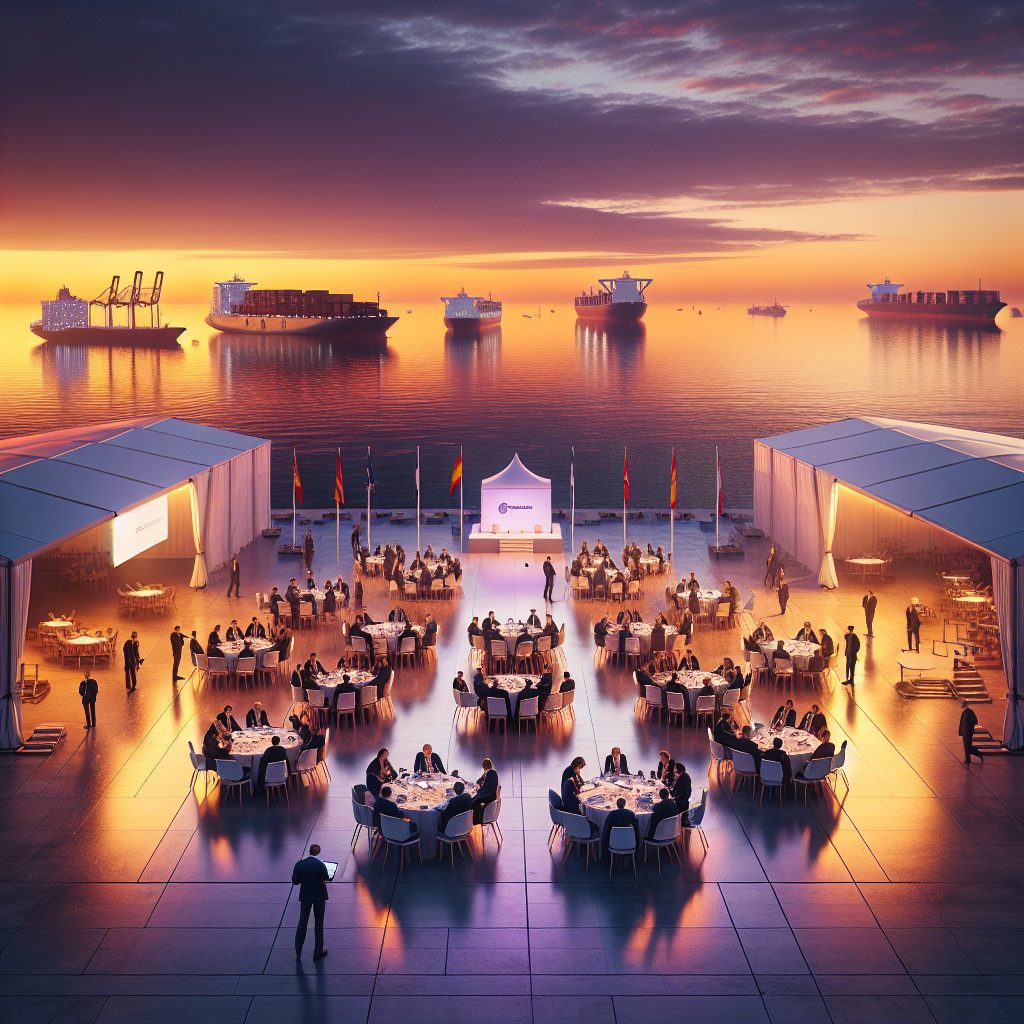
Trends and Challenges in Maritime Law Explored at the National Congress of the AEDM 2025 in Madrid The National Congress of the Spanish Association of Maritime Law (AEDM) in 2025, held in Madrid, was a crucial forum for discussing current trends, challenges, and opportunities in the maritime sector. Under the theme “Maritime Compass: Rules, Risks, and Sustainability,” the event brought together legal and maritime experts from around the world, presenting lectures and roundtable discussions that addressed everything from Lex Maritima to environmental sustainability. Legal Trends in Maritime Law: Lex Maritima One of the central topics of the congress was the introduction of the principles of “Lex Maritima,” a set of standards adopted by the Assembly of the Comité Maritime International (CMI) in Tokyo. These principles are essential for standardizing legal practices in the international maritime sphere, aiming to harmonize regulations across different jurisdictions. Lex Maritima tackles critical issues such as arbitration and mediation in maritime disputes, areas of increasing importance given the globalization of maritime trade. Arbitration and Mediation in Maritime Law Standardization of Legal Practices Globalization of Maritime Trade Industry professionals emphasized the need to implement these principles to facilitate regulatory compliance and resolve conflicts more efficiently. For merchant navy professionals, understanding Lex Maritima is not only an essential working tool but also a professional development opportunity. Shipping companies and specialized law firms can find in these principles a guide to improving their practices and reducing legal risks. The EU Emissions Trading System for Maritime Transport Another relevant topic was the application of the European Union Emissions Trading System (EU ETS) to maritime transport. This approach aims to reduce greenhouse gas emissions from the sector, in line with global climate goals. Moderated by Elena Seco, the roundtable discussion on this topic highlighted both the achievements and challenges faced by the sector. EU Emissions Trading System (EU ETS) Greenhouse Gas Emissions Reduction Technological Innovation for Sustainability Participants such as Juan José Ferrer from Marflet Marine and Ramón Piñeiro from Oceanglobe emphasized the importance of technological innovation in achieving sustainability goals. For maritime investors, the EU ETS offers new business opportunities, incentivizing the adoption of clean technologies. Meanwhile, for sailors, understanding these regulations can offer advantages in regulatory compliance and operational adaptation to new environmental demands. Professional Opportunities and Sustainability in the Future of Maritime The closing of the congress, led by Julio Fuentes and Carlos López-Quiroga, summarized key discussions and underscored the importance of international cooperation in maritime regulation. They thanked the participants for their involvement and highlighted ongoing regulatory projects. International Cooperation in Maritime Regulation Professional Networking and Job Opportunities Impact of Maritime Sector on Global Economy The event was not only a knowledge-sharing space but also a platform to create professional networks and explore new job opportunities in the maritime field. With the sector’s continuous growth and impact on the global economy, multiple perspectives emerge for those interested in careers within this industry. In summary, the National Congress of the AEDM 2025 in Madrid was a milestone for maritime legal professionals, sailors, and all individuals interested in the dynamics of the sector. Innovation and sustainability are established as fundamental pillars for the future, offering participants valuable tools to tackle the challenges of an increasingly interconnected and sustainable world. The coverage of relevant and cutting-edge topics makes this congress a reference event, inspiring attendees to bring these discussions to their respective fields of work and explore the possibilities of a more regulated, safe, and environmentally responsible maritime future.
The Role of Anthony Richards in the Transformation of Starboard Group
The Role of Anthony Richards in the Transformation of Starboard Group The maritime industry is constantly evolving, and it is crucial to stay informed about the changes and innovations that can redefine the sector. A piece of news that has caught the attention of professionals and enthusiasts is the recent appointment of Anthony Richards as Vice President of Retail Experience and Sales Optimization at Starboard Group. This strategic move presents new opportunities and perspectives for sailors and maritime investors. With a vast background in retail sales, Anthony Richards brings unparalleled experience to the Starboard Group team. It is expected that his leadership will drive a significant transformation in how the company approaches customer experience and optimizes its sales processes for nautical and maritime products. This strategy will benefit not only end customers but also other stakeholders in the sector, from suppliers to retailers. Recognized for prioritizing customer satisfaction Focus on personalization and attention to detail Innovative approach to sales optimization Richards’ addition reflects Starboard Group’s commitment to innovation and continuous improvement, which could translate into new trade routes and more opportunities for maritime professionals. Those interested in being part of this transformation may consider submitting their resumes to Starboard Group, as the company may be looking to expand its team to tackle this new challenge. The Relevance of Technological Innovations in the Nautical Sector The adoption of advanced technologies is a fundamental pillar in Richards’ plan for Starboard Group. The implementation of digital tools not only optimizes internal operations but also enhances the customer experience, facilitating interaction and access to services. In a world where digitization is key, this move positions Starboard Group at the forefront of market trends. Integration of artificial intelligence for personalized offers Expansion of global reach through robust e-commerce solutions One emerging technology that could be integrated into Richards’ strategy is the use of artificial intelligence to personalize offers and predict consumer trends. Such personalization will not only improve customer satisfaction but also increase sales by directing the right product to the right customer at the right time. Additionally, the incorporation of robust e-commerce solutions will allow the company to expand its global reach, providing consumers with access to high-quality nautical products regardless of their geographic location. The Impact of Sales Optimization on the Maritime Industry Effective sales optimization is crucial for any company looking to remain competitive in a constantly evolving market. With Richards at the helm, Starboard Group plans to implement methodologies that improve operational efficiency and reduce unnecessary costs, ultimately benefiting both the company and its customers. Focus on agile and customer-centric sales practices Enhancement of customer loyalty through improved retail experiences By integrating more agile and customer-focused sales practices, Richards aims not only to increase profitability but also to strengthen relationships with existing customers and attract new followers to the brand. This approach is particularly valuable in the maritime sector, where customer loyalty can be defined by the quality of retail experiences. Reasons to Keep an Eye on Starboard Group’s Development First and foremost, the transformation led by Richards could open up new job opportunities for professionals in the nautical sector interested in working for an innovative company that seeks to redefine excellence in customer experience. Submitting a resume to Starboard Group could be the first step towards an exciting career filled with constructive challenges. Innovative technological advancements implemented by Starboard Group will set a precedent in the industry, encouraging other stakeholders to follow suit and seek ways to integrate technology into their business models. This will benefit not only consumers but also investors interested in supporting companies that lead change in the maritime sector. Lastly, the focus on sales optimization and improving customer satisfaction highlights the importance of adapting to changing consumer needs. Companies that can understand and anticipate these needs will have a significant competitive advantage, underscoring the relevance of this strategic move. Conclusion Anthony Richards’ appointment as Vice President of Retail Experience and Sales Optimization at Starboard Group marks an exciting chapter in the maritime industry. His innovative and strategic approach not only promises to transform retail experience but also opens up a world of opportunities for industry professionals and consumers. For those looking to explore more about the possibilities offered by this new direction of Starboard Group, conducting in-depth research on emerging technologies and customer-centric sales practices can provide valuable insights on how to prepare for the future of the nautical sector. This news highlights the importance of staying up to date with trends and developments that redefine the maritime industry, inviting both professionals and enthusiasts to be actively involved in this transformation.
The Whitchampion: Pioneering Maritime Innovation in Biofuel Transport (FAME B100)
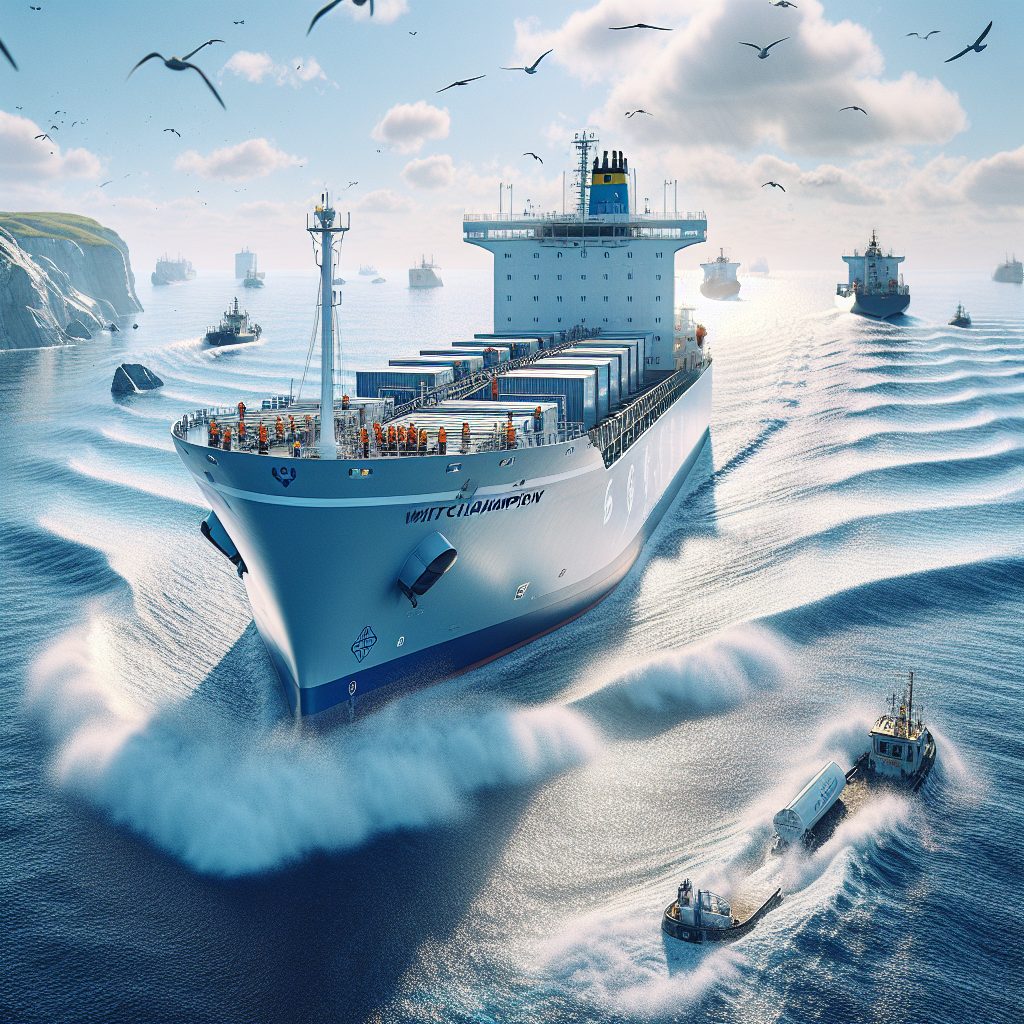
The Whitchampion: Pioneering Maritime Innovation in Biofuel Transport (FAME B100) In a groundbreaking event that could redefine the future of maritime transport, Lloyd’s Register (LR) has awarded certification for the first time to a product tanker for the loading, transport, and blending of fatty acid methyl esters (FAME B100). This milestone, achieved by the vessel Whitchampion, represents an innovative solution to reduce carbon footprint in the sector. The regulatory framework that made this certification possible is the result of a tripartite agreement between the Isle of Man flag, the UK Maritime and Coastguard Agency (UKMCA), and LR. This agreement allows the Whitchampion to operate in UK coastal waters, carrying out blends of biofuels with petroleum distillates and residual fuels. Up to this point, tankers certified under MARPOL Annex I had significant limitations, only being able to carry blends with a maximum content of 30% FAME. This advancement signifies a paradigm shift in maritime transport, enabling conventional fleets to actively participate in the energy transition. The Certification Process: Risk Analysis and Exemptions The certification of the Whitchampion was not a simple process. For months, the vessel underwent a comprehensive GAP analysis and subsequent risk assessment. These analyses were essential to ensure that the Whitchampion operates safely and efficiently, without being limited by the requirements of a chemical tanker. Obtaining regulatory exemptions is one of the most significant achievements of the Whitchampion. These exemptions allow the vessel to operate without the usual restrictions imposed on most tankers, highlighting its ability to adapt to the demands of the new era of biofuels. Tim Wilson, responsible for fuels and emissions at Lloyd’s Register, emphasized the importance of this certification by stating that “it sets a clear model to follow for adapting the fleet without the need for large investments.” This demonstrates that existing fleets can be retrofitted to take on crucial roles in the transition to cleaner and more sustainable fuels. Environmental Impact and Job Opportunities The certification of the Whitchampion sets an encouraging precedent for the global maritime industry. By facilitating the transport of advanced biofuels, this vessel significantly contributes to meeting environmental goals, reducing carbon emissions, and promoting the use of clean energy. In addition to environmental benefits, this innovation opens up new job opportunities within the maritime sector. With the growing demand for biofuels, the industry will need trained professionals to handle new technologies and processes. For merchant navy professionals and sailors, this advancement presents an opportunity to specialize in new areas of maritime transport. Companies involved in these initiatives, such as the UKMCA and fleet operators, are actively seeking experts who can contribute to this transformation. Future Implications and Technological Development The success of the Whitchampion could inspire other companies and operators to follow suit, promoting systemic change in the industry. This case demonstrates the economic and technical viability of adapting existing vessels without the need for costly replacements or extensive modifications. Furthermore, the successful implementation of this project could stimulate future technological developments in the industry. From new blending and biofuel transport techniques to improvements in the energy efficiency of maritime engines, the opportunities for innovation are abundant. For maritime investors and nautical enthusiasts, this initiative highlights the importance of staying informed about the latest developments and emerging technologies. Participating in cutting-edge projects like this can provide a significant competitive advantage in a sector moving towards more sustainable practices. Conclusions: The Relevance of Biofuels in the Maritime Sector The progress achieved with the Whitchampion is a testament to the potential of biofuels to transform maritime transport. They offer a viable alternative to traditional fossil fuels, aligning with global sustainability goals and carbon emission reduction. For readers of WishToSail.com, this development is relevant for several reasons. Firstly, it represents a leadership opportunity for those looking to advance in the field of sustainable maritime transport. Secondly, it offers investment options in new technologies and processes that could have a positive impact on the global economy and the sector. Finally, it underscores the urgent need to adapt to new environmental regulations that will continue to shape the future of the industry. In conclusion, the certification of the Whitchampion is not only a technical and regulatory achievement but also an inspiration to continue innovating and working towards a cleaner and more efficient future in maritime transport.
Financial and Technological Innovations in the Maritime Industry: A Future Analysis Through Travel + Leisure Co.
Financial and Technological Innovations in the Maritime Industry: A Future Analysis Through Travel + Leisure Co. Travel + Leisure Co. Overview in the Maritime Sector Travel + Leisure Co. (NYSE: TNL) has recently released its financial results for the second quarter of 2025, providing a significant opportunity to analyze its impact on the maritime sector. This company, renowned globally for its focus on tourism and leisure, is expanding its influence in the nautical field and offering insights into crucial trends in the maritime industry. The financial results will be presented on July 23, 2025, by Michael D. Brown, President, and CEO, along with Erik Hoag, Chief Financial Officer. The discussion will revolve around the company’s business outlook and financial performance through a conference call accessible on the company’s website. This event is not only essential for investors but also for professionals and enthusiasts seeking to understand market developments. Access to this information is fundamental for anticipating trends and adaptations in the sector. By studying the financial movements of such an influential company, maritime professionals can identify job and investment opportunities that align with their personal and professional goals. Technological Innovation and its Impact on the Nautical Sector Implementation of autonomous navigation systems Fleet management tools for operational efficiency Enhanced safety measures for a better user experience The foray of Travel + Leisure Co. into the maritime domain is characterized by the integration of innovative technologies that redefine the sailing experience. These technologies are designed to enhance operational efficiency, optimize maritime routes, and provide a safer and more enjoyable experience for users. The incorporation of advanced autonomous navigation systems and fleet management tools promises to transform daily operations for sailors. Not only do these tools allow for precise navigation, but they also minimize the risk of human errors, thereby increasing safety at sea. For professionals in the sector, these technologies represent a dual opportunity: the need for skilled professionals to operate and manage new technologies, and the possibility of developing and participating in projects that aim to integrate these solutions into traditional maritime operations. Impact on Job Opportunities and Investments Expansion into the maritime sector creating new job roles Investment potential based on financial disclosures Opportunities for career development and growth The expansion of Travel + Leisure Co. into the maritime sector not only entails technological innovation but also a range of new job opportunities. Professionals with experience in maritime technology or fleet management can find in this expansion a path towards advancing their careers. Additionally, for maritime investors, the disclosure of financial results and the insights shared during the conference offer valuable information about the company’s growth potential and the sector as a whole. This knowledge could be utilized to make informed investment decisions aligned with emerging market trends. The opportunity to submit resumes to companies like Travel + Leisure Co. is evident. Seeking candidates with navigation technology and fleet management skills is a priority, reflecting the demand for professionals capable of leading and adapting operations to the market’s new innovations. This is a crucial moment for those interested in this industry to seize emerging job opportunities. Reasons for the Relevance of the Financial Report Insight into the economic performance of Travel + Leisure Co. Anticipation of changes in company strategies for maritime professionals Improvements in safety and efficiency for recreational navigation Firstly, the publication of the financial report provides a detailed view of the economic performance of Travel + Leisure Co., essential for understanding its stability and future projection. This is crucial for investors seeking secure and promising options in the maritime sector. Secondly, the financial results and forecasts shared during the conference can indicate changes and adaptations in the company’s strategies, something that merchant navy professionals should observe to anticipate changes in their operational and management methods. Lastly, for nautical enthusiasts, these results and the technological innovation involved can signify a more accessible and exciting future for recreational boating. The enhancements in maritime technology promise a more reliable and enjoyable sailing experience. Conclusion: A Promising Future for the Nautical Sector Analyzing trends and developments presented by companies like Travel + Leisure Co. offers a valuable insight into the future of the maritime sector. The integration of advanced technologies, combined with a strong financial vision, marks a path of growth and sustained development. For professionals, investors, and enthusiasts in the maritime sector, paying attention to these events is crucial to capitalize on the opportunities arising from the technological and economic transformation of the sector. The future of the nautical sector seems promising and full of opportunities for those willing to adapt and lead in an ever-evolving environment. From WishToSail.com, we invite our readers to continue exploring these trends and consider how they can influence their careers and passions. Information is power, and being informed is the key to effectively navigating the ocean of opportunities that lies ahead.
The Revolutionary Advancement of Wildcat in DARPA’s ANCILLARY Program

The Revolutionary Advancement of Wildcat in DARPA’s ANCILLARY Program In a world where technology is advancing exponentially, the maritime sector is not being left behind. One of the most recent innovations, with the potential to transform navigation as we know it, is the advancement of Wildcat in DARPA’s ANCILLARY program. This development not only promises to optimize operations on board but also opens new opportunities for professionals in the sector and nautical enthusiasts. The significance of this advancement lies in its ability to integrate high-performance autonomous systems into vessels, marking a before and after in maritime efficiency. The Wildcat, an aerial vehicle developed by AeroVironment, has achieved significant milestones in the EVADE demonstration of the ANCILLARY program. This program, coordinated by DARPA (Defense Advanced Research Projects Agency), aims to innovate in autonomous maritime capabilities, improving the resilience and adaptability of naval operations. For maritime professionals, the Wildcat represents an effective tool to improve logistics and fleet management. The ability of this vehicle to operate autonomously implies less dependence on human resources in risky situations, resulting in cost reduction and improved onboard safety. Moreover, for maritime investors, this type of technology offers new investment opportunities in the naval sector, guaranteeing a return on investment through efficiency and savings in operations. The ANCILLARY program has focused on integrating effective autonomous capabilities, with Wildcat at the forefront of these developments. This vehicle is not only capable of performing reconnaissance and surveillance tasks but can also identify and address potential threats before they become a problem, which is an invaluable asset for maritime operations. The use of cutting-edge technology in sensors and communication systems allows Wildcat to operate with a level of precision and efficiency that was previously unimaginable. The implementation of these technologies not only has implications for defense and security but also brings benefits for commercial and recreational operations. Improved navigation capabilities Simplified complex operations Enhanced onboard experience Ensured crew safety Furthermore, for nautical enthusiasts, these innovations present a paradigm shift in autonomous navigation and maritime exploration. The possibility for smaller-scale vessels to integrate technologies previously reserved for large-scale operations democratizes access to advanced navigation experiences, allowing more people to explore the sea in novel and exciting ways. Employment and Investment Opportunities in the Maritime Sector The advancement of Wildcat in DARPA’s ANCILLARY program not only showcases technological evolution but also represents a significant opportunity for professional development in the maritime sector. Companies involved in the development and implementation of these technologies are constantly seeking skilled talent to contribute to the advancement of this maritime revolution. Professionals in naval engineering, telecommunications, and autonomous systems have a new path to apply their knowledge in a constantly evolving field. For those looking to diversify their investments, the maritime sector and emerging autonomous technologies provide a fertile ground for economic growth. Investing in projects like Wildcat not only promises potential returns but also allows investors to be part of a transformative change in the way we operate at sea. The integration of these technologies into commercial fleets can significantly reduce operating costs, increase efficiency, and ultimately improve profit margins. In conclusion, the advancement of Wildcat in DARPA’s ANCILLARY program is more than just a technological achievement; it is a catalyst for change in the maritime sector. It invites professionals to consider new job opportunities and the public to rethink the future of navigation. Those interested in participating in this technological revolution now have the opportunity to submit their CVs to leading companies in the development of these innovations and be part of a future where the sea is more accessible, safe, and efficient than ever before.