


The Technological Revolution in the Maritime Industry

The Technological Revolution in the Maritime Industry The maritime industry is undergoing a technological revolution that promises to transform the way we operate on the oceans. From automation to artificial intelligence, these innovations are setting a new standard for efficiency and sustainability in the sector. Professionals in the maritime industry must stay abreast of these trends to avoid falling behind in an increasingly competitive market. Drones for surveillance and maintenance of ships Smart sensors in ship hulls for real-time information Artificial intelligence for route optimization One of the most notable innovations is the use of drones for the surveillance and maintenance of ships. These unmanned devices allow constant monitoring without the need for direct human intervention, minimizing risks and optimizing resources. Furthermore, the inclusion of smart sensors in ship hulls provides real-time information about the vessel’s condition, enabling effective preventive maintenance and reducing downtime. On the other hand, artificial intelligence is being applied to optimize maritime routes. Advanced algorithms analyze large amounts of data to determine the most efficient routes, taking into account variables such as weather, maritime traffic, and fuel consumption. These tools not only reduce costs but also help mitigate the environmental impact of maritime operations. New Maritime Routes: Challenges and Opportunities With the thawing of Arctic regions, new maritime routes are emerging, offering faster alternatives between the Atlantic and the Pacific. These routes promise to significantly reduce transit time and fuel consumption for many international trips. However, access to these new routes poses challenges, such as the need for vessels designed to operate in extreme conditions and the management of navigation in ecologically sensitive areas. The opening of these routes has generated a surge of interest from shipping companies, driving investments in specialized ships and cutting-edge technology to face the adverse conditions of the Arctic. For industry professionals, this expansion represents an opportunity for growth and skills development in unique and challenging environments. Investing in specialized ships for Arctic navigation Opportunities for growth and career development in new maritime routes Increased efficiency in global supply chains Companies are seeking skilled personnel to navigate these new routes, opening doors to new jobs and careers in the industry. For maritime investors, these routes offer a strategic appeal. The reduction in days at sea decreases operating costs and allows for quicker turnover of cargo, increasing the efficiency of global supply chains. Investing in this area can be highly profitable in the coming years as the demand for maritime transportation continues to grow. Future Ships: Innovation in Design and Sustainability In naval design, advances are focusing on creating safer and more sustainable ships. Companies worldwide are developing prototypes of vessels that operate entirely on renewable energy, including solar sails and hybrid propulsion systems. These new designs aim not only to minimize environmental impact but also to maximize operational efficiency. Electric propulsion technology is gaining ground, especially in small and medium-sized vessels. The use of lithium batteries and hybrid systems allows ships to operate with a reduced carbon footprint, complying with increasingly strict environmental regulations. These advances not only represent an improvement in sustainability but also a reduction in long-term operating costs. Development of ships powered by renewable energy sources Advantages of electric propulsion in reducing carbon footprint Benefits of using composite materials for lighter and stronger ships Furthermore, innovations in composite materials are leading to lighter and more resistant ships. These materials not only extend the lifespan of vessels but also improve their performance on the water. Naval design and shipbuilding professionals must familiarize themselves with these technologies to remain competitive in a market that increasingly values efficiency and sustainability. Relevance for Professionals and Enthusiasts in the Maritime Sector For maritime professionals, staying informed about these technologies means being prepared for a future that demands more efficiency and sustainability. Understanding and adapting to industry innovations can be crucial for career advancement and securing a place in companies leading these developments. For maritime investors, these transformations offer new opportunities to capitalize on emerging technologies and trade routes. Investing in innovation is not only a commitment to a greener future but also a strategy that can result in significant economic returns. For nautical enthusiasts, these trends represent an opportunity to explore new ways of enjoying sailing. The adoption of green technologies not only enhances the sailing experience but also contributes to the preservation of the oceans, ensuring that future generations can enjoy this pastime. Conclusion: A Promising Future The maritime industry is on the brink of a significant transformation, driven by technology and sustainability. Whether you are a professional seeking new job opportunities, an investor looking for the next trends, or a sailing enthusiast eager for innovation, these advancements offer a promising future and endless possibilities.
Increasing Alertness: Strategies and Challenges for Navigation in the Strait of Hormuz

Increasing Alertness: Strategies and Challenges for Navigation in the Strait of Hormuz In the midst of escalating geopolitical tensions, the Joint Maritime Information Center (JMIC) and UK Maritime Trade Operations (UKMTO) have recently raised the threat level for commercial navigation to “significant” in the strategic Strait of Hormuz. This region, vital for international transit of oil and gas, faces a more challenging environment due to potential Iranian attacks and electronic warfare tactics. The waters of the Persian Gulf and the Gulf of Oman are now a focal point for shipowners and ship operators, who must adapt to an increasingly complex security scenario. The current situation not only affects major players in the merchant navy but also investors and maritime sector enthusiasts, who see the stability of commercial routes at stake. The port of Fujairah, a key point in the United Arab Emirates, could be severely affected by possible straits closures. This highlights the importance of collaborative strategies and rapid technological adaptations to mitigate associated risks and maintain commercial flow. Geopolitical and Technical Context of the Strait of Hormuz The Strait of Hormuz is a critical chokepoint through which a significant amount of global oil and gas supplies pass. Recent tensions in the region have raised concerns about the safety of commercial shipping. The involvement of the JMIC and UKMTO underscores the seriousness of the situation. Innovations and Technical Adaptations to Face New Threats The use of drones, missiles, and electronic warfare tactics poses challenges for navigation. Maintaining the Automatic Identification System (AIS) active is crucial despite electronic interference. The combination of modern techniques with traditional navigation skills is essential in this evolving maritime landscape. Impact on the Marketing and Economy of the Sector A decrease in merchant ship traffic reflects growing caution among shipowners. This decline not only affects the movement of goods but also has global economic implications. The need for more robust and specific insurance policies has intensified in the maritime insurance market. Recommendations and Security Strategies for Navigators Maintaining active AIS and following supervised naval coalition routes are recommended. Conducting risk assessments before voyages and engaging in constant communication with international maritime operation centers are essential. Preparing contingency plans for crew welfare and emergency response is crucial in volatile environments. Conclusions and Future Perspectives The increased threat level in the Strait of Hormuz highlights the need for technological adaptation and enhanced security measures in modern navigation. Professionals in the maritime sector face challenges and opportunities to innovate and lead in a volatile global context. Staying informed and prepared for changes is crucial for all stakeholders in the maritime industry.
Opportunities and Innovations in the 2025 Strait of Gibraltar Operation: A Boost for the Maritime Sector

Opportunities and Innovations in the 2025 Strait of Gibraltar Operation: A Boost for the Maritime Sector The 2025 Strait of Gibraltar Operation (OPE) is already underway and is projected to be one of the busiest in recent years. Civil Protection has estimated a 5% increase in the number of vehicles and a 4% increase in the number of passengers compared to the previous year. This increase challenges shipping companies to improve not only their services but also to implement technological innovations that optimize traffic management on one of the world’s busiest routes. The potential increase in traffic is an opportunity for shipping companies to strengthen their operations by adopting cutting-edge technologies. From advanced maritime traffic management systems to improving the energy efficiency of ships, companies have a wide range of options to adapt to this challenge. This adaptability not only translates into a more efficient and safer service but can also mean significant cost savings in operating expenses. Advanced maritime traffic management systems Improvements in energy efficiency For professionals in the merchant navy, this scenario of growth represents a considerable job opportunity. Shipping companies such as Baleària, Armas Trasmediterránea, and DFDS are expanding their operations, hiring more personnel to meet the growing demand. This is excellent news for sailors, engineers, and technicians looking to advance their careers in the sector. Baleària: Expansion and New Routes Baleària, one of the main shipping companies involved in the OPE, has set a record by offering 34 daily connections, with ten standout vessels including ferries and fast ferries. The main novelty is the implementation of a route between Tarifa and the Moroccan city of Tangier, offering up to twelve daily connections with high-speed vessels. This expansion not only improves connectivity between Europe and Africa but also lays the groundwork for a more fluid economic and cultural exchange. Baleària’s fleet is not only impressive in number but also in technology. The company has invested in faster and more efficient vessels, with a focus on sustainability. Use of less polluting fuels Incorporation of advanced navigation technologies This strategy not only benefits the environment but also reinforces Baleària’s image as a leader in innovation within the maritime sector. With over 300 new professionals hired to manage these routes, Baleària is generating employment opportunities in the nautical sector, both in southern Spain and northern Africa. Armas Trasmediterránea: Logistics and Large-Scale Capacity Armas Trasmediterránea is prepared to manage more than 3,200 departures during the OPE period, offering two million passenger seats and 600,000 vehicle spaces. This massive operational capacity requires not only precise logistical planning but also a well-prepared human team, consisting of more than 600 people dedicated exclusively to this campaign. The company has focused on optimizing its logistics chain, implementing more efficient management systems that allow for quick adaptation to changing maritime traffic circumstances. These systems not only improve the passenger experience but also ensure a constant and safe flow of vehicular traffic in ports, minimizing waiting times and facilitating agile exchanges between continents. Precise logistical planning Efficient management systems Oscar Martínez, corporate commercial director of Armas Trasmediterránea, has highlighted that one of his main objectives is to match the passenger figures from the previous year, reflecting a constant focus on operational excellence. Technological improvements in route management also represent an opportunity for maritime investors to explore new business areas, given the sustained growth in traffic between Europe and Africa. DFDS: Continuous Rotation and Specialized Services DFDS focuses on a high-frequency service between Algeciras and Tanger Med, operating vessels with continuous rotations 24 hours a day. This type of operation guarantees flexibility for travelers, allowing for smooth traffic flow and reducing congestion at boarding points. The Kattegat and Tanger Express vessels are the heart of this operation, offering a service that combines speed and efficiency. To enhance the user experience, DFDS has implemented specialized services that cater to the cultural and religious needs of passengers. Arabic and French-speaking passenger assistants Halal dining options Dedicated prayer spaces These elements not only improve passenger comfort but also foster an inclusive and respectful environment on board. Such measures are not only an example of how shipping companies can adapt their offerings to meet the specific needs of their customers but also represent an attractive business opportunity for maritime investors interested in diversifying their portfolio, taking advantage of the growing traffic between Europe and Africa. Relevance for the Maritime and Nautical Sector The constant increase in the flow of vehicles and passengers in the 2025 OPE highlights the importance of innovation in the maritime sector. With the technological advances implemented by shipping companies, new regulations are being established that improve not only the operational efficiency of companies but also set a sustainable standard for the future. For professionals in the merchant navy, this development offers multiple job opportunities in an international context that requires specialized skills and adaptability. As shipping companies expand their routes and services, the sector demands a greater number of qualified sailors, technicians, and engineers, offering fertile ground for professional growth. The Strait of Gibraltar Operation is not only a test of endurance for shipping companies but also an illustration of intercultural cooperation and economic exchange between continents. For investors, this dynamic represents an emerging business area that promises significant returns in a market with a high potential for growth.
The Rise of Passenger Traffic vs. the Decline in Cargo in British Ports: Opportunities and Challenges for the Maritime Sector
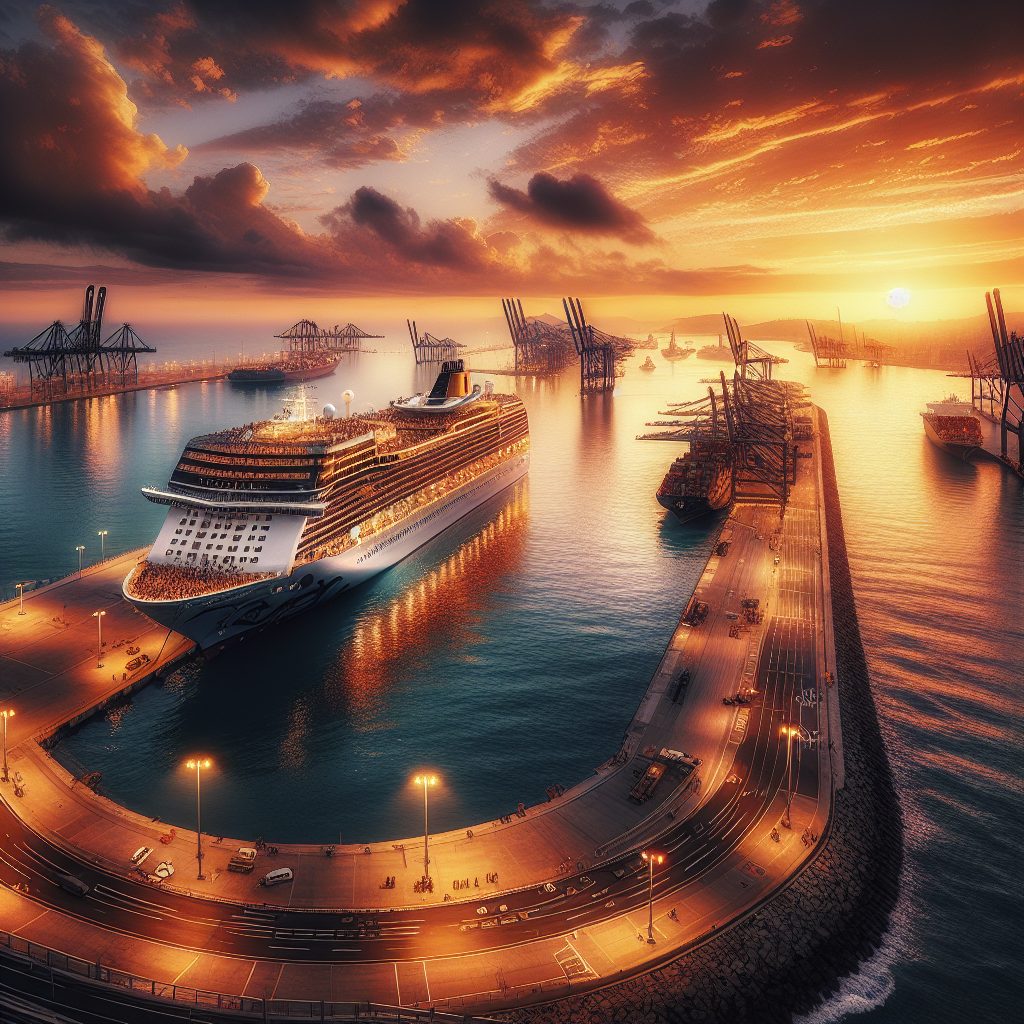
The Rise of Passenger Traffic vs. the Decline in Cargo in British Ports: Opportunities and Challenges for the Maritime Sector Introduction: A Dual Balance in the Maritime Sector Maritime traffic in British ports presents an interesting duality between the increase in passengers and the decline in cargo. This phenomenon, evident in the data reported between January and May 2025, suggests a shift in the dynamics of the maritime sector that professionals in the field must analyze. According to statistics from Ports of the UK, during this period, nearly 230 million tons of goods were moved, reflecting a year-on-year decrease of 2.7%. Despite this decrease in goods, regular passenger traffic recorded a significant increase, totaling 8.9 million passengers, representing a 4.2% increase compared to the same period the previous year. The total number reached 14 million passengers when including cruise passengers, which is a 10.2% growth from 2024. This upturn in passenger traffic is a sign of recovery after setbacks in previous years and opens the door to new opportunities for the sector. In this context, it is crucial for maritime sector professionals to understand the implications of these changes, as well as explore new strategies to adapt to emerging trends. Both traders and transport operators may be affected by these changes, raising questions about the best practices to capitalize on the rise in passenger traffic while mitigating the effects of the decline in cargo movement. Analysis of Cargo Movement: Causes and Consequences The decrease in cargo traffic, which is a fundamental pillar of the maritime economy, has been influenced by several factors. Liquid bulk cargoes, for example, decreased by 4.4%, mainly due to the drop in the transport of fuel oil and crude, with decreases of 38% and 11.3% respectively. This decline in bulk cargoes, both liquid and solid, not only has economic repercussions but also requires a reassessment of logistical and commercial strategies. Another aspect to consider is the behavior of general cargo, which, despite remaining stable overall, showed significant internal differences. While conventional cargo experienced a slight increase of 2.6%, container transport saw a decrease of 1.7%. This decrease in cargo traffic could have long-term effects on the national maritime economy, affecting not only transport operators but also investors and the entire supply chain. Therefore, the development of resilient strategies that allow the sector to adapt to these fluctuations and capitalize on growing market segments is necessary. The Resurgence of Passenger Traffic: A Ray of Hope The growth in passenger traffic is promising news for the sector. The 22.5% increase in cruise traffic is particularly notable, suggesting a recovery in maritime tourism and a new vitality in ferry services. This increase not only offers business opportunities but also drives job creation in the maritime sector. For shipping companies and tour operators, this increase in passenger traffic represents an opportunity to expand their service offerings, improve the customer experience, and explore new maritime routes. Furthermore, the growing demand for passenger services can stimulate investments in port infrastructure, improving the ports’ capacity to handle higher traffic volumes. From a job perspective, the boom in passenger traffic can translate into the creation of jobs both on board and on land. Companies in the sector are encouraged to take advantage of this trend by optimizing their talent selection and retention processes. We encourage those interested in this industry to submit their CVs to expanding shipping companies, as it is a favorable time to be part of this resurgence in passenger traffic. Technological Opportunities and Adaptation Strategies In the current landscape, technology emerges as an invaluable ally in addressing the challenges and opportunities in the maritime sector. Digitalization and the use of emerging technologies such as the Internet of Things (IoT) and artificial intelligence can optimize the operational efficiency of ports, improving traffic management and predictive maintenance of infrastructure. The implementation of cloud-based fleet management systems can improve the safety and punctuality of passenger services, thus enhancing customer satisfaction. Finally, it is vital for stakeholders in the maritime sector to explore strategic collaborations to make the most of the opportunities presented by new technologies. Looking to the future, the integration of sustainable practices in maritime operations and the use of alternative fuels are also key areas for growth and innovation. Conclusions: A Promising yet Challenging Future In summary, the British maritime sector is at a turning point, where diverging trends in cargo and passenger traffic present both challenges and opportunities. For sector professionals, the key will be to integrate innovative strategies that allow them to adapt and thrive in this changing environment. Adaptability and proactivity will be essential to capitalize on areas of growth like passenger traffic and mitigate the impact of the decline in cargo loads. This approach will not only enable sector companies to remain competitive but also ensure sustainable long-term development, benefiting all stakeholders involved.
The Innovation in Marine Wind Energy: The Inauguration of the ECO Liberty and Its Impact on the Industry
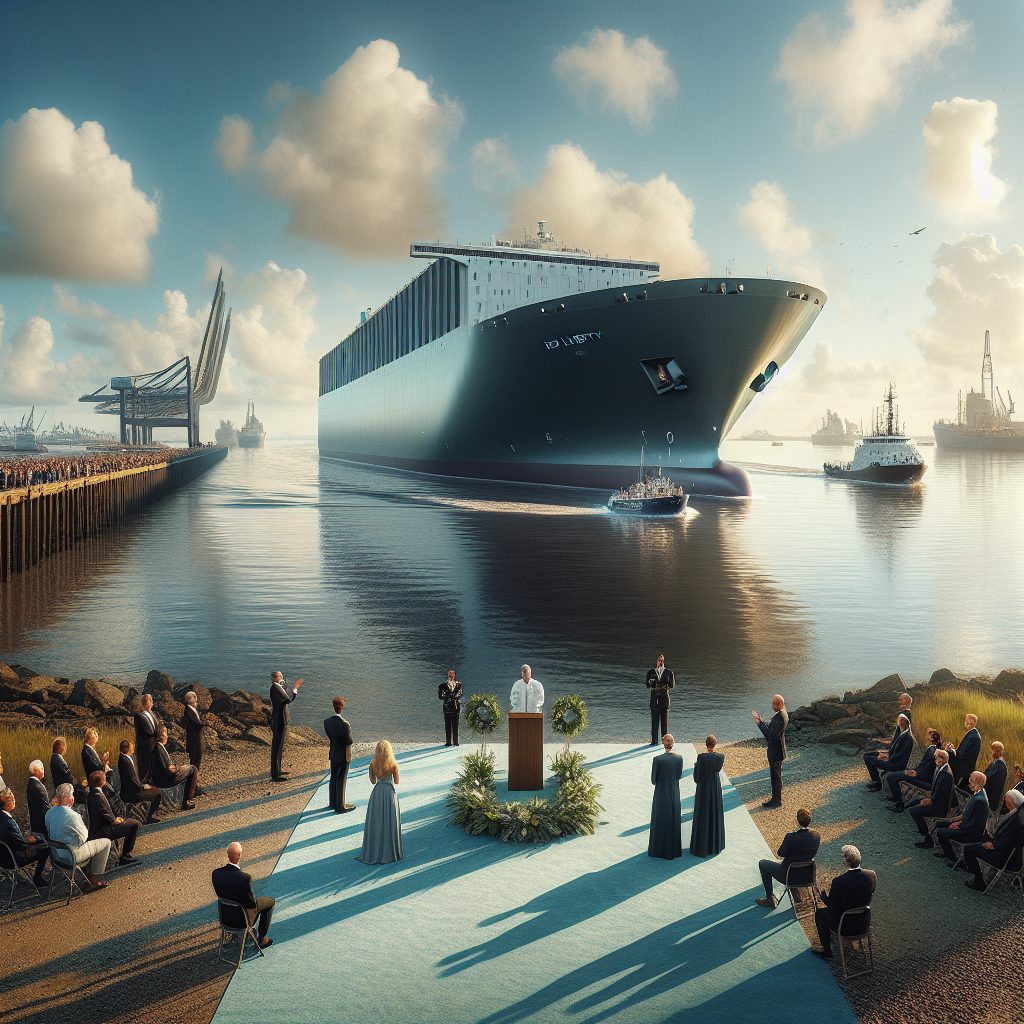
The Innovation in Marine Wind Energy: The Inauguration of the ECO Liberty and Its Impact on the Industry On the 28th of June, the port of New Orleans witnessed a significant event for the maritime and energy industry in the United States. The christening ceremony of the ECO Liberty, a Service Operations Vessel (SOV), marked a new milestone in the development of offshore wind projects in the country. This American-made vessel highlights the growing role that the Gulf Coast region is playing in supporting these innovative projects. The ECO Liberty was built by over 500 workers in Louisiana, showcasing the labor and economic potential that the marine wind industry can offer to local communities. The ceremony was attended by the Governor of Louisiana, Jeff Landry, along with the First Lady, Sharon Landry, and representatives from Edison Chouest Offshore, the hosting company of the event. Equinor, the developer of Empire Wind 1, is in charge of this project, which promises to be a game-changer in renewable energy production in the Atlantic. This event not only emphasizes the importance of marine wind energy for the energy diversification of the United States but also opens up a range of job and economic opportunities for professionals in the maritime and nautical sector. The Technological Revolution of the ECO Liberty The ECO Liberty is not just any SOV; it represents a crucial advancement in technology and design for the maritime sector. This vessel is equipped with the latest technological innovations to facilitate maintenance operations in offshore wind farms, enhancing operational efficiency and mission safety. Its design has been optimized to minimize environmental impact, reducing carbon emissions and contributing to the sustainability of the Empire Wind 1 project. Advanced technology for maintenance operations in wind farms Efficient navigation and automation systems Reduced environmental impact and carbon emissions Furthermore, the vessel features advanced navigation and automation systems that enable more efficient operation, reducing downtime and maximizing responsiveness to adverse weather conditions. These technological improvements not only benefit current operations but also set a new standard in SOV construction, projecting the United States as an emerging leader in the marine wind industry. For professionals in the sector, the ECO Liberty serves as a case study in the application of cutting-edge technology in the maritime field. Engineers, technicians, and operators can learn from this model to implement improvements in their own projects, amplifying the value that this vessel offers both locally and globally. Impact and Opportunities for the Gulf Coast Region The inauguration of the ECO Liberty has been a catalyst for the Gulf Coast region, which is shaping up to be a hub for the manufacturing and support of offshore wind projects in the United States. The economic impact of this project is significant, having generated hundreds of direct and indirect jobs, stimulating the growth of local economies and strengthening the industrial fabric of the region. Hub for offshore wind project manufacturing and support Significant job creation and economic growth Strengthening of local economies and industry For maritime investors, the expansion of marine wind energy represents an attractive investment opportunity. With the support of projects like Empire Wind 1, the Gulf Coast is positioned to be a leader in renewable energy production. Moreover, investments in infrastructure and technology accompanying these projects can translate into substantial returns in the medium to long term. For nautical enthusiasts, the ECO Liberty symbolizes progress towards a more sustainable and technologically advanced future. The opportunity to participate in such initiatives, whether through new job opportunities or involvement in innovation projects, offers a way to actively contribute to the development of renewable energy and the protection of the marine environment. Relevance for the Sector and Future Perspectives For merchant marine professionals, the launch of the ECO Liberty is a call for innovation and adaptation in an ever-evolving sector. The adoption of new technologies is essential to remain competitive, and the success of this vessel could lay the groundwork for future developments in the design and operation of service vessels in the marine wind industry. Innovation and adaptation in the merchant marine sector Adoption of new technologies for competitive advantage Foundation for future developments in marine wind industry vessels Additionally, sailors find in this news not only a source of inspiration but also a motivation to explore new routes and opportunities. The resilience and adaptability demonstrated by the sector are examples of how challenges can be turned into opportunities to exceed expectations and expand horizons. Finally, this project highlights the importance of collaboration among governments, companies, and communities to achieve common goals in favor of a more sustainable future. Marine wind energy not only helps diversify energy sources but also drives economic growth and creates job opportunities. Through initiatives like the ECO Liberty, a world is envisioned where innovation and sustainability go hand in hand, opening a new chapter for the international maritime industry. For those interested in exploring more about this topic or considering a career in this promising sector, the doors are open. The companies involved are constantly seeking innovative talent committed to the future of renewable energy.
The Significance of Maritime Law in Transport Accidents: The Werner Enterprises Case

The Significance of Maritime Law in Transport Accidents: The Werner Enterprises Case In a landmark ruling that has captured the attention of the transportation and logistics industry, the Texas Supreme Court has overturned a $90 million verdict against Werner Enterprises, Inc., a prominent company in the transportation and logistics sector. This case revolves around a tragic accident that occurred in Texas in 2014, where a vehicle travelling in the wrong direction lost control and collided with a Werner truck. The 2018 judgment had sentenced the transport company to pay a significant sum, but recently the court ruled in favor of Werner, thereby overturning the previous verdict. This development is not only significant for Werner Enterprises but also sets an important precedent in the realm of legal liability in transportation incidents. The implications of this case are wide-ranging, affecting both maritime and land transport operators, who must be aware of how judicial decisions can influence their daily operations. The verdict raises crucial questions about the responsibility and legal obligations of transport companies, especially in situations where external factors, such as road conditions, play a decisive role in accidents. This article explores the legal and practical ramifications of this case for professionals in the maritime and nautical sector and why understanding legal nuances in their work environment is essential. The Importance of Legal Knowledge in Transportation For professionals in the merchant navy and nautical operators, understanding the legal implications of an accident is crucial. Safety and regulatory compliance are fundamental aspects that accompany every maritime operation. Just like in the case of Werner, where an unforeseen event led to extensive and costly litigation, maritime professionals must be prepared to face similar legal situations. Maritime law, like land law, is intrinsic to daily operations in the nautical sector. Knowing the current legislation and how it is interpreted in courts can be the difference between the economic viability of a company and its dissolution. In this sense, having specialized legal advice and ongoing training in legal matters can be a key investment to minimize risks. Legal knowledge is essential in the maritime sector to ensure compliance and mitigate risks. Understanding maritime law can help prevent costly litigation and ensure operational efficiency. Investing in legal expertise and safety protocols is crucial for the sustainability of maritime businesses. This ruling not only highlights the importance of effective legal defense but also the need for robust and updated safety protocols that can mitigate incidents and protect both companies and their employees. Continuous learning and updating on legal matters are important pillars that can prevent complications in the event of an accident. Implications for the Maritime and Logistics Industry This case underscores three reasons why the news is essential for the WishToSail.com audience. Firstly, it emphasizes the importance of preparedness and legal awareness in the maritime industry, where operators must be aware of how judicial rulings can affect their operations and the potential for future litigation. Secondly, the Werner case demonstrates the need for risk management protocols. Companies must invest in rigorous and up-to-date safety practices to prevent accidents and reduce exposure to litigation. For maritime investors, this translates into a financial viability and long-term stability issue. Lastly, these types of judicial cases also highlight the importance of innovative technology and its role in improving transportation safety and efficiency. Advances in navigation technology and traffic control can provide an additional layer of security and efficiency, helping to mitigate risks and ensure safer operations at sea and on land. Opportunities and Challenges for the Future This ruling and its revocation offer lessons for the future of the transportation and logistics industry, including the nautical sector. Professionals in the industry should see this ruling as an opportunity to review and strengthen their safety and responsibility policies, ensuring they are aligned with industry best practices. Moreover, it is a timely moment for sailors and operators to review their contracts and ensure they are adequately protected against possible litigation. In this sense, specialized legal guidance becomes an invaluable resource for navigating the complexities of maritime and land law. Finally, for those seeking career opportunities in the sector, regulatory advancements and changes can open new doors. Resolving emblematic cases like Werner’s can instigate industry changes, creating a demand for experts in safety, logistics, and regulatory compliance. Conclusion: Stay Informed and Prepared The Texas Supreme Court’s ruling in the Werner Enterprises case highlights the importance of staying up to date with the legislation and regulations governing transportation and logistics. For WishToSail.com readers, it is essential to stay informed about these developments and understand their implications. This article aims to encourage professionals in the maritime and nautical sectors to deepen their legal and risk management knowledge. Adequate preparation and updated knowledge are essential components for success and safety in the industry. At WishToSail.com, we will continue to provide relevant and updated information to our readers, fostering continuous learning and preparedness in such a dynamic and essential sector as the maritime industry. We invite everyone to keep exploring the advances and challenges in this field, ensuring a safer and more efficient future for all involved.