


The Future of Maritime Automation with Teledyne’s Acquisition of Maretron

The Future of Maritime Automation with Teledyne’s Acquisition of Maretron Teledyne Technologies Incorporated, a leading technological giant, has taken a strategic step by acquiring the assets of Maretron, including the renowned product lines Octoplex, MPower, and MConnect. This move promises to revolutionize integration and automation in the nautical industry, positioning Teledyne as a comprehensive provider for boat builders. The acquisition not only anticipates an improvement in the functionality of products offered to consumers but also opens up a range of commercial opportunities. For maritime professionals, every advancement in automation technology represents a significant competitive advantage. This integration simplifies processes and increases efficiency on board, crucial aspects in the daily operation of commercial and recreational vessels. The news is not only encouraging for boat builders who will be able to implement cutting-edge systems in their designs, but also for technicians and engineers who will have access to new tools to optimize vessel performance. Impact of Octoplex, MPower, and MConnect Integration The product lines Octoplex, MPower, and MConnect are crucial in this acquisition. Octoplex, known for its electrical distribution system, will offer significant improvements in the automation of essential vessel systems, allowing for more efficient and secure management of energy resources. MPower specializes in power control systems, providing solutions for intelligent energy consumption management on board. The implementation of this system guarantees not only a reduction in operating costs but also an increase in the sustainability of maritime operations, an increasingly valued factor by companies and consumers. Finally, MConnect provides an advanced communication platform, allowing for seamless interconnection between various onboard systems. This level of integration enables navigators to have full control of the vessel from a centralized interface, improving the boating experience and safety at sea. Employment and Business Opportunities The integration of these technologies not only has a positive impact on vessel operation but also creates new job opportunities. Boat building companies and nautical technology firms will be looking for skilled personnel to implement and support these advanced automation systems. For professionals and technicians in the sector, updating their knowledge and skills in these new technologies can be a crucial step towards advancing in their careers. Enthusiasts of the nautical world will find in these innovations new ways to enjoy the sea with greater safety and efficiency. Teledyne, through its Raymarine division, invites interested individuals to explore these opportunities. With a growing presence in the market, the company aims to expand its teams with talent that appreciates the value of innovation and technological advancement in the maritime field. Relevance for the Maritime Sector The news of this acquisition is particularly relevant for several segments of the WishToSail.com audience. Boat builders and designers have the opportunity to integrate sophisticated automation systems, allowing them to offer more competitive vessels in the market. Operators and maritime technicians will find in these automation tools a way to optimize performance and safety of operations while minimizing downtime and maintenance times thanks to more efficient and easy-to-manage systems. For maritime investors, technological advancements and automation represent an investment opportunity in a sector that is increasingly seeking sustainable and efficient solutions. Constant innovation ensures an attractive return on investment as the sector adapts to modern demands. Conclusion: Setting Sail Towards the Future of Navigation In conclusion, Teledyne’s acquisition of Maretron marks a significant milestone in the technological advancement of the nautical sector. With its products Octoplex, MPower, and MConnect, the company not only transforms the current navigation experience but also sets a new standard of efficiency and connectivity for the future. The impact of these innovations is already being felt in the market, creating a more competitive environment and offering professionals in the sector tools to improve their daily operations. As these technologies are more widely implemented, the economic and operational benefits will become even more evident. For readers of WishToSail.com, staying informed about these innovations is not only advisable but essential to make the most of the opportunities that the sea offers in this era of technological transformation.
The Strategic Merger in the Logistics Sector: A Boost for Maritime Growth in Charleston

The Strategic Merger in the Logistics Sector: A Boost for Maritime Growth in Charleston Charleston, one of the busiest ports on the East Coast of the United States, has witnessed a significant business move. Harbor Logistics and A&R Bulk-Pak, both companies under the NOVA Infrastructure portfolio, have decided to join forces to expand their service offerings. This step not only strengthens their presence in the sector but also represents a key strategic advancement to drive growth and efficiency in the maritime operations of the region. An Alliance with Potential: The Power of Synergy The merger of Harbor Logistics and A&R Bulk-Pak is not just a market move; it is a clear example of how strategic collaboration can serve to maximize resources and optimize operations. Each entity brings a unique set of capabilities that, when combined, offer a more robust service tailored to the needs of the current market. Harbor Logistics specializes in efficient supply chain management and port logistics. A&R Bulk-Pak excels in handling bulk cargo and specialized packaging. This merger not only expands operational capacity but also enables the companies to offer integrated services covering the entire logistics chain, from goods reception to final distribution. For maritime professionals, this alliance means the ability to access more efficient and personalized services. The combination of advanced technologies and field experience promises improvements in transit times and a reduction in operating costs, ultimately benefiting customers and international trade. Technological Innovation: The Key to the Future One of the areas most impacted by this merger is the incorporation of technological innovations in logistics management. Digitalization and the use of advanced data tracking and management technology are crucial for enhancing efficiency and transparency in maritime logistics operations. The implementation of data management platforms allows real-time tracking of goods, optimizing distribution routes and minimizing transit times. Artificial intelligence and predictive analytics help anticipate potential issues and adjust operations accordingly, particularly relevant in a maritime environment where factors like weather can significantly impact operations. By embracing technology, the merged companies are setting a benchmark for efficiency and service quality in the maritime logistics sector. Economic Impact and Job Opportunities The expansion of services and capabilities by these companies not only drives economic growth in Charleston but also translates into new job opportunities for professionals in the maritime sector. The creation of new positions reflects the increasing demand for sophisticated logistics services and the need for qualified experts to manage them. New job openings present a chance for maritime professionals to diversify their skills and consider roles in a growing industry influenced by technology. For maritime investors, the merger of Harbor Logistics and A&R Bulk-Pak represents an opportunity to capitalize on an expanding market. The improved infrastructure and enhanced operational efficiency enhance Charleston’s appeal as a key port for international trade, offering multiple returns on investment. Conclusion: A Promising Future for the Maritime Sector The strategic combination of Harbor Logistics and A&R Bulk-Pak highlights a growing trend in the maritime sector towards consolidating resources and implementing technology to improve efficiency and competitiveness. This move not only strengthens Charleston’s position as a central trade hub but also sets a precedent for other port regions. With the continuous development of technologies and the increasing demand for advanced logistics services, the future of the maritime sector appears promising. For sector professionals and investors, this is a time to closely watch the opportunities arising from such strategic alliances. This merger not only benefits the directly involved companies but also has the potential to transform the maritime logistics landscape as a whole, offering sector professionals new ways to engage and develop in an evolving market.
The Pacific Mexinol Project: A Sustainable Milestone in the Maritime Industry

The Pacific Mexinol Project: A Sustainable Milestone in the Maritime Industry – WishToSail.com The Pacific Mexinol Project: A Sustainable Milestone in the Maritime Industry In a world increasingly aware of environmental impacts, the maritime sector is not lagging behind in the search for sustainable solutions. Recently, Transition Industries LLC has taken a significant step towards a net-zero future by signing an Engineering, Procurement, and Construction (EPC) contract for the innovative Pacific Mexinol project in Ahome, Sinaloa, Mexico. This contract, signed with a consortium including Samsung E&A Co., Ltd., Grupo Samsung E&A México, S.A. de C.V., and Techint Engineering and Construction, marks the beginning of an ambitious project focused on the production of methanol and green hydrogen. This initiative is not only a technological advancement but also a strategic response to the growing demand for clean and sustainable energies worldwide. A Sustainable Step: The EPC Contract of the Pacific Mexinol Project The choice of Ahome, Sinaloa, as the location for this innovative project is not arbitrary. This region offers favorable conditions for the development of renewable energy projects, being a strategic point for logistics and maritime transport in the Pacific. Through this contract, the Pacific Mexinol not only boosts the local economy but also positions Mexico as a leader in the production of clean energies in the international market. Technological and Logistical Innovations in the Pacific Mexinol The Pacific Mexinol project stands out for its focus on technological innovation. The combination of methanol and green hydrogen as main products directly addresses the need for cleaner and more sustainable sources of energy in the maritime industry. These compounds are essential for the transition to low environmental impact maritime transport, as methanol can be used as an alternative fuel for ships, significantly reducing carbon emissions. Methanol can be used as a direct fuel and is considered a promising candidate for decarbonization efforts in the maritime sector. Green hydrogen production through renewable sources is paving the way for cleaner energy alternatives in maritime operations. From a logistical perspective, the use of green hydrogen represents a significant advancement. This type of hydrogen is produced using renewable energies for water electrolysis, thus eliminating carbon emissions in its production. The integration of these technologies in maritime transport not only improves operational efficiency but also promotes a virtuous cycle of sustainability and emission reduction throughout the maritime supply chain. Job and Investment Opportunities in the Pacific Mexinol Project The Pacific Mexinol project is not only a model of technological innovation but also a potential source of job creation and investment opportunities. The construction and subsequent operation phase of the complex will generate a significant number of direct and indirect jobs, thus contributing to the economic development of the Ahome region. The maritime industry is expected to create over 40 million jobs globally by 2030, with a focus on sustainability and innovation. Investing in sustainable projects can lead to long-term returns and diversification of investment portfolios. For maritime professionals and nautical sector experts, the skills and experiences gained in this pioneering project can provide significant added value to their careers. Initiatives like these allow industry professionals to participate in projects at the forefront of the global energy transition. From the perspective of maritime investors, the Pacific Mexinol project offers an unparalleled appeal. The growing demand for sustainable fuels ensures a long-term return on investment while diversifying their portfolio towards high-potential emerging sectors. Relevance to the WishToSail.com Audience This project is of particular interest to maritime professionals, investors, and nautical enthusiasts looking to stay updated on the latest technological and sustainable innovations in the industry. The transition to cleaner fuels is becoming the norm, and the Pacific Mexinol project is a tangible example of how the industry is evolving towards a more sustainable future. The incorporation of cleaner fuels could lead to a significant change in the daily operation of vessels, promoting more efficient and environmentally responsible practices. Projects like Pacific Mexinol set new standards for maritime operations, improving air quality and sustainability within the industry. Ultimately, the Pacific Mexinol project represents both a technical and strategic advancement for the maritime industry. Inviting readers to submit their resumes and explore possible investments in this initiative can not only open up new job opportunities but also contribute to the advancement of a greener and more responsible industry. Exploring the Future of Energy in Maritime Transport Looking ahead, it is essential to consider how projects like Pacific Mexinol can influence the global landscape of maritime transport. The adaptation and development of clean technologies are crucial to mitigating climate change and ensuring the longevity and viability of the sector. Collaboration between leading engineering and construction companies and innovative entities showcases effective partnerships that can be replicated worldwide. Projects like Pacific Mexinol act as catalysts for change, inspiring other sectors to follow similar paths towards sustainability. In a constantly evolving world, being informed and prepared to embrace these new opportunities is fundamental.
The Future of Maritime Leadership: New President at Prestige and Its Implications for the Nautical Sector

The Future of Maritime Leadership: New President at Prestige and Its Implications for the Nautical Sector In a significant strategic move, Prestige, a key company in the maritime sector, has announced the appointment of James St. Peter as its first president. This appointment represents a fundamental pillar in the pursuit of sustained long-term growth for the company. St. Peter’s selection is seen as a milestone that promises to invigorate corporate leadership, ensuring a promising future in a highly competitive market. St. Peter brings with him vast experience in leadership and management, essential characteristics for addressing the current challenges of the maritime sector. His focus is not only on maintaining the company’s economic stability but also on exploring new opportunities, both in emerging maritime routes and in the incorporation of innovative technologies. This choice underlines the importance of having visionary leaders capable of driving the industry forward. This decision not only impacts Prestige but also has broader implications for the nautical sector. St. Peter’s ability to implement progressive strategies can serve as a model for other maritime entities, generating a ripple effect that could result in a positive transformation across the industry. James St. Peter’s appointment comes with the implicit promise of fostering technological innovation within Prestige. In a sector where emerging technologies can make the difference between success and failure, adaptability and the integration of new digital tools become essential. From process automation to the use of artificial intelligence in logistics management, the initiatives that could emerge under his leadership are vast and promising. For merchant navy professionals and nautical technology enthusiasts, the potential innovations under St. Peter’s leadership present a window of opportunity. Companies that take the lead in implementing advanced technological solutions can improve their operational efficiencies, reduce costs, and minimize environmental impact, which is especially relevant in a context where sustainability is increasingly prioritized. Furthermore, with the push towards expanding routes and fleet growth expected under the new leadership, an attractive job outlook is on the horizon. Professionals with skills in management, emerging technologies, and sustainability will have a wide range of opportunities to advance their careers. Therefore, Prestige becomes a point of interest for those looking to get involved in innovative projects within the sector. From an investor’s perspective, St. Peter’s leadership can be perceived as a positive signal of confidence and commitment to long-term growth at Prestige. St. Peter’s strategic management experience is an additional guarantee that the company will continue to develop in a nautical market that, despite its challenges, offers great expansion potential. For nautical enthusiasts, changes in the direction of a company like Prestige can translate into a revitalization of the sector overall. This includes the development of new state-of-the-art vessels that are not only more efficient but also more environmentally friendly. The innovation in vessel design that could be expected under the new presidency could stimulate renewed interest and motivate more people to engage in recreational boating. Ultimately, the appointment of a new president with a clear vision for the future has the potential to influence all facets of the nautical world. From the economic to the recreational, decisions made in the boardroom can reverberate in the daily lives of those who make the sea their passion and profession. Prestige’s leadership under James St. Peter is not without its challenges. With increasing global competition and pressures to maintain sustainable practices, the new president will have to navigate complex waters. However, acknowledging these challenges and the willingness to address them strategically places Prestige in a favorable position to capitalize on market opportunities. A key focus will be strengthening strategic partnerships with other companies in the sector. Collaborations can accelerate the adoption of innovative technologies and provide a competitive advantage. Additionally, finding ways to integrate sustainable practices into all operations will be crucial to gaining favor with consumers increasingly conscious of environmental impact. Finally, St. Peter’s ability to lead effectively will depend on his capacity to inspire his team and foster a culture of innovation and resilience. In a sector full of uncertainties, visionary leadership is essential to not only survive but also thrive. If Prestige successfully maintains its course, they could set a new standard of excellence in the maritime industry. Conclusion: A Step Towards the Future The appointment of James St. Peter as president of Prestige marks a decisive moment for the company and the maritime sector as a whole. His leadership promises not only continuity in economic growth but also a gradual transformation towards a more advanced and sustainable industry. His ability to implement strategic changes and his willingness to adopt technological innovations will be determining factors in Prestige’s future success. For readers of WishToSail.com, whether professionals, investors, or nautical enthusiasts, the upcoming changes at Prestige represent an opportunity to get involved in an exciting stage of the sector. By paying attention to developments under the new leadership, they can position themselves favorably to take advantage of the new opportunities that will arise in an evolving market.
The Green Methanol Revolution in the Merchant Navy
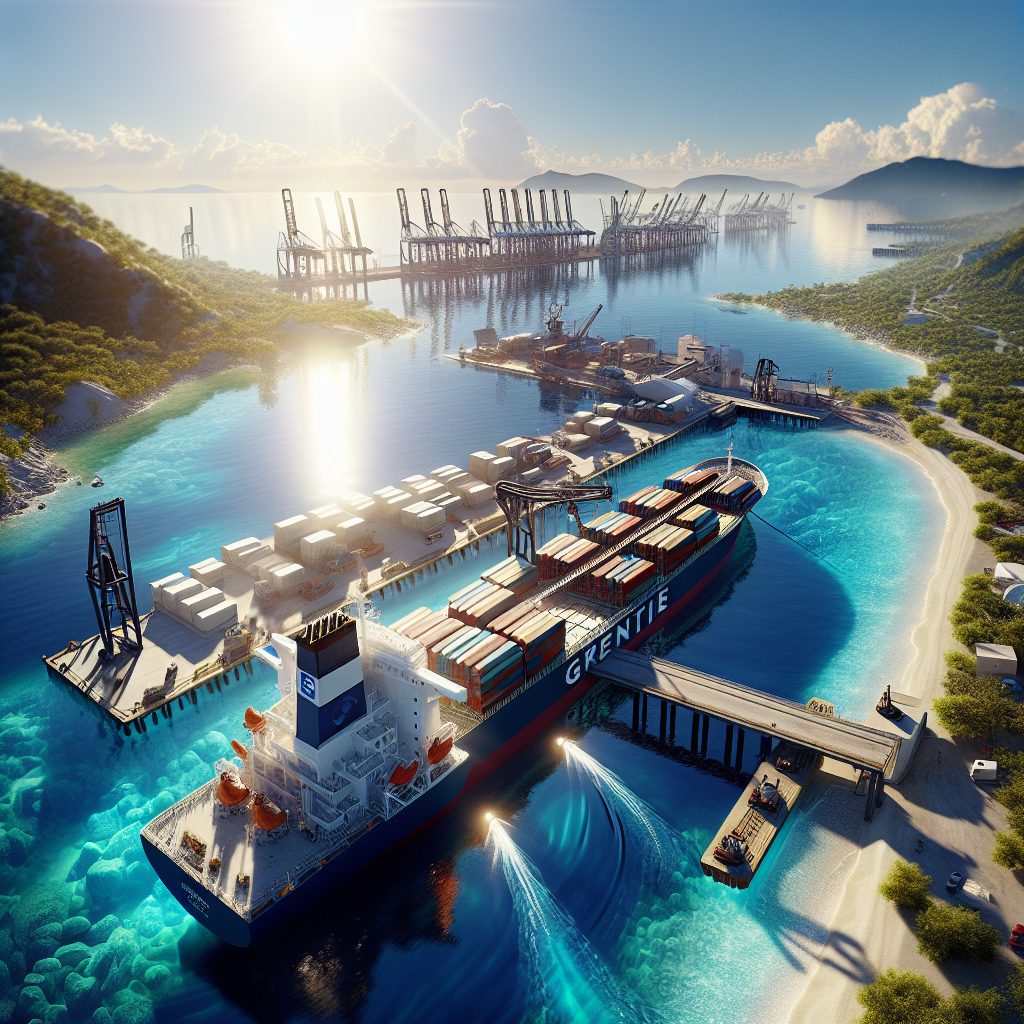
The Green Methanol Revolution in the Merchant Navy Introduction to the Pacifico Mexinol Project In a bold move towards sustainability, Transition Industries LLC has taken a significant step in the maritime industry with its new Pacifico Mexinol project, located in Ahome, Sinaloa, Mexico. This effort focuses on the development of ecological methanol and hydrogen, promising a net zero carbon footprint. To carry out this ambitious initiative, Transition Industries has signed an Engineering, Procurement, and Construction (EPC) contract with a renowned consortium composed of Samsung E&A Co., Ltd., Grupo Samsung E&A Mexico, S.A. de C.V., and Techint Engineering and Construction. This project, being a pioneer in its class, not only offers sustainable solutions but also presents unique opportunities in the maritime sector. The importance of this project lies in its ability to provide clean fuels to the maritime industry, an imperative need in an increasingly environmentally conscious world. The use of green methanol as an alternative fuel has the potential to transform the sector, reducing polluting emissions and promoting more responsible navigation practices. Collaboration with leading engineering consortia ensures that the project’s construction and commissioning are carried out to the highest standards of quality and sustainability. As the maritime industry continues to adapt to the growing regulatory demands on emissions, projects like Pacifico Mexinol become key pieces for compliance with international regulations. Additionally, the job opportunities presented in this development phase offer an additional attraction for professionals in the sector looking to contribute to energy transition and technological innovation in navigation. The Role of Green Methanol in Modern Navigation Methanol is considered one of the cleanest fuels on the current market, offering a significant reduction in carbon dioxide emissions when compared to conventional marine diesel. It is easy to store and handle, making it an attractive option for the energy transition of maritime fleets. Its ability to integrate into existing storage infrastructures without requiring significant modifications simplifies the transition to more sustainable practices. The interest in methanol as an alternative fuel is also reflected in the increase in research and technological developments, pointing towards a future where navigation is not only more economical but also more environmentally responsible. The Pacifico Mexinol project acts as a catalyst for these initiatives, offering a model to follow for other regions of the world. Opportunities for Growth and Professional Development The development of the Pacifico Mexinol project has a significant impact on the job market, especially for professionals in the nautical and maritime sector. The construction and subsequent operation of the facilities require a wide variety of profiles, from specialized engineers to technical and administrative staff, representing a unique opportunity for those looking to expand their professional horizons. The companies involved in the project, such as Samsung E&A and Techint Engineering and Construction, are internationally recognized entities known for their commitment to innovation and quality. Working alongside these industry leaders allows professionals to enrich their experience, be part of pioneering projects, and collaborate in establishing new regulations in alternative fuel technology. In addition, the experience gained in projects of this magnitude is highly valued in the job market, providing professionals with unique skills that are difficult to obtain in other spheres. The transition to a green economy not only redefines the energy sector but also expands development prospects for those actively involved in these projects. Economic and Environmental Impact of the Project The economic impact of the Pacifico Mexinol project is considerable, as it not only drives investment in infrastructure but also fosters growth in associated sectors, creating a multiplier effect in the local and regional economy. By positioning itself as a center for the production of clean fuels, Ahome, Sinaloa, benefits from a boost in its development, attracting new investments and strengthening its position on the global energy map. From an environmental perspective, the production of green methanol is a crucial step in reducing the carbon footprint of international navigation. By replacing traditional fossil fuels, green methanol not only decreases greenhouse gas emissions but also reduces other harmful pollutants such as sulfur and nitrogen oxides, promoting cleaner and healthier air. This project also aims to establish a sustainable production model that can be replicated elsewhere, maximizing the positive impact on the environment globally. Collaboration between governments, industry, and consumers is essential to ensure the success of these projects, acting as a catalyst for future legislation supporting the transition to an economy based on clean energy. Conclusion: A Sustainable Future for the Maritime Industry The Pacifico Mexinol project represents a significant advancement towards a more sustainable future for the maritime industry. With the implementation of innovative technologies and a commitment to reducing emissions, this initiative not only meets current regulatory demands but also anticipates the needs of the future. Investing in green methanol is not only a smart business decision but also a moral imperative in the fight against climate change. For professionals in the sector, this project offers an opportunity to be part of a
The Transformation of Cacao Supply Chain: Cargill Leading the Way Towards Maritime Sustainability

The Transformation of Cacao Supply Chain: Cargill Leading the Way Towards Maritime Sustainability The transformation of the cacao supply chain has captured the attention of the international maritime industry. Cargill, one of the leading companies in the agri-food sector, has taken a step forward by announcing a series of interconnected investments aimed at reducing carbon emissions, eliminating waste, and improving efficiency in the transportation of cacao from its origin in West Africa to processing centers in Europe. This move not only has a positive impact on the environment but also offers significant opportunities for professionals in the maritime sector. Sustainable Maritime Transport: A New Horizon At the heart of this transformation is the use of renewable energies, which are being implemented in both loading infrastructures and the ships that transport the cacao. By integrating solar and wind energy technology, Cargill is setting a new standard in energy efficiency for its maritime operations. This approach not only contributes to reducing carbon footprint but also optimizes long-term operational costs, a crucial factor for any company looking to remain competitive in the current market. Implementing renewable energies in maritime transport is a significant advancement that could serve as a model for other companies in the sector, encouraging broader adoption of ecological practices. These changes represent an opportunity for maritime professionals to acquire new skills related to green technologies, increasing their value in an increasingly sustainability-oriented job market. Circular Logistics: Advancing Towards Circular Economy A key component of Cargill’s strategy is the adoption of a circular logistics model. This approach aims to minimize waste and maximize the efficient use of resources, following the principles of the circular economy. By reusing materials and optimizing routes, Cargill is establishing a more resilient and sustainable system for cacao transportation. Adopting circular logistics not only has environmental benefits but also offers economic advantages for the companies involved. Reducing waste decreases operational costs and improves efficiency, contributing to increased market competitiveness. Intelligent Infrastructure: The Future of Maritime Operations The modernization of infrastructure is another fundamental pillar in Cargill’s supply chain transformation. By implementing cutting-edge technology such as IoT sensors and real-time data analysis, the company is optimizing its operations to improve efficiency and safety at all levels of cacao maritime transportation. Intelligent infrastructure allows better management of logistics operations, facilitating informed decision-making and increasing responsiveness to operational challenges. Maritime professionals need to familiarize themselves with new digital tools and data analysis techniques to enhance their capabilities and make their work more dynamic and technologically advanced. Employment Opportunities and the Future of Maritime Transport With these innovations, Cargill is not only leading the change towards more sustainable maritime transport but also creating new employment opportunities in the sector. The company may be interested in receiving resumes from professionals who wish to join this sustainable revolution, offering positions involving the implementation and management of these new technologies. For ship operators, maintenance technicians, and logistics personnel, transitioning to more sustainable practices means acquiring new skills and knowledge highly valued in an evolving job market. These opportunities not only provide job stability but also the possibility of being at the forefront of a positive and impactful change in the maritime sector. Ultimately, the relevance of this transformation not only directly impacts those working in cacao transportation but also sets a precedent for other industries, demonstrating that sustainability and efficiency can coexist with economic success. By exploring these innovations, maritime professionals are encouraged to consider how they can apply similar principles in their own operations and projects.