


ArcBest: Innovation and Financial Results in the Crossroads of the Nautical Sector

ArcBest: Innovation and Financial Results in the Crossroads of the Nautical Sector The maritime sector is undergoing a transformation, and the opportunities for investors, professionals, and nautical enthusiasts are vast. In this context, the company ArcBest, listed on the Nasdaq under the symbol ARCB, has positioned itself as a relevant player, announcing the publication of its financial results for the second quarter of 2025. These results, available on July 30th, provide valuable insight into the company’s financial health and market trends. Financial results are not just numbers; they are a summary of a company’s operational performance in terms of revenue, expenses, and profits. For ArcBest, a company focusing on logistics and transportation, these numbers reflect its ability to adapt to a changing and competitive environment. For maritime investors, this announcement represents a crucial opportunity to evaluate the viability of investments and adjust portfolio strategies. The maritime sector has always been a backbone of international trade, and the ability of companies to navigate turbulent waters is vital. As a reflection of this, ArcBest will hold a conference call on the same day as the announcement at 9:00 a.m. EDT to discuss the results in detail. This meeting will not only allow stakeholders to hear from the company’s executives firsthand but also to ask questions that could clarify the organization’s future. Technological Innovation: The Key to the Future of Maritime Transport Innovation is another key area that ArcBest has prioritized in its strategy. In the maritime field, technology and innovation are essential to improving operational efficiency and reducing environmental impact, aspects increasingly important for sector professionals. In recent years, automation and advanced management systems have transformed how companies manage their supply chains. Technological advances not only optimize time and resources but also enhance sustainability. The adoption of alternative fuels and eco-friendly propulsion technologies are trends that have gained ground. ArcBest, like many other leading companies, is investing in innovation to overcome critical challenges such as climate change and environmental restrictions. For sailors and nautical enthusiasts, these developments have a significant impact. The implementation of cutting-edge technology is not limited to cargo ships but also extends to recreational vessels, offering better sailing experiences, increased safety, and a smaller carbon footprint. Therefore, staying up to date with innovations in this sector is not just advantageous but essential. Employment Opportunities in a Growing Sector The expansion and evolution of companies like ArcBest create a horizon full of job opportunities. The integration of new maritime routes and the introduction of new ships not only reflect economic growth but also a growing demand for specialized talent. For experienced merchant mariners and newcomers to the sector, these options represent a growing job market. ArcBest, with its focus on expanding routes and innovating in transportation, is often in search of highly qualified professionals to fill key positions in its operations. Submitting a resume to companies of this caliber is not only an opportunity for professional advancement but also to be part of a constantly evolving global industry. Additionally, for young professionals, the maritime sector offers a dynamic and challenging environment. With increasing digitization and the need for sustainable solutions, working in this industry is not only a viable career choice but also a way to contribute to a more ecological and efficient future. Market Trends and Investment Advice For maritime sector investors, understanding current trends is crucial for making informed decisions. Maritime transport is experiencing significant changes influenced by globalization, digitization, and growing environmental concerns. Companies that can quickly adapt to these changes not only survive but thrive. ArcBest is at the forefront of these transformations, and its focus on sustainability and efficiency gives it a competitive edge. Investors must pay attention to how these trends will influence the profitability of their investments and continuously evaluate emerging opportunities. Finally, it is essential for investors to diversify their portfolios and consider new technologies and emerging geographic areas. Global trade shows no signs of slowing down, and those who can anticipate and adapt to changes have the potential to achieve significant returns. Conclusion: A Promising Future for the Maritime Sector ArcBest’s announcement of its financial results is not just a corporate event but a reflection of the current dynamics of the maritime sector. From technological innovation to employment opportunities, the industry is at a turning point. For professionals, investors, and nautical enthusiasts, this is a time to actively engage and seize the opportunities that arise. In summary, whether you are interested in market trends, looking for new job opportunities, or want to explore the latest technological innovations, the maritime sector offers something for everyone. Stepping away from the shore, so to speak, could be one of the wisest moves in the current environment.
Strategic Acquisition in the Maritime Sector: P&O Maritime Logistics Takes the Helm of NovaAlgoma Cement Carriers Limited

Strategic Acquisition in the Maritime Sector: P&O Maritime Logistics Takes the Helm of NovaAlgoma Cement Carriers Limited In a surprising strategic move within the competitive world of maritime transportation, NovaAlgoma Cement Carriers Limited, the leading global operator of pneumatic cement carriers, has announced a definitive agreement with P&O Maritime Logistics. Under this agreement, P&O Maritime Logistics, a 100% subsidiary of DP World, will acquire a majority stake of 51% in NovaAlgoma. The alliance promises to transform the landscape of specialized maritime commerce, consolidating the leadership of both entities in the sector. This move has captured the attention of maritime professionals, maritime investors, and nautical enthusiasts. The collaboration between two sector giants not only promises to optimize operations but also to open up new opportunities for technological innovation and sustainability in cement transportation. The news of the acquisition underscores the growing trend towards strategic collaborations in the maritime sector, where synergies materialize in operational efficiencies and market expansion. For nautical professionals, these types of alliances can mean new job and investment opportunities, a compelling reason to closely monitor such developments. Innovation and Technology in Pneumatic Cement Transportation Pneumatic cement transportation is a specialty with notable technical requirements that demand constant innovation. NovaAlgoma, as a leader in this niche, has been a pioneer in the development and operation of advanced systems that ensure integrity and efficiency in cement transport. The addition of P&O Maritime Logistics brings a new dimension of expertise and technology, promising significant advances in the supply chain. One key area that will benefit from this collaboration is route optimization and energy efficiency. P&O Maritime Logistics is known for its innovative and sustainable logistics solutions, which complement NovaAlgoma’s expertise in handling sensitive cargoes such as pneumatic cement. This could result in a considerable reduction in the sector’s carbon footprint. Implementation of advanced technologies for route optimization Reduction of energy consumption in cement transportation Enhanced sustainability practices in maritime cargo handling For sailors and maritime professionals, the implementation of these technologies and optimizations not only promises improved safety and efficiency in their daily operations but also offers a more sustainable and technologically advanced environment. This is a second reason why this type of news is of critical interest to our audience, highlighting the added value that technology can offer to the sector. Job Opportunities and Market Expansion The acquisition by P&O Maritime Logistics represents not only a change of ownership but also a potential market expansion. With DP World backing P&O, a range of possibilities opens up for growth in emerging markets and penetration into new territories. The projection of this growth opens up a wide range of job opportunities for those interested in being part of a growing company. For maritime investors, this expansion represents an opportunity for diversification and financial growth. DP World’s strength in the global market gives them a competitive advantage that is likely to generate significant returns in the future. Those interested in capitalizing on these opportunities would do well to explore more deeply the possibilities that this new alliance brings. Potential for market expansion into new territories Opportunities for job growth and career development Possibility for financial gains through investment in the maritime sector Finally, maritime sector professionals may consider submitting their resumes to NovaAlgoma and P&O Maritime Logistics, as the projected growth from this alliance could translate into a need for specialized talent. This is the third reason why the news is relevant to our audience, offering tangible paths towards professional and economic development within the sector. Conclusions: The Future of Maritime Cement Transportation The acquisition of 51% of NovaAlgoma by P&O Maritime Logistics marks a new chapter in the evolution of specialized maritime transportation. With a focus on technological optimization, market expansion, and sustainability, this alliance is poised to transform not only pneumatic cement transportation but also to influence industry operational practices as a whole. For readers of WishToSail.com, this development offers valuable insights into the direction the maritime sector is taking. Whether you are involved in daily operations, investment, or simply a nautical enthusiast, the implications of this agreement are wide-ranging and profound. We invite you to closely follow this and other developments within the sector, to stay informed and prepared for the opportunities that the future of maritime transportation has to offer. With this acquisition, the sector’s commitment to innovation and efficiency is reaffirmed. The coming years are likely to bring more interesting and potentially disruptive developments. NovaAlgoma and P&O Maritime Logistics are at the forefront of this transformation, inviting all interested parties to be part of this exciting maritime journey.
Sustainable Transformation of the Global Cocoa Supply Chain: Cargill’s Innovative Differences

Sustainable Transformation of the Global Cocoa Supply Chain: Cargill’s Innovative Differences The cocoa industry, one of the oldest and most established, is undergoing a significant transformation thanks to the innovations implemented by Cargill. The company has embarked on an ambitious project to renew its cocoa supply chain, spanning from producing countries in West Africa to processing centers in Europe. These actions reflect a commitment to sustainability, efficiency, and carbon emissions reduction, aspects that are increasingly critical in global maritime logistics. This approach not only aims to optimize maritime transport, reducing time and costs, but also seeks to decrease carbon footprint, a growing concern for industry players. The renewable energy solutions implemented represent a crucial step towards a greener future in merchant shipping. The relevance of this transformation extends beyond the cocoa industry. For merchant navy professionals and logistics operators, it represents an example of how companies can integrate sustainability into their operations without compromising efficiency or profitability. This innovative approach could set a new standard for other industries that rely on maritime transport. The adoption of renewable energy sources by Cargill The circular logistics approach for waste reduction and resource optimization The investment in smart infrastructures for maritime operations Implementation of Renewable Energies in Maritime Transport One of the cornerstones of Cargill’s transformation is the adoption of renewable energy sources for its operations. This initiative benefits not only the environment but also offers long-term economic advantages. The use of fossil fuels carries risks of regulatory uncertainties and price volatility. In contrast, renewable energies provide price stability and lower tax burdens, making them an attractive option for international maritime operations. The implementation of these technologies in the cocoa supply chain is of particular interest to maritime investors. The clean energies not only enhance the company’s image but also represent a tangible commitment to sustainability, a value that is increasingly important to consumers and business partners. Maritime professionals should consider how these innovations can be applied in their operations to achieve similar benefits. Furthermore, this transition to clean energies can create new job opportunities. Circular Logistics: Waste Reduction and Resource Optimization Cargill is also embracing a circular logistics approach, focused on minimizing waste and maximizing resource efficiency throughout the supply chain. This model is based on reusing and recycling materials whenever possible, reducing waste and costs while increasing sustainability. Circular logistics is not only beneficial from an environmental perspective but also enhances operational efficiency, a crucial aspect for any company depending on navigation for its operations. By reducing waste, companies can optimize resource usage, resulting in significant economic savings. For nautical enthusiasts and merchant navy professionals, this approach offers a new perspective on managing maritime operations sustainably. The implementation of circular logistics strategies could make a critical difference in the efficiency and profitability of their own operations. Intelligent Infrastructures: The Future of Maritime Transport Lastly, Cargill is investing in smart infrastructures for its cocoa supply operations. These infrastructures utilize advanced technologies to optimize cargo flow, enhance safety, and increase operational efficiency. By integrating cutting-edge technologies like the Internet of Things (IoT) and real-time data analysis, these infrastructures enable more precise and efficient resource management. For maritime industry professionals, the adoption of smart infrastructures in their own operations could offer significant competitive advantages. These technologies can improve responsiveness, streamline processes, reduce waiting times, and increase customer satisfaction. Investing in advanced technologies is, therefore, essential to remain competitive in the evolving world of maritime transport. In conclusion, Cargill’s investments in intelligent infrastructures not only enhance their internal operations but also serve as an example for the maritime sector as a whole. The adoption of these technologies is a crucial step towards a more efficient and sustainable future, presenting an opportunity for innovation for other industry players. The initiatives of Cargill are of great importance to various audiences within the maritime sector. For sailors and merchant navy professionals, these innovations serve as a source of inspiration to improve the sustainability and efficiency of their operations. The adoption of renewable energies and circular logistics strategies are examples of how these goals can be achieved. For maritime investors, these improvements offer a clear view of how investments in sustainability can be profitable. By reducing carbon footprint and enhancing operational efficiency, Cargill not only strengthens its market position but also creates a more resilient business model against future challenges. For nautical enthusiasts, intelligent infrastructures represent the future of maritime transport, offering a vision of how technology can transform navigation into something safer, more efficient, and environmentally friendly. These innovations prompt reflection on how technology can be a powerful ally in modernizing the industry.
Technological Innovations and Job Opportunities in the Nautical Sector: The Case of Wabtec
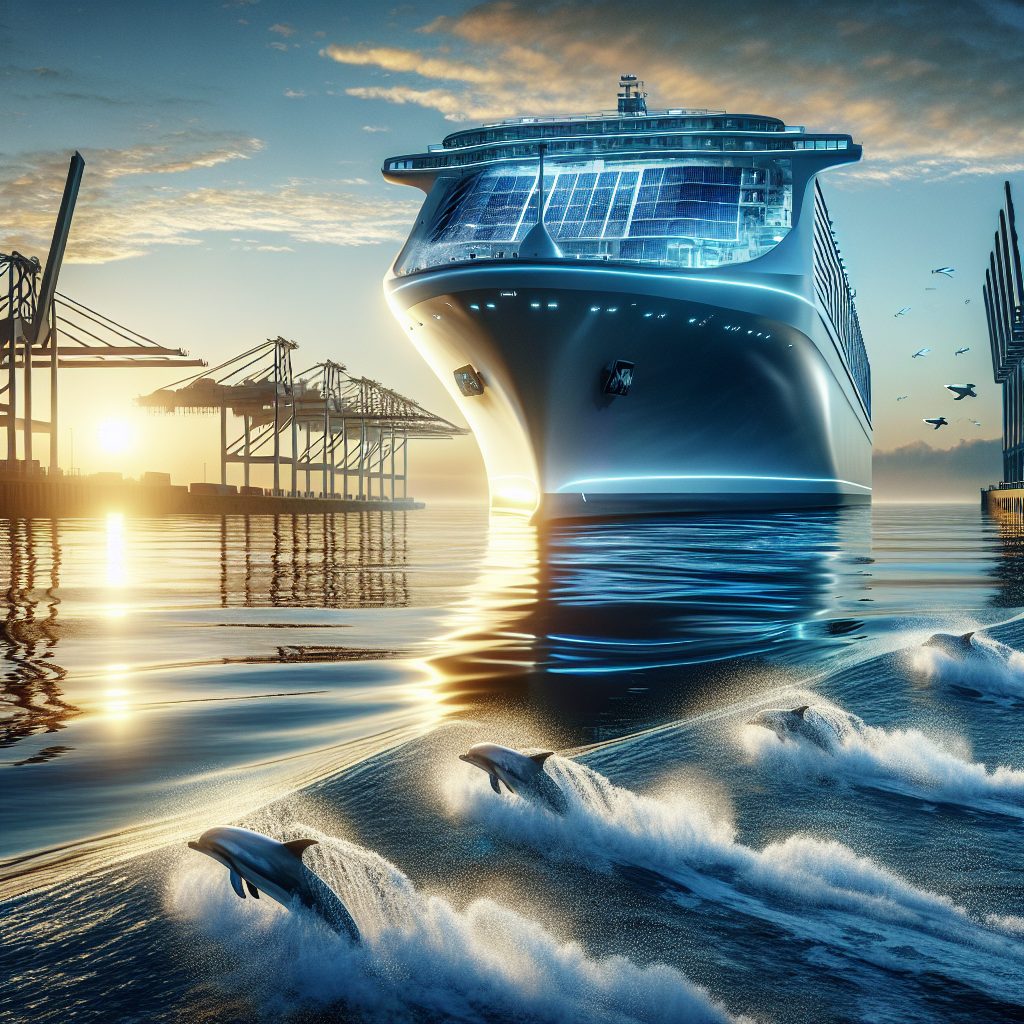
Technological Innovations and Job Opportunities in the Nautical Sector: The Case of Wabtec Introduction to Wabtec’s Innovations in the Maritime Sector The technological evolution in the maritime sector has been a constant in recent years, and Wabtec Corporation, one of the leading companies in technological solutions for transportation, is at the forefront of these innovations. Recently, the company announced that on July 24, 2025, it will reveal the results of the second quarter, an event eagerly awaited by investors and professionals in the sector. Wabtec, known for its commitment to innovation and sustainability, has been implementing a series of technological advances that could revolutionize maritime operations. For merchant navy professionals and maritime investors, understanding these innovations is essential to take advantage of the opportunities that will arise in the near future. The company has announced that it will hold a conference at 8:30 a.m. ET, providing an opportunity for analysts and investors to explore these developments more deeply. This event not only reflects Wabtec’s commitment to transparency but also its intention to lead the way towards a more efficient and sustainable maritime future. Impact of New Technologies in the Maritime Industry Wabtec’s innovations focus on the digitization and automation of processes, two key areas that are transforming the maritime industry. The implementation of advanced sensors and state-of-the-art communication systems promises to improve operational efficiency and reduce the environmental impact of shipping operations. A highlight is the adoption of hybrid and electric propulsion systems, which Wabtec has successfully promoted in the railway sector and is now transferring to the maritime field. This change not only increases the sustainability of operations but also offers new opportunities for professional development for engineers and specialized technicians. For sailors and nautical enthusiasts, these technologies represent a significant change in how ships are managed and operated. It’s not just about fuel efficiency improvements but also the integration of smart navigation systems that facilitate safer and more precise vessel management. Job and Investment Opportunities in the New Maritime Era The transition to cleaner and more efficient technologies in the maritime sector is creating a growing demand for skilled professionals. Through its new developments, Wabtec is opening doors for engineers, programmers, and sustainability specialists to join a booming sector. Maritime investors are also finding new business opportunities. The adoption of these technologies not only improves sustainability but also increases the competitiveness of shipping companies in an increasingly environmentally conscious market. Companies wishing to stay ahead will need to consider investing in these emerging technologies. Wabtec offers an excellent opportunity for those interested in professional growth and development, inviting interested parties to submit their resumes and be part of a technological revolution in the maritime sector. Conclusion: The Current Relevance of Wabtec for the Maritime Sector The announcement of Wabtec’s upcoming conference will not only serve as a platform to discuss financial results but also as a showcase of the innovations that are redefining the sector. For merchant navy professionals, listening to Wabtec’s latest news is crucial to understand the direction the industry will take in the coming years. The relevance of these innovations is evident in three key aspects: the drive towards more sustainable operations, the improvement in operational efficiency, and the creation of new job opportunities. Each of these aspects responds to the growing market demands and offers a compelling reason for professionals and investors to pay attention to Wabtec’s developments. Ultimately, the ability to adapt and evolve in a changing technological environment will be crucial to the success of professionals in the maritime sector. Wabtec, with its innovations, is leading this change and offering a promising future for those who decide to embark on this new technological era.
The Transformation of Nautical Tourism in Saudi Arabia
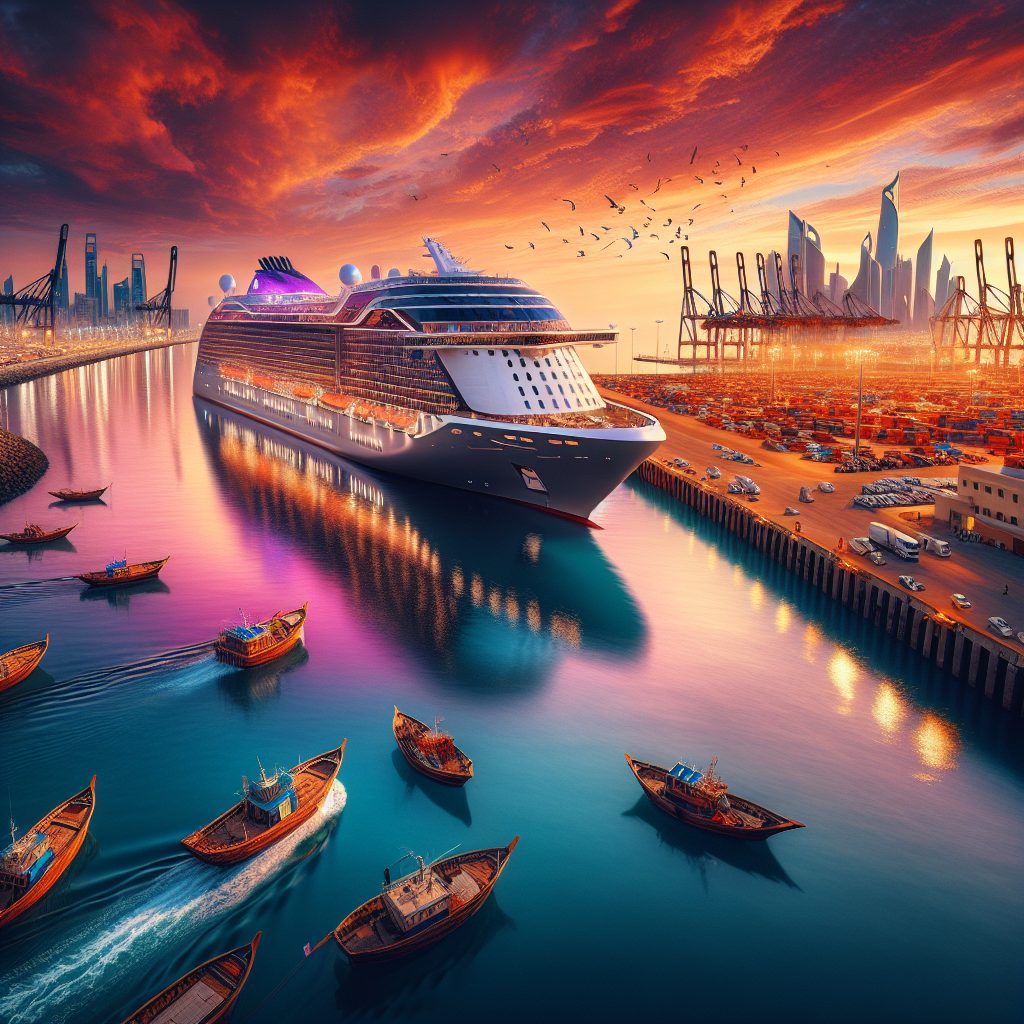
The Transformation of Nautical Tourism in Saudi Arabia The world of maritime tourism is undergoing a significant transformation with the recent partnership between Insight, a leading data analysis company, and Cruise Saudi, the company responsible for developing the cruise sector in Saudi Arabia. This collaboration promises not only to advance the sector technologically but also to open up new job and investment opportunities in a region with vast potential to explore. Technological Innovation Serving the Nautical Industry Insight, known for its ability to translate large volumes of data into effective business strategies, is contributing its expertise to the development of the Saudi cruise industry. This joint effort aims to improve the traveler’s experience through the implementation of advanced data analysis technologies that optimize both operational management and the customer experience on board. The use of big data will allow Cruise Saudi to personalize onboard services, improve the energy efficiency of its vessels, and forecast the demand for specific routes and destinations. This not only enhances the user experience but also increases the sustainability and profitability of the business by reducing resource wastage. Furthermore, this collaboration sets a precedent in the use of smart technologies in the maritime sector, opening the door to new innovations that could be adopted by other companies in different markets. The challenge lies in integrating technological solutions in a way that adapts to the particularities of the maritime environment and the expectations of the modern customer. Emerging Routes in the Kingdom of Saudi Arabia Saudi Arabia has begun to position itself as an emerging destination in the cruise tourism industry. With access to the waters of the Red Sea and the Persian Gulf, the country offers endless possibilities for captivating maritime routes that connect with the rich history and cultural heritage of the region. This development is part of the kingdom’s Vision 2030, which aims to diversify its economy and promote tourism. Cruise Saudi’s project focuses on developing world-class port infrastructures that can compete internationally. Saudi ports are gearing up to receive large vessels and visitors from around the world, representing an unprecedented opportunity for maritime professionals looking to expand their horizons. The opening of new routes also generates a significant boost in job creation, from the construction and operation of port facilities to employment on board cruises and in the related land tourism industry. Professionals and workers in the sector are encouraged to consider these opportunities and submit their resumes to the companies leading this change. Strategic Investment Opportunities For maritime investors and nautical enthusiasts, the collaboration between Insight and Cruise Saudi represents an attractive opportunity to invest in a rapidly growing sector. The development of new routes and the implementation of advanced technologies are part of a long-term strategy that could offer significant returns. The combination of Insight’s experience in data analysis and Cruise Saudi’s vision for transforming maritime tourism in the region augurs a promising future for the kingdom’s cruise market. Investing in this early stage not only means participating in a pioneering project but also strategically positioning oneself in an industry with exponential potential. This innovative approach could serve as a model for other regions looking to revitalize their maritime tourism offerings, suggesting that the future of cruise tourism could be driven by data and not just destinations. Positive Impact on the Nautical Sector The alliance between Insight and Cruise Saudi is of relevance to all segments of WishToSail.com’s audience. For maritime professionals, it offers the possibility of new navigation routes and the opening of expanding markets that require skilled and experienced personnel. For sailors and nautical enthusiasts, it provides an innovative vision of how technology can enhance the sailing experience, promotes sustainability, and suggests a more integrated future between technology and navigation. Saudi cruises are set to become a reference point for how technology can transform the sector, making each journey unique and tailored to the needs of the modern user. Finally, for maritime investors, the news represents a unique opportunity to capitalize on the growing interest in the region and the technological solutions that are redefining nautical tourism. Those who invest early in these developments could see their strategic bets pay off as Saudi Arabia becomes a powerhouse in cruise tourism. Conclusion: A Promising Future for Cruise Tourism The collaboration between Insight and Cruise Saudi not only opens up new avenues for maritime tourism in Saudi Arabia but also invites broader reflection on the role of technology in modern navigation. This project promises not only economic and job benefits but also positions the kingdom as an innovator in 21st-century cruise tourism. For WishToSail.com readers, this is a moment to observe, learn, and get involved. Whether to explore new routes, enhance professional skills, or invest in the future of navigation, the Insight-Cruise Saudi alliance presents opportunities that could define the next decade of nautical tourism.
Sustainable Innovation in the Nautical Sector: Yamaha Rightwaters and Davidson College Leading the Way

Sustainable Innovation in the Nautical Sector: Yamaha Rightwaters and Davidson College Leading the Way A Groundbreaking Collaboration The partnership between Yamaha Rightwaters and Davidson College has taken a decisive step towards sustainability in the nautical sector. The project focuses on transforming a pontoon boat, initially powered by gasoline, into a model entirely driven by solar energy. This exciting challenge, led by students, aims to reduce the environmental impact of recreational boats, a crucial challenge in an era where ecological awareness is paramount. Yamaha Rightwaters, known for its commitment to the preservation of aquatic ecosystems, has partnered with this university as part of its initiative to support academic marine research. The project seeks not only to innovate in terms of green technology but also to educate the next generation of engineers and environmental scientists in designing and developing sustainable technologies. The core of this transformation is the installation of an electric outboard motor Torqeedo® Cruise 6.0 R, which allows the boat to operate without the harmful emissions associated with internal combustion engines. This choice is not random, as electric motors are one of the most promising solutions for reducing greenhouse gas emissions in the maritime sector. Technological Advancements and Sustainability: A Step towards the Future Technological advancements in marine propulsion have made projects like Davidson College’s a reality. The Torqeedo® Cruise 6.0 R stands out for its energy efficiency and its ability to be powered by renewable sources, such as solar energy. These types of motors are becoming essential for those seeking cleaner and more efficient navigation. Using solar energy to power boats is not only an environmentally friendly solution but also economically viable in the long run. By reducing dependence on fossil fuels, operational costs are lowered, paving the way for a greener future in the nautical sector. This technology presents significant opportunities for reducing the carbon footprint of marinas and their users. Industry professionals, from engineers to investors, can see in these innovations an opportunity to position themselves at the forefront of a rapidly transforming market. The demand for sustainable technologies is on the rise, and those who adopt these solutions will have a significant competitive advantage. Opportunities for Professionals and Enthusiasts This project not only presents an opportunity to advance in the field of sustainable research and technology but also to generate new job opportunities. The transition to more ecological boats will require experts in various disciplines, from electrical engineering to sustainable project management, opening up a wide range of possibilities for industry professionals. For nautical enthusiasts, the implementation of clean energy means a more sustainable way to enjoy their passion for the sea. With boats that not only protect the environment but also offer efficient performance, new routes can be explored, and navigation can be enjoyed with the peace of mind of minimizing environmental impact. Yamaha Rightwaters and Davidson College are not just remodeling a pontoon boat; they are setting a new standard for the global maritime industry. Initiatives like these are essential to inspire other institutions and companies to follow suit and invest in solutions that combine innovation, sustainability, and economic viability. Conclusion: A Promising Future for Eco-Friendly Navigation The project by Yamaha Rightwaters and Davidson College is an inspiring example of how educational and business collaboration can catalyze positive changes in the nautical sector. By transforming a traditional boat into a sustainability model, this team is not only promoting technical knowledge but also fostering a culture of ecological responsibility among new generations. This initiative is relevant not only for those working in the maritime industry but also for investors looking for projects with a strong sustainability component. The shift towards cleaner technologies is not just a trend but a necessity in a world increasingly focused on mitigating climate change. Ultimately, projects like these demonstrate that sustainability and innovation can go hand in hand, offering solutions that benefit both the planet and the economy. Encouraging readers to get involved in these initiatives, whether by submitting their resumes to be part of future projects or exploring more about green technologies, is a crucial step towards a more promising future for navigation and the planet as a whole.