


The Transformation of Trasmed: Grimaldi’s Strategic Investment to Strengthen its Position in the Spanish Maritime Sector
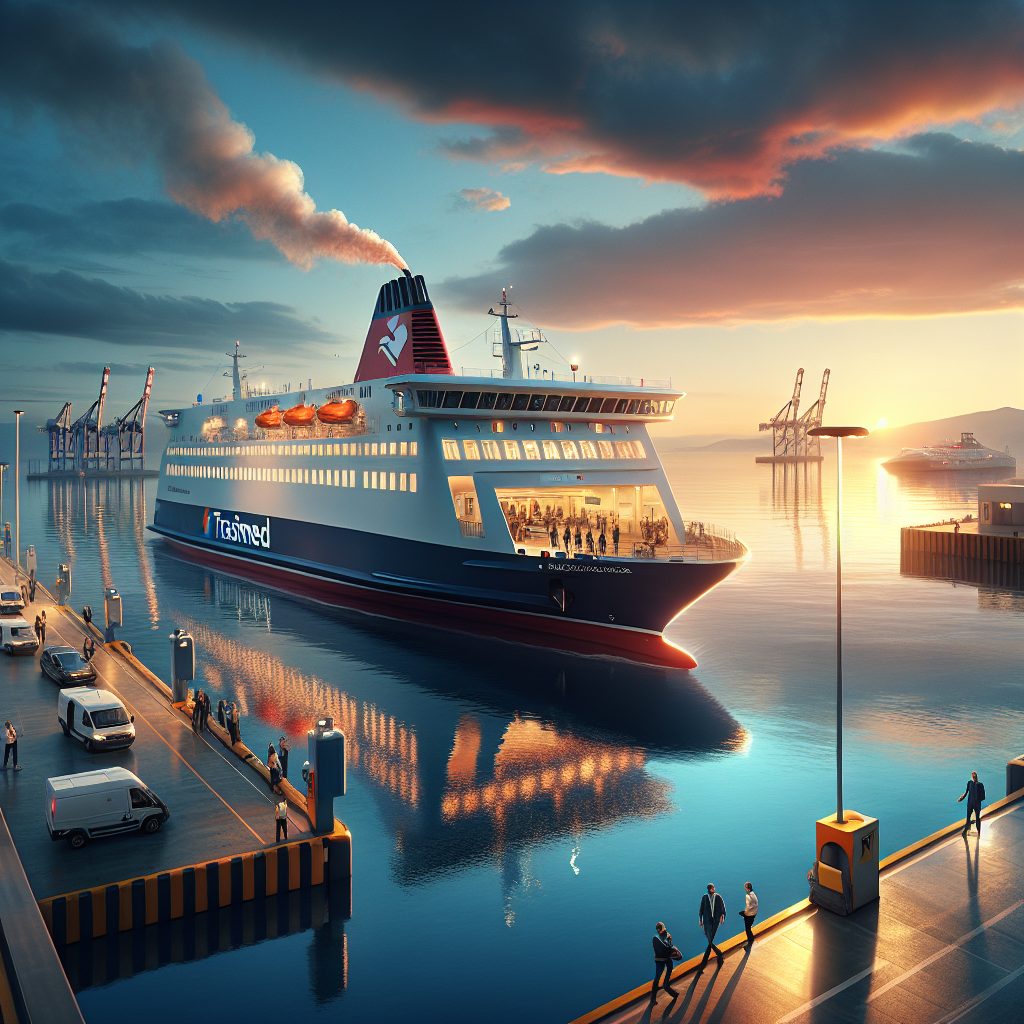
The Transformation of Trasmed: Grimaldi’s Strategic Investment to Strengthen its Position in the Spanish Maritime Sector In a bold move reflecting its commitment to the Spanish maritime market, the Grimaldi Group has decided to bolster its local subsidiary, Trasmed, with a capital injection of 50 million euros. This decision, as communicated by company officials, aims to consolidate Trasmed’s financial position and significantly reduce its debt burden. The story of Trasmed began in 2021 when it acquired assets from Armas Trasmediterránea, ushering in a new era in ferry services between the Iberian Peninsula and the Balearic Islands. By allocating this capital injection to minimize debt, primarily resulting from the syndicated loan for the initial purchase of its vessels, Trasmed is seeking a more stable and solid future. With this capital increase, it is expected that Trasmed’s total debt will be reduced to 26.4 million euros, allowing the company to sail with greater freedom and focus on growth and innovation within the sector. Trasmed’s total debt is expected to decrease to 26.4 million euros due to the capital injection. The investment aims to strengthen Trasmed’s financial position and reduce its debt burden. This operation not only benefits the company but also has positive implications for the maritime industry as a whole. In a sector where financial stability is crucial for operability and expansion, debt reduction means that Trasmed can allocate more resources towards improving its services and modernizing its fleet, aspects that are essential to attract and satisfy a larger number of customers. Furthermore, the consolidation of Trasmed as a key player in maritime transport between the Peninsula and the Balearic Islands has a direct impact on job creation. With new job opportunities on the horizon, this capital expansion could be the gateway for professionals in the sector looking to grow alongside a company with promising prospects. For investors, the resilience shown by the Grimaldi Group and its subsidiary, even during times of economic fluctuation, offers a clear signal of stability and confidence in the Spanish market. This type of strategic move can be seen as an example to follow by other companies in the sector looking to strengthen their financial foundations. Debt reduction allows Trasmed to focus on improving services and modernizing its fleet. The capital injection could lead to job creation and expansion of operations. The investment also paves the way for Trasmed to explore technological innovations that enhance the efficiency of its operations and customer experience. The maritime sector is experiencing significant digital transformation, with emerging technologies such as artificial intelligence and the Internet of Things (IoT) offering new possibilities to optimize routes, manage fleets, and improve sustainability. By adopting these technologies, Trasmed not only makes vessel operation more efficient but also contributes to environmental sustainability, an increasing concern in the global maritime industry. By reducing carbon emissions and improving fuel consumption, Trasmed not only complies with environmental regulations but also responds to consumer demand for more sustainable practices. In this context, the Grimaldi Group positions itself not only as a financial leader but also as a pioneer in the sustainable transformation of maritime transport. This dual focus on economic resilience and technological innovation reinforces its commitment to a brighter future for the industry. Technological innovations like AI and IoT are being explored to enhance operations and sustainability. Reducing carbon emissions and improving fuel consumption aligns with environmental regulations and consumer preferences. A Promising Future for Trasmed and the Spanish Maritime Sector This 50 million euros capital injection is not just a figure; it represents a well-thought-out strategy to ensure steady and sustainable growth for Trasmed. This move highlights the importance of meticulous financial planning and long-term strategic vision in the maritime sector. For merchant marine professionals and nautical enthusiasts, Trasmed’s case offers valuable lessons on the importance of resilience and adaptation in a dynamic market. Additionally, for maritime investors, Grimaldi’s action suggests that even in uncertain times, there are opportunities for robust companies to dominate the market through sound strategic decisions. Ultimately, the practical implications of this development are vast. From job creation to improved customer service and technological innovation, the future looks promising not only for Trasmed and its employees but also for the Spanish maritime sector as a whole. As Trasmed moves towards its next phase of growth, maritime professionals and investors will be watching and actively participating in this exciting journey.
Oportunidades en la Logística Marítima en España
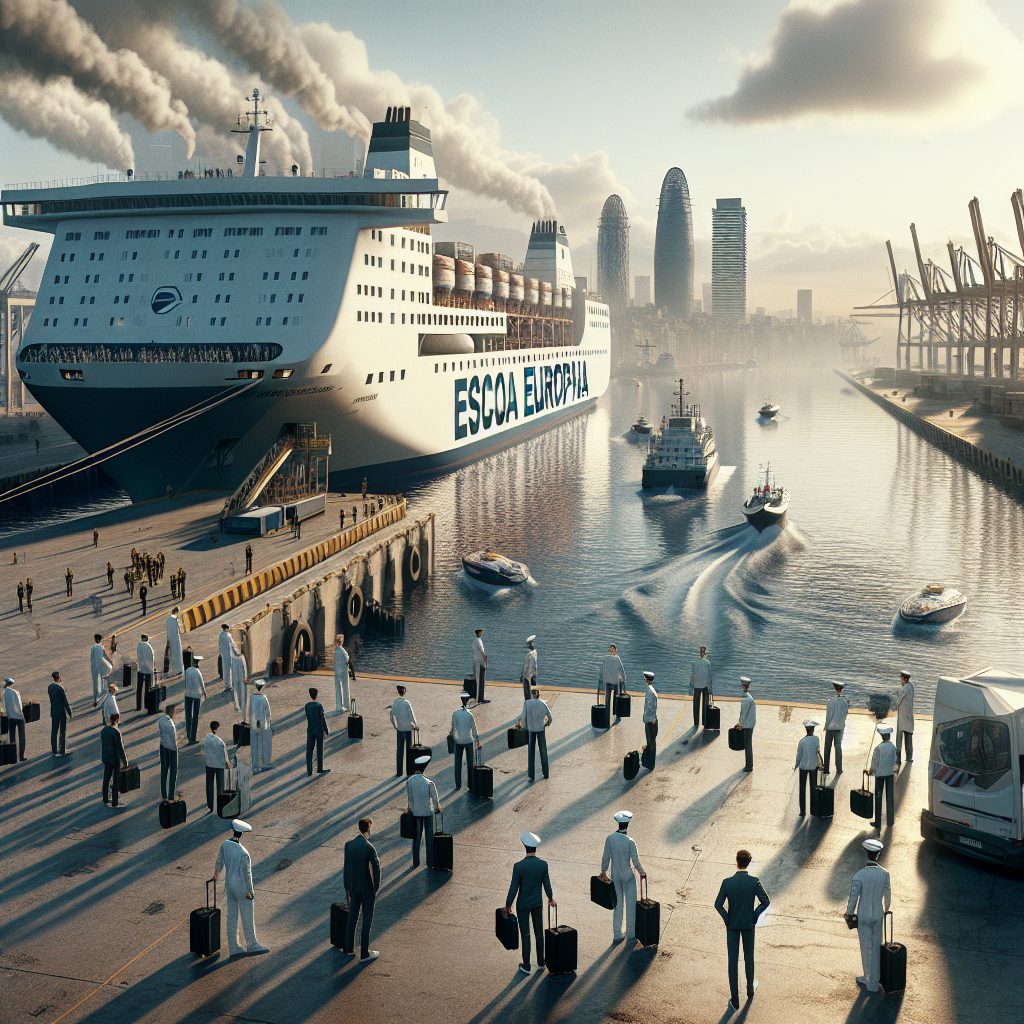
Nuevas Oportunidades para Jóvenes Talentos en la Logística Marítima en España Oportunidades en la Logística Marítima en España La Asociación Española de Promoción del Transporte Marítimo de Corta Distancia, conocida como SPC Spain, ha lanzado la segunda edición de las Becas Shortsea Leaders, dirigidas a jóvenes talentos y profesionales interesados en el transporte marítimo de corta distancia. Este sector está en auge debido a la intermodalidad y la sostenibilidad. El curso propuesto, Motorways of the Sea Training (MOST Iberia), organizado por la Escola Europea – Intermodal Transport, se llevará a cabo en octubre de 2025. Durante cuatro días, se realizará a bordo de un buque Ro-Pax que cubrirá la ruta entre Barcelona y el puerto romano de Civitavecchia en Italia, una de las rutas más importantes del Short Sea Shipping (SSS) del Mediterráneo. Estas becas ofrecen una combinación única de formación teórica y práctica, abordando conceptos innovadores de logística y transporte intermodal. Becas Completas y Compromiso con el Capital Humano SPC-Spain otorgará tres becas completas que cubrirán la matrícula del curso y el alojamiento de los estudiantes, dirigidas a empleados de entidades asociadas y estudiantes de centros especializados en logística y transporte. Esta iniciativa destaca el compromiso de SPC-Spain con el desarrollo del capital humano en el ámbito marítimo-portuario. La fecha límite para solicitar estas becas es el 15 de septiembre de 2025, ofreciendo una oportunidad única de adquirir conocimientos en un entorno práctico y establecer conexiones con profesionales del sector. Datos Relevantes y Oportunidades Laborales Según estadísticas de la Comisión Europea, aproximadamente el 40% del comercio intraeuropeo se realiza mediante transporte marítimo, lo que resalta la relevancia de especializarse en este campo. La formación en transporte marítimo intermodal abre un amplio abanico de oportunidades laborales en España y Europa. Empresas del sector buscan constantemente operar de manera más sostenible, lo que hace que la formación en transporte marítimo intermodal sea cada vez más valiosa para los profesionales del sector. Relevancia para los Lectores de WishToSail.com Para los profesionales de la marina mercante, esta oportunidad representa un paso importante para ampliar sus perspectivas de carrera. Los inversores marítimos encontrarán en esta noticia un indicador del dinamismo del sector, ofreciendo oportunidades de negocio en compañías comprometidas con la formación y la sostenibilidad. Finalmente, los entusiastas de la náutica podrán combinar su pasión con una carrera profesional en la industria marítima, obteniendo no solo conocimientos técnicos sino también una red de contactos invaluable. Una Puerta Abierta al Futuro del Transporte Marítimo SPC Spain demuestra su compromiso con una logística moderna y eficiente a través de estas becas. La formación en el sector marítimo prepara a los profesionales para liderar el futuro del transporte marítimo, enfrentando los desafíos actuales e innovando en el sector. Los interesados en participar en el curso MOST Iberia deben enviar sus solicitudes antes del 15 de septiembre de 2025, marcando el inicio de una nueva era en sus vidas profesionales. Explorar las bases de la convocatoria y obtener más información sobre MOST Iberia podría ser el primer paso hacia un futuro brillante en el sector marítimo.
The Promising Future of Ship Recycling in the Maritime Industry
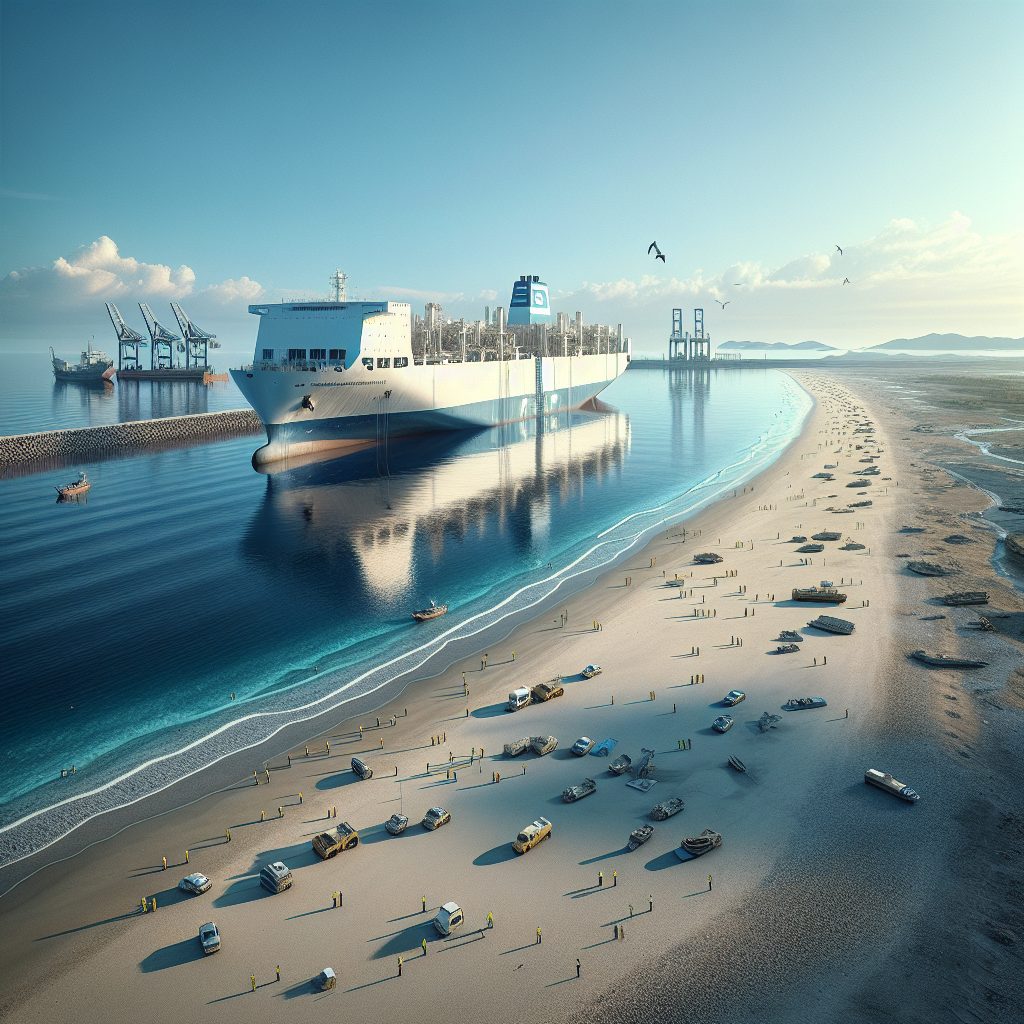
The Promising Future of Ship Recycling in the Maritime Industry The maritime sector is currently experiencing unprecedented growth and transformation, particularly in the field of ship recycling. According to the Baltic and International Maritime Council (BIMCO), it is expected that the number of ships recycled will reach an impressive figure of 16,000 in the next decade. This equates to a staggering total of 700 million deadweight tons (dwt), which represents a doubling in the number of ships and nearly a tripling in tonnage compared to the previous decade. This phenomenon is not random. BIMCO’s statistics are based on recycling patterns observed between 2000 and 2019, applying the same frequency of recycling by segment and type of ship in projections for the next ten years. The implementation of the International Convention for the Safe and Environmentally Sound Recycling of Ships, also known as the Hong Kong Convention, has accelerated this trend, prompting industries to adopt more sustainable practices. The Hong Kong Convention has revolutionized ship recycling by establishing standards that ensure ships are dismantled safely and with minimal environmental impact. This landmark convention obliges recycling facilities to improve their processes to comply with stricter regulations. In the 1990s, ships built represented 35% of units recycled and 62% of tonnage. However, in the 2000s, 31% more ships were built, resulting in a 115% increase in tonnage. These newer ships are expected to dominate recycling in the coming years, highlighting the importance of efficient and sustainable recycling procedures. The recycling of ships is mainly carried out in countries in the Indian subcontinent, such as Bangladesh, India, and Pakistan, accounting for 86% of recycled tonnage and 58% of ships. The current record for recycling dates back to 2012, with almost 1,800 ships and 60 million tons recycled. However, BIMCO anticipates that from 2027, annual volumes could surpass these historic figures year after year. This trend will be influenced by the balance between supply and demand, as well as the need to renew the fleet to reduce greenhouse gas emissions. Ship recycling not only contributes to improving environmental sustainability but also offers an attractive job market. As the demand for skilled personnel to implement and supervise safe recycling operations increases, professionals in the sector are urged to train and update themselves to be part of this ecological and economic transformation. For nautical enthusiasts and merchant mariners, considering ship recycling as a sector of enormous potential could open up new job opportunities in a constantly growing field. Key Reasons for Relevance to the Maritime Sector Ship recycling under the Hong Kong Convention guarantees a lower environmental impact, aligning with global sustainability goals and emission reduction targets. The evolution of ship recycling creates an attractive economic niche, allowing maritime professionals to redirect their careers towards an area that is not only lucrative but also promotes a positive impact on the environment. For nautical enthusiasts, understanding and participating in recycling practices offer a practical insight into how the industry is transforming its operations to be more environmentally friendly. In conclusion, ship recycling stands as a key element in the future of the maritime industry. With the implementation of robust policies and a commitment to sustainability, this sector is expected to not only thrive but also set an example for integrating green practices into global maritime trade.
The Evolution of Nuclear Propulsion in Civil Ships: A New Technological and Regulatory Horizon
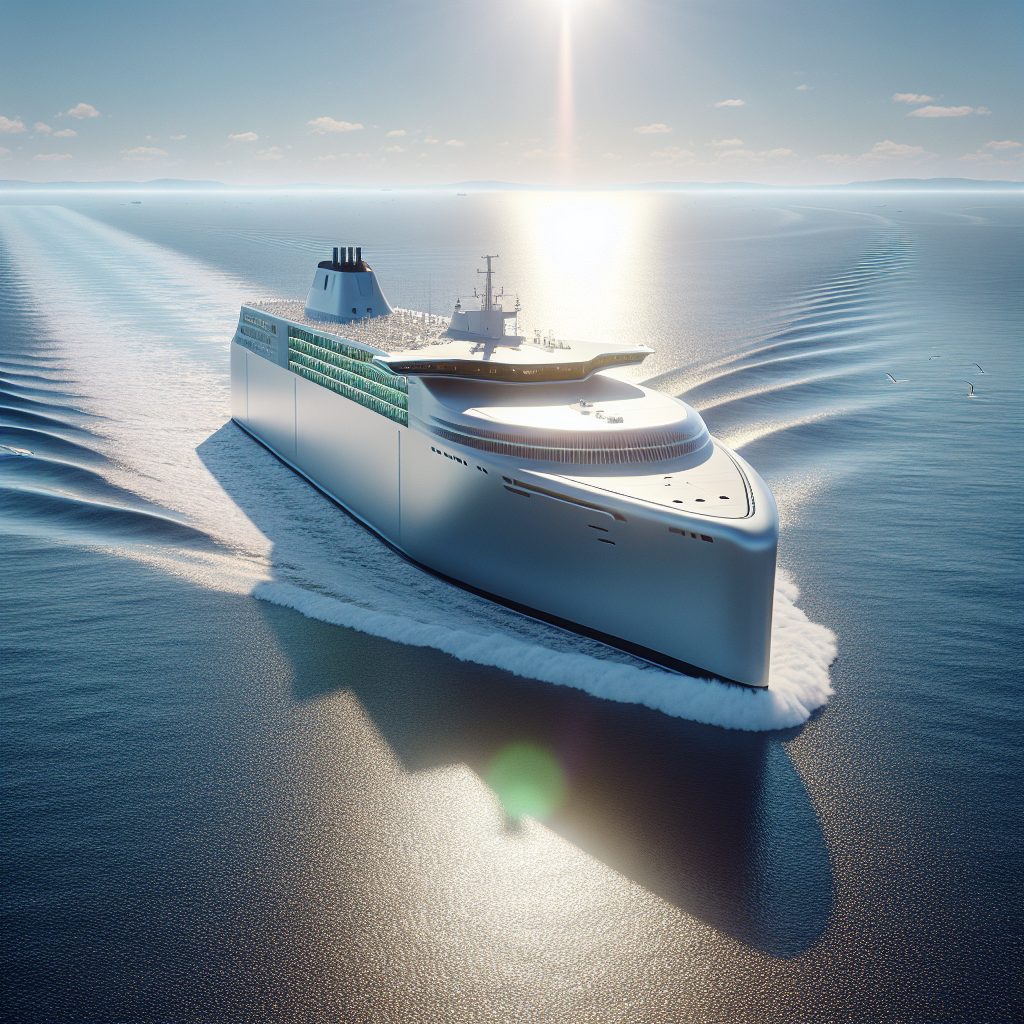
The Evolution of Nuclear Propulsion in Civil Ships: A New Technological and Regulatory Horizon The International Maritime Organization (IMO) has recently taken a decisive step towards modernizing the regulations governing nuclear propulsion in civil ships. During the 110th session of the Maritime Safety Committee held in London, it was determined that current standards must be updated to reflect recent technological advancements. This move marks a “fundamental milestone” for the maritime sector, paving the way towards a more innovative and sustainable future. Experts in the field have argued for the urgent need to revise the Code of Safety for Nuclear Merchant Ships and relevant sections of the International Convention for the Safety of Life at Sea (SOLAS). Up to now, these regulations have focused on pressurized water reactors with direct steam cycle systems, thus limiting the potential of new nuclear technologies that promote the electrification of maritime transport. This regulatory review is relevant for merchant navy professionals and maritime investors, as it allows for the incorporation of more efficient and environmentally friendly solutions. By updating the regulatory framework, doors are opened to innovations that can enhance operational efficiency and reduce the environmental impact of maritime transport, a crucial step in the fight against climate change. Core Power: Leading the Way in Maritime Nuclear Energy One of the companies at the forefront of this transformation is Core Power, a British company specializing in nuclear energy for the maritime sector. Its CEO, Mikal Boe, has been one of the most influential voices in advocating for these new regulations. According to Boe, the update of regulations is crucial to “progress towards defining an international framework that regulates the safety and protection of civil nuclear maritime transport.” Core Power has focused on the development of advanced molten salt reactors, which they consider as “the ideal system for civil use at sea.” These technological innovations not only promise greater energy efficiency but also a significant reduction in carbon emissions. The incorporation of such technologies has the potential to revolutionize the maritime industry, making freight transport cleaner and safer. The regulatory review also presents an opportunity for professionals in the sector to explore new career horizons. Companies like Core Power will be able to offer jobs in the development and implementation of these new technologies, making it a good time for those interested in these areas to submit their resumes and join this energy revolution. The Role of International Cooperation A crucial element of this transformation is international collaboration. The IMO has expressed its willingness to work hand in hand with the International Atomic Energy Agency (IAEA) on a project called Atomic Technology Licensed for Application at Sea. This project aims to facilitate the development of robust regulatory frameworks for nuclear propulsion and floating nuclear plants. Collaboration between the IMO and the IAEA ensures that safety standards are rigorous and aligned with international best practices. This collaborative approach is essential to ensure that the use of nuclear energy at sea is safe and environmentally friendly. For investors, this collaboration represents an investment opportunity in an emerging sector that promises not only economic benefits but also a positive impact on the fight against global warming. Nuclear energy as a propulsion source in ships could drastically reduce global emissions from maritime transport, which currently account for about 3% of global carbon dioxide emissions. Future Projections and Opportunities The updating of regulations and the adoption of emerging nuclear technologies could radically transform the maritime sector in the coming years. For sailors and maritime professionals, this means a transition to more advanced and efficient ways of working, as well as a reduction in environmental risks. It is expected that the demand for ships equipped with nuclear propulsion will increase as technologies are perfected and their economic viability is demonstrated. This could translate into new commercial routes and increased cargo capacity, optimizing global maritime transport. In conclusion, the revision of IMO regulations is a crucial step towards a more sustainable future in the maritime sector. This initiative is not only relevant for active professionals but also for new generations looking to integrate into a sector in full evolution. It is time for interested parties to get informed, trained, and prepared for the opportunities that this transformation will bring.
The Inaugural Shipment of LNG from Canada: A Milestone in International Maritime Transport
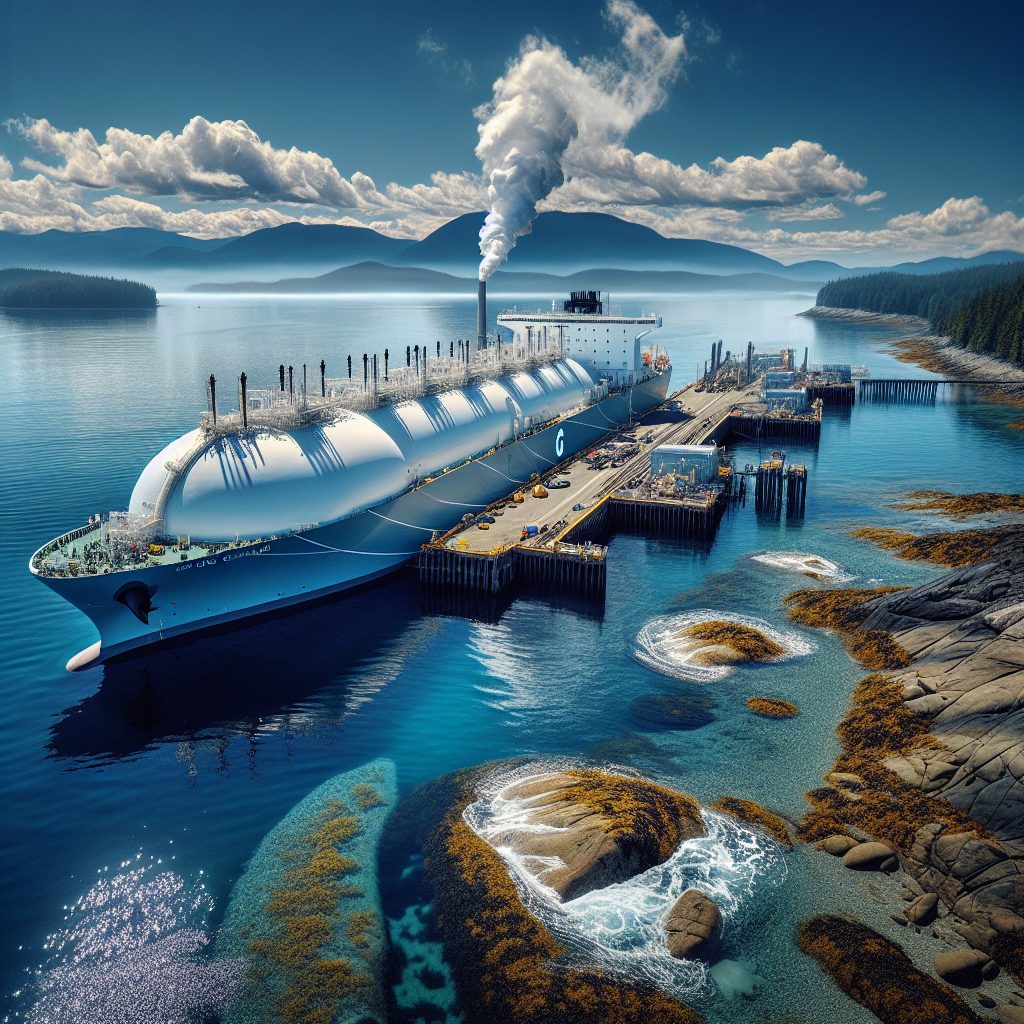
The Inaugural Shipment of LNG from Canada: A Milestone in International Maritime Transport The recent shipment of the first liquefied natural gas (LNG) cargo from the shores of Canada marks a significant milestone in international energy trade. This event underscores the growing importance of LNG as a key fuel in the transition to cleaner energy. Operated by the LNG Canada consortium, the project is a joint initiative of several leading energy companies, aiming to export this resource to Asian markets where demand continues to rise. This first shipment is just the beginning of what is anticipated to be a steady flow of exports from the facility in Kitimat, British Columbia. For maritime professionals, this is a relevant development that alters traditional shipping routes. The opening of an efficient and direct route to Asia not only promises to reduce transportation times but also opens up new job opportunities for those interested in being part of the logistics of this ambitious project. The LNG Canada project is expected to generate significant economic impact, benefiting companies involved in the liquefaction and export process, and creating employment opportunities in the maritime sector. The new route established by LNG Canada is likely to attract new investments in infrastructure and technological innovations to enhance the efficiency of LNG maritime transport. Technological Innovations: Revolutionizing the LNG Industry The LNG Canada project represents not only an advancement in trade but also in the implementation of advanced technology within the LNG industry. Significant investments have been made in technological infrastructures to ensure the safety and efficiency of gas transportation. These include real-time monitoring systems, automated cargo management tools, and emission reduction technologies aimed at minimizing the environmental impact of maritime transport. Technological innovations such as leak prevention systems and advanced gas management techniques are crucial for ensuring crew and marine environment safety. These technologies not only benefit the project’s operation but also provide learning and training opportunities for industry professionals, a competitive advantage in a technology-oriented world. Employment Opportunities on the Maritime Horizon The inauguration of the LNG Canada project brings a range of new job opportunities in multiple areas of the maritime sector. This initiative requires a skilled workforce in LNG transportation management, from vessel operation to logistical handling of shipments. Companies associated with the project are actively seeking specialized talent, making it an ideal time for maritime professionals to submit their resumes and explore new career paths. Beyond direct opportunities, the arrival of new infrastructure and technology projects associated with LNG Canada is expected to create indirect job openings in the maritime industry. Professionals with innovative mindsets capable of integrating with new technologies are in high demand as the maritime industry expands. Relevance for the International Community: A Three-Dimensional Analysis The opening of this project reaffirms the growing trend towards using LNG as a cleaner alternative to traditional fossil fuels, crucial for countries committed to reducing their carbon footprint. This shift is not only ecologically relevant but also holds significant economic implications, encouraging nations to invest in LNG infrastructure. Moreover, the innovations and technological developments associated with the project offer the international maritime community a model to follow. The tools and systems implemented in LNG Canada could set future standards within the sector, positioning Canada as a leader in LNG transport technology. Strategically, the establishment of this new commercial route across the Pacific is relevant for international trade, facilitating a more efficient connection between LNG producers and consumers in Asia. This connection promotes trade and strengthens diplomatic and economic relationships between nations, expanding the scope of global maritime trade. Final Thoughts: A Promising Future for the Maritime Industry The shipment of the first LNG cargo by LNG Canada is not just a logistical achievement. It represents a significant step towards a future where maritime transport is more efficient, safe, and environmentally friendly. This pioneering project highlights the potential of LNG as a cornerstone in energy trade and underscores the importance of continuing to invest in cutting-edge technologies to ensure sustainable maritime transport. For industry professionals, this milestone offers not only an optimistic outlook on the future of energy and maritime transport but also motivation to continue improving and adapting to the demands of an ever-evolving industry. The maritime community should explore the opportunities presented by this new era and be prepared to face future challenges.
The Strategic Acquisition of Global Container International by Triton International

The Strategic Acquisition of Global Container International by Triton International In a move that has sent shockwaves through the container transport market, Triton International Limited has successfully acquired Global Container International LLC (GCI). This transaction, announced beforehand and finalised on July 1, 2025, is set to revolutionise the industry landscape, solidifying Triton’s position as the undisputed leader in container fleet management. With a fleet capacity of approximately half a million TEU (twenty-foot equivalent unit), GCI brings a significant addition to Triton’s already formidable operational capacity. Among its clients are some of the world’s major shipping companies, underscoring the strategic importance of this acquisition. Brian Sondey, CEO of Triton, expressed satisfaction in integrating this complementary capacity, a statement that resonates not only in terms of volume but also in the quality and diversity of services offered. The combination of both companies not only increases the supply of available containers but also leverages operational synergies that could lead to significant improvements in efficiency and customer service. For industry professionals, this move represents both an opportunity and a challenge as they must adapt to potential market reconfigurations and new competitive dynamics. Technological Innovation and Process Improvement: Keys to the Future One area where the Triton-GCI combination could have an immediate impact is in technological innovation. Fleet management faces multiple challenges, from optimising space utilisation to reducing environmental impact, and the integration of advanced technologies is crucial to meeting these goals. Leading companies like Triton have already begun implementing IoT (Internet of Things) solutions to monitor and manage their fleets in real-time. These technologies enable precise tracking of container locations, control of loading conditions, and enhancement of supply chains, resulting in substantial operational and service benefits. IoT solutions for fleet management can improve operational efficiency by up to 30%. Real-time tracking of containers can reduce the risk of loss or theft by 50%. For seafarers and industry professionals, these innovations not only improve operational efficiency but also create employment opportunities in emerging areas such as technology and data analysis. Those looking to advance their careers in this dynamic field should consider acquiring skills in these areas as the demand for maritime technology experts and data managers continues to grow. Financial Implications and Opportunities for Investors The acquisition of GCI by Triton also carries significant financial implications. Maritime investors are closely monitoring this move as it represents a consolidation that could generate long-term value. Triton has shown an impressive ability to integrate operations and maximise asset returns, giving investors confidence in the potential for profitability. The container transport sector is a vital part of the global economy, and its stability and growth are of interest to investors looking to diversify their portfolios. The acquisition of GCI could act as a catalyst for developing new routes and services, thereby increasing traffic and business opportunities in the industry. Practically, those interested in investing in this sector should keep an eye on market trends and strategic moves by major companies. This specific event highlights the importance of staying informed about corporate strategies that can significantly influence industry dynamics. Employment Opportunities and Personal Growth For merchant navy professionals and nautical enthusiasts, the integration of GCI into Triton represents an exciting job opportunity. The expansion of operations inevitably requires skilled experts in various areas, from fleet management to logistics innovation. Those looking to be part of this transformation should be ready to submit their resumes to Triton and GCI, organisations that now, more than ever, require specialised talent. Skills in logistics, marine operations, and technology will be particularly valuable in the current market. The maritime industry is expected to create over 27 million jobs worldwide by 2025. Additionally, for sailors and enthusiasts, this sector evolution serves as an incentive to stay updated on new technologies and industry practices, ensuring that their skills and knowledge remain relevant in a rapidly changing world. Conclusion: A Promising Future for the Maritime Industry The acquisition of GCI by Triton International is more than just a corporate move; it is a milestone that redefines the container maritime transport landscape. With a focus on technological innovation, operational efficiency, and sustainable growth, this integration offers not only challenges but also immense opportunities for professionals and investors in the sector. For those interested in navigating this exciting journey, the time to act is now. Whether through investing in new technologies, developing skills in emerging areas, or seeking new employment opportunities, the horizon is vast and promising. Ultimately, the maritime sector remains a cornerstone of the global economy and a fertile ground for innovation and personal growth. We encourage our readers to continue exploring this fascinating world, where each wave brings the promise of a new adventure.