


The LII Regata Rías Altas: A Showcase of Innovation and Technique on the Costa da Morte

The LII Regata Rías Altas: A Showcase of Innovation and Technique on the Costa da Morte The LII Regata Rías Altas, organized by the Real Club Náutico de A Coruña, recently concluded with an exciting final stage that drew sailors, maritime experts, and nautical enthusiasts from across Spain. This annual event is renowned for the challenging conditions of the Costa da Morte, an environment that demands exceptional navigation skills and a keen eye for tactics and strategy. With days characterized by intense winds, the final stage between Malpica and A Coruña presented light westerly breezes, forcing competitors to demonstrate patience and precision in each maneuver. Downwind sailing, a technical challenge, tested the participants’ skill, emphasizing the importance of strategy in changing conditions. This regatta not only represents a sporting challenge but also provides a platform for technological innovation in the world of nautical sports. Participating boats utilize advanced technologies to optimize performance, from state-of-the-art GPS navigation systems to lightweight and durable hull materials. For investors in maritime technology, this event serves as a showcase of opportunities to explore new trends and advances in yacht design. The event highlighted some standout performances: The boat “Golfiño,” captained by José Naya, stood out once again due to its impeccable tactics, securing victory with surprising precision that impressed competitors and fans alike. “Carpancho,” skippered by Jaime Araújo, demonstrated unwavering consistency, highlighting the value of steadiness in a multi-stage event. “Zospiro,” under Guillermo Blanco’s command, completed the podium, showcasing the team’s quick adaptability and the usefulness of applied technological innovations in optimizing navigation and resource management. For professionals in the merchant navy, this regatta offers a valuable opportunity to observe how emerging technologies are transforming traditional practices in navigation. From the use of renewable energies on board to the implementation of advanced communication systems, these innovations not only enhance sporting performance but also have significant practical applications in the commercial maritime industry. Additionally, the routes explored during the regatta, including critical navigation points along the Costa da Morte, provide valuable lessons on planning safe and efficient routes in both recreational and professional contexts. Understanding these particular maritime conditions can benefit sailors in their daily trajectories, ensuring safe and effective operations. For those looking to add relevant experiences in the nautical sector to their resumes, participating or collaborating in events like the Regata Rías Altas is highly recommended. Organizing companies and sponsors often highly value the experience gained in real competition situations, which can open doors to job opportunities in event management, naval engineering, and maritime consulting. From an economic perspective, the regatta serves as a catalyst for local development, attracting tourists and investors interested in the region’s potential. The event not only promotes the Costa da Morte as a tourist destination but also highlights A Coruña’s role as a hub of nautical activity in Spain. For nautical enthusiasts, the LII Regata Rías Altas is a golden opportunity to enjoy a high-quality sporting spectacle. Watching the best sailors maneuver their boats in challenging conditions inspires new generations of fans and professionals, fostering a passion for the sea that transcends generations. Furthermore, the event reinforces the importance of sustainability in navigation. The implementation of eco-friendly practices, such as the use of clean fuels and waste minimization, is increasingly present in these competitions, setting trends for the future of the nautical sector. In conclusion, the LII Regata Rías Altas has proven to be more than just a sporting event; it is a catalyst for technological and economic development in the region and a source of inspiration for everyone involved in the nautical world. The combination of tradition and innovation present in this competition promises a bright future for the maritime sector in Spain and beyond. The lessons learned and connections made here have the potential to influence careers and daily practices for industry professionals, investors, and enthusiasts. We invite our readers to continue exploring the possibilities offered by the nautical world, to participate in events, and to consider how these experiences can enrich their personal and professional lives. The sea is full of opportunities, and the LII Regata Rías Altas is a magnificent example of this.
Innovations in the Maritime Logistics Sector: SEKO Logistics Strengthens its Presence in North America

Innovations in the Maritime Logistics Sector: SEKO Logistics Strengthens its Presence in North America Strategic Restructuring for Optimal Operations SEKO Logistics, a renowned company in the global logistics industry, has taken a significant step towards strengthening its operations in North America. Ian Oliver has recently taken the helm as President of North America Operations. This appointment comes at a crucial moment, with the company focused on intensifying its presence and performance in the region. With a clear strategic perspective, Oliver will be responsible for leading SEKO’s operational transformation, ensuring that every aspect of the business functions efficiently and productively. This change not only underscores SEKO’s commitment to operational excellence but also opens up opportunities to enhance the integration of the most advanced technologies into its logistics processes. Additionally, SEKO is driving a renewed focus on the development of internal talent. The promotion of Greg Amidon to Senior Director of 3PL Operations highlights this philosophy. Amidon brings rich experience in logistics and management, which will be vital in reinforcing third-party operations, offering SEKO’s clients an even higher quality service. Technological Innovations Serving Maritime Logistics Maritime logistics is undergoing a transformation thanks to the introduction of emerging technologies. SEKO Logistics is at the forefront of this revolution, integrating digital technologies into its daily operations. From using artificial intelligence to optimize routes to employing real-time tracking systems, the company is redefining the standards of efficiency and transparency in logistics. These innovations not only enhance operational efficiency but also increase visibility in the supply chain. SEKO’s customers can enjoy precise tracking of their shipments, resulting in better customer service and reduced delivery times. For professionals in the maritime sector, these technologies represent a unique opportunity to optimize their operations. Advances in automation and data analysis are enabling more precise and proactive management, resulting in more profitable and sustainable operations. Employment Opportunities in an Expanding Sector The growth of SEKO Logistics in North America not only represents a significant advancement for the company but also opens doors to new job opportunities in the maritime sector. With the expansion of its operations, SEKO will need to recruit specialized talent that can contribute to the continuous development of its services. For sailors and professionals with experience in logistics, this expansion is an invitation to join a company that values innovation and professional development. SEKO offers an environment where skills and talent are valued and continuously developed. We invite those interested in exploring these opportunities to submit their resumes to SEKO Logistics, a company committed to excellence and innovation in the logistics sector. Impact and Relevance for Sailors and Investors The restructuring of SEKO Logistics and its focus on technological innovation are highly relevant to sailors and investors in the maritime sector. Firstly, this change responds to the need for more efficient logistics, a crucial aspect for those who depend on the transportation and delivery of products. Secondly, SEKO’s adoption of new technologies demonstrates to investors a commitment to sustainability and modernization, key elements to ensure long-term growth in such a competitive sector. Finally, SEKO’s drive to expand in North America offers attractive investment opportunities for those interested in being part of a company that is leading the change in global logistics. SEKO’s confidence and dynamism represent a considerable draw for investments conscious of innovation and performance. Conclusions: A Promising Future for Maritime Logistics The appointment of Ian Oliver as President of North America Operations and the promotion of Greg Amidon are clear indicators of SEKO Logistics’ strategic direction. With a focus on operational excellence and technological development, the company is well positioned to lead the logistics sector in North America. For professionals in the maritime sector, SEKO offers a glimpse into a future where innovation and sustainability are the norm, not the exception. Readers interested in job or investment opportunities should consider SEKO Logistics as a valuable partner in navigating these dynamic and changing times. In an increasingly interconnected world, the ability to adapt and lead change is essential. SEKO Logistics demonstrates that it is prepared to face these challenges, offering its customers and employees a future full of possibilities. For nautical enthusiasts and professionals, this is a call to explore the new frontiers of modern maritime logistics.
The Excellence in Sailing: Nikko Palou and Mónica Osha, Young Promises of the Real Club Náutico de Palma
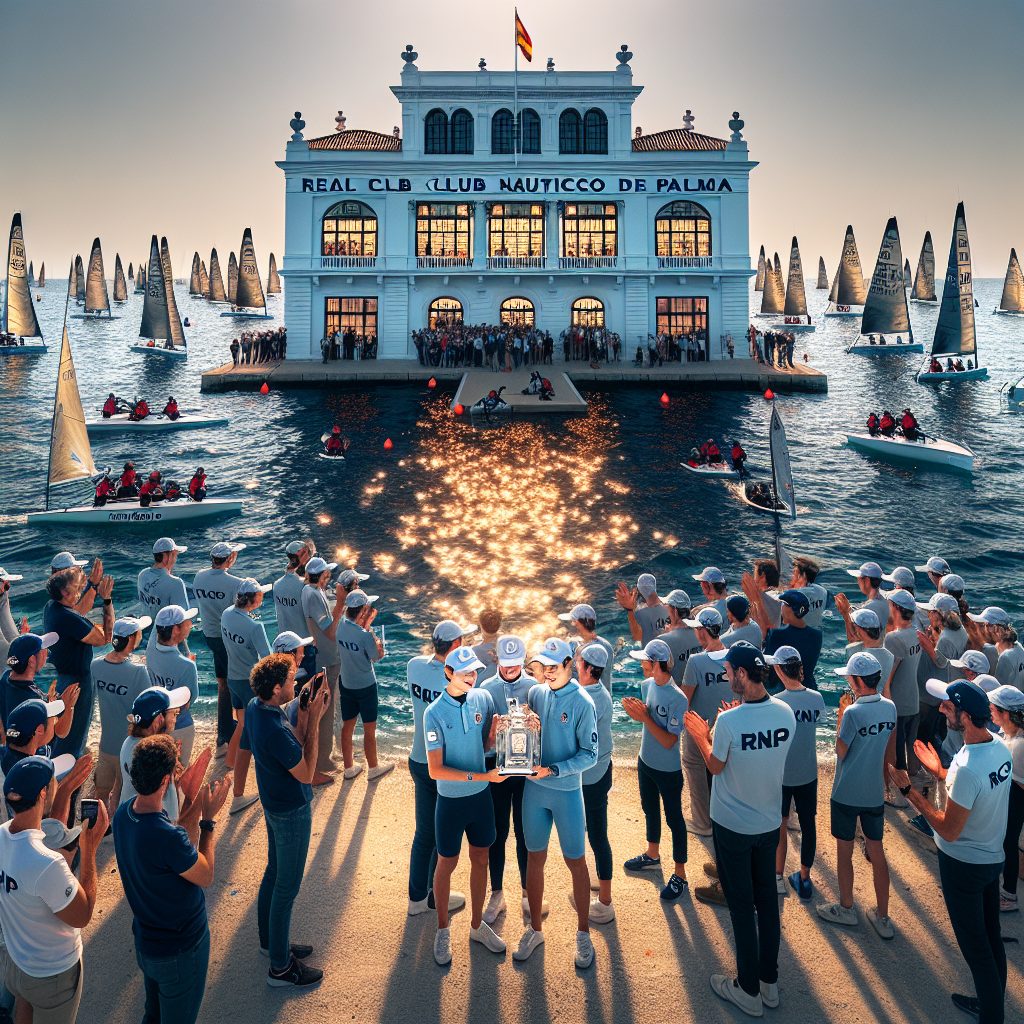
The Excellence in Sailing: Nikko Palou and Mónica Osha, Young Promises of the Real Club Náutico de Palma An Act of Recognition for Perseverance The Real Club Náutico de Palma (RCNP) recently held an emotional tribute to commemorate the achievements of two of its most promising young sailors: Nikko Palou and Mónica Osha. These young talents stood out in the ILCA 4 European Championship, an event that brought together the best sailors from the continent in Puck, Poland. Palou was crowned the under-16 champion and won bronze in the overall classification, while Osha was named female runner-up in the same category. The ceremony took place at the RCNP facilities and was attended by numerous members of the nautical community, including the club’s vice president, Alejandro López; the dinghy sailing spokesman, Hugo Ramón; and the director, Manu Fraga. The involvement of coaches, teammates, and family added a personal touch to the event, highlighting the importance of collective support in these outstanding individual achievements. During the event, Nikko and Mónica received commemorative plaques in recognition of their outstanding international performance. They attributed their success to constant dedication and unwavering commitment to their daily training, emphasizing the crucial role their coaches and the club have played at every stage of their development as athletes. The Impact of RCNP on the International Stage The RCNP has proven to be a breeding ground for talent, producing elite athletes who shine in international competitions. Among its recent successes are Tim Lubat’s victory in the ILCA 6 European Championship and Gabriela Morell’s achievement in the ILCA 6 under-17 European Championship. These victories underscore the club’s focus on comprehensive training and the continuous development of its members. According to Manu Fraga, the director of RCNP, these achievements are the result of a collective effort. He stated that “the successes of sailors like Nikko and Mónica are impossible without the support of the rest of the team, their coaches, and the unconditional backing of their families.” This collaborative approach not only fosters sporting excellence but also strengthens the community within the club. Hugo Ramón, in charge of dinghy sailing, emphasized the ability of these young sailors to excel under challenging weather conditions, a testament to their resilience and skill. He mentioned, “It is in these circumstances that the difference between a sailor and a champion is seen,” echoing the philosophy of perseverance and personal growth promoted by RCNP. Opportunities for Young Sailors The recognition of Palou and Osha not only celebrates their current achievements but also serves as an inspiration for other young sailors. The RCNP presents itself as a stronghold for those who wish to turn their passion for sailing into a professional career. Its sailing program offers top-notch training and access to competitions that can open doors to job opportunities in the nautical sector. For young people interested in pursuing a career in sailing, the commitment and dedication demonstrated by Nikko and Mónica are examples to follow. The support of a club committed to the development of its members is essential to achieving higher levels of success. The invitation is open for new talents to join the ranks of RCNP, where they can nurture their skills and reach new horizons in the world of sailing. In addition, the successes of these young sailors may attract the attention of maritime investors interested in supporting new talents and being part of a club that continuously produces champions. These strategic partnerships benefit not only the athletes but also strengthen the overall infrastructure of the club and its ability to continue developing emerging talent. The Future of Sailing at RCNP The road to success in the sailing world is not easy, but with the right training, motivation, and dedication, young talents can reach impressive heights. The Real Club Náutico de Palma remains committed to providing this environment for growth, ensuring that its sailors not only compete but also dominate the waves internationally. It is clear that the future of sailing at RCNP is promising. With a strong support structure, the club will continue not only producing champions but also inspiring a new generation of sailors. The success stories of Nikko Palou and Mónica Osha are just the tip of the iceberg of what is to come, and those who are part of this community can greatly benefit from the opportunities the club has to offer. Finally, the impact of RCNP on European sailing is unquestionable. Its contributions to the development of young talent and its commitment to excellence ensure that it will remain a reference point in the nautical landscape for many years to come. For industry professionals, investors, and enthusiasts, the club represents a hub of innovation and success, worthy of observation and support.
The Global Impact of Monjasa: Innovation and Adaptability in the Bunkering Industry

The Global Impact of Monjasa: Innovation and Adaptability in the Bunkering Industry Monjasa, recognized as one of the leading providers of marine fuel worldwide, has revealed key details about its operational performance in 2024. This information not only highlights Monjasa’s position as a leader in the most important bunkering hubs, but also its agility in adapting to geopolitical changes affecting global maritime routes. With a strategic presence in locations such as Singapore and the Panama Canal, the company demonstrates its ability to effectively respond to dynamics in international trade. This article explores how Monjasa is redefining the landscape of marine fuel supply and what this means for the maritime industry. The Dominance of Singapore and the Relevance of the Panama Canal In 2024, Singapore has solidified its position as Monjasa’s largest supply port, exceeding one million tons delivered. This achievement reinforces Singapore’s status as the world’s most important bunkering hub and underscores Monjasa’s operational commitment in this critical Asian maritime artery. On the other hand, the Panama Canal continues to be an essential strategic location. With combined volumes from its Atlantic and Pacific ports, Monjasa reaffirms its strong presence in the Americas. This strategic relevance of the canal not only facilitates global trade but also ensures Monjasa’s role in the region. For maritime professionals, the dominance of these ports represents significant job and business opportunities. Singapore and Panama are critical points for advanced logistics operations, inviting interested parties to explore employment possibilities in these hubs. Walvis Bay: A Strategic Response to Geopolitical Changes A highlight in Monjasa’s report is the rise of Walvis Bay, Namibia, as a new player in its supply list. This growth reflects a direct response to the diversion of ships to Africa amid disruptions in the Red Sea, exemplifying Monjasa’s adaptability to a changing geopolitical environment. The expansion of its operations in Walvis Bay not only ensures reliable supply routes but also highlights Monjasa’s ability to adjust its physical supply networks according to industry needs. This adaptation is crucial for seafarers who must adjust their logistical plans in the face of volatile geopolitical scenarios. With this shift, African ports along the Cape of Good Hope route are experiencing an increase in demand for marine fuels, showcasing the growing strategic importance of these alternative maritime corridors. Global Power: Monjasa’s Geographical Diversification Monjasa’s reach covers supply areas that reflect complete geographical diversification, encompassing key regions worldwide. This strong global presence allows the company to offer marine fuels through 788 ports around the world. Monjasa’s ability to operate in multiple markets reflects a robust logistical infrastructure, crucial for sustaining global trade by connecting traditional and emerging maritime markets. For maritime investors, Monjasa’s geographical diversification provides a solid and adaptable business model, minimizing risks associated with dependence on a single market. In addition, mariners can benefit from the wide network of ports available for refueling under the Monjasa flag, ensuring continuous and reliable supply regardless of their maritime route. Comprehensive Services for the Maritime Sector Monjasa offers a variety of services aimed at supporting global maritime operations. From trading marine fuels to operating strategic oil terminals, and engaging in ship management activities, its integrated approach is a pillar of its success. This strategy, supported by a fleet of approximately 35 tankers and barges, allows Monjasa to maintain prominent market positions, especially in challenging and niche regions. Maritime professionals can see Monjasa as a reliable partner that brings transparency and confidence to each transaction. Moreover, its commitment to environmental responsibility, by providing detailed information on the carbon footprint of its fuels, positions Monjasa as a leader in sustainability initiatives. Sector operators can potentially reduce the environmental impact of their operations by collaborating with Monjasa. Monjasa’s Fleet: A Global Strategic Support The impressive fleet of Monjasa, composed of 35 vessels, is essential for its global supply capacity. This hybrid approach, with a combination of owned and chartered vessels, provides exceptional flexibility and capital efficiency that is fundamental to its business model. Careful management of this fleet ensures reliable physical supply to thousands of vessels each year, serving as operational support that enables the maintenance of consistent service standards. This aspect is crucial for seafarers and fleet operators who rely on the continuous availability of marine fuels. Monjasa’s strategic approach to its fleet not only enhances its responsiveness to changes in navigation routes but also strengthens its position in the competitive marine fuels market. Contributing to the Future of the Maritime Industry Monjasa’s contribution to the development and resilience of the maritime industry is noteworthy. Its consistent supply of marine fuels is essential for the uninterrupted operation of vessels worldwide, and its role in facilitating global trade is undeniable. Additionally, Monjasa supports the maritime industry’s energy transition, being involved in the supply and logistics of alternative fuels such as biofuels and liquefied natural gas (LNG). This is vital for the sector as it transitions towards emissions reduction and compliance with global decarbonization goals. Monjasa’s commitment to innovation and sustainability offers opportunities for industry professionals looking to align with emerging trends and regulatory imperatives in the clean energy sector. Future Perspectives: Adaptability in a Changing Market Monjasa’s performance in 2024 consolidates its status as an innovative leader in the global bunkering industry. Its ability to achieve record volumes…
Seadrill Announces 2025 Second Quarter Results: Innovation and Opportunities in the Maritime Sector

Seadrill Announces 2025 Second Quarter Results: Innovation and Opportunities in the Maritime Sector The renowned company Seadrill, globally recognized for its involvement in deep-water drilling, has officially released its financial results for the second quarter of 2025. These figures have captured the attention of investors and maritime professionals, showcasing significant growth in operational revenue driven by strategic factors aligned with current maritime market trends. With a 10% increase in revenue compared to the previous quarter, Seadrill has reached $1.3 billion. This rise can be largely attributed to operational optimization and new strategic partnerships established in key maritime regions. These numbers not only reflect financial growth but also demonstrate Seadrill’s strengthening position within the global offshore drilling sector. The company’s net profit has also shown positive development, with a significant increase bringing net income to $250 million. Analysis of these data reveals how Seadrill has enhanced its operational efficiency and reduced costs, resulting in a profit margin exceeding 19%. This financial scenario not only instills confidence in investors but also presents new investment and job opportunities within the maritime sector. Technological Innovations: Pioneers in Offshore Drilling Alongside its economic growth, Seadrill has announced notable advancements in technological innovation, reaffirming its leadership position within the maritime sector. The company has recently implemented a new automated drilling system designed to enhance the precision and safety of its operations at sea. This technology not only reduces human risk but also optimizes drilling times, increasing productivity. The AI and machine learning-based system allows for the prediction and prevention of potential failures or interruptions during the drilling process. This advancement not only signifies an improvement in terms of efficiency but also translates into a competitive advantage within a market that values technological innovation. Improves precision and safety in drilling operations Reduces human risk and optimizes productivity Utilizes AI and machine learning for predictive capabilities These developments are not only relevant for technical operators but also for investors seeking companies with a sustainable and innovative focus. Such innovations are not overlooked by maritime industry professionals as they represent a unique opportunity to enhance working conditions and maximize performance. Impact on Employment and Professional Opportunities The expansion and advancements presented by Seadrill have a direct impact on the maritime sector’s workforce. With its new investments and technology, the company has announced a range of new job positions aimed at technical professionals and experts in technological development. These opportunities not only promote job creation but also encourage ongoing training for current professionals looking to adapt to emerging technology. Maritime professionals and drilling technicians will find in Seadrill a conducive environment for career development, with the chance to participate in pioneering and impactful projects. The company is actively seeking specialized profiles in advanced engineering, automated systems programming, and high-level project management, signaling a commitment to quality and innovation. Creation of new job positions for technical and technology experts Emphasis on ongoing training and career development Opportunities for professionals in advanced engineering and project management Seadrill is actively recruiting new talents to join its team, inviting interested professionals to submit their applications through the company’s official website. This proactive approach not only highlights Seadrill’s growth as a sector leader but also underscores its contribution to economic and employment development within the maritime industry, offering a platform for personal and professional growth for its employees. Relevance for Nautical Enthusiasts and Maritime Investors For nautical enthusiasts, the technological advancements and new routes explored by Seadrill provide a fascinating insight into how the industry is evolving and adapting to face future challenges. Drilling innovations impact not only commercial operations but also vessel design and operation, promoting a more sustainable and effective approach that can inspire sailors and naval engineers alike. Maritime investors can find in Seadrill’s financial report a clear indication of profitable opportunities arising from efficient management and a commitment to cutting-edge technology. The stability and growth reflected in the 2025 second-quarter results reaffirm the investment potential in the maritime sector, highlighting the importance of staying up-to-date with current developments and trends. Ultimately, the community of maritime professionals and enthusiasts will find in these advancements reasons to continue exploring and learning, adopting a proactive perspective towards the changes and opportunities presented by the market. Seadrill’s example is an invitation to stay informed and actively participate in the industry’s transformation, being part of a community that drives towards the future.
Revolutionizing the Market with Virtual Biomethane Liquefaction at Klaipėda Terminal

Revolutionizing the Market with Virtual Biomethane Liquefaction at Klaipėda Terminal KN Energies is set to revolutionize the Baltic energy landscape with the introduction of a groundbreaking virtual biomethane liquefaction service at the LNG terminal in Klaipėda, Lithuania. This innovative initiative positions Klaipėda as a strategic hub in the emerging Bio-LNG market, leveraging existing infrastructure to expand the availability of cleaner fuels in the region. The Klaipėda LNG terminal has long been a crucial component of the energy security for Baltic countries. With the introduction of the virtual liquefaction service, not only is a more sustainable supply ensured, but it also strengthens the port’s position as a leader in energy transition. This advancement is not only significant for the local market but also stands out in the European context, as only a few terminals currently offer such services. Thanks to this innovation, Klaipėda solidifies its status as a vital center for the production and distribution of Bio-LNG, providing biogas producers with an efficient way to integrate their operations into the LNG logistics chain. This development opens new doors for maritime investors and industry professionals, offering them an opportunity to expand their portfolios and play an active role in the sustainable future of maritime transport. The Power of Biomethane: Driving Change in Bunkering Biomethane, a renewable gas derived from organic waste, emerges as a robust solution for reducing carbon footprint in the maritime sector. When liquefied, it transforms into Bio-LNG, a fuel that can be directly used in existing LNG infrastructure without the need for costly adaptations. For vessel operators and owners, the use of Bio-LNG represents a strategic advantage. Not only does it help to amortize previous investments in LNG technology, but it also offers a significant reduction in greenhouse gas emissions. Depending on the source material used, biomethane can provide an almost total or even negative reduction in emissions, making it a powerful ally in the fight against climate change. The compatibility of Bio-LNG with current infrastructures and fleets facilitates its adoption by the industry, enabling a gradual transition towards a more sustainable model without sacrificing efficiency or profitability. This is particularly relevant in the current context, where European regulations like FuelEU Maritime demand significant reductions in the carbon intensity of fuels used by ships operating in EU ports. Biomethane is a renewable gas derived from organic waste Bio-LNG can be directly used in existing LNG infrastructure Reduces greenhouse gas emissions significantly Compliance and Decarbonization Strategies: Impact of FuelEU Maritime The FuelEU Maritime regulation, set to come into effect in 2025, establishes ambitious emission reduction targets for vessels operating in EU ports. In this context, KN Energies’ initiative to offer Bio-LNG through virtual liquefaction is not only timely but essential for meeting these new environmental requirements. Access to certified Bio-LNG in strategic locations like Klaipėda provides shipowners with a key tool to comply with these regulations without having to make complex and costly modifications to their existing LNG-powered fleets. This availability is a critical step in facilitating regulatory compliance and accelerating the decarbonization of maritime transport. KN Energies’ commitment to sustainability is a crucial catalyst for the green transition of the maritime industry, demonstrating that profitability and environmental responsibility can be combined through the strategic use of renewable resources. Understanding Virtual Liquefaction and its Relevance The concept of virtual liquefaction, central to KN Energies’ offerings, allows for unprecedented flexibility in the distribution of biomethane. Instead of requiring physical infrastructure for immediate liquefaction, this model enables producers to inject gas into the common European gas network. KN Energies then extracts an equivalent amount of biomethane at the Klaipėda terminal, where it is liquefied and prepared for use in bunkering. This approach greatly simplifies logistics and increases accessibility to biomethane, removing physical barriers and enabling a faster expansion of renewable marine fuel offerings. A key step in implementing this service was the approval, on July 8, 2025, of amendments to the LNG Terminal Regulation by the National Energy Regulation Council. These updates, available on the KN Energies website, will enhance the competitiveness of the Klaipėda terminal and diversify the use of its LNG infrastructure without compromising its primary regasification function. Driving a Green Future in European Bunkering KN Energies’ commitment to virtual biomethane liquefaction marks a significant milestone for the bunkering industry. Beyond being a mere service addition, it represents a clear commitment to sustainability and the promotion of cleaner and more efficient maritime operations. As the world moves towards greater decarbonization, the availability of Bio-LNG in key ports like Klaipėda will be instrumental in supporting the energy transition of the maritime sector and achieving critical environmental goals. At the same time, this initiative offers industry stakeholders new job and investment opportunities, encouraging participation in a market that promises to be crucial in the ecological future of transportation. For maritime professionals, sailors, investors, and nautical enthusiasts, technological and strategic advancements like those undertaken by KN Energies serve as a reminder of the transformative potential of the maritime industry. Actively engaging in these developments not only ensures a