


The Digital Revolution in Navigation: Hyundai Glovis and Lab021 Leading the Change with Vessellink
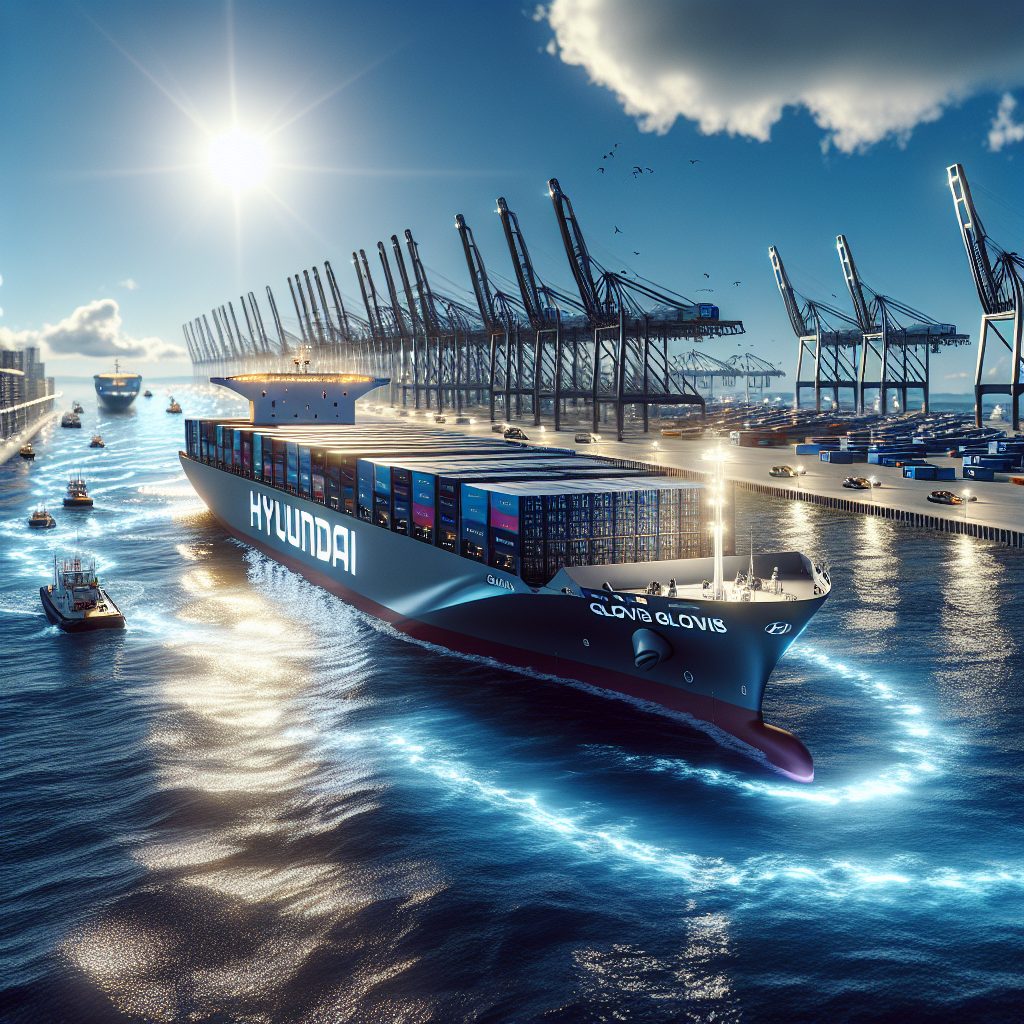
The Digital Revolution in Navigation: Hyundai Glovis and Lab021 Leading the Change with Vessellink Technological Innovation in the Maritime Industry Hyundai Glovis, a global powerhouse in smart logistics, has taken a bold step towards the future with its most recent strategic alliance with Lab021, a provider of maritime IT solutions. This collaboration aims to implement Vessellink, an advanced digital reporting system specifically designed for naval operations. This agreement reflects a growing trend in the maritime industry towards digitalization and the optimization of operational processes through technology. The Vessellink system is designed to automate the collection of data, analysis, and critical reporting on ship metrics. Among its standout features is real-time trip monitoring, which not only improves operational efficiency but also promotes safer navigation and environmental awareness. This technological innovation not only promises to revolutionize how naval companies manage their fleets but also represents a significant advancement in how data is used to anticipate and prevent operational issues. By integrating this system, Hyundai Glovis is at the forefront of digital transformation in the maritime sector. Practical Benefits of Vessellink Throughout history, the maritime industry has been a fundamental pillar of global trade, and the digitalization of operational processes represents a natural evolution in its development. The Vessellink system offers a series of practical benefits that can be crucial for the success of modern naval operations. Real-time trip monitoring allows companies to optimize their vessel routes, resulting in significant fuel savings and reduced CO2 emissions. This aspect is not only beneficial for the environment but also for the economic operation of companies, significantly reducing costs. Automated reporting reduces the risk of human errors and frees operators from the burden of repetitive tasks. This allows the crew to focus on more critical aspects of operations and improves onboard safety by providing a clearer and more accurate view of essential ship metrics. Employment Opportunities and the Future of Employment in the Sector In addition to technological benefits, the implementation of advanced systems like Vessellink opens significant doors for job opportunities within the maritime sector. Companies like Hyundai Glovis, which lead these innovations, are constantly seeking qualified professionals to manage and optimize these new tools. The need for maritime IT experts, data analysts, and advanced system operators is growing as digitalization becomes a standard in the industry. This presents an excellent opportunity for professionals from various fields to integrate into the maritime sector and contribute their technological expertise. Therefore, interested individuals are encouraged to consider this sector as a fertile field for professional development by sending their resumes to pioneering companies like Hyundai Glovis, which are investing in the training and development of their teams to tackle future challenges. Impact on the Merchant Marine Sector The merchant marine sector will greatly benefit from the implementation of advanced technologies like Vessellink. Companies can more accurately measure the performance of their fleets and comply with the most demanding international regulations, thus improving their global competitiveness. Furthermore, the ability to collect and analyze real-time data enables informed strategic decision-making that can positively impact short- and long-term operations. This results in increased responsiveness to unforeseen events, leading to risk reduction and continuous operational optimization. Final Thoughts and Call to Action In conclusion, the partnership between Hyundai Glovis and Lab021 to implement Vessellink not only represents a significant technological advancement but also underscores the importance of adapting to new market realities. Companies investing in technology not only become more efficient but also position themselves as change leaders within a traditionally conservative industry. This shift towards digitalization is essential not only to improve operational efficiency and safety but also to maintain competitiveness in an increasingly interconnected global market. Adaptation is key to success, and industry professionals must be willing to train and evolve alongside these emerging technologies. Finally, readers are invited to delve deeper into this topic and explore how they can apply these innovations in their own professions. The digital revolution in maritime navigation has arrived, and being prepared to seize its opportunities is crucial for any maritime professional.
The Triumph of the Padrón Brothers and Alba Ponce: The Real Club Náutico de Gran Canaria Triumphs at the J80 World Championship
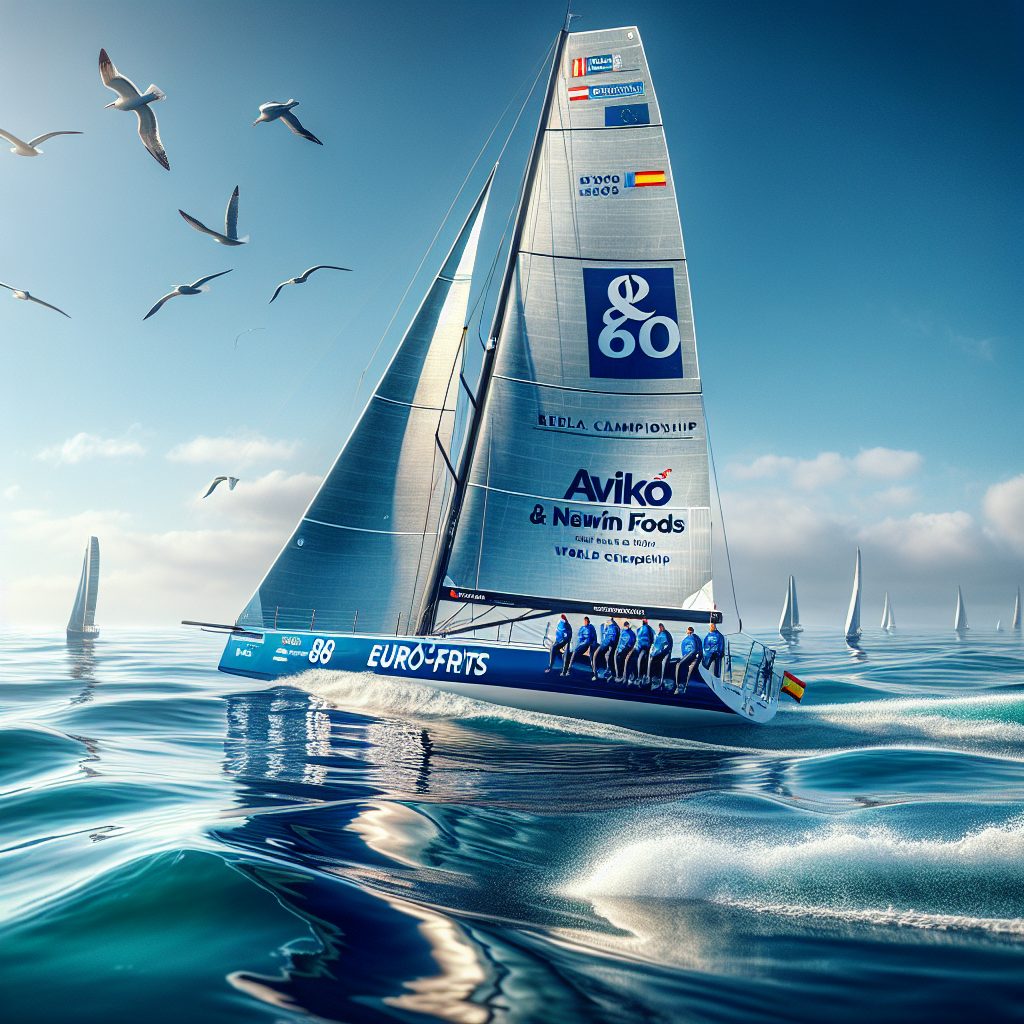
The Triumph of the Padrón Brothers and Alba Ponce: The Real Club Náutico de Gran Canaria Triumphs at the J80 World Championship In an exciting event held in Belgium, the Real Club Náutico de Gran Canaria (RCNGC) once again etched its name in golden letters in the history books of competitive sailing. The brothers Javier and Alberto Padrón, along with the young talent Alba Ponce, emerged victorious at the J80 World Championship, reaffirming their dominance on the international circuit. This achievement not only signifies a sporting victory but also underscores the significance of dedication and teamwork in the nautical realm. The success of the trio is even more impressive when considering that Alba Ponce, at just 13 years old, clinched her second consecutive world championship, displaying remarkable maturity and skill for her age. On the other hand, the Padrón brothers have solidified their status with this third consecutive title, reaffirming their consistency and prowess on the sea. Alba Ponce, at 13 years old, secured her second consecutive world championship title. The Padrón brothers claimed their third consecutive title, showcasing their skill and consistency. These victories not only showcase the individual potential of each team member but also highlight the quality of the Real Club Náutico de Gran Canaria in nurturing elite athletes. The team, aboard the Eurofrits Aviko & Newind Foods and skippered by Javier Padrón, displayed admirable consistency throughout the twelve races of the championship. Their ability to adapt to changing wind and wave conditions was crucial, enabling them to secure three first-place finishes, three second-place finishes, two third-place finishes, and three fourth-place finishes, discarding a sixteenth-place finish. This outstanding performance not only earned them the title but also reinforces the idea that commitment and preparation are essential for success in competitions of this calibre. The Value of Teamwork and Talent Development The success of the Canarian team serves as a testament to the value of teamwork and the importance of adequate training in the nautical world. Daniel de la Pedraja and Jon Larrazabal, both from the Real Club Marítimo de Santander, completed the team, bringing their experience and skills to ensure victory. The synergy among team members was crucial, and their ability to work together under pressure is an inspiring example for other professional sailors and aspiring individuals. The development of young talents, such as Alba Ponce, is vital for the future of the sport. Her success at such a young age is a clear indicator of the RCNGC’s focus on continuous training and support for its athletes from a young age. This not only ensures success in current competitions but also guarantees the necessary generational turnover for the club to remain a prominent figure in the international nautical landscape. The success of the Canarian team highlights the value of teamwork and talent development. Young talents like Alba Ponce play a crucial role in shaping the future of the sport. From a professional standpoint, the RCNGC’s success at the J80 world championship represents an opportunity for the nautical industry. The interest and attention generated by such achievements can attract investments, sponsorships, and job opportunities for sector professionals. Nautical companies can benefit from partnering with successful clubs and athletes, potentially leading to increased brand recognition and exploration of new markets. Impact and Future of Canarian-International Sailing The impact of the triumph of the Padrón brothers and Alba Ponce extends beyond mere sporting recognition. It reinforces the role of the Canary Islands as a true breeding ground for talent in the sailing realm. The presence of Canarian sailors at the pinnacle of international sports underlines the region’s importance in developing nautical activities and promoting sports tourism, which can be a significant source of income and employment on the islands. With the European Championship as their next target, the Canarian team aims not only to continue their winning streak but also to solidify their position as leaders on the circuit. Javier Padrón’s schedule, which includes the Spanish J70 Championship and other high-level competitions, suggests a demanding yet opportunistic calendar to further showcase their talent. The Canary Island team is setting its sights on the European Championship. Javier Padrón’s busy schedule hints at more opportunities to demonstrate his abilities. For investors and professionals in the maritime industry, the success of events like these highlights the potential of investing in the sailing industry. Whether through sponsorships or promoting similar events, there is a tangible benefit to aligning with the growing interest in international nautical competitions. Innovation and Technology in the Sailing World The RCNGC’s triumph also underscores the importance of innovation and technology in sailing. The use of boats like the Eurofrits Aviko & Newind Foods demonstrates how modern vessels, with their advanced navigation systems and optimized design, can make a difference in highly demanding competitions. These innovations not only enhance performance but also increase the safety of crews, which is crucial in a discipline where conditions can change dramatically in a matter of minutes. For sailors and industry professionals, staying abreast of technological advances is essential. The integration of new technologies allows teams to gain a competitive edge in competitions, emphasizing the importance of continuous updating and training in these aspects. Moreover, successful events can drive the development of innovative technologies in the sector, benefiting the entire nautical community. The Importance of Strong Nautical Communities The Real Club Náutico de Gran Canaria and its success at the world championship are an example of the positive impact that strong nautical communities can have on sport development. Nautical clubs provide not only the physical space for practice and improvement
The Transformation of Southern UK Region by AECOM and VolkerRail
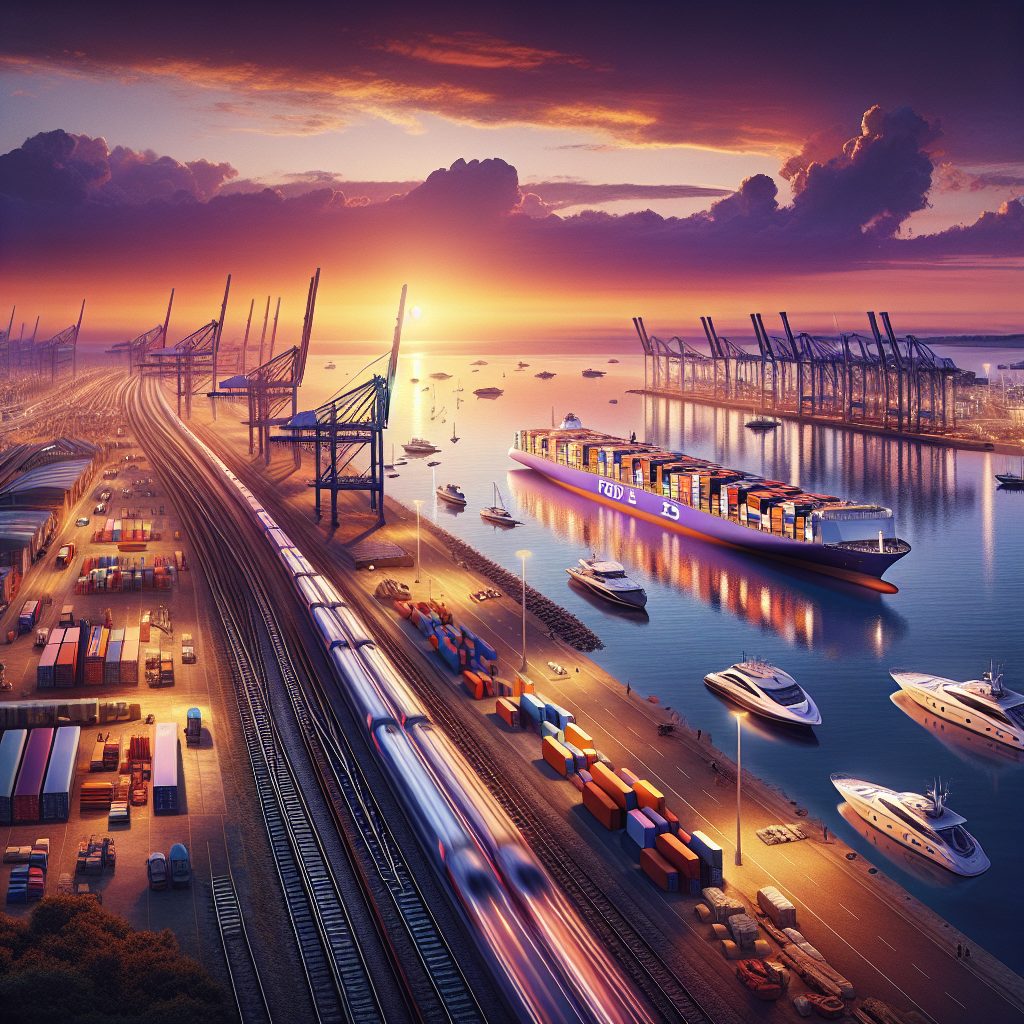
The Transformation of Southern UK Region by AECOM and VolkerRail The renowned global infrastructure leader, AECOM, has been appointed as a key partner in delivering services for VolkerRail, as part of the Southern Renewals Enterprise (SRE) initiative led by Network Rail to revitalize the Southern UK Region. With approximately 700 million passenger journeys annually, this region encompasses significant areas of London and the south of England, becoming a vital hub for both land and maritime transport. Strategic Alliance for Innovation AECOM and VolkerRail joining forces in this project aim to not only enhance the quality of railway services but also to integrate technological innovations that positively impact both maritime and land infrastructure. The interdisciplinary approach of AECOM includes conducting complex topographical surveys and comprehensive design of railway tracks to ensure a complete and effective renovation. This collaboration opens up new job opportunities for naval engineers and maritime professionals to apply their expertise in topography, cartography, and structural design in a multidisciplinary work environment. The initiative offers significant advantages in terms of safety and efficiency for passengers and logistical operations, becoming a benchmark for how infrastructure projects can catalyze economic and social development in the region. Impact on the Maritime and Nautical Sector The SRE project not only benefits land transport but also has a profound effect on the maritime sector. Improvements in the infrastructure of the Southern UK Region facilitate more efficient access to ports, crucial for international trade and maritime line operations. This enhanced access optimizes logistics routes, reduces transit times, and attracts maritime investors looking to capitalize on a growing sector. Furthermore, enthusiasts of nautical activities will indirectly benefit from improved services and experiences in seafaring, thanks to faster and more effective connections between coastal areas and the country’s interior. The upgrade in railway infrastructure directly impacts the quality and availability of maritime-related tourism services. Reasons to Consider This Project The collaboration between AECOM and VolkerRail offers exciting job opportunities for maritime professionals, contributing their specialized knowledge in crucial areas like engineering and project management. The demand for qualified talent in these fields is rising, providing a clear pathway for professional development. For investors, the project signals confidence in the UK maritime sector’s economic growth. Infrastructure improvements lead to a revaluation of existing routes and services, creating a conducive environment for safe and profitable investment. For nautical enthusiasts, the modernization driven by the SRE promises to significantly enhance the sailing experience in terms of safety and comfort, with better connections to ports and marinas. Exploring the Future of Infrastructure This project not only redefines existing infrastructure but also lays the groundwork for a more sustainable and technologically advanced future. The application of modern design and execution methodologies promises to improve the resilience and sustainability of railway and maritime infrastructures, crucial in a world increasingly affected by climate change. The collaboration between AECOM and VolkerRail exemplifies how strategic partnerships can transform entire regions, offering benefits beyond immediate infrastructure improvements. The value of these initiatives lies not only in the tangible results they produce but also in how they inspire other regions and countries to follow a similar path towards innovation and sustainable development. Conclusion In conclusion, the partnership between AECOM and VolkerRail for Network Rail’s Southern Renewals Enterprise represents a significant advancement in railway infrastructure with profound implications for the maritime and nautical sectors. This cooperation is an inspiring example of how integrating knowledge and resources can lead to innovation and progress, benefiting all involved. Those interested in being part of this transformation will find in this project an open door to new horizons.
The Revolutionary Alliance between Helix Robotics and NKT in Submarine Engineering

The Revolutionary Alliance between Helix Robotics and NKT in Submarine Engineering In a world where technological innovation is advancing by leaps and bounds, the maritime industry is not lagging behind. A recent agreement between Helix Robotics Solutions Limited, the UK robotic division of Helix Energy Solutions Group, Inc., and NKT A/S, designer and manufacturer of electrical cabling solutions, promises to transform the sector with the creation of the T3600, the most powerful submarine trencher ever designed. A Long-Term Agreement Redefining the Sector The collaboration between Helix and NKT focuses on a long-term cooperation and framework agreement aimed at enhancing efficiency and effectiveness in the installation and maintenance of submarine electrical cables. These cables are crucial for the transmission of renewable energy, making this agreement especially relevant in the current context of energy transition. Helix, known for its expertise in submarine robotic solutions, will bring its vast experience and cutting-edge technology to the project. Their robotic division in the UK has been a pillar of innovation in the sector, and this agreement reinforces their position as an industry leader. On the other hand, NKT, a renowned company in the design and installation of cabling solutions, will contribute their specialized knowledge and engineering capabilities. This collaboration creates a synergy that promises exceptional results in terms of operational efficiency and sustainability. The T3600: Power and Technology Serving the Sea The T3600 is a masterpiece of submarine engineering. Designed to be the most powerful trencher in the world, its capability to excavate and bury cables at unprecedented depths makes it an indispensable tool for the most ambitious submarine projects. The main feature of the T3600 is its versatility to operate in various maritime conditions, from the most compact soils to the most challenging terrains. This capability not only enhances operational efficiency but also reduces environmental impact by minimizing the necessary intervention. Additionally, the T3600 incorporates advanced automated control systems that allow for millimetric precision in cable installation, ensuring the reliability and durability of submarine infrastructures, vital aspects for the success of any renewable energy project. Employment and Investment Opportunities on the Horizon The economic impact of this agreement is not limited to technological innovation. The collaboration between Helix and NKT opens up numerous job opportunities in the maritime sector. From specialized engineers and technicians to skilled operators, the implementation of the T3600 will require a broad team of professionals. For sector professionals and nautical enthusiasts, this project represents a unique opportunity to be part of a world-leading initiative. The demand for specialized talent in submarine technologies is constantly growing, and this agreement is a clear example of how the maritime industry is evolving towards a more technological and sustainable future. Likewise, investors in the maritime sector can find in this agreement a solid structure with great growth potential. Both Helix and NKT have a proven track record of success and a reputation that precedes them, making this alliance a safe bet for those interested in expanding sustainable energy infrastructures. Relevance for Sector Professionals and Enthusiasts For merchant navy professionals, understanding how the T3600 optimizes cable installation is essential to appreciate the added value in the energy supply chain. Advances in trencher technology not only improve operational efficiency but also ensure greater environmental sustainability. For sailors and nautical enthusiasts, this news offers a new perspective on the impact of advanced technology on modern navigation. Understanding developments in submarine engineering can broaden their understanding and appreciation of the role these innovations play in the maritime ecosystem. Finally, for investors, the agreement between Helix and NKT represents an opportunity to participate in the growth of a key sector for global energy transition. A Promising Future for Submarine Engineering The agreement between Helix Robotics and NKT not only marks a milestone in submarine technology but also points the way to a more innovative and sustainable future in the maritime sector. With the T3600 at the forefront, expectations are high for the results this collaboration can offer. The maritime industry is at a crossroads where technology and sustainability must go hand in hand. Initiatives like this not only promote operational efficiency but also set a standard for environmental responsibility and technological innovation. We invite our readers to closely follow the development of this alliance. Submarine technology is constantly evolving, and staying abreast of the latest advances is vital to remaining competitive in the market. The story of Helix and NKT is just the beginning of what promises to be a golden age for submarine engineering. For more information and to explore opportunities related to the T3600, do not hesitate to visit the official websites of Helix and NKT, where you can find details about possible collaborations and job offers. This is an exciting time to be part of the maritime sector, and the adventure has only just begun.
The Future of the Small Boat Market: Innovation and Growth Opportunities Until 2034

The Future of the Small Boat Market: Innovation and Growth Opportunities Until 2034 The small boat market is experiencing significant growth and is projected to continue on this trajectory until 2034. According to the latest report from ResearchAndMarkets.com, this sector, which includes boats under 30 feet in length primarily used for recreational purposes, is set to reach a value of $35.6 billion in 2025. Furthermore, it is expected to grow at a compound annual rate of 12%, reaching global sales of $98.7 billion by 2034. This growth is driven by various factors, including the increasing popularity of water recreational activities and technological advancements in boat manufacturing. This market not only offers opportunities for manufacturers but also for maritime professionals, maritime investors, and nautical enthusiasts looking to diversify their interests or explore new business areas. For maritime professionals, the boom in the small boat market represents an opportunity to expand their professional horizons. Companies involved in the production and distribution of these boats are constantly on the lookout for specialized talent, opening doors for those interested in being part of this dynamic sector. In this context, it is an ideal time for interested individuals to submit their resumes to these emerging companies. Technological Innovations Driving Growth Technological innovation has been a key driver in the growth of the small boat market. One of the most prominent areas of development is the use of advanced materials that enhance the durability and efficiency of boats. Composite materials such as carbon fiber and new polymers are increasingly being used, offering lighter and stronger boats. Additionally, the integration of digital technology in small boats is transforming how sailors interact with their vessels. From advanced navigation systems to low-consumption electric motors, these innovations not only improve the user experience but also contribute to environmental sustainability, an increasingly important aspect in the nautical sector. Carbon fiber and new polymers are increasingly being used, offering lighter and stronger boats. Advanced navigation systems and low-consumption electric motors are transforming user experiences and contributing to environmental sustainability. For maritime investors, these innovations represent an attractive investment opportunity. The demand for boats with enhanced technological features is on the rise, suggesting a significant return on investment for those willing to capitalize on these emerging trends. Investing in companies leading these developments can result in substantial long-term benefits. Applications and Use of Small Boats Small boats are highly versatile and used in a variety of applications, from recreational activities such as water skiing and sport fishing to their use in commercial and rescue operations. This flexibility not only increases their appeal among consumers but also expands the market to include different types of users. In the recreational field, the increase in water events and competitions has boosted the demand for specialized boats that meet specific requirements for speed and maneuverability. This has led manufacturers to continuously innovate, offering models tailored to the needs of the most demanding sailors. On the other hand, for commercial and rescue operations, efficiency and reliability are paramount. Smaller and more efficient boats allow organizations to carry out operations in hard-to-reach areas, improving response capability and effectiveness in critical situations. Small boats are used in a variety of applications, from recreational activities to commercial and rescue operations. The versatility of small boats expands the market to include different types of users, increasing their appeal. Growth Opportunities and Employment in the Sector The projected growth of the small boat market not only brings opportunities for companies and consumers but also for professionals interested in the sector. Whether for those seeking employment in boat construction and design or for those interested in roles related to distribution and sales, the market is hungry for trained talent. Many companies within this sector are expanding and diversifying their operations to meet the growing demand, resulting in increased hiring in various areas, from engineering to marketing. Therefore, professionals in the sector would do well to consider this market as a path to new job opportunities. Nautical enthusiasts looking to transition into full-fledged professionals can significantly benefit from getting involved in this expanding sector. The industry offers not only employment but also the opportunity to engage with a global community passionate about the sea and innovation. Conclusion: A Promising Future for the Small Boat Market The small boat market is in a privileged position to experience unprecedented growth over the next decade. From technological innovations to the expansion of applications and employment opportunities, maritime professionals and nautical enthusiasts have many reasons to be excited about the future. For maritime professionals, innovations in small boats offer the opportunity to expand their skills and participate in a sector that values both tradition and innovation. For investors, investment opportunities in emerging technologies and growing companies are becoming increasingly attractive, promising long-term returns aligned with market trends. Ultimately, the future of the small boat market is full of possibilities for those willing to explore its paths. Those looking to delve deeper into this topic can explore more resources and stay informed about the latest trends to capitalize on the opportunities that arise in this exciting sector.
The Transformative Program of Ocean Pathways High School Research Mentorship
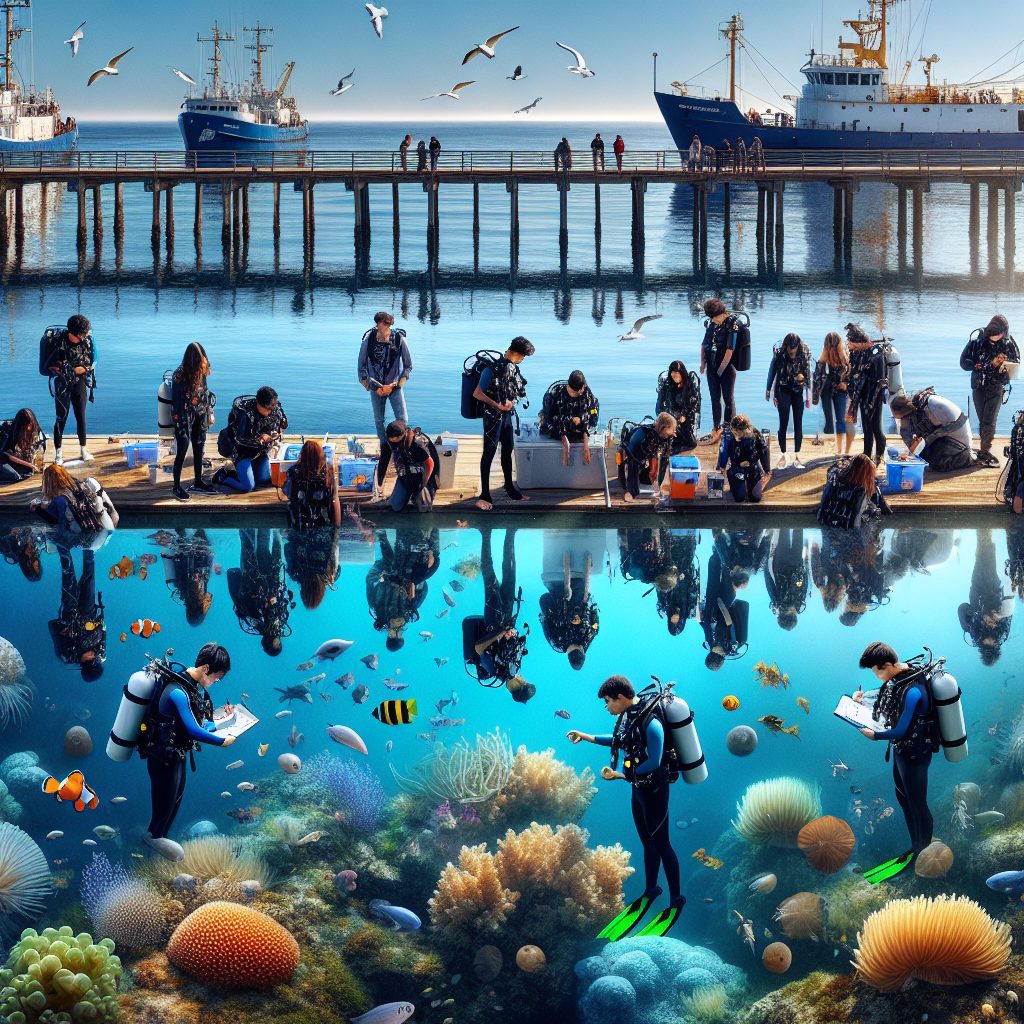
The Transformative Program of Ocean Pathways High School Research Mentorship In a world where sustainability and innovation are vital for the future of the maritime sector, the Ocean Pathways High School Research Mentorship program emerges as a beacon of educational opportunities. This innovative six-week program, led by AltaSea in the Port of Los Angeles, along with Hugo Neu/Kearny Point and NY/NJ Baykeeper and in collaboration with the Newark Boys & Girls Club, is now in its third consecutive year. It provides high school students from Los Angeles, New York, and New Jersey with an enriching experience in marine biology. Participants immerse themselves in a practical research environment that offers them the opportunity to learn directly from experts in the field. This educational approach not only provides technical knowledge in marine biology but also instills transferable skills that can be applied in various areas of the maritime industry and beyond. The experience serves as a bridge between academic theory and professional practice, preparing these young individuals for future careers in an ever-evolving sector. The collaboration between renowned institutions and local organizations reflects the maritime community’s commitment to preparing future generations for the challenges and opportunities of the ocean. Programs like Ocean Pathways are essential for fostering early interest in marine conservation and sustainable technology, ensuring a promising future for the sector. The Growing Field of Marine Biology: Opportunities and Challenges Over the past decade, marine biology has gained undeniable prominence in discussions about sustainability and marine environment conservation. The oceans, which cover more than 70% of the Earth’s surface, are crucial for climate regulation, oxygen production, and global biodiversity. Maritime professionals, including marine biologists, ocean engineers, and sustainability technicians, play fundamental roles in the protection and management of these vast resources. The Ocean Pathways program offers students a unique perspective on the interconnection of marine ecosystems and the impact of human activity. Through field research and community-driven projects, students explore advanced concepts in marine ecology, research techniques, and the application of emerging technologies in marine conservation. These experiences are valuable not only for the students but also for professionals in the industry. By providing hands-on training from an early stage, the program helps create a talent pipeline that meets the growing demand for skilled professionals in sustainable ocean management. Professional Connections and Career Development One of the highlights of the Ocean Pathways program is the opportunity for students to establish valuable connections with experienced mentors in the maritime industry. These relationships not only provide academic guidance but also offer a glimpse into the professional world, opening doors to future employment opportunities in the sector. The program focuses not only on the academic and professional development of students but also promotes inclusion and diversity within the maritime sector. By collaborating with the Newark Boys & Girls Club, the program ensures that students from diverse backgrounds have access to these transformative opportunities, fostering a more inclusive maritime sector. Established professionals can also find inspiration and renewal in this program. Interacting with a new generation of emerging professionals offers a fresh and revitalizing perspective, essential for growth and innovation in their own careers. Relevance and Benefits for the Maritime Industry The Ocean Pathways program is an excellent example of how innovative educational initiatives can have a significant impact on the maritime sector. Firstly, it fosters early interest in maritime careers, ensuring a steady flow of talent into the industry. This directly responds to the growing demand for skilled professionals who can address the complex challenges facing our oceans. Secondly, the program promotes innovation through research and the application of new technologies. Students not only learn about current practices but are also encouraged to think creatively about future solutions, nurturing an innovative approach from the outset of their careers. Finally, this initiative reinforces the importance of interinstitutional collaboration in maritime education. By uniting efforts among different organizations and communities, a robust network is created that supports continuous professional development and the promotion of sustainable practices throughout the industry. A Brighter Future for the Ocean and Those Who Navigate It In summary, the Ocean Pathways High School Research Mentorship program not only represents an investment in the education of young students but also an investment in the future of the maritime sector. By equipping the next generation of maritime professionals with the necessary tools and knowledge, this program sets an example for other educational initiatives within and beyond the maritime field. For those interested in contributing to the vast world of the ocean, participating in programs like this can be an essential first step. And for professionals already in the field, it is an opportunity to share knowledge and learn from the new generations, ensuring a sustainable legacy for the maritime future. We invite our readers to explore more about the Ocean Pathways program and consider how they can participate or support similar initiatives in their communities. Ultimately, the success of the maritime sector depends on our collective ability to educate, inspire, and collaborate in the pursuit of a more sustainable future for our oceans.