


The Strategic Alliance between Great American Insurance Group and Breeze in the Maritime World

The Strategic Alliance between Great American Insurance Group and Breeze in the Maritime World Innovation in Maritime Insurance: A Strategic Collaboration The recent partnership between the Ocean Insurance Division of Great American Insurance Group and the innovative company Breeze marks a significant milestone in the maritime insurance sector. This collaboration combines the experience and tradition of an established company with the dynamism and technology of an emerging startup, opening new horizons in coverage and risk management for the maritime industry. The need for flexible solutions tailored to the sector’s new demands has driven Great American to partner with Breeze, a company known for its innovative approach and ability to integrate advanced technology into insurance management. This agreement promises not only to optimize existing coverage but also to develop new products that meet the emerging needs of an ever-evolving market. For maritime professionals and maritime investors, this alliance presents an invaluable opportunity. The combination of traditional insurance expertise with technological agility could transform the way risks are understood and managed in the sector, offering increased security and efficiency. Impact on the Maritime Sector: Efficient Routes and Better-Insured Ships The impact of this collaboration goes beyond insurance policies. The partnership between Great American and Breeze has the potential to significantly influence the daily operations of commercial fleets. The adoption of advanced technology, facilitated by Breeze, allows for better monitoring and data analysis, crucial for improving the safety and operational efficiency of ships. Furthermore, the integration of digital tools in risk assessment and insurance management can result in safer and more efficient maritime routes, reducing operating costs and environmental impact. This is particularly relevant in a context where sustainability and resource optimization are growing priorities for the industry. Navigators and nautical enthusiasts will also find reason to be optimistic about this alliance. Improved risk management and incident reduction can contribute to making navigation safer and more enjoyable, thereby encouraging greater participation in recreational and sports activities related to nautical pursuits. Job Opportunities and Professionalization of the Sector The synergy between Great American and Breeze represents not only innovation in products but also in job opportunities. The development of new technologies and services often leads to a demand for skilled professionals who can implement and manage these innovations. The need for experts in data analysis, system integration, and maritime insurance consulting is on the rise. This presents an invitation for maritime sector professionals to consider updating their skills and exploring opportunities within companies leading this transformation. For those with experience in technology and risk management, submitting their resumes to Great American or Breeze could signify a step forward in their careers. Finally, initiatives like these not only strengthen the professional profile of the companies involved but also raise the industry’s overall standards. The collaboration between traditional and innovative companies sets a positive precedent that could be replicated in other sectors, fostering a culture of innovation and continuous improvement. Conclusion: The Relevance of the Alliance for the Future of the Sector The collaboration between Great American Insurance Group and Breeze represents a significant change in the landscape of maritime insurance. By joining forces, these companies are setting a new standard for coverage and risk management in the sector, crucial for the safety and efficiency of the maritime industry in the immediate future. This alliance is relevant not only for maritime investors seeking to minimize financial risks but also provides the merchant navy and nautical enthusiasts with a safer and optimized framework for their operations and activities. The integration of technology with insurance expertise promises to enhance the quality of maritime practices at all levels. In summary, this collaboration opens a new chapter for the maritime industry, and its development will be closely monitored by all those interested in the evolution of this key sector for the global economy. Encouraging readers to engage and learn more about these technological advancements will ensure they remain actively involved in this exciting transformation.
The Resurgence of the ClubSwan 42: A Vessel Challenging the Waters of the Royal Mediterranean Yacht Club

The Resurgence of the ClubSwan 42: A Vessel Challenging the Waters of the Royal Mediterranean Yacht Club The world of sailing has witnessed a new feat: the Pez de Abril boat has been crowned world champion in the Swan 42 class. A victory that consolidates the Royal Mediterranean Yacht Club as an undeniable reference in international nautical competitions. This triumph not only highlights the technical skill of its sailors, but also reinforces the passion and commitment to maritime excellence in every competition. The Swan 42 Class: An Icon of Innovation and Prestige The Swan 42 class represents the perfect balance between nautical tradition and technological innovations. Designed by the renowned naval architect Germán Frers, this vessel combines speed and maneuverability, making it a favorite in international regattas. Each boat in this class is a masterpiece, reflecting advanced engineering and unmatched aesthetics. In addition to its outstanding engineering, the Swan 42 also incorporates cutting-edge technology, such as high-precision navigation systems and state-of-the-art composite materials. These elements ensure not only optimal performance but also increased safety in adverse conditions, which is crucial for any dedicated sailor. For maritime investors, the Swan 42 class represents a golden opportunity. With its growing popularity in renowned competitions, investing in these vessels is not only profitable but also prestigious when engaging in the competitive world of sailing. The Pez de Abril: A Feat in the Waters of the Mediterranean Club Under the tactics of Oliver Góngora, the Pez de Abril has not only won a world title but has raised the standard of competition within the Royal Mediterranean Yacht Club. Góngora, with his sharp strategic vision and experience, has guided his team to a victory that will be engraved in the annals of maritime history. The Royal Mediterranean Yacht Club, located in the heart of Málaga, is one of the oldest clubs in Spain. Its infrastructure and access to the waters of the Mediterranean are ideal for the practice and refinement of nautical techniques. This privileged location, combined with its historical legacy, makes the club a hub for those looking to excel in the world of sailing. With this victory, the club reaffirms its commitment to nurture and foster local talent, propelling its members towards success in global competitions. For sailors and nautical enthusiasts, being part of their network not only provides the opportunity to grow and learn but also to belong to a community that breathes passion for the sea. Employment Opportunities in the Nautical Field The achievements in the Swan 42 class open up a range of job opportunities for professionals in the maritime sector. High-level competitions require well-coordinated and highly trained teams, generating demand for a variety of roles, from boat maintenance specialists to race tacticians and strategists. The Real Club Mediterráneo, thanks to its renewed international prestige, provides an ideal environment for nautical professionals and enthusiasts to develop their careers. Companies participating in competitions often seek talent to join their teams, making this field fertile ground for nautical careers. For those who wish to get more actively involved, submitting a resume to institutions such as the Real Club Mediterráneo could be the first step towards a promising future in the nautical world. The skills developed in these roles are not only applicable in competitions but also transferable to a wide variety of functions in the maritime sector. The Future of Nautical Competition With the victory of the Pez de Abril, interest in the Swan 42 class and nautical competition in general is at its peak. This resurgence brings with it a flow of investment in technology and training, ensuring that the next generations of sailors are equipped to face new challenges on the water. Furthermore, the growing attention towards sustainability has also found its way into competitive sailing. New developments in ecological materials and sustainable practices promise to transform the way vessels are designed and managed, reducing environmental impact without sacrificing performance. For professionals in the sector, staying up to date with these trends is crucial. Not only to maintain a competitive edge but also to actively contribute to a more sustainable and responsible future for global navigation. Conclusion: A Sea of Possibilities The triumph of the Pez de Abril in the Swan 42 class is not just a victory for the Royal Mediterranean Yacht Club, but a milestone in the global nautical landscape. It shows how the combination of skills, technological innovation, and competitive spirit can lead to achieving great goals in the maritime field. For readers of WishToSail.com, whether professionals, investors, or enthusiasts, this event highlights the importance of staying abreast of the latest trends and developments in the sector. It is a reminder that the ocean of opportunities awaits those who dare to explore its waters. We invite all interested parties to delve deeper into these topics, to explore new routes, and to consider their own potential contributions to the exciting world of sailing. The horizon is open; it is time to sail towards new adventures.
Revolutionary Energy Generation System using Ammonia Marks a Maritime Milestone in Taiwan

Revolutionary Energy Generation System using Ammonia Marks a Maritime Milestone in Taiwan In a world increasingly focused on sustainability and renewable energies, the maritime sector is not lagging behind. The company Amogy, in collaboration with GreenHarvest, has announced a significant breakthrough in maritime propulsion technology. This innovative partnership aims to implement the first energy generation system using ammonia in Taiwan, marking a turning point in the naval industry. Ammonia has traditionally been used as a fertilizer, but its potential as a clean fuel is a novelty in maritime energy efficiency. This pioneering system converts ammonia into hydrogen, which is then used to power fuel cells. The use of ammonia has the potential to reduce CO2 emissions, a crucial goal in the fight against climate change, especially in a sector known for its large carbon footprint. The interest in this development not only lies in its innovative nature but also in its viability. This pilot project in Taiwan could serve as a model for other nations, encouraging the global maritime industry to reconsider its energy sources. Additionally, the implementation of clean technologies like this could open up new job opportunities in the sector, creating a need for skilled labor in the installation and maintenance of these systems. Impact on the Maritime Sector: Sustainability and Competitiveness The partnership between Amogy and GreenHarvest could represent a paradigm shift for sustainability in the maritime industry. By offering a viable alternative to fossil fuels, this system not only reduces greenhouse gas emissions but also presents an opportunity to improve operational efficiency. Shipping companies that adopt this technology could benefit from significant long-term fuel cost savings. Furthermore, the use of ammonia as fuel can positively impact the competitiveness of maritime companies. In such a competitive market as maritime transport, where cost efficiency and sustainability are determining factors, the adoption of new technologies can make a difference. Companies that are ahead in implementing these innovations could lead the market in the near future. These initiatives also have the potential to transform the public perception of the shipping industry. As pressure grows to reduce global emissions, companies that adopt sustainable technologies will not only comply with stricter environmental regulations but also enjoy a good public image, which is highly valuable in the modern era. Amogy and GreenHarvest: Green Future and Job Opportunities The collaboration between Amogy and GreenHarvest represents not only a significant technological advancement but also creates new avenues for professional growth in the maritime industry. The installation of ammonia-based energy systems requires experts in chemical engineering, marine technology, and other specialized disciplines, which could result in an increased demand for qualified professionals. For sailors and merchant marine professionals, these developments open up a new field of specialization. The familiarity with emerging technologies will be an increasingly valued skill, positioning workers as ideal candidates for companies adopting this energy system. Interested parties are invited to consider submitting their resumes to companies such as Amogy or GreenHarvest, which could lead similar projects in other regions. How this Technology Transforms Day-to-Day Operations at Sea The implementation of ammonia-based energy systems could mean a significant transformation in the daily operation of vessels for industry professionals. Reducing dependence on fossil fuels not only lowers operating costs but also simplifies the logistics associated with fuel supply, as ammonia can be locally produced with renewable resources. Furthermore, the reduction of CO2 emissions and other harmful pollutants contributes to improved working conditions at sea. Mariners and other personnel will not have to face the same amount of pollution and can perform their duties in a healthier environment, which could also reduce long-term health problems. Finally, the adoption of cleaner technologies will strengthen the resilience of maritime companies against future environmental regulations, which are becoming increasingly stringent. This preventive approach not only protects companies from sanctions but also enhances their ability to adapt to future regulatory changes, ensuring their long-term viability. Conclusion: A Step towards the Energy Future of Navigation The announcement by Amogy and GreenHarvest regarding the ammonia-based power system in Taiwan represents a crucial step towards a cleaner and more efficient maritime future. This technology not only offers solutions to the sector’s immediate challenges but also opens the door to new ways of addressing global energy needs from a more sustainable perspective. For maritime industry professionals, this news is not only relevant from a technical standpoint but also provides a vision of the future in terms of employment, investment, and professional development. Adopting these innovations will be key to remaining competitive and sustainable in the ever-changing landscape of the naval industry. This development motivates sector players to explore more about the applications of new technologies and consider how they can be integrated into their daily operations. For those interested in staying at the forefront, the current transformation of maritime energy systems offers a unique opportunity for learning and growth.
The Resurgence of Piracy in the Singapore Strait: A Challenge for Global Maritime Trade
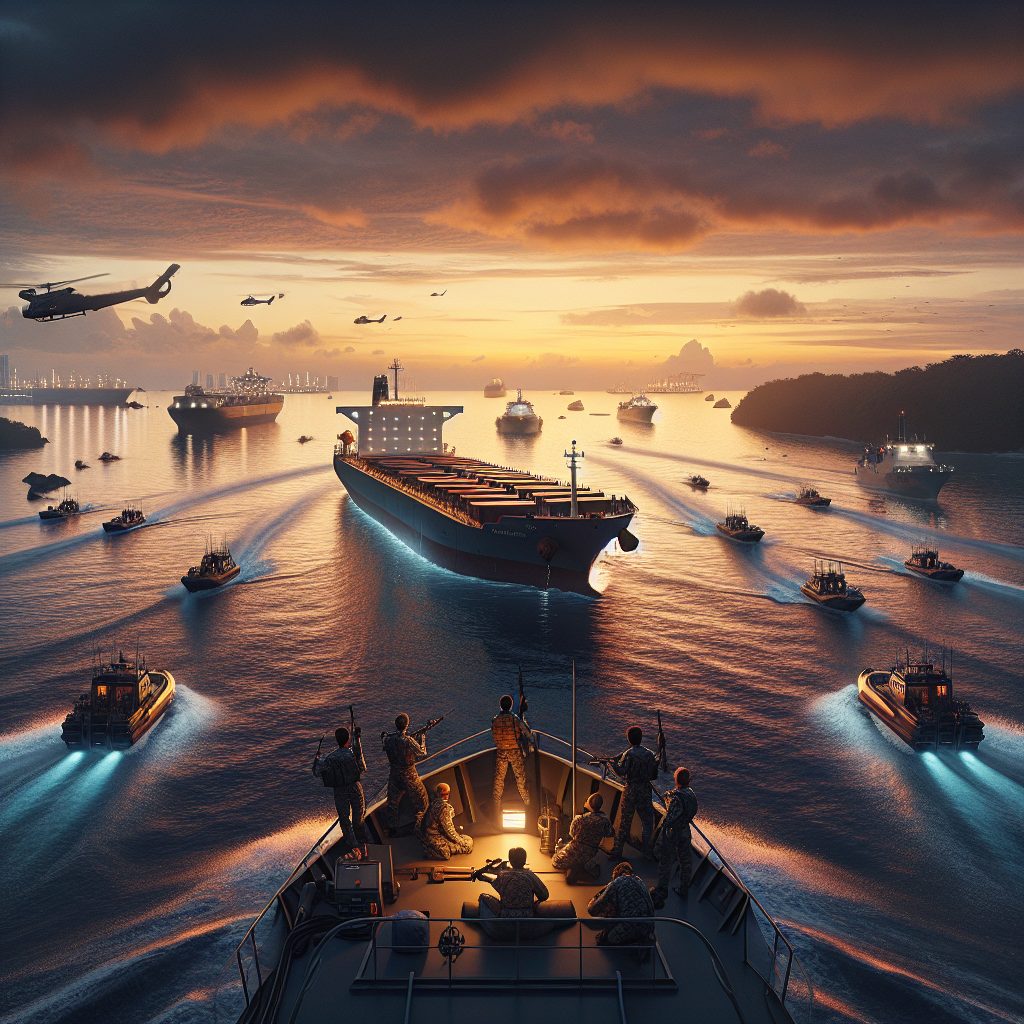
The Resurgence of Piracy in the Singapore Strait: A Challenge for Global Maritime Trade A rising phenomenon A recent report from the International Maritime Bureau (IMB) has raised concerns in the maritime sector: piracy has increased by 50% in the first half of 2025 compared to the same period last year. This surge has put the spotlight on the Singapore Strait, which has become the main focus of concern due to its growing number of incidents. In the first six months of this year, 90 pirate incidents have been recorded worldwide. This figure not only marks a worrying increase from the previous year but also represents the highest level since 2020. Of the total incidents, the Singapore Strait has been responsible for 57, which is a staggering 63.3% of the global total, quadrupling regional figures from the same period in 2024. The report details that during this period, 79 ships were boarded, four hijacked, one shot at, and six others experienced attempted attacks. Violence against crews remains a disturbing concern, with 40 sailors taken hostage, 16 kidnapped, five threatened, and three injured or assaulted. The Singapore Strait: Vital and Risky Route The Singapore Strait has gained critical importance in international maritime trade. With vessels transporting approximately 30% of global trade, any threat in this region directly impacts global trade stability. Statistics show that most attacks in these waters target ships over 150,000 tons, and attackers achieve a 95% success rate. The nature of the attacks is usually opportunistic and low-level, yet the use of weapons increases the vulnerability of crews and raises the level of risk. Operations in the region must hasten the implementation of stricter protection measures, thus ensuring the safety of crews and the continuity of trade. IMB Director Michael Howlett emphasizes the need to prioritize surveillance and the implementation of Best Management Practices to secure trade routes and protect sailors. Howlett underscores how crucial it is for shipowners and officers to maintain strict security measures to mitigate these risks. Implications for Professionals and Opportunities in the Sector Understanding piracy dynamics in this region is essential for merchant navy professionals as it directly affects operations and vessel security. The demand for security experts and risk analysts could increase in response to this issue. Maritime investors should also pay attention to this phenomenon as commercial route security affects maritime insurance rates and can influence the financial stability of maritime operations. Comprehending and mitigating risks can be a key differentiator in ensuring and optimizing investments. Lastly, for nautical enthusiasts, this situation presents a unique opportunity to get involved in maritime security advocacy by participating in forums, conferences, and other platforms seeking collaborative piracy solutions. Conclusion: A Call to Coordinated Action The increase in piracy incidents in the Singapore Strait is a clear wake-up call for the global maritime sector. International collaboration, knowledge sharing, and rigorous implementation of best management practices are crucial to facing this challenge. The IMB report serves as a reminder of the importance of stakeholders in the maritime industry staying informed and proactive. Crews, shipowners, and companies must work together to implement effective security policies, thus ensuring that global maritime trade remains safe and efficient. The maritime sector is at a crossroads, where technology and international collaboration can be powerful tools to counter the piracy threat. Encouraging professionals in the sector to submit their resumes to maritime security companies can be a step towards a career filled with challenges but also great rewards. For those interested in delving deeper into the topic, the full IMB report can be consulted on their official website, a must-read for those wishing to fully understand the current situation and recommended preventive measures.
The Decline of Maritime Coal Transport: An Analysis of New Global Market Dynamics

The Decline of Maritime Coal Transport: An Analysis of New Global Market Dynamics The global maritime sector has witnessed a significant decline in coal transportation demand during the first half of 2025, with a 6% drop compared to the same period last year. This phenomenon is mainly attributed to the decrease in Chinese imports and those of other advanced economies. Additionally, the rise of renewable energies and the reduction in steel production have played a significant role in this situation. China leads global renewable energy investments, allocating 71% of its funds to clean energy projects. China and India have increased national coal production, reducing the need for imports. Land imports from Russia and Mongolia have gained ground over maritime imports. Transformations in the Bulk Carrier Market: Panamax vs Capesize The decrease in coal volume transported has generated fierce competition in the bulk carrier market. The panamax segment has capitalized on this situation, recording a 4% increase in coal transportation compared to the previous year and expanding its market share from 49% to 54%. In contrast, the capesize segment experienced a 23% contraction, reflecting the pressure faced by carriers in the current context. This trend indicates a growing need for adaptability in fleets to efficiently respond to market variations. Professionals in the sector looking to adapt to new operational strategies can find a competitive edge in a market demanding innovation and flexibility. Short and Medium-Term Perspectives on Coal Transport In the short term, prospects for maritime coal transport are cautious. Despite a 19% drop in prices, high inventories in India and China discourage new purchases. Furthermore, early monsoon season in India has filled reservoirs, allowing for increased hydropower electricity production and consequently reducing coal demand. On the other hand, a recent heatwave in China could temporarily boost electricity demand. However, this increase is insufficient to reverse the global trend towards reduced coal usage. In the medium term, maritime coal transport to emerging economies in South and Southeast Asia could experience modest growth. Nevertheless, this growth will not offset the continued decline in developed economies, driven by energy transition and declining global steel demand. Relevance and Opportunities in the Maritime Sector The evolution of maritime coal transport is highly relevant to various sectors, from merchant navy to maritime investors. Bulk carrier operators must consider fluctuating demand and adapt to new market realities. Technological innovations and optimized routes offer competitive advantages to respond to changes. For maritime investors, market fluctuations in coal represent an opportunity. Investment in renewables and clean technologies can be strategic in sustainable development. Additionally, emerging economies in Southeast Asia offer new market horizons that could be crucial in the coming years. Enthusiasts of nautical activities and professionals in the sector can find motivation in these transformations to innovate and specialize in areas with growing demand, such as sustainable transport and energy efficiency. This underscores the importance of staying informed and prepared for future challenges. Conclusion: Adaptation and Innovation in an Evolving Sector The coal maritime transport market faces significant challenges driven by the transition to clean energy and the evolution of global dynamics. Companies and professionals in the sector must prepare for constant adaptation, seizing opportunities in a changing environment. Success lies in innovation and adaptability. Operational strategies should focus on sustainability and efficiency, aligning with the needs of an increasingly demanding market. By fostering a proactive approach, the maritime sector can not only overcome current challenges but also lead the way towards a cleaner and more efficient future. Readers are invited to explore more about this topic and consider these trends when planning their business strategies or investments. Staying informed and being proactive can make the difference between success and obsolescence in the competitive maritime world.
The Nuclear Innovation in the Maritime Sector: NEMO Officially Recognized by IMO and IAEA
The Nuclear Innovation in the Maritime Sector: NEMO Officially Recognized by IMO and IAEA In a groundbreaking event set to transform the maritime energy landscape, the Nuclear Energy Maritime Organization (NEMO) has been officially recognized as a non-governmental advisory entity by the International Maritime Organization (IMO). This status marks a significant milestone for NEMO, allowing it to participate in the general conference sessions of the International Atomic Energy Agency (IAEA). With this progress, NEMO is poised to play a key role in the development of policies regarding the integration of nuclear technologies in the maritime sector. This recognition not only underscores the growing importance of nuclear energy in the maritime industry but also emphasizes the need to incorporate alternative and sustainable energy sources to advance global decarbonization efforts. NEMO’s participation at the highest levels of international governance provides an opportunity to offer specialized knowledge and crucial technical recommendations on the integration of nuclear technology, addressing both energy security and environmental sustainability. With a clear vision, NEMO aims to establish global standards for the safe use of nuclear energy in the maritime environment. This includes creating regulatory frameworks for floating nuclear power plants and offshore energy systems, areas of innovation that promise to revolutionize maritime transportation by reducing its carbon footprint and ensuring a reliable and continuous energy supply. The ATLAS Initiative and Its Expected Impact NEMO anticipates its active participation in the Authorized Atomic Technologies for Marine Applications Initiative (ATLAS), a program by the IAEA set to launch in late 2025. The main objective of ATLAS is to develop a set of regulations for the use of nuclear energy in the maritime environment, ensuring that the implementation of these technologies is done safely and efficiently. The ATLAS program represents a unique opportunity to innovate in the use of small modular reactors (SMRs) and other advanced nuclear technologies. These innovations have the potential to provide clean and efficient energy to vessels and platforms, significantly contributing to the reduction of greenhouse gas emissions. Moreover, they offer a viable alternative to fossil fuels, which currently dominate the maritime transport industry. The impact of ATLAS on the maritime sector is substantial. It is expected to foster technological development and enhance international collaboration in terms of regulation and safe use of nuclear energy at sea. This collaborative approach is considered essential to overcome regulatory and safety challenges, ensuring that nuclear technology can be deployed responsibly and effectively in the maritime domain. Potential Benefits for the Maritime Industry and Its Professionals For maritime industry professionals, the consolidation of NEMO and its collaboration with the IAEA and IMO offer various job and professional development opportunities. Companies involved in nuclear technology in the maritime sector will demand experts and qualified technicians, leading to a growing job market in an emerging and expanding sector. Nuclear technologies offer operational advantages such as continuous and reliable energy supply, reducing vessel downtime and increasing operational efficiency. Nuclear energy at sea can stimulate new trade routes and enable operations in remote areas with limited or no access to traditional energy sources. These innovations present an opportunity for maritime investors to capitalize on emerging technologies aligned with global trends towards sustainability and decarbonization. Innovation in Maritime Transport: NEMO’s Key Partners One of the highlights of NEMO is its strong base of founding members, including shipbuilding giants like HD Korea Shipbuilding & Offshore Engineering and leaders in modular reactors like TerraPower. This strategic alliance ensures robust technical and financial support to lead the development of nuclear technologies in the maritime domain. Key participants such as Westinghouse EC and Lloyd’s Register classification society bring their expertise in safety and regulation, critical aspects for the safe development of nuclear energy. Danish company Seaborg, innovative in molten salt reactors, contributes its knowledge in advanced technologies, consolidating NEMO as a central player in scientific and technological innovation. With this collaboration network, NEMO is well positioned to lead the transition towards the use of nuclear energy in maritime transport. The support of these entities not only provides the necessary resources for technology development but also fosters a collaborative innovation environment that can drive the maritime sector towards a more sustainable and technologically advanced future. The Relevance of NEMO’s Progress for the WishToSail.com Audience For readers of WishToSail.com, this advancement is relevant on multiple levels. Firstly, it offers insight into how nuclear energy can be a viable solution to current energy challenges in maritime transport, a key factor in emissions reduction and sustainability improvement. Secondly, the increasing integration of nuclear technology in the maritime sector opens doors to new job opportunities and professional development, inviting interested individuals to position themselves at the forefront of this emerging technology. Collaboration with leading companies and international organizations provides a solid framework for those looking to contribute to the advancement of this industry. Ultimately, for investors and businesses, this development paves the way to participate in the growth of an emerging industry while supporting the transition to a greener maritime future.