


Revolutionizing LNG Carriers Efficiency with SMDERI-QET’s LNG Subcooling System
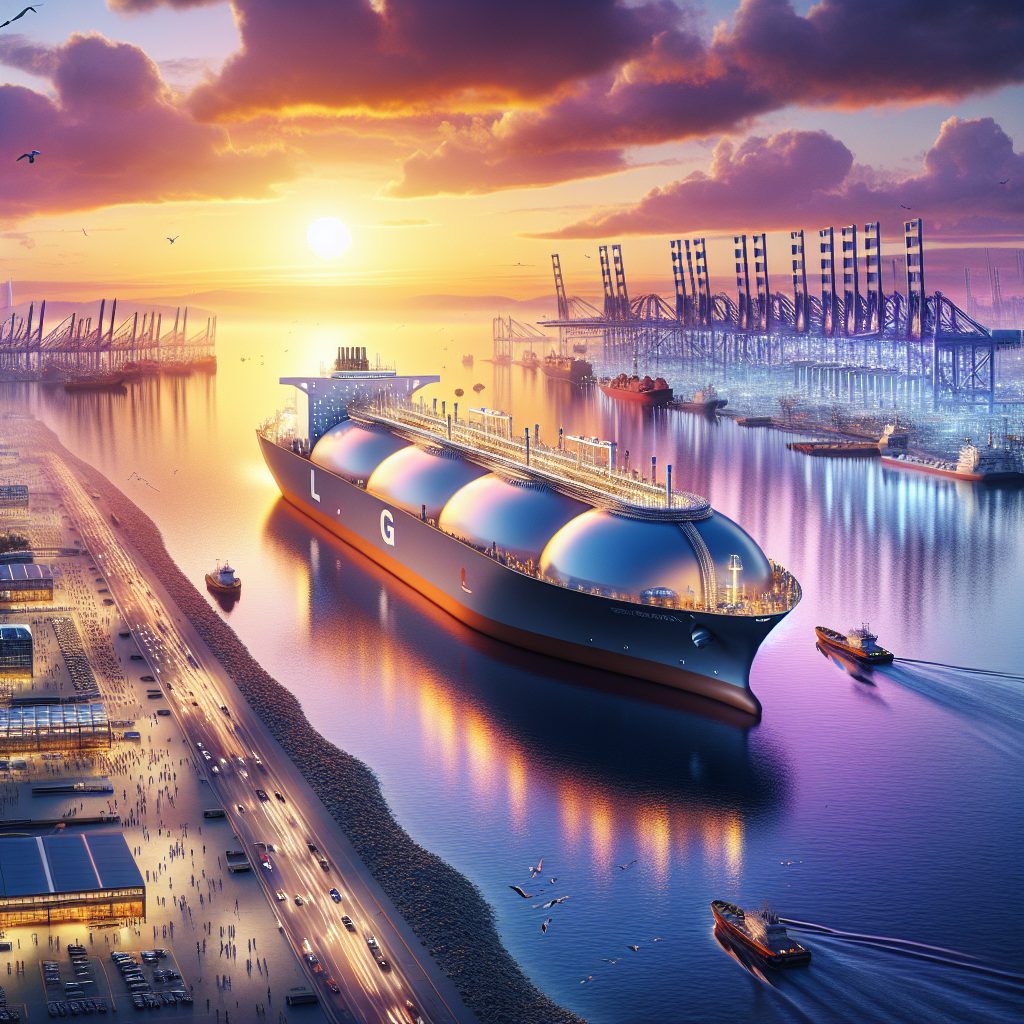
Revolutionizing LNG Carriers Efficiency with SMDERI-QET’s LNG Subcooling System In the competitive world of maritime transport, innovation becomes a crucial driver for sustainability and operational efficiency. Shanghai Qiyao Environmental Technology Co., Ltd. (SMDERI-QET) has taken a significant step forward, marking a milestone in clean energy technology on board with the integration of the LNG Subcooling System (LSC) for a 175,000 cubic meter LNG carrier. Completed on July 14, 2025, this breakthrough promises to change the game in terms of efficiency and environmental impact reduction in the global LNG shipping fleet. This advanced system is currently undergoing onshore performance testing, an essential step to verify its operational capabilities before its scheduled delivery to the prestigious Jiangnan shipyard by late August. This collaboration underscores not only the importance of innovation but also the scale and potential global impact of the project. As the maritime sector embraces LNG as a cleaner marine fuel, managing boil-off gas (BOG), or evaporated gas, presents a significant challenge. SMDERI-QET’s LSC technology emerges as an effective solution to this issue, re-liquefying the evaporated gas and optimizing cargo delivery while minimizing methane emissions. The importance of the LNG Subcooling System The LNG subcooling system is a crucial component for any modern LNG carrier. This sophisticated onboard cooling device is designed to reduce or eliminate BOG generation, thus maintaining cargo integrity and reducing emissions. Efficient use of LSC not only preserves valuable cargo but also reintegrates it into the tanks, optimizing its delivery and reducing greenhouse gas impact. This significantly improves the economic viability of LNG transportation, aligning with the industry’s drive towards greater environmental sustainability. For merchant navy professionals, this means operating vessels with higher energy efficiency, resulting in reduced operating costs and a lower carbon footprint. This system represents a crucial evolution in LNG management, offering a positive impact both economically and environmentally. SMDERI-QET’s Technological Innovations Dynamic simulation of the cryogenic process for optimal performance under various operational conditions. Utilization of high-power and high-speed permanent magnet motors for greater energy efficiency and reduced maintenance. Inclusion of active magnetic bearing systems for contactless levitation of rotating components, minimizing wear and lubrication needs. These features, combined with efficient turbo compression machinery and an ultra-compact skid design, optimize system performance, maximizing BOG re-liquefaction capacity. This not only reduces installation time and complexity but also minimizes leakage risk, crucial for cryogenic systems. Implications for Global Energy Logistics Efficiently managing BOG allows LNG carriers to transport more usable cargo and operate with higher energy efficiency, directly contributing to cost reduction and carbon footprint reduction. This advance is also vital for decarbonizing maritime transport, as it minimizes methane emissions derived from BOG, thus improving the environmental profile of LNG as a marine fuel. The successful integration and future delivery of SMDERI-QET’s LSC system have significant implications for the clean energy shipping sector. By effectively managing BOG, LNG carriers can transport more cargo and operate more efficiently, contributing to cost reduction and carbon footprint reduction. Opportunities for Employment and Future Collaborations The implementation of these innovations also represents a significant job opportunity for technical professionals in the maritime industry. Companies involved in the construction and operation of these advanced LNG subcooling systems may require skilled personnel in emerging technologies, opening the door for future talents to contribute to this era of maritime transformation. Reflections on a Greener Future for the Maritime Industry SMDERI-QET, as one of the leading innovators in maritime technology, continues to drive the development of advanced solutions that promote more sustainable maritime transport. Their commitment to innovation and operational excellence is reflected in developments such as the LNG subcooling system, which not only optimizes the efficiency of LNG carriers but also advances the industry’s goal towards sustainability. The integration of these technologies positively reflects the growing role of China in developing critical solutions for a more sustainable global energy future. As the industry moves towards a greener horizon, companies that champion innovation, like SMDERI-QET, are paving the way for a more sustainable future.
The Green Innovation in the Maritime Industry: Certified Green Ammonia Bunkering by Envision Energy
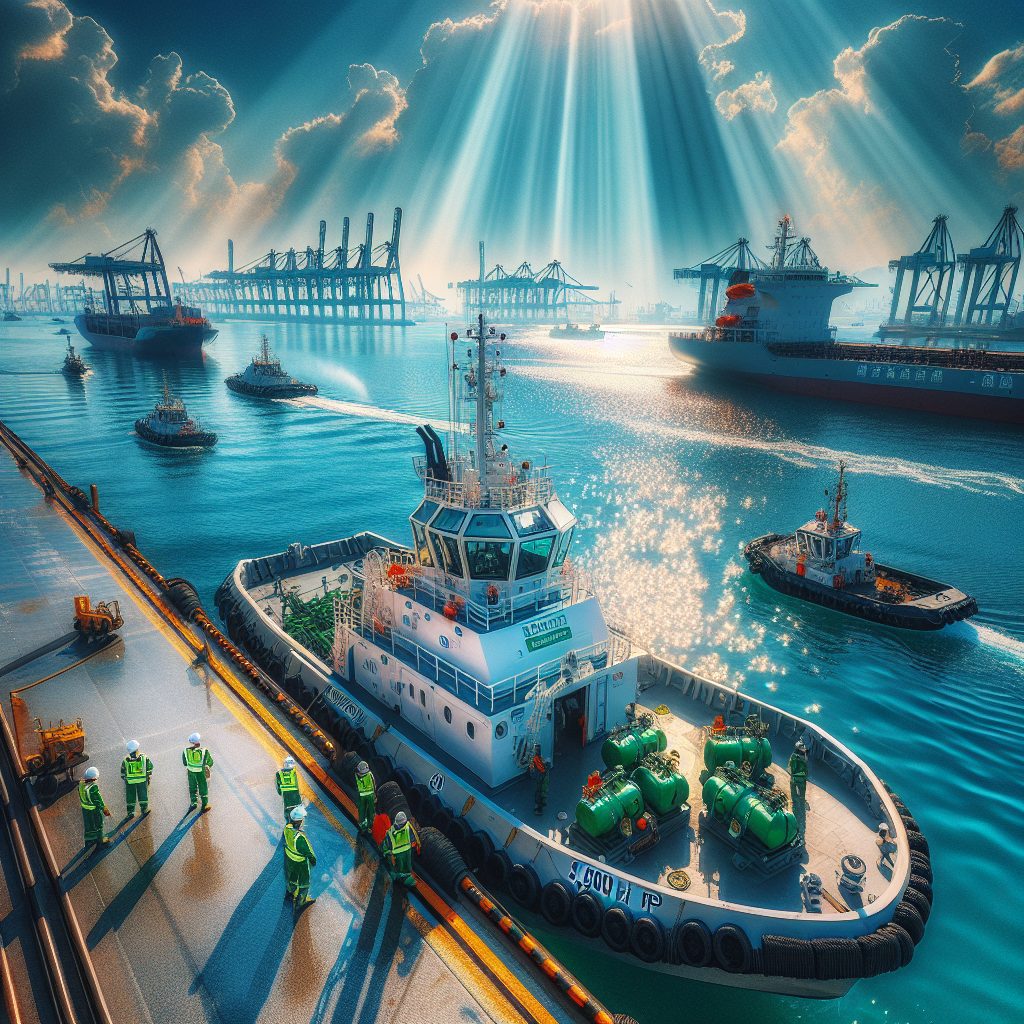
The Green Innovation in the Maritime Industry: Certified Green Ammonia Bunkering by Envision Energy In the bustling port city of Dalian, China, an unprecedented operation has taken place that could forever change the course of the maritime industry. Envision Energy, a leading company in green technological solutions, has carried out the world’s first certified green ammonia bunkering. This milestone marks a significant step in the transition towards decarbonizing maritime transport, demonstrating the commercial viability of an integrated value chain for green ammonia. The operation involved transferring green ammonia to the 5,500 HP tugboat Yuantuo 1, developed by COSCO Shipping Heavy Industry. This vessel, classified as an “Ammonia Fuel Tugboat” by the China Classification Society (CCS), represents a significant advancement in the use of non-fossil fuels in maritime navigation, achieving a 91% reduction in the use of fossil fuels during its operation. This project not only symbolizes a radical shift towards net zero fuels but also provides a viable prototype for decarbonizing hard-to-treat sectors. By leading this initiative, Envision Energy offers an end-to-end approach to transitioning towards more sustainable navigation. Chifeng: The Hub of Green Ammonia Production The green ammonia used in this operation comes from the Green Hydrogen and Ammonia Project in Chifeng, located in Inner Mongolia. This site is recognized as the largest and most advanced in green hydrogen and ammonia production, with an initial capacity of 320,000 tons per year and the expectation to expand to 1.5 million tons by 2028. The uniqueness of this project lies in its ability to operate completely off-grid, using 100% renewable energy from wind, solar, and battery storage sources. The integration of artificial intelligence optimizes energy generation and ammonia synthesis dynamically, ensuring efficiency and sustainability. Certifications from international bodies like Bureau Veritas and ISCC PLUS reinforce market confidence in the global trade of green ammonia, guaranteeing its economic viability as a marine fuel. Exports from Chifeng are expected to begin in the fourth quarter of 2025. Strategic Impact on Global Bunkering Infrastructure This operation, carried out in collaboration with China Shipping & Sinopec Suppliers Co., Limited, has significant implications for the future of global bunkering. The port of Dalian, by offering all major types of low-carbon marine fuels, consolidates itself as a strategic hub for green energy in Northeast Asia. Dalian’s multifunctional capability to offer biofuels, green methanol, LNG, and green ammonia positions the port as a key node for international commercial routes across the Pacific and beyond. This move towards clean energy supply infrastructure in ports is crucial to support the transition towards a clean fuel economy. The success of this operation demonstrates the feasibility of integrating green ammonia as a reliable marine energy source, validating the technical, safety, and logistical standards required. This represents a shift from pilot tests to a scalable reality, serving as a model for port authorities, shipping lines, and energy providers. Envision Energy: Redefining the Future of Sustainable Maritime Transport With stricter maritime regulations and growing decarbonization demands, Envision Energy’s pioneering achievement sets a new standard for sustainable maritime transport solutions. This breakthrough positions green ammonia as a leading contender in the emerging clean fuels economy, redefining the economic and environmental impact of global maritime transport. Recognized internationally, Envision Energy collaborates with governments, companies, and institutions to develop renewable energy solutions. The company manages the Envision-Hongshan Carbon-Neutral Fund and owns the Envision Racing Formula E team, which won the championship in 2023. Committed to sustainability leadership, Envision Energy achieved carbon neutrality in all global operations in 2022, with the aim of achieving net-zero emissions across its value chain by 2040. Its recognition as one of TIME’s “100 Most Influential Companies” in 2024 as a “Green Giant” and other achievements highlight its impact on the industry. Relevance for WishToSail.com Readers This advancement is particularly relevant for maritime professionals, maritime investors, and nautical enthusiasts for several reasons: It provides a clear direction towards a more sustainable and carbon-free future in maritime transport, crucial for compliance with increasingly strict environmental regulations. It represents an exciting job opportunity in a growing sector, especially for those interested in green technologies and renewable energies. It serves as inspiration for other ports and shipping companies to adopt cleaner practices, promoting a more responsible and efficient industry. This article invites readers to explore more about the opportunities that green ammonia can offer to the maritime sector, encouraging professionals to consider this alternative in their future strategies.
The Evolution of Offshore Wind Energy and Viper Innovations
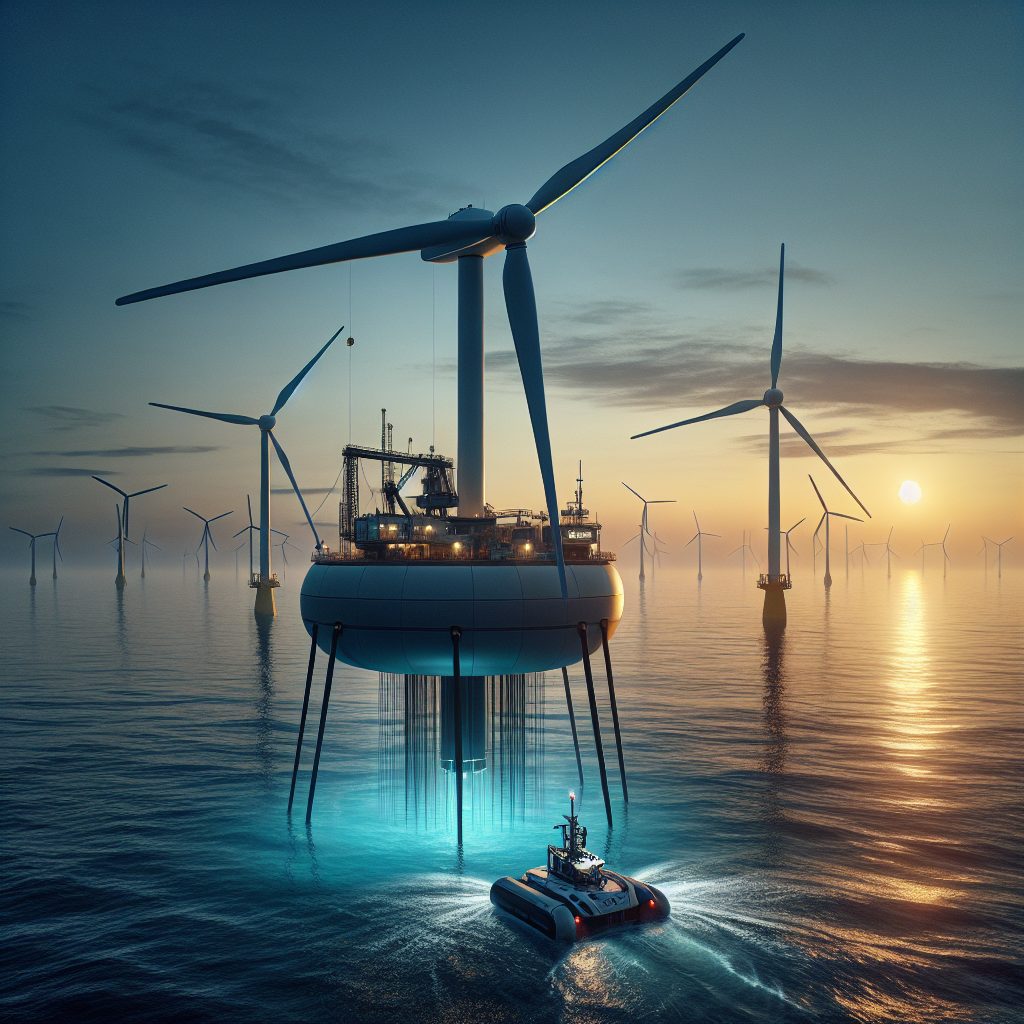
The Evolution of Offshore Wind Energy and Viper Innovations In a global context where energy transition is a top priority, offshore wind energy is emerging as a clean and promising alternative. Recent innovations have highlighted the success of Viper Innovations, a company that has been awarded in a competition organized by the Floating Offshore Wind Centre of Excellence of the Offshore Renewable Energy (ORE) Catapult. This recognition stems from their proposal of autonomous solutions for dynamic cable inspection in floating offshore wind turbines, a crucial advancement for the sector. The significance of floating offshore wind turbines lies in their ability to generate large-scale energy in areas where fixed turbines are not viable due to the depth of the sea. However, these installations face the challenge of maintaining and inspecting their critical components, such as cables, which are essential for energy transmission. This is where the innovative role of Viper Innovations comes into play, offering fresh insights and practical solutions in this field. The project, in collaboration with Flotation Energy and Simply Blue Group, is a manifestation of the drive towards autonomous techniques that seek to improve efficiency and reduce operational costs in offshore wind energy. Through their proposal, Viper Innovations has not only demonstrated leadership in technology but has also opened new opportunities for professionals in the maritime sector, inviting new talent to join this energy revolution. Technological Advantages and Project Economics The core of this innovation focuses on automation and the use of advanced technologies for cable inspection. Viper Innovations has developed solutions that promise to streamline maintenance and ensure the integrity of submerged cables, which is crucial for the uninterrupted operation of floating turbines. These autonomous technologies enable the identification of faults and anticipation of problems before they escalate into costly incidents, ensuring greater stability and efficiency in energy generation. From an economic standpoint, the implementation of these solutions significantly reduces maintenance-associated costs. By minimizing the need for direct human intervention, labor risks are reduced, and operation time is optimized. Furthermore, process automation contributes to the project’s sustainability by reducing the carbon footprint, further supporting the transition to clean energy. Increased operational efficiency Cost reduction in maintenance Minimized labor risks Carbon footprint reduction For maritime investors, these innovations represent an attractive opportunity to enhance the profitability of their investments in renewable energy. With the growing demand for energy and global policies favoring sustainable sources, investing in technologies that optimize the operation of wind turbines translates into a strategic step towards the future. Labour and Training Implications in the Maritime Sector The advancement of technologies like those developed by Viper Innovations also brings forth a landscape full of job opportunities. As automation and innovation become pillars of the maritime sector, there is a growing demand for professionals skilled in emerging technologies and renewable energies. Companies involved in these projects are constantly seeking talent that can bring fresh knowledge and technical skills, opening a range of possibilities for those interested in the sector. For sailors and nautical enthusiasts, these initiatives serve as a gateway to new specializations and the enhancement of competencies. Innovations in the offshore wind sector not only require technical knowledge but also a comprehensive understanding of marine dynamics and project management skills. Those who train and specialize in these fields will have a considerable competitive advantage when accessing job opportunities in this rapidly growing sector. The collaboration with educational institutions and training centers will be crucial to prepare future professionals. The implementation of specific training programs in renewable energies and autonomous technologies will ensure that the sector continues to evolve while meeting the needs for qualified workforce. Environmental Impact and the Future of Offshore Wind Energy The development of sustainable and efficient technologies, as proposed by Viper Innovations, has a direct impact on environmental preservation. The ability to carry out cable inspections autonomously and accurately reduces manual interventions, which often result in unnecessary disturbances to the marine ecosystem. Thus, it promotes a harmonious coexistence between energy exploitation and the conservation of underwater habitats. Additionally, offshore wind energy presents itself as a viable solution to decrease dependency on fossil fuels. By increasing the amount of energy obtained from renewable sources, a significant contribution is made to the reduction of CO2 emissions, one of the main contributors to climate change. This approach not only supports global sustainability goals but also encourages other energy sectors to adopt more eco-friendly practices. The future of offshore wind energy looks promising with the integration of these technologies. Countries around the world are increasing their installed capacity of marine turbines, and continuous innovation in process automation is crucial to sustain this growth. The work of Viper Innovations and other similar companies will be essential for the maritime sector not only to adapt to new demands but also to lead the energy transition towards a more sustainable and resilient model. Conclusions and Projections The advancement of autonomous solutions for cable inspection in floating offshore wind turbines, led by Viper Innovations, marks a significant milestone in the renewable energy sector. These types of innovations not only benefit companies and investors but also drive the development of skills and open new job opportunities for maritime professionals. The relevance of the project also extends to environmental sustainability, demonstrating that it is possible to harmonize energy production with ecosystem protection.
Island Oil Expands Global Footprint with New Office in Dubai: Opportunities in the Maritime Fuels Industry
Island Oil Expands Global Footprint with New Office in Dubai: Opportunities in the Maritime Fuels Industry On the 24th of July 2025, Island Oil (Holdings) Ltd, a prominent marine fuels and lubricants trading company, opened its seventh global office in Dubai, United Arab Emirates. This strategic move strengthens the company’s presence in the key maritime routes of the Middle East, the Indian Subcontinent, and surrounding markets, reaffirming its commitment to global market coverage. Under the leadership of Kimihiro Kido, a veteran with over 20 years of experience in the marine fuels industry, the Dubai office is set to become a vital regional hub for Island Oil’s trading and service operations. This opening signifies not only a physical expansion but also a renewed commitment to its customers and suppliers in some of the most dynamic shipping routes in the world. The choice of Dubai is not random. Its strategic geographical location and advanced port infrastructure make it a vital hub for maritime trade. Island Oil, headquartered in Limassol, Cyprus, strengthens its office network in key cities such as Piraeus, Singapore, London, Shanghai, Hong Kong, Constanta, and Seoul, ensuring effective operational coverage in Europe, the Middle East, and East Asia. Leadership and Experience: The Key to Success The appointment of Kimihiro Kido as the head of the new office in Dubai is a testament to Island Oil’s focus on combining strategic leadership with industry experience. Kido’s professional background includes high-level positions such as General Manager of the London branch of Toyota Tsusho Marine Fuels Corporation and Deputy General Manager at Consort Bunkers Pte Ltd in Singapore. With his experience, Kido brings a deep understanding of global supply chains and fuel supply operations, crucial factors for Island Oil’s success in the region. His vision aligns with the company’s goals of providing localized, efficient, and reliable services in one of the world’s most important marine fuel markets. “Being part of this new venture in Dubai is an exciting step in my career,” said Kido. “Our team is committed to serving our partners with the utmost professionalism, ensuring a seamless experience in all transactions.” Job and Investment Opportunities in the Maritime Sector Island Oil’s expansion in Dubai not only highlights its corporate growth but also opens up new opportunities for professionals and investors in the maritime industry. Job creation in operations management, trading, and logistical support is inevitable, presenting a fertile ground for emerging and experienced talents. For merchant navy professionals and nautical enthusiasts, this expansion can lead to attractive job positions. Island Oil is looking for individuals who share their values of mutual respect, fundamental principles of their customer service. Interested parties may consider submitting their resumes to this growing company. Furthermore, for maritime investors, Island Oil’s consolidation in Dubai represents a secure bet in a growing market. The company has demonstrated solid and controlled growth, with robust compliance strategies and credit systems that ensure stability and confidence in its operations. The Value of Innovation and Sustainability Island Oil not only focuses on geographical expansion but also on implementing sustainable practices. As a member of leading industry organizations, including the Cyprus Shipping Chamber and BIMCO, the company is committed to high standards and energy sustainability in the maritime sector. The company offers a wide range of services including trading of marine fuels such as VLSFO and MGO, physical supply operated through a fleet of own tankers, and global supply of marine lubricants tailored to each vessel’s needs. These advanced operations ensure that Island Oil not only expands its physical presence but also innovates in the efficiency and sustainability of its services. In a world where the transition to cleaner energies is imminent, Island Oil demonstrates being at the forefront by adopting technologies and practices that minimize environmental impact. This is not only beneficial for the environment but also reinforces the company’s position as a leader in the marine fuels industry, providing its customers with a reliable and sustainable service. Conclusions: Real Impact on the Maritime Sector The opening of Island Oil’s new office in Dubai is an event that will resonate throughout the maritime industry. Firstly, it strengthens commercial connections in a key geographical area, enhancing responsiveness to local and regional demand for marine fuels. Secondly, it represents a significant opportunity for professionals looking to advance their careers in a vibrant multinational environment. For maritime investors, Island Oil offers a robust business model with a clear focus on controlled expansion and sustainability, ensuring stable long-term returns. Finally, for the global maritime sector, Island Oil’s expanded presence in Dubai heralds a future of more efficient and sustainable operations, setting a standard that many other companies could aspire to. This event underscores the importance of well-informed strategic decisions, experienced leadership, and commitment to innovation and sustainability in the ongoing progress of maritime trade. Island Oil’s expansion is a clear reminder that the future of the maritime sector depends on our ability to adapt and grow in an ever-changing world.
The Sustainable Advancement in China’s Maritime Transport: VTTI Dalian and Green Methanol Bunker
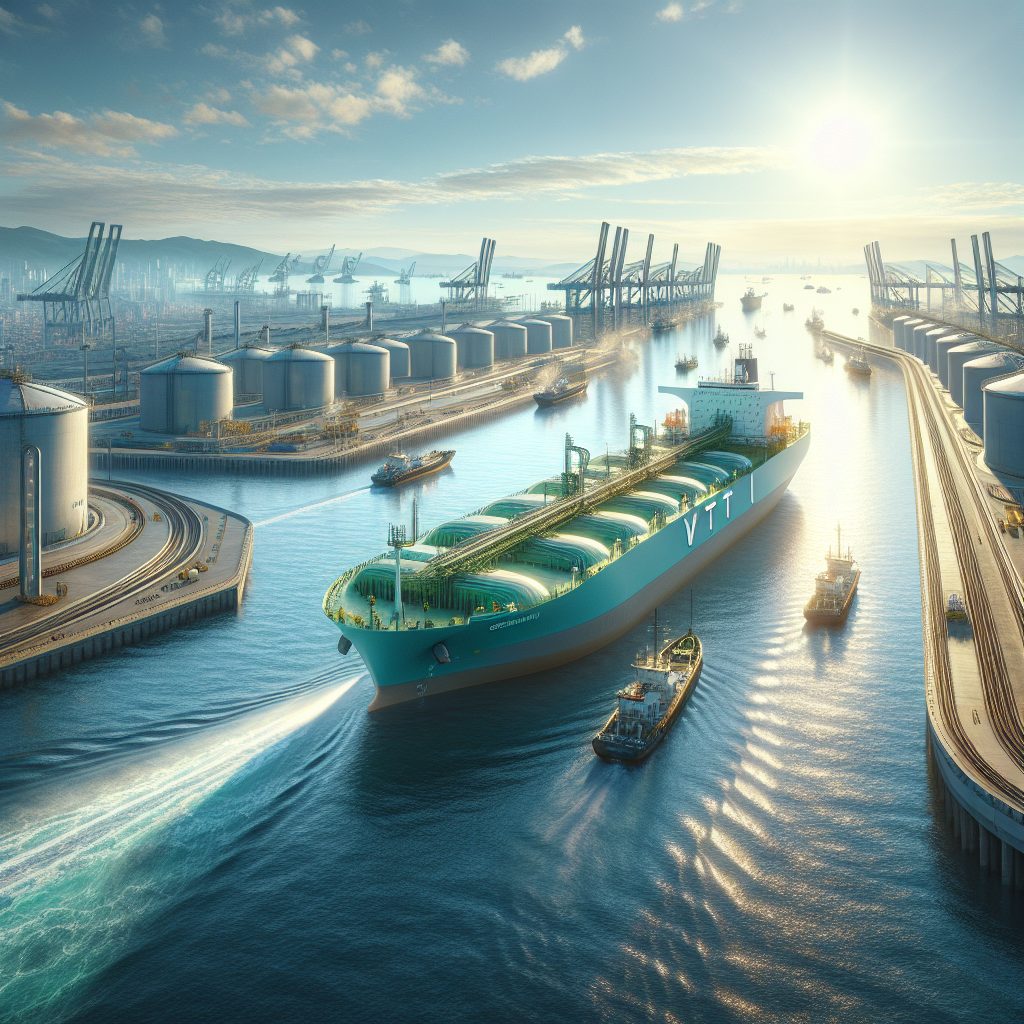
The Sustainable Advancement in China’s Maritime Transport: VTTI Dalian and Green Methanol Bunker The transition towards cleaner and more sustainable fuels in the maritime sector is a global trend that is gaining momentum. Recently, VTTI Dalian achieved a significant milestone in the port of Dalian, China, by successfully completing the first ship-to-ship operation with green methanol in the northeastern region of China. This advancement signifies not only a technical evolution but also provides job opportunities and investment prospects for various stakeholders in the sector. The event was conducted in collaboration with the Dalian Port Authority and stands out as one of the most relevant initiatives in the implementation of sustainable fuels in Asia. This development facilitates the establishment of a robust infrastructure aimed at achieving a carbon-neutral future, supporting the industry’s transition towards meeting the emission goals set by the International Maritime Organization (IMO). Green Methanol: Innovation and Sustainability Green methanol, the fuel used in this operation, is produced from renewable raw materials using gasification synthesis technology. The fuel is certified under the International Sustainability and Carbon Certification (ISCC) scheme, ensuring its sustainable origin and significant contribution to CO2 emissions reduction. It is expected that the supplied volume will reduce the COSCO Shipping Yangpu vessel’s carbon dioxide emissions by over 800 tonnes during its operation. Green methanol stands out for its clean capabilities compared to traditional fossil fuels, presenting a viable and increasingly necessary alternative in the race towards decarbonization. VTTI Dalian: A Strategic Hub for Sustainable Fuels Located in the largest port in northeastern China, VTTI Dalian has positioned itself as a crucial independent public terminal for the region’s industrial and commercial activities. With advanced facilities, including 51 storage tanks with a combined capacity of nearly 120,000 cubic meters, the terminal is well-equipped to handle a wide range of ship sizes and fuel types, including alternatives like green methanol. The presence of four docks supporting vessels up to 50,000 DWT facilitates comprehensive fuel supply, enhancing operational efficiency. Furthermore, multimodal connectivity through rail loading and unloading from inland refineries strengthens the supply chain, ensuring efficient distribution to vessels. Global Impact and Future Opportunities The successful loading operation of green methanol reinforces VTTI’s global strategy to invest in sustainable and transitional energies, aiming to derive 50% of its revenue from these sources by 2028. With headquarters in Rotterdam and the participation of IFM Investors, Vitol, and ADNOC, VTTI is expanding its global terminal networks to include cleaner fuels like LNG and hydrogen, promoting access to cleaner energies globally. VTTI Dalian’s milestone sets a solid precedent for the expansion of alternative fuel services in northeastern China and across Asia, showcasing the adaptability of existing infrastructure to new sustainable marine fuel technologies. For enthusiasts of nautical activities, this highlights the industry’s continuous evolution and the opportunity to engage with sustainable technologies. Conclusion: A Growth Opportunity The transition to sustainable fuels, such as green methanol, in the maritime sector is not just an environmental necessity but also a professional and economic growth opportunity. Keeping abreast of these advancements is crucial for staying competitive in a sector increasingly focused on sustainability. As the maritime industry moves towards a greener future, companies like VTTI are paving the way for decarbonization, offering pathways for growth and innovation throughout the maritime supply chain.