


The Future of Maritime Logistics: ArcBest’s Strategic Direction

The Future of Maritime Logistics: ArcBest’s Strategic Direction In an ever-evolving sector such as maritime logistics, the ability to adapt and innovate is crucial to remain competitive. ArcBest, one of the leading companies in the supply chain logistics industry, has recently announced a significant change in its board of directors that promises to strengthen its position in the market and open up new opportunities for professionals in the sector. A Strategic Change at ArcBest: Thom Albrecht Joins the Board ArcBest has appointed Thom Albrecht as the new independent director of its board, a move that has sparked interest among investors and maritime industry professionals. With over 35 years of experience in transportation and logistics, Albrecht brings a fresh and strategic approach to the team. Albrecht’s experience promises improvements in internal processes and enhances ArcBest’s perception and efficiency in the global market. Known for his ability to innovate and transform traditional practices into more efficient and sustainable operations, Albrecht’s expertise as Chief Revenue Officer provides unique insights on revenue optimization and internal workflow enhancement. His strategic vision aligns with ArcBest’s goal of solidifying its leadership in the sector through the implementation of new technologies and improved logistical processes. Albrecht’s appointment not only signifies a strategic change at the executive level but also presents additional job opportunities for professionals looking to engage in innovative projects within a renowned company. Steven L. Spinner’s Retirement: A Legacy of Leadership Thom Albrecht’s appointment coincides with the upcoming retirement of Steven L. Spinner, who will step down from his position on ArcBest’s board of directors on October 31, 2025. Spinner has been a key figure in the company, providing leadership and guiding ArcBest through various challenges during his tenure. Spinner’s retirement marks the end of an era but also the beginning of a new phase filled with possibilities. His legacy of stable growth and strategic expansion has been instrumental in navigating ArcBest through times of economic uncertainty and digital transformation. The transition from Spinner to Albrecht is expected to further reinforce ArcBest’s strategy. The combination of Spinner’s accumulated experience with the fresh ideas brought by Albrecht promises a bright future for the company and those involved in maritime logistics. Impact on the Maritime Sector and Supply Chain Maritime logistics plays a vital role in the global supply chain, and optimizing these operations can provide a significant competitive advantage. ArcBest, with its renewed strategic focus, aims to implement new technologies and processes that not only enhance its efficiency but also reduce environmental impact, an increasingly valued aspect in the industry. Professionals in the merchant navy and logistics companies could benefit from the innovations introduced by ArcBest. Improvements in maritime routes, more efficient cargo solutions, and the use of advanced technology are areas where Albrecht’s expertise will be crucial. These enhancements not only promise a positive impact on ArcBest’s results but also on the industry as a whole. For sailors and nautical enthusiasts, these innovations could lead to improvements in the accuracy and efficiency of maritime transportation, potentially translating into new job opportunities and international collaborations. Opportunities for Sector Professionals The maritime sector is undergoing a transformation, with a growing demand for professionals who can manage and operate new logistical technologies. ArcBest’s decision to revamp its leadership reflects a commitment to growth and innovation, creating an environment conducive to those seeking to advance and develop professionally in the industry. With Albrecht on the board, the company is poised to explore new maritime routes and strategies that not only optimize transportation but also open doors to new business opportunities. This new direction is expected to generate a demand for experts in maritime logistics and professionals eager to participate in the implementation of these advanced solutions. For those interested in exploring these opportunities, now is the time to reach out to ArcBest and other companies in the sector actively seeking talent. Innovation and change are underway, and professionals who adapt to this new era will have the chance to be part of this exciting journey. Conclusion: A New Chapter in Maritime Logistics Thom Albrecht’s appointment as an independent director at ArcBest is more than just an addition to its executive team; it is a statement of intent about the future of maritime logistics. With his experience and vision, Albrecht is ready to help ArcBest navigate towards a future full of innovation and efficiency. For professionals in the maritime sector, this is an opportunity to get involved in a company that not only looks ahead but also acts to lead the way. The combination of experience, innovation, and a clear strategy promises benefits not only for ArcBest but also for the maritime industry as a whole.
Exploring the Marvels of Baja California: Unique Small Ship Cruising Experiences

Exploring the Marvels of Baja California: Unique Small Ship Cruising Experiences In a world where mass cruise travel has become the norm, UnCruise Adventures stands out by offering unique experiences on small ships, allowing travellers to explore hidden and less-travelled destinations. In their latest offering, the company has unveiled an exciting series of cruises around Baja California, highlighting the splendour of the Sea of Cortez. This initiative not only provides unforgettable moments for sailors and nautical enthusiasts but also opens up new job opportunities in the maritime sector. The Sea of Cortez, known as the “Aquarium of the World” by Jacques Cousteau, is home to exceptional marine diversity that can now be discovered through two exclusive routes: the 7-night “Whales and Marine Life” cruise and the epic 10-night journey “In Steinbeck’s Wake.” Both options promise to immerse passengers in stunning landscapes and close encounters with marine life, offering an unparalleled perspective on the region’s biodiversity. The Sea of Cortez is home to over 900 species of fish, making it one of the most diverse marine ecosystems in the world. Jacques Cousteau’s exploration of the Sea of Cortez in the 1940s brought international attention to its unique marine life. The Sea of Cortez is a UNESCO World Heritage Site due to its importance as a marine sanctuary. UnCruise Adventures’ Commitment to Sustainability What sets UnCruise Adventures apart is their commitment to sustainability and respect for the natural environment. Their small-scale cruises allow for a more intimate interaction with the environment, reducing ecological impact and offering a more personalized experience. This philosophy aligns with current trends in the maritime sector, where the preservation of marine ecosystems is sought while offering a differentiated tourism product. These small-scale cruises not only offer passengers a unique experience but also create opportunities for marine professionals and maritime technology experts. With the implementation of advanced navigation and sustainability technology, these cruises provide an invaluable learning opportunity for industry professionals. UnCruise Adventures’ small ships are equipped with state-of-the-art water treatment systems to minimize environmental impact. The company collaborates with local conservation organizations to support marine research and conservation efforts in the Sea of Cortez. UnCruise Adventures has received multiple awards for their commitment to sustainable tourism practices. The Relevance of the Project for the Nautical Sector For sailors and enthusiasts, these routes represent the opportunity to experience an authentic journey, away from the crowds and bustle of conventional cruises. The ability to get close to marine life and geological formations in Baja California in a more intimate setting is simply incomparable. For maritime investors, the rise of small-scale cruises and their growing demand offer an attractive prospect for profitability. Investing in these sustainable initiatives could mean being at the forefront of a necessary change in the industry, paving the way for more conscious and respectful tourism. For industry professionals, the opportunity to be part of these expeditions represents an advancement in their careers. With the chance to work on cruises that prioritize cutting-edge technology and sustainability, a new horizon of professional development opens up. Sailing Towards the Future UnCruise Adventures, with its focus on Baja California, has set a standard for what maritime travel should be in the 21st century. By combining modern technology with a deep respect for the environment, they offer an enriching experience for both passengers and the industry. These initiatives not only promote more sustainable tourism but also reflect a global trend towards more meaningful travel experiences, where each journey leaves a positive impact on both travellers and the destinations they visit. Embarking on a journey with UnCruise Adventures is more than just a vacation; it is an opportunity to connect with nature and satisfy our innate curiosity.
The Maritime Future: Corsica Linea and Wärtsilä Leading the Way Towards Sustainability
The Maritime Future: Corsica Linea and Wärtsilä Leading the Way Towards Sustainability The maritime sector is undergoing a radical shift towards more sustainable and efficient operations. In this context, Corsica Linea, in collaboration with the technology group Wärtsilä, has achieved a reduction of up to 22% in fuel consumption for its RoPax ferry Pascal Paoli through a comprehensive modernization. This achievement not only represents a significant advancement in energy efficiency but also reinforces the company’s commitment to reducing carbon emissions by 40% by 2030. The Ferry’s Modernization: A Milestone in Efficiency Installation of a variable-pitch propeller system with twin screws optimized for the Pascal Paoli’s route profile. Enhancement with EnergoProFin, a propeller cap that saves energy. Improved control systems and customized combining curves for variable operation modes. The results of this modernization are remarkable, with fuel savings of up to $7,700 per ferry trip. Beyond the financial benefits, this improvement also offers a significant environmental benefit by reducing CO₂ emissions and fossil fuel demand. Computational Fluid Dynamics (CFD) analysis and sea trials have validated these enhancements without compromising the vessel’s maneuverability, crucial for ferry operational efficiency. Industry Impact: Alignment with IMO Objectives Alignment with the International Maritime Organization’s (IMO) Net Zero Framework, specifically the Greenhouse Gas Intensity Reduction regulation. Incentivizing shipowners to reduce emissions through operational and efficiency improvements. This modernization enables Corsica Linea to not only comply with international regulations but also position itself as a leader in transitioning to cleaner and more efficient maritime transport. Advantages for Maritime Professionals and Investors Significant job opportunity for merchant navy professionals. Investment potential in environmental technologies for maritime investors. Corsica Linea and Wärtsilä: A Commitment to Innovation Corsica Linea, established in 2016, has become one of the leading maritime transport companies in the Mediterranean. Operating in both cargo and passenger transport segments, the success of the Pascal Paoli’s modernization project reflects Corsica Linea’s commitment to innovation and sustainability. Wärtsilä, a global leader in power, propulsion, and lifecycle solutions for the maritime industry, is dedicated to decarbonizing maritime operations. Towards a Greener Maritime Future The success of the Pascal Paoli retrofit marks a significant step towards a greener maritime future. Efficiency improvements and emission reductions are essential not only for compliance but also for ensuring the economic viability of maritime operations in the long run. For maritime professionals, this success showcases the sector’s evolution and the importance of staying abreast of technological innovations. The successful implementation of these improvements presents a valuable opportunity for learning and professional development. Interested individuals are encouraged to explore these technologies and consider their impact on the global maritime industry. This is not just about current economic benefits but a crucial contribution to the sustainable future of maritime transport.
Valaris Revolutionizes the Industry: Fleet Status Report with Innovations and Opportunities

Valaris Revolutionizes the Industry: Fleet Status Report with Innovations and Opportunities Valaris Revolutionizes the Industry: Fleet Status Report with Innovations and Opportunities Valaris, a world leader in offshore drilling, has recently released its latest Fleet Status Report, creating anticipation and offering a fresh perspective on the future of the nautical industry. This report not only provides updated data on the current operations of its units but also highlights technological innovations that could change the course of the sector. Maritime professionals and investors will find this report a valuable resource for planning medium to long-term strategies. The company, based in Hamilton, Bermuda, has maintained its commitment to transparency towards its shareholders and customers by regularly publishing detailed reports on the state of its operations. This document offers a glimpse into the operations of its platforms and vessels, which currently operate at various strategic points around the globe. From America to Asia, updates on contracts and mobilizations reveal a landscape of growth and expansion. Understanding the trends and movements of Valaris can provide a broader understanding of the dynamics of the offshore drilling industry, a sector that directly impacts global maritime routes and port operations. Additionally, the technological innovations mentioned in the report can become essential tools to enhance efficiency and safety in their own operations. Technological Innovation: A Leap Into the Future One of the highlights of the report is Valaris’ continuous investment in cutting-edge technology. The implementation of advanced automation systems on its platforms is mentioned. These improvements not only optimize operational performance but also significantly reduce safety risks, a primary concern in the offshore drilling industry. The automation and digitization of processes are intended to change the operational paradigm in the sector, allowing companies to remotely control their equipment and manage operations with greater precision. Being informed about these technologies means being one step ahead in adopting practices that could be decisive for the future of the sector. Valaris’ commitment to sustainability is reflected in its efforts to minimize the environmental impact of its operations. The implementation of greener practices is not only a step towards reducing the carbon footprint but also a response to increasing regulatory and social demands. Maritime investors will find in this approach an opportunity to align with global trends that seek to balance economic development and environmental sustainability. New Routes and Job Opportunities The report also highlights Valaris’ expansion into new markets and maritime routes, representing a significant opportunity for professionals in the sector. The new projects that the company plans to execute in Latin America and Southeast Asia not only promise to stimulate local economies but also present an endless source of job opportunities for sailors, engineers, and specialized technicians. These initiatives aim to exploit new hydrocarbon reserves and develop infrastructures that improve connectivity and efficiency in maritime transport in key regions. Navigators and industry professionals can anticipate a steady flow of projects, job offers, and the opportunity to participate in the evolution of historical and emerging maritime routes. For those looking to advance in their maritime career, Valaris’ new projects offer a promising horizon. The companies involved in these operations are constantly seeking qualified talent, making these developments a breeding ground for job opportunities. Interested individuals are encouraged to submit their resumes and stay alert to job openings generated around these initiatives. Relevance of the Report for the Sector For the WishToSail.com community, Valaris’ Fleet Status Report is more than a corporate update; it is a source of knowledge and strategic foresight. Firstly, it offers a detailed insight into trends in offshore drilling, allowing investors to plan based on concrete data and solid business strategies. This is crucial for making informed decisions in a sector characterized by high volatility and dependence on external factors. Secondly, the technological innovations described in the report serve as a mirror for maritime professionals seeking to adopt more efficient and safer practices. The information provided can be used to improve their own operational processes, thereby optimizing performance and reducing costs. Finally, and no less important, the expansion of routes and job opportunities makes sailors and nautical enthusiasts find in this report a call to action. Whether to consider a new career path or to understand how these new routes can be integrated into their daily practices, Valaris’ report symbolizes the dynamism and growth potential of the maritime sector. Conclusion: A Horizon of Possibilities In summary, Valaris’ recent Fleet Status Report not only reaffirms its leadership in the industry but also offers a roadmap to a future where innovation and sustainability take center stage. For WishToSail.com readers, this document represents an opportunity to reconsider strategies, adopt emerging technologies, and seize new job opportunities in an ever-evolving sector. The audience is invited to delve deeper into the analysis of the report and stay informed about future developments in the sector. Adaptability and knowledge will be the most valuable tools to continue advancing in a world where the sea remains an ocean of opportunities.
The Future of Maritime Innovation: Drones for Bunker Samples in Singapore
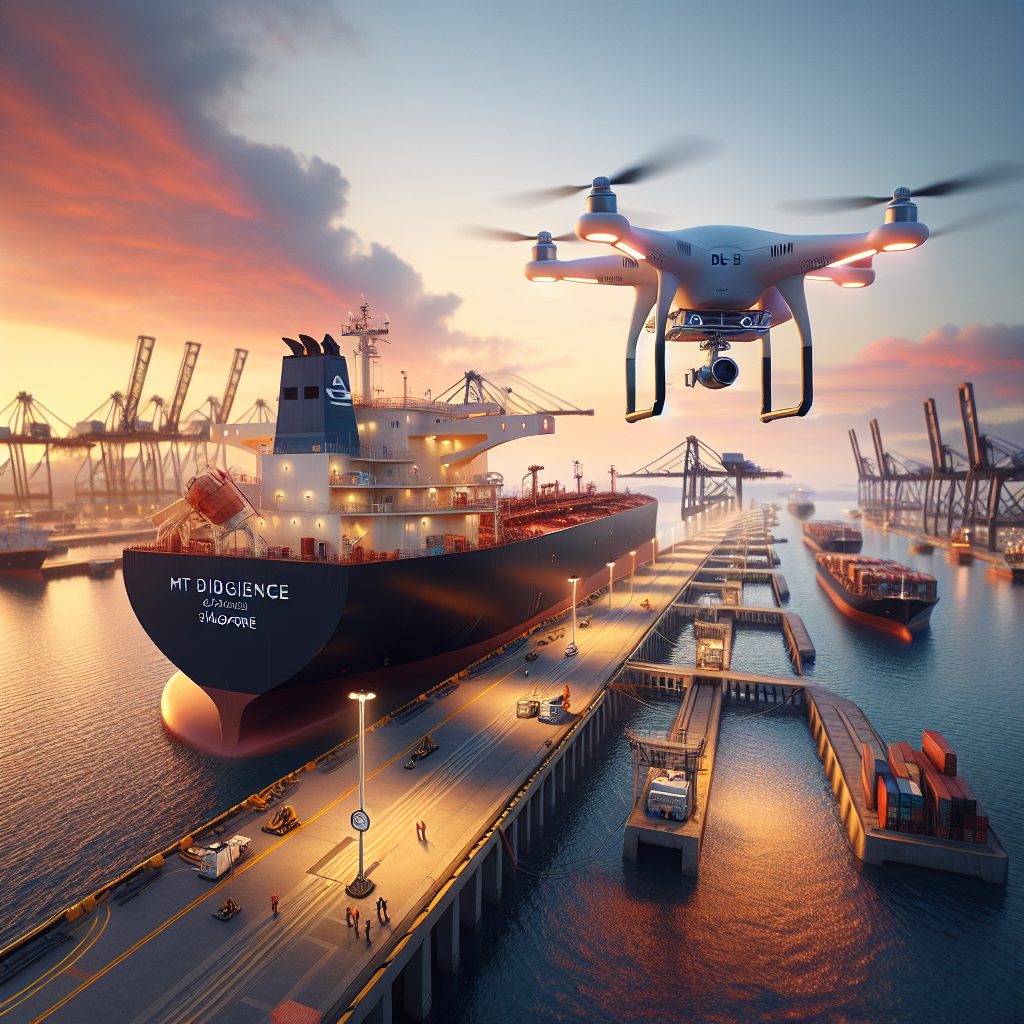
The Future of Maritime Innovation: Drones for Bunker Samples in Singapore The maritime industry is undergoing a significant transformation with the introduction of drone technology for the transportation of bunker samples in Singapore. This groundbreaking initiative, spearheaded by Skyports Drone Services and TFG Marine, marks a pivotal moment for port security, operational efficiency, and environmental sustainability. Collaborating with CBS Ventures and the Maritime and Port Authority of Singapore (MPA), the successful drone operation represents a crucial step towards integrating this technology into the demanding environment of bunker vessels. By implementing deliveries beyond visual line of sight (BVLOS), stringent safety parameters were thoroughly reviewed to ensure the safe adoption of drones in maritime fuel sampling. The project demonstrated the viability of using drones to transport bunker samples under rigorous safety requirements, paving the way for potential large-scale adoption. This technological advancement significantly enhances the logistics of bunker samples, a vital component in ensuring fuel quality and regulatory compliance. Advantages of Drones in Sample Delivery: Enhanced safety by reducing personnel transfers between vessels Faster collection and delivery of samples to onshore laboratories Reduction in fuel consumption and emissions through the use of electric drones The traditional method of using motor launches for sample transport exposes personnel to risks in busy port environments. In contrast, drone-based delivery offers a promising alternative by improving safety, efficiency, and environmental impact. Rigorous Safety Protocols: Prior safety checks included assessments of drone electrostatic discharges and real-time gas emissions measurements Flight route planning ensured drones approached tankers perpendicularly with a structured flight sequence Pre-programmed safety mechanism enabled drones to safely retreat in case of signal loss Managed remotely from the Maritime Innovation Lab (MIL) 3.0, the successful operation with the Speedbird DLV-2 drone showcased the potential of drone technology in maritime logistics. Skyports and TFG Marine: Leading the Innovation: Alex Brown, Director of Drone Services at Skyports, highlighted the transformative potential of drones in reducing risks associated with vessel transfers in Singapore’s busy waters. Similarly, Kenneth Dam, TFG Marine’s Global Head of Fuel Supply, emphasized the company’s commitment to innovation and technology that can revolutionize traditional maritime activities. Following the success of the trial, Skyports, in collaboration with MPA and tanker operators, plans to expand future tests and reinforce safety protocols, paving the way for broader drone technology adoption in port logistics and bunkering operations. Opportunities for Employment and Investment: Professionals in the maritime sector can explore career opportunities with innovative companies like Skyports and TFG Marine Investors interested in maritime technologies have a fertile ground for future investments in disruptive technologies This technological advancement not only showcases progress in maritime technology but also offers potential job opportunities and investment prospects for industry professionals and stakeholders. The integration of drones in maritime operations promises a safer, more efficient, and sustainable future for the industry. Conclusions: The successful implementation of drones for bunker sample delivery in Singapore heralds a new era for maritime operations. With clear advantages in safety, efficiency, and sustainability, drone technology is set to play a pivotal role in shaping the future of port operations globally. As drone usage expands and safety protocols strengthen, we can expect a multitude of applications in the maritime industry.
The ELYgator Project Driving the Green Transition of the Port of Rotterdam
The ELYgator Project Driving the Green Transition of the Port of Rotterdam The port of Rotterdam, the largest in Europe, is at the forefront of a green transformation with the construction of the ELYgator renewable hydrogen plant. Developed by Air Liquide, this 200 MW facility promises innovation through the use of a dual technology that integrates both proton exchange membrane (PEM) electrolysis and alkaline electrolysis. This unique combination in a plant of this magnitude highlights the company’s commitment to efficiency and flexibility in green hydrogen production. Choosing this technology not only strengthens production capacity but also allows for diversification in industrial applications. Once operational by the end of 2027, ELYgator will produce 23,000 tons of renewable hydrogen per year, primarily destined for TotalEnergies’ industrial platform and the emerging heavy mobility sector. This comprehensive approach projects a reduction of up to 300,000 tons of CO2 emissions annually, significantly contributing to European decarbonization efforts. The impact of this innovation goes beyond technology. With the support of the Dutch government and European programs, the project underscores the importance of a solid regulatory framework for hydrogen use, setting an example for future sustainable initiatives. Boosting the Maritime Sector and Job Opportunities The potential impact of the ELYgator project on the maritime sector is significant. The sustainable production of hydrogen in the port of Rotterdam ensures a constant and local supply of low-carbon fuel, essential for complying with IMO’s strict emission regulations. This initiative not only facilitates hydrogen bunkering but also serves as a raw material for green ammonia and methanol production, positioning Rotterdam as a pioneer in sustainable bunkering solutions. Furthermore, the project represents an opportunity for professionals in the sector. The demand for renewable energy specialists and hydrogen technologists is on the rise. Through ELYgator, Air Liquide invites technicians, engineers, and sustainability experts to join their team, opening doors for those interested in being part of this green shift. With an investment of 500 million euros, the plant not only strengthens the port’s infrastructure but also promotes economic development and job creation in the region. A Strategic Alliance for Climate Neutrality Air Liquide and the Port of Rotterdam’s commitment to sustainability is supported by a series of policies and strategic collaborations. The integration of green hydrogen into the port’s existing infrastructure is an example of the progress towards climate neutrality that Europe aims to achieve by 2050. This collaboration benefits not only the industrial sector but also reinforces the port’s position as a key logistics and innovation center in sustainable energy. With the support of the European Important Projects of Common European Interest (IPCEI) initiative and the European Innovation Fund, the ELYgator project demonstrates how effective policies and strategic financing can drive large-scale technological developments. Reasons to Follow the Development of ELYgator For maritime industry professionals, the ELYgator project provides a glimpse of an imminent future where port operations are increasingly sustainable. The possibility of drastically reducing carbon dioxide emissions is a common goal that benefits both the environment and sector economies aiming to reduce their carbon footprint. From an investment perspective, ELYgator represents a strategic financial opportunity. With the rise of green hydrogen and its adoption in various industries, investors can find in this project a solid path towards returns that are not only profitable but also responsible. Lastly, for nautical enthusiasts, the shift towards clean fuels invites them to imagine a world of navigation that is more respectful of the planet. The transition to low-carbon fuel technologies redefines the sailing experience, making it more sustainable and harmonious with marine ecosystems. Exploring the Future of Hydrogen in Nautical The ELYgator project highlights the evolution of sustainable energy in the maritime industry, a sector that has historically relied on fossil fuels. With more countries and companies committed to reducing their emissions, green hydrogen emerges as a viable and promising solution. The drive towards hydrogen production in the Port of Rotterdam is not an isolated case but part of a broader global movement. Companies, governments, and international organizations are recognizing the urgent need to adopt clean technologies that not only mitigate environmental impact but also drive innovation and economic development. We invite our readers to closely follow the development of the ELYgator project and consider the possibilities that green hydrogen offers not only for the maritime industry but also for a more sustainable future.