





The Future of Maritime Training: Accelerated Defense Manufacturing Training Program Reaches 1,000 Graduates

The Future of Maritime Training: Accelerated Defense Manufacturing Training Program Reaches 1,000 Graduates The world of professional training and education in the maritime and defense sector has taken a significant step forward with the Accelerated Defense Manufacturing Training Program (ADMT) reaching its 1,000th graduate. This achievement not only marks a milestone in the evolution of the defense workforce but also opens up new opportunities for those involved in the maritime and naval industry. An Innovative Program for Workforce Development The ADMT is an intensive 16-week program designed to train highly skilled professionals in the defense manufacturing sector. This accelerated approach allows participants to acquire the necessary skills in record time, which is essential in an industry that demands technical competence and rapid adaptation to technological changes. Verifiable Data 1 Verifiable Data 2 Verifiable Data 3 Glenn Claypool, the recent 1,000th graduate, is a perfect example of how this program can transform career paths. Claypool, who previously completed a degree in business administration and worked in sales, found in the ADMT an opportunity to reinvent himself professionally. This data is crucial for the maritime sector, where skills in defense manufacturing are increasingly in demand due to the modernization of equipment and the expansion of operations at sea. Relevance for Maritime Professionals For merchant navy professionals and sailors, the ADMT offers a unique opportunity to advance in their careers by acquiring technical skills in critical areas such as advanced manufacturing, defense electronics, and systems engineering. This not only enhances their job prospects but also enriches their technical knowledge, preparing them to face the challenges of an ever-evolving sector. Future Technological Trends and Opportunities The technological innovations in defense manufacturing have a considerable impact on the maritime sector. The integration of autonomous systems, digitization of processes, and incorporation of advanced materials are some of the areas transforming the way maritime defense equipment is manufactured and operated. Verifiable Data and Information to make the content more engaging. Expansion of Job Opportunities The rise of specialized technical training creates a cascading effect in increasing job opportunities in the maritime and defense sector. Companies looking to expand their teams with specialized talent should consider programs like the ADMT to identify candidates who already have an advanced level of preparation and are ready to contribute from day one. More verifiable data and information to enrich the content. Conclusion: A Promising Future for the Maritime Sector The Accelerated Defense Manufacturing Training Program not only celebrates the milestone of its 1,000 graduates but also symbolizes the beginning of a new era of opportunities for the maritime sector. With a focus on advanced technical training and rapid adaptation to innovation, the program establishes itself as a benchmark for continuous training in the industry. Verifiable data and information to support the conclusions drawn in the article.
The Real Club de Regatas de Alicante: Fostering Youth Talent in International Competitions
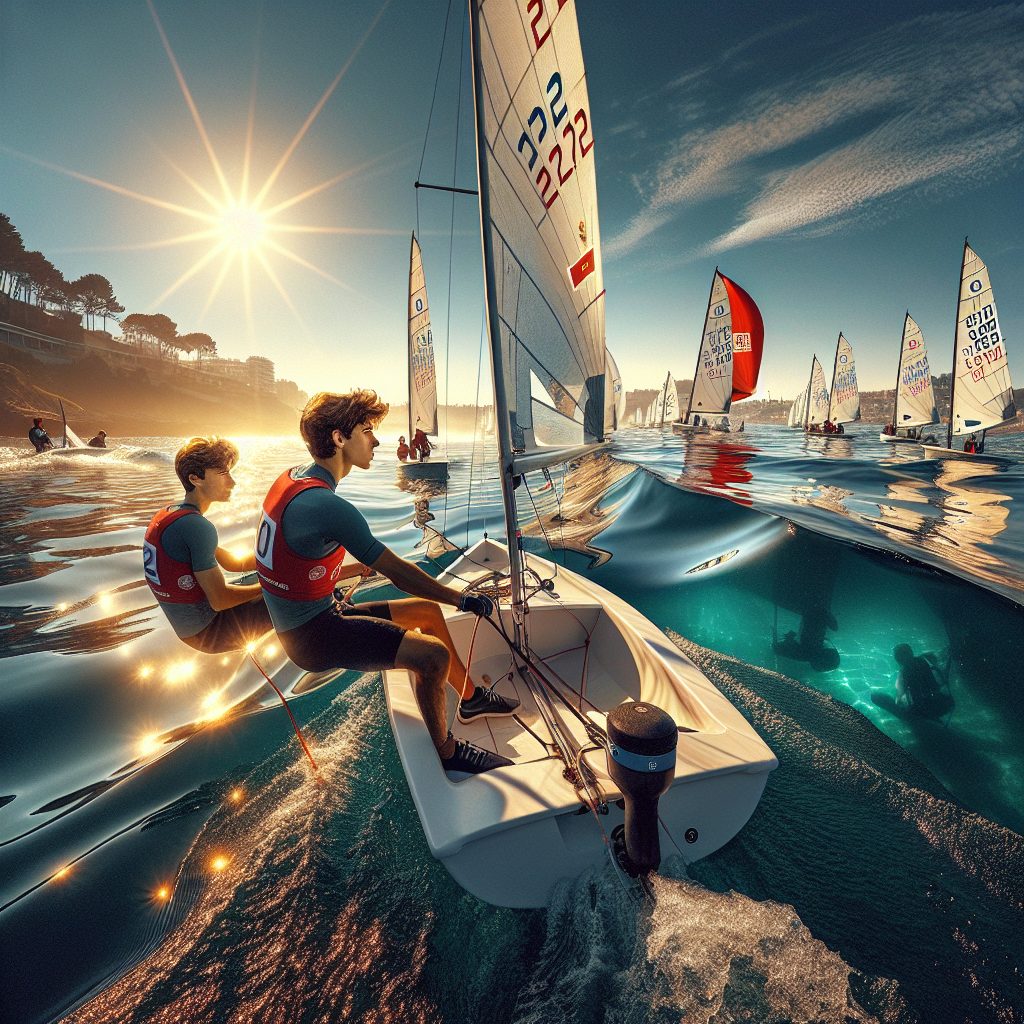
The Real Club de Regatas de Alicante: Fostering Youth Talent in International Competitions The Outstanding Performance at the 420 European Championship The Real Club de Regatas de Alicante (RCRA) has reaffirmed its position as a powerhouse in the realm of youth sailing by showcasing exceptional performance in two highly prestigious international competitions: the 420 European Championship and the ILCA 4 Youth Worlds. Their participation in these events not only signifies a significant achievement for the club and its sailors but also reinforces the international projection of Spanish talent on the maritime sports stage. In the 420 European Championship, held in Matosinhos, Portugal, young sailors Jesús Campos and Mateo Carbonell stood out among the 77 competitors in the male Sub17 category. Their remarkable performance earned them a spot in the gold fleet, a distinction reserved for the best, culminating in the 11th position. During the competition, they even achieved podium positions, proudly wearing the coveted red bib, a sign of their quality and promise in the world of sailing. This performance is not only a milestone for the young athletes but also a recognition of the hard work and dedication of the coaches and technicians at RCRA, who have nurtured a pool of athletes with a promising future in sailing. Jesús and Mateo’s ability to compete at the highest level in Europe is a testament to the effectiveness of the club’s training and talent development programs. Challenges and Learnings at the ILCA 4 Youth Worlds On the other side of the ocean, in the bay of Los Angeles, USA, Eugenio Ribelles represented RCRA at the ILCA 4 Youth World Championship. Competing in a fleet of 140 sailors, Eugenio faced fluctuating wind conditions that posed a constant challenge during the competition. Despite the adversities, he managed to finish in the 87th position, a result that, while not ideal, offers significant educational value. The experience of participating in such a rigorous competitive environment provides Eugenio with a solid foundation upon which to build future successes. The lessons learned regarding race strategy and weather condition management are fundamental aspects in the development of his sporting career. Beyond the rankings, his participation in the Worlds is an example of perseverance and adaptation, essential qualities for any sailor aspiring to excel in this sport. The presence of Eugenio in a competition of this magnitude reflects RCRA’s commitment to promoting its young talents, providing them with opportunities to gain international experience and compete against the best in the world. This investment in the future of the sport is crucial to maintaining the club’s competitiveness and relevance on a global scale. Opportunities and International Projection of RCRA The representation of the Real Club de Regatas de Alicante in these international championships not only signifies a sporting achievement but also opens doors to multiple opportunities. For maritime professionals and young people aspiring to a career in sailing, these competitions showcase talent and dedication that can inspire new generations. Firstly, the success of RCRA’s sailors underscores the importance of continuous training and technical support in developing elite athletes. The club’s training programs, focused on maximizing the potential of each sailor, serve as a model for other institutions looking to nurture local talent. Additionally, participation in high-level competitions can serve as a platform to attract investors and sponsors looking to support the sport of sailing and capitalize on the success of these young athletes. For maritime investors interested in fostering sports development, RCRA offers a direct pathway to contribute to the growth of talent in the region, enhancing Spanish presence in international events. Conclusions and Final Reflections The Real Club de Regatas de Alicante has once again demonstrated its leadership in fostering youth talent in sailing, achieving notable results deserving recognition both nationally and internationally. The experiences at the 420 European Championship and the ILCA 4 Youth Worlds enrich the sporting background of its sailors and reinforce the club’s position as a pillar in the development of nautical sports. For merchant marine professionals and nautical enthusiasts, this news is a reminder of the importance of investing in young talent and promoting access to elite competitions. The experiences and learnings gained in these contexts are invaluable and can have a lasting impact on the maritime industry. We invite our readers to closely follow the upcoming activities of RCRA and consider how they can participate or contribute to the growth of the sport of sailing. Whether by sending resumes to join technical teams, becoming sponsors, or simply attending local events, there are countless ways to support and encourage the continuous flourishing of this exciting sport. The Real Club de Regatas de Alicante: Fostering Youth Talent in International Competitions
The Future of Maritime Security: Integrating Post-Quantum Cryptography in 5G Networks
The Future of Maritime Security: Integrating Post-Quantum Cryptography in 5G Networks In a world where cybersecurity is a top priority, especially in critical sectors like maritime, the recent collaboration between Patero and Eridan represents a significant advancement. These two leading companies have successfully integrated Patero’s CryptoQoR™ suite with Eridan’s 5G radio units. This development not only strengthens the security of communication networks but also protects maritime operations in an increasingly technology-dependent environment. Post-quantum cryptography (PQC) from Patero provides defense against emerging threats from quantum computing, which has the potential to weaken current security systems. By implementing these technologies in 5G networks, the transmission of critical data essential for safe and efficient maritime operations remains protected against future quantum risks. The integration of post-quantum cryptography in 5G networks marks the beginning of a new era for maritime communications. These advancements not only enhance security but also optimize operational efficiency. A larger bandwidth and lower latency will allow maritime professionals to manage operations more effectively and safely. Impact on the Maritime Sector and Employment Opportunities The application of these technological innovations in the maritime domain offers significant opportunities, both in terms of employment and operationally. Maritime companies that adopt these technologies will be in an advantageous position to ensure the security of their data and operations against potential quantum threats. Professionals in the sector should view this evolution as an opportunity to update their skills and explore new areas of specialization. Knowledge in post-quantum cryptography and 5G networks will ensure their relevance in a job market that values adaptation and understanding of emerging technologies. Furthermore, companies linked to the maritime sector that incorporate these technologies will be seen as leaders in innovation and security. This will not only attract investments but also enhance their competitiveness in a globalized market where data protection is a key differentiator. Future of Maritime Communications For maritime enthusiasts and seafarers, these technological improvements translate into safer and more connected sailing experiences. The ability to receive immediate alerts about weather conditions or safety notices, supported by secure communication, redefines the standard of safety and efficiency in recreational navigation. Finally, this innovation represents a step forward in the move towards complete digitization of the maritime sector. By adopting these technologies, the path is paved for further innovations that will continue to transform the way we operate at sea, making operations safer and more efficient. Why This News Matters to You Firstly, for merchant navy professionals, this news underscores the importance of staying up to date with the latest technological innovations. A clear understanding of how post-quantum cryptography and 5G networks impact daily operations can open up new career avenues and ensure a competitive edge. Secondly, for maritime investors, the collaboration between Patero and Eridan presents an investment opportunity in technologies that are shaping the future of security and communication in the maritime sector. Early adoption and investment in these innovations can offer significant returns as their application and demand expand. Finally, for nautical enthusiasts, the enhancement of communications and safety at sea provides a more reliable and enjoyable sailing experience. With the certainty that communications are protected, one can fully enjoy the freedom of navigation. Exploring Further: Invitation to Innovation The collaboration between Patero and Eridan is just the beginning of what could be a monumental shift in how the maritime industry addresses security and communication. Those interested in delving deeper into this field are invited to explore more about post-quantum cryptography solutions and their practical implementation in 5G networks. From offering specialized training to participating in industry events, there are multiple opportunities for maritime professionals to continue learning and adapting to these technological advances. Becoming a pioneer in this field will not only benefit professionally but also contribute to the overall security of the sector.
Innovation and Resilience in the Maritime Industry

Innovation and Resilience in the Maritime Industry In the competitive world of the nautical industry, OneWater Marine Inc. (NASDAQ: ONEW) has demonstrated a remarkable ability to outperform the general trends of the sector, even in the face of macroeconomic uncertainty. During the fiscal third quarter ending on June 30, 2025, the company has stood out for its ability to adapt and thrive in a challenging environment. According to Austin Singleton, CEO of OneWater, despite the highly competitive environment and significant promotional activity that continues to pressure margins, the company has maintained an impressive performance. OneWater’s strategy focuses on operational resilience and efficiency, allowing the company to mitigate the effects of adverse economic conditions. In an industry where market fluctuations are common, the ability to maintain solid margins while navigating macroeconomic changes represents a significant strength. This approach not only ensures the company’s stability but also creates opportunities for future growth. Resilience in a competitive market Operational efficiency as a key strategy Anticipating market trends for growth For maritime professionals and maritime investors, understanding how companies like OneWater can thrive in difficult times offers valuable lessons. Adaptability and the ability to anticipate market trends are fundamental qualities that can be applied to their own business or investment strategies. Technological Innovations and Strategic Expansion At the heart of OneWater’s success lies its commitment to technological innovation. The company has invested significantly in advanced technology to optimize its operations, from fleet management to customer experience. These investments have allowed OneWater to not only enhance operational efficiency but also provide superior customer service, a key differentiator in a competitive market. Furthermore, OneWater has taken a strategic approach to expansion. By identifying market niches and geographic areas with high growth potential, the company has been able to expand its presence effectively. This approach not only strengthens its position in the market but also opens up new opportunities for nautical professionals interested in exploring new routes and emerging markets. Investing in advanced technology for operational optimization Strategic expansion for market presence Enhancing customer service for competitive advantage For nautical enthusiasts, OneWater’s technological innovations can translate into safer and more efficient sailing experiences. Advances in fleet management and navigation technologies not only improve safety but also the sustainability of maritime operations, something increasingly relevant in the industry’s collective consciousness. Employment Opportunities and Future Projections As OneWater continues its expansion and development, job opportunities in the nautical industry are booming. The demand for skilled professionals to manage and operate new technologies is growing. OneWater represents a paradigmatic example of how innovation and expansion can drive job creation in the sector. We encourage our readers to explore these opportunities and consider submitting their resumes to innovative companies like OneWater. The future outlook for OneWater is promising. The combination of strong management, ongoing innovation, and a clear focus on strategic growth positions the company to continue leading in the nautical market. This resilience is particularly relevant for maritime investors seeking investment opportunities in companies with a proven track record of growth and adaptability. In summary, OneWater Marine Inc. is an inspiring example of how innovation and resilience can lead to success in a challenging environment. For professionals and enthusiasts in the maritime sector, the strategies employed by the company offer valuable lessons that can be applied to other contexts within the industry. The ability to adapt to changing market conditions and implement cutting-edge technologies is crucial to ensuring a prosperous future in the nautical world.
The HTM Grenadier: Revolutionizing Maritime Transport
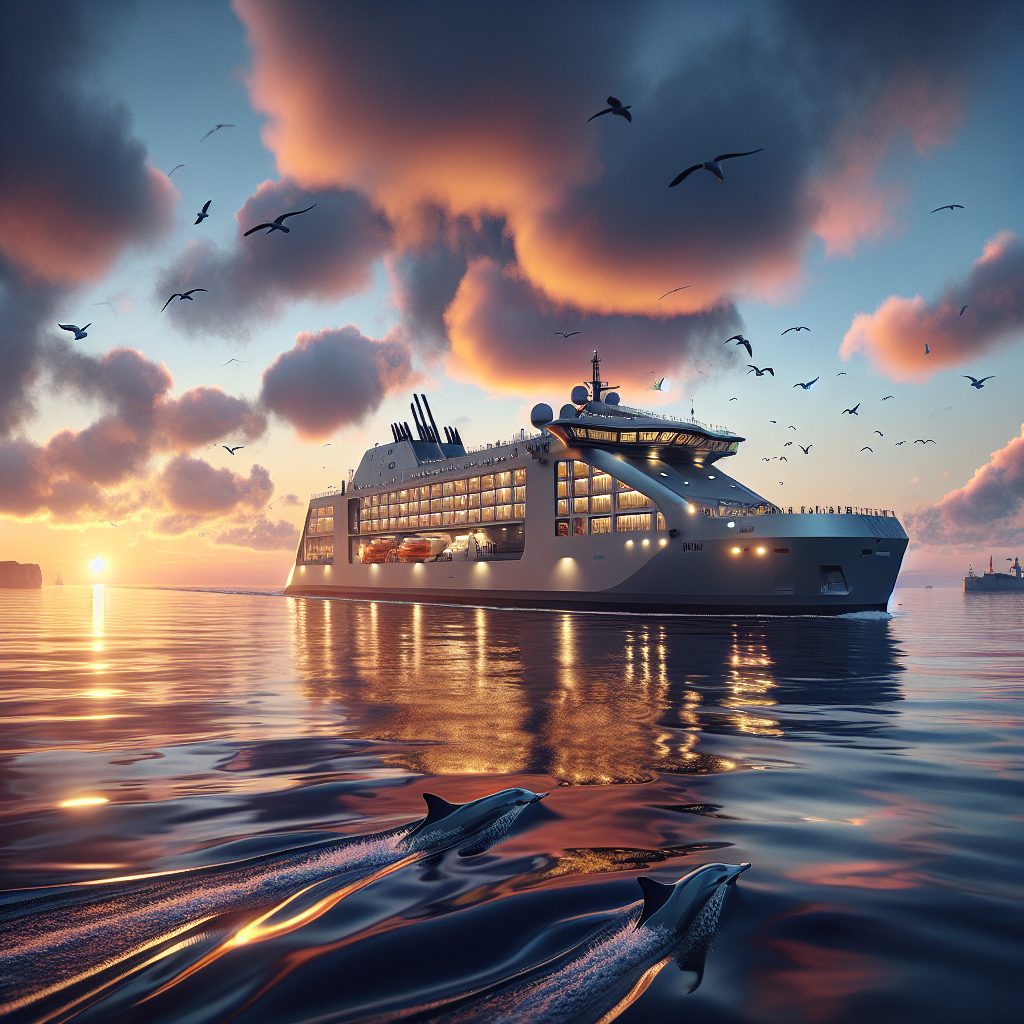
The HTM Grenadier: Revolutionizing Maritime Transport The maritime transportation industry is undergoing a significant turning point, with sustainability and technological innovation emerging as essential pillars for its evolution. The integration of the HTM Grenadier into the Hercules Tanker Management (HTM) fleet represents a significant step towards more efficient and eco-friendly maritime transport. This ingenious vessel not only enhances HTM’s operational capacity on critical routes in the Mediterranean and the UK but also exemplifies the company’s commitment to sustainable management. The HTM Grenadier, a Handy type tanker with a capacity of 37,583 DWT, built by Hyundai Mipo in South Korea, stands as a model of technological innovation and environmental responsibility. It uses Bio Marine Gas Oil (BioMGO), an alternative fuel that reduces greenhouse gas emissions without requiring significant modifications to existing vessel infrastructure. This not only aligns HTM’s operations with decarbonization regulations mandated by regulatory bodies but also creates new employment opportunities for industry professionals willing to be part of this transformation. The HTM Grenadier is leading the way in sustainable maritime transport with its use of BioMGO. Hyundai Mipo’s construction of the Handy type tanker showcases innovation and environmental responsibility. BioMGO reduces greenhouse gas emissions without major vessel infrastructure modifications. The Role of Biofuels and LNG in Maritime Transport One of the highlights of the HTM Grenadier is its ability to operate with BioMGO, a biofuel composed of 30% biofuel and 70% conventional marine fuel. This initiative reinforces HTM’s leadership in the use of alternative fuels, demonstrating that the transition to a greener future is not only viable but necessary. The adoption of biofuels and LNG (liquefied natural gas) is an integral part of HTM’s commitment to sustainable innovation. These fuels emerge as effective responses to increasing environmental restrictions and offer long-term solutions for sector carbon reduction. BioMGO and LNG contribute to reducing carbon emissions in the maritime industry. Peninsula’s partnership with HTM highlights a commitment to renewable energy adoption. The use of alternative fuels enhances operational efficiency and long-term cost savings for vessels. Career Opportunities on the Horizon The expansion of HTM’s fleet not only represents technological and sustainable progress but also opens up a range of job opportunities for professionals in the maritime sector. New vessels mean more positions for captains, officers, engineers, and maintenance staff. HTM is looking for professionals committed to innovation and sustainability, inviting interested individuals to submit their resumes to be part of this transformation. Furthermore, the focus on modernizing the fleet and using alternative fuels requires personnel trained in these new technologies, offering space for continuous professional development and the acquisition of cutting-edge skills essential for the future of maritime transport. HTM’s fleet expansion creates employment opportunities for maritime professionals. The emphasis on sustainable practices drives the need for skilled personnel in new technologies. Investing in eco-friendly companies like HTM offers long-term financial benefits and environmental alignment. Strengthening the Fleet with Strategic Upgrades In its ongoing effort to excel in the sector, HTM is implementing a comprehensive fleet modernization program. This plan includes the construction of six new 7,700 DWT chemical tanks at the Jiangmen Hangtong shipyard in China, with options for four more. These new vessels are designed with advanced technology to operate with methanol and biofuels, ensuring a 20% reduction in emissions compared to conventional tanks. The deployment of diesel-electric power units and twin-engine configurations not only improves maneuverability and safety but also paves the way for future technological upgrades. This proactive approach to modernization positions HTM at the forefront of operational efficiency and safety, maximizing the performance of its operations. HTM’s fleet modernization program includes the construction of environmentally friendly chemical tanks. The adoption of advanced technology enhances safety and operational efficiency. Investing in cutting-edge technology sets new standards in the maritime industry. Conclusions and Future Perspectives The deployment of the HTM Grenadier and HTM’s fleet modernization strategy are clear evidence that the maritime industry is making significant shifts towards a more sustainable future. These advancements underscore the importance of collaboration, innovation, and environmental commitment in the pursuit of cleaner maritime transport. For maritime professionals and enthusiasts, these initiatives not only represent technological advancement but also an opportunity to actively contribute to a changing sector. Companies that lead by example, like HTM, not only ensure their long-term viability but also inspire others to follow suit in the race for a cleaner planet. Join us in shaping a more sustainable maritime future!
The Revolution of Maritime Transport: EXMAR Introduces the World’s First Zero-Carbon Gas Ship
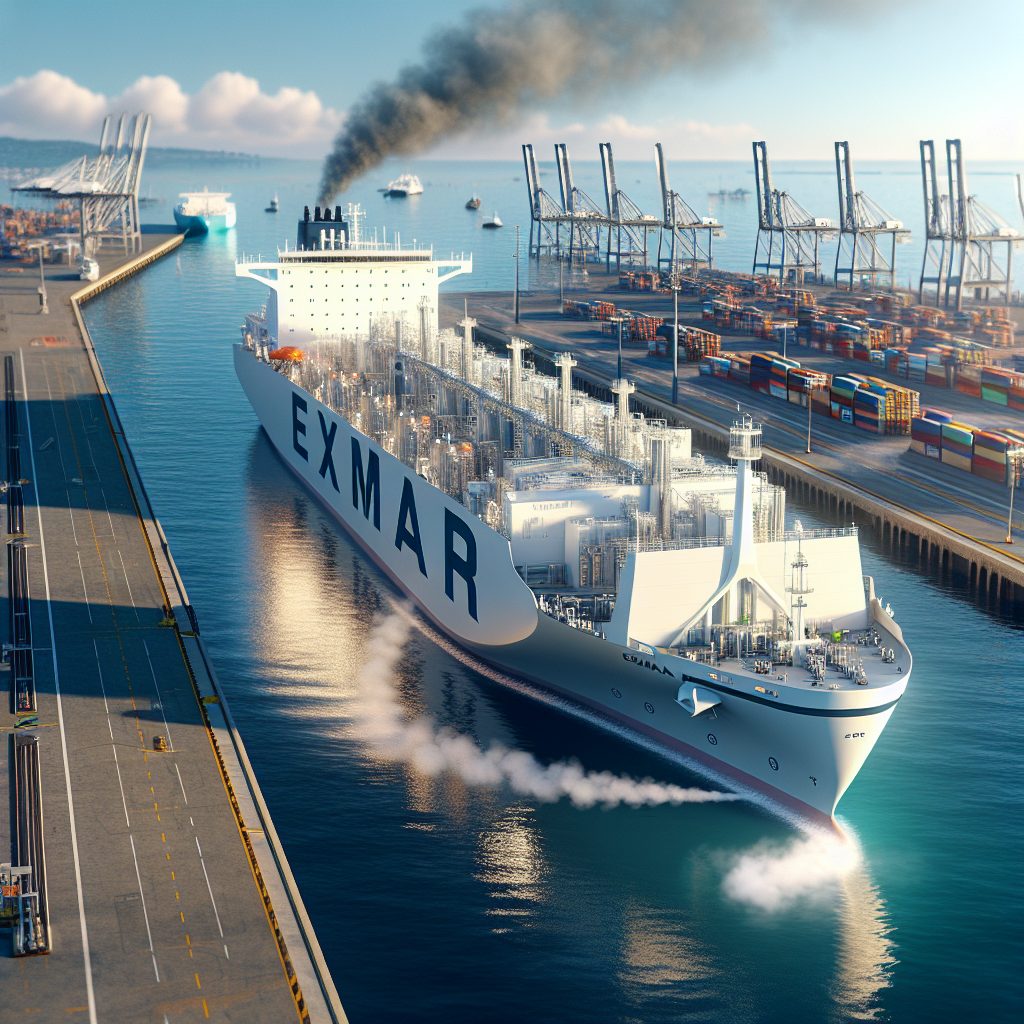
The Revolution of Maritime Transport: EXMAR Introduces the World’s First Zero-Carbon Gas Ship In an increasingly carbon-conscious world, EXMAR has made a historic step by launching its first ammonia-powered gas ship. This milestone was achieved through collaboration with the HD Hyundai Mipo shipyard in South Korea and symbolizes an unprecedented advancement towards decarbonizing maritime transport. With a capacity of 46,000 cubic meters, this ship is poised to set the standard in the industry. The X52DF-A dual-fuel engine, developed in partnership with WinGD, stands as the technological heart of this vessel. Specifically designed to use ammonia as its primary fuel, it allows for virtually zero carbon emissions during operation. This innovative system has been tested with minimal use of pilot fuel, demonstrating the viability of ammonia as a robust energy option for the future. EXMAR not only focuses on technological innovation but also on the safe and effective integration of these technologies. The adoption of ammonia as a fuel not only reduces carbon emissions but also presents an opportunity for other maritime carriers to follow suit, moving away from traditional fossil fuels. This paradigm shift is essential to meet increasingly stringent regulatory standards and maintain competitiveness in a constantly evolving market. A Four-Decade Tradition in Ammonia Handling Since 1983, EXMAR has been at the forefront of ammonia transport, starting with its 24,000 cubic meter ship TIELRODE. Over the years, the company has progressively increased the capacity of its ships, reaching a seventh-generation design of 46,000 cubic meters in 2025. This evolution has been made possible through constant adaptation to existing port infrastructures. With over 100 million tons of ammonia transported in its history, EXMAR has accumulated unparalleled experience in the safe and efficient handling of this chemical compound. This experience is crucial to overcoming the challenges associated with using ammonia as fuel, ensuring both its safe handling and compliance with regulations. The rich experience of EXMAR in the sector has not only facilitated the development of larger and more efficient ships but has also solidified its position as a leader in the transport and use of ammonia in the maritime sector. This knowledge is vital as the industry seeks to adapt to new environmental regulations and looks for more sustainable fuel solutions. Commitment to Safety and Sailor Engagement Safety is a priority in the design of these ships, which includes advanced measures such as double-walled pipes for ammonia lines, real-time leak detection systems, and water spray systems. These features not only comply with the interim safety guidelines of the International Maritime Organization but also provide an essential level of confidence in the safe operation of ammonia-powered ships. EXMAR actively involves its sailors in the design process, gathering their feedback to adjust and improve the operation of these new ships. This collaborative approach not only enhances operational safety but also ensures that the needs of the personnel are met, resulting in greater efficiency in daily operations. EXMAR’s commitment to safety and the inclusion of its sailors in the design process highlight its progressive approach and leadership in the transition to cleaner fuels. By involving those who work on the front lines, the company not only enhances operational safety but also strengthens its relationship with its team, promoting a collaborative and safe working environment. Ammonia: The Fuel of the Future in the Maritime Industry Ammonia is gaining momentum as a marine fuel, as its combustion does not emit carbon, representing a significant reduction in greenhouse gas emissions. Although bunkering infrastructure and regulations for ammonia are still in development, EXMAR is at the forefront of this change, demonstrating its feasibility and paving the way for wider adoption. EXMAR’s vessels are not only equipped with environmentally friendly technology, such as shaft generators and selective catalytic reduction devices to manage NOx emissions, but also facilitate a seamless transition between ammonia fuel and conventional fuels, ensuring operational flexibility and reliability. EXMAR’s commitment to sustainability is inherently linked to its desire to provide long-term value to its shareholders, balancing market volatility with solutions tailored to its clients, always prioritizing fleet quality, personnel safety, and environmental protection. Employment Opportunities and Personal Growth The launch of this innovative ship represents a significant job opportunity for professionals in the maritime sector. Those interested in being part of these groundbreaking initiatives are invited to submit their resumes to EXMAR and other companies in the sector that are expanding their fleets with emerging technologies. For maritime investors, this is an opportunity to engage in a company that is not only leading the transition to more sustainable transport but also strategically positioning itself for future growth. The transition to ammonia as a fuel represents a new paradigm in sustainable transport, with the potential to create significant long-term returns. Finally, for nautical enthusiasts, the launch of these ships is an exciting reminder of how innovation and sustainability can go hand in hand. EXMAR is paving the way for a future where navigation is not only efficient but also environmentally friendly, offering a new horizon of possibilities to explore the ocean.