


The Revolution of Maritime Training: ICS Academy Leading the Way

The Revolution of Maritime Training: ICS Academy Leading the Way In a world where technology is advancing by leaps and bounds, the maritime industry is not left behind. With more than 70% of maritime training professionals anticipating an increase in the use of e-learning in the coming years, new opportunities in global maritime education are emerging. The International Chamber of Shipping (ICS) Academy is at the forefront of this change, offering accessible and effective digital training for seafarers worldwide. This institution, a key initiative of the International Chamber of Shipping, is dedicated to providing practical and accessible learning that can be tailored to the needs of seafarers, regardless of their location or internet connectivity. The ICS Academy has embraced a mobile and inclusive approach, allowing students to access courses from their personal devices, which is crucial for those who spend a significant amount of time at sea. The relevance of this training lies not only in its accessibility but also in the quality of the content delivered. By using traditional methodologies enhanced by accessible digital formats, the ICS Academy ensures that training scenarios are highly relevant to the real challenges that seafarers face on a daily basis. Innovation and Experience: The Key to ICS Academy Behind the development of ICS Academy content is Sarah Lovell, a maritime expert with extensive experience in maritime teaching and training. Lovell, a former university professor at prestigious institutions such as the Warsash Maritime Academy and the City of Glasgow College, now serves as the Manager of Technical Content Development at ICS. Her knowledge spans critical areas of maritime training, from bridge surveillance to management and maritime law. Sarah is a passionate advocate for accessible training and has demonstrated her ability to develop easily understandable content for e-learning platforms. This approach ensures that seafarers worldwide receive a quality education that is relevant and aligned with the needs of the industry. The commitment of Sarah and the ICS Academy to inclusive education is evident in the platform’s design, which allows course downloading for offline learning and offers features such as text-to-speech, respecting different learning preferences and being particularly beneficial for those whose first language is not English. Distinctive Features of the Platform Mobile-first design for easy access Course downloading for offline learning Real-world data-based course content The flexibility and effectiveness are fundamental pillars of the ICS Academy platform, designed to provide high-quality practical learning. One of its most outstanding features is the mobile-first design, recognizing that smartphones are an essential tool for seafarers. This feature allows easy access to all course content from mobile devices. The platform also allows course downloading to ensure learning continuity regardless of internet connectivity, crucial for those on board vessels where connectivity may be limited or non-existent. Additionally, course content is based on real-world data, such as deficiencies in state control in ports and emerging industry trends, ensuring that training scenarios are realistic and applicable to real-life situations that seafarers may face. Realistic Simulation: A Revolutionary Learning Method One of the most innovative aspects of the ICS Academy is the use of 3D simulations in its courses. For example, a course on low-load engine operations allows users to conduct virtual inspections of engine components, improving decision-making accuracy. This technique not only enhances understanding of the topics studied but also boosts learners’ confidence in their skills. Another standout course is the preparation for engine room inspections, serving as a valuable refresher before critical events such as state control inspections in ports. Each course incorporates knowledge checks with immediate contextual feedback to reinforce understanding and build confidence. This approach not only makes learning more interactive but also aligns it with the realities of the modern seafarer’s operating environment. Scenarios are structured from real-world data, giving seafarers an educational experience that feels relevant and applicable to their daily functions at sea. The Future of Maritime Training The ICS Academy not only represents the future of maritime training but also offers a platform that facilitates high-quality teaching through intuitive and practical solutions. By combining cutting-edge educational technology with deep maritime knowledge, the platform is designed to assist shipping companies in providing high-quality training that can be accessible both online and offline. This approach empowers seafarers with the knowledge and skills necessary to excel in their careers, maintaining the highest standards of safety and operational excellence. For maritime investors, this represents an opportunity to capitalize on a better-prepared and more efficient workforce. For more information, both shipping companies and seafarers can visit the ICS Academy website, where they will find additional resources and details about the available courses. Significance of the News Firstly, for maritime professionals, the adoption of high-quality digital training is vital to maintaining competitiveness and operational efficiency in an increasingly complex and regulated environment. The ICS Academy offers courses designed to adapt to the reality of life on board, enhancing safety and regulatory compliance. Secondly, maritime investors can find in this innovation a reason to have confidence in a sector that is quickly adapting to new technologies, ensuring that their investment is not
Digital Transformation in the Hazardous Goods Supply Chain: Innovations and Opportunities for the Maritime Sector

Digital Transformation in the Hazardous Goods Supply Chain: Innovations and Opportunities for the Maritime Sector | WishToSail.com Digital Transformation in the Hazardous Goods Supply Chain: Innovations and Opportunities for the Maritime Sector The maritime industry is constantly evolving, and the management of hazardous goods poses a significant challenge within this dynamic environment. The year 2025 is set to be a pivotal year for the evolution of hazardous goods management in the maritime sector, with a focus on digitalization. The upcoming Hazardous Goods Symposium, scheduled to take place in Chicago, will explore how digital technologies can revolutionize the supply chain of hazardous goods, presenting a range of opportunities for professionals and investors in the maritime sector. The Era of Digitalization: A New Horizon for the Transportation of Hazardous Goods Digitalization is emerging as an essential tool to optimize logistics, enhancing the safety and efficiency of transporting hazardous goods. Advanced technologies such as the Internet of Things (IoT) and real-time data analysis are being implemented to monitor the movement of these goods, ensuring they are transported safely and in compliance with international regulations. This not only improves safety for professionals but also provides an opportunity for specialization in an expanding field. Innovations in Packaging: Ensuring Integrity and Safety Another key aspect of the symposium is the innovation in packaging systems. Proper containment of hazardous goods is crucial to prevent incidents during maritime transport. Advances in materials and packaging techniques promise to enhance safety without compromising efficiency. The development of new, more durable, and sustainable materials contributes to risk reduction and compliance with stricter environmental regulations. Training: Shaping the Next Generation of Experts Effective training is vital for successfully implementing innovative technologies and methods. Training programs tailored to new technological trends ensure that industry workers are adequately prepared to face future challenges. These initiatives not only increase technical competence but also enhance overall safety and efficiency in handling hazardous goods. Significant Transformations for All Industry Stakeholders The significance of these developments cannot be understated. For maritime professionals, digitalization and packaging innovations represent a shift in traditional practices, presenting both challenges and opportunities for growth and leadership in hazardous goods management. Investors in the maritime sector can benefit from investing in sustainable and secure methods, improving corporate reputation and meeting growing ecological expectations. Conclusion: A Call to Action The Hazardous Goods Symposium 2025 marks a decisive moment for the maritime sector, inviting all stakeholders to actively participate in this digital transformation. It is an opportunity to learn, innovate, and adapt to a safer and more sustainable future in handling hazardous goods. Companies and professionals interested in leading this change are encouraged to explore the available opportunities, including submitting their resumes to participating companies at the symposium. This era brings about significant changes and advancements, where staying ahead can make the difference between success and obsolescence. We encourage our readers to continue exploring and embracing these innovations, ensuring that the maritime industry remains a fundamental pillar of global trade, constantly adapting to the evolving needs of the global economy.
The Importance of Sustainability in the Maritime Sector

The Importance of Sustainability in the Maritime Sector In a world where sustainability and marine ecology are becoming increasingly relevant, Yamaha Motor Corporation, U.S.A. is taking a significant step in protecting the aquatic environment. Through their national sustainability program, Yamaha Rightwaters, the company has established a strategic partnership with Mobile Baykeeper, a non-profit organization dedicated to improving water quality and reducing pollution in Mobile Bay, Alabama. This joint effort highlights the growing importance of partnerships between the private sector and environmental organizations. The initiative focuses on habitat restoration and marine research, activities that are crucial for the preservation and maintenance of coastal waters. The collaboration between Yamaha and Mobile Baykeeper emphasises the significance of integrating sustainability in the maritime industry. Yamaha has provided resources, including a 30-foot vessel equipped for marine research and habitat maintenance. This partnership showcases how the maritime industry can lead in technological innovation with a sustainable focus. Technological Advancements for Environmental Protection The role of technology in protecting and restoring marine ecosystems cannot be underestimated. The vessel provided by Yamaha serves not only as a mode of transportation but as an advanced tool for environmental research. Equipped with state-of-the-art instruments, it allows for precise data collection on water quality, monitoring of marine species, and assessment of habitat conditions. This technical approach enables researchers and volunteers at Mobile Baykeeper to analyse water conditions in real-time, providing valuable information for immediate and effective decision-making. Opportunities for Development and Employment The partnership between Yamaha Rightwaters and Mobile Baykeeper has not only environmental implications but also socio-economic benefits. Efforts to improve the waters of Alabama create a positive impact on the local economy, leading to the creation of new jobs in the marine research and environmental maintenance sectors. This presents an open invitation to professionals and enthusiasts in the industry to engage in these initiatives and contribute their expertise and knowledge. Furthermore, Yamaha’s sustainable practices promote interest in implementing similar programs in other regions. Companies looking to follow this path may view the collaboration as a success story, potentially increasing the demand for sustainability and marine research experts. This added value for professionals in the sector allows them to expand their job prospects in a field that is constantly growing. Relevance of the Initiative for WishToSail.com Readers The impact of the collaboration between Yamaha Rightwaters and Mobile Baykeeper provides several reasons why this news is relevant to the readers of WishToSail.com. Firstly, it underscores the importance of integrating sustainability into daily operations in the maritime sector, aligning with current industry trends and consumer expectations. Secondly, such initiatives serve as inspiration for other sailors and industry professionals, demonstrating that significant changes can be made through strategic partnerships and the smart use of technology. The partnership highlights the importance of sustainability in the maritime sector, offering a pathway towards a greener future. It showcases how innovation and sustainability can go hand in hand, creating a positive impact on the environment. Readers are encouraged to explore opportunities to get involved in similar projects, whether through employment, professional development, or investment.
The Success Story of Algoma Central Corporation in the Maritime Sector

The Success Story of Algoma Central Corporation in the Maritime Sector Algoma Central Corporation has positioned itself as a key player in the dynamic world of maritime transportation, showcasing impressive financial results in the second quarter of 2025. The Canadian company, listed on the Toronto Stock Exchange (TSX: ALC), reported a significant increase in revenue, reaching 211,715 thousand Canadian dollars, compared to 180,968 thousand in the same period in 2024. This remarkable growth not only reflects effective management but also a favourable market context that has been leveraged. The company’s net earnings also demonstrate outstanding growth, rising from 17,464 thousand Canadian dollars in 2024 to 32,883 thousand in 2025. This leap translates to an improvement in operational efficiency and underscores the importance of well-executed strategic planning. The EBITDA, a crucial indicator for assessing a company’s financial health, rose to 72,582 thousand Canadian dollars, compared to 48,406 from the previous year, solidifying Algoma as a reference in the sector. Technological Innovation: The Core of Success The key to Algoma Central Corporation’s success not only lies in its robust financial structure but also in its focus on technological innovation. The company has been investing in cutting-edge technologies to optimize its operations. This includes the implementation of advanced navigation systems and fleet management solutions that enhance energy efficiency and reduce environmental impact. With the increasing global demand for sustainability, Algoma is at the forefront by integrating ecological practices into its operations. These innovations not only enhance the company’s competitiveness but also attract investors committed to sustainable development, an aspect that is gaining more relevance in investment decision-making. The adoption of emerging maritime technologies benefits the environment Representing an opportunity for professional growth in the industry Expansion of Routes and Employment Opportunities A highlight in Algoma’s recent trajectory is the expansion of its maritime routes. The company has identified new opportunities in international markets that promise sustained growth. This strategic move not only diversifies its operational base but also opens the door to new business and employment possibilities. The expansion of routes entails the need for experienced crews and specialized personnel, making it an excellent job opportunity for those seeking international experiences in the maritime field. New routes offer competitive positions in high-growth regions Increasing the company’s capacity to secure strategic contracts The Importance of Algoma for Maritime Professionals and Enthusiasts The sustained growth of Algoma Central Corporation offers several reasons to capture the attention of maritime professionals, investors, and nautical enthusiasts. Firstly, its financial results are a testament to the company’s solid performance, translating into stability and growth potential for those seeking job opportunities within the company. Secondly, the focus on technological innovation and sustainability makes Algoma a leader in adopting more ecological and efficient practices, shaping the future of maritime transportation. Joining Algoma provides the opportunity to work with cutting-edge technologies Expanding skills and knowledge in a progressive work environment Conclusion: A Promising Future on the Maritime Horizon Algoma Central Corporation has not only proven to be a resilient company but also a visionary in the maritime transport sector. Its ability to grow in a challenging and volatile economic environment is a lesson for other companies in the industry. The combination of technological innovation, strategic expansion, and a focus on sustainability ensures that Algoma remains a model to follow and an attractive opportunity for professionals and investors alike. As the company continues to navigate towards new horizons, it invites all interested parties to explore the opportunities it offers, whether as part of its team or as an investor. The promise of a bright and sustainable future in maritime transportation is now a tangible reality thanks to leaders like Algoma Central Corporation. Algoma’s story is a reminder of the power of innovation and smart strategy in creating a more sustainable and prosperous maritime future.
Financial Innovations in the Maritime Sector: Travel + Leisure Co.’s Strategy for 2033

Financial Innovations in the Maritime Sector: Travel + Leisure Co.’s Strategy for 2033 The maritime sector is not only fueled by technological advancements and new shipping routes but also by innovative financial solutions that ensure its long-term sustainability. Recently, Travel + Leisure Co., one of the most influential companies in the tourism and leisure industry, has announced a private bond offering worth $500 million, showcasing a strategic approach to the future. This offering, expected to close on August 19, 2025, is designed to strengthen the company’s financial stability until 2033. The decision to issue secured senior notes suggests a calculated move to optimize its finances, capitalizing on current market conditions and improving its debt structure. Such financial maneuvers could serve as a guide for other players in the maritime sector seeking secure ways to finance their operations and expansion. Travel + Leisure Co. announced a private bond offering worth $500 million to enhance its financial stability until 2033. The decision to issue secured senior notes demonstrates a strategic move to optimize finances and improve debt structure. Implications for the Navigation Sector and Job Opportunities Travel + Leisure Co.’s announcement has implications beyond the financial realm. The decision to use the net proceeds from this offering to redeem outstanding debt at a 6% rate demonstrates a commitment to operational efficiency. This action not only enhances solvency but could also free up resources for investments in innovative maritime technology or the expansion of sea tourism routes. This financial strategy could also lead to an increased demand for skilled professionals to handle new routes or technologies onboard. Navigators and specialized technicians may find in Travel + Leisure Co. an opportunity for professional growth. The company could be looking to expand its workforce to meet the new operational demands arising from its strengthened financial position. Interested individuals are invited to consider submitting their resumes to Travel + Leisure Co. as the company prepares for a potential shift in its operational strategy. This bond offering not only represents an investment in the company’s future but also in the individuals who will enable its continued success. The Value of Financial Innovation in the Nautical Sector The relevance of Travel + Leisure Co.’s bond offering is significant for various segments of WishToSail.com’s audience. For maritime investors, this action serves as a model of how a company can use finances to optimize its debt structure and prepare for future expansion opportunities. For nautical executives and entrepreneurs, Travel + Leisure Co.’s strategy offers insight into the importance of strong finances in long-term planning. Implementing innovative financial solutions can provide the necessary flexibility to adapt to market uncertainties in the maritime industry, a key aspect for sustained success. Finally, for nautical enthusiasts, this financial move reflects how large companies incorporate complex strategies to maximize their potential. As the maritime sector continues to evolve, observing how Travel + Leisure Co. navigates these waters can offer valuable lessons on resilience and adaptability. Exploring Opportunities Beyond Navigation Travel + Leisure Co.’s announcement of its private bond offering is more than just a financial move; it is a strategic statement underscoring its long-term vision. As the maritime sector faces challenges and opportunities, such financial initiatives provide a valuable model of how companies can pave the way for future growth. For WishToSail.com readers, the lesson is clear: understanding and engaging in these financial strategies can open new doors both professionally and recreationally. The potential impact of Travel + Leisure Co.’s bond offering extends not only to the financial market but also to the operational and technological sectors of the maritime industry. As we move forward, we encourage our readers not only to follow these developments but to actively engage in the opportunities they present. Whether through investments, partnerships, or career paths, the future of the maritime sector holds promises for those willing to navigate its complex financial waters.
The Leading Role of Barcelona Port in Maritime Energy Transition in the Mediterranean with Bio-LNG
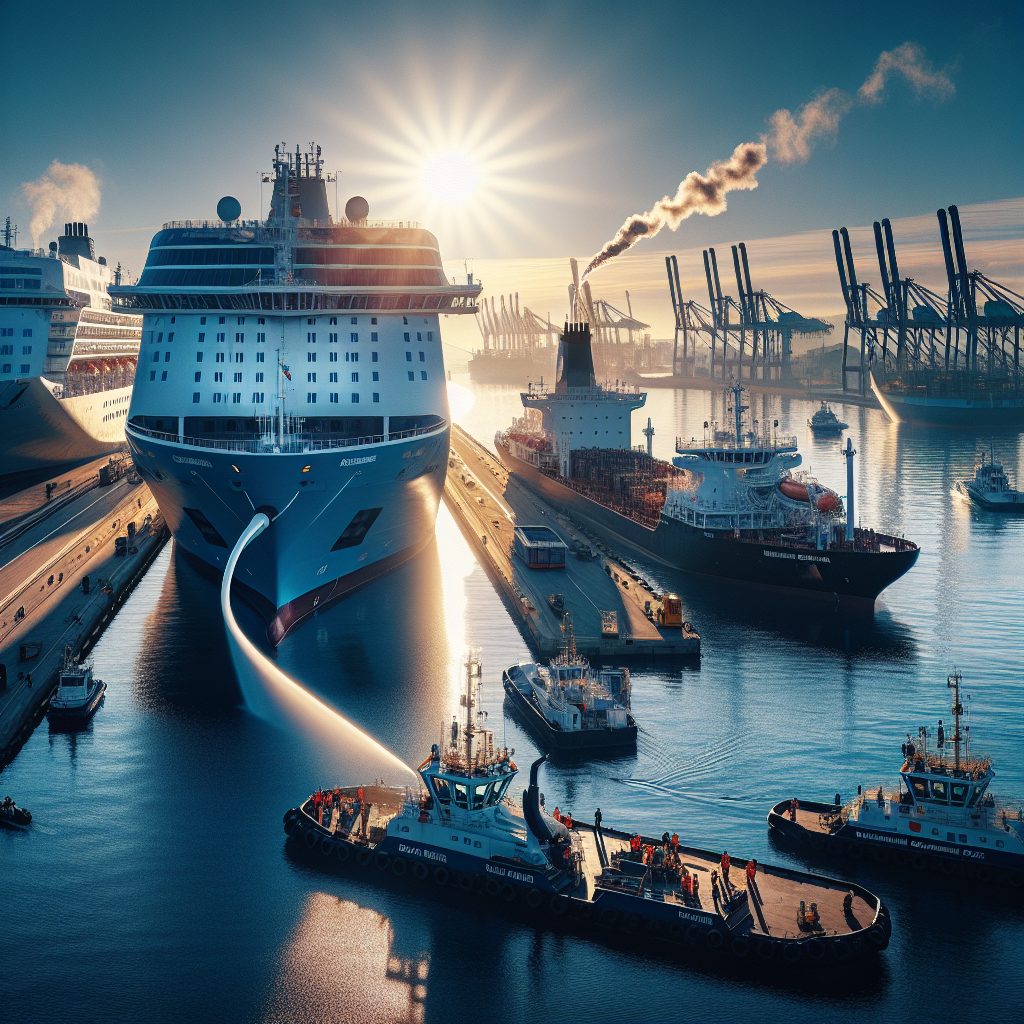
The Leading Role of Barcelona Port in Maritime Energy Transition in the Mediterranean with Bio-LNG The Port of Barcelona has taken a significant step towards maritime decarbonization by carrying out the first ship-to-ship (STS) bio-LNG supply operation in the Mediterranean. This initiative, in collaboration with Enagás, Knutsen Scale Gas, Shell, and TUI Cruises, positions the port as a leader in the adoption of low-carbon fuels and sets a precedent for ports worldwide. This milestone in energy transition occurred on July 26, 2025, when the TUI Cruises’ vessel Mein Schiff Relax received 1,875 m³ of renewable liquid methane, marking a pivotal moment for the cruise industry and decarbonization efforts in the region. This operation highlights not only the port’s strategic capacity to lead the energy transition but also the importance of joint investments and collaborative partnerships for a sustainable and scalable maritime supply future. The first ship-to-ship bio-LNG supply operation in the Mediterranean Demonstrates viability of alternative fuels in large capacity cruises Potential for new job opportunities in the sector Implications on economic and legislative aspects The Evolution of Fuel Supply: From Truck to STS Prior bio-LNG supplies in the Port of Barcelona were carried out by tanker trucks. However, the use of the barge Haugesund Knutsen, operated by Knutsen Scale Gas and chartered by Shell Marine, has increased the supplied fuel volume by more than 15 times, as well as significantly streamlining the process. This transition to STS supply is vital for the cruise sector where volume and speed in supply are crucial to meet demanding operational schedules and promote the adoption of emissions-neutral fuels. Increased efficiency and operational effectiveness Successful transition to sustainable fuels Reduction in emissions throughout the supply chain Contribution to compliance with stricter environmental regulations A Circular Fuel Model: “Zero-Kilometre” Bio-LNG Bio-LNG, a “drop-in” fuel similar to fossil LNG, can be used in dual-fuel engines without modifications. What sets bio-LNG apart is its sustainable profile: derived entirely from organic waste, its use can reduce greenhouse gas emissions by 70-100% over its lifecycle. The production of bio-LNG at the Port of Barcelona follows a “zero-kilometre” model, where the Enagás regasification plant plays a crucial role. Certification by the International Sustainability and Carbon Certification (ISCC EU) ensures the fuel meets traceability and sustainability standards, paving the way for similar initiatives in other global ports. Sustainable production and local distribution model Replicable model for global adoption Contribution to a circular economy in the shipping sector Towards Climate Neutrality: TUI Cruises’ Role The Mein Schiff Relax supply operation is part of TUI Cruises’ climate protection roadmap, aiming to achieve climate neutrality by 2050. The company’s strategy is based on four fundamental pillars, including the adoption of alternative fuels, connection to shore power in ports, energy efficiency, and optimized travel planning. The Mein Schiff Relax, as the first vessel in the fleet powered almost exclusively by LNG, leads the way in this transition, while new vessels like the Mein Schiff 7 are preparing to use next-generation fuels such as green methanol. Commitment to sustainability in response to emerging regulations Positioning as an industry leader in innovation Setting standards for future environmental initiatives A Collaborative Ecosystem: Role of Industry Leaders The success of this operation results from the collaboration of multiple actors, each bringing their essential expertise to the process. Enagás, as the operator of the regasification plant, provides the physical and regulatory basis for the “zero-kilometre” model, certifying the sustainability and traceability of bio-LNG from origin to final destination on the vessel. Knutsen Scale Gas and Shell Marine play crucial roles in fuel logistics, operating the LNG bunkering barge and expanding offerings for low-carbon fuels respectively. TUI Cruises, as the end-user, drives demand and justifies investments in infrastructure through its commitment to bio-LNG and next-generation fuels. Public-private collaboration key to operation success Replicable model inspiring other ports and companies Advancing towards a more sustainable maritime future Barcelona: A Replicable Model for Global Decarbonization Barcelona’s strategic location and proactive investments in sustainable infrastructure create an ideal environment for testing emerging fuel technologies. This bio-LNG bunkering operation, supported by certification and public-private partnerships, offers a replicable model for ports worldwide. Facing pressures