





Gasum Drives Maritime Sustainability: New LNG Terminal at Tolkkinen Port

Gasum Drives Maritime Sustainability: New LNG Terminal at Tolkkinen Port In a decisive step towards maritime sustainability in Northern Europe, Gasum, the Nordic energy company, has inaugurated its first LNG (Liquefied Natural Gas) supply operation at the Tolkkinen port, Finland. This initiative represents a significant advancement in the accessibility of clean fuels in the Baltic Sea region, especially for the MT Ramira, a next-generation tanker operated by the Swedish shipping company Furetank. This milestone marks Tolkkinen’s entry into Gasum’s growing bunkering network, now able to provide both LNG and bio-LNG to vessels operating in the area. This new capacity strengthens the fuel supply chain in one of Finland’s most strategic maritime and industrial regions, simultaneously driving the transition towards shipping with lower emissions. The use of LNG and bio-LNG is crucial for reducing greenhouse gas emissions, as well as other pollutants such as NOₓ and SOₓ. These fuels are positioned as fundamental pillars for the future of sustainable maritime transport, offering a practical solution to meet the decarbonization goals of the International Maritime Organization (IMO). The Impact of LNG and Bio-LNG on Maritime Transport Decarbonization LNG is a cleaner alternative to conventional marine fuels. Its use provides immediate reductions in greenhouse gas emissions, as well as other pollutants like nitrogen oxide and sulfur oxide. Additionally, bio-LNG, a renewable liquefied biogas produced from organic waste, significantly increases environmental benefits, enabling nearly carbon-neutral maritime transport. Both LNG and bio-LNG are fully compatible with vessels already using LNG, making it easier for shipowners to adopt these technologies without the need for complex and costly reconstructions. This offers a scalable and practical pathway to meeting the IMO’s decarbonization goals. Gasum’s move in developing infrastructure for LNG and bio-LNG supply is a strategic component in expanding accessible clean fuel options in Northern Europe. This benefits not only the environment but also provides shipping companies with the opportunity to reduce their carbon footprint without compromising operational efficiency. MT Ramira: Innovation in the Vinga Fleet The MT Ramira is part of Furetank’s Vinga series, a new generation of dual-fuel tankers designed to lead in energy efficiency and environmental performance. These vessels are equipped to operate with both LNG and bio-LNG, in addition to incorporating a hybrid battery system to optimize energy use in all operational profiles. Designed with a forward-looking vision, Vinga vessels are also prepared to connect to port grids, allowing emissions-free cargo handling as ports transition to onshore electrical infrastructures. With a cargo capacity of 20,306 cubic meters spread across 12 epoxy-coated tanks, ice class 1A certification, and an advanced and flexible cargo handling system, Vinga vessels combine technological innovation with practical utility. Their design has achieved the best Energy Efficiency Design Index (EEDI) in their class globally, according to the IMO. Strategic Collaboration towards a Cleaner Maritime Future The first LNG bunkering operation in Tolkkinen was achieved through the close collaboration between Gasum and Furetank, two companies committed to accelerating maritime sustainability through actionable maritime infrastructure and innovation. Gasum and Furetank are at the forefront of this transition, working together to make the shift towards more sustainable maritime transport possible and successful. Each operation like this represents a step forward not only for these companies but for the entire industry, demonstrating that the adoption of clean technologies is viable and profitable. Such collaborations not only have an immediate impact in terms of emission reductions but also set a precedent for future partnerships within the maritime industry, fostering a collaborative ecosystem that benefits all parties involved and the natural environment. Conclusions and Job Opportunities The expansion of Gasum’s LNG infrastructure and the success of operations like that of the MT Ramira are of great relevance to merchant marine professionals and nautical enthusiasts. These initiatives not only represent technological and environmental advances but also open the door to new job opportunities in a growing industry. For seafarers and maritime professionals, the transition to LNG and bio-LNG offers the chance to specialize in emerging technologies reshaping the maritime transport industry. The demand for qualified personnel to operate, maintain, and develop these technologies is increasing, inviting those interested to consider careers in this dynamic and sustainable sector. Lastly, for maritime investors, investing in LNG and bio-LNG represents a commitment to the future, supporting technologies that are not only profitable but also contribute to a cleaner planet. The trend towards cleaner fuels is inevitably the path the marine industry will follow, making this a solid and ethical investment opportunity. If you are interested in exploring these opportunities, do not hesitate to submit your resume to companies like Gasum and Furetank, who are leading this change towards a greener and more sustainable maritime industry.
Excellence in Maritime Supply Chain: 2025 Awards for Technological Innovation and Logistic Efficiency

Excellence in Maritime Supply Chain: 2025 Awards for Technological Innovation and Logistic Efficiency The maritime industry, essential for global trade, has witnessed a silent revolution in optimizing its supply chain through technological innovations. The announcement of the 2025 excellence awards in the supply chain by FourKites marks a milestone for companies recognized for their commitment to efficiency and innovation. Among the awardees are prominent players such as Ardent Mills, Barilla, Coca-Cola, KCC, and Trane Technologies, who have proven to be pioneers in adopting advanced technologies to optimize their operations. These awards highlight not only the ingenuity of these companies but also their ability to integrate advanced management systems that allow real-time visibility of the supply chain. For maritime professionals, this trend represents an opportunity to improve logistics processes and a path towards a more efficient and sustainable industry. FourKites awards companies for excellence in supply chain management Prominent players like Ardent Mills, Coca-Cola, and others recognized Technological innovations driving transformation in the industry In a world where speed and accuracy are crucial, FourKites has positioned itself as a leader in providing technological solutions that transform how logistics operations are managed. The recognition of these companies reflects their success in implementing these cutting-edge tools, becoming benchmarks for the rest of the sector. Data shows that companies adopting advanced technologies witness a significant boost in operational efficiency and cost reduction. Technological Innovations: The Engine of Transformation The key to the success of the awarded companies lies in their ability to incorporate technological innovations that radically transform supply chain management. Technologies such as IoT (Internet of Things), artificial intelligence, and big data analysis are essential for efficient and secure cargo management on maritime routes. For example, the application of IoT in maritime logistics allows real-time monitoring of cargo conditions and container status, providing critical information for quick and effective decision-making. This not only ensures the integrity of transported products but also optimizes routes and reduces operational costs. Research indicates that the use of AI in data analysis leads to improved route optimization and problem forecasting, essential for enhancing maritime transport efficiency. Career and Professional Opportunities The growth in the application of these technologies presents not only challenges but also significant opportunities for maritime professionals. Companies recognized by FourKites are constantly seeking talent that can contribute to the continuous improvement of their logistical operations, offering fertile ground for professional development and advancement in this field. For sailors and enthusiasts of the sector, these innovations represent an opportunity to acquire new skills and specialize in high-demand areas, such as technological supply chain management and logistic optimization. Companies like Ardent Mills, Barilla, and Coca-Cola offer exciting career prospects in a technologically advanced environment Investors in maritime sector can benefit from the integration of advanced technologies in terms of operational efficiency and increased company value Furthermore, for maritime investors, these trends present an undeniable appeal. The integration of advanced technologies not only improves operational efficiency but also enhances the value of companies leading these initiatives, becoming secure investment opportunities with high growth potential. Why This News Is Relevant Firstly, this news highlights the importance of technology in enhancing the maritime supply chain, which is crucial for any professional in the sector seeking to maintain competitiveness. The adoption of advanced technologies is a trend that shows no signs of slowing down, and being aware of these developments is vital for any sailor or logistics professional. Secondly, for investors, these innovations represent an excellent opportunity to identify and support companies at the forefront of change, ensuring their sustainability and long-term success. Studies confirm that companies embracing technological advancements outperform their competitors in terms of efficiency and profitability. Conclusion: A Promising Future The presentation of the 2025 awards by FourKites not only celebrates excellence in the supply chain but also points the way to the future of the maritime sector. The awarded companies have shown that innovation and technology are key tools for addressing the challenges of an interconnected and rapidly evolving world. As these technological solutions continue to develop, they offer unparalleled potential to transform how we operate in the maritime field. Statistics demonstrate that companies investing in technology experience higher productivity levels and sustainable growth compared to those resistant to change. For maritime professionals, sailors, and investors, these innovations are not just a passing trend but a necessary evolution to stay relevant and successful in their respective fields. We invite all interested parties to explore more about these technologies and seek opportunities for personal and professional growth within this fascinating and crucial sector of the global economy.
The Future of Sustainable Maritime Navigation with Renewable Biogas

The Future of Sustainable Maritime Navigation with Renewable Biogas Furetank: Innovation and Sustainability in Maritime Navigation with Renewable Biogas A Future Without Fossil Fuels in the Maritime Industry The transition towards sustainable maritime navigation has taken a significant step forward with the initiative of Furetank, an innovative Swedish company in maritime transport. The company has recently announced that its operational fleet in the European Union has managed to operate entirely without fossil fuels, thanks to the use of renewable biogas. This breakthrough has been made possible through a significant agreement on massive biomethane, allowing Furetank to lead the way towards more environmentally friendly operations. This achievement, which has been in the making over a decade, marks a milestone not only for the company but for the entire maritime industry seeking a greener future. The biogas used by Furetank is derived from organic waste, such as manure. This type of biomethane is not only renewable but also offers a superior reduction of over 150% in CO₂ emissions by avoiding the release of methane, a potent greenhouse gas. Additionally, biogas produces organic fertilizers as a by-product, reducing the need for synthetic alternatives. Pioneering Legislation: FuelEU Maritime The accomplishment of this goal by Furetank has been facilitated by the new EU legislation, known as FuelEU Maritime, which came into effect in early 2025. This regulation has introduced the concept of massively balanced biogas, allowing the injection of certified biomethane into one part of the European gas grid and its extraction in another. This measure has eliminated previous logistical barriers and has enabled companies like Furetank to secure large volumes of renewable fuel necessary for large-scale operations. With this legislation, it is expected that more companies in the maritime sector will begin to adopt renewable fuels, marking a transition towards cleaner and more sustainable operations. The regulation acts as a catalyst in the adoption of biogas, a crucial step in meeting the EU’s climate goals for 2050 and reducing the carbon footprint of the maritime sector, providing a viable model for other companies within the industry. A Ten-Year Journey Towards Sustainability Since 2015, Furetank has been diligently working towards achieving its goal of operating without fossil fuels. The path to this dream began with the conversion of its first ship to gas propulsion, an effort that now culminates in the complete operation of its European fleet with biomethane. Viktoria Höglund, Furetank’s sustainability strategist, expressed her satisfaction at reaching this long-pursued goal. This achievement demonstrates that with the right incentives and a firm commitment to sustainability, it is possible to transform the industry towards a more environmentally friendly future. Today, Furetank has secured all the necessary biogas to operate its gas-powered ships within the EU throughout 2025. The transition is underway, and most of its fleet has already been provisioned, marking a significant advancement towards fossil-free maritime operations. Key Collaborations for the Future The success of Furetank could not have been achieved without the collaboration of key players in the supply chain. The company has signed significant agreements with industry giants like Cargill, which produces biogas from waste, and Titan Clean Fuels, which is responsible for its liquefaction and supply. These types of partnerships not only highlight the importance of collaboration throughout the supply chain but also demonstrate the viability of liquefied biomethane as a solution for compliance with maritime emission regulations. These agreements show that a scalable transition towards a cleaner and more sustainable maritime future is possible. With FuelEU driving change in the industry, the adoption of liquefied biomethane is in its early stages but promises to be one of the most accessible pathways for decarbonizing the sector, without the need to modify existing LNG engines. Future Perspectives: Achieving EU Goals for 2050 Although most of Furetank’s fuel consumption is now covered with renewable biomethane, approximately 10% still depends on fossil fuels, including pilot fuel and energy for loading pumps. However, the company is testing sustainable replacements for these resources. The first test involves replacing pilot fuel with renewable diesel HVO100, which will allow the Fure Valö ship to arrive at the Donsö Shipping Meet event completely fossil-free. Additionally, all Furetank vessels are now equipped to operate loading pumps using shore power connections, provided that the necessary infrastructure is available. These efforts not only testify to Furetank’s commitment to sustainability but also illustrate that the EU’s goals for 2050 are within reach, thanks to incentive policies and technological innovation in the maritime sector. Lessons Learned: A Model to Follow for the Sector The success of Furetank is an encouraging example for the entire maritime industry. As global pressure for decarbonization increases, Furetank’s story shows what can be achieved through innovation, a long-term vision, and appropriate regulatory alignment. With its European fleet now operating on renewable fuels, Furetank not only reduces CO₂ emissions but also sets a precedent for large-scale adoption of renewable fuels in navigation. Its pioneering approach and commitment to a future free of fossil fuels provide a blueprint for other companies looking to navigate towards a more sustainable future. Furetank demonstrates that, with the right support and regulation, the maritime industry can become a leader in sustainability, paving the way for a cleaner and more environmentally friendly future.
Axpo and Ofiniti Revolutionize LNG and Bio-LNG Bunkering with FuelBoss Digital Platform

Axpo and Ofiniti Revolutionize LNG and Bio-LNG Bunkering with FuelBoss Digital Platform Axpo and Ofiniti have teamed up to revolutionize the bunkering of LNG and Bio-LNG with the innovative FuelBoss digital platform. In a strategic move towards the digital transformation of the marine fuels sector, Ofiniti, the maritime technology company behind the FuelBoss platform, has announced a prominent partnership with Axpo Group, one of Europe’s leading energy producers and traders. This collaboration not only digitizes the supply process of liquefied natural gas (LNG) and ISCC-certified Bio-LNG, but also positions both companies as leaders in this new technological era. Innovations in LNG Bunkering: FuelBoss Integration The integration of FuelBoss into Axpo’s LNG and Bio-LNG bunkering operations in the Mediterranean represents a significant step towards smarter, data-driven fuel delivery. By streamlining paperwork and increasing transparency, FuelBoss enhances operational efficiency and reduces the risk of human error common in manual systems. This digitalization is essential for compliance with international regulations and ensuring accurate and auditable records. Enhanced operational efficiency through digitalization Reduction of human errors in manual systems Improved compliance with international regulations For maritime professionals, this technology promises to greatly facilitate daily operations. The ability to coordinate in real-time and generate audit-ready documentation not only simplifies the process but also optimizes resource utilization, a critical aspect in the current global economy. Furthermore, FuelBoss’s focus on traceability and maintaining accurate records of Bio-LNG is crucial given the increased scrutiny on sustainable practices in the maritime sector. Operational Advantages in the Mediterranean: Speed and Precision Axpo’s adoption of FuelBoss in the Mediterranean underscores the importance of efficiency and reliability in maritime operations. By reducing manual work and improving transparency, Axpo not only moves towards a more efficient operational model but also aligns with its growth objectives in the small-scale LNG sector. Efficiency and reliability in maritime operations Reduction in downtime and operational bottlenecks Real-time planning and monitoring for effective coordination The enhanced efficiency not only boosts Axpo’s competitiveness but also offers a replicable model for other companies in the sector to benefit from similar technological solutions. The competitive advantages of digitalization in bunkering operations are quickly becoming an expected standard in the industry. The Future of Bunkering: FuelBoss at the Heart of Transformation The collaboration between Axpo and Ofiniti exemplifies how innovative companies can lead the way towards a more digital and sustainable marine fuels industry. Axpo’s “virtual liquefaction” model, utilizing existing gas infrastructure to deliver Bio-LNG flexibly, is now complemented by the total digitalization of its bunkering operations. According to Martin Christian Wold, Vice President of Business Development at Ofiniti, this partnership demonstrates the power of the FuelBoss platform to serve a wide range of stakeholders, from traders to operators and shipowners in Europe and beyond. Transition to a more digital and sustainable marine fuels industry Expanding capabilities of the FuelBoss platform for various stakeholders Alignment of business goals with environmental commitments For maritime investors, this transformation represents a shift towards more sustainable and efficient practices that can offer solid returns both economically and environmentally. Axpo’s ability to combine its LNG trading experience with the complete digitalization of its operations serves as an attractive case study for those interested in investment projects in the energy and maritime sectors. Addressing Industry Challenges with FuelBoss The bunkering industry faces significant challenges, from regulatory pressures to the need to adopt new fuel types and growing customer expectations. Many operations still rely on manual and fragmented systems that are prone to delays, poor communication, and compliance risks. FuelBoss tackles these issues with a unique, unified digital platform that offers real-time visibility, intelligent scheduling, and secure digital documentation. Enhanced operational efficiency through digitalization Automated integration of international regulations and standards Central communication hub for all stakeholders As the maritime world moves towards low-carbon navigation, the partnership between Axpo and Ofiniti highlights the crucial role that digital platforms will play in this future. From ensuring compliance to improving operational performance, FuelBoss is helping redefine how LNG and Bio-LNG are delivered: faster, cleaner, and smarter. Career Opportunities and Future Prospects With Axpo’s expanding operations in the Mediterranean and the continuous growth of its bunkering fleet, there is expected to be an increase in demand for qualified professionals in the sector. Seafarers and those interested in a career in bunkering have a promising opportunity to be part of this transformative industry.
The Revolution of Maritime Navigation with CO2mpliance: A Groundbreaking Initiative for Emission Reduction in Maritime Transport
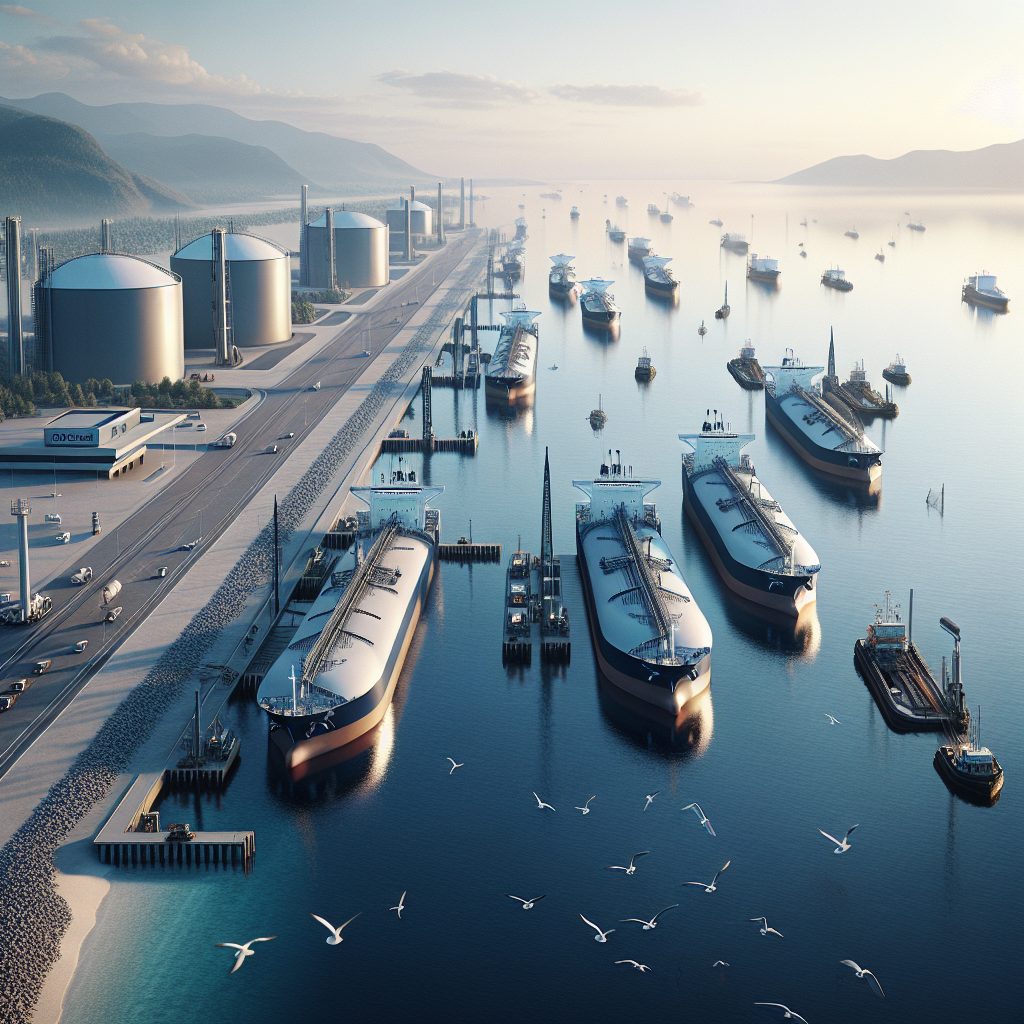
The Revolution of Maritime Navigation with CO2mpliance: A Groundbreaking Initiative for Emission Reduction in Maritime Transport In a bold move that is redefining sustainable maritime operations, Furetank, a pioneer in sustainable maritime transport, has announced the launch of CO2mpliance. This new venture is focused on facilitating the trading of greenhouse gas (GHG) emission reductions, under the recently implemented FuelEU Maritime regulation. This framework offers new opportunities for shipping companies to lead the climate transition. FuelEU Maritime: From Regulation to Opportunity The FuelEU Maritime regulation, in effect since early 2025, requires a progressive reduction of GHG emissions from commercial vessels operating within the European Union. The initial goal is to reduce 2% of the 2020 levels during the period 2025-2029, reaching an 80% reduction by 2050. However, it is not just about compliance with a regulation, but about seizing an incentive system. Operators who exceed the mandatory targets can trade their surplus emission reductions. This creates a dual pathway to decarbonization, either by directly reducing emissions or by buying reductions from those who have exceeded the targets. Those who fail to comply will face severe financial penalties, while leaders will be rewarded for their progress. Immediate Impacts Through Renewable Fuels Furetank’s readiness to capitalize on this system is no coincidence. The Vinga series of dual-fuel tanks, designed by the company itself and powered by liquefied methane, was created with this transition in mind. Without the need for technical modifications, the fleet is already being supplied with mass-balanced biomethane, achieving high-impact emission reductions almost immediately. Vinga fleet being fueled with renewable biogas Reductions in emissions achieved through biomethane Viktoria Höglund, CEO of CO2mpliance, stated: “We have secured large-scale contracts for renewable biogas that will power our entire Vinga fleet operating in the EU throughout 2025. This not only allows us to comply early but also generate surplus reductions that we can now trade.” CO2mpliance: A New Market, A New Mission The newly launched subsidiary CO2mpliance of Furetank is designed to leverage this surplus, facilitating the trade of emission reductions for both internal use and external clients in the maritime sector. The company will provide full-service solutions, handling compliance reporting, certification, commercial transactions, and ongoing regulatory management. With deep operational expertise, Furetank becomes a service provider in the new carbon economy of maritime transport. The company has developed its tools when the market did not offer them, and now applies the same model to emissions trading. A Catalyst for Change in Maritime Decarbonization CO2mpliance is strategically positioned to serve both ends of the emissions market: leaders who exceed reduction targets and wish to monetize their surplus, and lagging operators who need to buy reductions to meet compliance deadlines. By connecting these two groups, Furetank’s new initiative seeks to accelerate the maritime sector’s shift towards renewable fuels, turning environmental compliance into a catalyst for competitive advantage. This is not a matter of convenience but of conviction. CO2mpliance connecting leaders and lagging operators in emissions trading Accelerating the shift towards renewable fuels in the maritime sector Continuing a Legacy of Proactive Sustainability Furetank’s pioneering role is not new. In the 1980s, they commissioned double-hull tankers years before international regulations required them. Today, that same vision drives their response to climate change, a vision that sees sustainability not as a regulatory burden but as a fundamental business opportunity. The creation of CO2mpliance reaffirms Furetank’s position as an architect of a fossil-free future, a company that not only adapts to legislation but also shapes how an entire industry responds. About CO2mpliance CO2mpliance is a company owned by Furetank that offers specialized services in GHG emissions trading and regulatory compliance under the FuelEU Maritime regulation. With decades of operational and sustainability experience, the company provides both administrative and strategic support to help maritime operators optimize their environmental performance and turn carbon compliance into a commercial advantage. About Furetank Furetank is a Swedish family-owned maritime transportation company with deep roots in maritime history, specializing in the product and chemical tanker sector since the 1950s. Based in Donsö, the company has established itself as a leader in sustainable maritime transport, focusing on environmental responsibility, efficiency, and safety. As a founding partner of the Gothia Tanker Alliance, Furetank leverages a collaborative platform to operate a modern and environmentally advanced fleet of product tankers. The company’s fleet mainly consists of its innovative Vinga series of dual-fuel tankers, designed to significantly reduce emissions and set new standards for energy efficiency. Furetank’s strong commitment to its motto “Not a giant, but a leader” is demonstrated by its proactive investments in green technologies and its leading role in transitioning the industry to a fossil-free future.
REAM Resumes Bunkering Operations in Vila do Conde: A Strategic Boost for the Amazon Maritime Corridor
REAM Resumes Bunkering Operations in Vila do Conde: A Strategic Boost for the Amazon Maritime Corridor In a significant development for marine fuel logistics in Latin America, Refinaria da Amazônia (REAM) has officially resumed bunkering operations at the strategic anchorage of Vila do Conde, located in the state of Pará, Brazil. This reactivation, carried out in collaboration with Grupo Atem’s river logistics division, Navemazônia, represents a significant advancement in fuel availability and efficiency of maritime services in the important Amazon corridor. For the global bunkering industry, where northern Brazil often takes center stage, this resumption positions REAM as a key player in one of the most complex and ecologically vital commercial regions in the world. It improves logistics for maritime operators and enhances trade competitiveness in the region by offering a reliable source of quality fuel. The resumption of these operations not only ensures a stable fuel supply but also reduces diversion and delay times in a particularly sensitive logistical area. This is crucial for maintaining the efficiency of commercial routes in one of the planet’s most unique ecosystems. Importance of the Port of Vila do Conde in International Trade Situated at the mouth of the Amazon River, the port of Vila do Conde is one of the busiest deep-water ports in the region. Handling large volumes of bauxite, iron ore, soybeans, and corn, it serves as a cornerstone for both the Brazilian aluminium industry and international commodity routes. The restart of REAM’s bunkering operations ensures that vessels operating in this vital corridor now have access to a reliable source of high-quality marine fuels 24 hours a day. This translates to fewer interruptions in operations and more efficient service, critical factors for maritime operators relying on the port for their daily operations. The port of Vila do Conde is undoubtedly a key infrastructure facilitating international trade and now, with these operations, further reinforces its strategic role in global commerce. Certified Fuels and Commitment to Global Standards REAM’s bunkering operations in Vila do Conde currently supply several types of marine fuels: Marine Gasoil (MGO), Intermediate Fuel Oil (IFO), and Low Sulphur Marine Gasoil (LSMGO). All these products meet certified quality standards and have full traceability, strictly following the MARPOL Convention, which emphasizes both environmental and operational safety. This commitment to global standards not only enhances the quality of the service offered but also ensures minimal impact on the Amazon ecosystem, a vital aspect given the sensitive environment in which these operations take place. REAM has integrated robust safety and environmental protocols into its procedures, directing its efforts towards sustainable and socially responsible operations. Navemazônia: The Force Behind the Operation A critical component in the resumption of these operations is the collaboration of REAM with Navemazônia, Grupo Atem’s powerful river logistics division. Navemazônia, with its extensive river fleet consisting of 50 tank barges and 20 pusher tugs, has a total combined capacity of 177 million liters, enabling highly responsive and safe bunkering through one of the most intricate river systems on Earth. During the Amazon drought in 2023, Navemazônia gained national recognition for its essential role in supplying isolated thermal power plants, demonstrating its deep knowledge and operational resilience in regional logistics. Thanks to this alliance, bunkering services in Vila do Conde are available 24 hours a day for a wide range of maritime clients, from cargo and bulk carriers to offshore platforms and support vessels, minimizing port call times and ensuring supply chain continuity. Strategic Implications: Beyond a Simple Resumption This is not just a service restart but a strategic affirmation of REAM’s growing role in maritime energy supply. It aligns with the company’s vision of offering integrated energy and logistics solutions through the Amazon and underscores its commitment to both economic development and environmental management in northern Brazil. For global shipowners, bunker traders, and operators navigating South American routes, REAM’s bunkering services in Vila do Conde offer a reliable, compliant, and logistically robust fuel option in a market segment where such offerings are still relatively scarce. With world-class compliance, logistical strength, and regional expertise, REAM’s return to Vila do Conde is not only good news for Brazil but also a spotlight on the global maritime world indicating that the Amazon is back on the bunkering map. About REAM and Grupo Atem: An Energizing Force Growing in Brazil REAM is part of Grupo Atem, a large-scale energy and logistics conglomerate operating in 13 Brazilian states. Grupo Atem’s operations span refining, distribution, and retail fuel sales, standing out for: 9 distribution bases, including cities like Manaus, Santarém, and Porto Velho 187,725 m³ of storage capacity Over 300 branded fuel stations 6,000+ employees Approx. 9 billion liters distributed annually REAM, headquartered in Manaus, AM, was established in 2021, focusing on oil and gas exploration, production, and refining, and now, increasingly, on marine fuel solutions.