


Hawks Group: New Strategic Expansion in London Boosts Maritime Trade in Europe
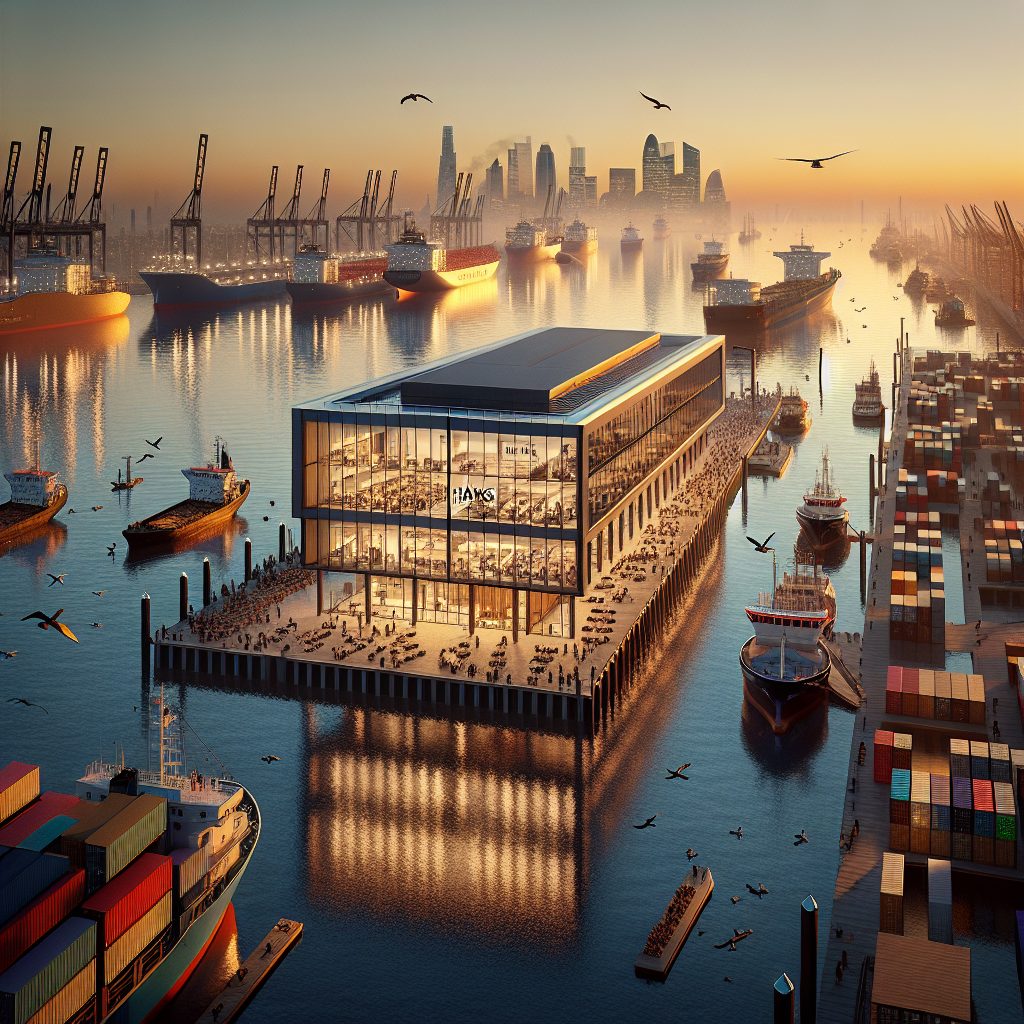
Hawks Group: New Strategic Expansion in London Boosts Maritime Trade in Europe Introduction to Hawks Group’s Expansion During the London International Shipping Week 2025, Hawks Group has announced the opening of an office in London, a strategic move that highlights its ongoing global growth. Known as one of the most important cities in terms of maritime trade and finance, London stands as the new epicentre of the group’s operations in Northwestern Europe. Hawks Group is a vertically integrated provider of marine fuel, cargo trading, and fleet operations. The inauguration of its office in London strengthens its presence in a critical region for maritime transportation, energy logistics, and global trade. This step is a significant milestone in addressing the growing demand for efficiency and sustainability in these sectors. With established roots in supply and operations in other international markets, Hawks Group continues to expand its reach. This expansion will not only enhance its current operations but also open up new opportunities in a key economic and political environment, connecting diverse international markets. Experienced Leadership: Mehmet Özgür Yaycıoğlu The new London office of Hawks Group will be led by Mehmet Özgür Yaycıoğlu, a veteran with over 16 years of experience in marine fuel trading. His appointment as the leader of this office is no coincidence, as his track record at Med Petroleum DMCC and CYE Petrol has demonstrated his ability to manage trading strategies, client relationships, and supply operations in the Mediterranean region. A graduate in Economics from Yeditepe University, Yaycıoğlu brings a strategic and practical approach to the group’s expansion in Northwestern Europe. His ability to oversee complex operations and his deep understanding of market dynamics make him a valuable asset for Hawks Group in its quest to establish itself as a leader in this sector. Mehmet Özgür Yaycıoğlu’s arrival also symbolizes Hawks Group’s commitment to human talent, always betting on professionals who not only know the market but are also capable of driving growth and ensuring operational excellence. Importance of London for Global Maritime Trade The choice of London as the new strategic point for Hawks Group is due to its status as a global hub for maritime transport, insurance, arbitration, and energy trade. The city offers unparalleled connectivity and a concentration of maritime professionals that provide a fertile ground for development, strategic partnerships, and innovation in sustainable marine fuels. The new headquarters in London will not only allow Hawks Group to strengthen collaboration with its existing partners in Europe but also foster close cooperation with stakeholders from other major markets such as the Atlantic, Baltic, Mediterranean, and African regions. The strategic location in London facilitates an exchange of knowledge and expertise that can drive the development of new energy solutions. For maritime investors and industry professionals, this move represents a positive sign of growth and adaptation in an increasingly competitive world. Hawks Group recognizes the unique opportunities that London offers and is well positioned to leverage these resources. Relevance and Job Opportunities Hawks Group’s expansion to London offers multiple reasons of interest for maritime professionals, sailors, and maritime investors. Firstly, it represents a magnificent opportunity for professional development, inviting interested parties to submit their resumes to be part of this innovative adventure based in one of the most influential maritime capitals in the world. Secondly, this expansion opens up new business opportunities for investors, who can explore strategic partnerships in a dynamic and growing economic market. With the backing of an established company like Hawks Group, investors have an environment conducive to maximizing their returns while participating in the development of sustainable technologies. Lastly, for sailors and industry professionals, London offers access to an international network of resources and knowledge that they can leverage to improve their operations, optimize logistics, and adopt more sustainable practices. London, with its rich and diverse maritime ecosystem, is an ideal place for those looking to evolve in the global maritime arena. Commitment to Service, Compliance, and Growth The opening of Hawks Group (UK) Ltd is another link in its chain of global expansion, which already has offices in the Maldives, Dubai, Singapore, Monaco, Shanghai, Kuala Lumpur, Colombo, Istanbul, and now London. This strategic growth is supported by its promise of reliability, regulatory compliance, and customer-centric service in various markets and geographies. With over 500,000 metric tons of bunkers and commercial cargo traded globally in 2024, Hawks Group fulfils its commitment to offering high-quality products and tailored services. This approach allows them to continue growing in a competitive environment while ensuring customer satisfaction and fostering innovation in the sector. Hawks Group’s commitment to fuel quality, on-time deliveries, and personalized trading solutions reinforces its position as a market leader. This is essential for companies looking to establish trust-based relationships in a sector where reliability and compliance are paramount. Conclusions and Future Outlook The opening of Hawks Group’s office in London is not only a testimony to its past success but also a statement of intent for the future. By establishing a strong foothold in one of the most dynamic maritime markets in the world, Hawks Group is well equipped to capitalize on emerging trends and lead the way towards a more sustainable and efficient future for the maritime industry. For readers of WishToSail.com, understanding the impact of these strategic moves is crucial to stay abreast of sector transformations and to prepare adequately for the challenges and opportunities that arise in a globalized market. Ultimately, readers are encouraged to
Innovation in Maritime Transport: The Sail Trimaran and its Impact on the Pharmaceutical Industry

Innovation in Maritime Transport: The Sail Trimaran and its Impact on the Pharmaceutical Industry Innovation in Maritime Transport: The Sail Trimaran and its Impact on the Pharmaceutical Industry In a world where sustainability has become a fundamental pillar for all industries, the maritime sector is not lagging behind. The recent partnership between Takeda, a leading biopharmaceutical company, and VELA Transport marks a milestone in the transportation of products between Europe and the United States. The novelty? A cargo trimaran powered 100% by wind, specifically designed for the transport of pharmaceutical products. This innovation not only offers environmental benefits but could also change the cost structure and efficiency in maritime transport. The exclusive use of wind energy significantly reduces the carbon footprint, positioning VELA as a leader in eco-friendly transportation. Additionally, this technology promises lower long-term operating costs compared to traditional transportation methods. For maritime professionals, this partnership represents an unprecedented opportunity. Engaging in projects that integrate clean technologies is key to staying relevant in an industry increasingly focused on sustainability. Sailors, maritime investors, and nautical enthusiasts will find in this collaboration a motivating case study full of valuable lessons. The Trimaran: A Technological Innovation VELA has designed a series of trimarans that promise to revolutionize the maritime industry. These boats, powered 100% by wind at sea, are a clear example of how technology can align with sustainable practices. They are also adapted to transport pharmaceutical products, which require very precise stability and temperature standards, ensuring that the products reach their destination in optimal conditions. The design of the trimaran is not only aesthetically innovative but also functional. With a structure that allows it to cross the ocean efficiently, this type of vessel offers a real alternative to traditional cargo ships that rely on fossil fuels. The trimaran offers a new field of specialization for sailors Advanced navigation systems optimize wind usage Ability to adapt to different weather patterns From a technical standpoint, VELA’s trimaran has advanced navigation systems that allow for optimization of wind usage. This not only maximizes energy efficiency but also provides critical data for future research in naval design. The ability to adapt to different weather patterns is another highlight of this technological advancement. Maritime Routes: Evolution and Opportunities With the introduction of these trimarans, maritime routes between Europe and the United States are also experiencing a significant change. Sailboats of this kind offer flexibility and adaptability, allowing for the exploration of routes that were previously not viable for conventional cargo ships. Efficient use of currents and winds can result in shorter and safer transit times. This shift in routes offers unprecedented opportunities for professionals in the sector. Maritime logistics companies can reassess their route strategies, while seafarers have the opportunity to train in new navigation techniques that align with these emerging technologies. Additionally, maritime investors will find in this trend new areas of potential growth. Reasons for Relevance in the Industry The partnership between Takeda and VELA Transport is particularly relevant for sailors and industry professionals for several reasons. Firstly, the introduction of cargo trimarans offers a sustainable model that is essential for the future of the maritime industry. Secondly, specialization in the transportation of pharmaceutical products opens up a new specialty within marine logistics that requires additional precision and care. Introduction of sustainable transportation models New specialty in pharmaceutical product transportation Demonstration of the importance of innovation and adaptation This collaboration demonstrates the importance of innovation and adaptation in the current market. Maritime investors can see how an effective integration of technology and sustainability can result in a successful and responsible business. Finally, for nautical enthusiasts, this project is an inspiring example of how a passion for the sea can be combined with sustainable development goals. In conclusion, this collaboration not only promises to change the way we view maritime transport but also invites industry professionals to be part of a new era of innovation and sustainability. Those interested in joining this revolution may consider submitting resumes to companies involved in such projects to ensure they are not only part of a growing trend but also positively contribute to the future of the planet. Looking to the Future This project is just the beginning of what could be a complete transformation in international maritime transport. The effective combination of advanced technology and renewable energies is the key to a more sustainable future. With VELA leading these initiatives, the path is set for a global fleet that respects natural boundaries and promotes responsible trade. Future developments could include an expansion of the fleet and the adoption of new routes by other companies, generating a demand for professionals knowledgeable about these technologies. The industry must be prepared to quickly adapt to these advances, ensuring training and processes that support these changes. Lastly, the positive impact on the environment is not limited to reducing the carbon footprint but also extends to the well-being of coastal communities and the preservation of marine habitats. This type of transportation supports conservation and ecological balance, a responsibility that falls on everyone involved in the maritime industry.
The Maritime Decarbonization Innovation: Amogy and KBR Join Forces to Boost Ammonia as a Hydrogen Carrier

The Maritime Decarbonization Innovation: Amogy and KBR Join Forces to Boost Ammonia as a Hydrogen Carrier In a global context where sustainability has become a top priority, the maritime industry is actively seeking innovative solutions to reduce its carbon footprint. A recent Memorandum of Understanding (MoU) signed between Amogy and KBR is set to revolutionize this scenario. Both companies have committed to researching and developing cracking applications for ammonia to enhance its use as a hydrogen carrier, offering a promising pathway for global decarbonization. Amogy, known for its mature, scalable, and efficient solutions for converting ammonia into energy, has found the perfect partner in KBR for this ambitious project. KBR, a global leader in science, technology, and engineering solutions, brings its vast experience and technological capabilities to advance this innovative process. The collaboration focuses on evaluating and improving ammonia cracking catalysts, aiming to accelerate their implementation and effectiveness. Ammonia as a Key Element in Sustainable Maritime Transportation This approach could be crucial for the maritime sector, where ammonia is emerging as a viable alternative to traditional fossil fuels. Its ability to safely and efficiently transport hydrogen makes it a key component in the future of sustainable maritime transportation. Moreover, its use would not only contribute to reducing carbon emissions but could also lead to a decrease in sulfur and nitrogen oxide emissions, common in the industry. Technical Challenges: Catalysts and Efficiency Despite its promises, using ammonia as a hydrogen carrier presents significant technical challenges. One of the main obstacles is the development of effective catalysts to facilitate the cracking of ammonia to release hydrogen. The cracking technology is essential as it allows the controlled release of hydrogen from ammonia, optimizing its combustion in vessel engines. The Amogy and KBR project focuses on improving these catalysts, aiming to enhance the efficiency of the process and make ammonia use more economically competitive. The ability to transform ammonia into a clean and reliable energy source could revolutionize both the maritime industry and other sectors reliant on fossil fuels. Implications for the Maritime Sector The use of ammonia as an energy source has the potential to transform the maritime industry by offering a viable and less polluting alternative to traditional fuels. Additionally, the adoption of this technology could create new job opportunities in the sector, from technological development to the implementation and maintenance of new energy solutions. Maritime professionals would see their roles evolve with the increasing demand for technical knowledge in new energy technologies. This transformation would require constant skill and knowledge updates, encouraging seafarers to engage in continuous and specialized training. Key Relevance Reasons First, this initiative is essential for meeting global and regional environmental goals. Reducing emissions through ammonia use could help the maritime industry comply with increasingly stringent sustainability regulations. Second, the project creates new employment and training opportunities within the sector, fostering innovation and professional development. Finally, advancements in ammonia cracking technology could serve as a model for other industries, promoting the adoption of more sustainable practices in sectors still heavily reliant on fossil fuels. Connecting with the Future of Navigation As the maritime industry strives to adapt to a constantly changing world, technological innovation emerges as a vital component. The collaboration between Amogy and KBR not only underscores the importance of cross-industry cooperation but also emphasizes the need to transition towards more sustainable energy models. Maritime professionals, investors, and nautical enthusiasts have a unique opportunity to be part of this transformation. The information provided in this article serves as a starting point for those interested in delving deeper into the subject through continuous education or investment in the future of sustainable navigation. In conclusion, the initiative by Amogy and KBR represents a significant step towards decarbonizing the maritime industry. By advancing the use of ammonia as a hydrogen carrier, we are one step closer to a future where navigation is both efficient and environmentally friendly.
GrayRobinson: Strategic Expansion in Maritime and Transport Practices in Jacksonville

GrayRobinson: Strategic Expansion in Maritime and Transport Practices in Jacksonville GrayRobinson, a law firm based in Jacksonville, Florida, has taken a significant step towards consolidating its maritime and transport practices on a global scale by integrating a team of veteran lawyers into its office. This strategic move comes in response to the increasing demands of the sector and represents a key opportunity for professionals and businesses in the maritime and transport industry. The addition of these lawyers, coming from a prestigious firm in northeast Florida, signals a renewed focus on specialization and innovation. With a team of seven prominent lawyers, GrayRobinson not only expands its legal services but also enhances its ability to handle complex cases in key areas such as international maritime law, logistics, and transportation. This strengthening of legal advice is essential in a context where regulations are becoming stricter and the sector is undergoing constant technological evolution. The experience and reputation of the new team members, including professionals like James F. “Jim” Moseley, Jr., and Phillip A. “Phil” Buhler, both certified specialists in maritime and transport law, ensure that the firm is well-positioned to take on new challenges and provide legal solutions tailored to the changing needs of the industry. Innovation and Specialization: Key Elements for Success The maritime sector has undergone significant transformation in recent years, partly due to the implementation of advanced technology and new international environmental regulations. In this context, a law firm’s ability to offer specialized and innovative advice has become a critical factor for success. With its new team, GrayRobinson is ideally positioned to lead these changes and provide robust support to maritime and transport companies. The specialization of the new team members in areas such as risk management and regulatory compliance is particularly relevant given the growing demand for sustainable practices and the need to ensure the safety of maritime operations. Adapting legal practices to these new challenges not only benefits large corporations but also benefits emerging companies seeking sustainable growth. Furthermore, GrayRobinson’s expansion underscores the importance of ongoing innovation in the legal sector. The ability to integrate emerging technologies such as artificial intelligence and advanced analytics into legal advice not only improves efficiency but also enhances accuracy in conflict resolution and long-term strategic planning. Employment and Collaboration Opportunities: A Call to Action For legal professionals and those in the maritime industry, this expansion represents an excellent opportunity to develop careers in a dynamic and growing sector. By increasing its presence in Jacksonville, GrayRobinson not only reinforces its commitment to excellence but also invites emerging talent to join its team, opening pathways for professional development in a highly specialized environment. This expansion is also an open door for international collaborations, as the firm is well-equipped to work with global partners on complex projects. This presents a unique opportunity for companies and professionals interested in expanding their business and legal horizons through strategic alliances. Finally, for maritime investors, GrayRobinson’s move can be seen as a sign of the market potential in Jacksonville and other geographical areas. The city, already a crucial logistics hub in the southeastern United States, continues to attract investments due to its developed infrastructure and strategic access to key commercial routes. Relevance and Benefits for WishToSail.com Readers This news is particularly relevant for WishToSail.com readers for several reasons. Firstly, it provides insight into how legal firms are adapting their strategies to address contemporary challenges in the maritime sector, offering an inspiring example of how expertise and innovation can transform traditional practices. The focus on specialization and the integration of advanced technology in legal services highlights significant growth and professional development opportunities for lawyers and other industry experts looking to collaborate with industry leaders. For investors and nautical enthusiasts, this article provides a reason to explore new partnerships and investment opportunities in a growing market that continues to attract key players due to its ability to evolve and adapt to modern times. In conclusion, GrayRobinson’s expansion is a milestone that underscores the importance of specialization, innovation, and collaboration in the maritime and transport sector. WishToSail.com readers are encouraged to continue exploring these trends and consider the myriad possibilities that open up in this vibrant world. The maritime industry is expanding, and there is room for all those who wish to sail into the future with confidence and knowledge.
Sustainable Innovation: The Alliance between Wah Kwong NatPower and Shandong Port Group Revolutionizes the Future of Maritime Transport
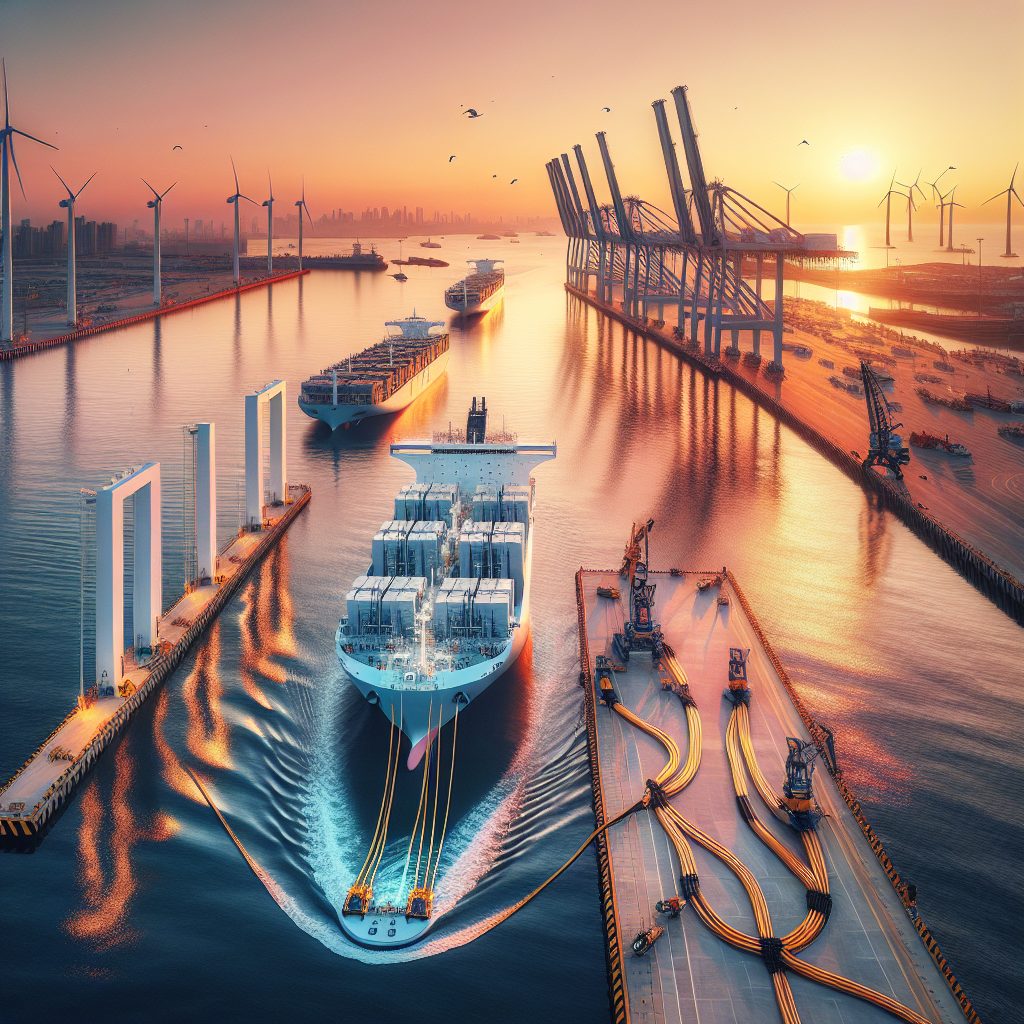
Sustainable Innovation: The Alliance between Wah Kwong NatPower and Shandong Port Group Revolutionizes the Future of Maritime Transport In a decisive move towards maritime sustainability, Wah Kwong NatPower Holdings Limited (WK NatPower) and Shandong Port Group (SPG), the world’s largest and most technologically advanced port operator, have signed a revolutionary Memorandum of Understanding (MOU). This agreement focuses on the development of onshore power infrastructure and large-scale ship charging, which will be deployed along the most critical global trade routes. This collaborative effort represents a significant step in the maritime sector’s energy transition. Their focus is on creating global green maritime corridors, with a particular emphasis on the Asia-Europe maritime bridge, one of the world’s busiest trade routes. The scale of this initiative not only underscores the commitment of both entities to decarbonization but also highlights the urgent need to transform maritime transport towards more sustainable and efficient models. Technological Innovations: Electrifying the Future of Maritime Transport The joint initiative aims to electrify ships on an unprecedented scale, reducing dependence on fossil fuels both in port and at sea. This project involves not only the expansion of shore power connection systems in port—known as cold ironing—that allow ships to connect to shore power while docked but also the development of high-capacity charging infrastructures for ship propulsion. The port of Qingdao, one of the world’s most automated and efficient container terminals, will serve as a starting point for experimenting with new models of electric vessel operations. Leveraging Qingdao’s operational expertise and WK NatPower’s renewable energy experience, the collaboration aims to create a replicable reference model on a larger scale in Hong Kong, mainland China, and eventually throughout Europe. The implementation of these innovative technologies will not only modernize port operations but also propel the sector towards a new era of cleaner and sustainable navigation, providing an opportunity for industry professionals to adapt their skills to meet the new technological demands. International Onshore Energy Network: A Paradigm Shift The creation of an integrated network of onshore energy services is a fundamental part of the agreement, providing comprehensive solutions for international maritime transport customers. This network will connect SPG’s extensive port network with WK NatPower’s growing portfolio of clean infrastructure projects, facilitating access to energy and dramatically reducing emissions throughout the maritime transport supply chain. This collaboration also includes the joint promotion of the export and application of these clean energy solutions, laying the groundwork for the first interconnected international green maritime corridors linking Asia with Europe. These efforts not only promote more responsible trade but also establish a framework for future innovations in global maritime transport. For maritime investors, this project represents an opportunity to invest in sustainable infrastructure, with significant growth potential as more ports and companies adopt these practices. Leading the Maritime Energy Transition: Perspectives from Leaders The strategic alliance with the port of Qingdao is seen as a crucial step towards decarbonizing global supply chains. By integrating experiences and networks, an ecosystem for green maritime transport is being built, providing solutions towards a neutral emissions goal. The leaders of the organizations involved emphasize that the partnership not only advances the use of onshore energy and electric propulsion in China but also lays the foundation for global green corridors connecting Asia and Europe. This type of collaboration reflects the ambition to turn the maritime sector into a model of sustainability and environmental responsibility. This approach not only meets regulatory and corporate responsibility expectations but also responds to the growing demand from consumers for more sustainable supply chains. A Decisive Step Towards Maritime Decarbonization This MOU represents more than a bilateral agreement: it is a model for the future of sustainable maritime trade. Aligning China’s most advanced port infrastructure with a global clean energy strategy allows WK NatPower and SPG not only to facilitate low-emission logistics but also to strengthen their leadership in the global energy transition. The maritime sector is responsible for approximately 3% of global carbon emissions, making transformative collaborations like this essential. This agreement is poised to become a reference model on how public-private cooperation, innovation, and a shared purpose can redefine maritime infrastructure towards a carbon-free future. For merchant navy professionals, this shift represents a professional growth opportunity, as new technologies and practices require specialized skills and experience in renewable energy and decarbonization. About Shandong Port Group (SPG) SPG is a port conglomerate operating in key hubs such as Qingdao, Rizhao, Yantai, and Weihai. It is a global leader in port digitalization, logistics integration, and port energy transformation. SPG plays a crucial role in China’s Belt and Road Initiative and in the development of green and smart port ecosystems, being a fundamental force in shaping the future of maritime trade. About Qingdao Port International Co., Ltd Established in 2013, Qingdao Port International is the flagship operator of the historic Qingdao port, known for its automation, scale, and efficiency. It serves as a strategic node in the Northeast Asia maritime transport network and is a pioneer in port electrification and smart logistics innovation. About Wah Kwong NatPower Holdings Limited (WK NatPower) WK NatPower is a strategic joint venture that combines maritime heritage with renewable energy development. The company focuses on investing and developing integrated maritime electrification infrastructures in Asia, promoting
The Rise of Alterna Energy: A Game-Changer in the Global Bunkering Sector
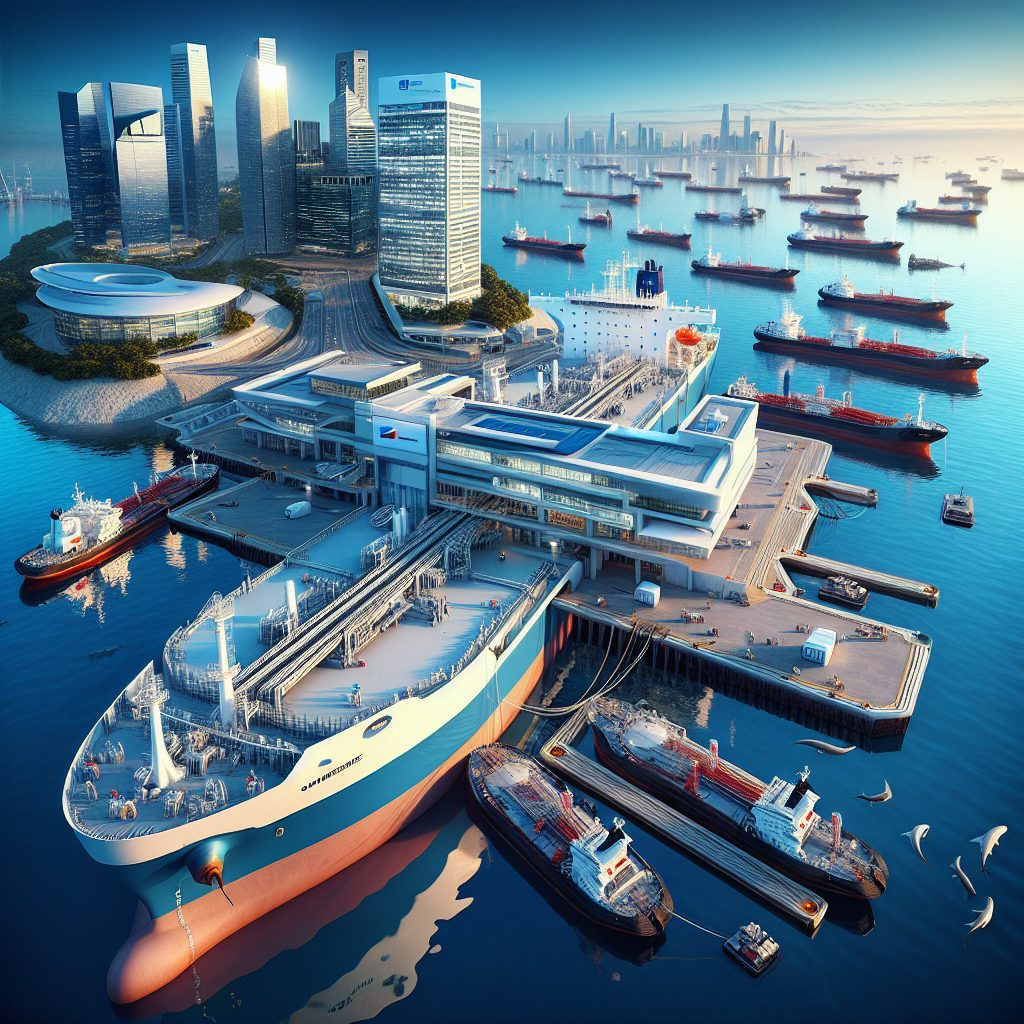
The Rise of Alterna Energy: A Game-Changer in the Global Bunkering Sector Alterna Energy, a Singapore-based company, has quickly emerged as a key player in the bunkering sector in just three years. Since its establishment in 2022, it has transitioned from a bold startup to a globally recognized competitor, offering energy solutions with precision and agility. This meteoric growth has caught the attention of maritime and nautical professionals worldwide. A Three-Year Success Story Alterna Energy was born into a highly competitive market focused on commodities where reputation and trust are essential. From the outset, the company has prioritized operational excellence, deep market knowledge, and lasting partnerships. Now, on its third anniversary, Alterna Energy has a presence in key bunkering hubs in Asia, the Middle East, Europe, and the Americas. The company has achieved sustainable expansion through a disciplined global strategy and hiring elite talent. This approach has enabled Alterna Energy not only to adapt to a constantly changing market but also to lead it, setting new standards of operational excellence. Alterna Energy is not just participating in the bunkering market; it is shaping its trajectory. Recent strategic expansions and the acquisition of top talent highlight Alterna’s commitment to excellence and long-term leadership. Strategic Global Expansion Recently, Alterna Energy has opened new trading offices in Dubai, London, and Miami. Each office is led by experienced professionals with deep regional knowledge and a global perspective. Dubai: Alterna Energy FZCO, under the leadership of Martin Haxholdt, is establishing a key operational bridge between East and West, thanks to its extensive supplier network and regional knowledge. London: Led by Tom Coffey, the focus of the London office is on expanding Alterna’s presence in Europe, emphasizing operational precision and partnerships with long-term clients. Miami: Headed by Tom Ireland, the Miami office aims to strengthen relationships with suppliers and customers in America, highlighting a transatlantic perspective and Alterna’s strategic approach. Strengthening Presence in Asia In Asia, Alterna has bolstered its team in Shanghai by adding professionals with extensive bunker trading experience. These experts bring not only deep market knowledge but also a global network of strategic contacts. Neo Fan and Andre Zhou, with a wealth of experience in the sector, are expanding Alterna’s opportunities in China, thanks to their strong relationships with major Chinese shipping companies and expertise in commercial and vessel operations. In Singapore, the addition of Jess Cheah to the trading team reflects Alterna’s ongoing evolution, strengthening its position in the market and its ability to provide marine fuel solutions tailored to customer needs. Relevance for the Maritime Sector The story of Alterna Energy is relevant to maritime professionals for several reasons. Firstly, its focus on operational excellence sets a new standard in a market where precision and transparency are vital. Secondly, its strategic expansion and hiring of top talent offer attractive job opportunities for those looking to develop in a dynamic and fast-growing environment. This invites readers to consider joining the company. Finally, Alterna Energy is setting a precedent in how new companies in the energy sector can lead with integrity and strategic vision, something that could inspire other organizations to follow suit. A Promising Future for Alterna Energy Alterna Energy has positioned itself as an agile and adaptable organization, with a focus on strategic leadership and disciplined execution. The company has established a global platform that is locally informed and globally connected, designed to scale and adapt to market needs. Its presence in major ports and commercial centers around the world, such as Singapore, Shanghai, Dubai, London, and Miami, demonstrates its commitment to sustainable growth and long-term vision. This approach not only attracts industry professionals but also offers investors an attractive opportunity to partner with an emerging leader in the bunkering industry. In Conclusion: A Clear Message to the Industry The trajectory of Alterna Energy sends a clear message to the global maritime fuels community: there is space and a need for leadership based on execution, ethics, and experience. Alterna Energy is not just growing; it is leading the way with ambition and a new standard of excellence. We invite those interested to closely follow its evolution and consider the opportunities presented by this dynamic company for the future of the maritime and nautical sector.