


The Future of Sustainable Maritime Technology in South Korea
The Future of Sustainable Maritime Technology in South Korea In a world where sustainability and environmental awareness have become paramount, the maritime sector is not lagging behind. In September 2025, the Dutch company Value Maritime, specializing in clean technology, took a significant step by appointing Union Tech as its agent in South Korea. This strategic collaboration not only expands Value Maritime’s global presence but also drives the maritime sector towards cleaner operations. Union Tech has become the exclusive representative of Value Maritime’s portfolio of sustainable technologies in South Korea’s robust shipbuilding industry. Among these technologies, the Filtree System stands out as a hybrid solution combining a sulfur oxide (SOx) scrubber and an onboard carbon capture system (OCCS). This move not only meets the growing demand for cost-effective environmental technologies but also lays the groundwork for a greener future in the industry. The collaboration between these two companies reflects a shared commitment to meeting the greenhouse gas reduction targets set by the International Maritime Organization (IMO). As global carbon pricing mechanisms strengthen, South Korea is adopting low-emission technological solutions that are not only financially viable but also scalable and in line with international regulations. The Transformative Potential of the Filtree System Value Maritime’s Filtree System represents a significant advancement in exhaust gas cleaning technology (EGCS). Designed for small and medium-sized vessels, this system surpasses conventional scrubbers by removing not only sulfur oxides (SOx) but also over 99% of particulate matter (PM) and a significant portion of carbon dioxide (CO₂) emissions. Based on innovative rotary packed bed technology, the Filtree is a compact and easy-to-install solution, suitable for both new vessels and retrofit projects without the need for dry docking. Its eight standardized sizes, designed for engines ranging from 3.0 MW to 15.0 MW, include a wash water filtration unit that ensures environmental compliance by neutralizing pH and removing oil residues from water discharges. The Filtree features an integrated CO₂ Capture module, storing captured CO₂ in a reusable battery for circular use by offloading it at the port for applications like agriculture. Compatible with future fuels such as LNG, methanol, and e-methane, the system achieves a CO₂ capture rate of up to 80%, offering the possibility to continue using high sulfur fuel oils (HSFO) instead of more expensive alternatives while complying with IMO regulations. Development Opportunities in the Korean Shipbuilding Sector South Korea, known for its leadership in the shipbuilding sector, plays a crucial role in adopting sustainable technologies. With major shipyards like Hyundai Heavy Industries, Samsung Heavy Industries, and Daewoo Shipbuilding & Marine Engineering, the country is a global hub for ship design innovation and now, green refurbishment. Facing increasing regulatory pressure from the IMO and global carbon pricing policies, Korean shipbuilders are at the forefront of integrating ecological systems like scrubbers, carbon capture systems, and alternative propulsion technologies into new and retrofit projects. This not only contributes to national and international decarbonization goals but also positions South Korea as the ideal place for implementing technologies like Value Maritime’s Filtree System. Assessing Industry Relevance The establishment of Union Tech as Value Maritime’s agent in South Korea reflects the growing need for sustainable solutions in the naval industry. Firstly, it provides maritime investors with a clear view of future trends, highlighting clean technologies as a solid long-term investment. Secondly, for sailors and merchant navy professionals, implementing technologies like the Filtree System not only enhances operational efficiency but also facilitates regulatory compliance, reducing fuel costs and optimizing fleet environmental performance. Finally, for nautical enthusiasts, it represents a step towards more responsible practices and a commitment to preserving the marine environment. These technological innovations are not only relevant in the current context but also promote positive and sustainable change in the future of the maritime sector. Exploring the Future: A Call to Action With a clear focus on sustainability, the collaboration between Value Maritime and Union Tech marks the beginning of a new era in the maritime industry. Maritime professionals are invited to consider how these innovations can be integrated into their operations and contribute to a cleaner future. For those interested in joining this transformation, the door is open. Value Maritime and Union Tech are continuously seeking talent and collaborations to drive their decarbonization mission. Professionals can explore employment opportunities with these companies to be part of the change. In summary, the path to a more sustainable maritime future is paved with technological innovations and strategic partnerships. It is an exciting time to be part of this evolution.
The Revitalization of Red Funnel: A New Course in British Maritime Transport
The Revitalization of Red Funnel: A New Course in British Maritime Transport In a move that promises to transform the maritime transport sector in the United Kingdom, Njord Partners has announced the acquisition of Red Funnel, the iconic ferry operator that has served the Isle of Wight for over 164 years. This change marks the beginning of a new stage for Red Funnel, allowing the company, which has faced various challenges in recent years, to regain the path towards growth and innovation. Red Funnel, known for its reliability and vital connection to the Isle of Wight, has been under pressure due to a significant debt burden that limited its ability to invest and improve services. The acquisition by Njord Partners, an investment manager with a strong track record in revitalizing UK companies, comes at a critical time and offers an opportunity to overcome these financial obstacles. For maritime industry professionals, this transaction represents not only financial relief for Red Funnel but also an opportunity to observe how investment management can revitalize a company and open up new job opportunities in the sector. Njord Partners’ experience in transforming struggling businesses is a key aspect that can make a difference in Red Funnel’s future. Technological Innovations and Growth Opportunities Investing in technology has always been a crucial factor in the evolution of maritime industries. For Red Funnel, this could mean the implementation of advanced technologies in its daily operations, resulting in better services and more efficient and environmentally sustainable transportation to the Isle of Wight. The focus on sustainability is particularly relevant in the current context, where maritime routes are seeking to reduce their carbon footprint. Implementation of advanced ticketing systems Introduction of eco-friendly propulsion systems Enhanced onboard digital services Red Funnel could become a pioneer in the British ferry sector, adopting technological innovations that promote a greener future. This would not only be beneficial from an environmental perspective but could also increase the company’s competitiveness. This new technological direction could create opportunities for maritime industry professionals specializing in maritime technology, engineering, and green project management. Economic Impact and Regional Development The revitalization of Red Funnel not only affects the company directly but also has broader implications for the regional economy of the Isle of Wight and its surroundings. An efficient and well-managed ferry service is essential for local trade, tourism, and residents’ access to essential services. With improved ferry services and possible route expansions, the Isle of Wight can benefit economically, increasing the region’s appeal to tourists and boosting local trade. Boost in tourism revenue Creation of job opportunities in the maritime sector Stimulus for local businesses In the long term, this can contribute to a more balanced and sustainable economic development in the region. For maritime investors, the revitalization of Red Funnel offers an example of how strategic investments can generate returns not only financial but also impact regional development. These types of investments are vital for the growth of maritime trade and for fostering resilient local economies. Conclusion: The Future of Red Funnel in the Maritime Context Njord Partners’ commitment to revitalizing Red Funnel symbolizes a step forward for the company and the maritime transport sector in the United Kingdom. Red Funnel’s story is a reminder of the challenges faced by traditional companies but also of the opportunities that arise when strategic decisions are made and technological innovations are adopted. For enthusiasts of the nautical world, industry professionals, and potential investors, the news of Red Funnel’s acquisition is relevant for several reasons. First, it underscores the vital importance of strategic leadership in the maritime industry. Second, it represents an interesting case study on how to revitalize a struggling company through smart investments. And third, it offers an inspiring vision of how technological innovations can transform the maritime industry towards a more sustainable future. We invite nautical enthusiasts, industry professionals, and potential investors to closely follow this new chapter in the history of Red Funnel, as it promises to be an example of transformation and resilience in the always exciting world of maritime transport.
The Future of Viking Cruises: A Bold Financial Move
The Future of Viking Cruises: A Bold Financial Move Viking Cruises is Pioneering the Future with an Innovative Bond Issuance Set to Revolutionize the Maritime Industry In a strategic move that underscores the strength and future vision of Viking Cruises, the company has announced a private offering of unsecured senior bonds totaling $1.7 billion. With a maturity date set for 2033, this maneuver is part of a complex financial landscape aimed at taking advantage of current market conditions and future economic projections. The issuance of these bonds is significant not only for its amount but also for the underlying confidence in the sustained growth of the company. Guaranteed by Viking Holdings Ltd and certain subsidiaries of Viking Cruises Ltd, these bonds offer a solid backing that could attract interest from large-scale institutional investors. This guarantee structure highlights the company’s stability in a volatile market. Viking Cruises’ stated intention is to use the net proceeds from this bond offering, combined with other sources, to capitalize on future expansion opportunities and fleet renewal. With this move, the company aims not only to maintain but also to strengthen its competitive position within the cruise industry. The Strategic Importance of the Bond Issuance This financial move comes at a critical moment for the maritime industry, which is experiencing a gradual recovery following the impact of the COVID-19 pandemic. Resilience and adaptability are now more important than ever, and Viking Cruises seems to be at the forefront of this transition. By investing in bond issuance as a way to secure the necessary funds for expansion without resorting to traditional financing methods, the company’s initiative offers several positive implications for the sector. Firstly, it underscores renewed confidence in the global economy, which can be seen as an encouraging sign for other market players seeking similar opportunities. Additionally, by financing its expansion through bonds, the company can avoid stock dilution, a strategic move that protects existing shareholder value. For maritime investors, this bond offering represents an opportunity to diversify their portfolio with an instrument backed by a solid company with a proven track record of success. Impact on the Maritime Industry and Job Opportunities Viking Cruises’ bond issuance is not only innovative from a financial perspective but may also have a significant impact in terms of operations and employment. The expansion of the fleet and the improvement of infrastructure will undoubtedly require a considerable amount of human resources, opening up a range of job opportunities in the maritime sector. Viking Cruises’ planned expansion could create a demand for highly skilled professionals in various areas, from naval engineering to operations management. For merchant navy professionals and nautical enthusiasts, this is an opportunity to position themselves in a company at the forefront of cruise innovation. Additionally, by increasing its operational capacity, Viking Cruises could also open up new maritime routes, enhancing the traveler experience and boosting maritime traffic in different regions. This could incentivize other market players to follow a similar path, fostering a competitive and dynamic environment. Technology and Sustainability: A Dual Bet Viking Cruises has demonstrated a consistent commitment to technological innovation and sustainability, two fundamental pillars for the future of the maritime sector. The funding obtained through bond issuance could be allocated to research and development of more efficient and sustainable technologies, such as the use of alternative fuels and onboard environmental management systems. Green technology innovation is not only beneficial for the environment but can also translate into significant competitive advantages. Ships equipped with cutting-edge technologies can significantly reduce their operating costs, resulting in a more efficient and competitive service. Therefore, the investor community, as well as industry professionals, view Viking Cruises’ actions as an emerging sign of how the future of maritime transportation could evolve. Sustainability is no longer just a buzzword but a tangible necessity that can define the success of companies in the coming decades. Conclusion: A Promising Future for Viking Cruises and the Maritime Industry The announcement of Viking Cruises’ bond offering represents a confirmation of its long-term growth strategy and a pioneering position in the cruise industry. This operation not only finances the company’s expansion but also drives innovation and job creation, key elements for the recovery and advancement of the maritime sector. For industry professionals, investors, and nautical enthusiasts, this is an opportunity to be part of a significant transformation in the industry. With the issuance of these bonds, Viking Cruises is not only shaping its future but also that of an entire industry that continues to evolve towards a more sustainable and innovative horizon. Viking Cruises’ story is an invitation to explore new frontiers, invest in a promising future, and participate in an adventure that is just beginning.
The Methanol Bunkering Revolution: Methanex Leads the Way in ARA and South Korea
The Methanol Bunkering Revolution: Methanex Leads the Way in ARA and South Korea In an increasingly sustainability-focused world, the maritime industry is not lagging behind. The transition towards cleaner fuels has taken a significant step with Methanex Corporation’s announcement of the commencement of its methanol bunkering operations in two of the world’s most critical maritime corridors: the Amsterdam-Rotterdam-Antwerp (ARA) region and South Korea. Methanex, the largest producer and supplier of methanol globally, has solidified its leadership in the global energy transition through strategic partnerships that not only bolster their position but also provide an integrated energy solution for the maritime industry. This advancement not only showcases Methanex’s commitment to low-emission fuels but also presents a job opportunity for those interested in being part of this energy transition. Companies involved in these operations are open to receiving proposals from professionals who wish to integrate into this revolutionary sector. Strategic Collaborations in Key Maritime Corridors The ARA region, known as the European capital of inland waterways, is a hub for maritime transportation. Here, Methanex has partnered with TankMatch, an expert in fuel logistics and barge operations. This collaboration enables safe and efficient methanol bunkering from barge to ship, a process initially started by OCI Global and UniBarge. With the acquisition of OCI’s methanol assets, Methanex is in a privileged position to provide enhanced capacity and full-service to a broader range of maritime customers in the region. This not only facilitates the transition to low-emission fuels but also optimises fuel supply logistics and efficiency. In Asia, Methanex has joined forces with Alpha Maritime and Hyodong Shipping, two leading maritime service providers in Korea, to implement methanol bunkering in one of the busiest and most strategic commercial corridors in the world. These efforts are crucial for maritime decarbonisation and provide a fully integrated and secure fuel solution. Innovation and Safety in Methanol Bunkering With over a decade of operational experience through its subsidiary Waterfront Shipping, Methanex has developed a safety package for methanol bunkering that ensures operational safety and efficiency. This package includes detailed technical guidelines aligned with international protocols, ensuring safe adoption by shipowners, terminals, and bunkering operators. Associated organisations have undergone rigorous examination and training to meet Methanex’s high operational and safety standards, ensuring consistent world-class service across all geographies. TankMatch’s CEO, Andre Nieman, highlighted the importance of this alliance, stating that it accelerates the safe adoption of methanol bunkering in the ARA region, applying their extensive experience in fuel logistics on inland waterways. Scaling Up to Meet Growing Demand As the maritime industry intensifies its focus to achieve IMO emission targets for 2030 and 2050, the demand for low-emission methanol is expected to increase significantly. Methanex is proactively expanding its global logistics network to ensure a reliable and scalable methanol supply, suitable for both existing fleets and the next generation of methanol-powered ships. With a solid foundation built on safety, experience, and global reach, Methanex is not only enabling the transition to methanol but leading this crucial change in the maritime industry. Methanol is gaining significant traction as a marine fuel due to its environmental and operational advantages. Experts point out that its ability to significantly reduce sulfur oxides, particulate matter, and nitrogen oxide emissions is one of its main attractions. Why Choose Methanol? Reduced Emissions: Methanol combustion significantly reduces sulfur oxide (SOx), particulate matter (PM), and nitrogen oxide (NOx) emissions compared to conventional marine fuels, helping vessels comply with increasingly strict international regulations. Ease of Handling: Unlike liquefied natural gas (LNG), methanol is a liquid at ambient temperature and pressure, making it easier to store and transport with minimal modifications to existing bunkering infrastructure. Sustainable Future: While most methanol is currently “grey” (produced from natural gas), it can also be “green” (produced from renewable sources like biomass or captured carbon), offering a clear path to a completely decarbonised future of maritime transport without the need for future engine replacements. Conclusion: Opportunities and Challenges Methanex’s initiative to launch methanol bunkering operations in the ARA and South Korea regions is an example of how the maritime industry is moving towards a more sustainable future. For maritime professionals and enthusiasts, this news represents an opportunity to participate in the development of clean energy solutions and be part of a significant change in the industry. This approach is not only relevant for maritime professionals but also for investors looking to engage in environmentally responsible projects. Advancements in methanol bunkering open the door to new collaborations and investment opportunities in an energy-conscious market. In summary, methanol is established as a fuel of the future that not only addresses environmental concerns but also offers practical and viable solutions for the maritime industry. Those interested in exploring these opportunities should consider joining these innovative companies to participate in the transition towards a cleaner and more sustainable maritime transport.
Innovation in the Maritime Industry: Expro’s Remote Clamp Installation System Revolutionizes Safety and Efficiency at Sea
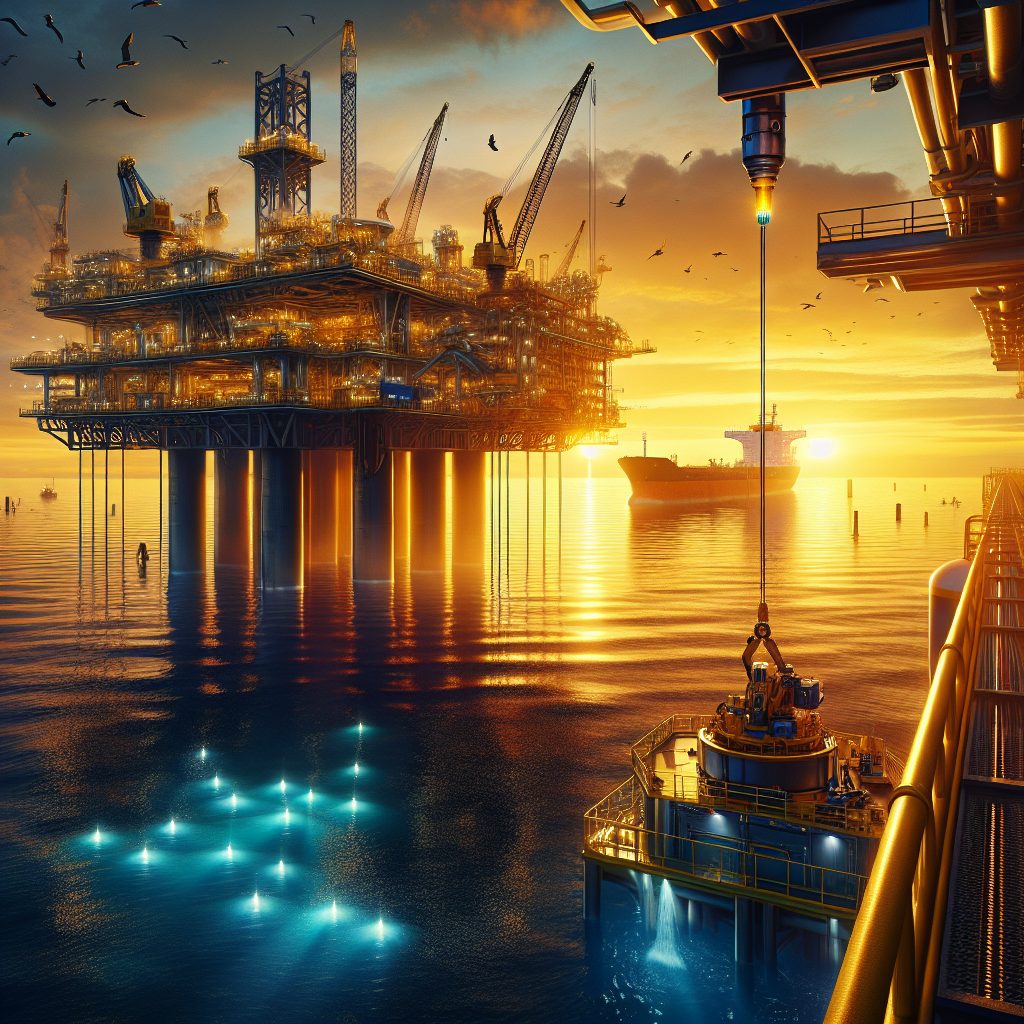
Innovation in the Maritime Industry: Expro’s Remote Clamp Installation System Revolutionizes Safety and Efficiency at Sea Innovation in the Maritime Industry: Expro’s Remote Clamp Installation System Revolutionizes Safety and Efficiency at Sea A Pioneering Solution to Improve Safety in the Offshore Sector The leading energy services company, Expro, has taken a significant step in modernizing operations at sea with the successful implementation of its Remote Clamp Installation System (RCIS). This advancement was developed by Expro’s Frank’s Tubular Running Services (TRS) and represents a unique solution in the sector, aimed at enhancing both safety and efficiency in smart well completions. The change proposed by the RCIS is remarkable. Its design allows real-time monitoring and control of tools at the bottom of the well from the surface, all through control lines. This not only raises safety standards by minimizing workers’ time and exposure to adverse conditions but also optimizes workflow on offshore platforms, where every minute counts. The RCIS provides a much-needed additional layer of safety in an industry where accident prevention is paramount. By reducing direct human intervention, the risks associated with manual operations in extreme conditions are significantly reduced. For professionals in the sector, this represents a substantial and tangible improvement. Impact on Efficiency and Productivity at Sea Another crucial benefit of the RCIS is its impact on operational efficiency. By automating the complex tasks of clamp installation, the time needed to complete these operations is reduced, leading to significant cost savings. In a sector where maximizing resources is key to staying competitive, this innovation translates into notable economic savings for companies. The ability to make real-time adjustments means that operational disruptions are minimized, allowing for more continuous and robust exploitation of wells. Companies engaged in oil and gas exploration can now consider the RCIS not only as a safety tool but also as an investment that optimizes their daily operations. It is not surprising that this innovation has caught the attention of maritime investors and oil companies looking to improve profitability while complying with increasingly stringent safety regulations. The added value offered by the RCIS is reflected in a more agile and effective operation, enhancing overall productivity. Employment Opportunities and the Future of Offshore Work For maritime professionals and sailors seeking new opportunities, the implementation of the RCIS represents a shift in the demand for advanced technical skills. The growing need for specialized technicians who can operate and maintain these remote systems opens doors to new roles and job opportunities in the offshore sector. Companies like Expro are at the forefront of these technological changes, inviting skilled professionals to join them in this transition towards a safer and more efficient future. Those interested in developing their careers in the field of maritime technological innovations can find in these developments an opportunity to grow professionally and participate in high-impact projects. This shift is not just about adapting to new tools but actively participating in the industry’s evolution. The integration of technologies like the RCIS drives a transformation that redefines work at sea, making operations safer and more effective, while presenting new ways of working that better meet contemporary demands. Conclusion: A Step Forward for the Maritime Industry The successful deployment of the RCIS by Expro marks a milestone in the maritime industry, offering solutions that not only improve safety but also increase operational efficiency. For maritime professionals, maritime investors, and nautical enthusiasts, this development represents more than just an innovation: it is a reflection of how technology continues to shape the future of offshore work. In a world where change is the only constant, the adoption of technologies like the RCIS becomes imperative for those in the maritime sector seeking to stay ahead. With increasing opportunities to enhance work practices and explore new perspectives, this innovation reaffirms the industry’s commitment to advancing towards a safer and more efficient future. Expro has shown that the future of offshore operations depends not only on the implementation of advanced technology but also on how these innovations can be integrated to create a safer and more productive work environment. The invitation is now open for sector professionals to take advantage of these changes and actively contribute to the industry’s transformation.
The Strategic Merger in the Maritime Sector: CoolCo and EPS Ventures Join Forces
The Strategic Merger in the Maritime Sector: CoolCo and EPS Ventures Join Forces In a strategic move that could redefine the maritime transportation landscape, CoolCo Ltd. and EPS Ventures Ltd. have announced the approval of their respective boards for a merger. This decision, supported by an independent special committee of CoolCo, involves the acquisition of CoolCo by a new subsidiary fully controlled by EPS Ventures Ltd. This strategic move aims not only to consolidate the positioning of both companies in the market but also to open up new opportunities for growth and innovation in the sector. CoolCo, known for its focus on efficiency and sustainability in maritime transport, has been a significant player in the industry for several years. On the other hand, EPS Ventures has stood out for its innovation capacity and commitment to developing cutting-edge technologies. The merger of these two companies not only represents an attempt at territorial expansion but also reaffirms their intention to lead the sector towards a more sustainable and technological future. This agreement is not just a matter of corporate expansion; it also has significant implications for technological innovation in the maritime sector. The union of both companies’ capabilities is expected to drive the development of new technologies that improve operational efficiency and reduce the environmental impact of maritime transport, an increasingly critical issue in a world that is desperately seeking to reduce its carbon footprint. Impact of the Merger on the Maritime Market The combination of financial and technological resources could facilitate the research and development of new, more efficient and less polluting naval propulsion technologies. The joint capacity of both companies could result in more optimized and efficient maritime routes, improving transit times and maritime safety. The agreement could generate new job opportunities in the sector, especially in areas such as naval engineering, route management, and technological research. Relevance for WishToSail.com Readers For maritime professionals, this merger promises innovations that could transform their daily operations. The introduction of more advanced technologies will enhance cargo transportation efficiency, allowing sailors to operate more safely and effectively. Additionally, for maritime investors, the merger represents a corporate consolidation that maximizes financial and technological resources, increasing the possibilities of a solid long-term return on investment. The stability and market leadership potentially resulting from this union make CoolCo and EPS Ventures attractive to those seeking secure and sustainable investments in the maritime sector. Lastly, for nautical enthusiasts, the merger signifies the opportunity to enjoy a greener and technologically advanced industry. The resulting innovations would not only improve the efficiency of recreational maritime trips but also reduce environmental impact, allowing these sailors to enjoy their passion more responsibly. Future Perspectives and Conclusions The merger between CoolCo and EPS Ventures Ltd. marks a turning point in the maritime sector. By combining their strengths, both companies are well positioned to lead the next phase of evolution within the industry. It is not just about commercial expansion but an opportunity to move towards a more sustainable and technologically advanced maritime transport. It is essential for maritime industry stakeholders to pay attention to the future developments of this merger. The implications of this union are broad and can affect various aspects, from the technology used on ships to the way routes are managed and onboard safety is monitored. Staying informed about these changes could be crucial for those looking to take advantage of the opportunities that this change brings. In summary, the acquisition of CoolCo by EPS Ventures Ltd. not only represents corporate expansion but a promise of innovation and sustainability in the maritime sector. This strategic alliance has the potential to reshape the industry landscape, offering new opportunities for professionals, investors, and enthusiasts alike. We invite all those interested in the future of navigation to closely follow this exciting development.