


The Revolution of Maritime Safety: Unimed and Medscale

The Revolution of Maritime Safety: Unimed and Medscale Unimed, also known as Universal Maritime Solutions, has made a significant impact in the maritime world by receiving the prestigious 2025 Technology Award from SAFETY4SEA. This recognition was awarded for their innovative digital platform, Medscale, which has revolutionized the way health and compliance aspects are managed on vessels worldwide. Søren Andersen, CEO of Unimed, accepted the award, highlighting the positive impact of this tool on global maritime safety. Medscale is a platform that centralizes health and regulatory compliance solutions, providing maritime operators with a comprehensive resource to manage the complex regulatory and health demands of today. Having tools that facilitate the management of these elements is crucial for professionals in the sector, not only for compliance with international regulations but also to ensure the safety and well-being of crews. Real-time monitoring of health indicators on board Management of medical inventories Generation of reports that meet international maritime authorities’ standards One of the competitive advantages of Medscale is its focus on customization. The platform allows users to adapt functionalities to their specific needs, making it beneficial for both large shipping companies and small vessels. This level of adaptability is a key factor for its success in an industry characterized by operational diversity. The implementation of artificial intelligence algorithms gives Medscale unprecedented predictive capabilities, allowing preemptive action on compliance issues or health emergencies, optimizing resource planning and management. For investors in the maritime field, this kind of innovation represents a significant attraction, ensuring a return on investment aligned with current trends in automation and efficiency. Impact on Maritime Employment The introduction of Medscale has not only enhanced safety and operational efficiency but has also created new job opportunities in the sector. The implementation and management of advanced digital platforms require skilled personnel, opening up possibilities for professionals with expertise in information technology and healthcare management. Unimed has announced plans to expand its workforce, inviting interested professionals to submit their resumes to be part of this technological revolution. For sailors and merchant navy professionals, familiarity with tools like Medscale is quickly becoming an essential skill, increasing their value in the job market. The trend towards digitization and the use of management platforms is redefining the skills required in the sector, making them more technological and multidisciplinary. Moreover, for nautical enthusiasts, understanding and operating these innovations can enhance their sailing experience, ensuring greater safety and efficiency. Relevance of Medscale for the Future of the Maritime Sector Winning the SAFETY4SEA award for Unimed and Medscale underscores an irreversible trend towards the digitization of the maritime sector. This recognition not only validates the platform’s effectiveness but also lights the way to a new era of management and operations at sea. The relevance of Medscale extends beyond current achievements; it represents a significant change in how maritime operations address health and safety. For investors in the sector, Medscale provides a clear view of where growth opportunities lie. Digitalization is not only improving current operations but also opening up new areas for development, which can translate into substantial financial returns. Investing in platforms that promote efficiency and regulatory compliance is a strategic move that promises long-term sustainability and profitability. Ultimately, the importance of Medscale lies in its potential to serve as a model for future innovations, integrating technology effectively into traditional sectors, promoting improvements that benefit both companies and individual professionals. This technological advancement not only optimizes the present but also prepares the sector to confidently and effectively tackle future challenges. In conclusion, Unimed and Medscale are redefining what it means to operate safely and efficiently in today’s maritime world.
The Technological Revolution in Nautical Cartography: Cyvl’s Technological Innovation for Safer and More Efficient Navigation
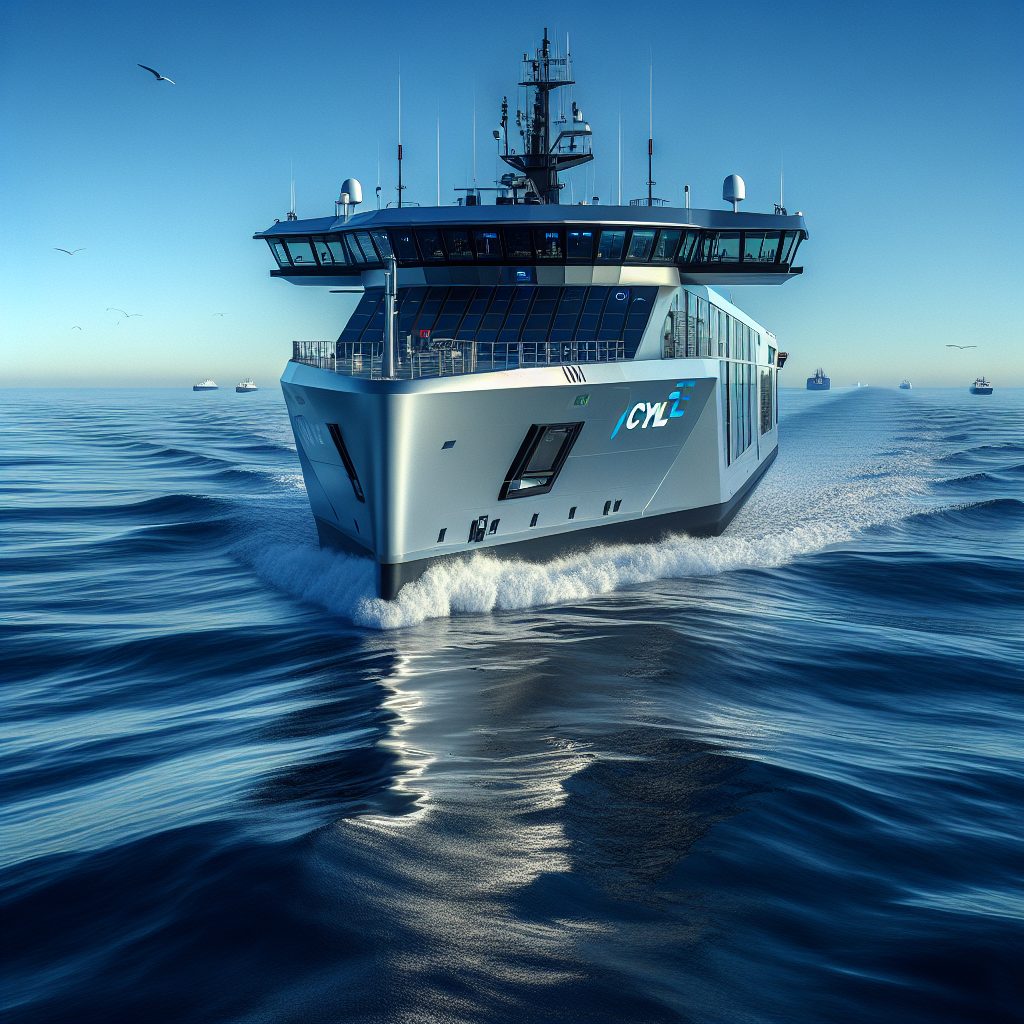
The Technological Revolution in Nautical Cartography: Cyvl’s Technological Innovation for Safer and More Efficient Navigation In a world where technology is advancing by leaps and bounds, the maritime sector is not lagging behind. Cyvl, an innovative infrastructure intelligence platform based on artificial intelligence, has taken a significant step by raising $14 million in a Series A financing round led by Sentinel Global. With over 100 partnerships established with local governments in the United States, Cyvl’s capabilities are revolutionizing the way maritime topographic information is collected and utilized. Vehicles equipped with Cyvl sensors act as mobile data centers, capturing high-fidelity 3D maps of various geographical areas. This technology offers unprecedented accuracy in cartography, becoming an essential tool for the development of safer and more efficient maritime routes. For professional sailors, this detailed information provides an additional level of security when planning their journeys. Cyvl’s technological advancement not only optimizes navigation but also provides employment opportunities for professionals in the maritime sector. With the expansion of its operations, the company is constantly looking for specialized talent that can contribute to the continuous improvement of its technological solutions. Direct Impact on Maritime Safety and Efficiency Precision in cartography is crucial for the maritime sector. The 3D maps generated by Cyvl allow sailors to precisely detect obstacles and navigation routes. This capability is particularly valuable in regions where maritime conditions can change rapidly, offering mariners a critical tool to make informed decisions in real-time. Furthermore, the use of these detailed maps can significantly reduce the risk of accidents and damage to vessels, resulting in lower operating costs and increased efficiency. Reduced risk of accidents and damage to vessels Lower operating costs for maritime companies Increased efficiency in route planning For shipping companies, this technology represents an investment in safety that can lead to a decrease in insurance premiums and an increase in customer confidence. In practical terms, Cyvl’s platform provides a robust database that can be integrated with existing navigation systems. This not only improves route accuracy but also allows sailors to adapt their strategies in response to changing environmental conditions. Employment Opportunities and the Future of Maritime Cartography The expansion of Cyvl and its ability to offer innovative solutions in maritime cartography open the door to new job opportunities. Professionals with experience in information technologies, artificial intelligence, and maritime navigation are highly sought after by companies like Cyvl, which seek to expand their teams to maintain and improve the quality of their services. For maritime investors, investing in technologies like Cyvl’s represents a step towards the future. The ability to offer safe and efficient navigation solutions not only improves profitability but also reinforces a commitment to sustainability and innovation in the maritime sector. Additionally, for nautical enthusiasts, these technological innovations offer a more enriching navigation experience. Increased demand for IT and AI experts in the maritime sector Investments in maritime technologies for future advancements Enhanced navigation experiences for nautical enthusiasts Conclusions: A Sector in Transformation The technological revolution driven by Cyvl is transforming the world of maritime cartography. By integrating artificial intelligence into the creation of 3D maps, sailors are offered an invaluable tool that promotes safety, efficiency, and sustainability at sea. Furthermore, Cyvl’s growth and focus on innovation provide a solid platform for future technological improvements in the maritime sector. From safety to cost reduction, the benefits of these innovations are evident and reflect a positive change in how maritime fleets are managed and operated. Professionals in the sector, including sailors, investors, and enthusiasts, have a unique opportunity to be part of this transformation. The adoption of these technologies can make a difference in the success of their operations and in the overall navigation experience. Invitation to Active Participation With Cyvl’s technology opening new frontiers in maritime cartography, now is the time to explore and integrate these innovations into your professional and recreational daily activities. We invite all those interested in being part of this revolution to consider the job opportunities that Cyvl has to offer. Submit your resume and join a company that is leading the change towards a safer and more efficient future at sea. We at WishToSail.com are excited to share this evolution in maritime technology with our readers and encourage everyone to continue exploring the possibilities that artificial intelligence offers in modern navigation.
High Resilience Connectivity: Eutelsat and Tusass Reinforce Infrastructure in Greenland
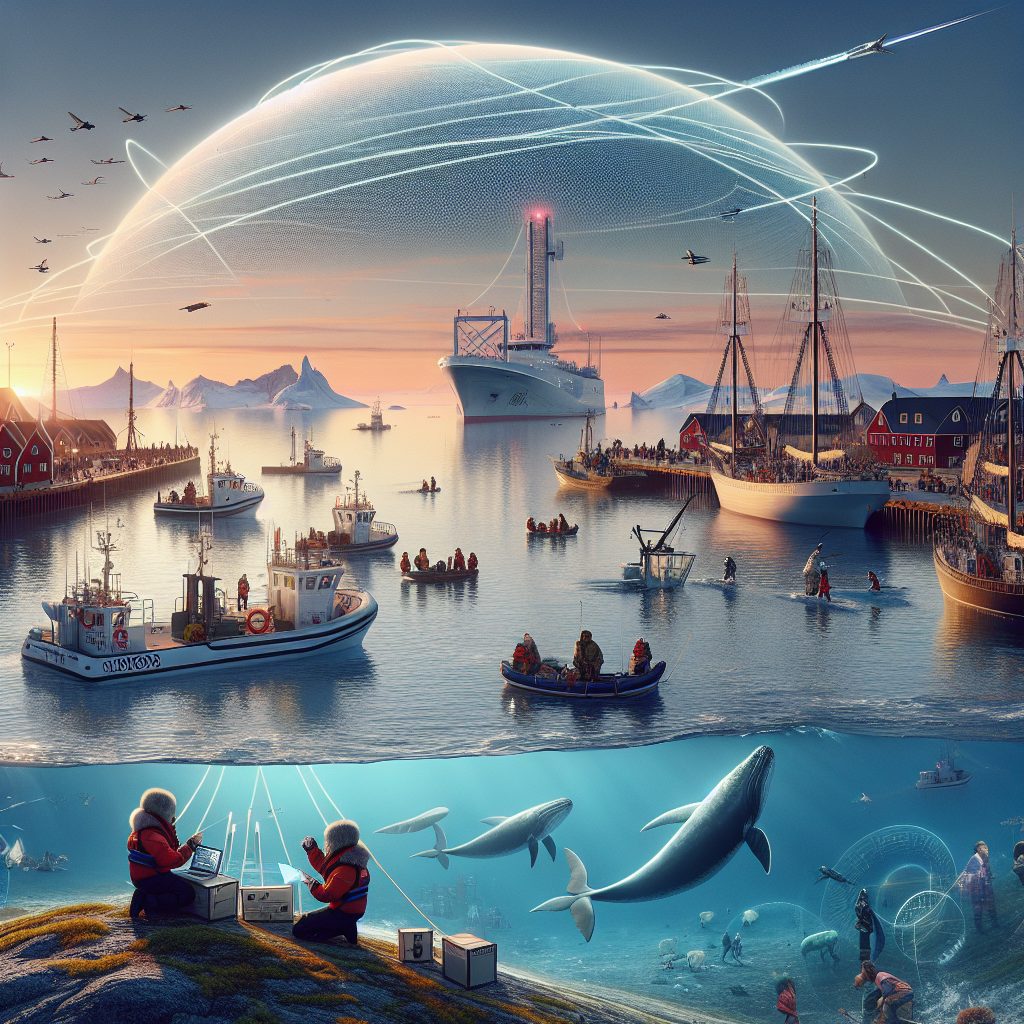
High Resilience Connectivity: Eutelsat and Tusass Reinforce Infrastructure in Greenland Innovative Technological Connectivity in LEO Orbit The strategic alliance between Eutelsat and Tusass marks a milestone in the maritime telecommunications industry. Through this collaboration, the aim is to introduce high resilience Low Earth Orbit (LEO) connectivity in Greenland. This technological advancement will not only enhance the quality of life for local communities but also open up new opportunities for the merchant navy and the nautical sector as a whole. LEO technology offers faster and more stable connections through a network of satellites orbiting closer to Earth. This represents a significant improvement over traditional geostationary orbit satellites, which have limitations in terms of latency and coverage. For professionals in the maritime sector, this translates into more reliable access to navigation, communication, and cargo management systems, essential for the success of maritime operations. Moreover, the implementation of this technology in such a remote region as Greenland underscores the commitment of both companies to offer solutions that address the specific challenges of the Arctic. Robust and continuous internet access in these latitudes is not only crucial for local communities but also for maritime and exploration operations that rely on reliable communications in extreme environments. Labour Opportunities and Economic Growth Expansion of telecommunications infrastructure is expected to increase demand for professionals skilled in the maintenance and operation of these new systems. Engineers, telecommunications technicians, and satellite technology specialists will find a fertile field to develop their careers in this context. The economic impact of this expansion is manifold, boosting sectors such as tourism, maritime transport, and fishing, all dependent on secure and efficient communications. Social Impact and Sustainability in the Arctic The arrival of LEO connectivity in Greenland has not only economic implications but also a profound social impact. Remote communities, often disconnected from the rest of the world, will now be able to access educational, healthcare, and emergency services much more effectively. From an environmental standpoint, the Eutelsat and Tusass project also promotes sustainability. The implementation of LEO networks could help reduce the carbon footprint of maritime operations by optimizing navigation routes and reducing fuel consumption. Why This Advancement Is Relevant to Our Audience For maritime professionals, this development represents a tangible improvement in operational efficiency and safety, allowing access to real-time data and stable communications in remote areas. For maritime investors, the improvement of communication infrastructure in the Arctic opens up new trade routes and business opportunities that were previously inaccessible. For nautical enthusiasts, this news promises safer and more connected navigation, transforming the experience of recreational boating. Invitation to Explore Further The strategic expansion of connectivity in Greenland through LEO satellites is just the beginning of a new era in maritime communications. Readers are encouraged to closely follow these innovations and consider how they can integrate these advanced tools into their daily operations. For those interested in job opportunities in this growing field, sending a resume to the companies involved could be the first step towards an exciting and rewarding career. For more information on this collaboration and its impact on the maritime and nautical sector, readers can continue exploring related articles and stay tuned for future developments on WishToSail.com.
The Green E-Methane Revolution in Spain and the Future of Sustainable Maritime Transport

The Green E-Methane Revolution in Spain and the Future of Sustainable Maritime Transport Innovations in the Renewable Energy Sector: Spain Leading the Way In a groundbreaking milestone for Spain’s energy sector and the European continent, Axpo Iberia and TURN2X have forged a pioneering agreement for large-scale production of green e-methane in the country. This strategically positioned agreement in the renewable fuels market represents a crucial step towards the decarbonization of industries resistant to electrification, such as maritime transport. Axpo Iberia and TURN2X collaboration Introduction of non-biological origin renewable gases Spain at the forefront of energy transition in Europe The collaboration with Aquila Clean Energy introduces the market to the first large-scale contract for the production of renewable gases of non-biological origin (RFNBO). This project is not only significant from a technological standpoint but also places Spain at the forefront of the energy transition in Europe, reducing dependence on imported fossil fuels. The relevance of this initiative cannot be underestimated. It integrates an innovative approach that combines green hydrogen with biogenic carbon dioxide, producing renewable natural gas with a significantly reduced carbon footprint. Advanced Technology: The Future of E-Methane E-methane, produced through the methanation process owned by TURN2X, uses green hydrogen generated by electrolysis powered by renewable electricity from Aquila Clean Energy. This process not only creates a clean fuel but also utilizes carbon dioxide that would otherwise be released into the atmosphere. Process of methanation and green hydrogen Utilization of renewable electricity for production Injection of renewable methane into the existing network This technology’s efficiency lies in its circular economy model, where carbon is recycled rather than emitted. The fact that this gas can be seamlessly integrated into the current energy system without the need for new infrastructures is a notable advancement. It enables a smooth transition to the use of cleaner energy sources while maintaining the functionality of the existing system. Strategic Collaborations: Driving Sustainability The success of this project is due to the collaboration of three key entities. Axpo Iberia plays a crucial role in marketing and supplying the renewable electricity needed for the process, ensuring its renewable origin in accordance with European regulations. TURN2X, with its advanced technology, is responsible for operating the electrolysis plant and producing scalable green methane. Finally, Aquila Clean Energy ensures the supply of electricity needed for this production, ensuring regulatory compliance. Role of Axpo Iberia, TURN2X, and Aquila Clean Energy Compliance with European certification standards Promotion of innovation and sustainable development This partnership has not only allowed for adaptation to a complex certification framework by European bodies but has also positioned Spain as one of the first markets to implement methane production fully compliant with RFNBO regulations. It is a clear example of how collaboration between sectors can drive innovation and sustainable development. Impact on the Maritime Sector: A Greener Future Maritime transport is a critical industry in the global economy, but it is also one of the main sources of greenhouse gas emissions. The introduction of e-methane as an alternative fuel presents an effective solution to reduce these emissions and move towards a more sustainable future. Reduction of greenhouse gas emissions in maritime transport Economic benefits of using e-methane Compliance with environmental regulations By using this fuel, shipping companies can not only reduce their environmental impact but also benefit economically as markets begin to place more value on sustainable approaches. Additionally, the use of e-methane can help companies comply with increasingly strict environmental regulations, thereby reducing the risk of sanctions and improving their corporate reputation. For nautical enthusiasts, e-methane offers a new way to enjoy their passion more sustainably. With the possibility of using this fuel without significant modifications to current vessels, a new world of opportunities opens up for sailing with less environmental impact. Future Perspectives: Beyond E-Methane The hydrogen roadmap in Spain foresees a significant increase in electrolysis capacity by 2030, with ambitious goals for the use of renewable hydrogen in industrial and transportation sectors. The key to achieving these goals lies in developing replicable and economically viable business models, as demonstrated in this collaboration. Hydrogen roadmap in Spain Increased use of renewable hydrogen in industrial sectors Development of economically viable models Compliance with European Commission standards is essential to classify hydrogen and its derivatives as renewable, unlocking critical incentives and market mechanisms for the expansion of this energy vector. This project not only creates a more sustainable future but also sets a new standard for collaboration between companies and the public sector. Finally, this partnership between Axpo, TURN2X, and Aquila Clean Energy serves as a replicable and regulation-aligned model, supporting energy transition across Europe, boosting market confidence, and financing for the rapid implementation of renewable fuels. Conclusion: The E-Methane Revolution as an Opportunity In conclusion, the production of green e-methane in Spain is not just a technological breakthrough but an opportunity that opens up new paths for economic development and sustainability in the maritime sector and beyond. The transition to cleaner energy sources is imminent, and such innovations are essential to achieve climate and economic goals.
The Green Revolution in the Maritime Sector: WinGD Leading the Way in Two-Stroke Engines Powered by Ethanol

The Green Revolution in the Maritime Sector: WinGD Leading the Way in Two-Stroke Engines Powered by Ethanol In a significant step towards sustainability in maritime transportation, WinGD, a leading Swiss company in marine engine innovation, has announced the launch of the world’s first two-stroke marine engine powered by ethanol, scheduled for 2026. This development marks a crucial milestone in decarbonizing the maritime industry, offering shipowners and operators a powerful, reliable propulsion solution with lower carbon emissions, both for new builds and retrofit vessels, with deliveries expected by 2027. WinGD has solidified its position as a pioneer in marine technology by building on a decade of rigorous research and development. Their new ethanol engine stems from the proven foundations of the X-DF-M methanol-powered engine platform, already globally recognized for its benefits in safety, performance, and the environment. The ethanol engine will leverage the diesel cycle combustion concept and incorporate fuel injection systems and control strategies tailored specifically to the higher energy density of ethanol. WinGD’s dedication to ethanol fuel dates back to 2014, with a project sponsored by the Swiss Federal Office of Energy and evolving through innovative collaborations like the EU-funded HERCULES 2 initiative, which developed flexible alcohol fuel injectors. Ethanol’s renewable credentials, sustainably produced from biomass, and its competitive availability in the market position it as a compelling maritime alternative. The introduction of this engine not only represents technological advancement but also complies with strict global emissions regulations that are being implemented. This is not only advantageous for environmental preservation but also opens significant opportunities in the job market for maritime professionals interested in working for innovative and sustainable companies. Collaboration in the Industry and Future Plans WinGD is actively engaged with shipowners, ethanol suppliers, and classification societies to finalize the commercial applications of their new engine. The possibility of optimizing this engine for ethanol or incorporating dual capability with methanol is under analysis. By becoming a founding member of the Global Ethanol Association, WinGD has reinforced its commitment to advancing ethanol in the maritime sector, connecting key stakeholders along the value chain. For merchant mariners, this collaboration means access to cutting-edge technologies that not only offer efficiency and reliability but also pave the way for new markets and maritime routes. The job opportunities are vast for those with experience in dual fuel technologies or transitioning to sustainable fuels. In the near future, WinGD plans to unveil more technical details and commercial insights in their upcoming Low-Speed Engine Book, scheduled for early 2026. This publication will provide a comprehensive guide for industry professionals, giving them a competitive edge as they navigate regulatory compliance challenges and optimize their fleet’s performance. Deep Commitment to the Global Push for Ethanol In early September 2025, the Global Ethanol Association was officially launched in Neuchâtel, Switzerland, marking a significant milestone in the global effort to position ethanol as a clean and scalable fuel solution. As a founding member, WinGD brings crucial technological expertise to support the Association’s goals in integrating ethanol into global maritime transport. This collaboration reaffirms WinGD’s commitment to energy transition, providing advanced multi-fuel engine technologies that enable shipowners to adopt ethanol as part of a sustainable fuel mix. Participation in the Association not only benefits the involved companies but also has a positive impact on reducing global emissions and promoting renewable fuels. For nautical enthusiasts and industry professionals, staying informed about these initiatives is not only inspiring but also offers the opportunity to actively contribute to the transition towards a more sustainable future, participating in collaborative projects that promote innovation and sustainability. About WinGD: A Pillar of Maritime Sustainability Founded in Winterthur, Switzerland, in 1893, WinGD has been at the forefront of innovation in marine engines. Their sustainable energy systems advance decarbonization in maritime transport by reducing emissions, fuel efficiency, hybridization, and digital optimization technologies. Supported by WinGD’s global service, the company ensures 24/7 lifecycle support for their engines, ensuring vessels operate at peak performance with Swiss engineering excellence. With their recent ethanol engine initiative, WinGD continues to be a leader in the transformation towards a sustainable maritime future, providing innovative solutions that drive progress in the industry and offer new possibilities for shipowners, operators, and industry professionals.